Tag Archives: water

WITHOUT WATER

I had to tell her
about the gardeners
out of work, looking
for roses to prune,
green lawns to mow—

the fallow fields of dust
without crops to pick,
pack and haul to town
by truck, about how lean
the San Joaquin’s become.

Moonlighting, someone’s
hooking-up to hydrants
in Lemoore—a new market
for semi short-hauls
anywhere you want to go.

In the deep powder, shotgun
barrels at each trough
waiting for dove, all
signs of the hunt erased
by the wild at dawn.

I had to tell her
we’re OK, better off
than most—just to have
her think of more
than herself for a change.


AUGUST 2014

IMG_0004


Stepping back from our routines of irrigating, checking stockwater and increased feeding, August has been a delightful month, cooler overall than average. It feels like an early fall. Our cows are bred to start calving next month, and more than ever we’re excited to get on with the next phase of this business, another beginning of a new cycle as we approach our rainy season, described by an early California historian as that time when it might rain.

Two years of drought has forced us to reduce our cowherd by 40%, leaving less cows to supplement with hay, less four-wheel drive excursions into our upper country with expensive alfalfa. As a result, we have reduced the average age of our cows, focusing on the maternal traits of our most recent genetics as the core of our herd. We’re excited to get started and see the calves.

As always, we head into calving blind, not knowing what circumstances the weather will create, and not even knowing whether our reduced calf crop will generate enough to cover our future expenses—a true gamble, daily investing ourselves and all we have for an unknown payday—not exactly what I was taught in business school!

But it’s what we do, it seems, year in and year out, trying to make ranch improvements as we go just to make life easier as we get older. We’re ready for the calves and ready for some October rain to put this drought behind us.


IN SIGHT

P7050094


The day unfolds in the black:

another circle of hay and water,
cows and bulls, a dusty track
on worn terrain now dreaming

on a cool, downcanyon draft
of bluster and damp—of drinking
dark clouds until the dust is mud.

Out of the shadows, the wild steps
lightly, all sharing the same dream
rising from the dry, dry earth.


Eagle at the Windmill Spring

IMG_8916

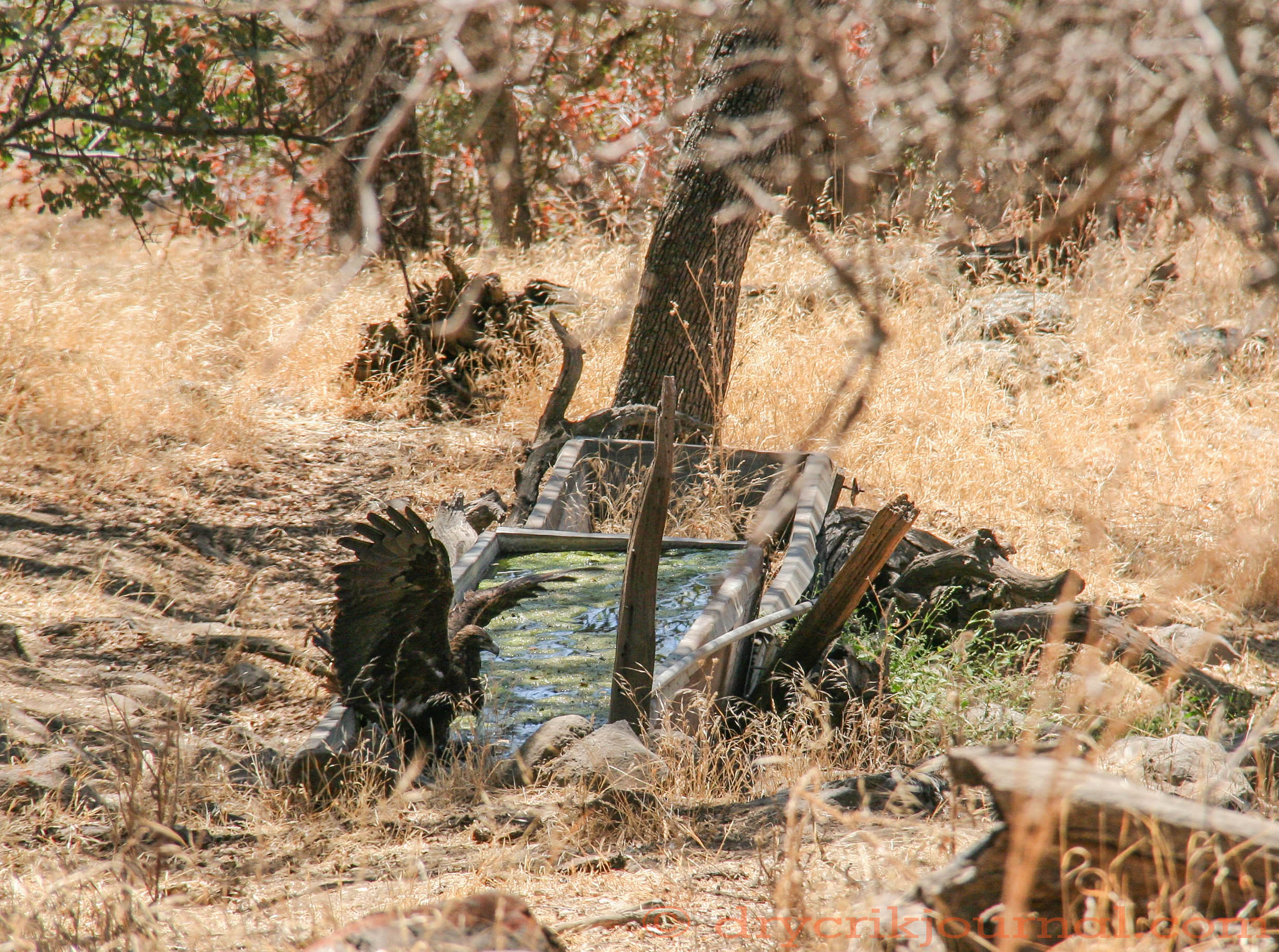
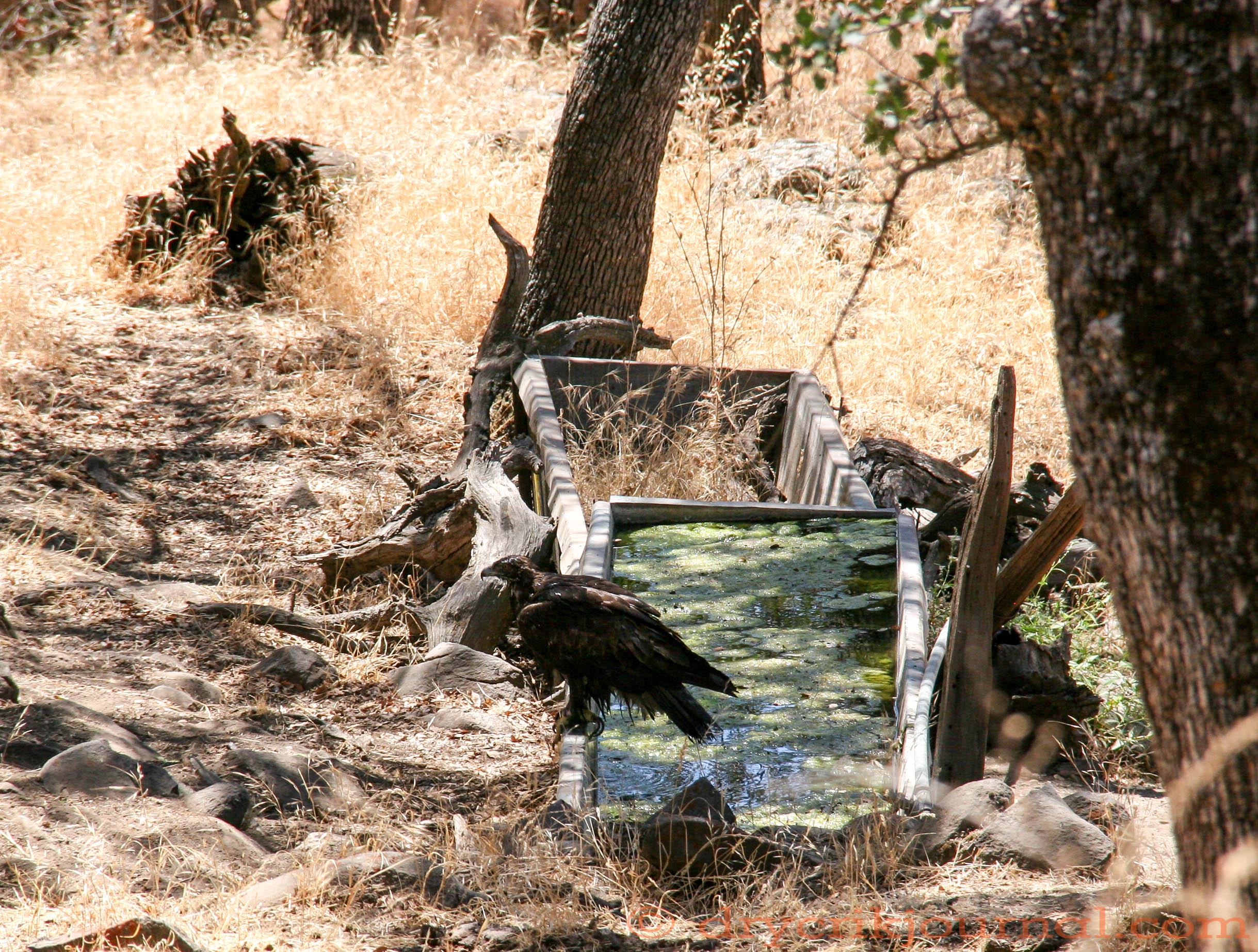
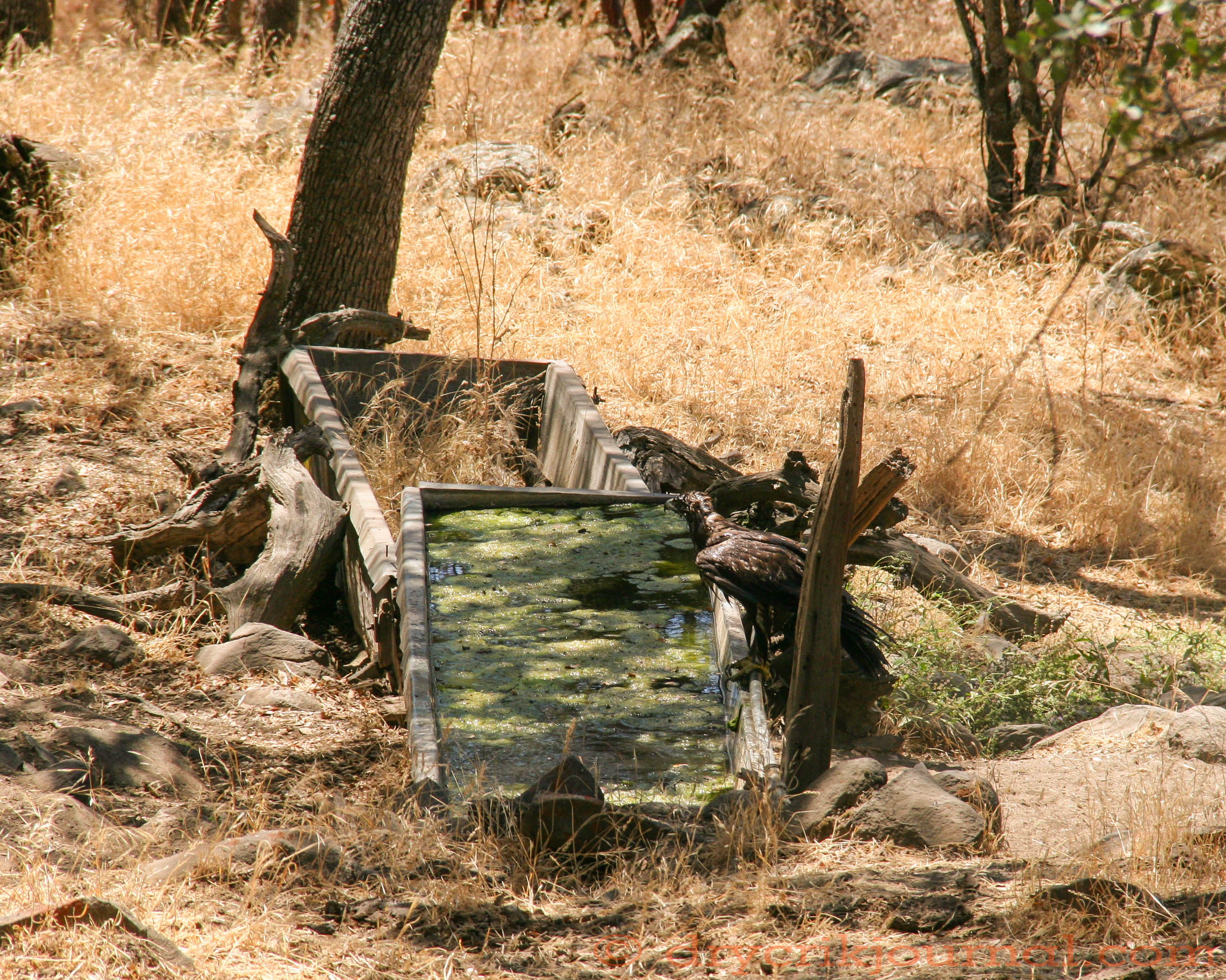
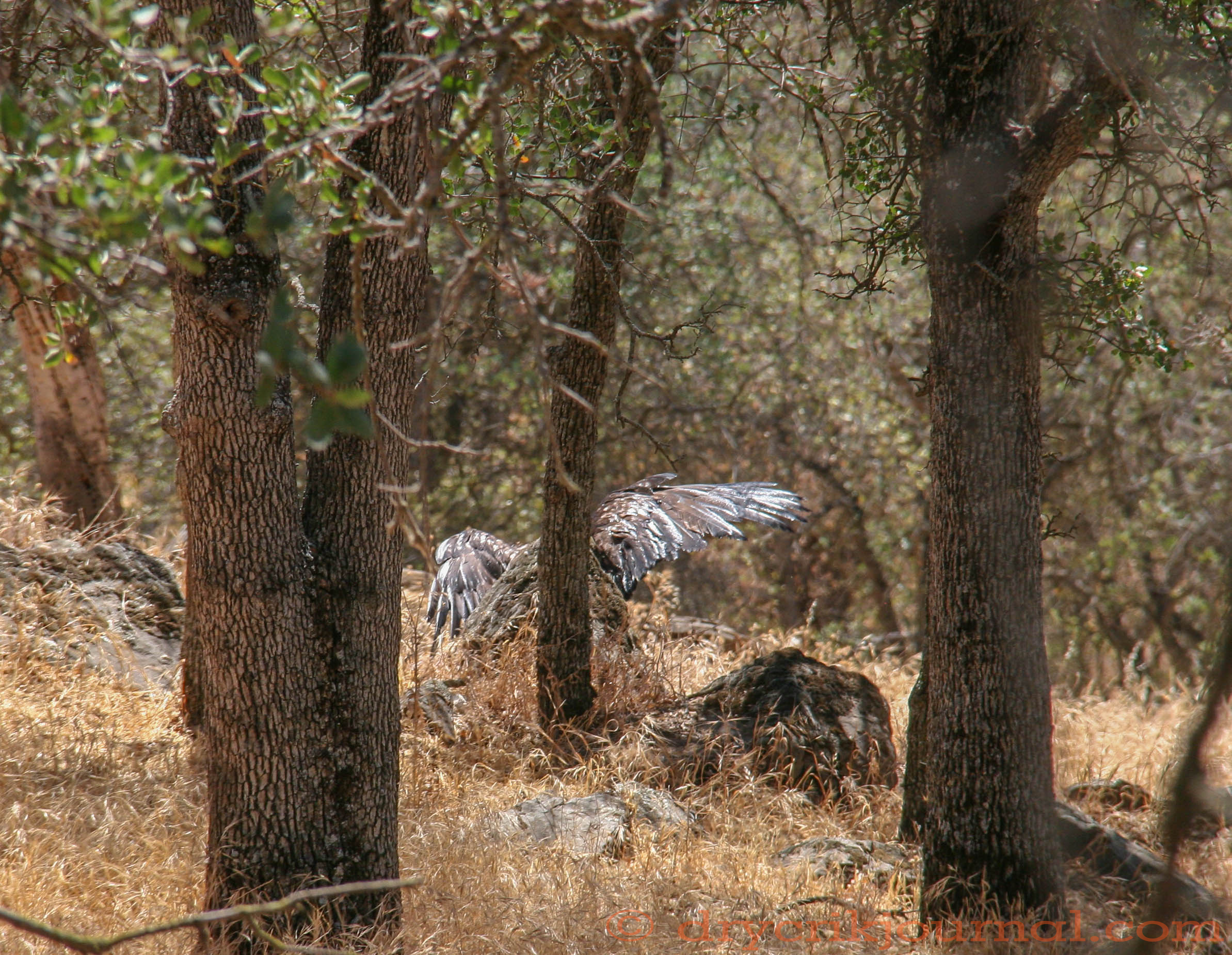
All tracks lead to water on a dry year like this one when good springs and stockwater may be miles apart. Checking the Windmill Spring yesterday, after feeding the cows on the Paregien Ranch, a young adult Golden Eagle I had seen a few weeks ago at the bottom water trough, was back for a bath.

IMG_8928

The first time, it had been getting a drink while I spent fifteen minutes or so unplugging a pipe before I noticed it sitting on the edge of the old redwood trough in the oak trees about 150 feet below me. Yesterday, I could see its dark shape from the pickup when I arrived. Like the cattle, the wildlife becomes accustomed to the few humans they see, so I meandered closer snapping photos as I went.

IMG_8945

I stopped at about 100 feet and it decided to continue its bath despite my presence.

IMG_8947

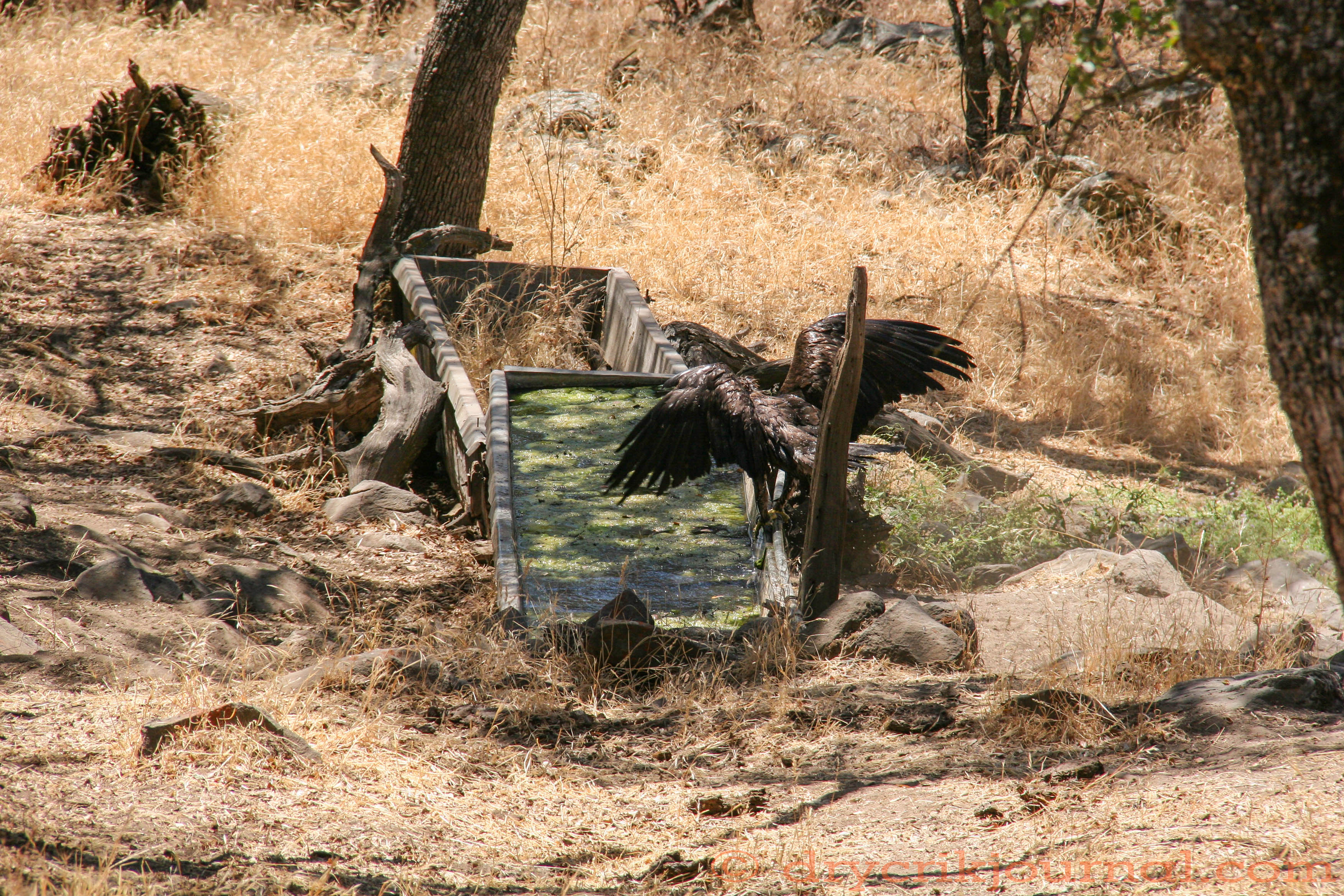
After splashing and literally rolling in the water for several minutes, it was too wet to fly…

IMG_8948

IMG_8949

…and ran up the hill beating wings to dry its feathers.

IMG_8952


Great Egret

IMG_8900

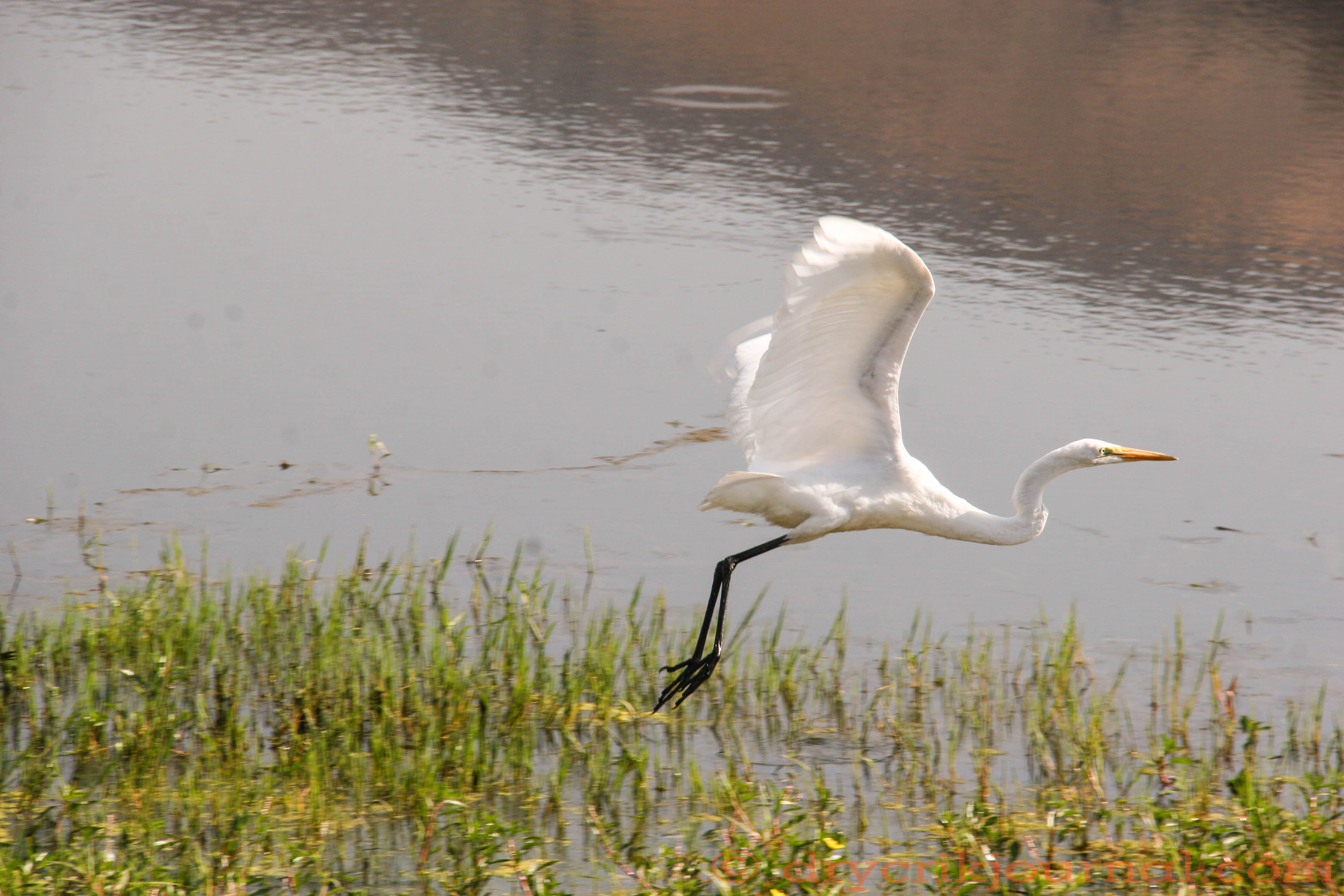
Not satisfied with the poem that I was working on, I went to work this morning sans post. But while changing my irrigation water on the Kubota, I came upon this fellow more intent on breakfast than nervous about me, about thirty feet away.

IMG_8901


AFTER TALKING WITH GAIL

IMG_8462


                    what was done in blindness,
                    loving what I cannot save.

                         – Wendell Berry (“To My Children, Fearing For Them”)

No bluecoats, no cavalry trumpeting,
no loping long line of sabers flashing
to rescue what was commonplace before

we put ourselves first, drank the water,
pumped the earth dry, our children
abandoned to a new order in time

of scrutiny and enforcement. We believed
in magic, but their emptiness is mine—
a greater void than I can fill with poetry.


WPC(4) — “Silhouette”

Ides of August

P7120018

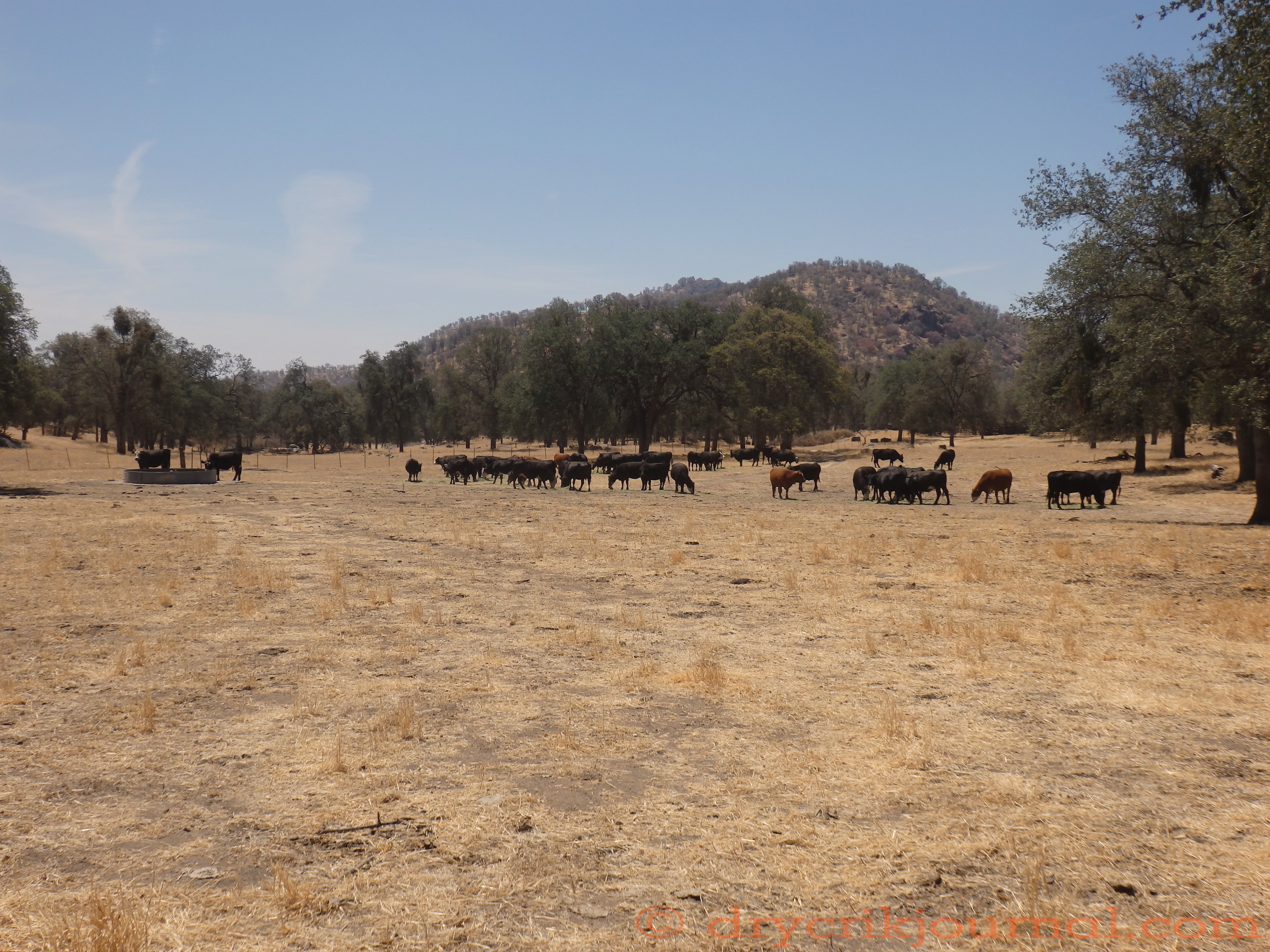
These girls are two weeks away from calving as we begin a new season with little feed and less water, but we’re optimistic nonetheless, looking forward to a little rain and green grass.

Collisions in Place

IMG_3862


Though we don’t leave the canyon often, it’s always fun to speculate about moving to another place, like Victoria where summer temperatures are 25°F cooler than the San Joaquin Valley, where the urban pace is not as urgent as California, where the air is clean and clear. It’s been over a year since we’ve left the ranch on Dry Creek, the dust and drought, the cattle, but in Victoria our daydreams broke free enough to take on details, like trying on new clothes for a decent fit.

Concurrently, I was reading Wendell Berry’s “Imagination in Place”, a collection of essays that exemplify the concept of how belonging to a place can offer a more sustainable vision for it, our community, and ourselves. Reading from Victoria, it was clear that I had not exhausted what was possible on Dry Creek, despite a lifetime of observations, improvements and reams of poetry.

Unbeknownst to us, my daughter Jessica For the Archives who lives on the island of Kauai, was visiting Galiano Island with her husband and son. We’re lucky to see them once a year, so to have them near as the band rehearsed for their show on Salt Spring Island, to pick up where we last left off so effortlessly in a place that was not home to either of us (though Jessica had spent a year on Salt Spring Island) was an interesting mix of exhilarating emotions. We loved it.

Arriving home to the Islands just ahead of hurricanes Iselle and Julio, they were thrown into hurricane prep mode, boarding windows and stowing stuff. But living on a Noni farm with access to well water and a solar pump increased their sense of security, the whole experience enhancing their confidence to ride out most disasters—part of learning to live in a place.

She emails: “Curious how it’s been for you coming home. Sometimes it’s hard to return, other times it feels so good. Sometimes, it’s a little of both.”

It has not been an effort to fall back into the mundane routine of feeding and irrigating, checking stockwater and cows that will begin calving in a couple of weeks. The long shadows of August promise change, the monsoonal thunderheads in the high mountains and the gusts they bring to the canyon excite us to feel young and alive as summer begins its retreat into what we hope will be a normal year of grass and rain. We start over again in a place we know and trust.

WPC(3)—HONKERS

IMG_0715


From somewhere north
they arrive together
for the summer—lovin’ it.


WPC(3)—”Summer Lovin'”

Closer Longer

P7230006


During the past decade, the Great Blue Herons have become less tolerant of our presence, it seems, quicker to fly as we go about our normal routines of feeding and gathering cattle, or irrigating. In the 1950s, their rookery was in a stand of sycamores along Dry Creek, located a mile south of where we now live. It was not uncommon to ride beneath their rookery and not have them fly. The closest residence was three miles away.

Sometime in the 70s, they moved downstream two miles to another stand of sycamores along the creek between our irrigated pastures and closer to the recently abandoned gravel pits below Terminus Dam and Lake Kaweah. At that time, the Great Egrets began to appear on the ranch, but maintained their rookery elsewhere.

The Great Blues moved again in the mid-2000s to somewhere within the abandoned gravel pit area, about 100 acres of thick riparian at the confluence of Dry Creek and the Kaweah River, a ‘no-man’s land’ and home to deer and feral pigs, diverse raptors including Osprey, among other things.

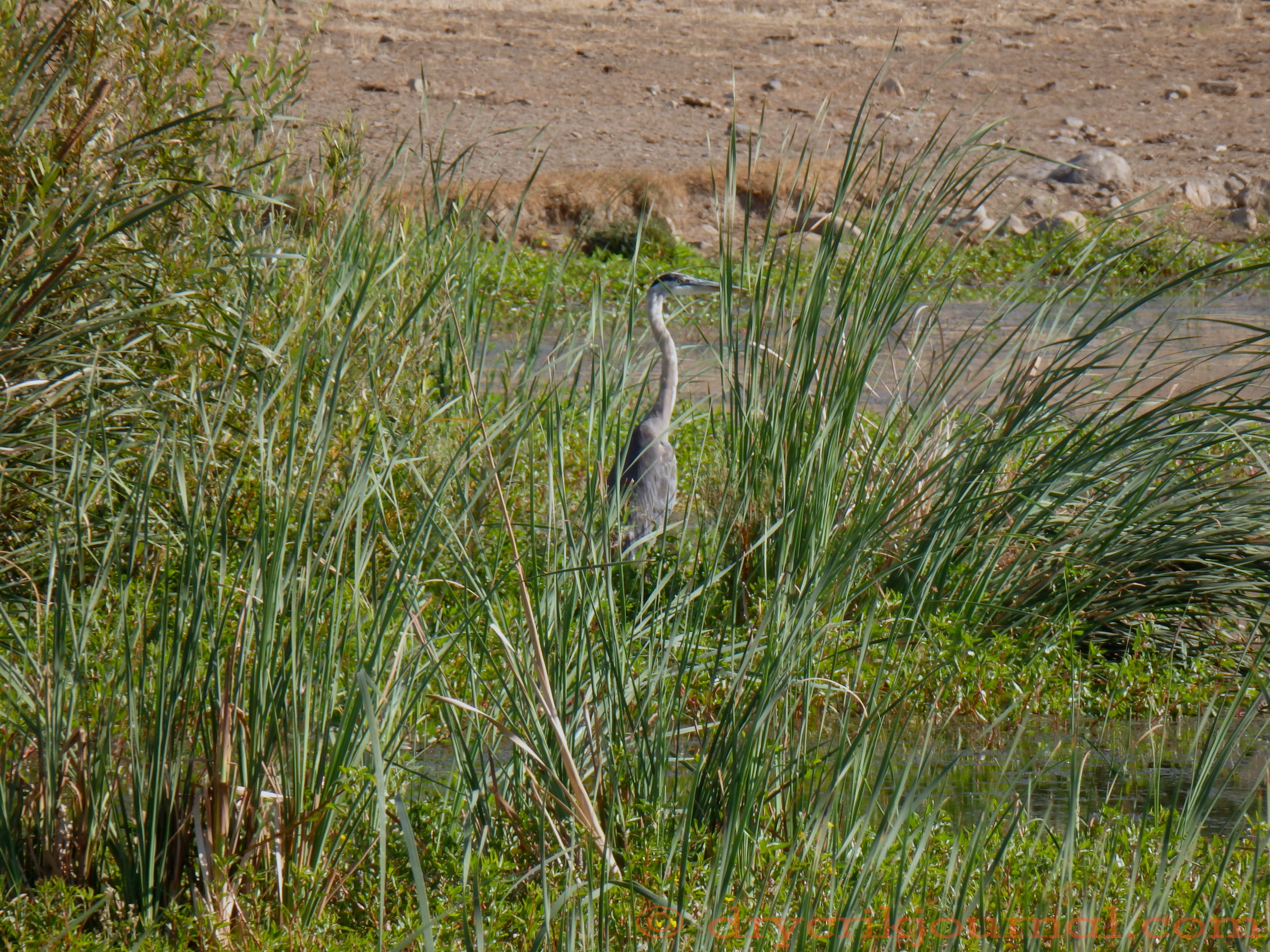
I have encountered the heron above two or three times a week along the shore of our irrigation pond since spring. The comfortable space between us has decreased to about 100 yards now, down from 400 when our irrigating began. Whether thinking it was hidden in the cattails or getting used to me, this photograph with my Olympus point & shoot was closer longer.