Tag Archives: water

NAKED WAVES

In the dark, waiting once again
with calves for dry green hay,
listening for the diesel engine

climbing at an idle in the canyon
far below, they dream of grass,
tall thick blades caressing legs,

briskets and bellies, udders
full, the sweet scent of cuds
swirling in waves of plenty—

but we can’t see beyond
the dry and dusty moment:
down limbs beneath skeletons

of oak trees given up
their last leaves with rising
dust trails of quail, families

leaving in a cloud for thin cover.
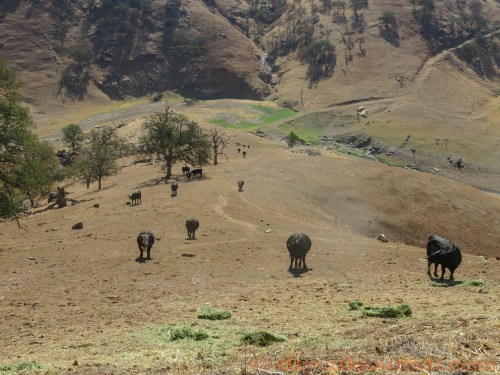
Cut deep and soft, cow track
highways all lead to water,

meander on efficient grades up
and over short-cropped ridges—
naked waves in shades of brown.


New Trough

IMG_0410

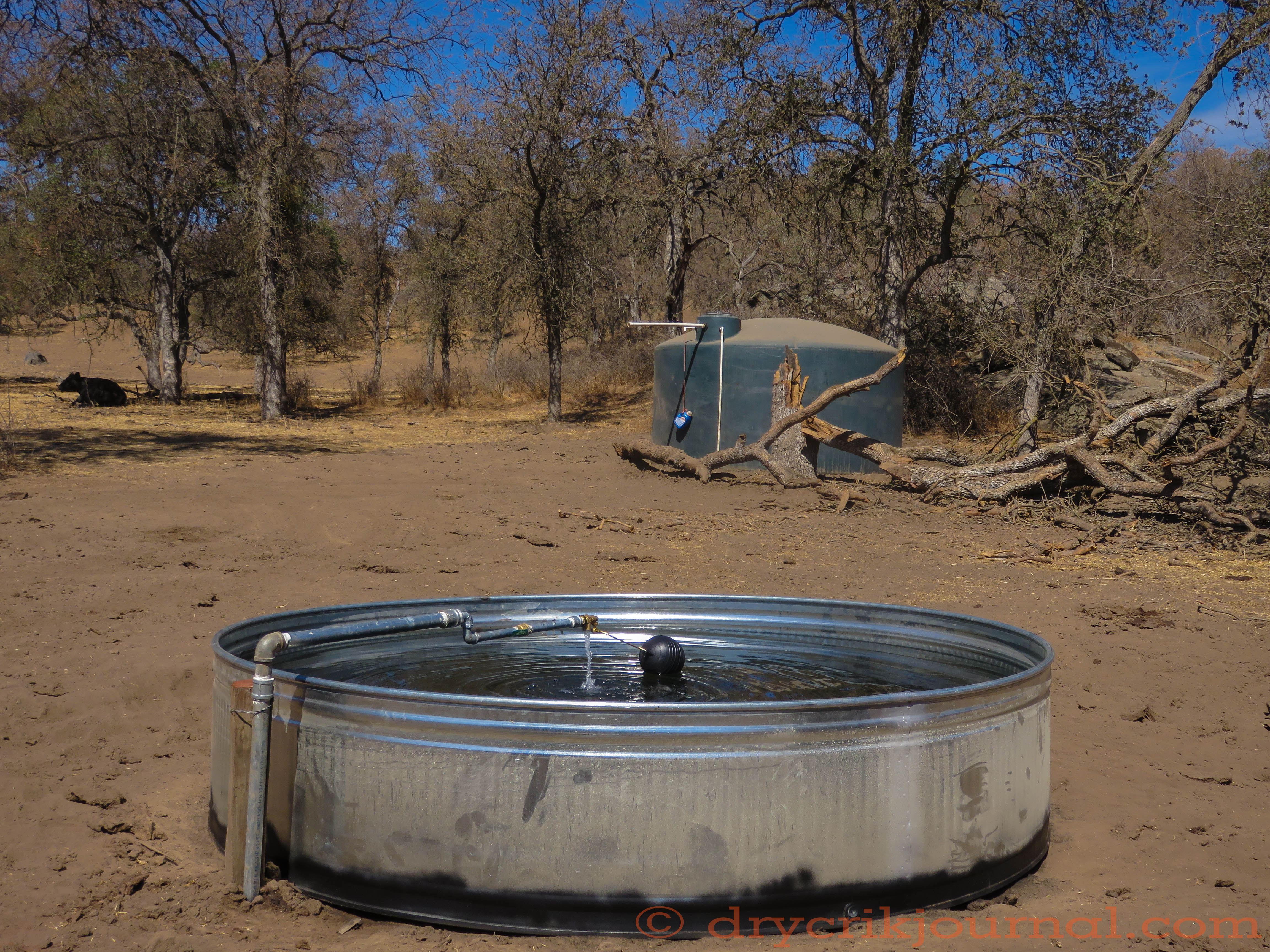
We’ve accomplished much this week with son Bob spending some of his vacation time on the ranch, yesterday helping me install a new water trough on the Paregien Ranch to utilize our new solar pump. Ever optimistic, we anticipate some fence work for the gathering field it will serve when it rains enough to soften the ground to dig and drive posts.

IMG_0416

IMG_0420


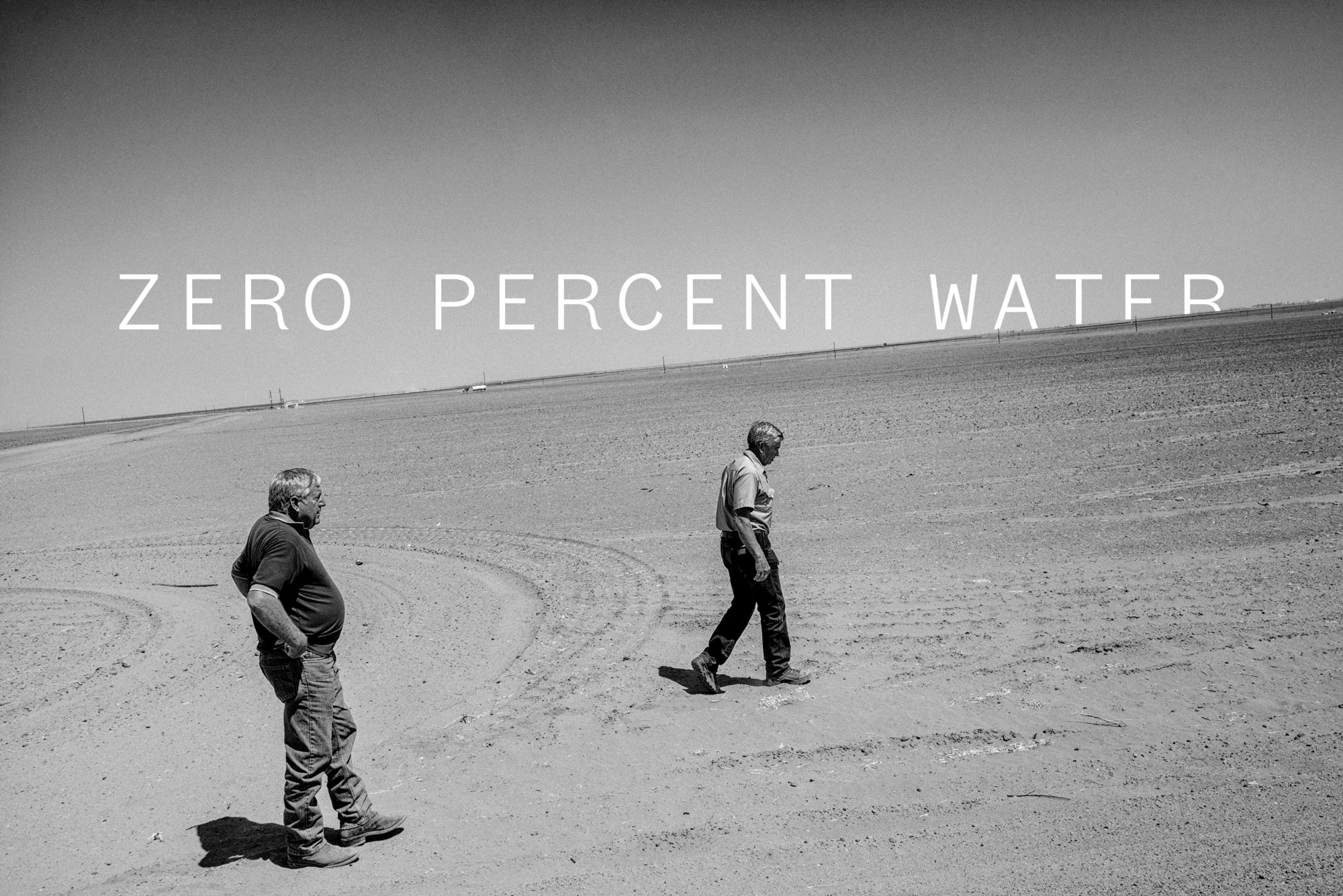
“Zero Percent Water” — The Drought West of 99

1-QlFXsaa26f8jU8zFKKO4EA

This story was written by Alan Heathcock. It was edited by Mike Benoist, fact-checked by Ben Phelan, and copy-edited by Lawrence Levi. Photographs by Matt Black for Matter.

This is an exceptional read about the water problems in the Central Valley of California. Though we’ve seen little else but dust for the past eighteen months, though we’ve had to reduce our cowherd by 40%, the impact of the drought on us pales alongside the water problems west of US 99.

“Zero Percent Water”


IN THE CLOUDS

img_4683


Down the Sierra’s spine,
they sneak-in and loom,
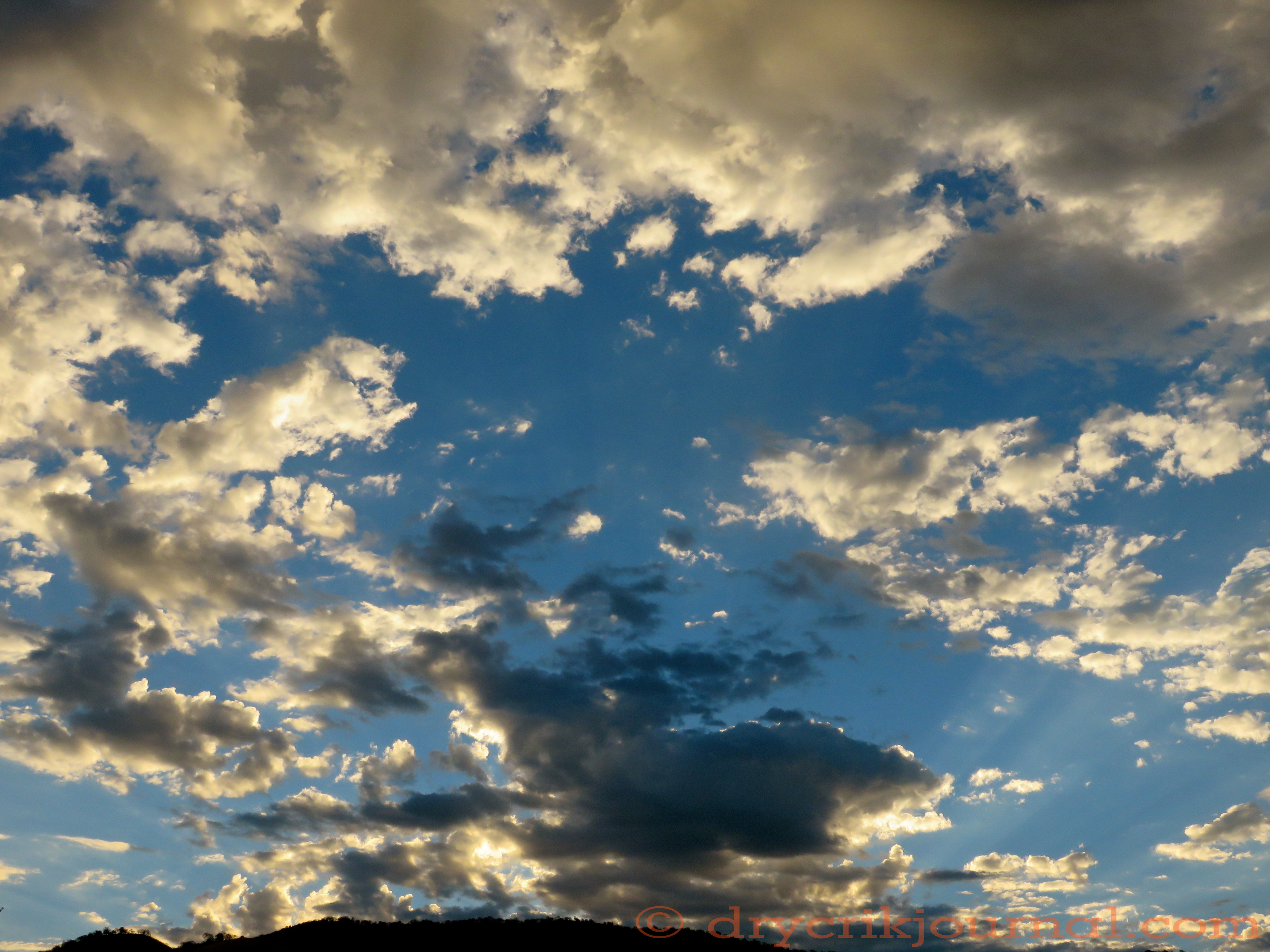
cumulus over the ridgeline.

No storm clouds, but friendly.
We know now we’ll never be
the same, never assume

green feed and water
always. We will pray
in our own way, kneel

before the cotyledons
breaking through the clay,
stare rain in the eyes.

And when the chant of pagans
sing, we will make love within
soft petals of wildflowers.


EQUINOX 2014

IMG_3871


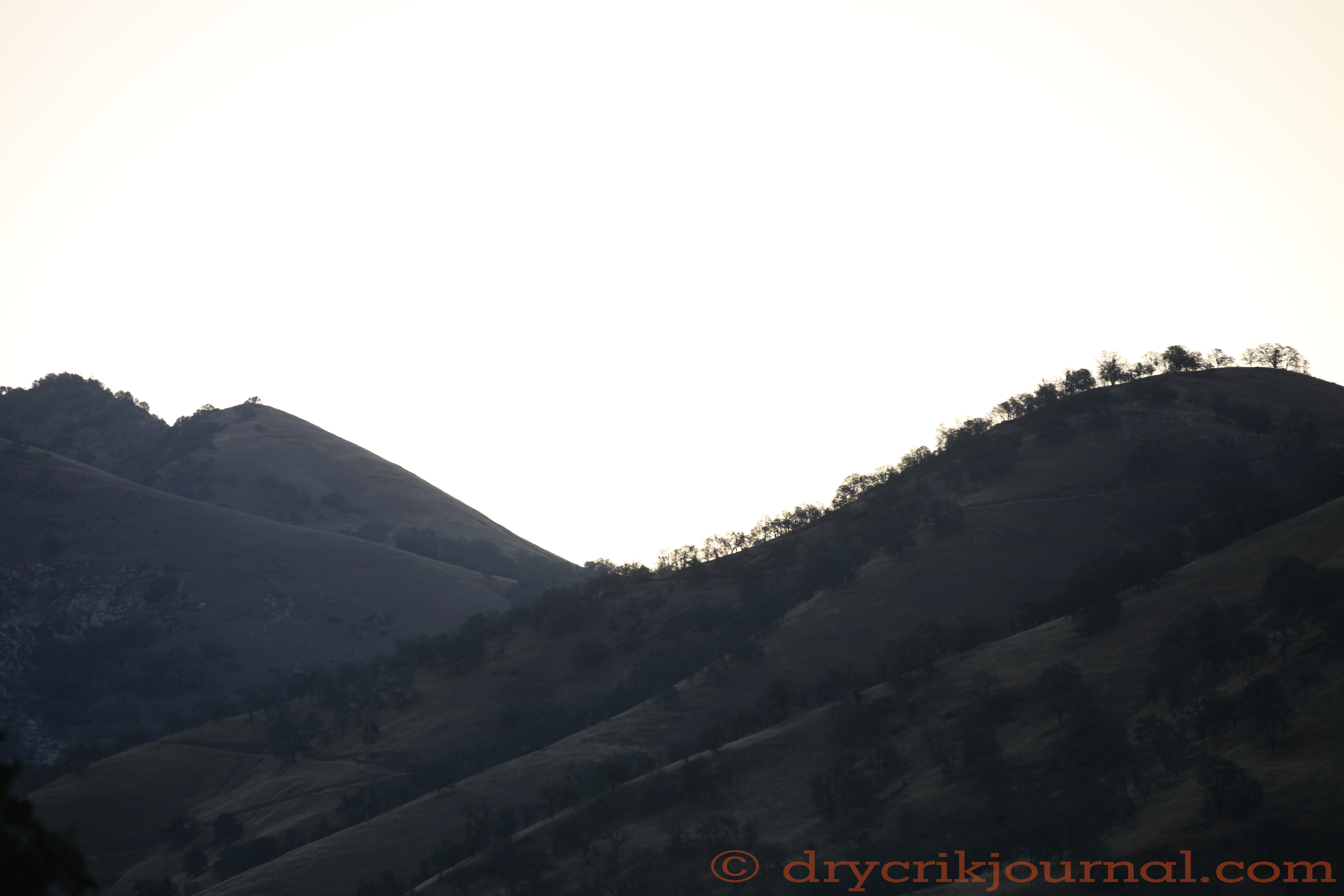
The air smells damp at first light
beyond the jagged silhouette of ridges
that frame my mind—no straight lines,
no ‘only’ connections between heaven
and earth as I glance up in disbelief
inhaling dark moisture around me.

First dew after a drought confounds
the senses armed for more hot and dry
and I want out—out of summer
and into pastures with the heifers
nursing their first calves. I follow
fresh coyote tracks in last night’s dust

to an isolated draw for yesterday’s newborn,
watching for motion among the boulders
and Blue Oaks that haven’t moved
in my lifetime, where the spring went dry
two weeks after we drilled our well
deep into the hardrock to artesian

a half-mile away. We had to trench
a pipeline back to the trough
from the pump—no straight lines
above or under this old ground
holding us together best it can—
and there I find them: fine.

We are tough enough to submit
to long days beneath a blazing sun,
wear mental armor, gnash our teeth
into lockjawed grins to get by, but
searching, ever-searching for new sign:
fresh proof that nothing stays the same.


WPC(2) — “Endurance”

Feeding Again

IMG_0234

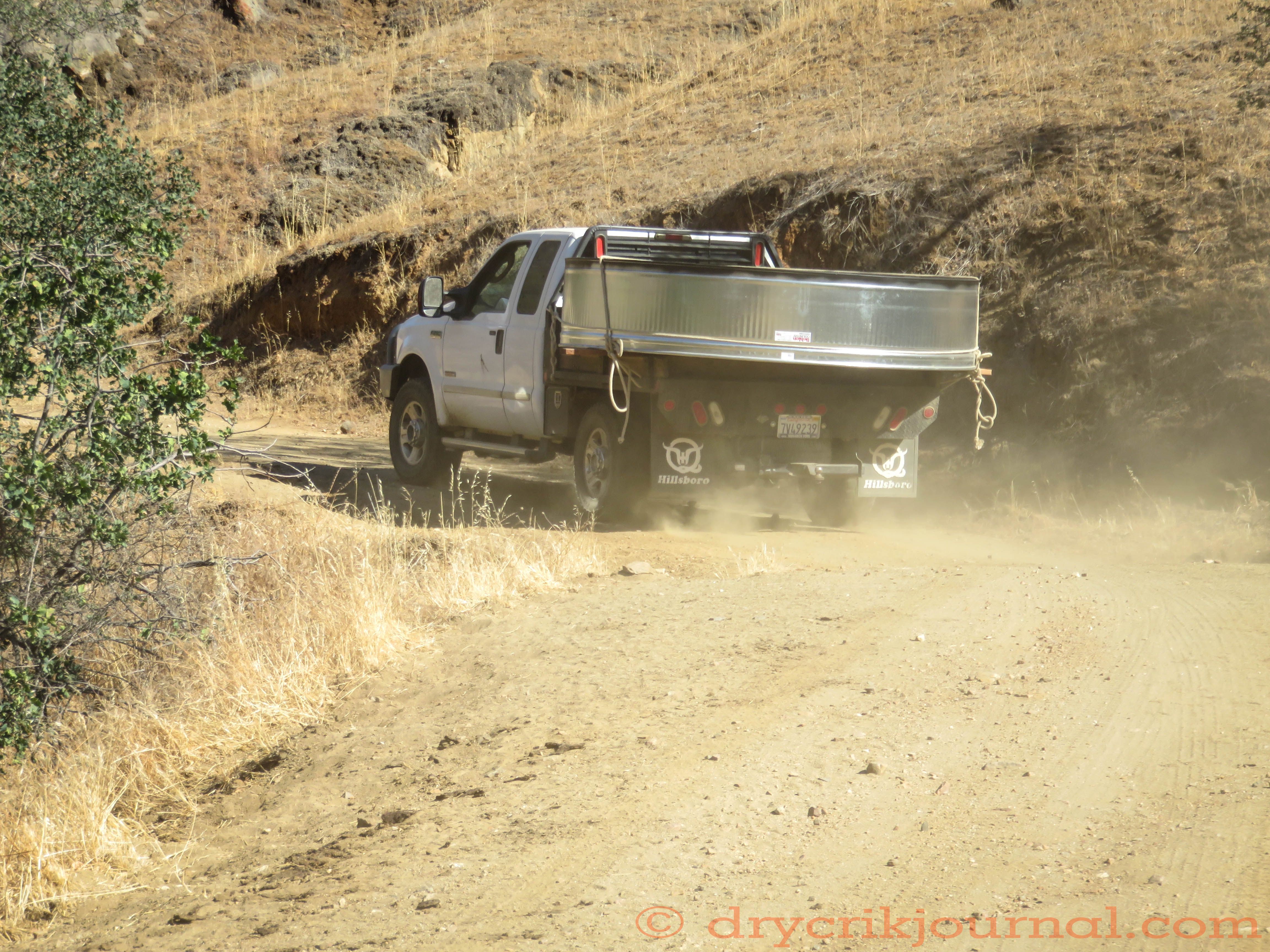
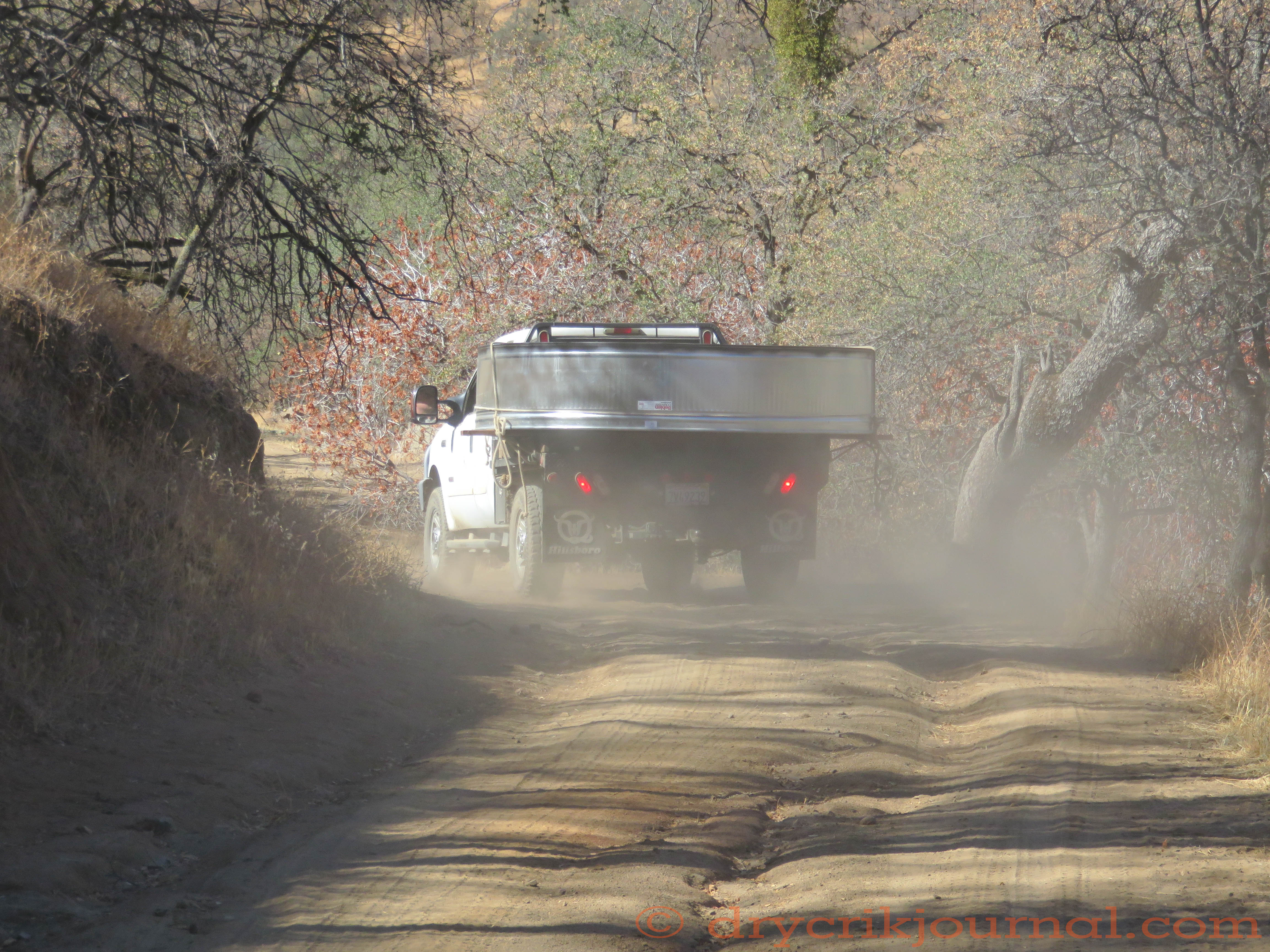
Psychologically, it’s not been difficult to get back into the feeding routine again, having fed continuously from August to April last season with little rain and less grass. And physically, I’m still in fair shape, but after forty-five years of bucking bales, I tend to roll them, rather than muscle them into place on the feed truck. And due to two years of drought, there’s 40% less cows to feed now.

As they begin to calve and have two mouths to feed, it’s essential that the cows are in good shape so that they will be cycling when we put the bulls out on the 1st of December. We ended last season with more dry feed in our upper granite country than in the clay, but still not enough to sustain a cow with a calf very long without hay. If a cow gets thin going into winter when she burns more calories, it takes more hay to get her to cycle than if we had fed her earlier.

Nobody’s starving, but after the last two years, just the sound of the diesel engine brings them to the feed truck. It was a little cooler yesterday, about 85° when we headed up into Greasy Creek, feeding the girls in Belle Point along the way. By the time we got to Greasy Cove the cows were shaded-up on the edge of a near-empty Lake Kaweah, about the only water they have to drink. We can’t take the hay to them, so they have to chug up the hill out of lake bottom to get hay. We didn’t have all the cattle, but left enough on the ground that the rest will get some.

Despite cooler nights and shorter days, stockwater is still an issue as the pond at Ragle Springs is now dry, though the spring is running enough to support a few head. We’re watching the weather hopefully, knowing that we will need near-perfect conditions get a decent feed year: early slow rains to get the grass started well-enough to hold moisture and keep our dry slopes from washing away.

AT DAWN

IMG_0212


The earth is hard and dry—
but when it comes to dreams
we look to the sky.


FIRST

December 28, 2013

December 28, 2013


Shedding a few leaves early, the sycamores
have begun to turn, quit taking water,
teasing me with peeks of more alabaster flesh

at a distance—first moves before the sway
of winter’s naked dance along the creek—
sandy cobbles like rafts of human skulls now.

On my morning circle of first-calf mothers,
I check the spots where water rises first
behind the granite dikes beneath damp sand

and short-cropped green as if I might
hurry time, escape into the future cool and wet
and wait like a rabbit for tortoise to catch up.


CREDENTIALS

A downcanyon mile,
the hay barn yawns at dusk,
an empty hole,
its hungry mouth
in the middle of the stack.

Breaking down the bales
by steps is an old man’s game,
an engineering feat to keep
lifts to a minimum
loading a feed truck—

one proposed prerequisite
before any academic degree:
to fill and empty a hay barn—
the other, spend a summer
running water down a furrow.


Resilience

IMG_0082

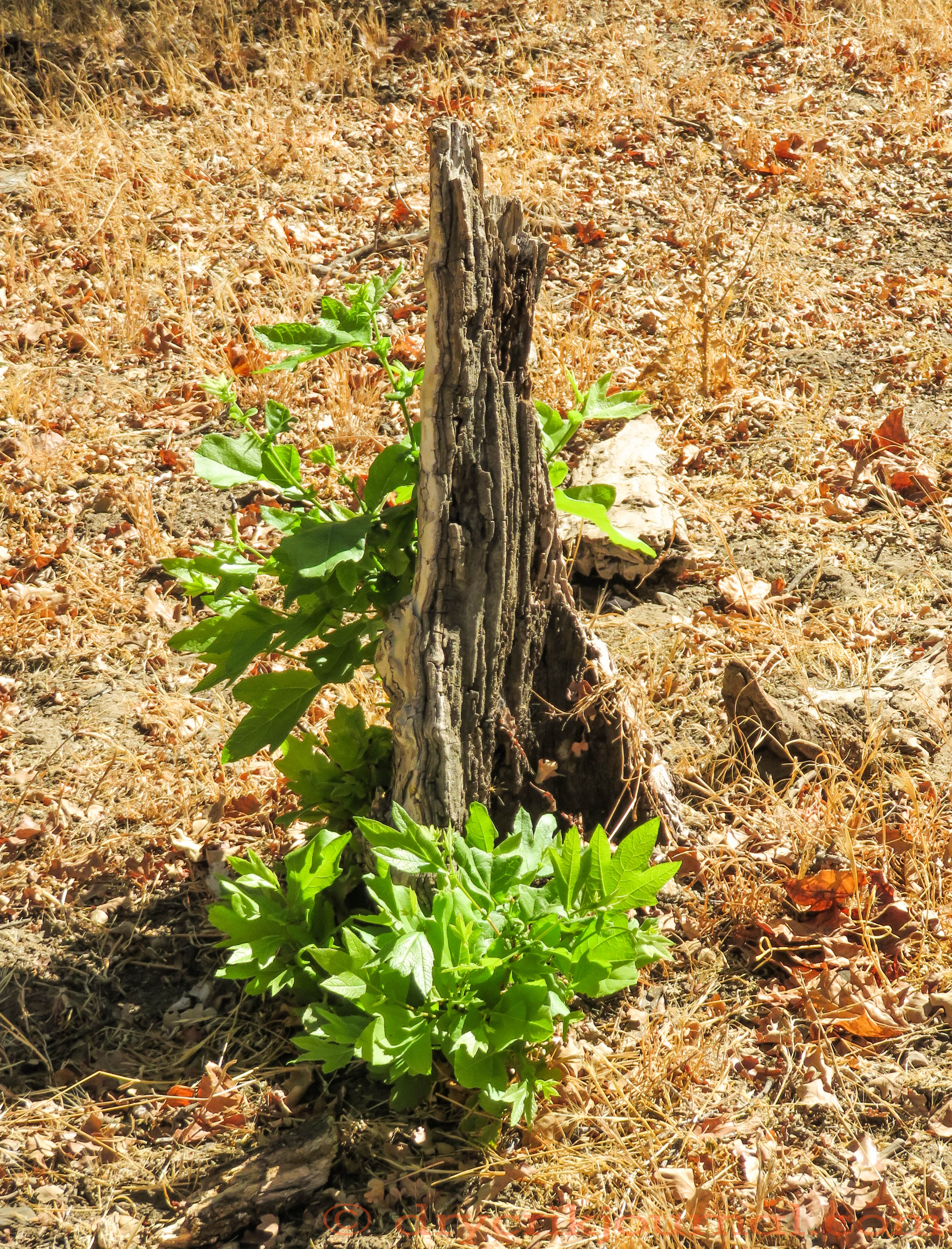
The Sycamore Alluvial Woodland (Platanus racemosa) on Dry Creek is one of 17 stands over 10 acres remaining in the world and the largest in the Sierra Nevada ecoregion despite the downstream impacts due to gravel mining. Other impacts from reservoirs, recreation and stream channelization have substantially reduced the population of this plant community statewide. Despite a century of grazing and the current drought, new growth from the remains of an old sycamore stump in this photo demonstrates the amazing resilience of this species. Photo: August 31, 2014