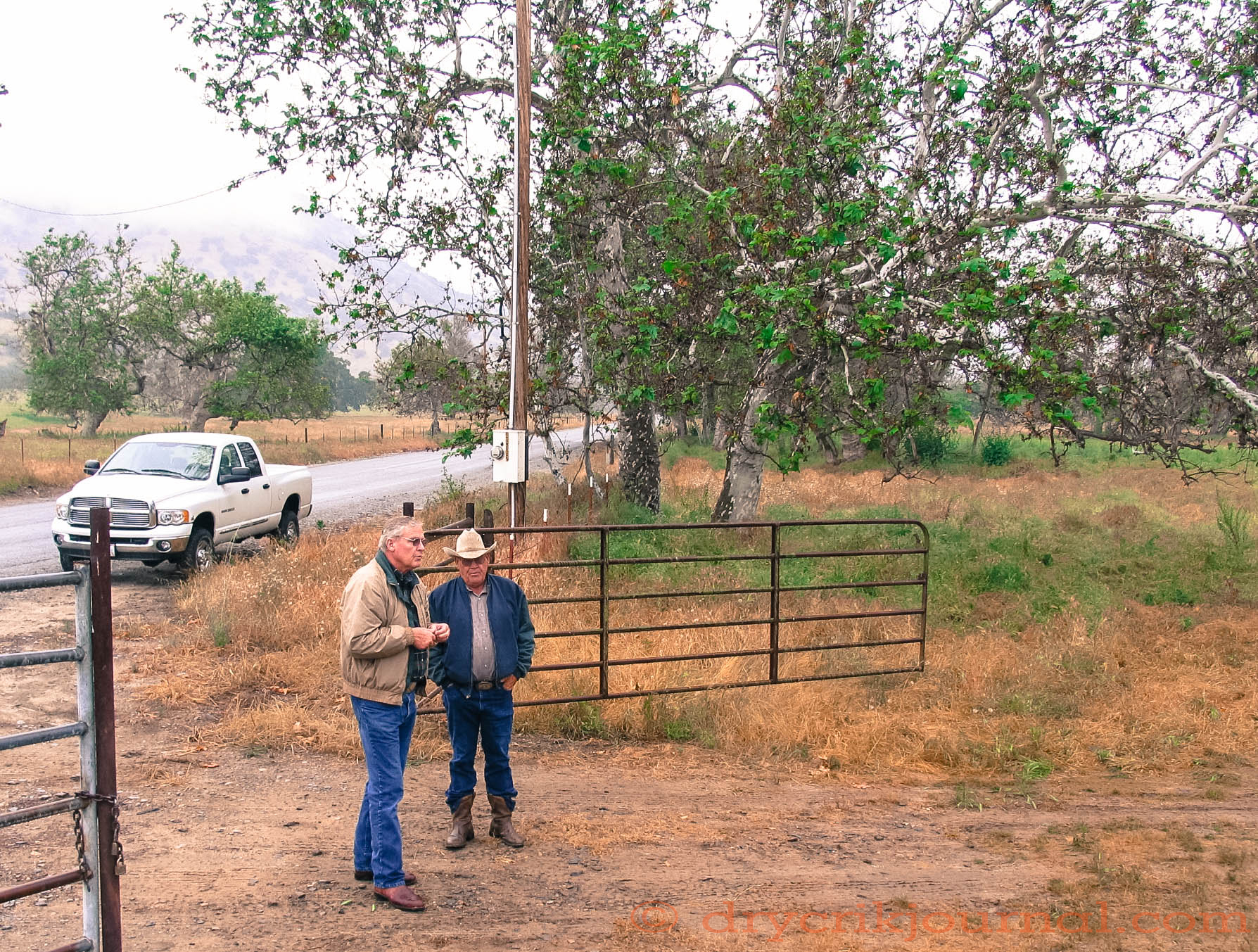
Earl McKee RIP


Trudy Johnson Photography


Robert Frost never built a fence
between a neighbor as fine as mine,
who shared more than his cow sense
on both sides of the line.

He helped a shaggy-headed kid
whose ignorance could fill a book
and kept his impatience mostly hid
‘less I took a second look—

and then he knew, I knew the pain
and like a son, he worked with me
and tell a joke to keep me sane,
so frustrated I couldn’t see.

In time, I’d be working the gate,
he damn-sure had me looking sharp,
working ’round my each mistake—
the cattle easy to part.

Whenever I call, he’ll be there,
saving most of his work for last.
He helped me ship ’em on Easter,
a drought year gone past.

A slick calf could cause discussion,
he’d always argue it was mine.
I debate for his possession,
losing most of the time.

And when he’d weigh out justice,
you’d find his thumb upon the scale,
but on your side of the balance,
your logic to no avail.

So before you go building fences
and stretching brand-new barbed wire,
there’s one gone beyond common senses
and made Bobby Frost a liar.

If you ever find a pattern cut
that’d be suitable for me,
reckon you’d be hard-pressed put
using other than Earl Mckee.

            – John Dofflemyer (Dry Creek Rhymes, 1989)


MASTER OF NONE


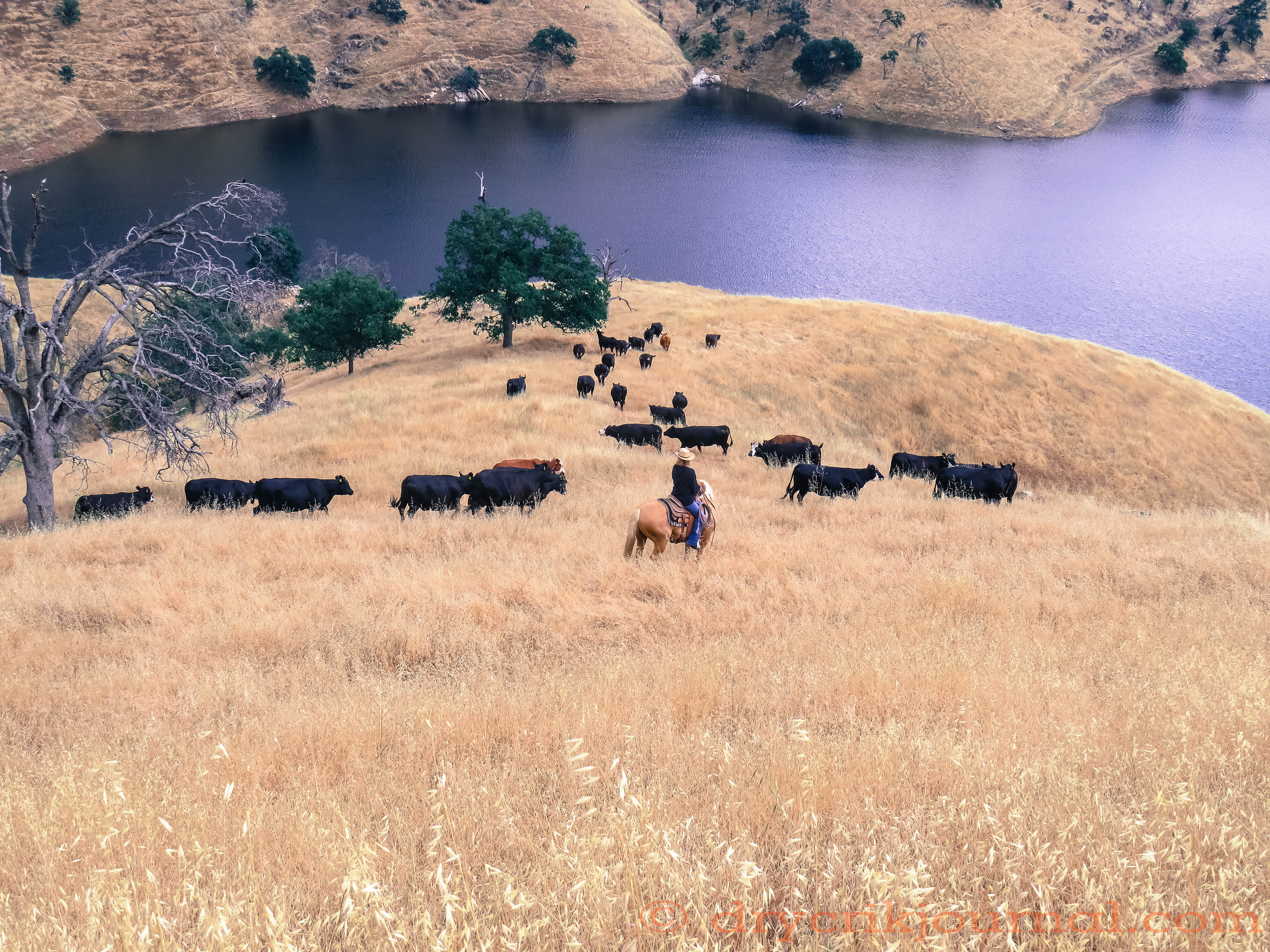
Knee-deep in filaree,
fiddleneck,and foxtails
with wild oats coming

on a precipice
where there is no trail
to the bottom

of Lake Kaweah—
posing for a drone,
for a documentary

as a cowman, as a poet.
I’ve poured concrete,
plumbed galvanized pipe

and electrified a pump
this week, and still
have work to do.


UNEVEN GROUND


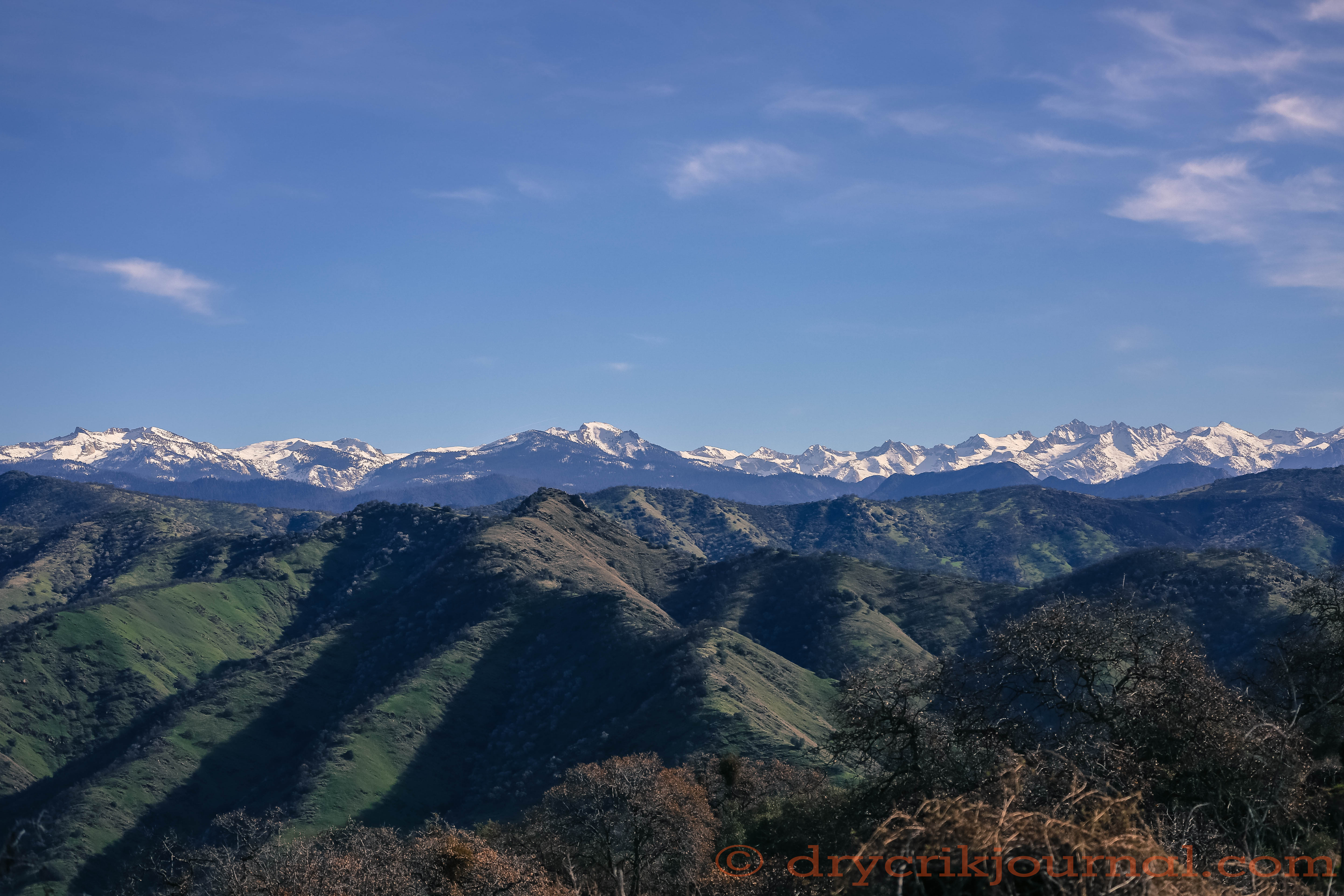
Beyond the snowline,
roofless remains of rock houses,
high desert sage, pastel willows

and old cottonwoods
that surround Olancha—
fifty miles due east of green,

five hours by car,
five days a foot,
no short cuts.


CLOSE TO HEAVEN


Not to be weaned after years
of grazing cattle between her breasts,
we know the warm shelter of her flesh
apart from unkind men and women
striving for inane advantage

and choose to stay long after death,
stirred and interred between the rocks
where the native midden rests,
where horses hang their heavy heads
awaiting work, where all the gods

have been welcome. The eagle
on the skyline knows our minds,
deciphers gestures, understands
what few humans he’ll ever know
as witness to our wishes.


A FAR CRY


What sweet perfection, this planet blessed
to feed itself, whose wildness beckons men
to tame her, to milk her flesh for comfort,

for the glory of brief accomplishments—
lost cultures and civilizations, our crumbling
emulations of rocky crags with razor teeth

scraping stormy skies as man’s connection
to heaven. We have been fruitful, hungry
for her bounties hobbled by ignorance,

arrogance and greed. Mother to us all,
she is a stranger to our children, a far cry
from the hard and generous woman

she once was—her distant whine
on the wind from town begs relief
and a certain change in direction.


American White Pelicans


(click to enlarge)


While photographing the wildflowers in Greasy last Sunday, I noticed the shadow of birds dancing on a patch of poppies. We found and watched them wheel and circle well above Sulphur Peak (3,400 feet) for ten or fifteen minutes, glinting in the sunlight. They are apparently migrating to the Northern Plains and Canada. During the latter part of the recent four-year drought, there were nearly a hundred in the gravel pits below Lake Kaweah, and from what I’m told, on the lake as well. Audubon Field Guide


TO SULPHUR RIDGE


Where wild remains
heavenly in spring,
where deer dance

and Golden Eagles nest
close to a generous sky.
Only God knows why.

                             for Earl McKee


Sulphur Ridge


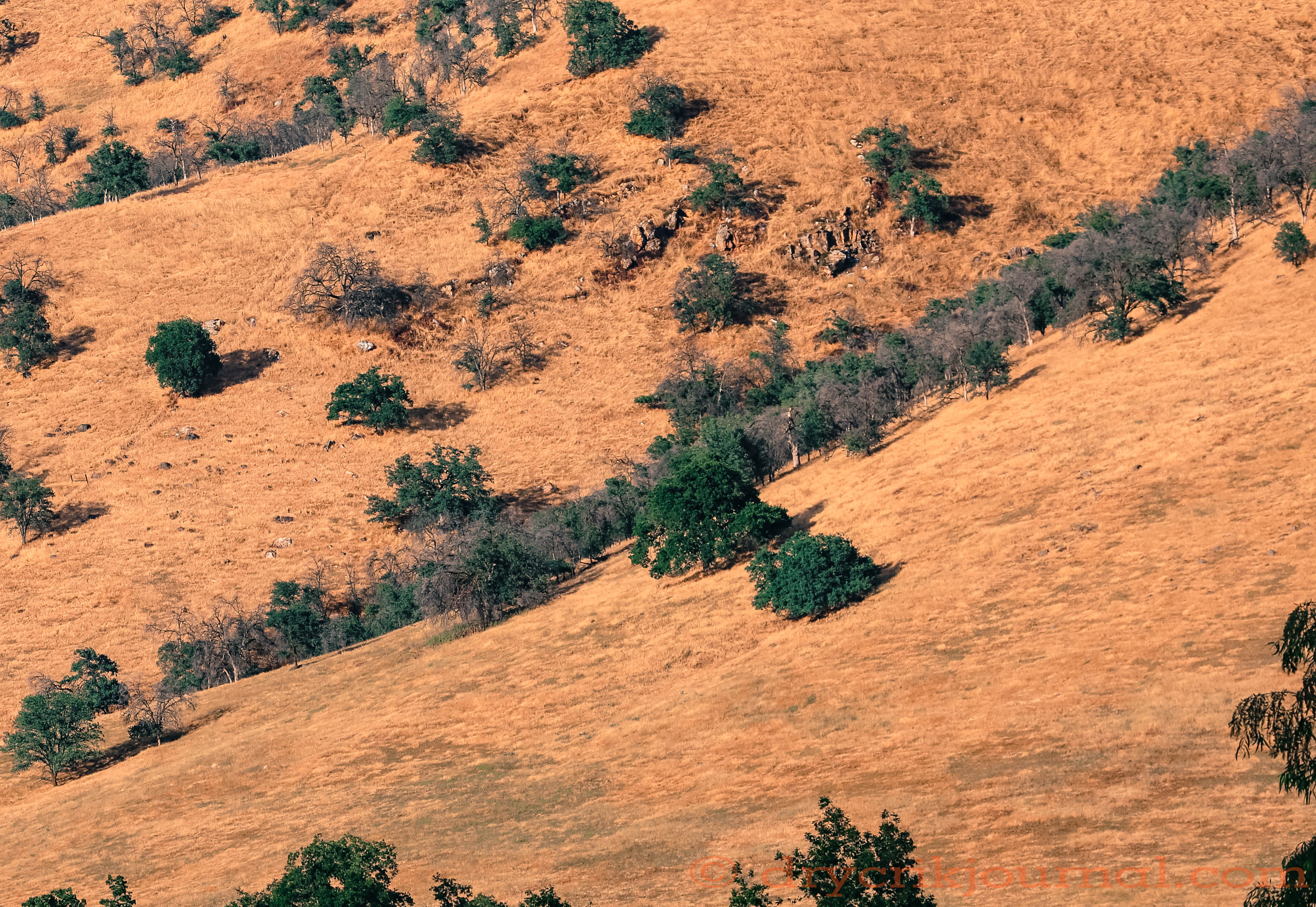
Robbin and I spent most of yesterday checking the cows and calves in Greasy, scattering salt and mineral beneath the Golden Poppies on Sulphur. Colder and under quite a bit of snow this winter, the grass and wildflowers are just getting started. Note all the drought-killed Blue Oaks in the foreground.


Wooly Canyon 2019


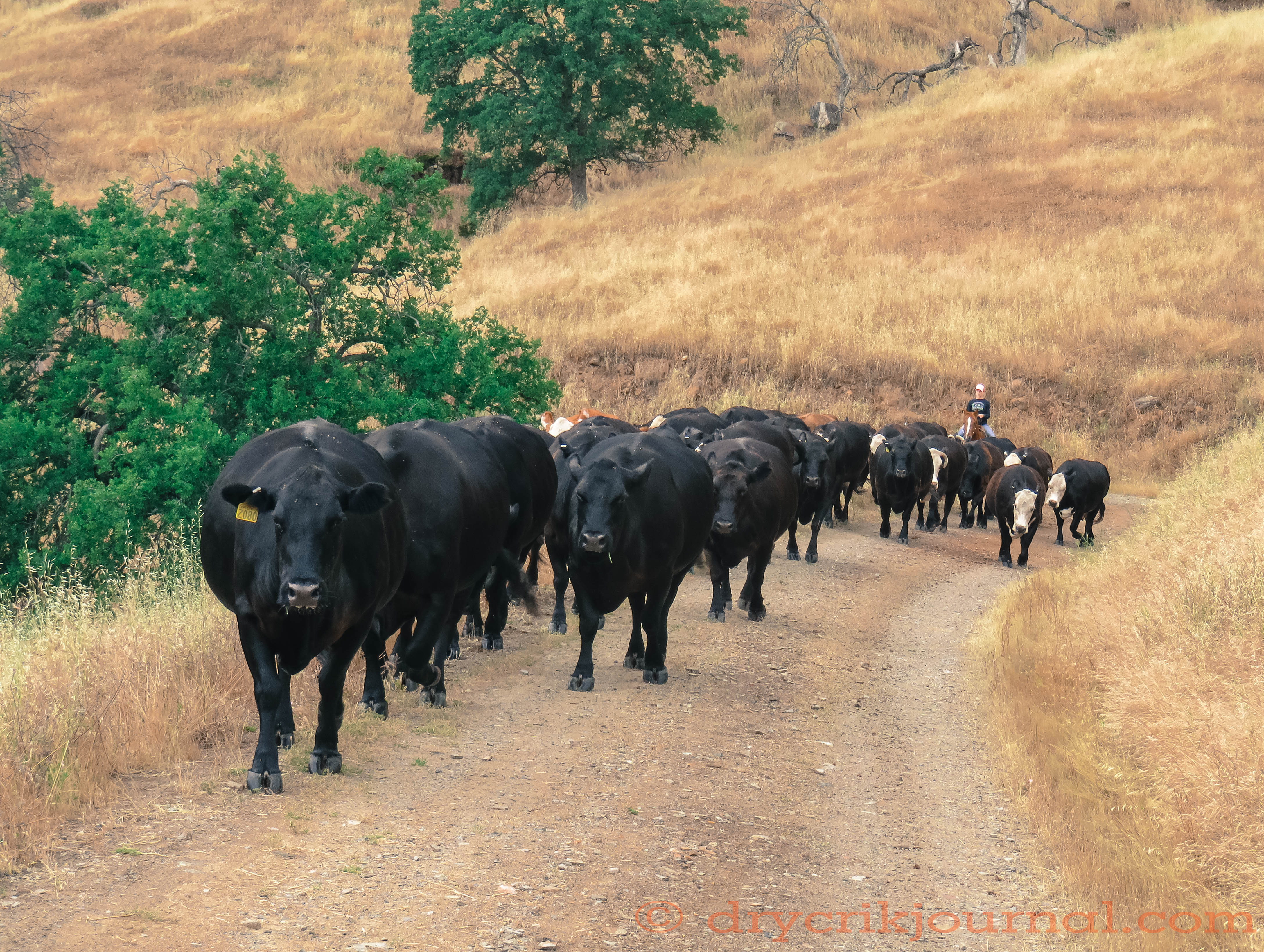
Another bunch of calves branded for Ken & Virginia McKee in Wooly Canyon yesterday, the culmination of a 4-day gather of tough country by younger men than I, all good hands on good horses with good dogs. Much has changed since I first branded my own calves in 1968. Gooseneck trailers have replaced bob-tailed trucks, pipe instead of board pens, women in the branding pen, but the ground remains pretty much the same.

Robbin, Bob, Terri and I went to help our dear friends and neighbors get their calves marked as we’ve done for years. It’s a 45-minute drive up Dry Creek Road to the Mountain House and curvy decline down 245 to the corrals, a green, E-ticket ride of crimson redbud blooming and piles of wildflowers spilled like gold coins around every turn in road as the sun breaches the ridgelines—almost a fantasy.

And was I relieved to see them parting cows from calves when we arrived thirty minutes earlier than normal, but mostly to know I’d be in the branding pen with cowboys I’ve watched mature into cowmen with talents with a rope I strived for, but never quite attained, to watch my back. The cattle culture in this part of Tulare County is in good hands.


LANDSCAPES


I don’t expect to see
in the same way now
and I’m not the wise
old man I wanted to be—

after all, this new ground
hasn’t changed much,
the rain still drains
down the same canyons

in my brain, a ruffled
landscape come alive
in my skull that I must
work around, it seems.