Tag 5029

Tag 5026

Tag 5007
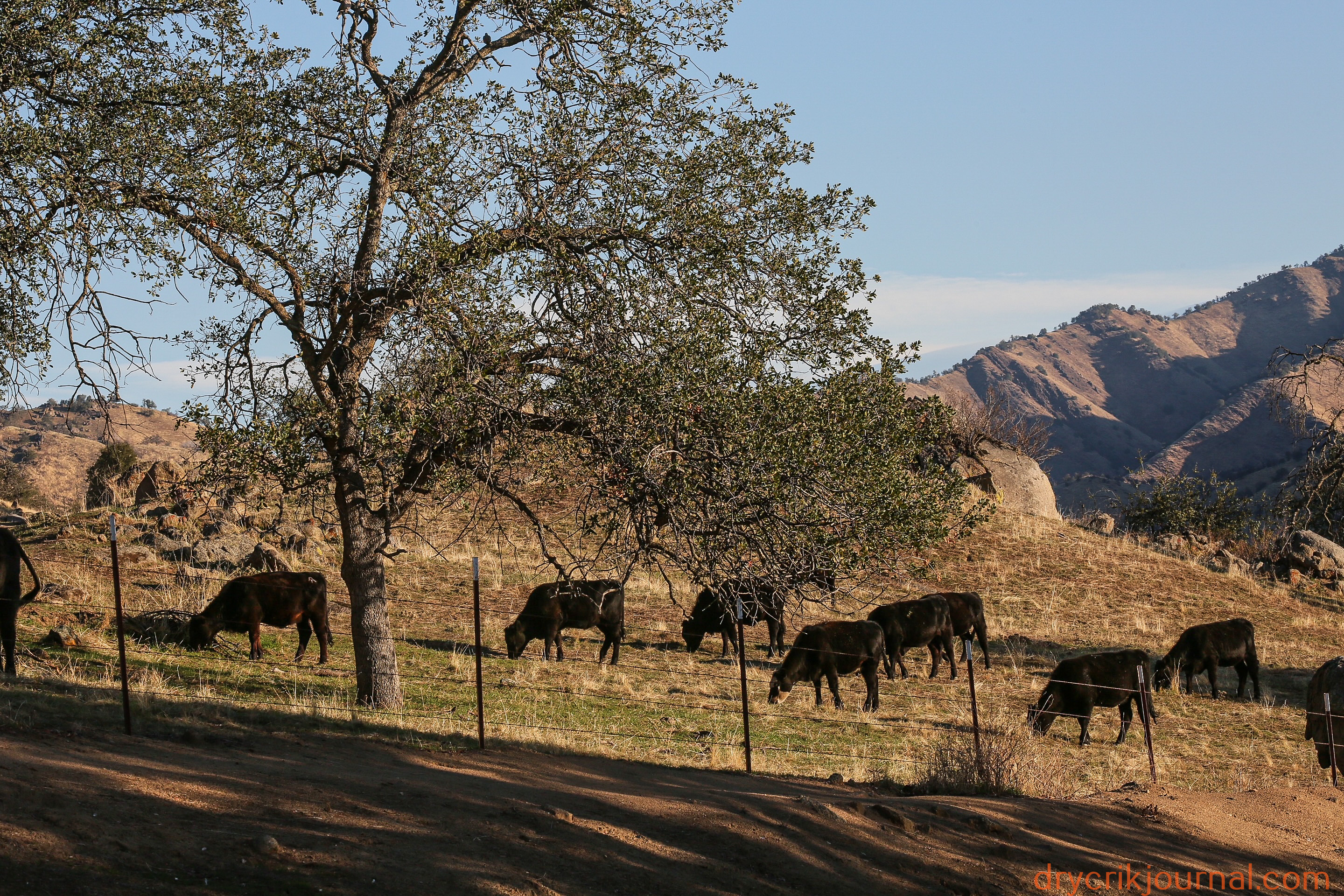
Surprised to see three ‘first calves’ this morning from our first calf heifers, photographed to substantiate our Age and Source Verification Program required for our exported beef. We have begun our new year!
The recent notion to import more beef to lower the price of hamburger to consumers in this country also lowers the price to producers who are facing higher prices for fuel and fertilizer, many of whom are in a drought.
INSIDER:
- Trump announced a plan to lower beef prices for Americans ahead of the midterm elections.
- His administration will allow up to 300,000 metric tons of beef to be imported into the US.
- The National Cattlemen’s Beef Association said the decision “undermines American producers.”
America’s largest trade association of cattle producers says President Donald Trump’s plan to lower beef prices is political theater
The National Cattlemen’s Beef Association, which represents more than 175,000 cattle producers and feeders, said on Friday that the strategy would do more harm than good for the industry. Earlier that day, Trump said the US would allow up to 300,000 metric tons of beef to be imported with no out-of-quota tariff over the next 90 days.
“Today’s announcement is not about helping producers,” the association said on X. “It’s not about putting their finger on the scale for one cattle industry group or another. It is 100% about the 74 days between now and the midterm elections.”
In the same X thread, the association said that encouraging more beef imports undermines American cattle producers at a time when they’re making decisions about rebuilding their herd numbers for next year. The association also said the administration’s “repeated whiplash on trade policy and beef imports” directly affects rural cattle producers.
“US farmers and ranchers need stability,” the group said. “Unlike spur-of-the-moment trading decisions made based on White House social media posts, the decisions and investments ranchers make in their herds are made YEARS in advance, not days or weeks.”