Tag Archives: Dry Creek

REMAKING HOME

The dogs are barking now,
raccoons in the rocks—
chattering moon shadows

discussing the last of the Elbertas
they can’t see picked
in a bowl at the sink.

Stray Queensland waits
for daylight at the dog pens—
fell out of someone’s pickup

coming late off the mountain.
Then to the hitch rack, smell
of horse and hoof, sure

of a ride home. He knows
the dandy who can’t remember
where or when he lost him.

Loose four nights, pen door
open to food, his voice
grows deeper into the dark.


AUGUST REVERIES

IMG_3798


My brown-skinned girl,
each dusty draw
seems softer, shadows

linger longer at the dawn
as the sun moves south
down ridgelines.

I begin to hear
the faint sound
of a light rain, early

on the roof—the musty
smell of it awakening
a primal surge of new life

for old veins on guard
for the slightest sign
telegraphed ahead

of a train in my mind
mesmerized by rivulets
finding their own way

to the creek running
into spring. Cottonwoods’
first yellow leaves

gathered by rolling gusts
up and down canyon—
you say you feel it too.


WPC(3)—HONKERS

IMG_0715


From somewhere north
they arrive together
for the summer—lovin’ it.


WPC(3)—”Summer Lovin'”

EARLY MORNING SHADE

P7260007


Mid-San Joaquin summer,
you can set your watch
by cows coming off the pasture

to Valley Oaks at seven-thirty—
back out into the blazing sun
by noon, breezes off the green.

Not one gossipy complaint
among them, chewing cuds,
relishing the timeless shade.


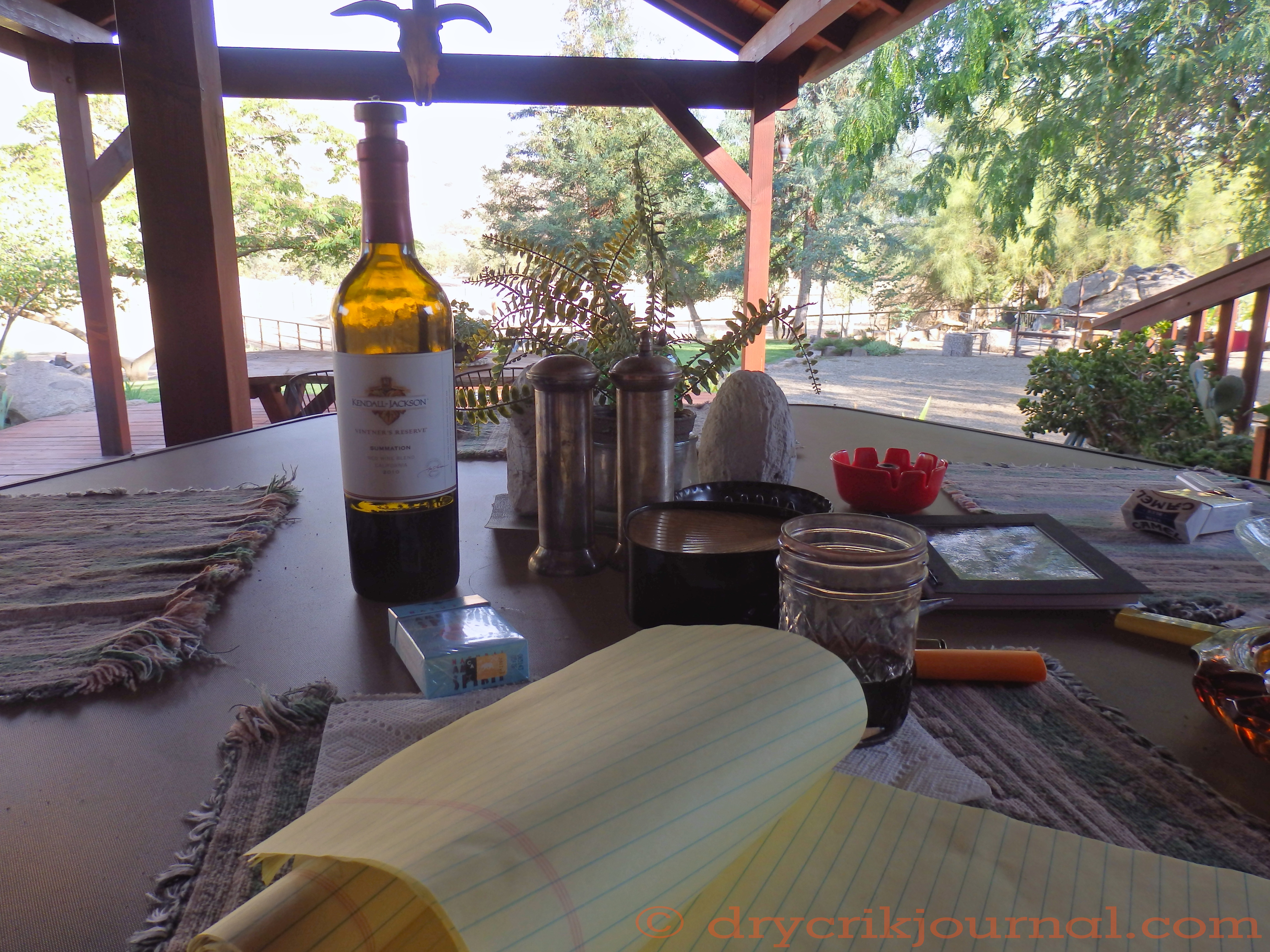
WPC(1)—OUR REVERIE

P7060009


End of day in the shade,
100 degrees
of everything we need.


WPC(1)—”Summer Lovin'”

Closer Longer

P7230006


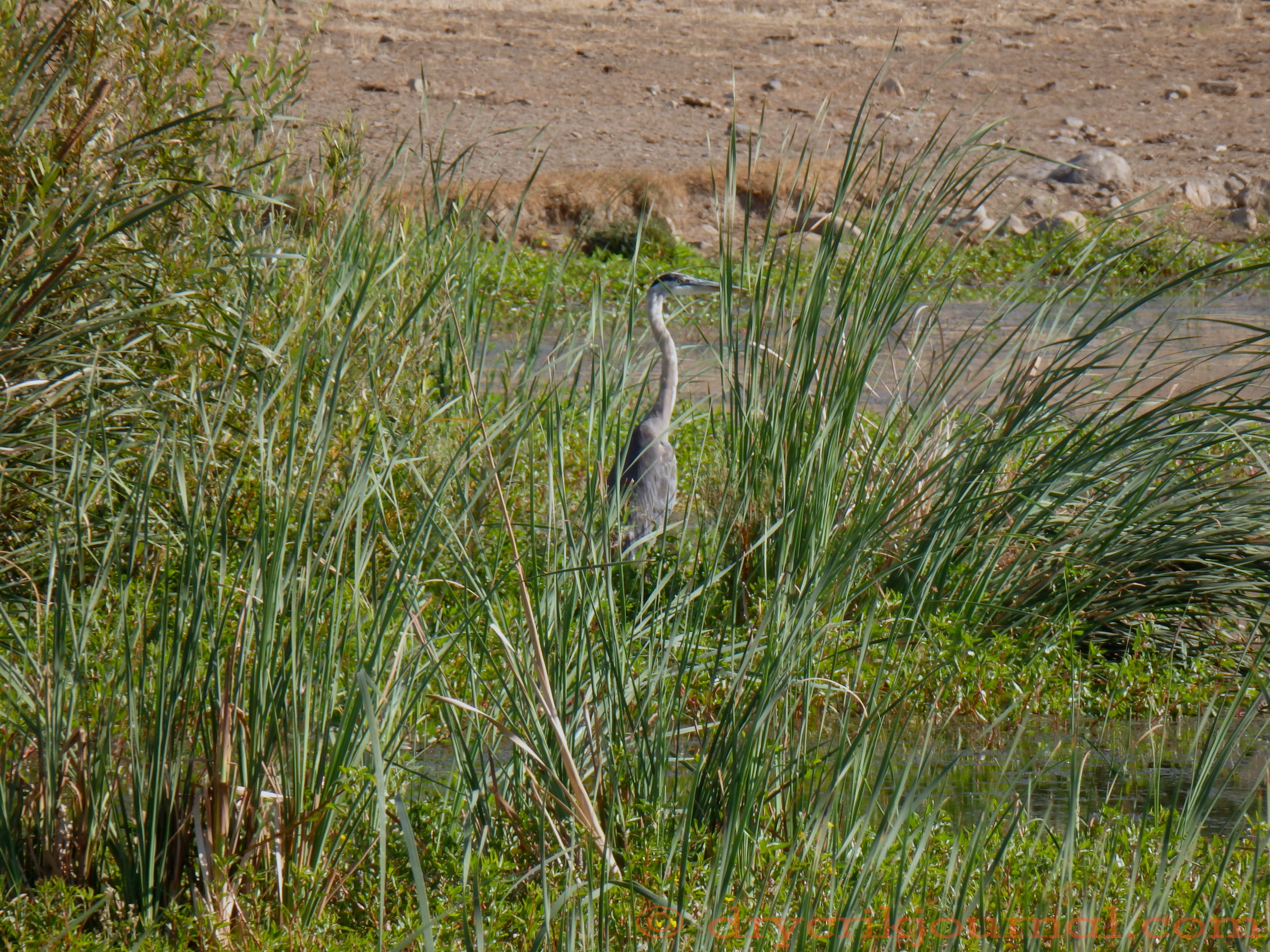
During the past decade, the Great Blue Herons have become less tolerant of our presence, it seems, quicker to fly as we go about our normal routines of feeding and gathering cattle, or irrigating. In the 1950s, their rookery was in a stand of sycamores along Dry Creek, located a mile south of where we now live. It was not uncommon to ride beneath their rookery and not have them fly. The closest residence was three miles away.

Sometime in the 70s, they moved downstream two miles to another stand of sycamores along the creek between our irrigated pastures and closer to the recently abandoned gravel pits below Terminus Dam and Lake Kaweah. At that time, the Great Egrets began to appear on the ranch, but maintained their rookery elsewhere.

The Great Blues moved again in the mid-2000s to somewhere within the abandoned gravel pit area, about 100 acres of thick riparian at the confluence of Dry Creek and the Kaweah River, a ‘no-man’s land’ and home to deer and feral pigs, diverse raptors including Osprey, among other things.

I have encountered the heron above two or three times a week along the shore of our irrigation pond since spring. The comfortable space between us has decreased to about 100 yards now, down from 400 when our irrigating began. Whether thinking it was hidden in the cattails or getting used to me, this photograph with my Olympus point & shoot was closer longer.

WPC(2)—CURRENCY

P7030013


Pole barn full of relief
and distant hope
not to have to feed it all.


WPC(2)—”Containers”

OLD WRECKS

IMG_3166


I often wondered
why some old men
liked college kids

around, leaking
basic adventures
that felt full

and familiar
despite the times—
ageless naïveté

seasoned with passion
to pump the blood
into guffaws

and unsolicited
windies with a moral
learned the hard way.

I look back
to see them now
and myself

as a diversion
for old wrecks
just like me.


SUMMERTIME BLUES

P7060001


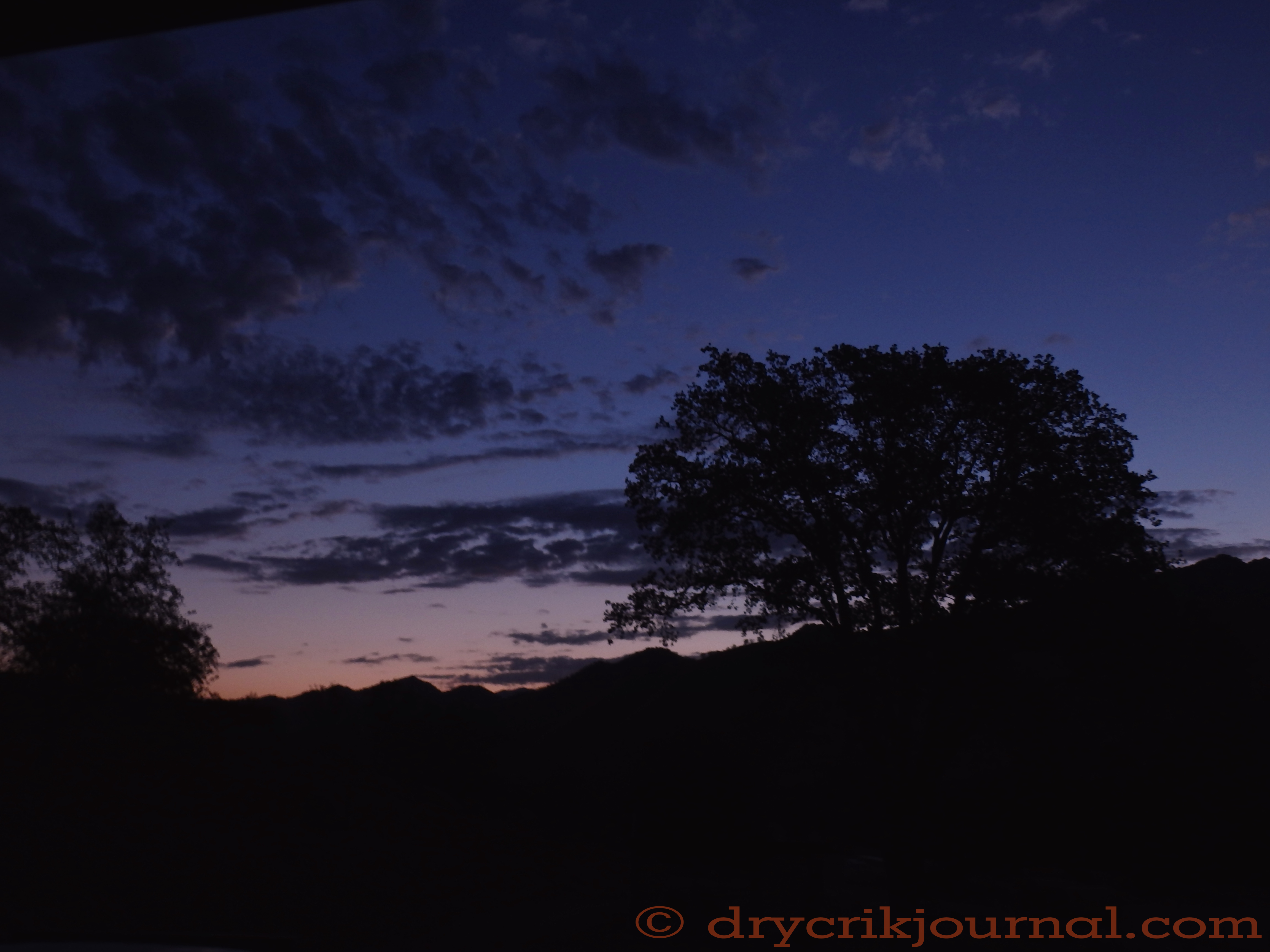
Too soon to count the summer dawns
remaining, like cattle bunched before the gate,
yet these leftovers of a Gulf monsoon

that invade my sky like dark ships
over the Sierras from where a scattered flotilla
waits for orders, may cloud the day—

steam instead of bake the inhabitants
of this canyon—leave a little crunch,
like vegetables, life for tomorrow.


Homer Barn

P6220002


Built to stand beyond
today’s demands, just
a landmark to photograph.


WPC—”Relic”