Category Archives: Ranch Journal

LIKE OWLS

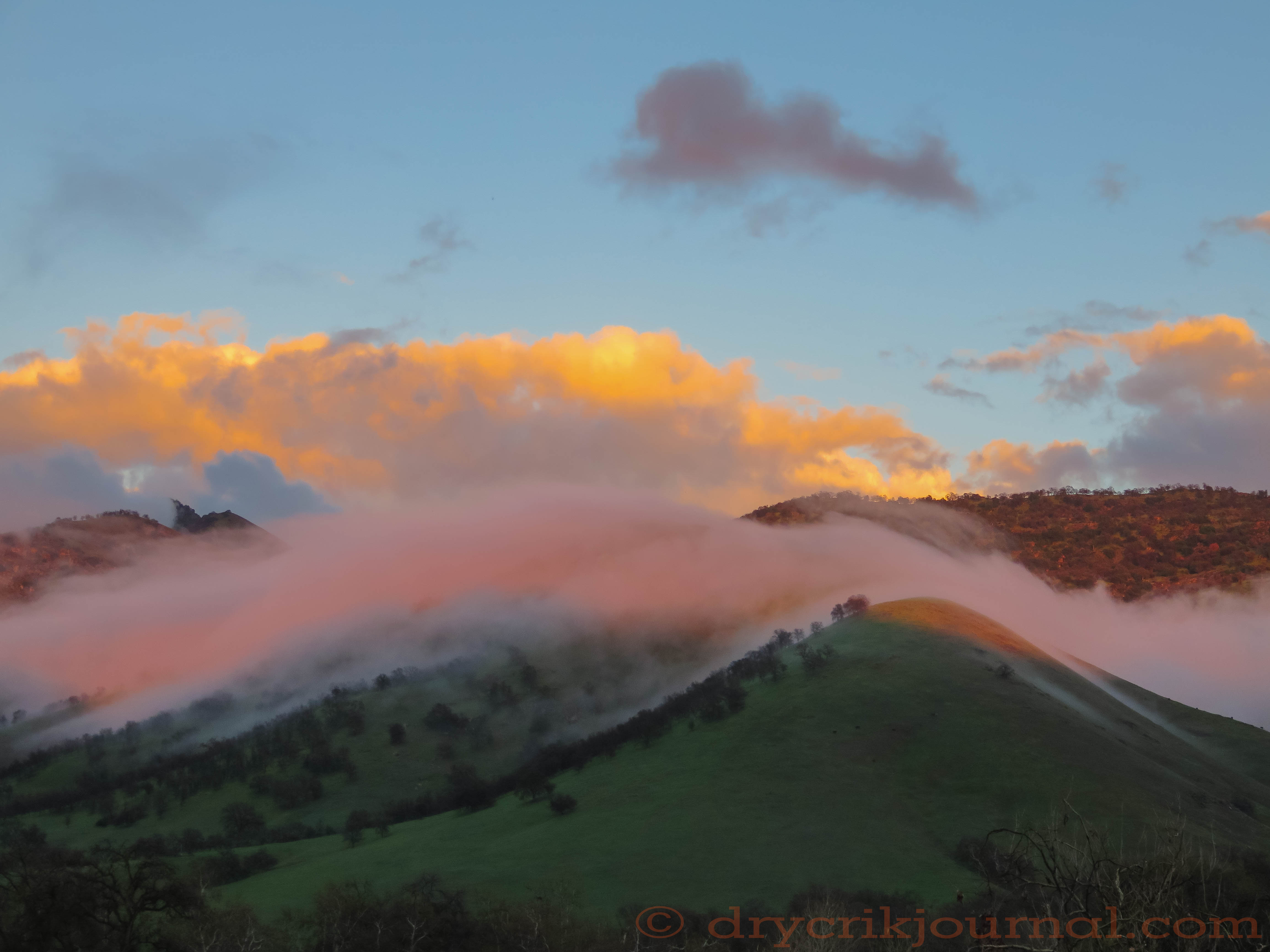
IMG_2356


of this dirt
we burrow deeper into our shells
waiting for a rain.


Wagyu X Branding 2015

IMG_2372


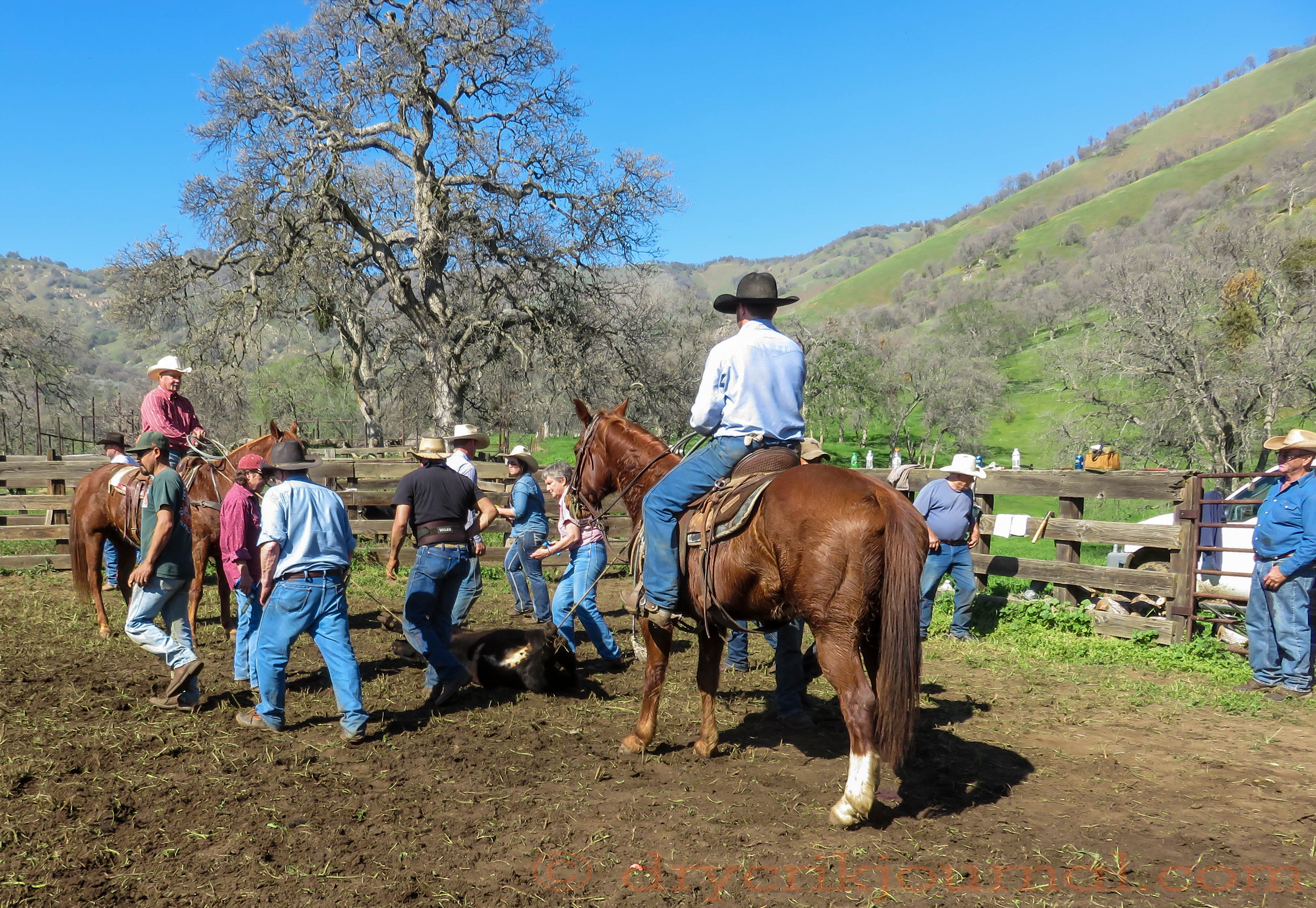
Maggie Loverin checks her pork loins adorned with grapefruit and oranges after we branded our Wagyu X calves yesterday, while the sun tried to break through the bad-air haze and remnants of Valley fog.

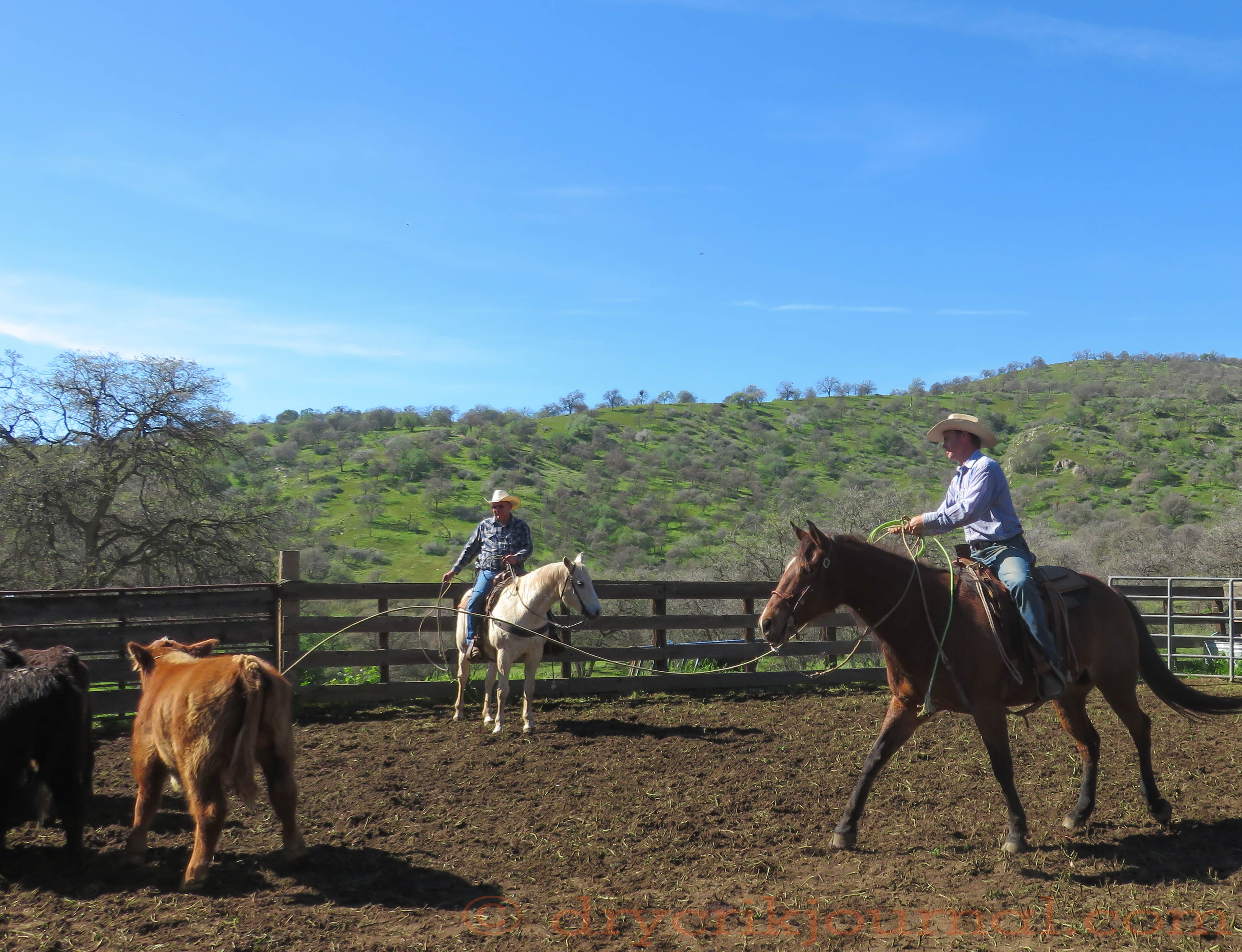
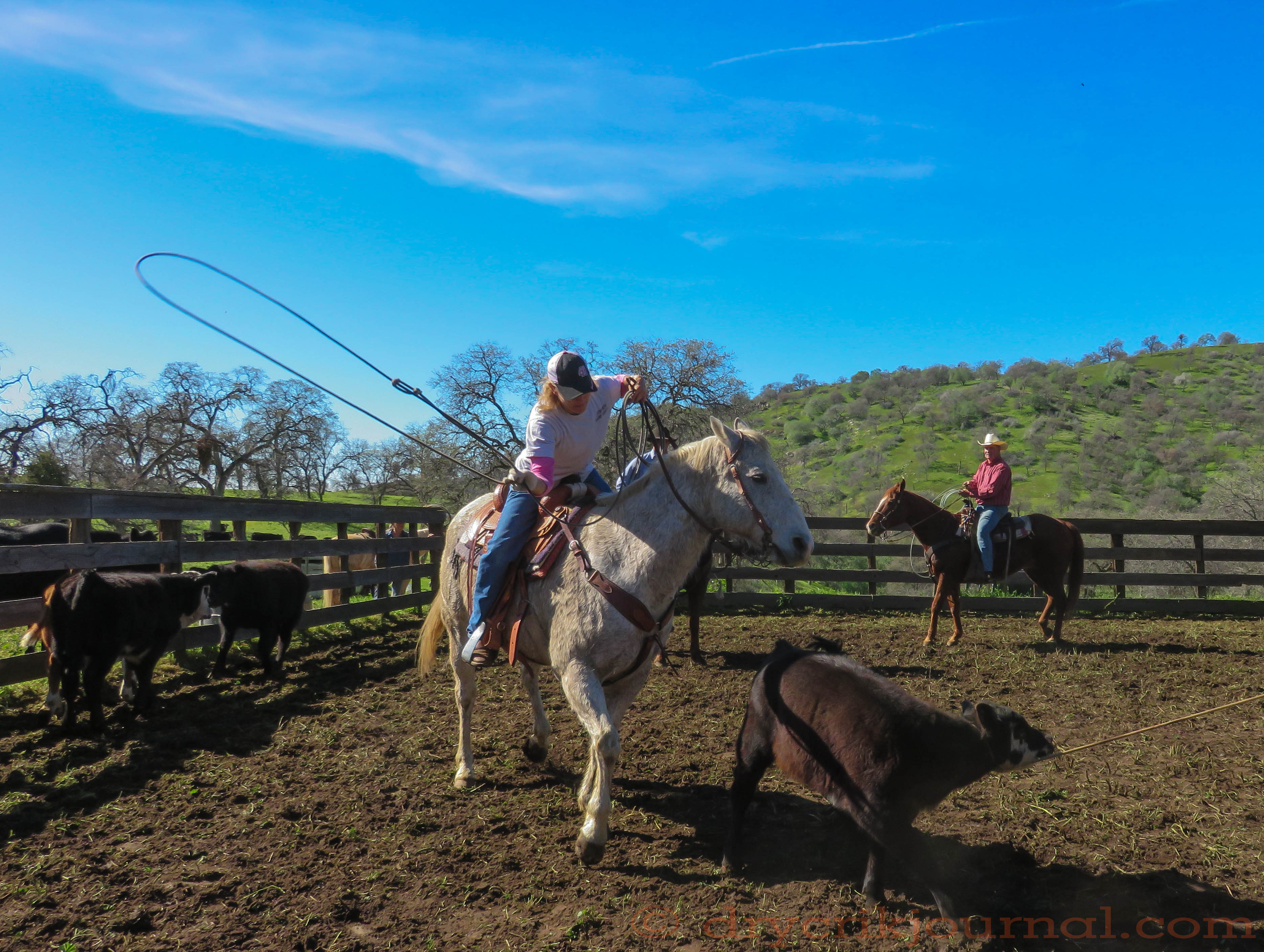
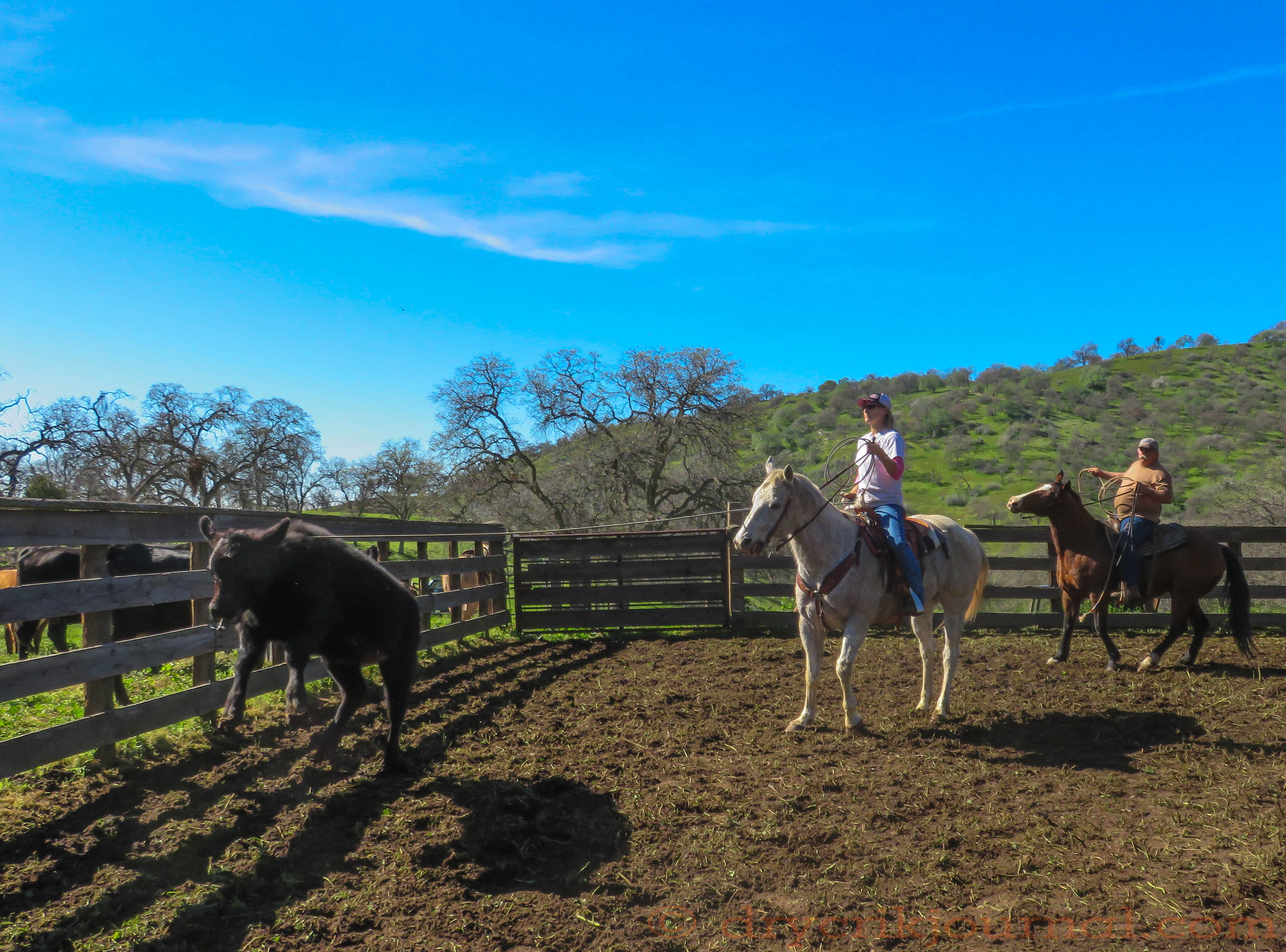
Noticeably quicker and more unpredictable to rope than our Angus calves, the Wagyu are a challenge to head and heel, real work for everyone. But we had a great day and ate well!

Well into our branding season now, we’re beginning to wear down a little, especially with the extra weight of wondering and worrying when it’s going to rain, repercussions of the drought still raw. One topic of conversation in the branding pen included the different kinds of bloat, fairly rare to most of us, but taking casualties in Antelope Valley, half-mile west of here.

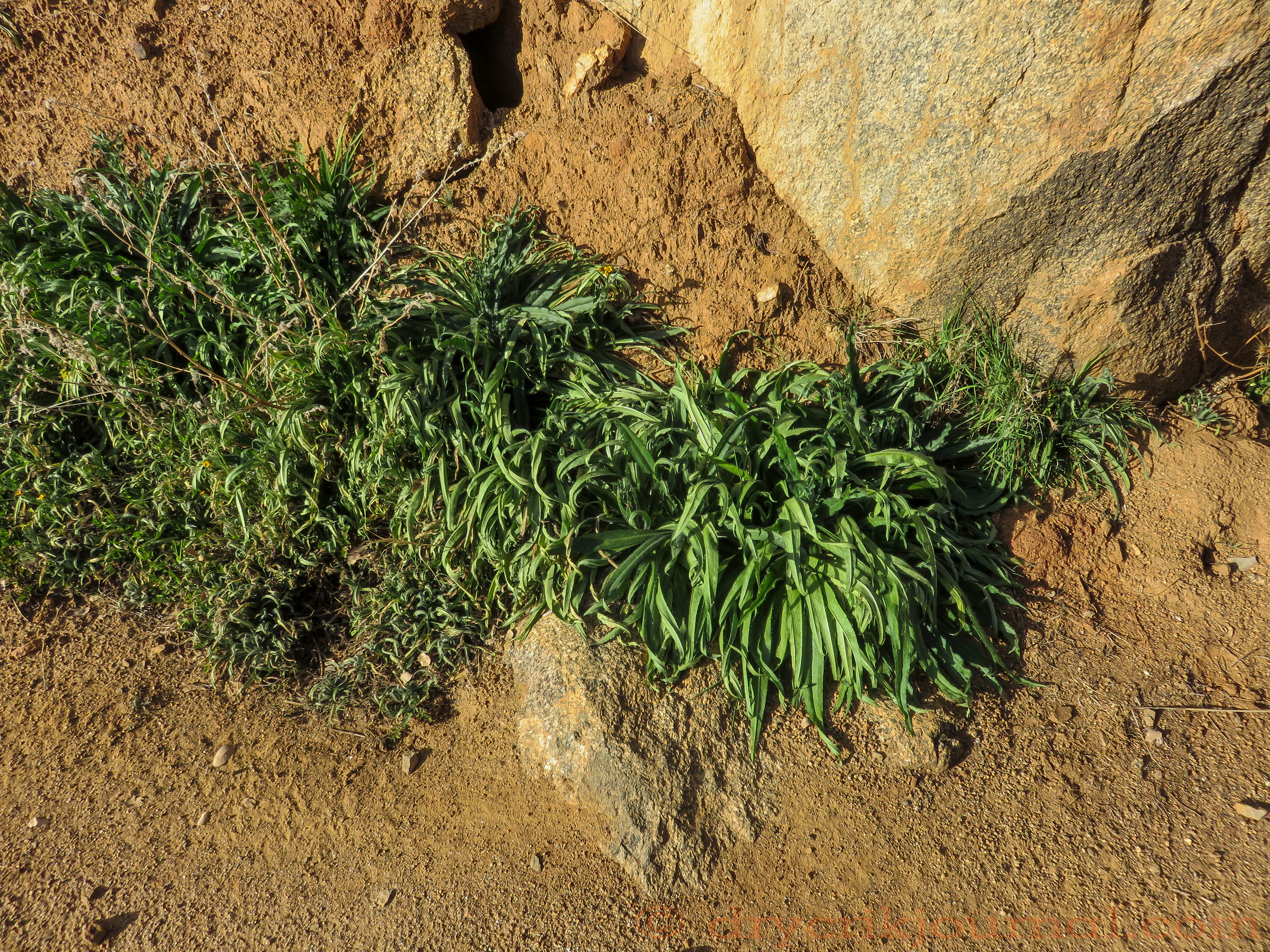
All that methane gas that can’t escape inflates the cow and kills her usually leaving an orphan calf—a slurry of foamy gas in the cow’s rumen that can’t be released with an external needle or tube down her throat was news to us, that has come from our lush and washy feed in certain places on the flat ground, mostly filaree. We’ve had several of our cows blow up and subside on their own with a regular supplement of dry hay. There are also commercial free-choice products to prevent bloat that take time to incorporate into the cow’s system, but without assurance that everyone gets some.

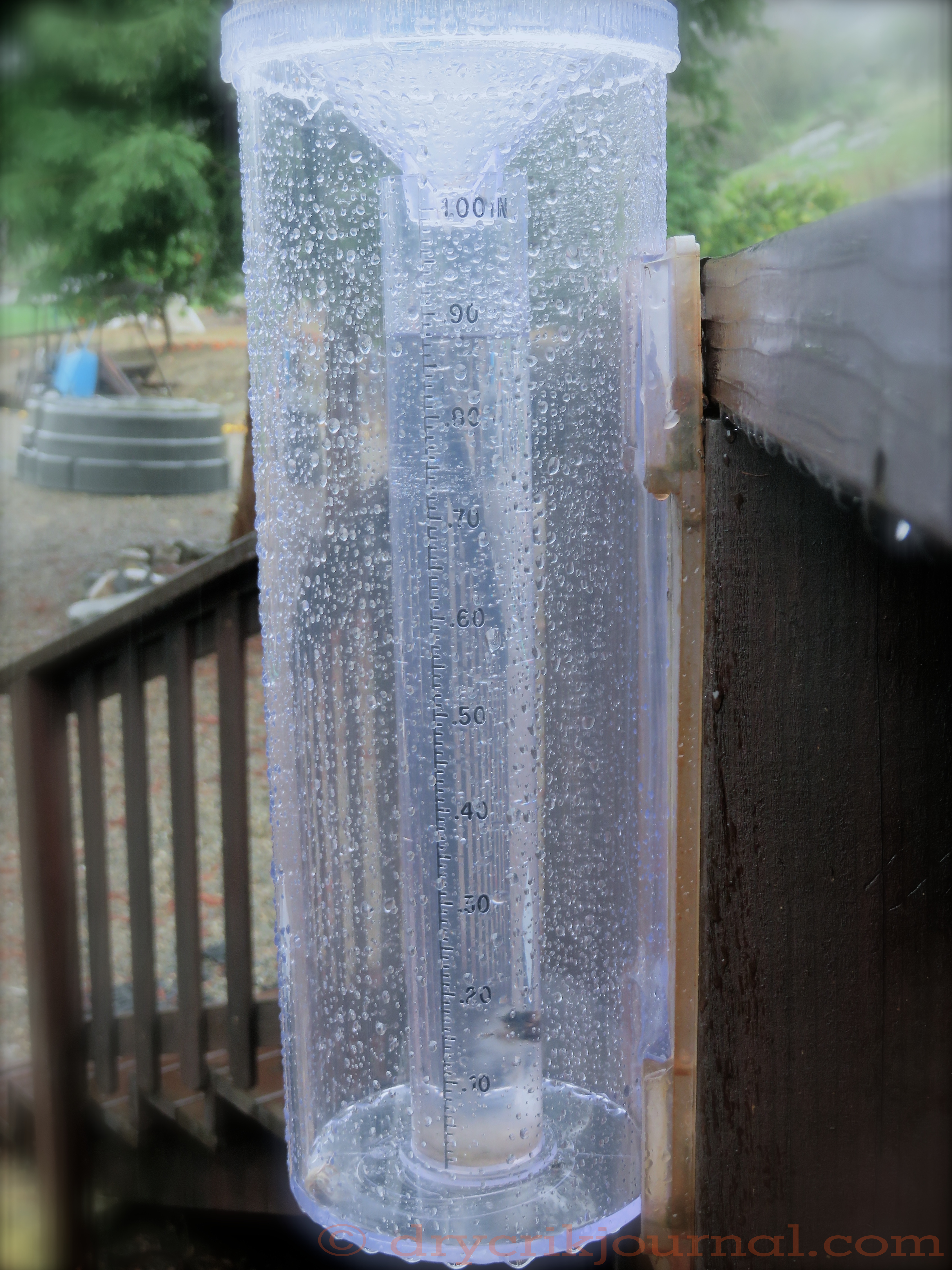
How long this situation will last is unknown, but we know a rain would change things. With no likelihood for the rest of the month from any weather-predicting source, we get the work done in love with what we do.


FINDING ORDINARY


© 2013 Earl McKee Photo

© 2013 Earl McKee Photo


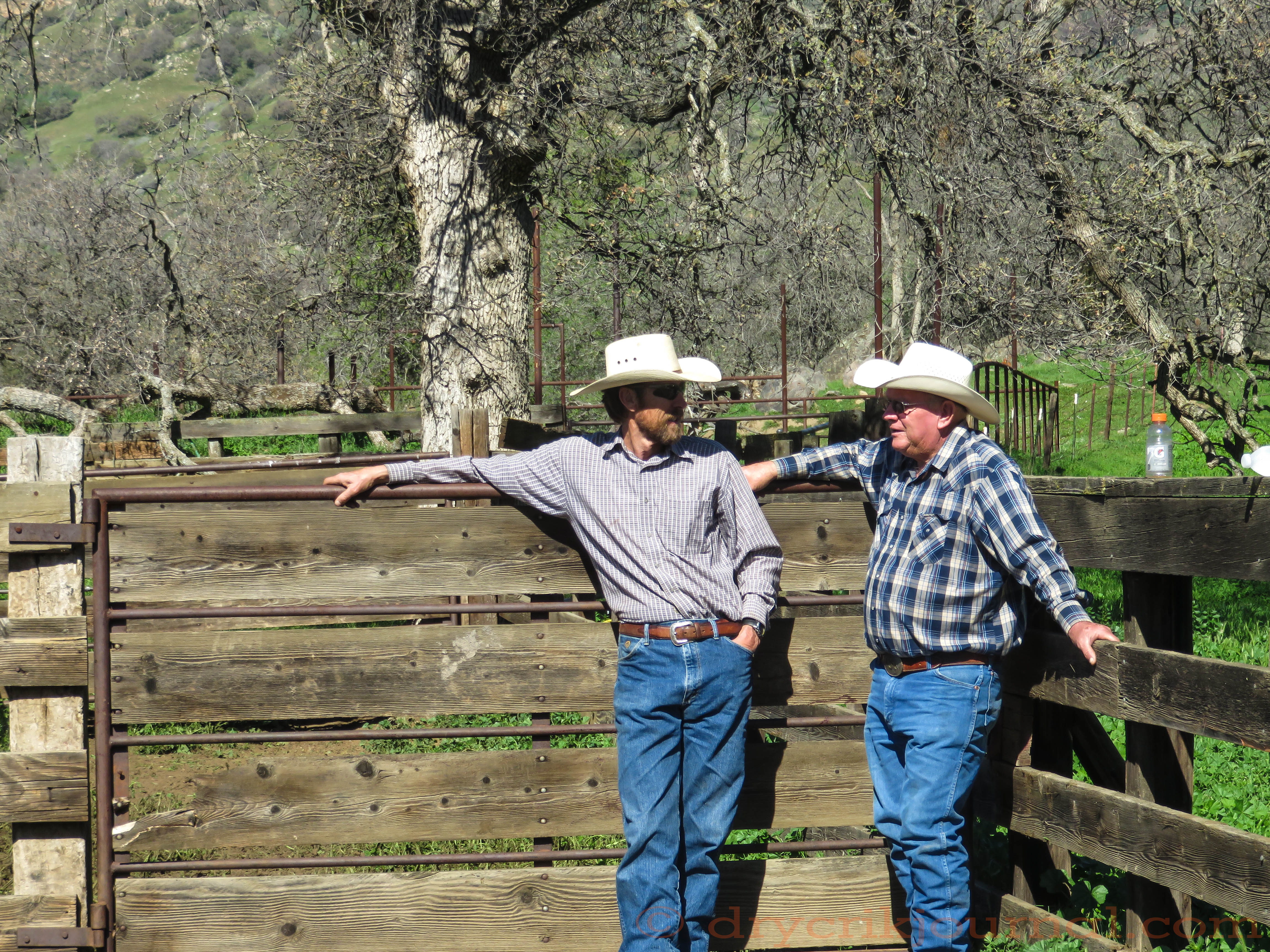
Old men in the branding pen
hope for grace

to find the feel of singing loop
slide between their fingers—

of hoof dance timed and shaped
to catch two feet, slack to dally horn

come tight, as if it were nothing
out of the ordinary.


RANCH JOURNAL: JANUARY 9, 2015


1.
In the shallow ground and clay,
mats of filaree cling like crimson moss
after frost as if holding their breath for rain.
Yet warm enough for mustard bloom
in ungrazed traps for cattle, bits of yellow
at the tender tips of leafy greens—
all of the same seed that natives came
from Badger to gather when I was young.
White heads of Shepherd’s Purse nod
in bloom above the short-cropped blades
of lusher grass as if already spring.
Steep south slopes struggle, more mottled
brown than green—we beg and wait for rain:
busy fixing fences, branding calves, feeding hay
to bloating cows after years of drought
as high-pressure herds a warm jet stream north
to feed Alberta Clippers East with unwanted snow.

2.
We crave some sort of normal
that has become a hazy dream:
of cattle fat and happy, of time
to idly wile and waste
that old men will never see again.
Yet full of trust, trailing tidbits
from the gods, we chase it
like the feed truck still believing—
and that is normal despite extremes.


Wordless Wednesday — Grass-Starved


IMG_2341


BATTLEGROUND


                        Then the man noticed that he didn’t
                        have any shadow. He went out and
                        looked around: nothing had any shadow.
                        He began to squint up his eyes, it was
                        all so bright. And wherever he looked
                        there were sharp little knives.

                              – William Stafford (“Stories To Live In The World With”)

1.
We were but shadows on this ground,
young bulls bellowing into space
hoping for an answer in an echo—
not rivals down canyon pawing dirt.

We cast more shade now as we go
remembering the bluff and bluster
of manifest destiny—the arrogance
of greed blest by God—feeble-legged,

stumbling in cobbles along the creek.
If left alone for a century or two,
time will heal the tracks, erase mistakes
we might have better learned by.
 

2.
It did not begin or end there. Three
hundred shadows passing in this canyon
when Sir Francis Drake stabbed
California sand for Queen Elizabeth I

leaving little sign of how their minds
worked grinding, making palatable
what was at hand until—you know
the rest—like echoes in these hills.
 

3.
Pages welded together in dark corners,
transcripts in generational stacks
only attorneys dream of designing,
hold both petty and valuable details.

How it shook the old house, my father
overwhelming his in a thunderous
shouting match, a sparring over nothing
to hone a keen edge for the Corps.

Or the luxury of divergent dreams
of royalties instead of rent, in-laws
and family divided and divorced with
land—and from the tracks cut deep.
 

4.
We are but shadows on this ground
passing beneath us as always, immigrants
in old space that cannot stay the same
in the new world that swirls around us,

an invisible adversary invading our air,
our flesh, this dirt we shall return to—
however gladly or reluctantly, to cast
no more shadows—at home at last.


= = = = = = = = = =

Stories To Live In The World With (Someday Maybe, 1973)

A long rope of gray smoke was
coming out of the ground. I went
nearer and looked at it sideways.
I think there was a cave, and some people
were in a room by a fire in the earth.
One of them thought of a person like me
coming near but never quite coming in
to know them.

Once a man killed another, to rob him,
but found nothing, except that lying
there by a rock was a very sharp,
glittering little knife. The murderer
took the knife home and put it beside
his bed, and in the night he woke
and the knife was gone. But there was
no way for a person to get in to take the knife.

The man went to a wise old woman.
When she heard the story, she began to laugh.
The man got mad. He yelled at the woman
to tell why she was laughing. She looked
at him carefully with her eyes squinted
as if she looked at the sun. “Can’t you
guess what happened?” she asked.

The man didn’t want to be dumb, so
he thought and thought. “Maybe the knife
was so sharp that it fell on the ground
and just cut its way deeper and deeper and
got away.” The woman squinted some more.
She shook her head. “You learned that from
a story. No, I will tell you why you
thought the knife was gone and why
you came here to ask me about it:
you are dead.”

Then the man noticed that he didn’t
have any shadow. He went out and
looked around: nothing had any shadow.
He began to squint up his eyes, it was
all so bright. And wherever he looked
there were sharp little knives.

This is a true story. He really was dead.
My mother told us about it. She told us
never to kill or rob.
At a little pond in the woods
I decided: this is the center of my life.
I threw a big stick far out, to be
all the burdens from earlier years.
Ever since, I have been walking
lightly, looking around, out of the woods.

                                                            – William Stafford

Courtesy of


SABBATH HOME

IMG_2114


1.
After the flood of holiday cheer
and four black and frosty mornings
into the New Year, I have lost track
of the names of days

                        celebrating work:
                        friends gathered,
                        calves branded,
                        meat fired

                        and bottles emptied—
                        the hugs and handshakes
                        of neighbors, persistent
                        habits etched deeper

                        in the hard ground
                        worn around our eyes—
                        deeper yet into souls,
                        our pupils as pinholes

                        to grand landscapes
                        either side, missed
                        by the migratory headed
                        somewhere up the road.
 

2.
We live within a dot on the map,
a speck of dust on a spinning globe
in space and time without end,

holding firm to our moment,
looking back and ahead at once:
no finish line in sight.
 

3.
We pace our plodding, take all week
to get the work done, to savor details
of small accomplishment in a hazy

scheme of keeping track of seasons
shaped by rain, or lack of it—
our spiritual sustenance comes

with the crescendo of storms
we pray for, almost everyday, keeping
busy while we wait for an answer.
 

4.
In the winter, we invest in the future
measured by firewood stacked outside
the door, like last year’s crop of acorns
stored by natives, wild and domestic,

we are prepared in this place
to loose track of days scattered
like native cattle into strays
chasing the good grass back home.


AFTER THE SOLSTICE


Colder in the old days, we lit smudge pots—
met New Year’s Eve with the all-night roar
of wind machines to stir the air, save

an orange crop bound by sentries, plumes
of flame down every road and dirt avenue—
starlight twinkling madly in a black sky.

Up on the hour to check the temperature,
Dad slept on the wood floor by the fire—
wool sweater, reek of diesel, ready to rise

while we dreamed of what we missed
in the country—like Mom’s new dress,
the festivities and friends in Visalia.

She learned not to cry, let disappointment
spill so easily, especially onto others—
a farmer’s daughter, a farmer’s wife.

                                                            for Mom


ADIOS TWO-FOURTEEN


If it is Apollo’s steeds chomping at silver bits
I hear behind the ridge, eager to tow the sun,
bring the light like any other day, the future

to this cold, dark canyon—the last of the old load
of days to be dropped off before the New Year—
I’m ready early, hacking my last goodbyes

on paper, screening blessings from the dust
and drought behind me, I trust, having measured-up
to something I can’t see, head bowed, dragging

my feet in yesterday. We must lean into our collars,
move the wheel into new country, scatter virtue
like vigorous seed and hope for a bumper crop.


FLIES


Come December, they are slow
to leave, cleave to the screen door
to warm by the woodstove

before the freeze, waiting with housedogs
for an opening—for an afterthought
pausing between the in and the outside,

the delivery of groceries or a child
as wavering door stop. They are slow
about dying, cling to the window glass

while looking smugly at the frost,
or fly haphazardly to bump into flesh,
rudely investigating every orifice

as their last chance and place
to continue the race—with such purpose
as to enrage a well-awakened Saint.