Tag Archives: Drought

EARLY MORNING SHADE

P7260007


Mid-San Joaquin summer,
you can set your watch
by cows coming off the pasture

to Valley Oaks at seven-thirty—
back out into the blazing sun
by noon, breezes off the green.

Not one gossipy complaint
among them, chewing cuds,
relishing the timeless shade.


WPC(4)—Panels and Pumps

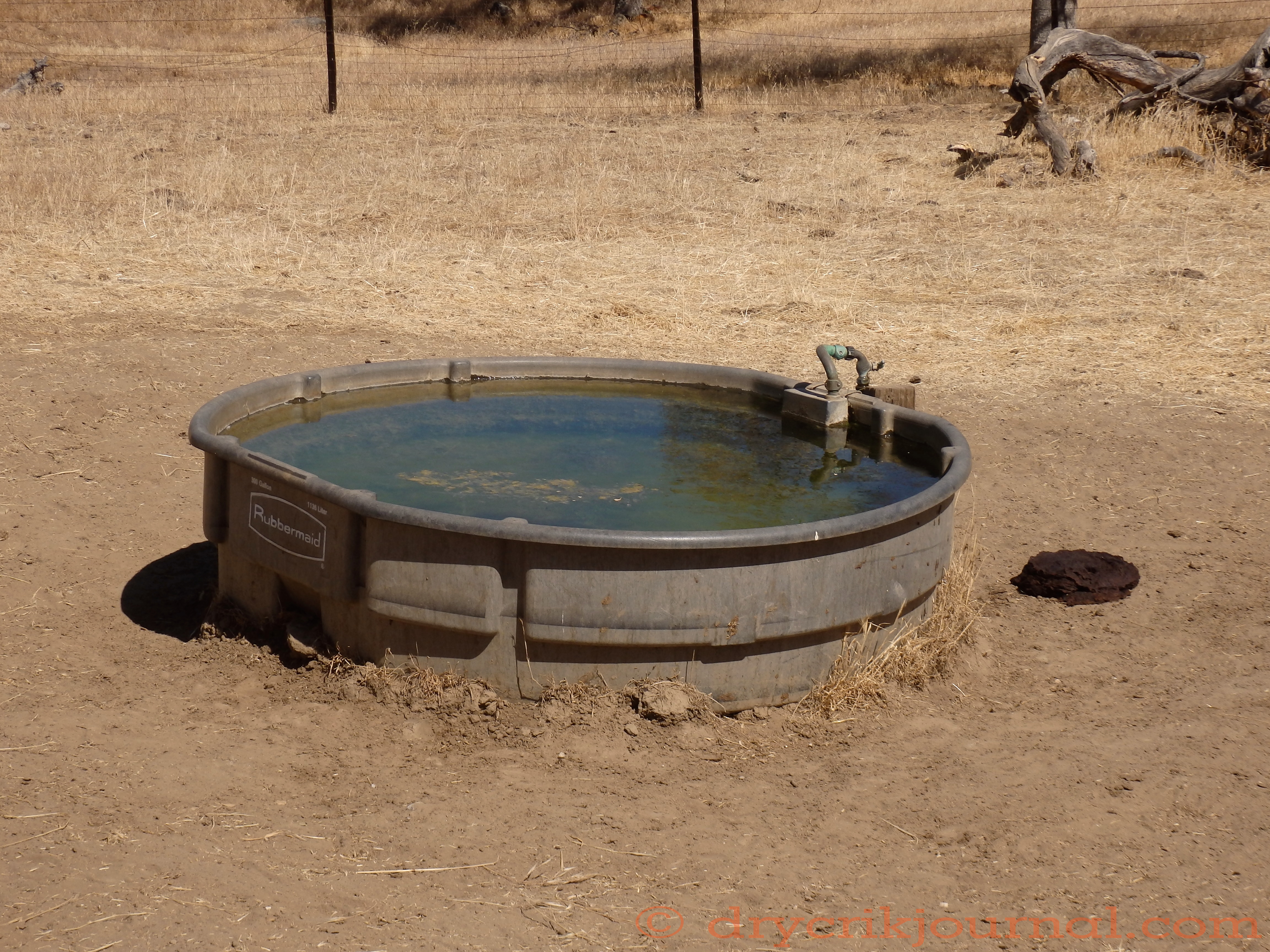
Paramount on our minds these past two weeks has been the installation of three solar pumps to help keep our water troughs full. Each well is different, and subsequently each pump and solar panel is a little different, though the principle of utilizing the sun’s ultra violet rays to pump water is the same.

P7230020

The old well at the Red Corrals was severely impacted by a rock and gravel operation upstream about 12 years ago. Only 26 feet deep, we have pumped 30 gpm with a gas driven centrifugal pump since I was a boy. As a shallow well, it has been supported by the Dry Creek acquifer where bedrock ranges between 10 and 30 feet. However, Dry Creek never got that far downstream this year while a pit in the abandoned rock and gravel operation collects most of the underground flow. We had to install a low volume solar pump and small panel to produce about 1.5 gpm or 90 gallons/hour or about 1,000 gallons/day. On a normal year, we ought to produce 3 gpm.

P7230033

An inholding we lease near the Paregien Ranch already had a solar setup, though the pump had gone bad. When the hard rock well was drilled, the static water level stood at 55 feet in 400’ hole. When we pulled the pump, the static water level was about 90 feet and the pump set at around 125 feet. In the past, it produced 6 gpm, more than we necessary to keep the trough full, the excess went into a pond. With no tank to fill or float to shut the solar power off, it ran every daylight hour that probably contributed to the pump’s short life. Until a tank and float can be installed, I’ve reduced the voltage to where it is only producing about 2 gpm.

P7230028

The abandoned hard rock well on the Top of the Paregien Ranch is 220 feet deep and when drilled ran 6 gpm over the wellhead. The tenant who preceded us over-pumped the well for his horticultural activities to the extent it no longer produced. In recent years, it has begun to artesian again, but only drops. We set the first pump at 30 feet, but could not maintain 3 gpm for more than 30 minutes. The second, low volume pump we set at 110 feet. Yesterday morning the pump had shut off when it ran out of water at 3 gpm. According to our calculations, it would take 5 hours to pump the volume of water in the well above the pump if nothing came into the well. Allowing 24 hour recovery time, I’m going back this morning to reduce the voltage to produce 2 gpm to see if the pump can maintain the storage tank and trough. Failing that, we’ll add more pipe, as the pump is designed for low volume at a greater depth.

P7230023

With the extra water we have produced, the troughs at the Windmill Spring were all full at midday. To revisit past posts about the Windmill Spring see: June 29, 2014 and July 5, 2014


WPC(4)—”Containers”


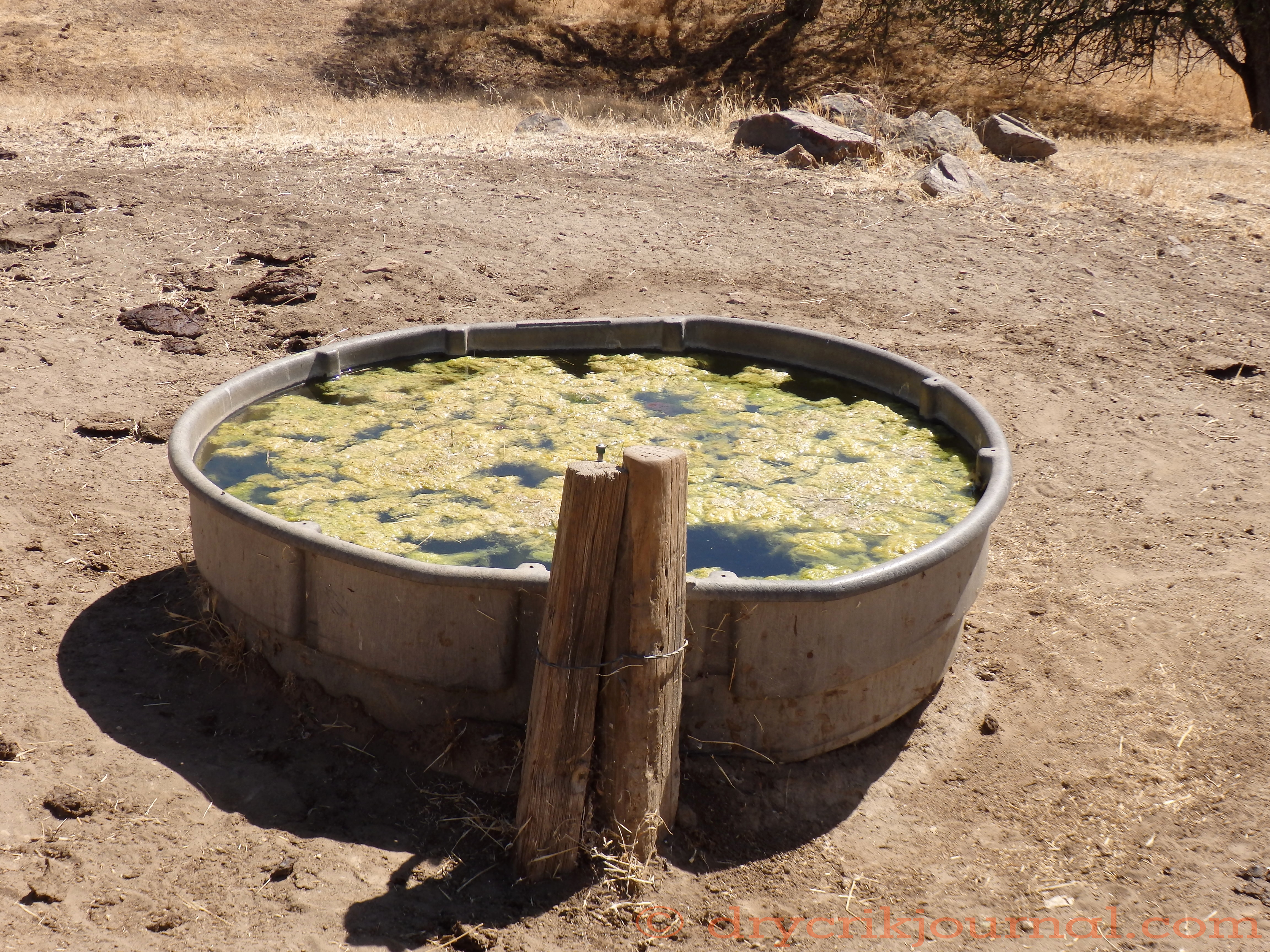
WPC(2)—CURRENCY

P7030013


Pole barn full of relief
and distant hope
not to have to feed it all.


WPC(2)—”Containers”

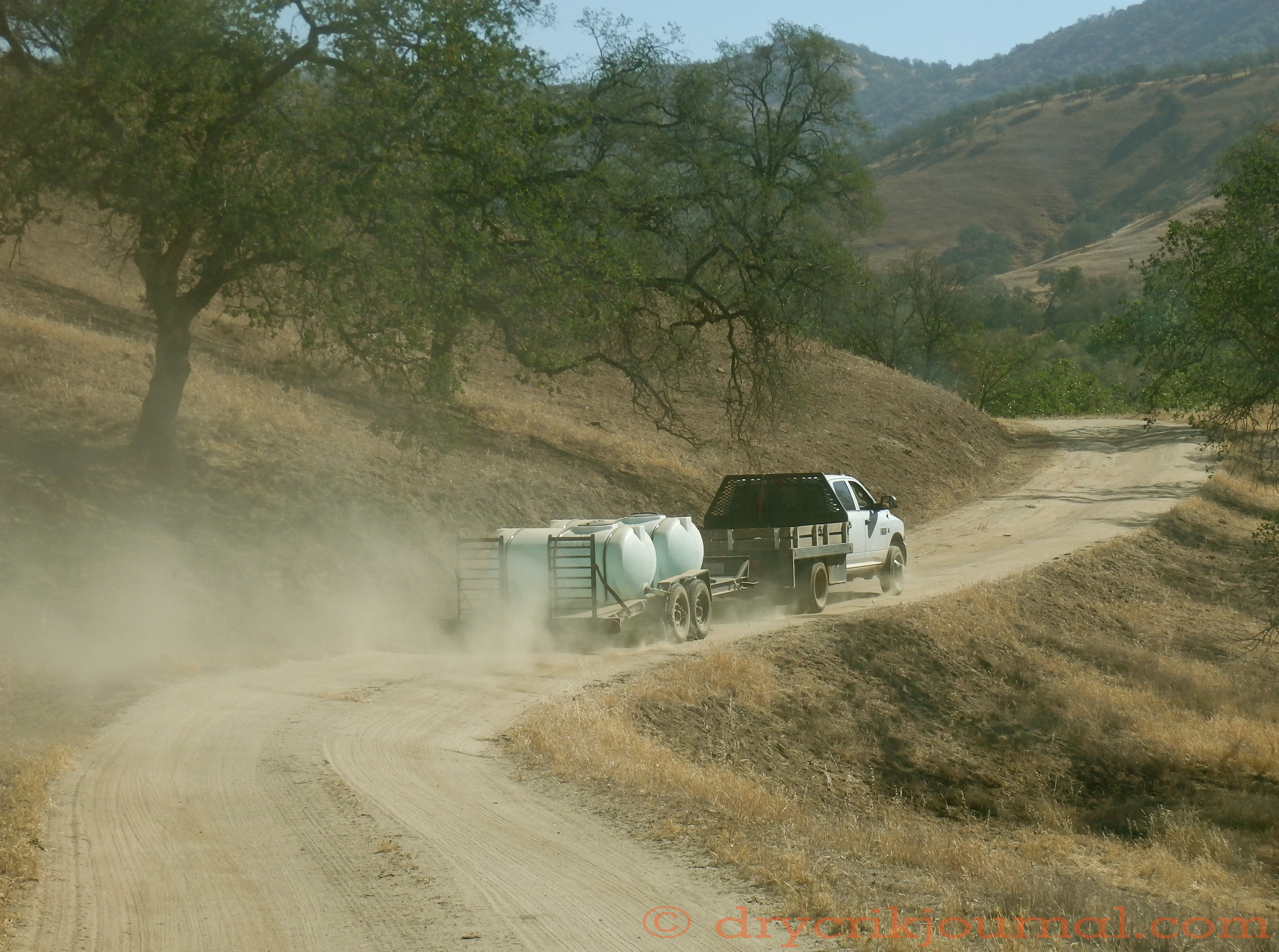
WPC(1)—HAULING WATER

P7100056


Clouds or plastic canisters—
Lord, we pray enough
to last a lifetime.


WPC(1)—”Containers”

JULY 2014

P7050017


After early rounds, we retreat, you and I,
to outside shade as the sun bakes
the earth white, drink hot breaths

of monsoonal air as finches pant on the beam—
and then again to the inside of the house
until the canyon’s shadow is complete.

We retreat, you and I, from the outside
world of wars and treachery, the frenzied
feeding of a fire of fears out there—

an eternal flame to keep from being
afraid of the dark—an instant enlightenment
designed for growth and commerce.

We retreat, you and I, knowing seasons
change—and we endure the heat reaching
into the fuzzy edges of our delirium

watering cattle and garden. We retreat
to one another and wait for the fire
to burn itself out—start over again.


SUMMERTIME BLUES

P7060001


Too soon to count the summer dawns
remaining, like cattle bunched before the gate,
yet these leftovers of a Gulf monsoon

that invade my sky like dark ships
over the Sierras from where a scattered flotilla
waits for orders, may cloud the day—

steam instead of bake the inhabitants
of this canyon—leave a little crunch,
like vegetables, life for tomorrow.


Greasy Creek Ranch Water 2

P7100070

I went back up into Greasy yesterday to check the water situation in Section 17 and Sulphur, pastures we felt less critical when Robbin and I went up earlier in the week. We have left them open to one another to make what water we have available to the cattle from both.
P7100079

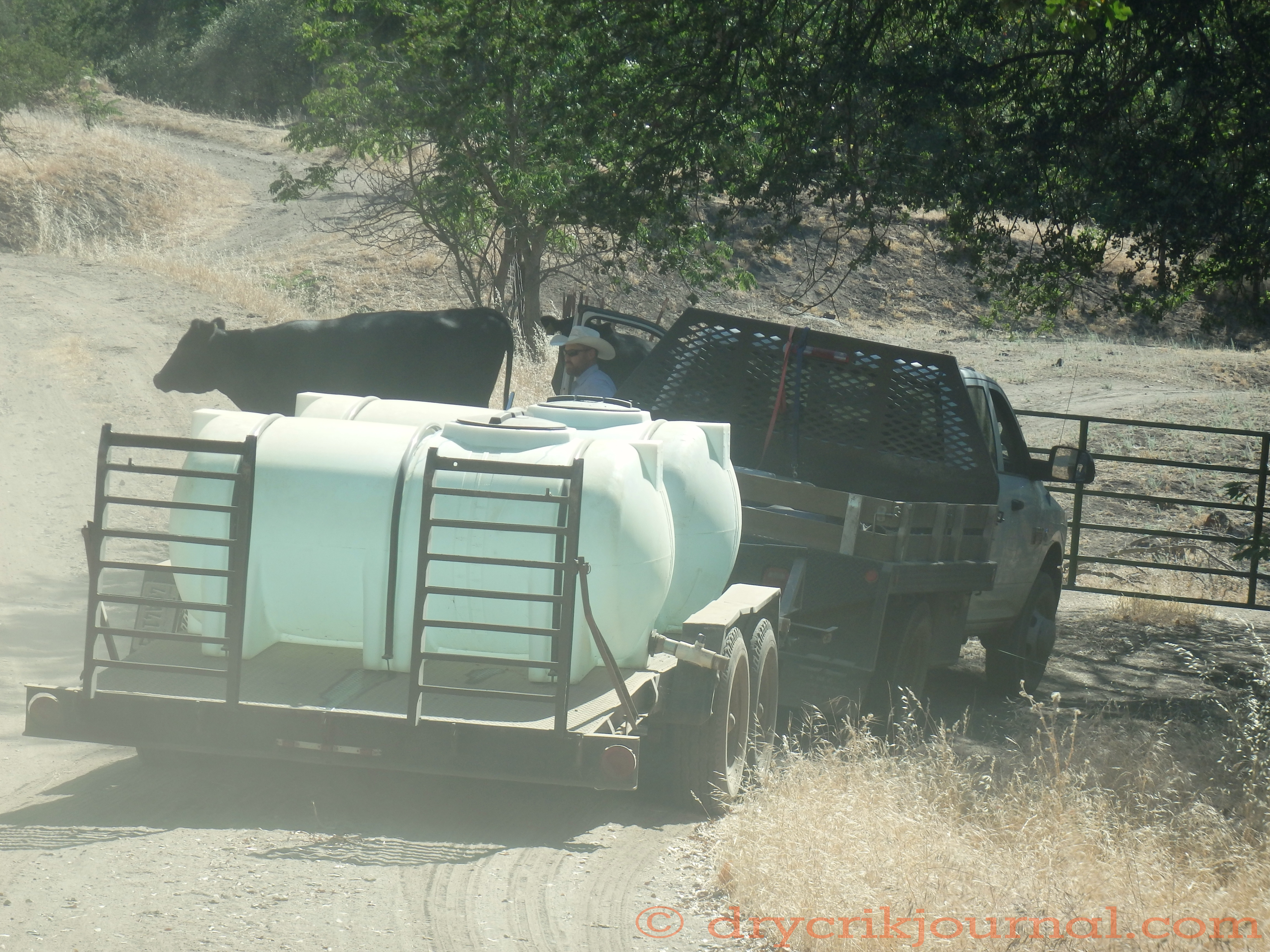
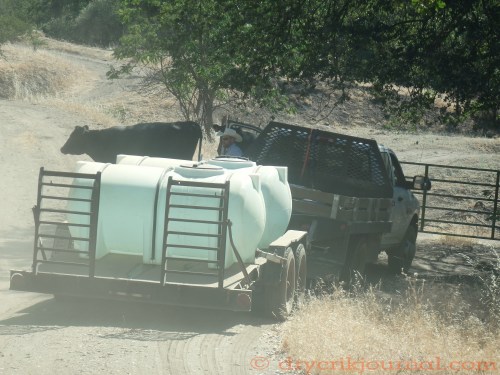
I followed my neighbor Caleb Pennebaker up the hill, hauling water to his cattle. Each ranch has its unique attributes and deficiencies, and what works for one ranch doesn’t necessarily work for others. Furthermore, each cattleman develops his own unique perspective, and more often than not, shaped by the ranch he operates. Caleb’s cattle are not in dire straights, though his water is drying back, but he wants to stay ahead of real trouble and deal with the lack of water on his terms by augmenting his cattle early.

P7100089

In Section 17, the shaded pool of water in Greasy Creek is holding remarkably well, water currently running at 1-2 gallons/minute for a couple of hundred feet to just above the fig trees.

P7100095

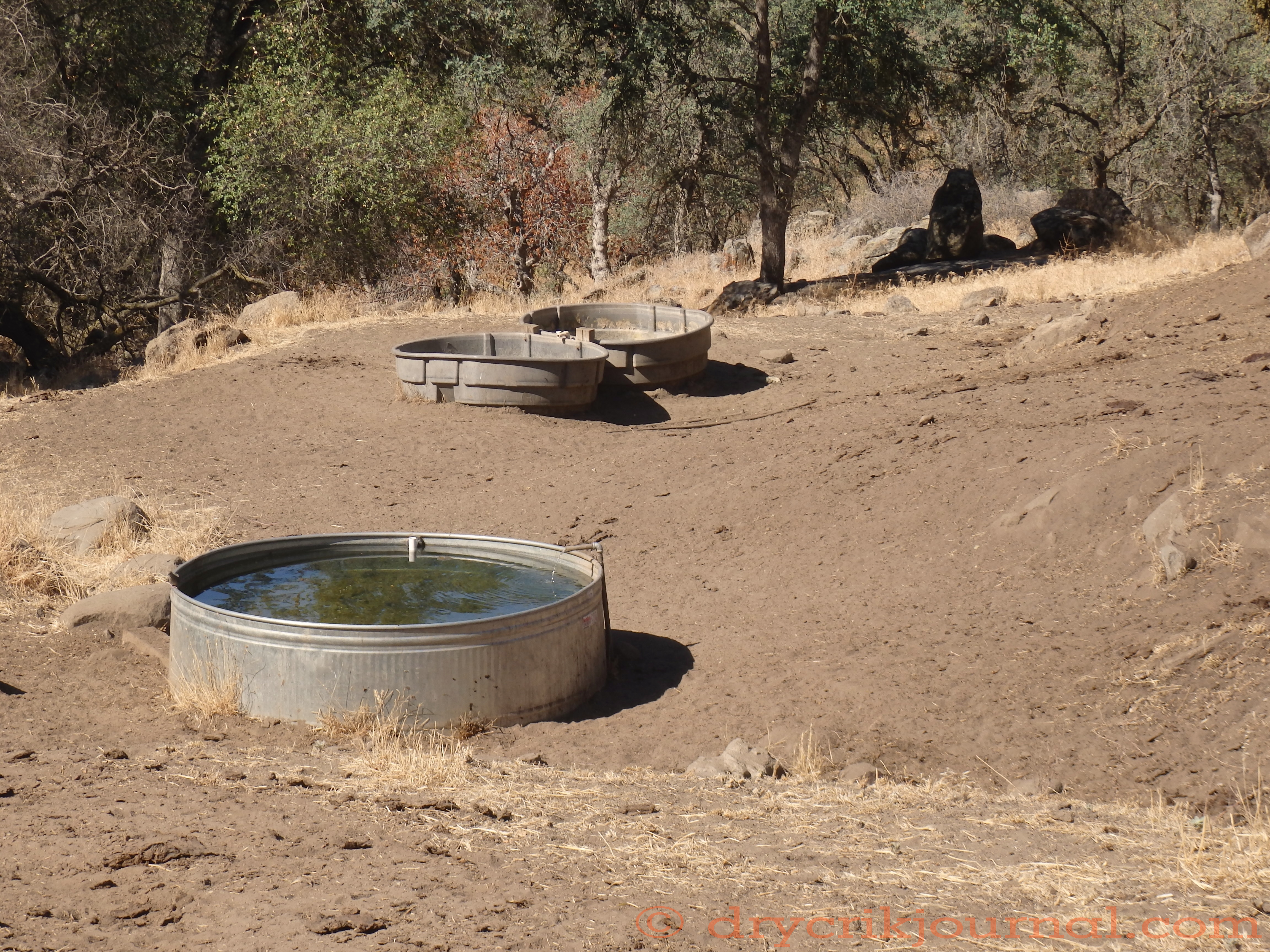
And the water trough piped from Sulphur Spring near the corrals is full and not leaking

P7100099

as is the trough in the Gathering Field that Robbin and I opened up to the cows in the Lower Field, about half of which have come through the gate.
P7100111

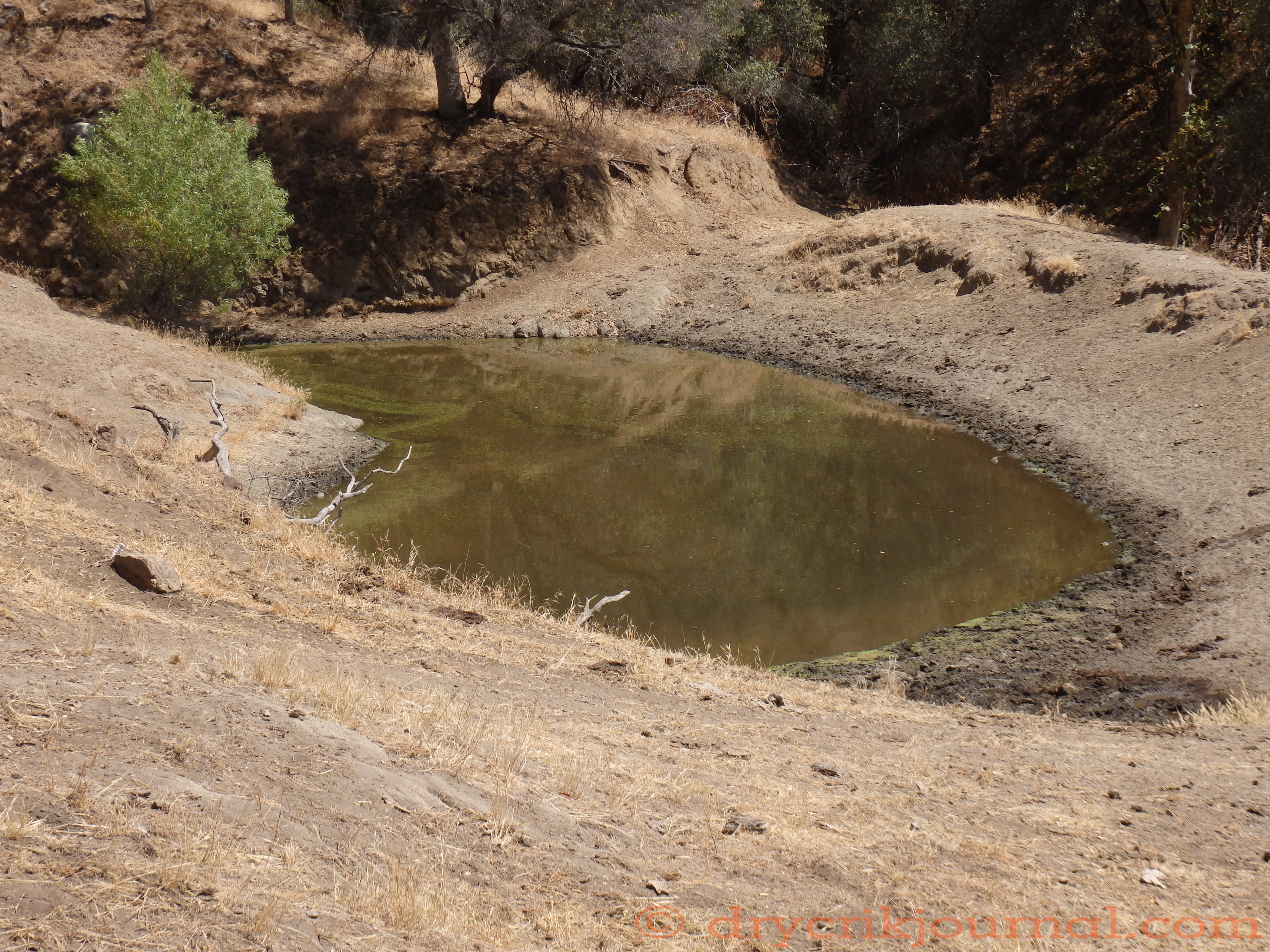
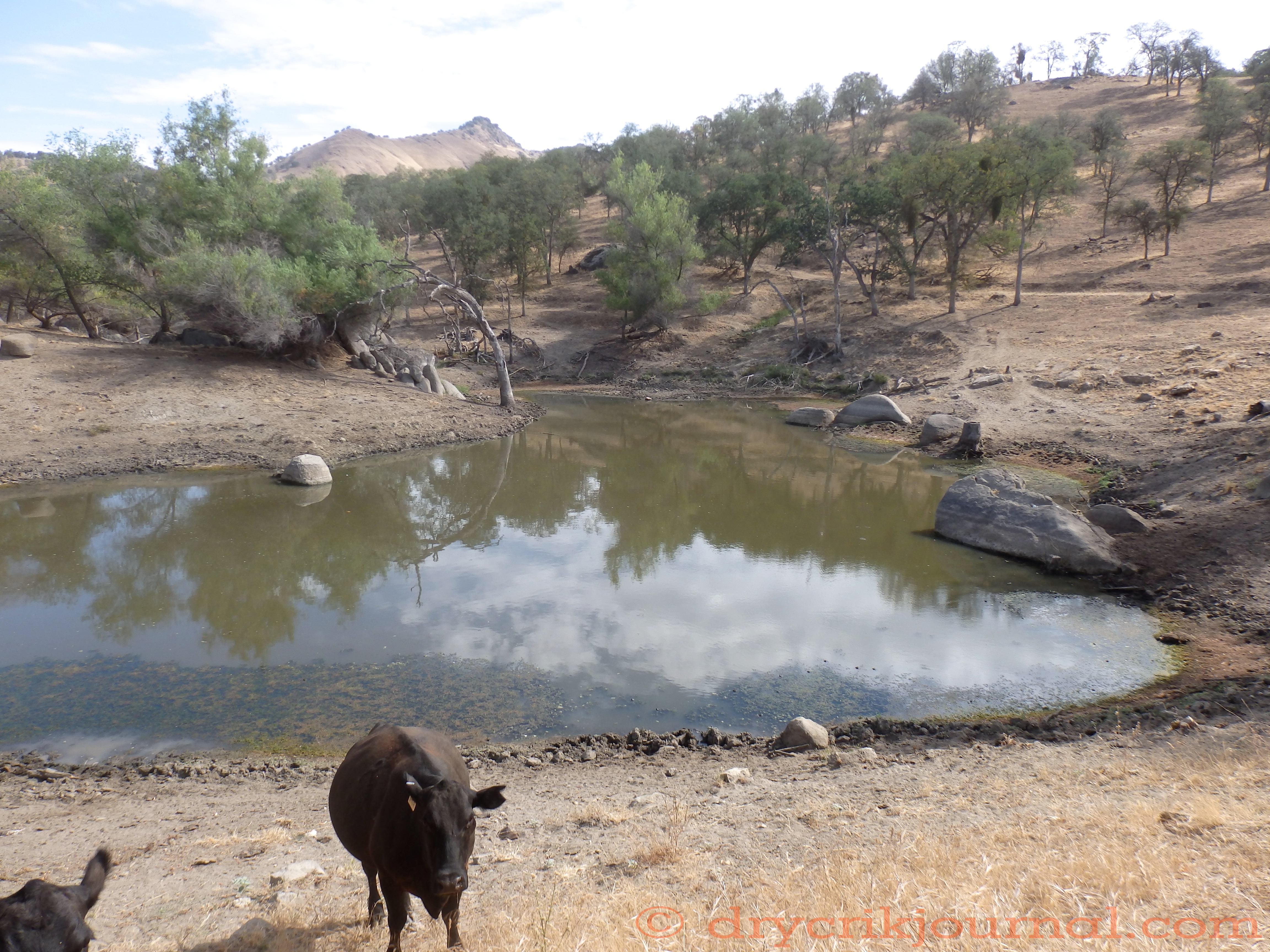
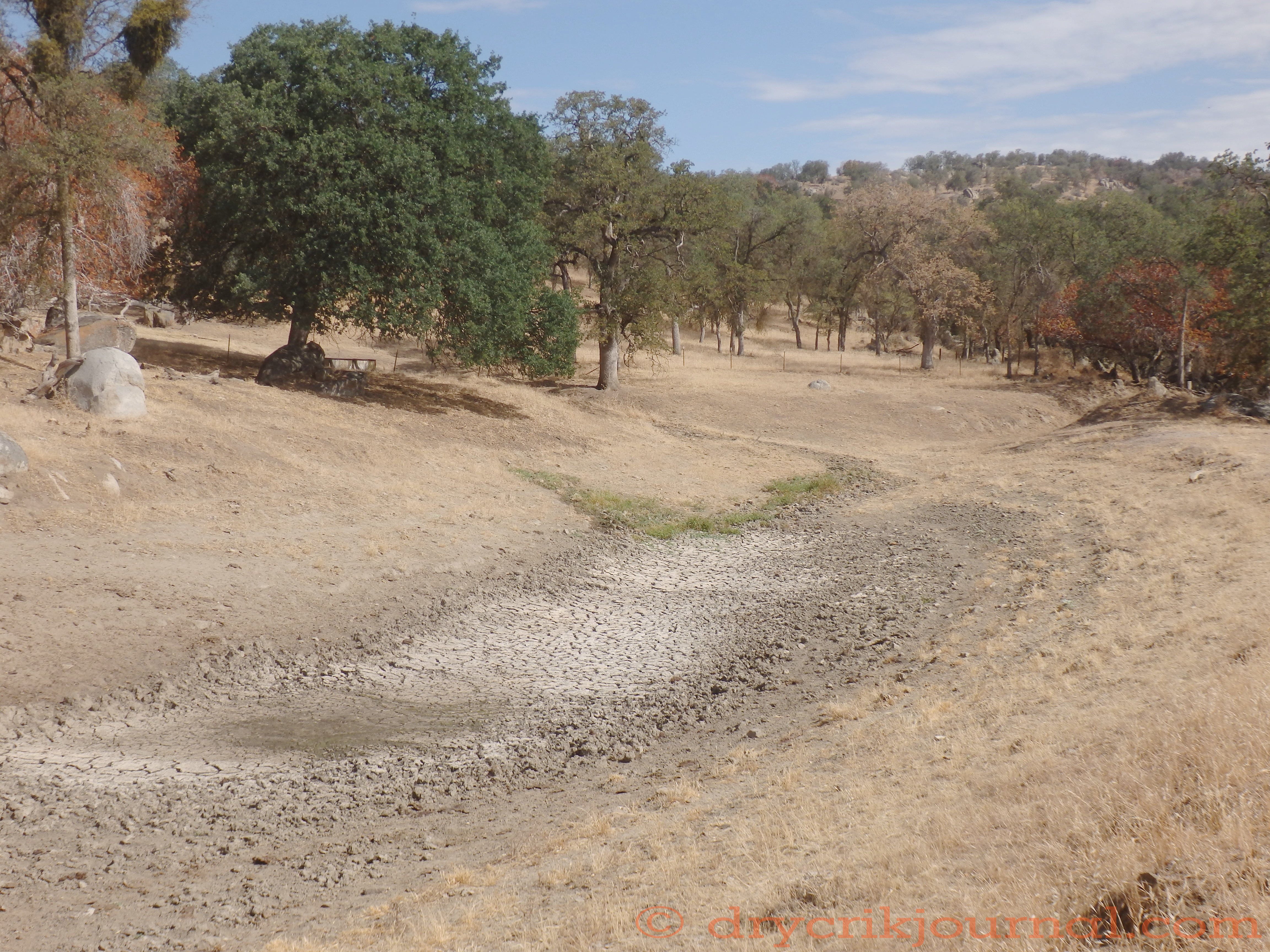
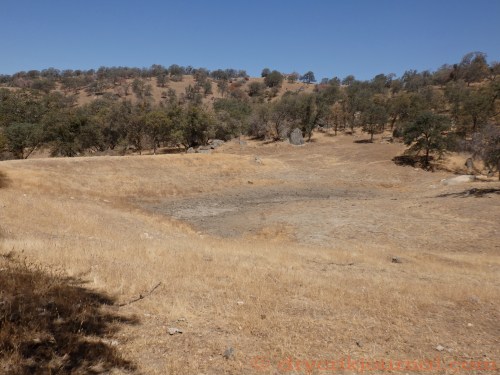
In Sulphur, the Chimney Pond has been dry for three weeks, but
P7100105

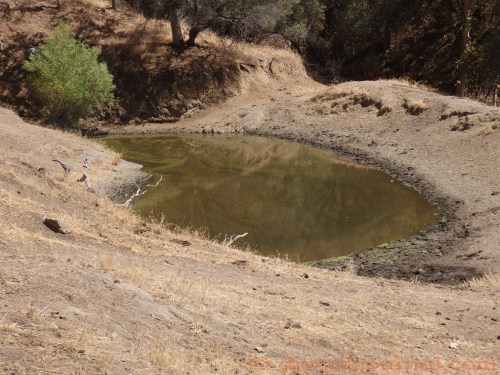
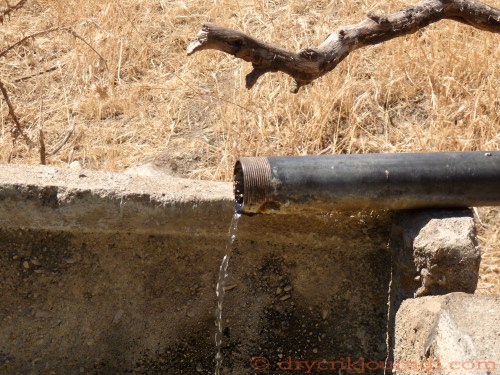
the pond at Ragle Springs is currently holding a few cows in the middle of the pasture. The cows have redistributed themselves through the open gate from 17 to Sulphur in the past couple of weeks, utilizing the Sycamore Spring that is keeping two troughs full, the overflow of which keeping another neighbor’s trough full.
P7100108

We’ve had a long string of days over 100°, not unusual for this time of year, that’s impacting our stockwater already. With the balance of July, August and September to get through, we’ll use these photos as benchmarks as we go. Typically, our springs begin to recover by mid-September with shorter days and cooler nights, but as the second dry year in a row, there is no guarantee of that. This information may be valuable for those who follow us, like which springs held up and which ones didn’t in a drought, and though no two years are the same, help them make more informed decisions.


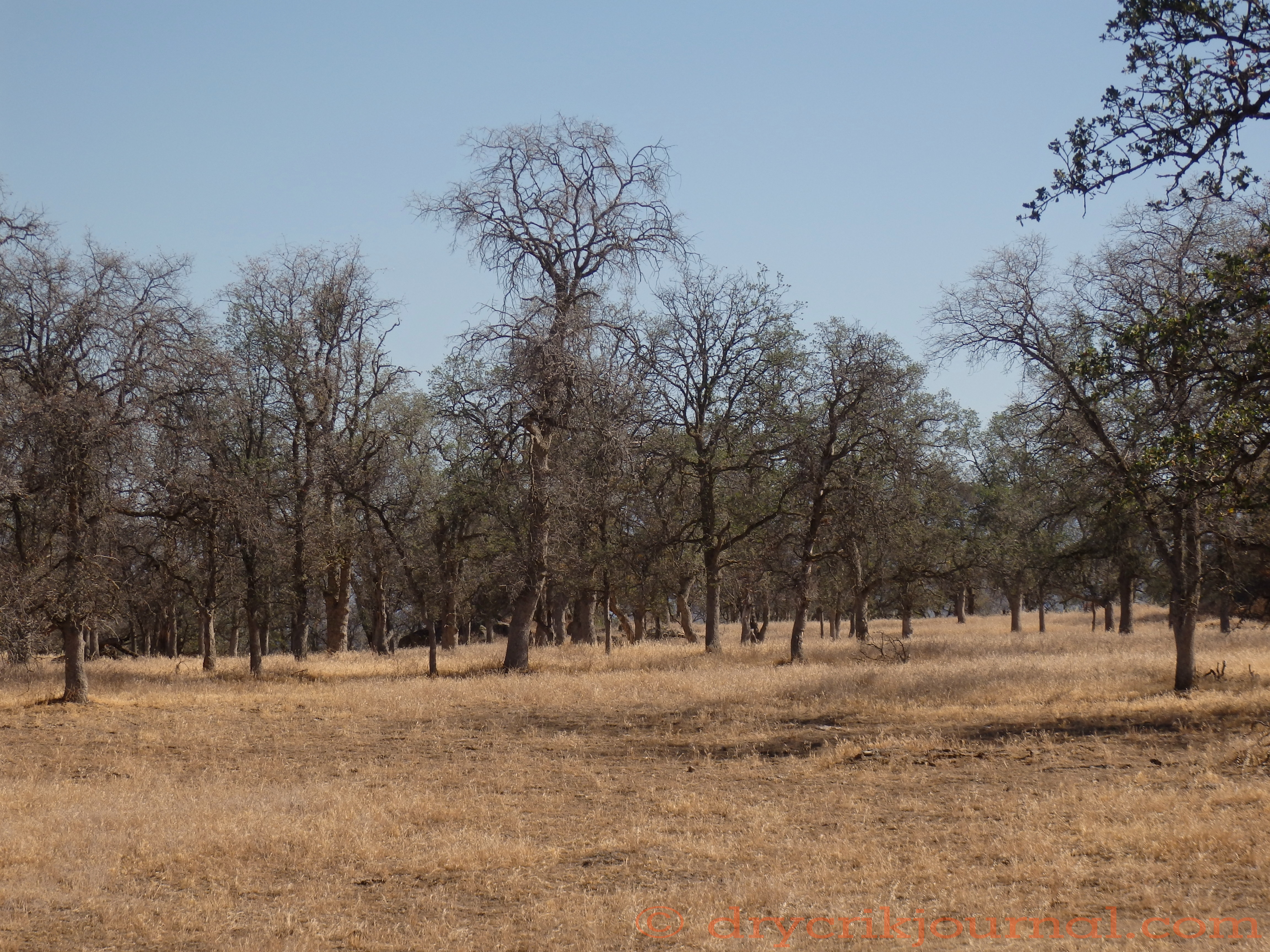
BLUE OAK WOODLAND

P7050019


Not many leaves, but
hanging on to the tops
of mountains no one sees.


Greasy Creek Ranch Water

P7060004

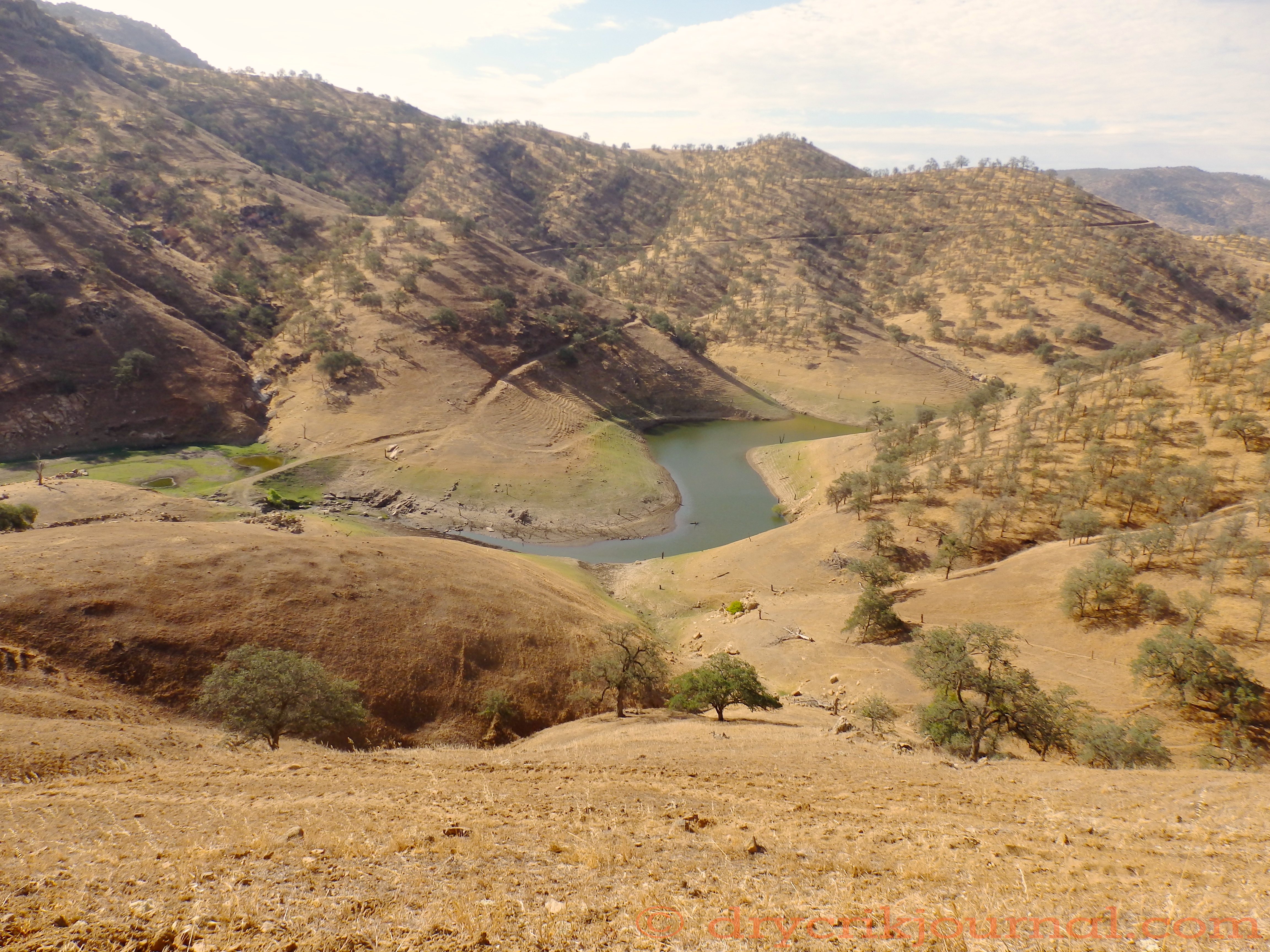
Robbin and I went up to Greasy yesterday to check cattle and to see how our water was holding up. A fairly cool morning under light clouds. Lake Kaweah is dropping quickly in Greasy Cove with agricultural irrigation demands in the Valley, leaving a little green ring for the cows in Belle Point to graze.

P7060006

The old concrete trough that Lee Maloy and Earl McKee Sr. poured in the 30s still holds water at Sulphur Spring, the overflow of which is keeping the troughs in Sec. 17 and the Gathering Field full.

P7060026

We found a good pocket of water in Greasy Creek at the head of the Lower Field,

P7060028

and like the pond at Spanish Flat, it may or may not last until fall. We opened the gate between our Lower Field and the Gathering Field to allow access to more water for the cows in the Lower Field, taking the pressure off Greasy Creek and Spanish Flat.

P7060069

My father told me that in 1939, the water at Grapevine Spring was the only water available on Top after the Gill cowboys rode up and dug the spring out with shovels. We have since developed it a little more.

P7060055

Railroad still has a fair amount of water, but down substantially from normal years.

P7060058

The top pond at Railroad has gone dry. We put out protein supplement tubs as we went to go with the dry feed that looks pretty good everywhere considering the drought. Water will be the big issue until it rains. It’s a relief to see it holding up as well as it is, but we’ll have to monitor our water situation weekly and start bringing a little hay when we come.


Paregien Ranch Water

P7050030

Meanwhile, back at the Windmill Spring, the cows have gotten ahead of the water. While trenching and plumbing the abandoned well before we install a solar pump on the Paregien Ranch, I’ve been checking the Windmill Spring every day, counting cows and noting how fast the troughs were recovering. As other water sources are drying up, the number of cows has increased from 30 to 46 this past week with temperatures well above 100°.

P7050037

Both overflow troughs were all but dry this morning, and only three cows had watered. Fortunately, we have the two wells near the corrals, one with a submersible pump and 11hp generator I ran for about five hours yesterday towards filling the 2,000 gallon trough and 5,000 gallon tank that normally we utilize only at branding and weaning. I topped off the tank this morning, but only the tracks of a couple of cows had been around the trough. So I went off in search of cows to lighten the load on the Windmill Spring.

P7050044

About a half mile away, I found some in the shade near the middle spring that is almost dry

P7050062

and convinced them to follow the Kubota and a bale of hay to new water.

P7050085

Obviously they hadn’t watered yet today. With a little luck, they will center on this trough instead of the Windmill Spring. Until the solar pump is installed, I’ll have to run the submersible twice a week to keep the top half of the tank full.

Scenarios such as this are happening on ranches all over the arid West.