Tag Archives: Drought

FOR WATER

IMG_0206


The sun is not yet high
and the loose dirt burns
my feet through leather boots

as we work for water:
trenching, gluing pipe
from well to tank to trough

among the oak trees
half-mile above the blacktop
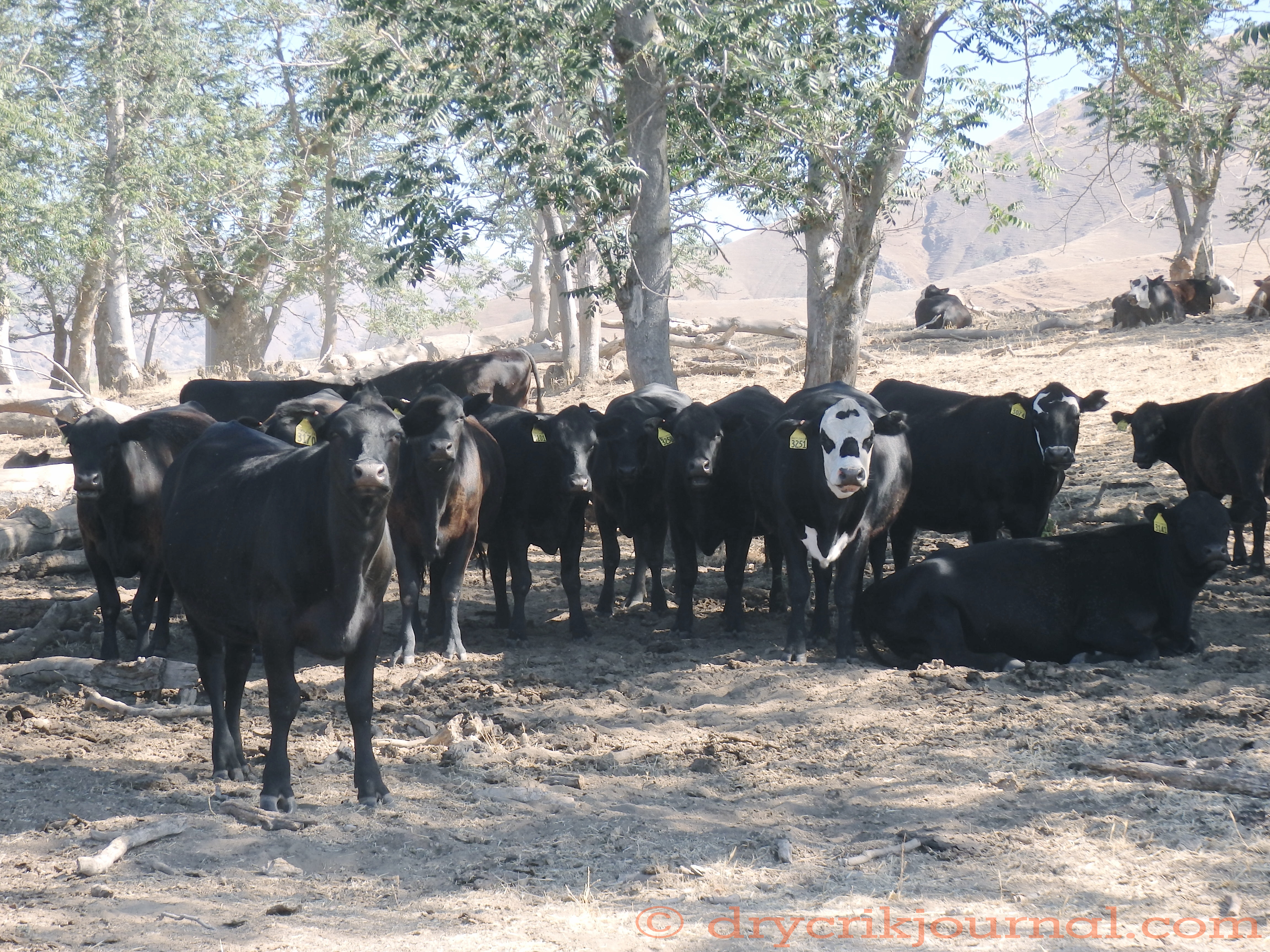
where silhouettes of cattle

claim the shade, chew cuds
and watch. They cannot feel—
cannot see the urgency,

ever-trusting, unafraid
of our intrusion in their world—
we’ve kept them well.

The sun is not yet high
and I recognize the edge
of fuzzy delirium that turns

the order of this world
upside down, that obfuscates
governments and fear,

economies and philosophies—
that boils and distills
each moment down

to reliable water—
up here above it all
where nothing else matters.


Mothers to Be

P6270030

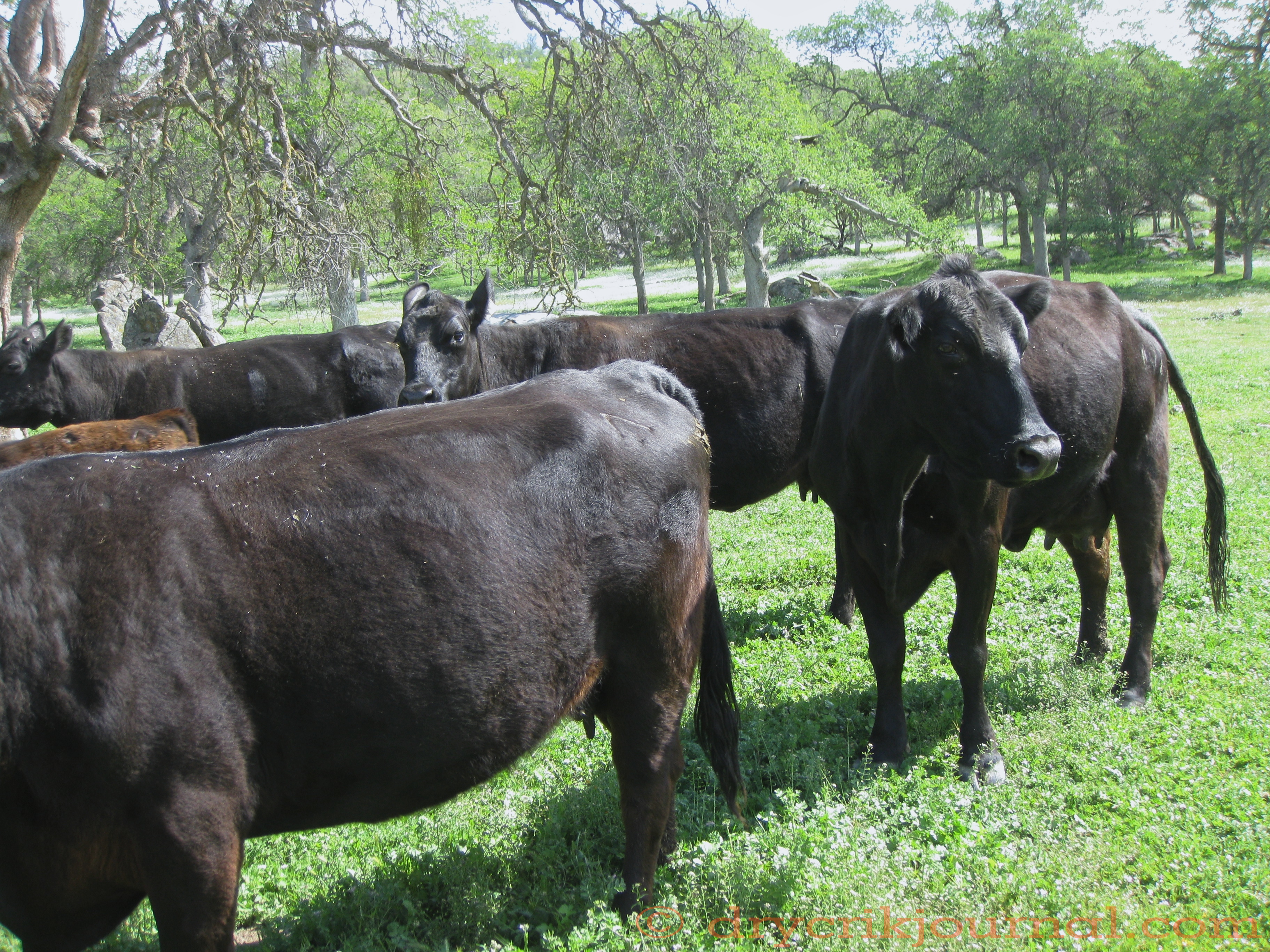
These girls, bred to Wagyu bulls from Snake River Farms in Idaho, will be two years old this fall and are, on average, 60-90 days away from having their first calf. Feeling full, they have retired to the shade by early morning. No longer big calves, they are becoming cows, aware of something inside them, and will continue to be slightly restless and uncomfortable until the calf is born. Each first-calf heifer handles this new state of being a little differently as instinct overcomes confusion to varying degrees.

Because of the drought, they have access to the irrigated pasture where we normally run our weaned heifer calves, but we kept no replacement heifer calves this year due our shortage of feed and the time required—nine month gestation and another nine before a calf is weaned—to generate any income. We are looking forward to these girls becoming exceptional mothers.


WPC (3) — “Contrasts”

Windmill Spring

P6280017

I was doing some preliminary work for the installation of a solar pump in an abandoned well yesterday, after which I checked the water at Windmill Spring. No windmill anymore, it still carries the name and the only reliable water we have at the Paregien Ranch this year. It’s fed from a spring box and fills a series of troughs.

P6280045

These girls had just watered before I arrived, having seen them earlier in the day about a mile away as I was putting out protein supplement tubs.

P6280016

When I got to the spring, this girl was watering at the last trough, constructed of redwood well-before my time.

P6280033

P6280039

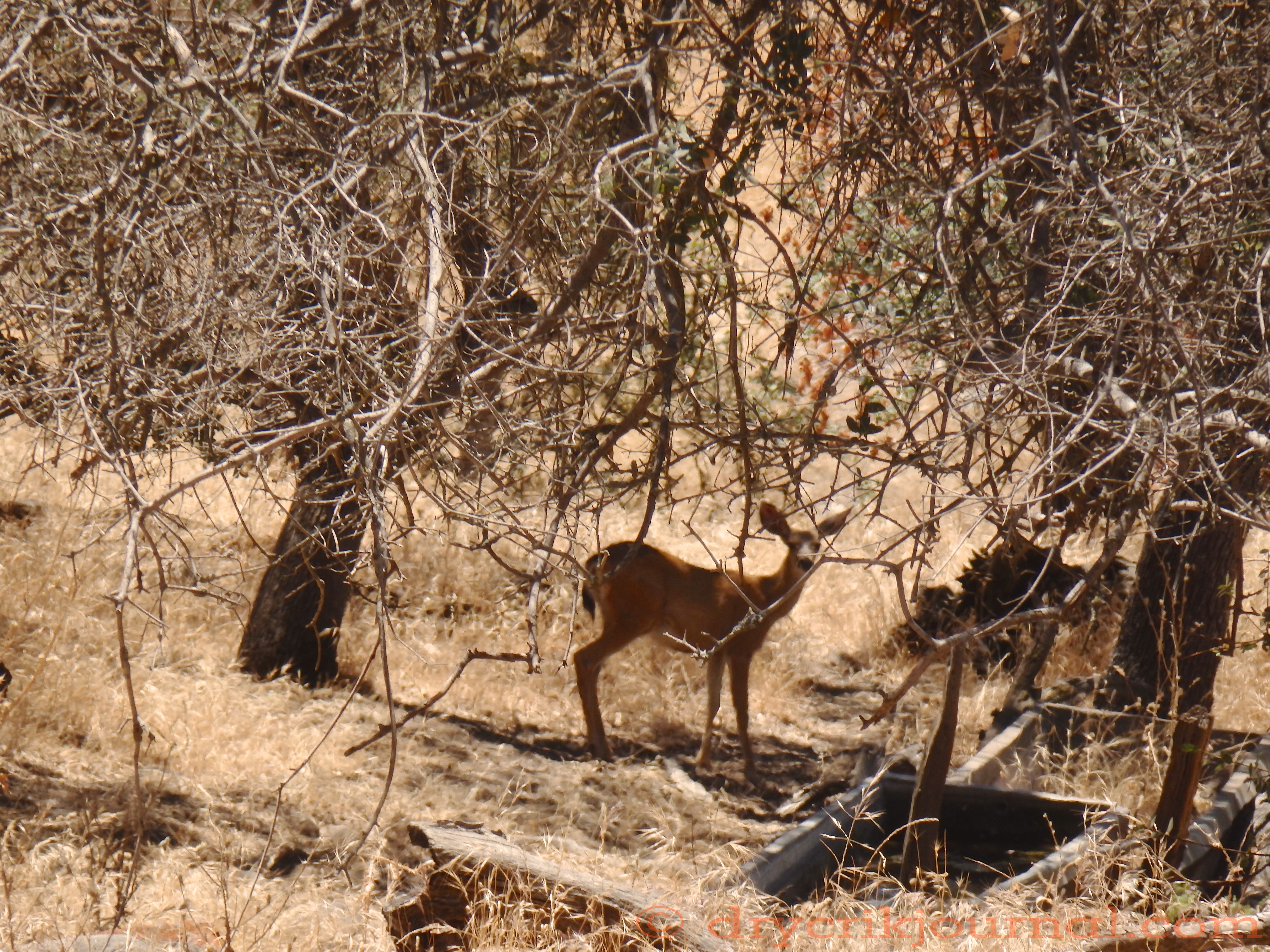
Water is scarce and everyone knows where it is. I could have taken wildlife photos all afternoon.

SO FAR TO GO

P6260030


Summer months in the dry, dust
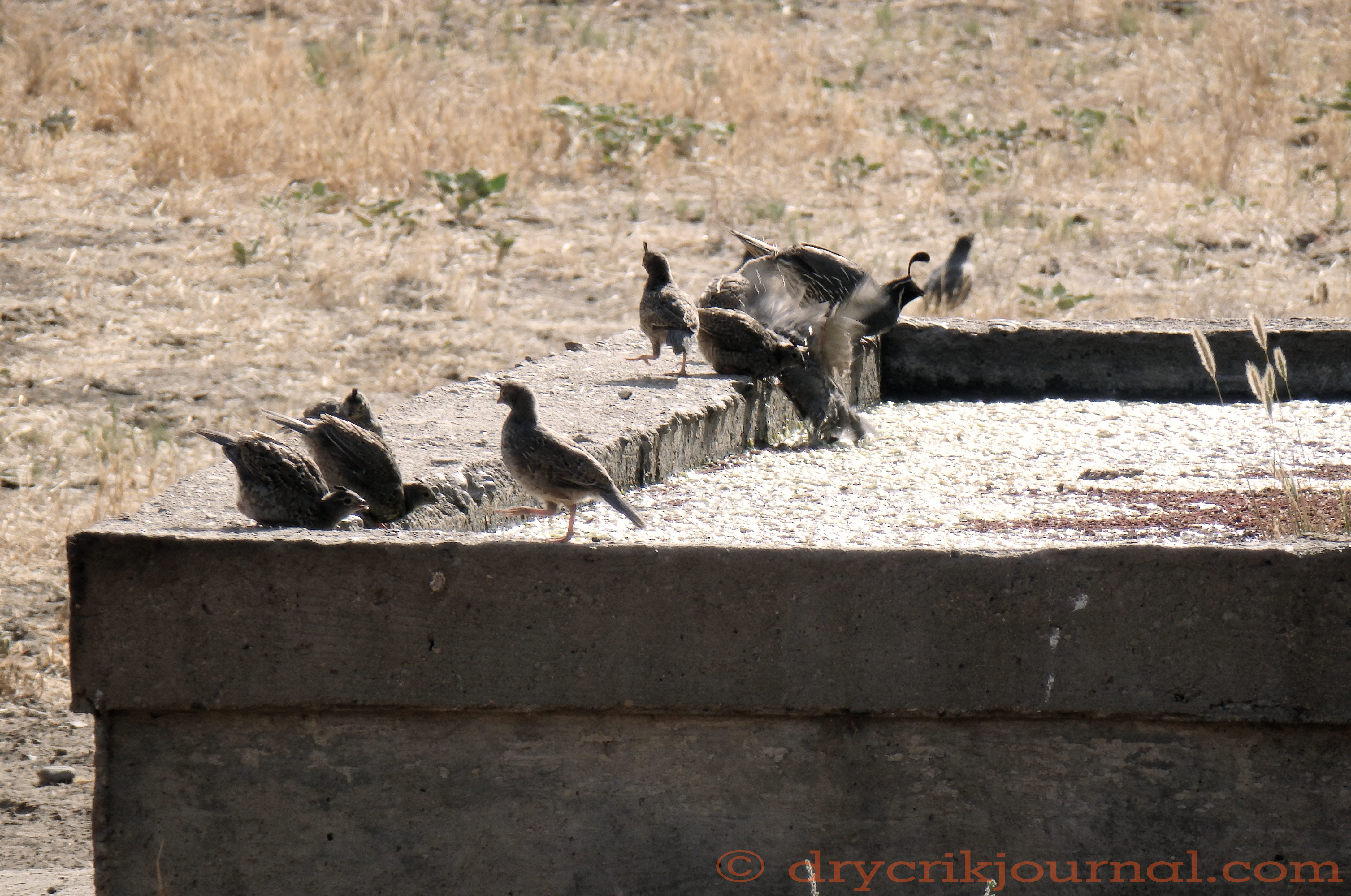
stirred by tiny birds, by the invisible
kiss of a breeze’s caress—so far

to go for water. Cows will lie down
and die when its gone, trusting spirits
and disassembled bones left for years

near waterholes to remind of empty eyes
gathered to wait in the shade for a drink—
nightmares that lurk on the edge of sleep,

ever ready, July through September.
So far to go, a day and a night at a time,
they take no holiday until it rains.


Riding Drag

P6260006 - Version 2


WPC (1) — “Contrasts”


COTTONWOOD

P6190024


Bright among the oaks,
rare and far between up here,
moisture and a spring.


Weekly Photo Challenge (4) “Between”

Last Bunch 2014

P6230024


It’s been a long, dry year, but we’ve begun to breathe easier now that our last bunch of calves is in the weaning pen and headed to town tomorrow morning. Born last fall, they are averaging about 100 lbs. lighter than normal due to the drought, but current prices more than make up the difference.

The country we graze is cross-fenced into pastures. We gather each twice a year to brand and wean while culling the cows that don’t fit our program either due to age or late calving dates. It takes about six weeks for us to wean all our calves, but longer to brand when it rains and while we’re helping our neighbors. We try to keep our cows in the same pasture their entire lives here, familiar ground where they can make homes and the gather becomes routine. Because of our terrain, rotational grazing is impracticable—so we understock to meet most feed conditions instead.

This second year of drought, however, has reduced our cowherd by 40% while feeding 500 tons of alfalfa since last fall. Because of the time and feed required for a heifer to have her first calf, we kept no replacement heifers this year. It’s disappointing for Robbin and I to see them go and the efforts of the past twenty years reduced so drastically, but we hope to take advantage of this heavy culling by improving the genetics of our cows into the future. We are encouraged with a good base to work with, as our cowherd now is fairly young, a third of which are first and second-calf cows.

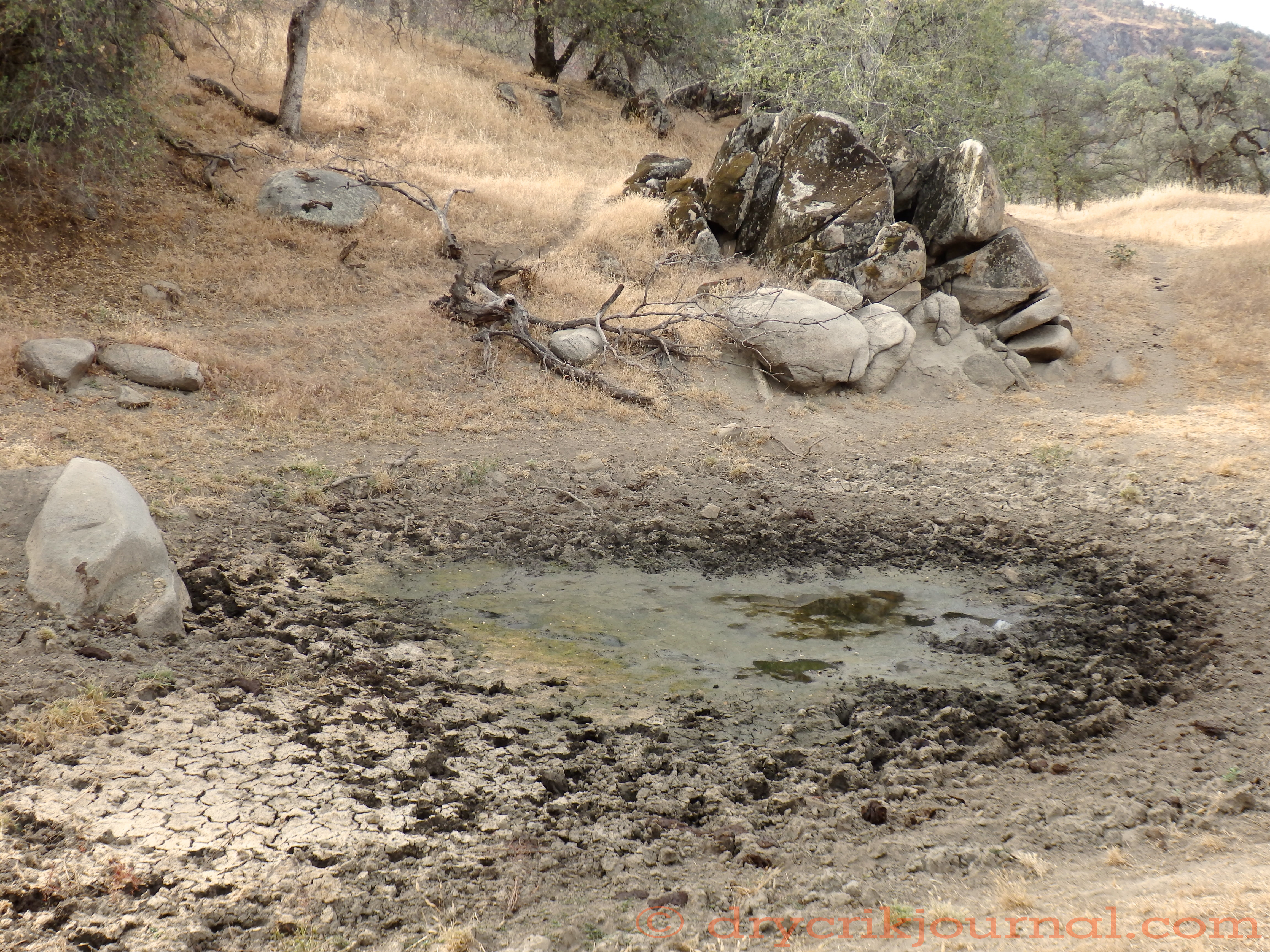
Near term, we concentrate on improving stockwater until it might rain again this fall.


ASCENSION

P6200004


Native generations rise
at water, hoof and pad,
inhaled at dawn.


Weekly Photo Challenge (1) “Between”

BALANCE

P6160004


To the flutter and whir
of learning how to drink
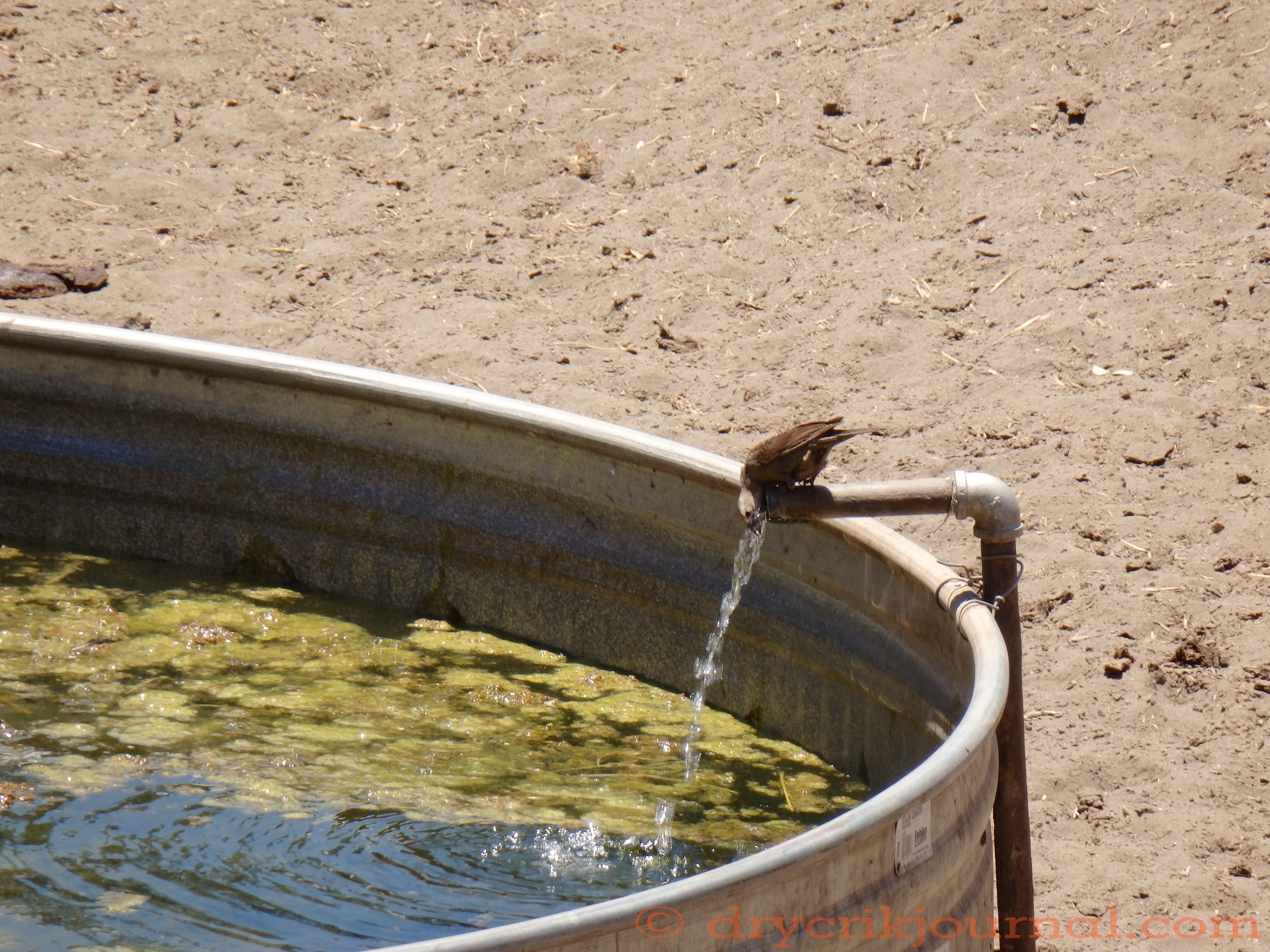
water from a trough.


LAST SUPPER

May 9, 2014

May 9, 2014


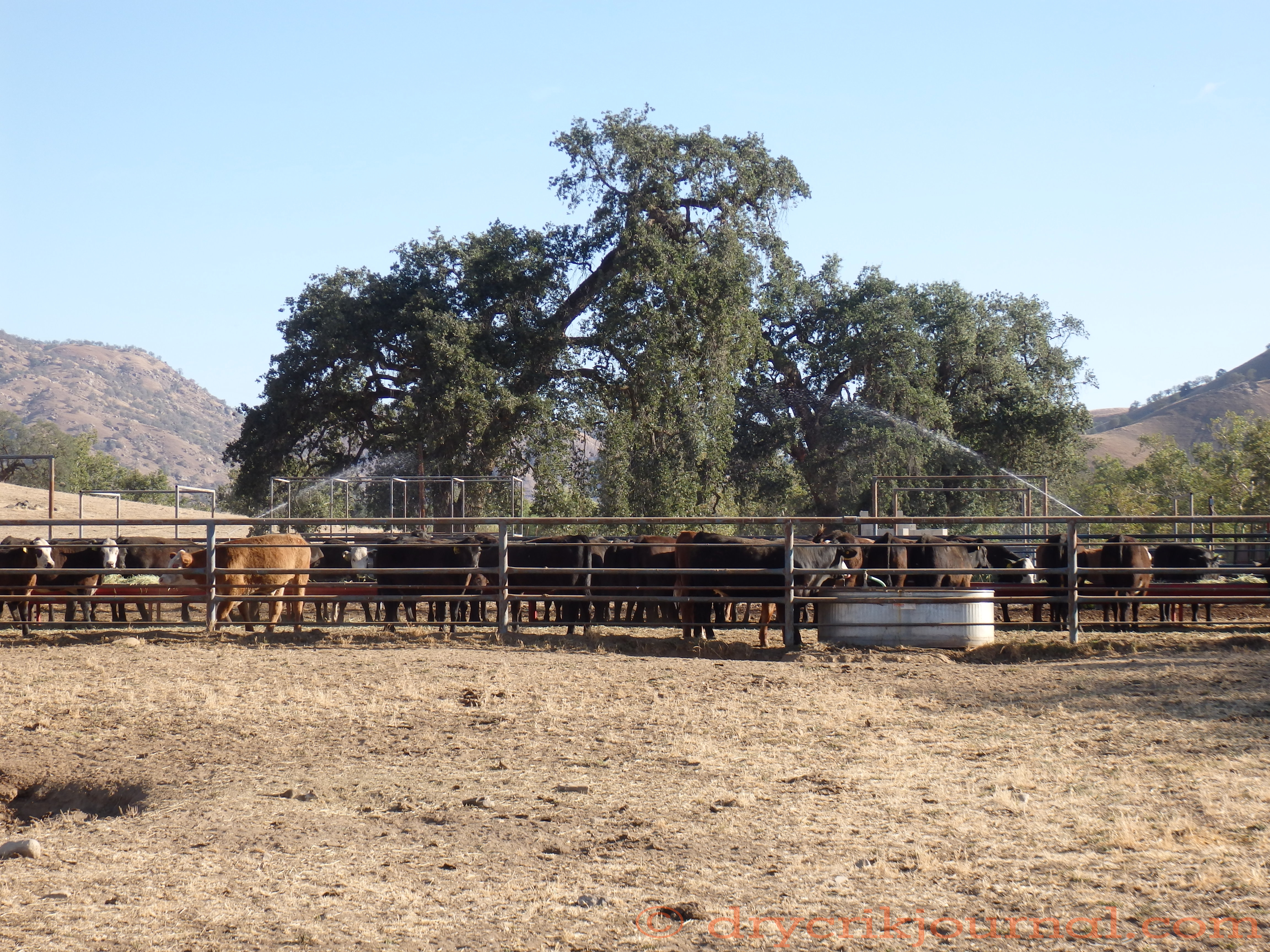
We have culled the cows again,
dependable girls
raising good calves every year

let me walk within the crowd
of old hides in the corral—
we’ve known each other well.

It was artful, the long trail
of green alfalfa flakes
spaced on dry grassless ground,

last evening’s table set before
I called them from their shade tree—
before today’s auction ring.

It’s time.
They will never look
this good again.