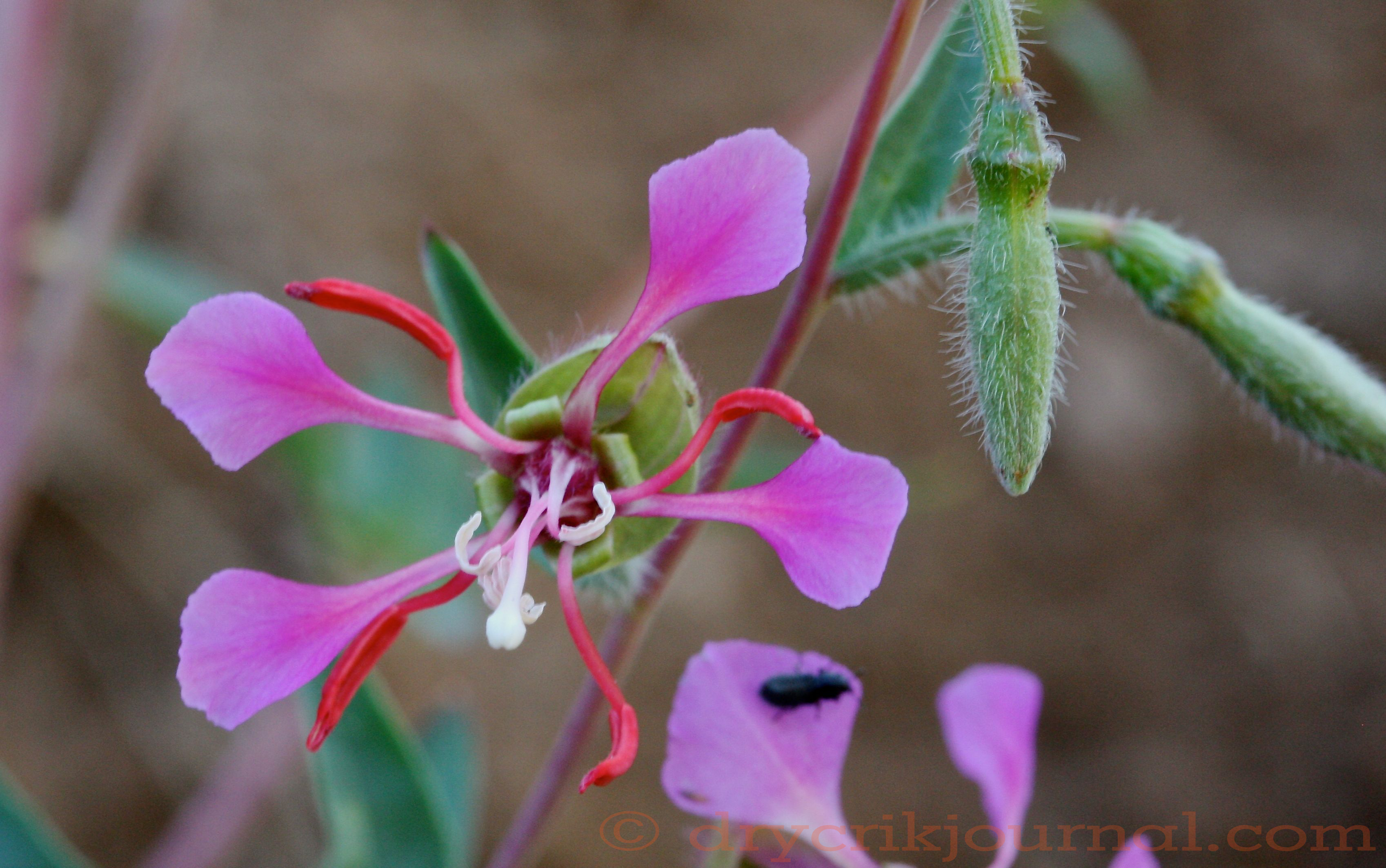


We found the Roadrunners’ nest on March 29th and have known the eggs had hatched for a couple of weeks, but the chicks have been too small to photograph until now. In the cactus along the driveway, I caught the pair off the nest this morning.
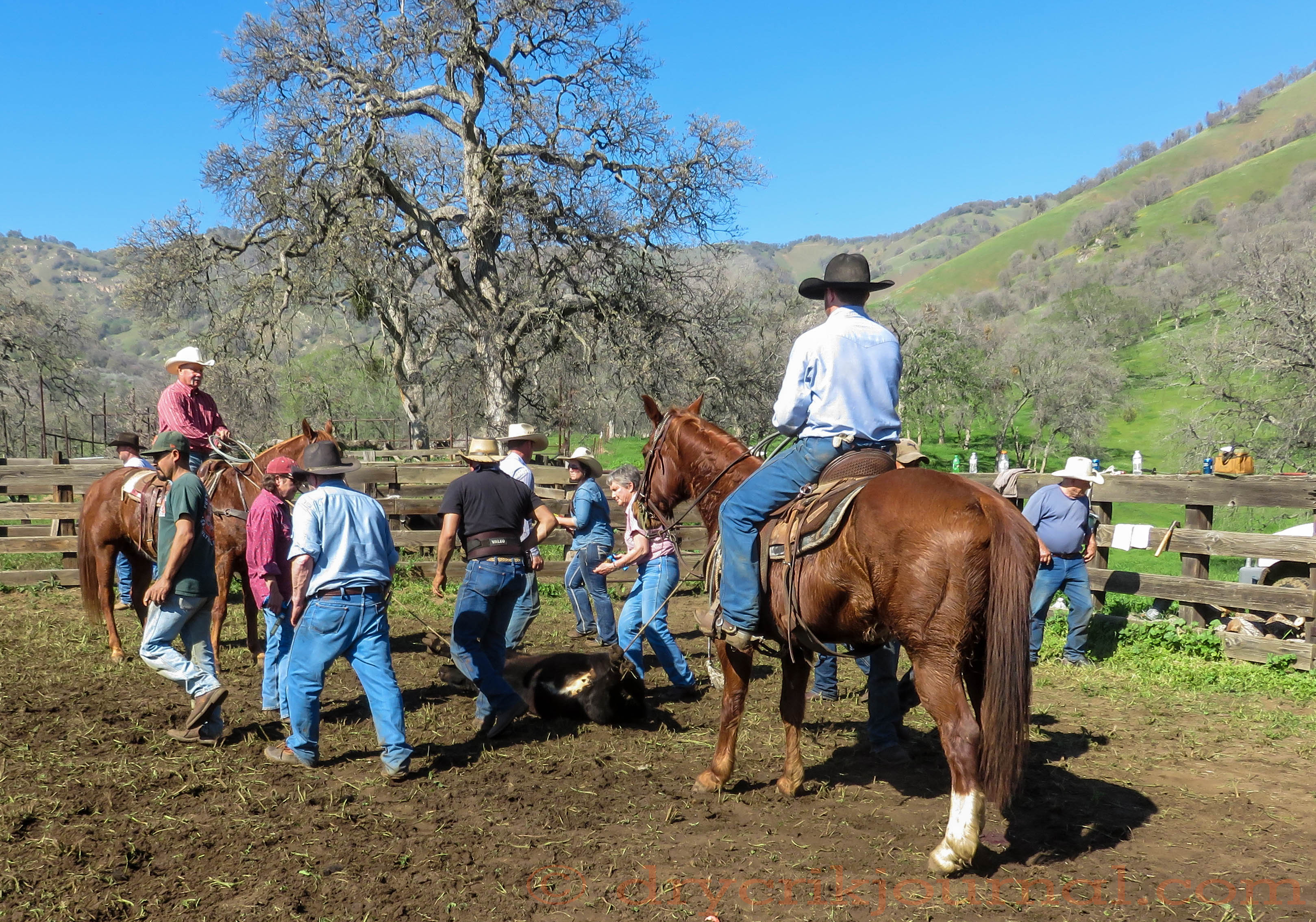
In the branding pen,
the steady dance of old hands
celebrating spring.
Weekly Photo Challenge: Motion
Posted in Haiku 2015, Photographs, Poems 2015, Ranch Journal
Tagged branding, Greasy Creek, weekly-photo-challenge
Dry grasses, weeds and wildflower leaves
turned brittle, blond and hollow-stemmed,
past help or hoping for a storm as we,
when the sky went gray for days: clouds
stacked, thunder clapped in the backcountry,
spilling little drops erasing tracks in dust
with damp, new air to breathe. Every creature
prayed—out of habit more than necessity,
to all our different gods—a great wanting
on the breeze, just to see it rain. Like true
love at the core of things, it came in sheets
of ecstasy—that full feeling of feeling good.

Christmas in April,
Wild Cucumber on a dead
Manzanita tree.
Posted in Haiku 2015, Photographs, Poems 2015, Ranch Journal
Tagged Wild Cucumber, wildflowers
Posted in Haiku 2015, Photographs, Poems 2015, Ranch Journal
Tagged Echinopsis oxygona, flower-friday
We are farming just beyond
your city’s limits to sustain growth
by building houses, irrigating fields
to feed you. We are drilling deeper
wells all around your sufficient
neighborhood mapped on asphalt.
Either side of the fuzzy border,
we get old, get tired of adapting
to mistakes—unlike bugs, we live
too long to develop genetics
our children’s children will need
in an unimaginable future.
History will say our families farmed
the San Joaquin for 200 years
before running out of water
fifty years from now—our thin dust
upon dry layers of earth stacked above
a depleting Pleistocene sea.
Innocent enough: the service pole
holding two hundred and twenty volts
above the ground to the house,
end of the line for electric power
and all its surges, to be replaced
by men and three huge trucks
with hydraulic arms and augers.
That’s how comedies begin
in backyard pastures too dry to irrigate,
visits by servicemen scouting work orders,
asking if the dog bites: “Sometimes.”
The faucet crushed beneath a tire
while we were gone to Bakersfield
trading goosenecks before we wean—
the white geyser and phone call
asking where to turn the water off:
“The pump.” On, after an easy faucet fix
at dusk, but no water to the house,
you found the gate valve stripped,
one last twist that did not quell
the fountain wasting in a drought
with the gopher snake they killed.
Innocence, fear, the tracks were clear.
We cut and plumbed another gate valve,
used once and saved like farmers do,
you and I and the mosquitoes
on our bellies in the mud with wrenches
after the inch-and-a-half Dayton blew
three times under pressure. Face-to-face,
a wrench apiece, the coupler between us
the fourth time tightened to hold
forever in my mind, our wet and muddy
partnership, laughing: “Welcome home.”
Posted in Poems 2015, Ranch Journal

Hole in the orchard filled
with leaky water troughs
of asparagus rockets
breaking free. We felled
the cherry tree the borers killed,
corded-up for winter fires.
We shared the crop,
top branches first
we couldn’t reach until
word got out and left us
pits. Damn Orioles
and their bucket mouths.
Posted in Photographs, Poems 2015, Ranch Journal
Tagged Bullock's Oriole, Cherry Tree, garden
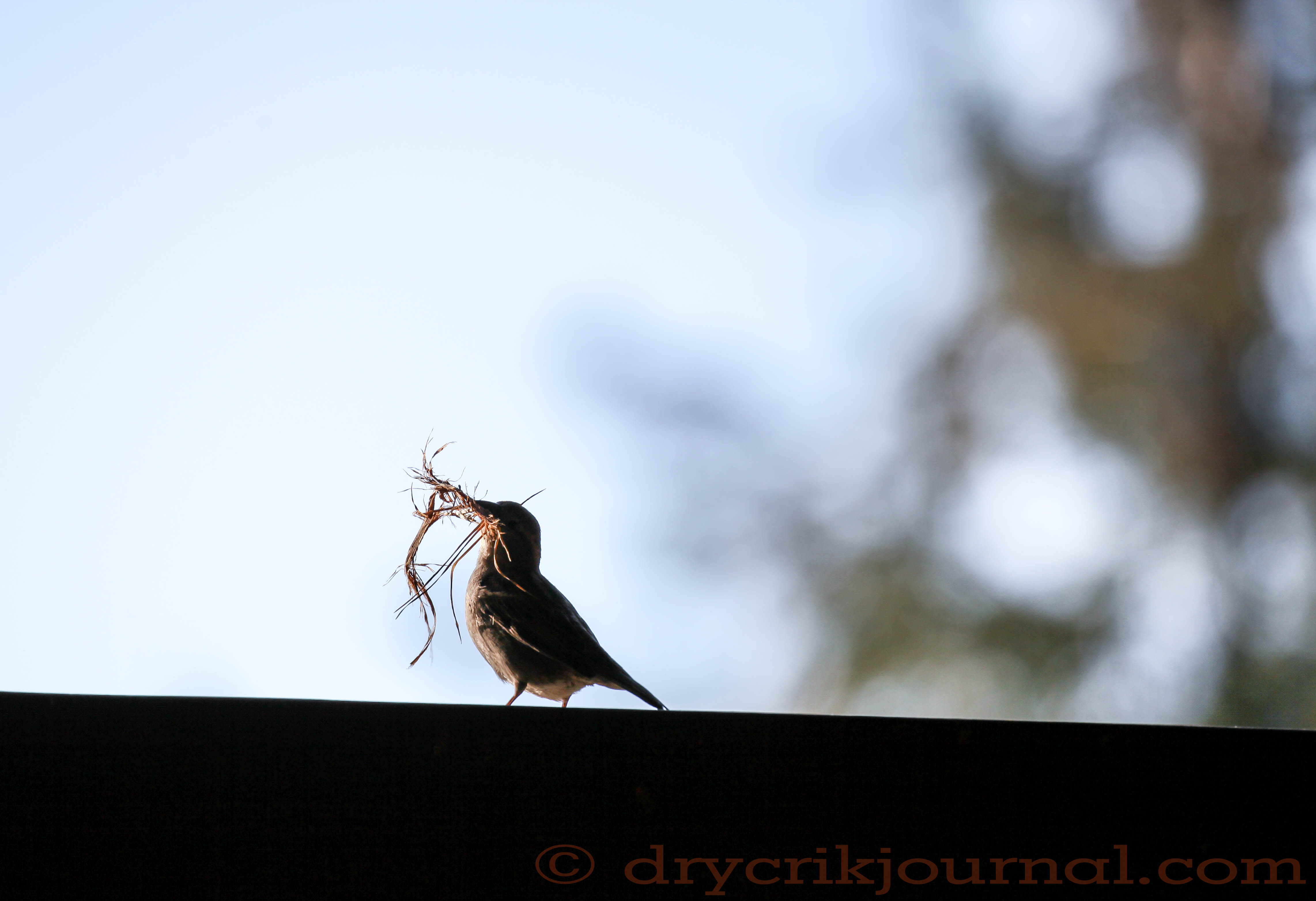
Since the bird feeders, the House Sparrows
have run the finches off the beam,
scattered their nest, spending mornings
rebuilding for a week. The male helps,
but would rather fluff his feathers
in the warm first light and supervise.
He packs little twigs and she dry weeds,
long streamers trailing her fluttering
balancing act, treading air before ascending.
Saying nothing, we see ourselves
in these silhouettes, satisfied
and pleased to entertain the gods.