A gaggle of geese (wild or domesticated)
A murder of crows
A parliament of owls
A descent of woodpeckers
A kettle of hawks
A host of sparrows
An unkindness of ravens
A raft of ducks
A party of jays
A skein of geese (in flight)
An exaltation of larks
A charm of finches
A bevy of quail
A covey of partridges
A dole of doves
A murmuration of starlings
A nye of pheasants (on the ground)
A bouquet of pheasants (when flushed)
A pitying of turtledoves
A spring of teal
A party of jays
From my desk window, I watch the fire
where the far ridge drops into the next
watershed, Rio de los Santos Reyes,
to follow mushrooming thunder cells
billow white as backfires collide:
cedar, fir, pine and redwood up in smoke
late afternoons and imagine the heat
and trees exploding, smudged yellow
Nomex—men, and women too, on the fire line,
exhausted and bleary-eyed as the red tails
of air tankers sail back and forth over me.
Sixty thousand acres plus of back country
charred by a living, breathing monster
twenty-five percent contained. The wind
has changed and cleared our canyon
as thunder cells push eastward up the Kings.
From the ridge and from the air they watched
a lightning strike run in the rocks
for over a week, thought it would never
jump both the river and the road—
could have put it out anytime.
57,000 acres
$32.5 million
25% containment
Fire continues to burn on both sides of Highway 180 and the South Fork of the Kings River, leaving rock slides from the steep granite walls that now block vehicular access to Cedar Grove and points beyond. Smoke so thick in Dry Creek Canyon, you can almost identify the wood that has burned by smell: pine, cedar, fir and redwood. We quit work early yesterday.
Less than two weeks ago, we began efforts to find more water in the Greasy watershed utilizing David Langton’s backhoe, the first time a backhoe has ever been to this part of the ranch. Terri and I made the loop with hay yesterday to monitor our water and feed the girls getting ready to calve.
The second trough at Ragle Springs is now full and overflowing. When time allows, we’ll have to plumb an overflow at the low end away from the dirt fill placed around the trough that will probably entail chipping a saddle in the concrete in order to cement a pipe that will have to be anchored to a post beside the trough to keep the cows from breaking the concrete when they rub on the pipe. Any kind of construction for cattle is a challenge. But for the moment, we have plenty of water storage available for the cows, giving us two good springs in our Sulphur pasture. Ragle Springs
The troughs are full and the new spring box is running steady @ about 1/3 gpm. Railroad
Water continues to accumulate at Grapevine at two locations. Grapevine
The cows were scattered and harder to locate yesterday, grazing farther from water now, secure and satisfied that water will be available tomorrow.
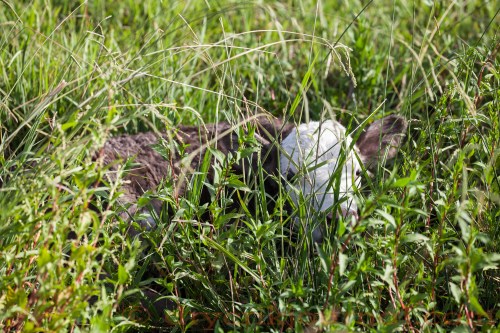
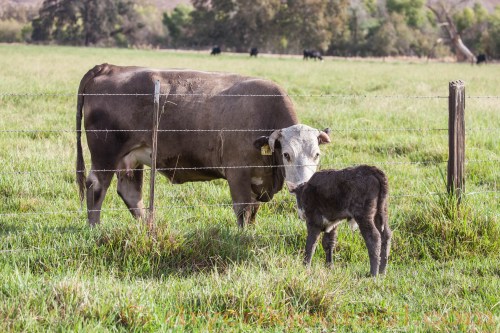
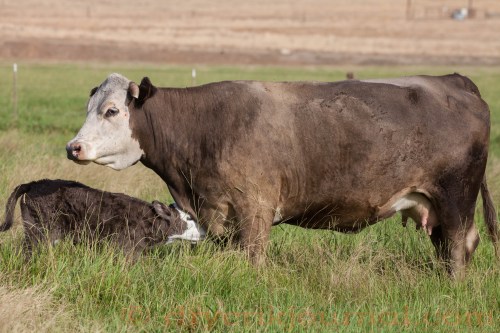
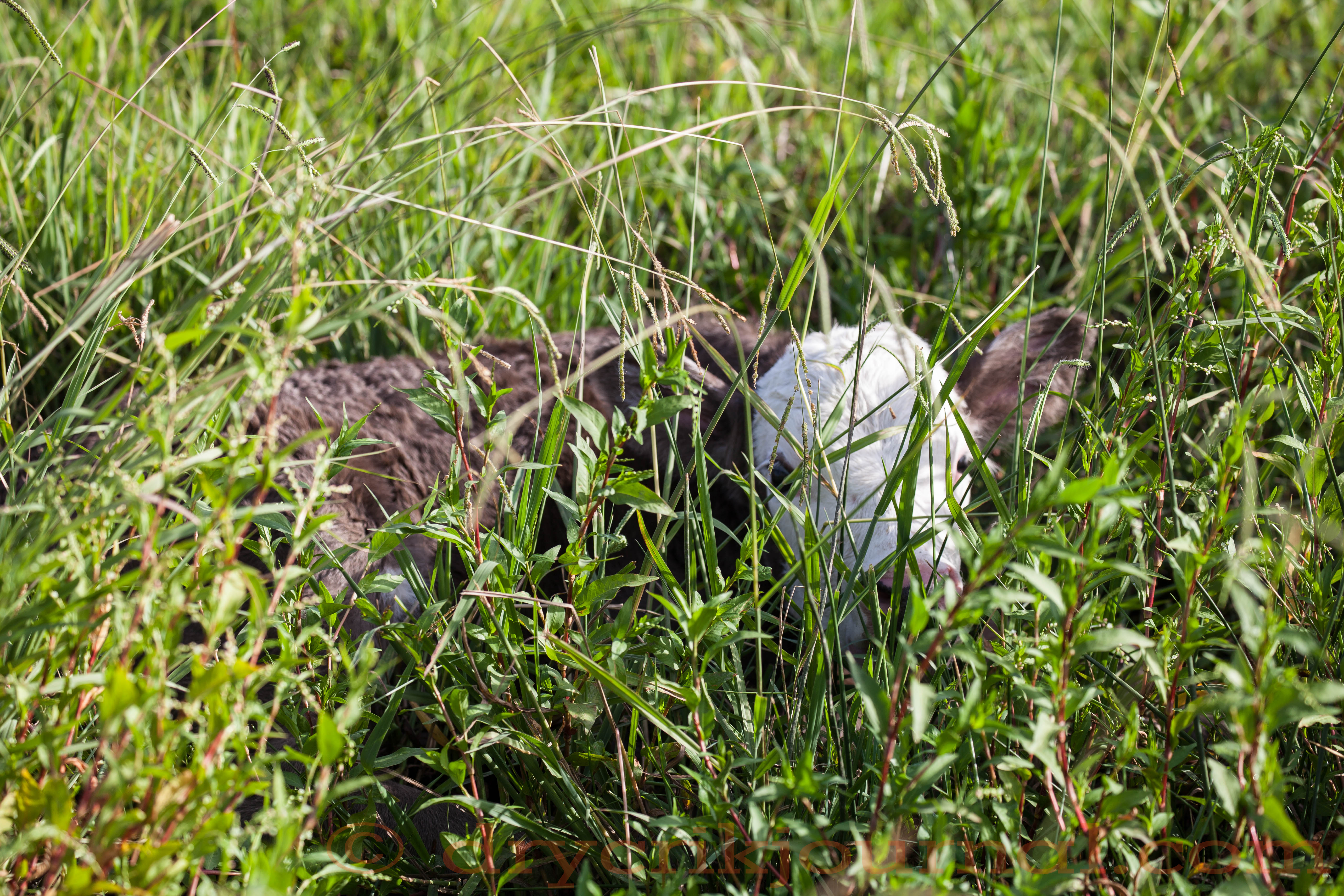
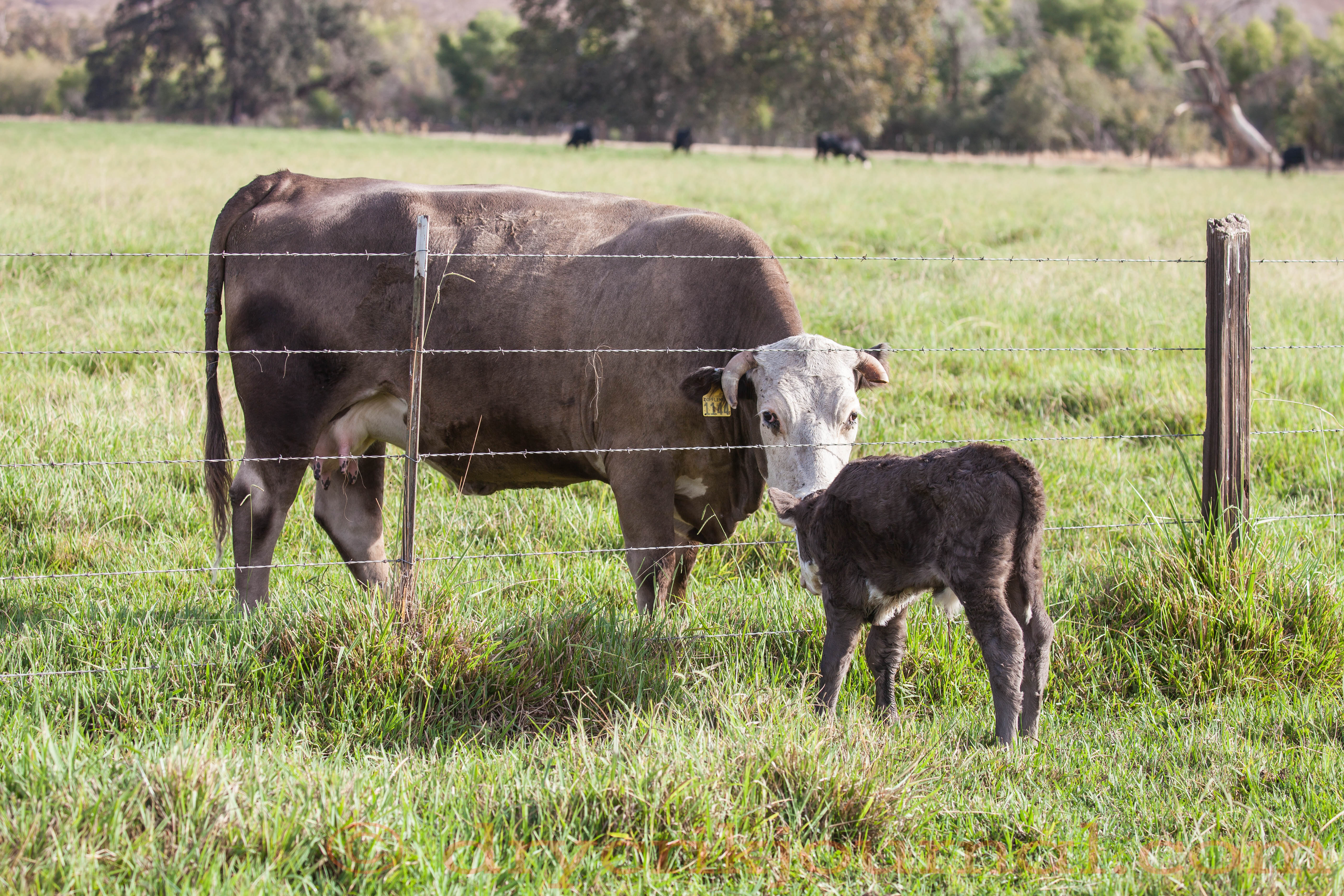
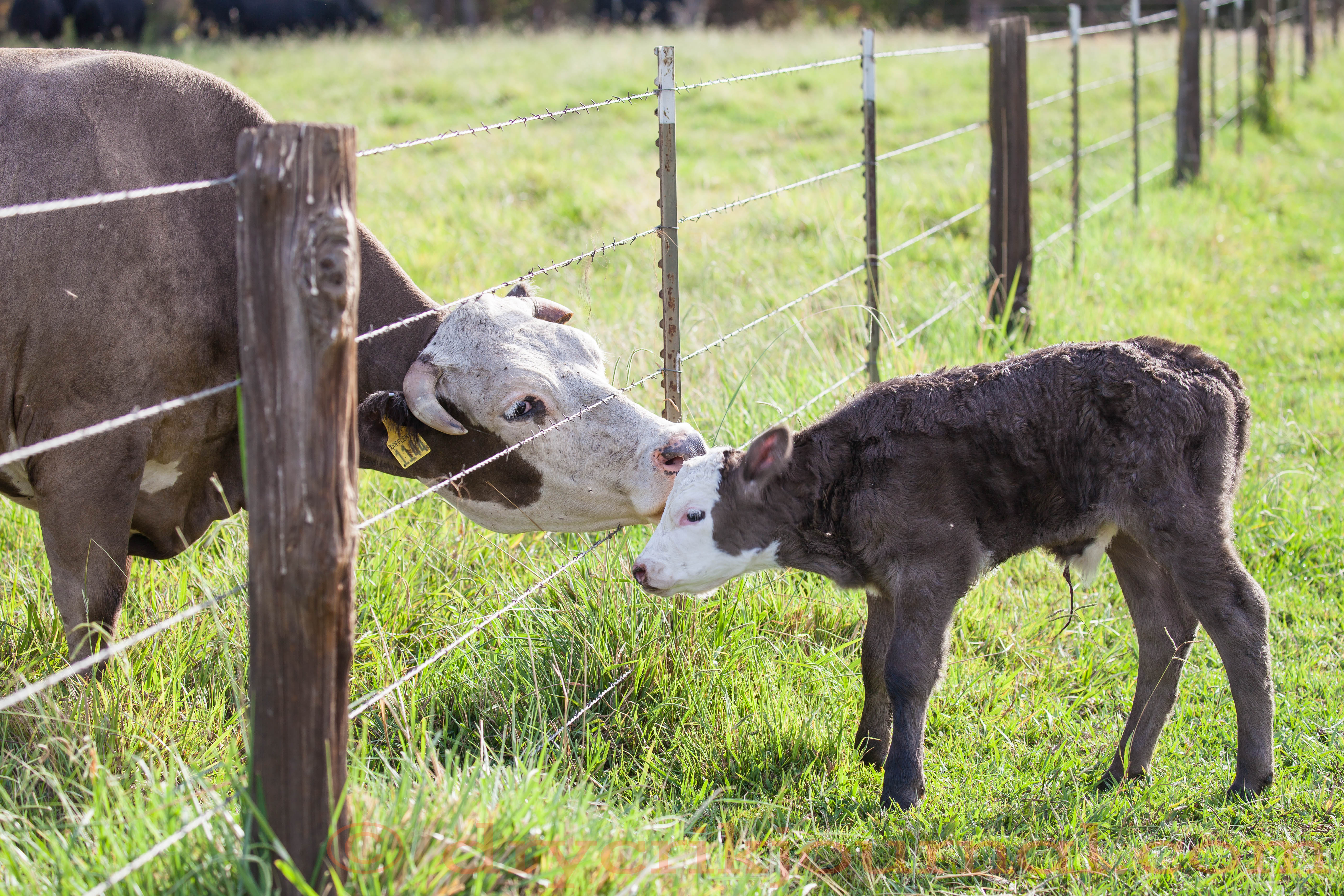
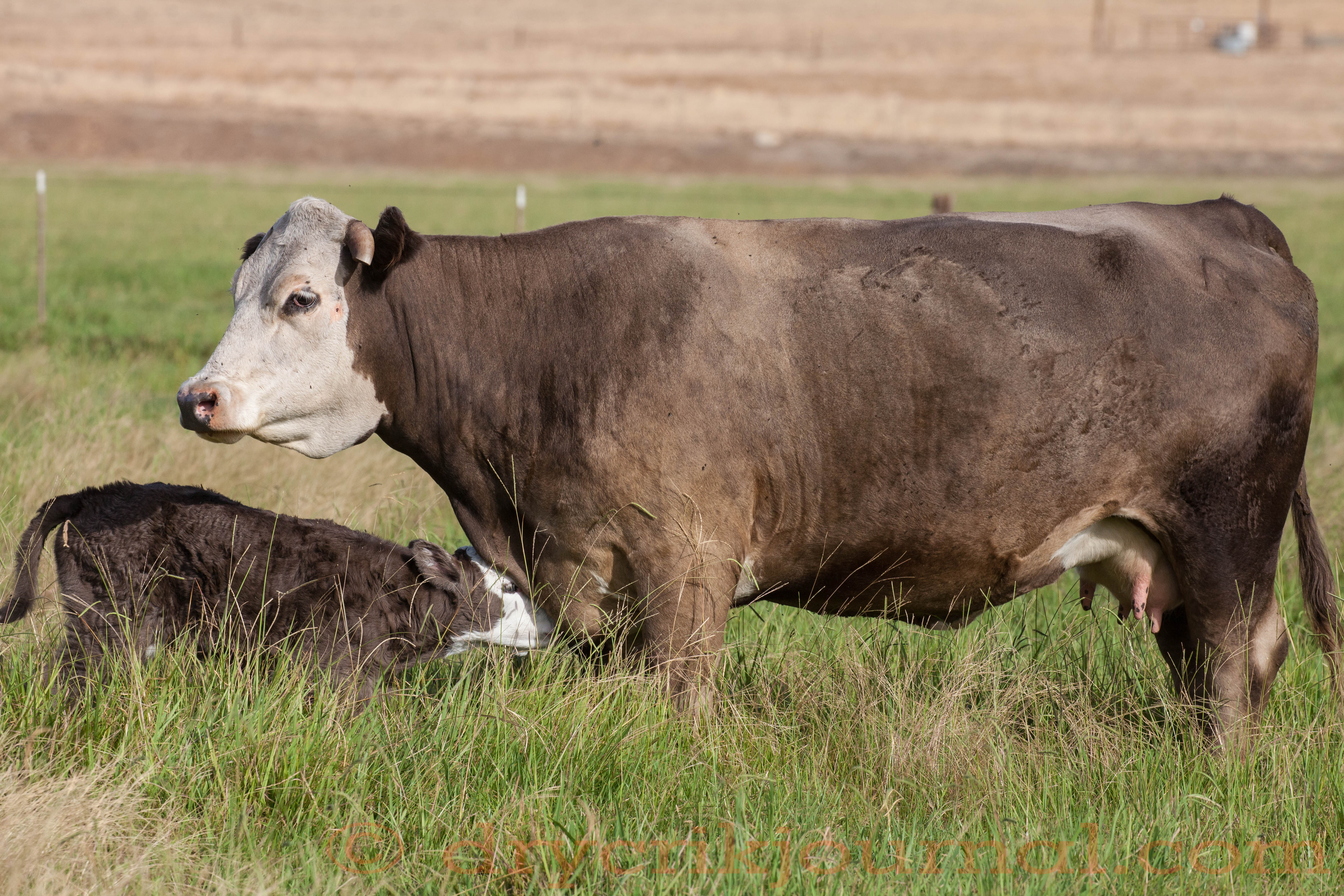
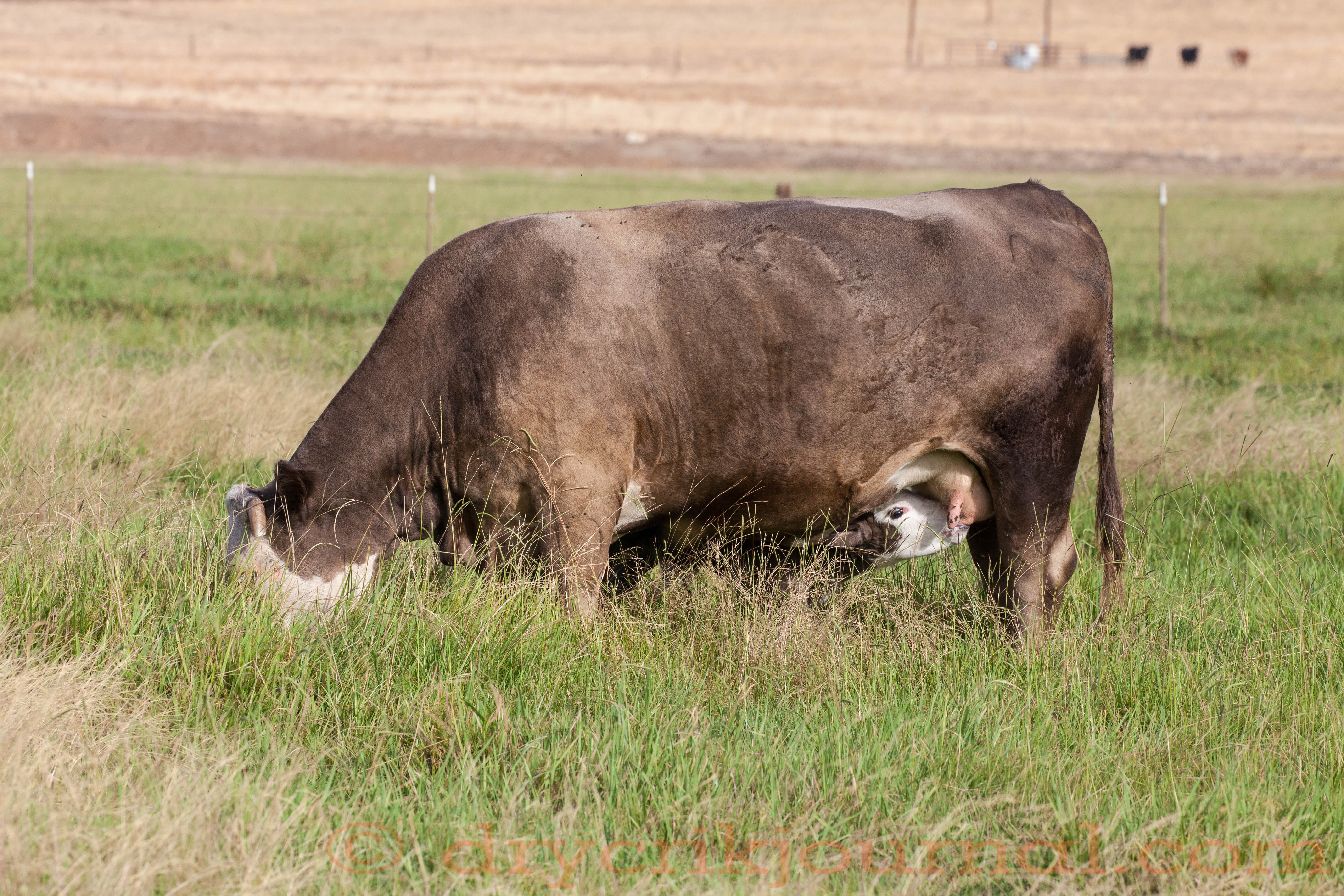
For Source and Age Verification, we document our first calf born for the season, so buyers and consumers will know the age of our oldest calf. (First only if we don’t include the four calves born a month early after a bull jumped the gun at the end of last October.) Surprise
We track circles on the same ground
through brush and granite rock,
over mountains and down canyons
patched with spooky skeletons
of trees, broken limbs at their feet.
Last year’s blond and brittle feed
folds into dust under foot, under wheel
into decent firebreaks swirling around us
as we check springs and clean water troughs
measured with our eye. We carry hay,
fat cows come running six to the bale
once a week, fresh calves knocking
at the door of a new and wobbly world—
waiting to inhale one hundred degree heat.
Too soon to rain, we plod like cows
in dusty circles, all soft trails
lead to water and shade, or to the hum
of solar pumps in abandoned wells.
Posted in Photographs, Poems 2015, Ranch Journal
Tagged August, broken limbs, Calves, cows, Drought, granite rock, Greasy Creek, Hay, photographs, poetry, rain, water, weather
Whoever you are,
we work for you,
for the future of the wild,
for cows planting and harvesting
grass, for the easy burger
drive-thru, your leather shoes
and the steak on your plate.
You pay us once a year
when the calves are fat,
before the feedlot
and the killer plant,
we work for you
everyday of the week—
whoever you are,
we work for you.