Tag Archives: water

GIANT


P7100108


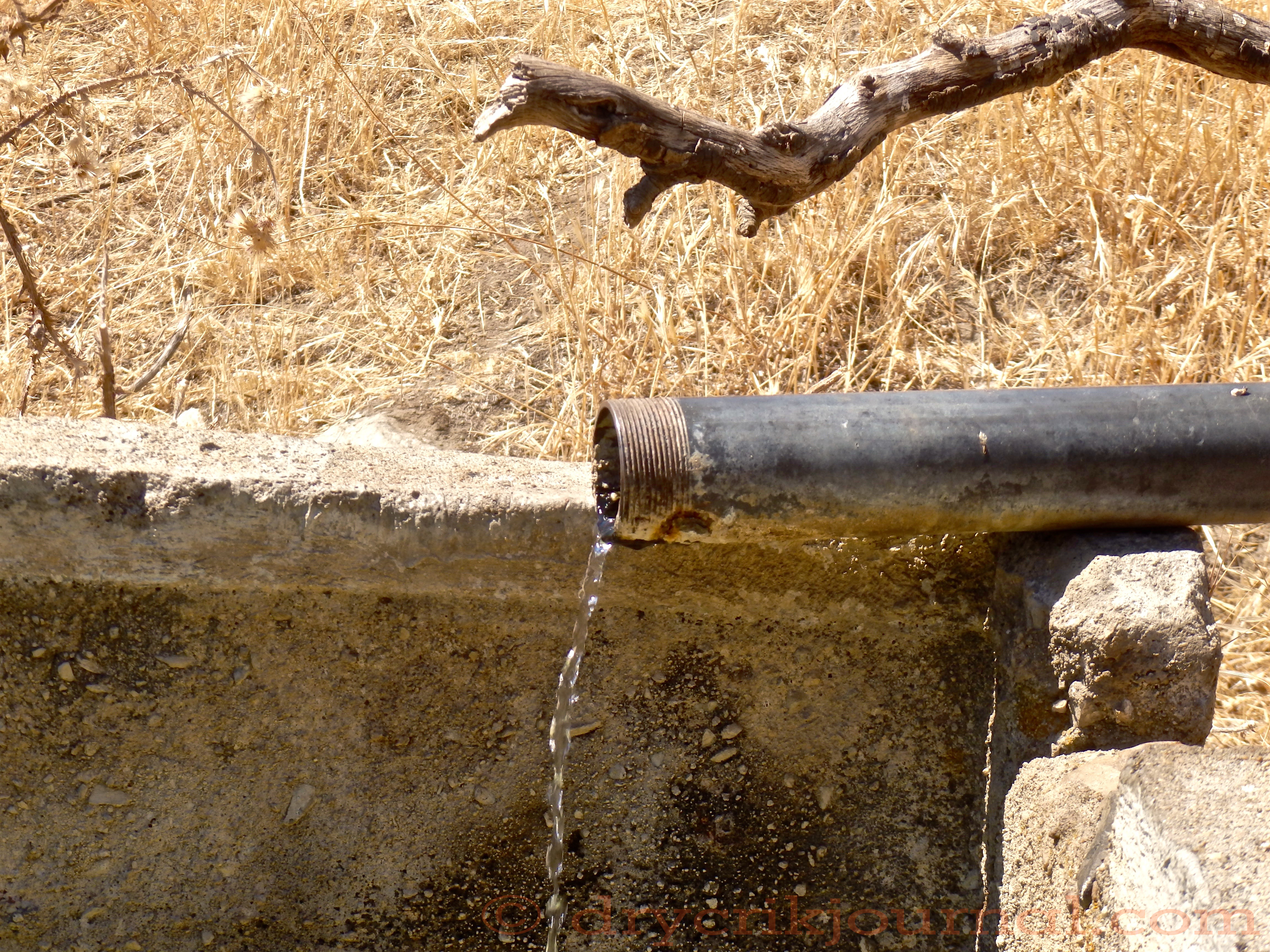
Checking water, hillside springs
plumbed to troughs, a coyote pup,
on the lope and looking back

as if heading home, is common.
Beyond the den, this is his home,
this is his water—we are

unknown intruders, enigmas
making rounds in these hills,
following trails to waterholes

where wild waits
and congregates
as it shrinks into August.

With our eye, we measure
flow at the end of rusty pipe—
with our lungs, blow water

backwards to the spring box
to clear debris and sediment,
seldom clean. Yesterday,

I got to be giant
with two tree frogs dancing
on my tongue.
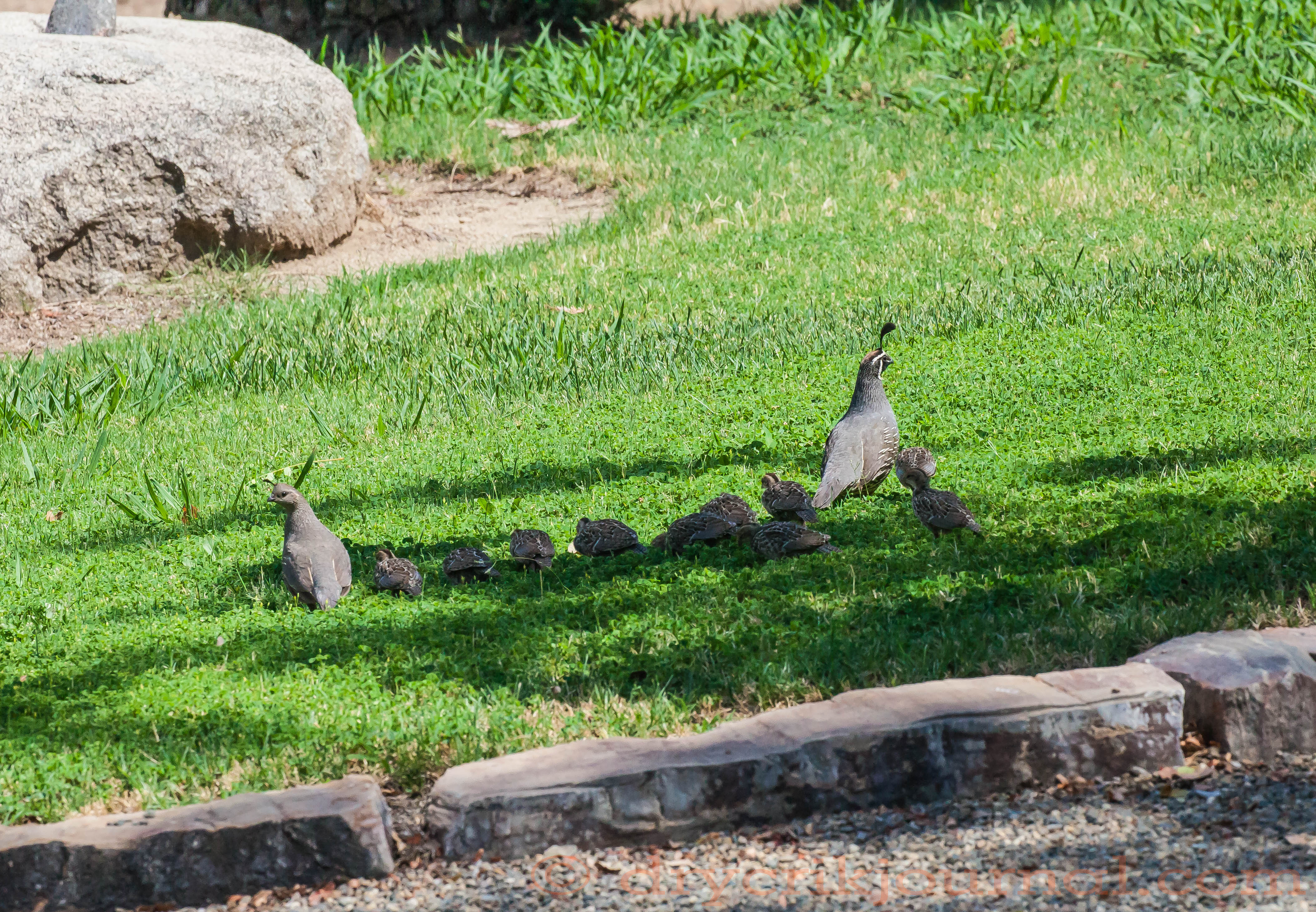
 

TEN LITTLE INDIANS


IMG_4293


You could hear them

from the squash and cucumbers,
from the tomatoes where the rattler
stretched upon damp dirt to cool his belly,
in that no man’s land of prickly pear
and grape canes claiming shade trees
on the periphery of ripening vegetables—

their incessant tittering within: military
training before their first tour of the garden
scouted at the peak of heat days before,
our lawn of weeds this side of roadrunners
nesting in the cottonwood under
the surveillance of a pair of crows.

The only green for miles of hard
baked clay and blond dry fuzz,
a microcosm of good wet years,
the wild moves in, gathers to include
us—horses, dogs and feral cats—
into a sustainable family.

Tree frogs on the move, hopping
sojourns at dusk and dawn bring
the King snake tracking Garter snakes
that ignore us, stay out from underfoot.
We have no choice but to share
our little space and water in a drought.

We will count the covey into the future,
measure training into evenings, watch
for Bobcats and Coopers Hawks on patrol.
No place for soft hearts, politics,
or too much attention—no one wants
or can afford to run for election.


RAILROAD 2015


October 29, 2010

October 29, 2010


June 27, 2015

June 27, 2015


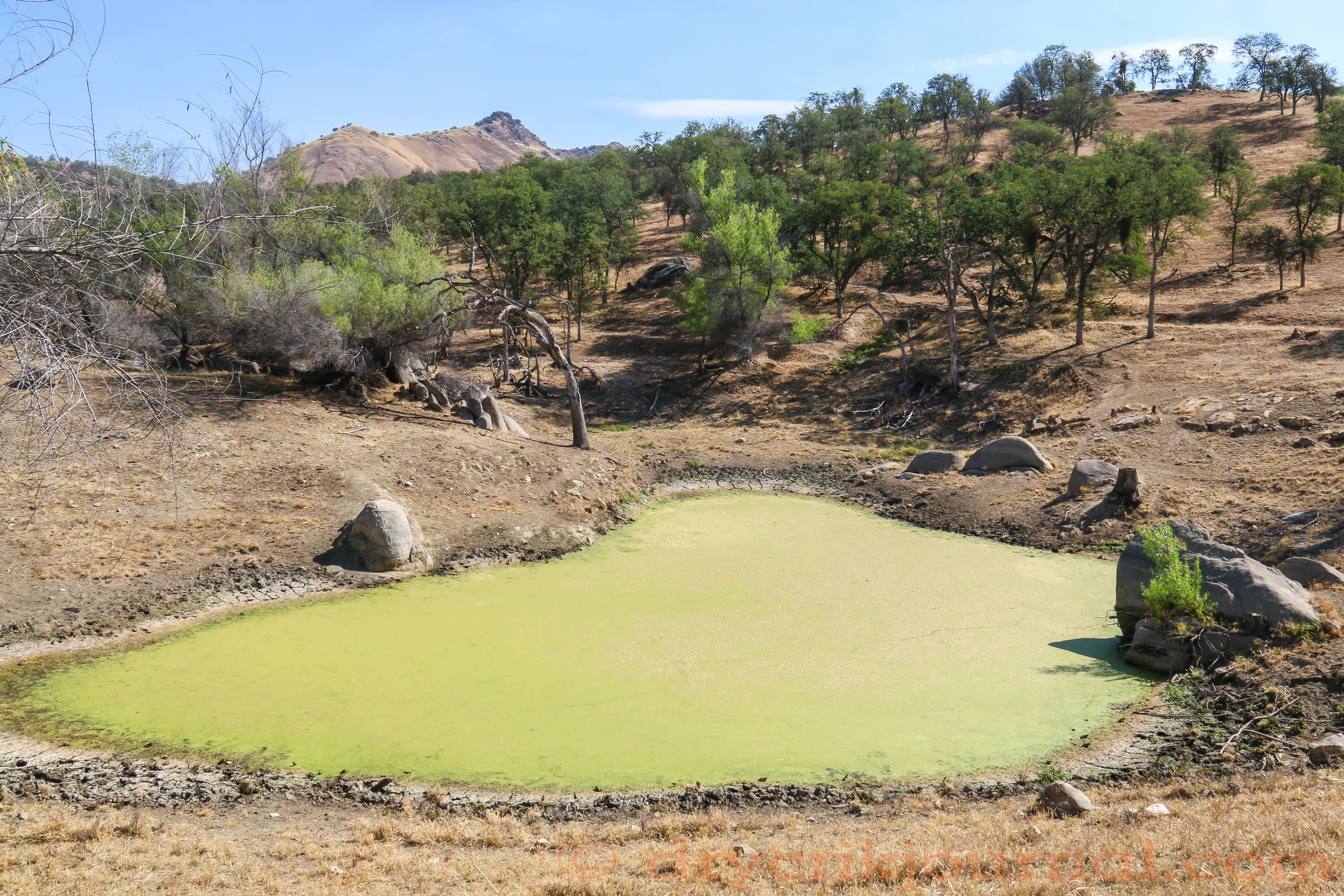
Built for more than the cattle needed,
I reflect upon my one extravagance
now dry and cracked around its edges

like discarded dreams, having shed all guilt
exchanged for emptiness and worry
when every trail leads to Railroad Spring.


Water, Water, Water


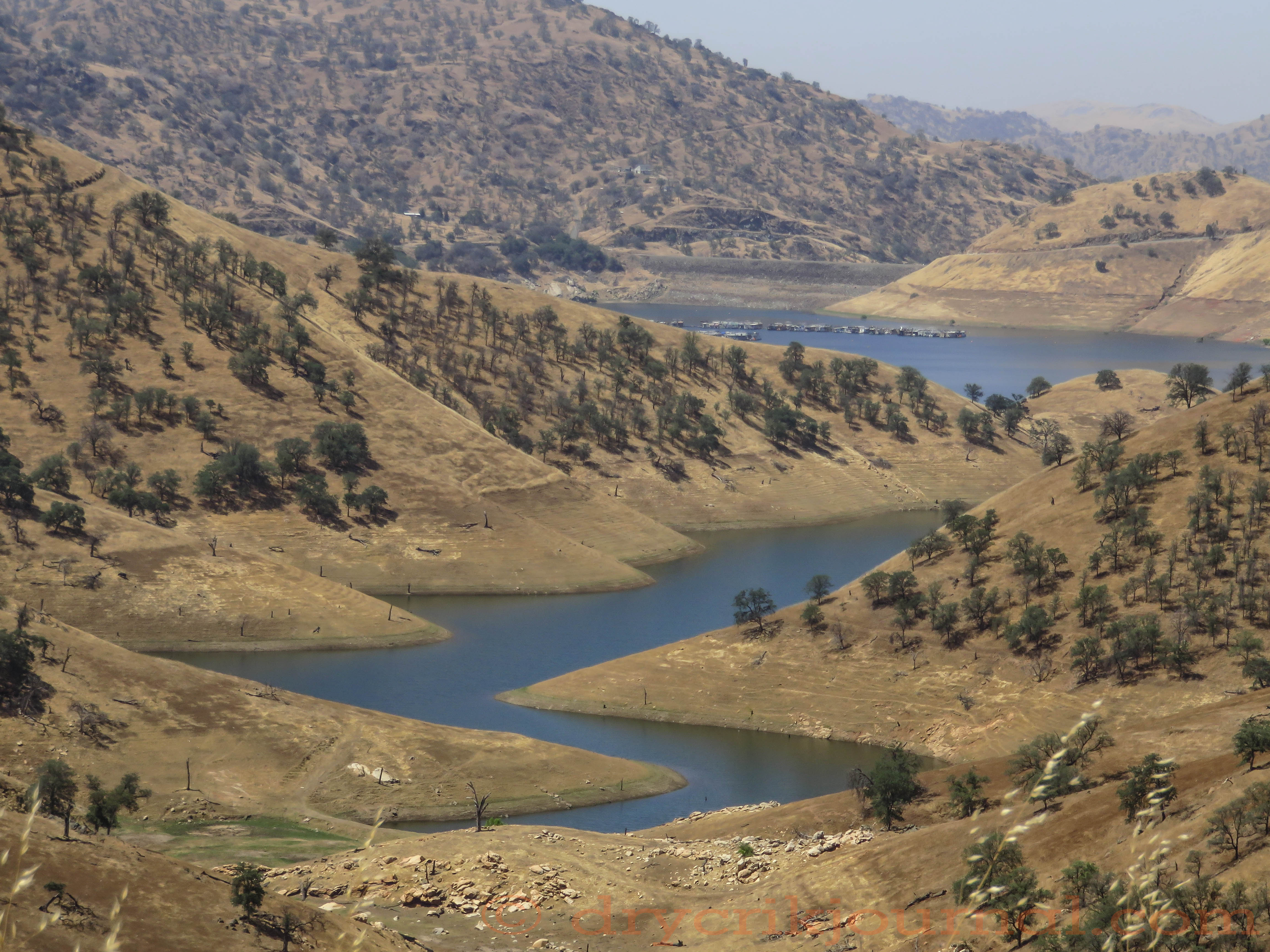
Greasy Cove, Lake Kaweah June 17, 2015

Greasy Cove, Lake Kaweah
June 17, 2015

Capacity: 185,000 acre feet
Irrigation water stored June 23, 2015: 50,905 acre feet
Kaweah River Flow, June 24, 2015: 546 cfs (cubic feet/second)


Roughly speaking, 25% of normal.


Weather Journal/2010-11

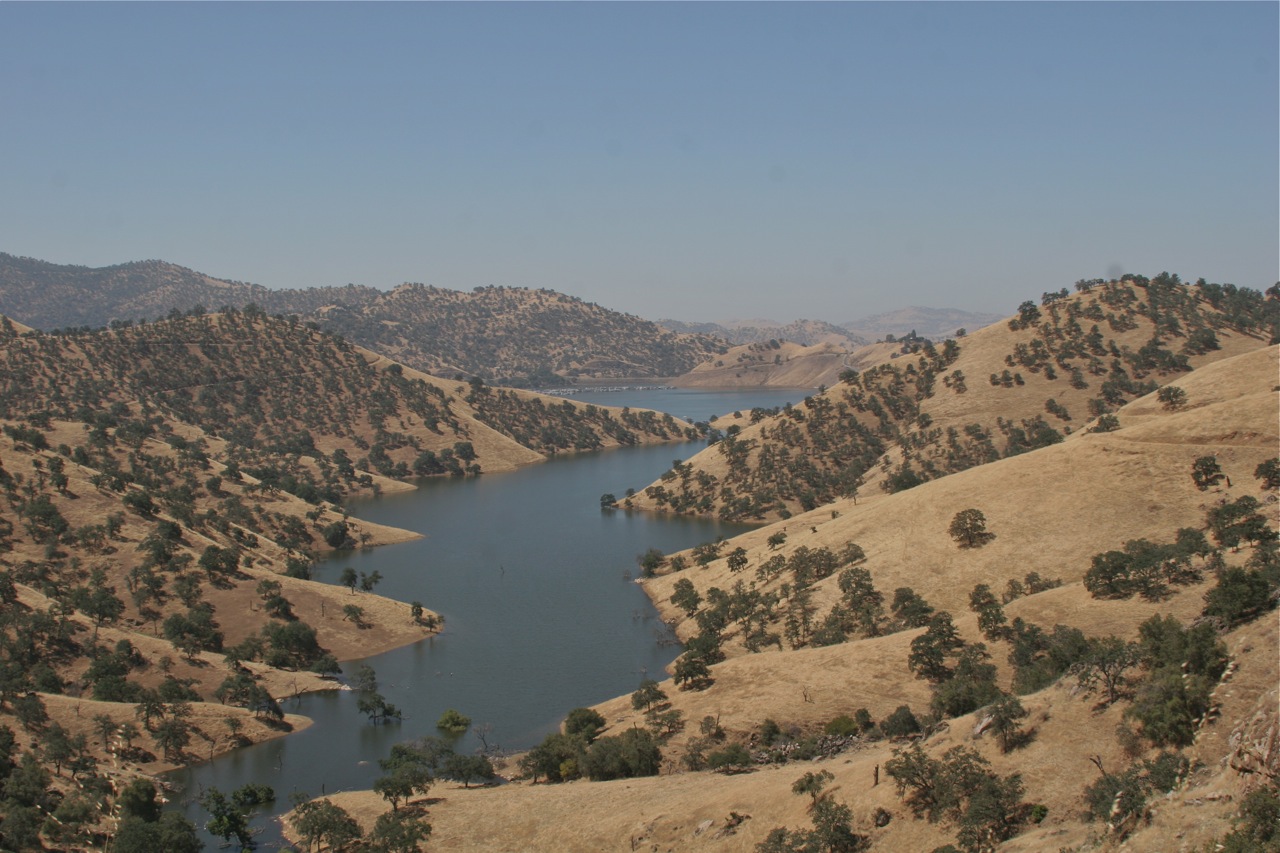
June 27, 2011

Greasy Cove, Lake Kaweah, 6.27.11

Lake Kaweah, behind Terminus Dam, has only 4-5 more feet to go to get to the reservoir’s high-water mark. The river peaked at about 5,600 cfs for an hour on June 16th, but for 24 hours, cumulatively, June 22nd recorded the highest flow amid four 100º days. Currently about 2,200 cfs inflow to Lake Kaweah, 2,100 cfs outflow. Dry Creek has dropped to 14 cfs, but a lot of water yet for this time of year.


NOT KNOWING


Late June, water scarce for cows
heavy with September’s calf
reclining like hippos in the shade

of thin-leafed oaks. On vacation,
gathered to catch a breeze, they
gossip silently, chew their cuds.

They don’t know, don’t worry,
watch us scurry from the distant
well to tank to empty trough—

listen to us talk with tools
as the morning’s entertainment.
Miles from asphalt, we make

our circles on dirt tracks
from pasture to pasture until
the rains might come November.


SAN JOAQUIN VALLEY QUAIL


IMG_4147


They learn early
to be a covey,
to stick together
and look out
for one another—

where Bobcat walks
and Hawk waits
on a bare branch,
where water is
before they die.


Weaning


IMG_3764


We began weaning our first bunch of calves last week, three weeks earlier than normal, due to the lack of rain in March and April. From second-calf heifers sired by Vintage Angus bills, all of these calves are headed to Visalia Livestock Market on Tuesday. The whole bunch averages 600 lbs.

Though lighter than normal, there are some heifers we would have liked to keep for replacements, but our continuing drought conditions and uncertain feed and water resources make that option impractical. Whether Climate Change or other weather phenomenon, we have come to consider our circumstances to be the new normal for Sierra Nevada foothill ranches in California where cow numbers have been reduced by 40%.

After three years of drought, our springs which are dependent on the Sierra snowpack, and our stockwater ponds which are dependent on rain, are severely impacted, some dry already before summer’s begun. Each operation continues to adapt to diminishing resources as we try to hold our cow herds intact, having already culled deeply in 2013 and 2014.

As we head into our fourth year of drought, we’ve had to change our perspective, hoping to offset our smaller numbers with a good cattle market.


GOOD RAIN


Dry grasses, weeds and wildflower leaves
turned brittle, blond and hollow-stemmed,
past help or hoping for a storm as we,

when the sky went gray for days: clouds
stacked, thunder clapped in the backcountry,
spilling little drops erasing tracks in dust

with damp, new air to breathe. Every creature
prayed—out of habit more than necessity,
to all our different gods—a great wanting

on the breeze, just to see it rain. Like true
love at the core of things, it came in sheets
of ecstasy—that full feeling of feeling good.


NEW FRONTIERS


We are farming just beyond
your city’s limits to sustain growth
by building houses, irrigating fields

to feed you. We are drilling deeper
wells all around your sufficient
neighborhood mapped on asphalt.

Either side of the fuzzy border,
we get old, get tired of adapting
to mistakes—unlike bugs, we live

too long to develop genetics
our children’s children will need
in an unimaginable future.

History will say our families farmed
the San Joaquin for 200 years
before running out of water

fifty years from now—our thin dust
upon dry layers of earth stacked above
a depleting Pleistocene sea.


Drought: Blue Oaks


March 24, 2015

March 24, 2015


The impact of three years of drought on the Blue Oaks shows up well as the trees that have survived begin to leaf out. (Click to enlarge) These Blue Oaks are across the creek from our house, on a north slope at the 1,200-foot elevation. No rain in sight, the grass has turned 30 days earlier than normal as we prepare to head into an early summer.