Tag Archives: rain

POLITICAL LANDSCAPE

IMG_0805


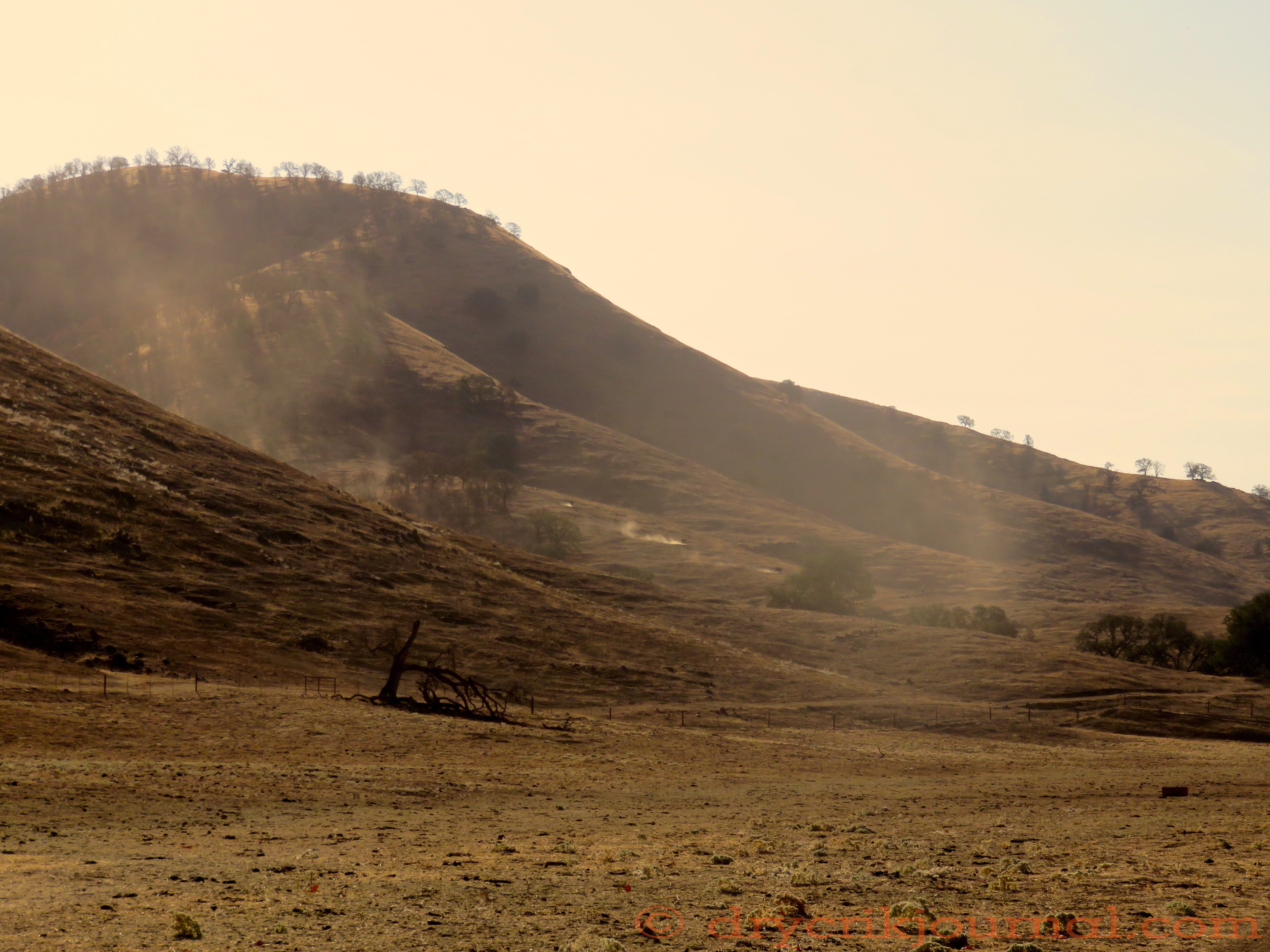
Now soft in places, red clay slick
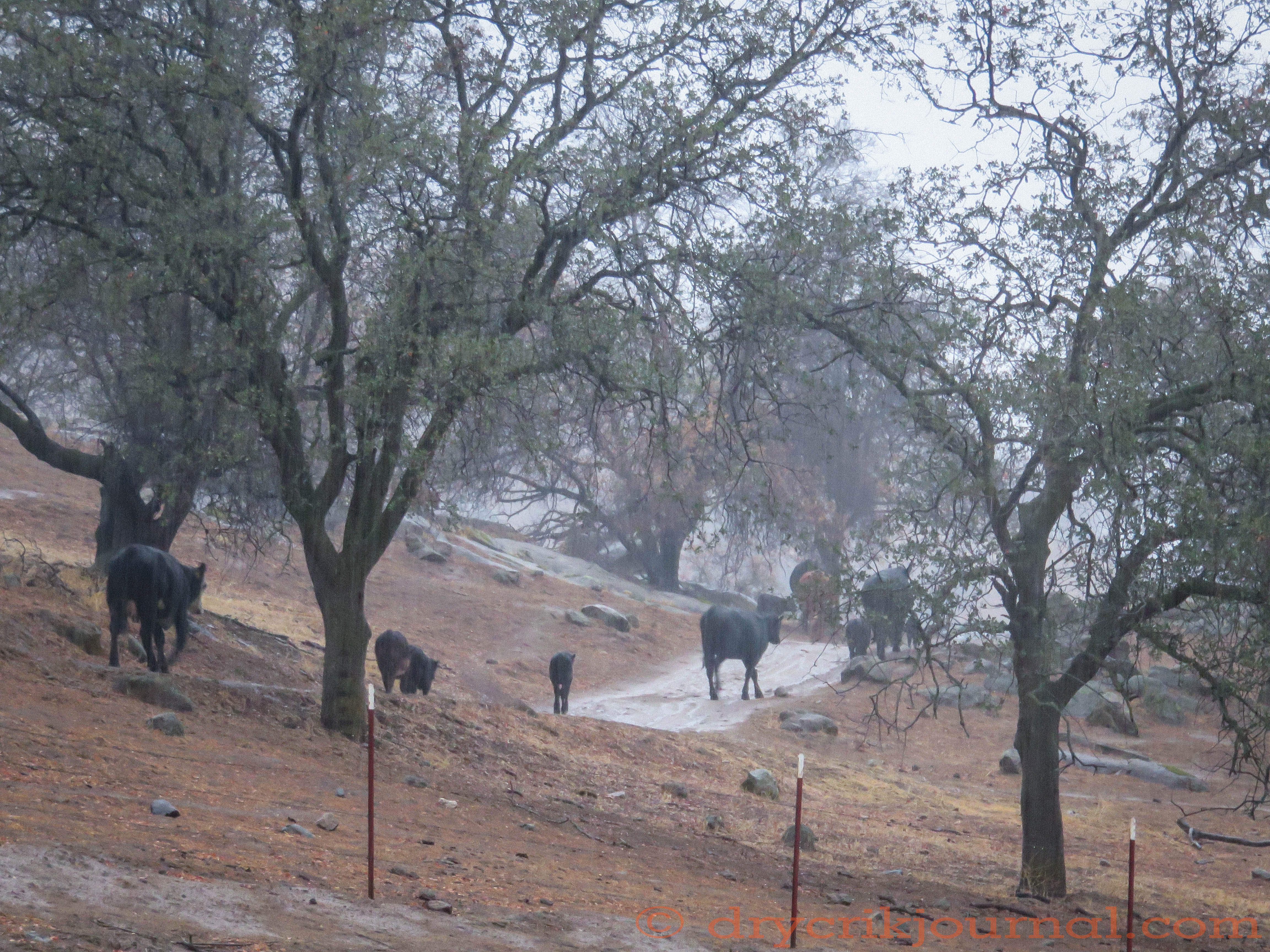
feeding cows in the brown
bare flats beneath naked hills

loose piles of last year’s alfalfa,
each dry flake spaced to fall
into small green haystacks

where cows camp in an undulating
line within a cloudy chill
until this promise of grass

changes the color of everything
we have known for too long.
Looking down, plodding still,

eyes occupied with searching for
the first cotyledons to break free
from the crust, glad hands open

to the elements believing in more
good rains. Vote for those who know
growth without water won’t work.


FOREVER WORN

IMG_8889 - Version 2


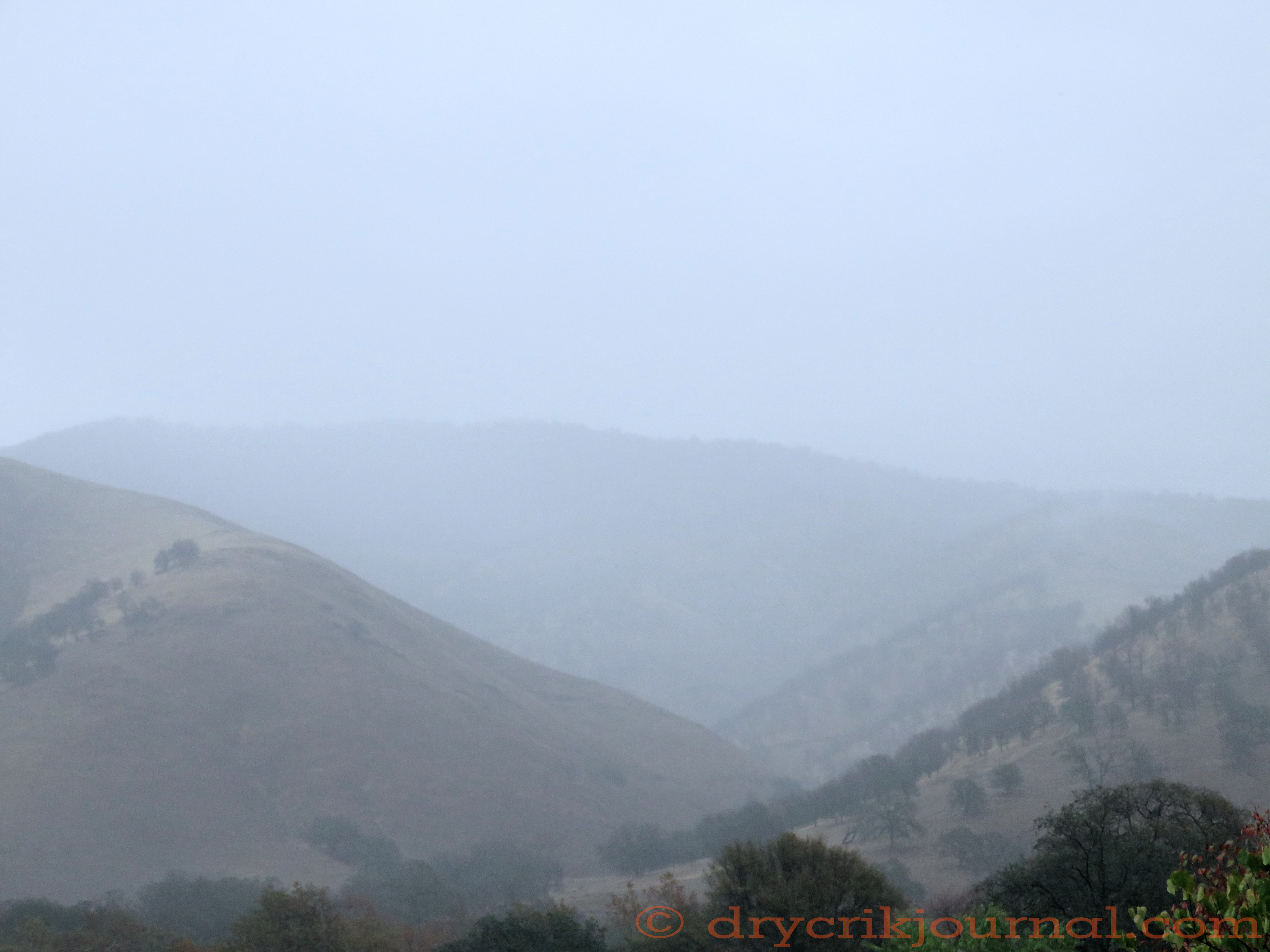
Dark brown and naked after rain,
these hills have held together
despite their deep dust and our fears

after years of drought. Impossibly,
we even see a tinge of green
before the clouds clear the ridges.

Come alive and breathing, ready
to raise lush leaf and grass, they will
never be the same again in our eyes!

Nor we, forever worn by lack of moisture
on this earth and all across our minds—
growing closer and more grateful.


AWAKENING

IMG_0851


Day and night comes much the same
as an evening of time—not ticked,
but slurred one word into the next

like a soloist might his octaves
into prolonged song. Soft and low
at first, a rumbling from a dusty

cave of lungs, a subtle clearing
of the passageways for all things
since the common miracle of rain.

Well-short of whole, she learns
to breathe again, her heartbeat sure
awakens color deep within her flesh

for the moment, and then the next
until she’s fit for more natural activities,
more normal rules for mortals to abide

in her simple service and generosity.
It’s an old tune we have forgotten,
a harkening of high notes for sopranos

and baritones to blaze before us
as she awakens. Dark or light, her each
new breath is ours come back to life.


RECIPE FOR SOUP

IMG_0859


We’ve been getting ready for a week—
cleaned the gutters and the woodstove,
stacked and corded oak and Manzanita,

brazed a soup bone with plenty meat
and vegetables, just in case the neighbors
drop by to watch it rain—some more.

Inch and a half overnight, we take
and release a deep, moist breath.
For all ingredients, just add water.


LEARNING TO LIVE IN TREES

IMG_1420


                                When god visits us he sleeps
                                without a clock in empty bird nests.

                                      – Jim Harrison (“The Little Appearances of God”)

We give ourselves away
perhaps too generously
in poetry, leave bare

the tree, its cankered burls
we’ve grown to live with
season after shorter season

shedding pages
to a southwest wind
before the storm

leaves us clean
once more to dream
the winter long

of green—yearning for
pastoral perfection
between each heartbeat

of littered pages—
we give ourselves away
to open space, to all

the new and wild beginnings
we’ve yet to see
until we learn to live in trees.


“I Wish It Would Rain”

The trailing end of a storm front that brought heavy rains to the Pacific Northwest lingered along our Sierra Nevada foothills all of yesterday, keeping temperatures in the mid-70s beneath dry, but fairly constant, cloud cover. The below-60° chill lasted well into the morning, a winter feel that made us want a fire. A near-perfect day as Robbin was playing and singing a Nanci Griffeth song in the other room while I was at my desk.

Humor us:

With the weather change, testosterone levels down at the bull pen (Go Giants!) have elevated a notch leaving me substantial fence to fix after they ostracized a young bull into our buffer zone between the cows and calves. Though he was the loser, he had found his way to the cows nevertheless, 30 days early — leaving a another job for today after we finish feeding.

The Internet weather prognosticators are still holding to fair chance of a 1/2-inch rain for Halloween:

Forecast

Until then, we wish it would rain.


BELIEVERS

IMG_7096


Remember when it used to rain
and we made clouds of our own,
when the dryads played quietly

upon the dampened dust beyond
the bare boughs of oak trees?
The earth came alive with birdsong,

hawks soared in circles crying
with delight and we watched—
once again believing in deities.


COLOR WITHOUT DETAIL

 
Under split nails and ground into our hides,
we wear our work—we carry it in our lungs
without shame or regret like grazing beasts

of the field, harvesting hillsides, plodding
from water to shade—ever-trusting in change:
the miracle of clouds packing oceans of rain.

Circles with hay, ruts of dust deep in tracks
up mountains and through brittle canyons—
it boils, rising behind us in trailing clouds,

each particle prepared for a new beginning.
We leave the gates open to any water, any
collection seeping from the cracked granite

heart of these hills, our flesh, for a drink.
The unabashed, dusty gazette of soft trails
leading to each distant water trough

prints last night’s news, distributed far
and wide, but much the same—yet we cling
to fuzzy dreams of green without detail.


IMG_4313


WPC(3) — “Dreamy”


SOMEDAY,

IMG_3817_2


tears of joy
no USACE dam can
constrict, nor EIR

predict as if
acronyms save breath
and litigation.

The heavens in my mind
will open up
to consume me

like a leaf rising
upon wild waters come
to cleanup the mess.


WPC(2) — “Dreamy”

Calving

IMG_0618


Newborn calves are vulnerable to a variety of predators, so cows instinctively consume the afterbirth after cleaning up the calf as it struggles to stand and nurse. After resting briefly, the calf above (middle) is finding its wobbly legs to nurse again as its concerned mother (2110) looks on. This second-calf mother finds little privacy near our irrigated pasture, as two other curious calves become part of the drama in the Valley Oak shade.

We are extremely pleased with so many early calves on the ground after two dry years of little feed. Calving forty days now, about 60% of our younger cows and 50% of our older cows have calves at their sides. The calves seem bigger and healthier this year that we attribute to all the loads of hay, fed last August through April, while the cows raised last year’s calf. Additionally, when we weaned those calves last May, we sent the marginal and late calving cows to town, reducing our cowherd substantially. In this respect, our cowherd as a whole has benefitted from the drought. Whether or not we can make the reduced numbers work economically remains to be seen, dependent mostly on the weather and our coming grass year.

Clouds and a slight chance of rain are predicted for the middle of next week, but probably not enough to start the grass. Our own thirty-day forecast indicates that we have a fair chance of rain on the 19th and a better chance of rain on the 28th.

Meanwhile, we’re still feeding somewhere everyday, trying to keep the cows in shape to raise their calves and cycle when we put the bulls out in December, hopefully on some green grass that we can’t quite imagine anymore.