Tag Archives: Drought

Paregien Ranch Calves

IMG_8564

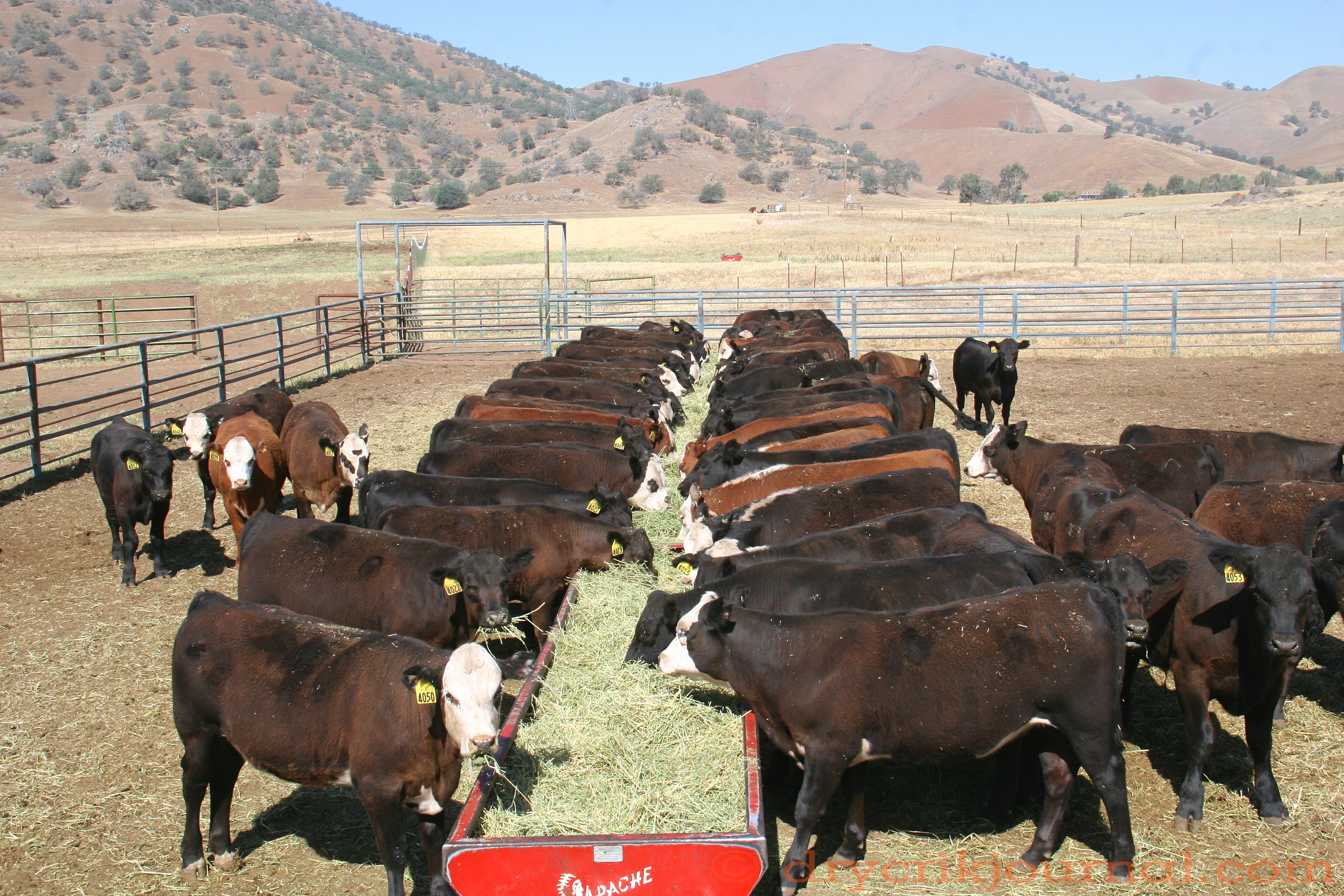
We’ve had a busy week gathering and hauling the calves from the Paregien Ranch to the weaning pens where we’ll ship them to the Visalia Livestock Market on Tuesday for Wednesday’s auction. A short week’s wean instead of our normal 45-day+ wean for the Internet auction. Though a 100 lbs. lighter than normal due to poor feed conditions, the 90 head of mixed calves averaged 530 lbs. after an hour’s gooseneck haul down from 2,000 foot elevation on a 104° day. We expect to get some of the shrink back on good alfalfa while they emotionally adjust to not having the security of mother by their side.

All things considered, we’re very pleased with these calves.

Heat

IMG_8527

Nobody keeps record temperatures in Lemon Cove, but yesterday’s 101° in Fresno broke the high set in 1927. It was 104° on Dry Creek as we hauled gooseneck loads of weaned calves, gathered the 101° day before, off the Paregein Ranch—three two-hour, four-wheel drive round trips off the mountain. In addition to the calves, we hauled 20% of the cows down to go to town as we prepare for summer with little feed. With less than 8” of rain, our rainy season is over until October, capping a second year of drought. With no snowpack or surface water runoff in California, hay prices are already escalating.

The first few days of 100° heat are hard on people and livestock physically, but we all get out a little earlier in the morning and finish what we didn’t get done in the evening. The most noticeable impact of the heat is to our temperaments, not near as pretty as this white geranium, happy as long as it gets water.


YOU AND I

IMG_8182


With all time, the wild waits
and watches for weakness
to erase our track—


each and every pending joy
prolonged in one place
beneath the sky


swallowed up, overgrown,
like it was before
it trained us, you and I.


NIGHT RAIN

IMG_8254


Above the mountains, one
last brew rises to hold the day,
make night rain.


WPC – Gerbera (Spring 2)

IMG_1874


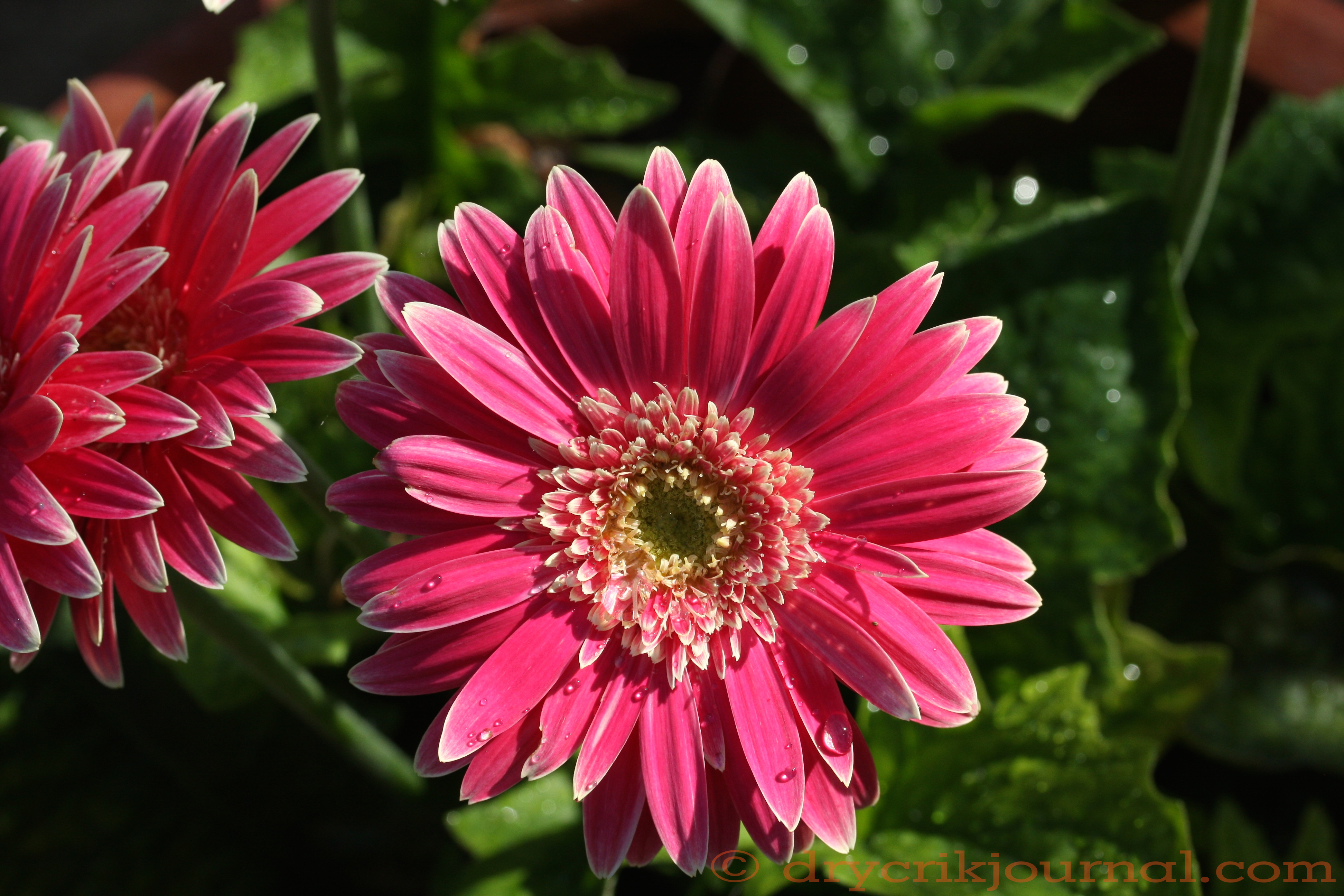
Surprise me with color
that prolongs spring,
just add water to the wild.


Gerbera


Weekly Photo Challenge


WPC – Bees & Buckeye Blossoms (Spring 1)

IMG_1896


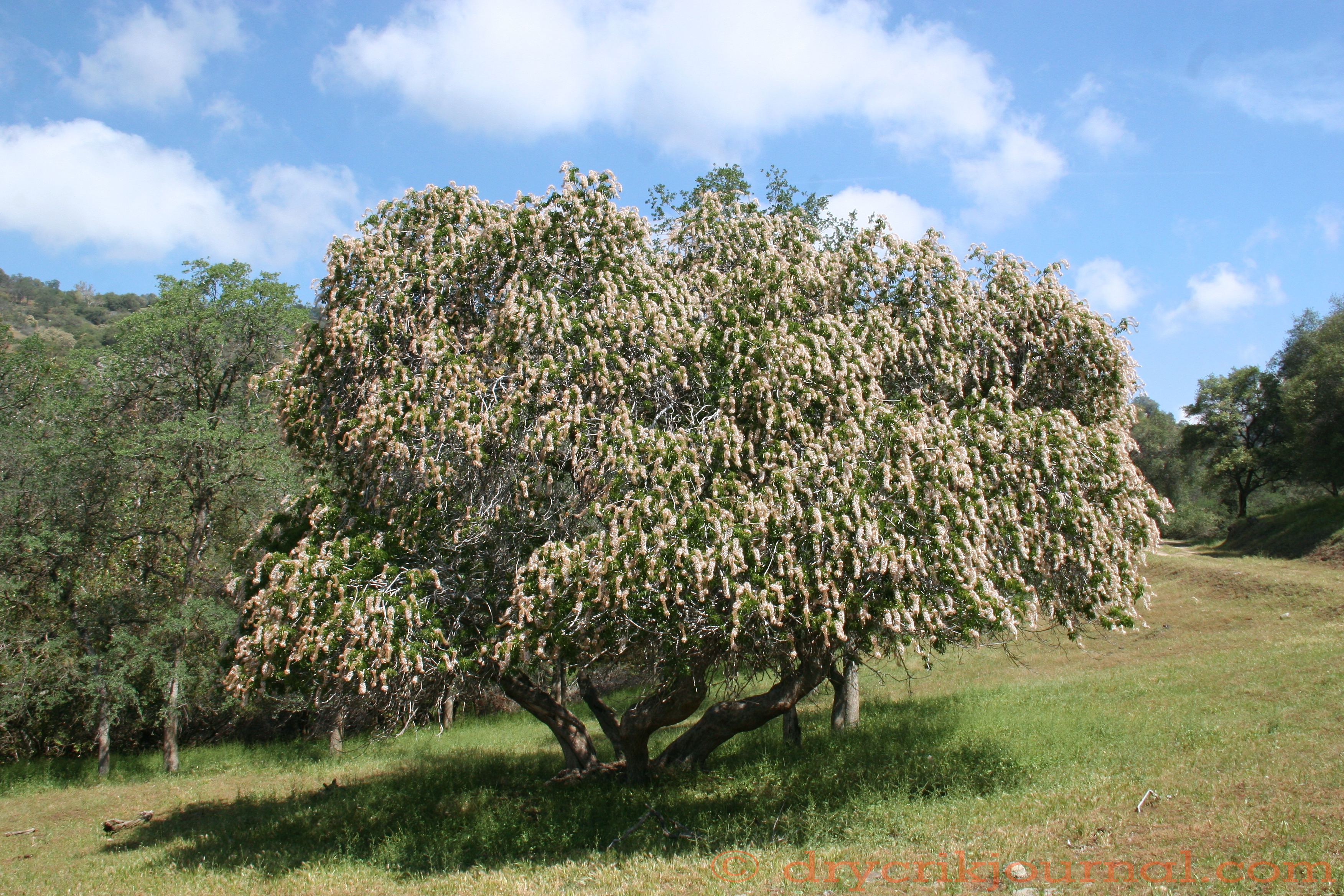
Measure the days of spring
in Buckeye blossoms
and the buzzing of bees.


IMG_8038


Weekly Photo Challenge

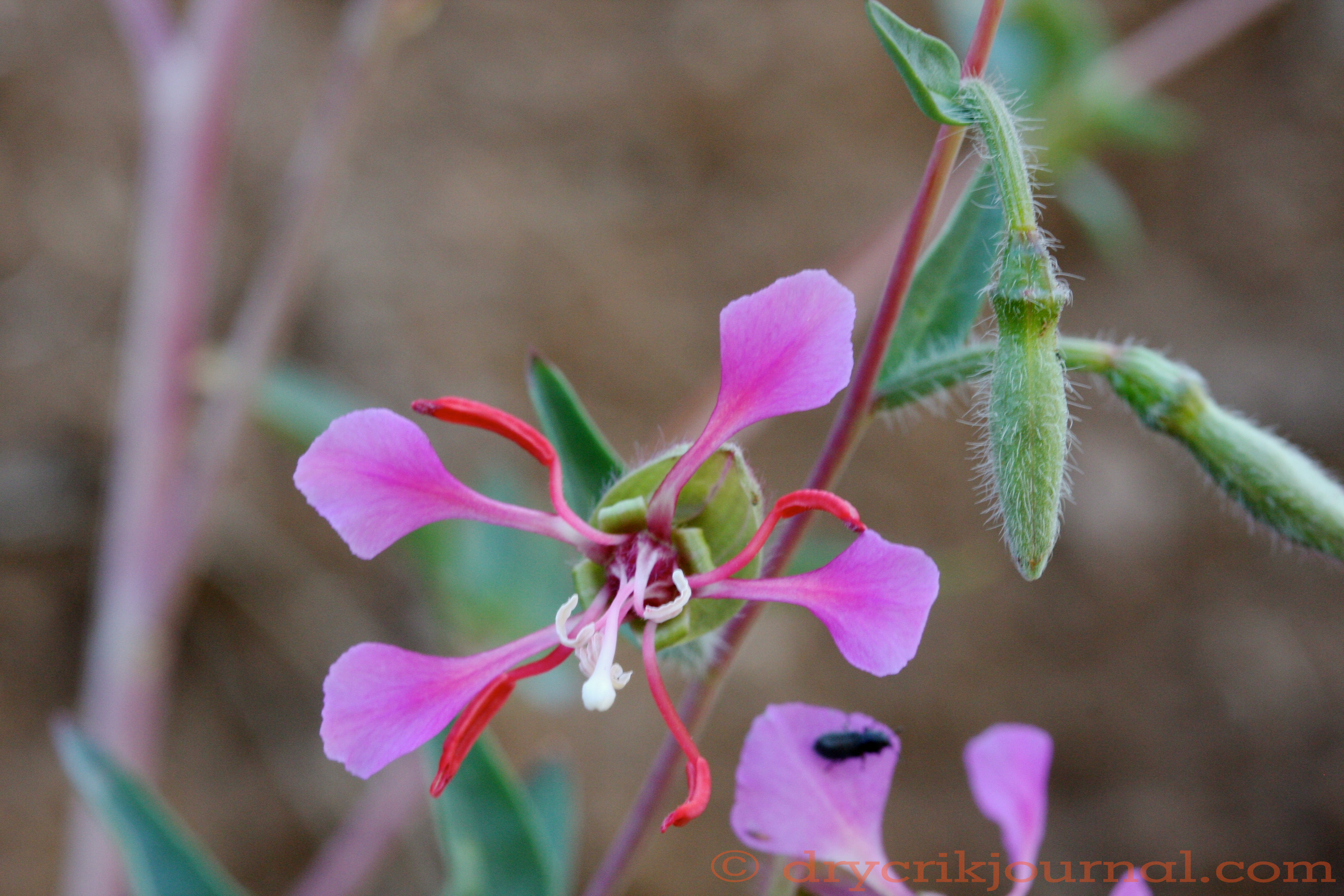
Elegant Clarkia—Clarkia unguiculata

IMG_1809


Also known as Mountain Garland, Clarkia unguiculata is endemic to California, and in tribute to William Clark of the Lewis & Clark Expedition, one of many species that bears his name. Judging by its widespread distribution on the ranch this spring where I’ve never seen it before, I am assuming that it enjoys these dry times. Usually found on partially shaded road cuts, in soil that was disturbed years ago, it blooms on long stems 3-4′ feet high, generally in groups or colonies of a dozen plants or more. On a year where the diversity of wildflowers and the size of their blooms has been severely impacted, it’s good to see them flourishing. A wildflower that is easily overlooked until closer inspection.

Glimpses

IMG_8070


On the dark side,
colorful glimpses of spring
that we just can’t believe.


LATE APRIL THUNDERSTORM

IMG_7975.a


The earth like a clean sheet waits
for dawn through cold, gray cumulous
stacked atop hillsides of bare, dark clay

after a thunderstorm’s harsh scouring—
each thin blade stimulated, invigorated
to meet tomorrow with alacrity,

reckless grins upon every face
and we, foolishly, have no choice
but to imitate the mob’s delight

and forget the dry for a moment
to consider the range of this miracle—
of our goddess-come-home-late

and gone-so-long we have forgotten
what she looks like—what we
have taken for granted, and why.

Puddles in the Pasture

IMG_7950

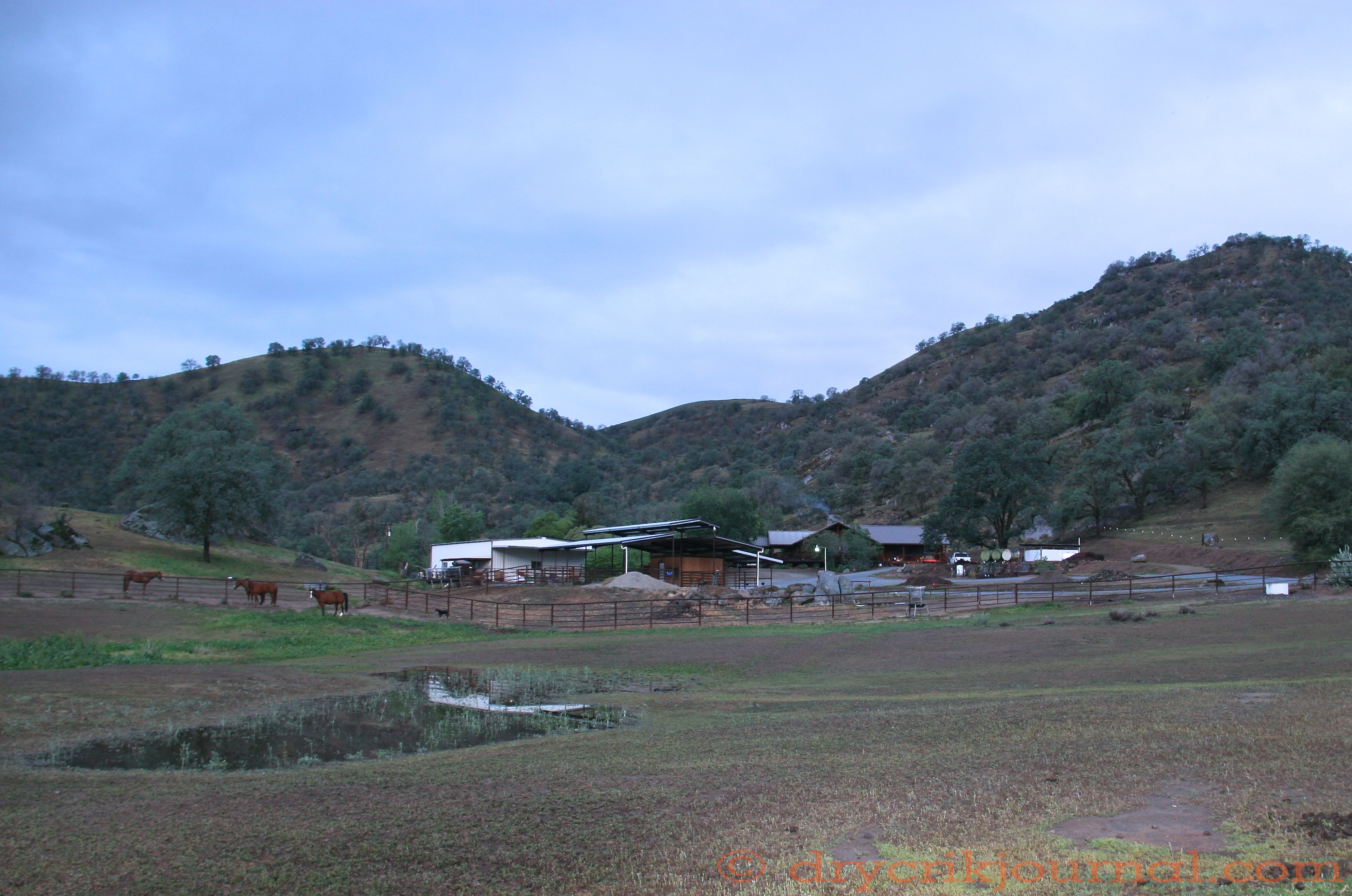
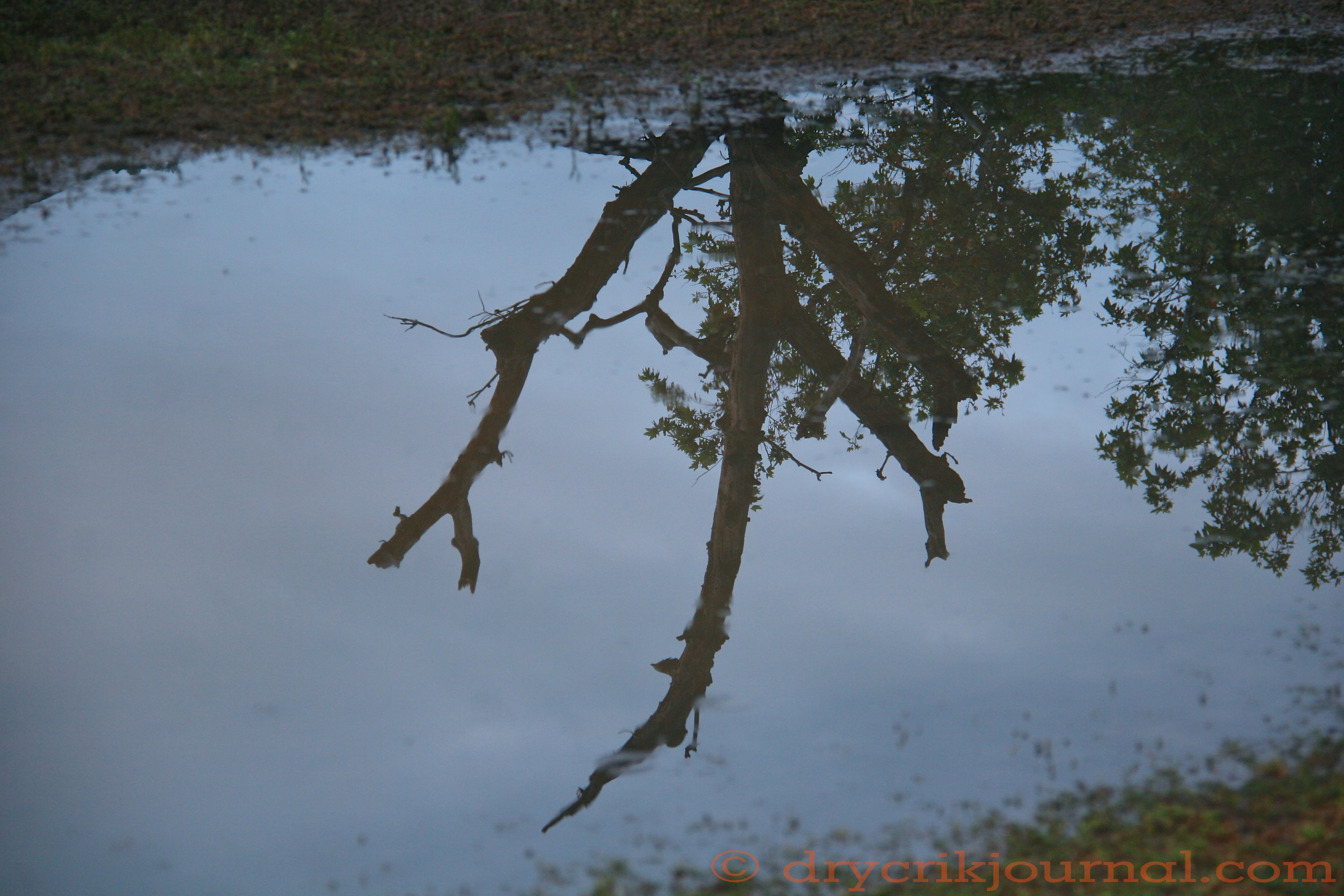
One measure of yesterday’s rain event, the largest all season long, are the puddles in the horse pasture the Wood Ducks have yet to find early this morning, many of which have left Dry Creek without nesting. Two related thunderstorms poured through the afternoon and into the night to leave 1.91″ in the gauge, roughly 25% of our season’s total. This will prolong our feed in the granite above 2,000 feet for two or three more weeks and add life to our stock water ponds. I don’t expect much impact to what’s left of the feed on our clay slopes at the lower elevations, but anything that may be still green will appreciate the moisture.

IMG_7945