Tag Archives: Drought

Dry Times

IMG_7911

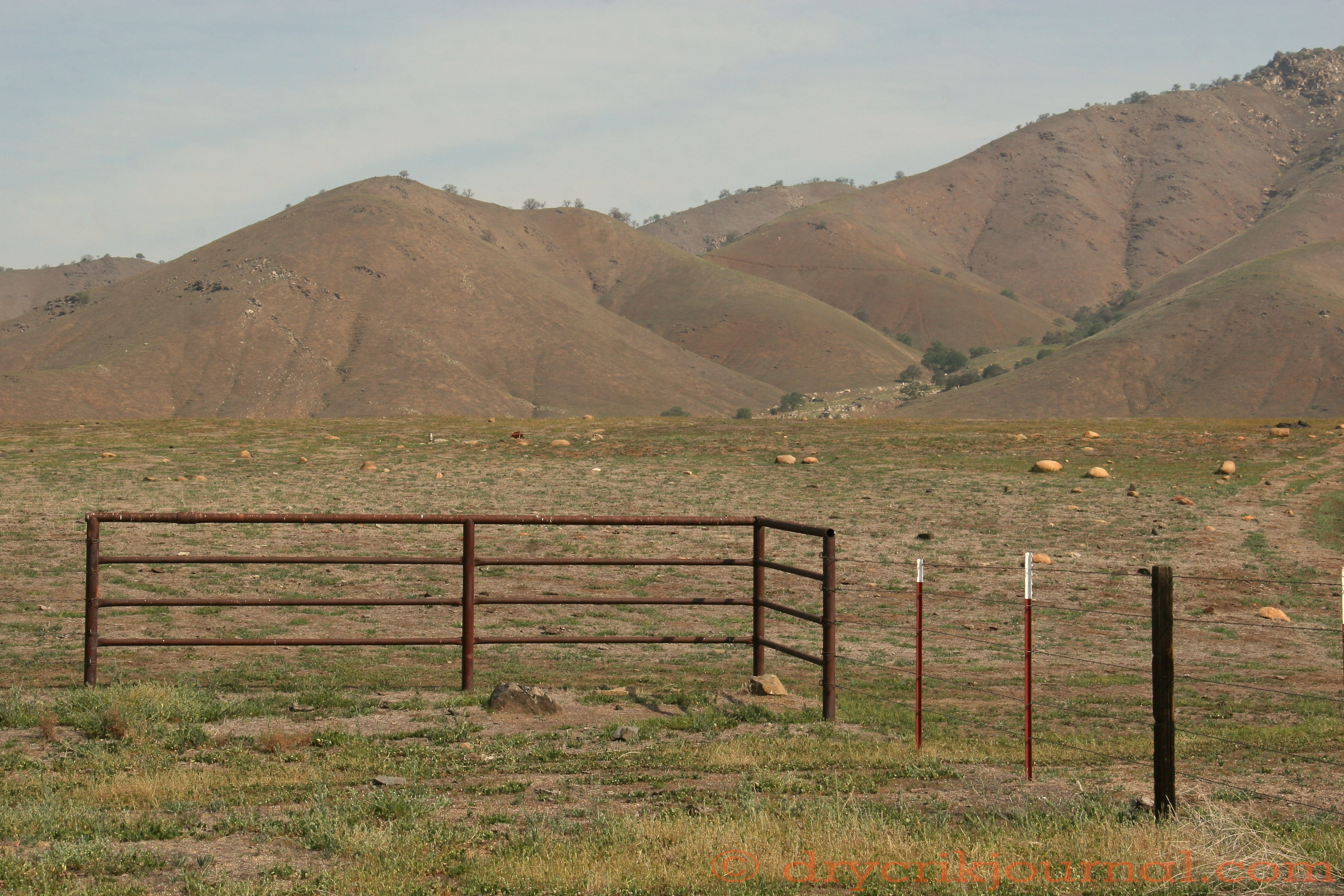
The past two dry years have been tough on the Great Blue Herons here, resorting to year-round rodent hunting to sustain themselves. With a measureable flow for only 18 days this year, absorbed before it made it to the Kaweah River, Dry Creek peaked at 9 cfs on April 3rd, compared to the 2010-11 season when Dry Creek ran until September 4, 2011. It’s too late for the chance of showers (and thunderstorms) today and tonight to help our feed or the herons much other than settle the dust and temporarily change the smell of things with only 5.67” of rain since October 2013. Those are the numbers, but one look at our April feed conditions says it all.

An image branded in my brain during the devastating Drought of 1977 is that of a Great Blue Heron fishing from the concrete bank of the Friant-Kern Canal near Exeter that gave me hope, that demonstrated their adaptability to me. No wonder they have become our totems—now if we can just take their lead.

Processing the Wagyu X Calves

IMG_3185

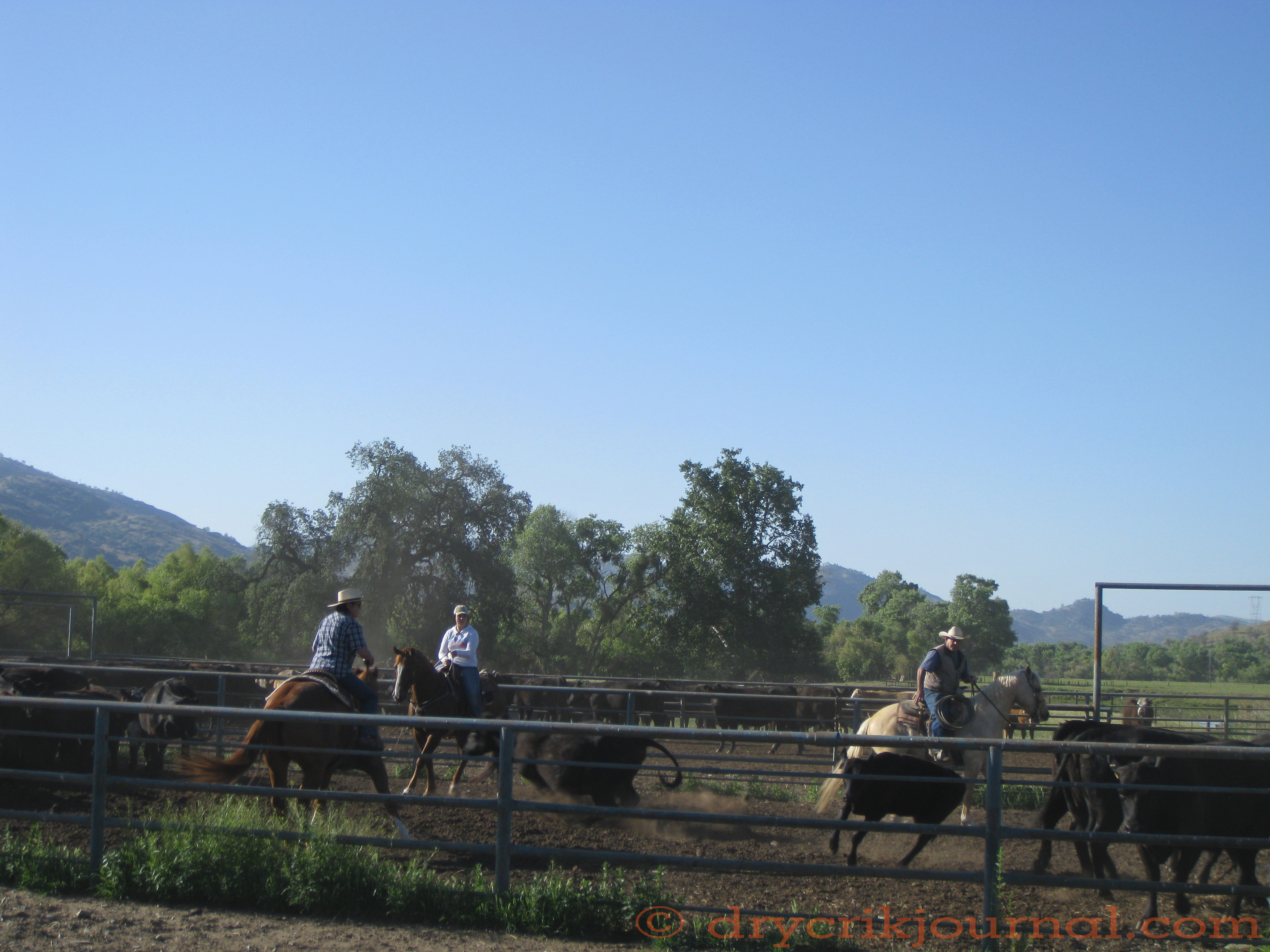
Tuesday morning, we gathered our first-calf heifers and their Wagyu X calves and drove them a couple of miles to our corrals to be processed with a second round of vaccinations before shipping the calves to Snake River Farms in Idaho.

IMG_3207

Wednesday morning, Clarence and the girls separated the cows from their calves to be weighed before processing.

IMG_3242

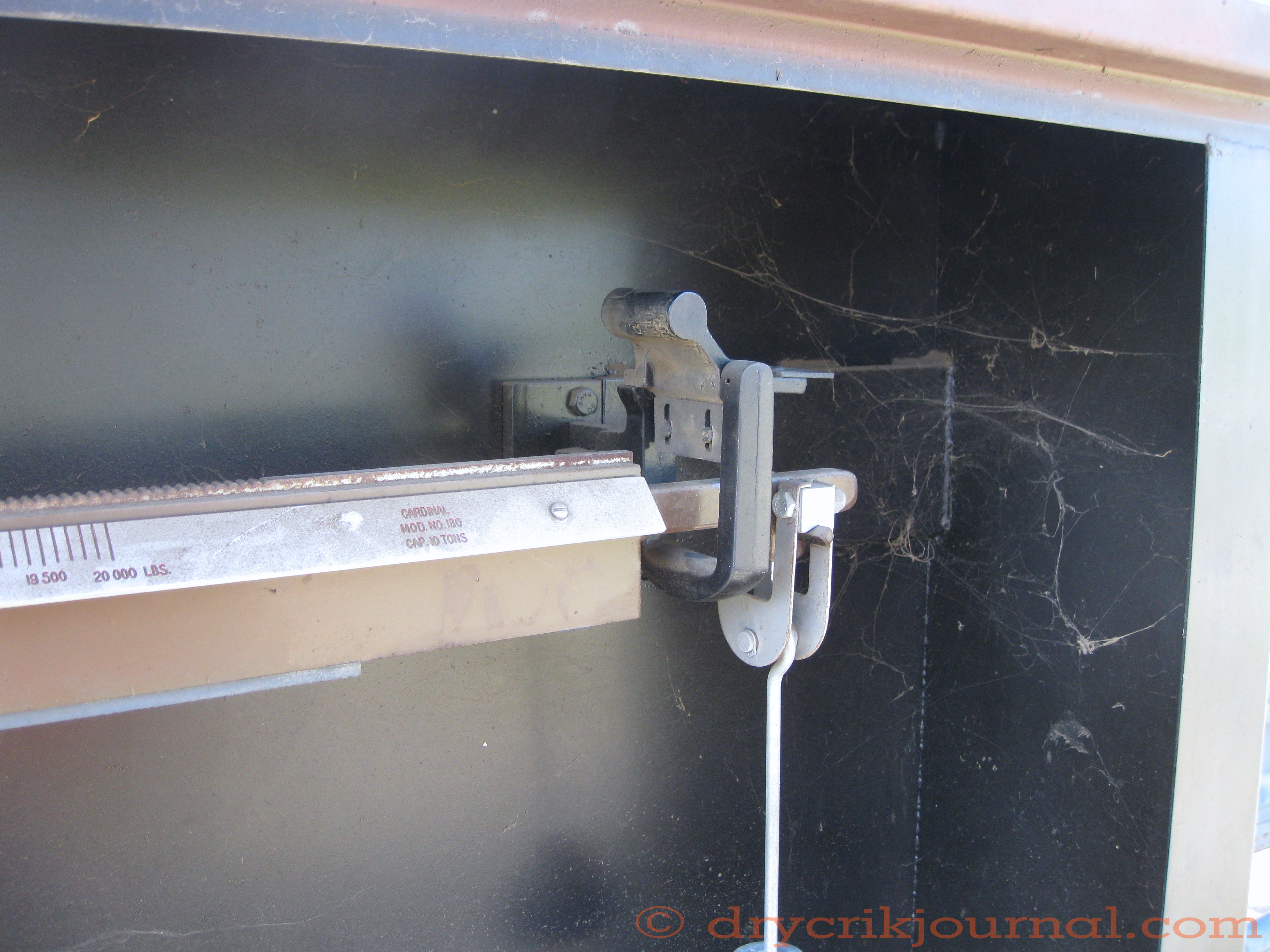
Once separated, the calves come down the lane to the scales. With these weights we can lock in a price when we ship the calves at the end of the month and determine if all the calves can be hauled on one truck. But after balancing the scales, I noticed a rabbit hiding in the scale box.

IMG_3235

With very little grass to grow up on, the calves weighed about 100 pounds less than normal, in part because we’re shipping three weeks earlier due to our drought conditions. Nevertheless, we were pleased that both cows and calves were in good shape.

IMG_3240

All very routine, little things like rabbits and cobwebs seem symbolic as we all hang in the balance.

Yellow-headed Blackbird

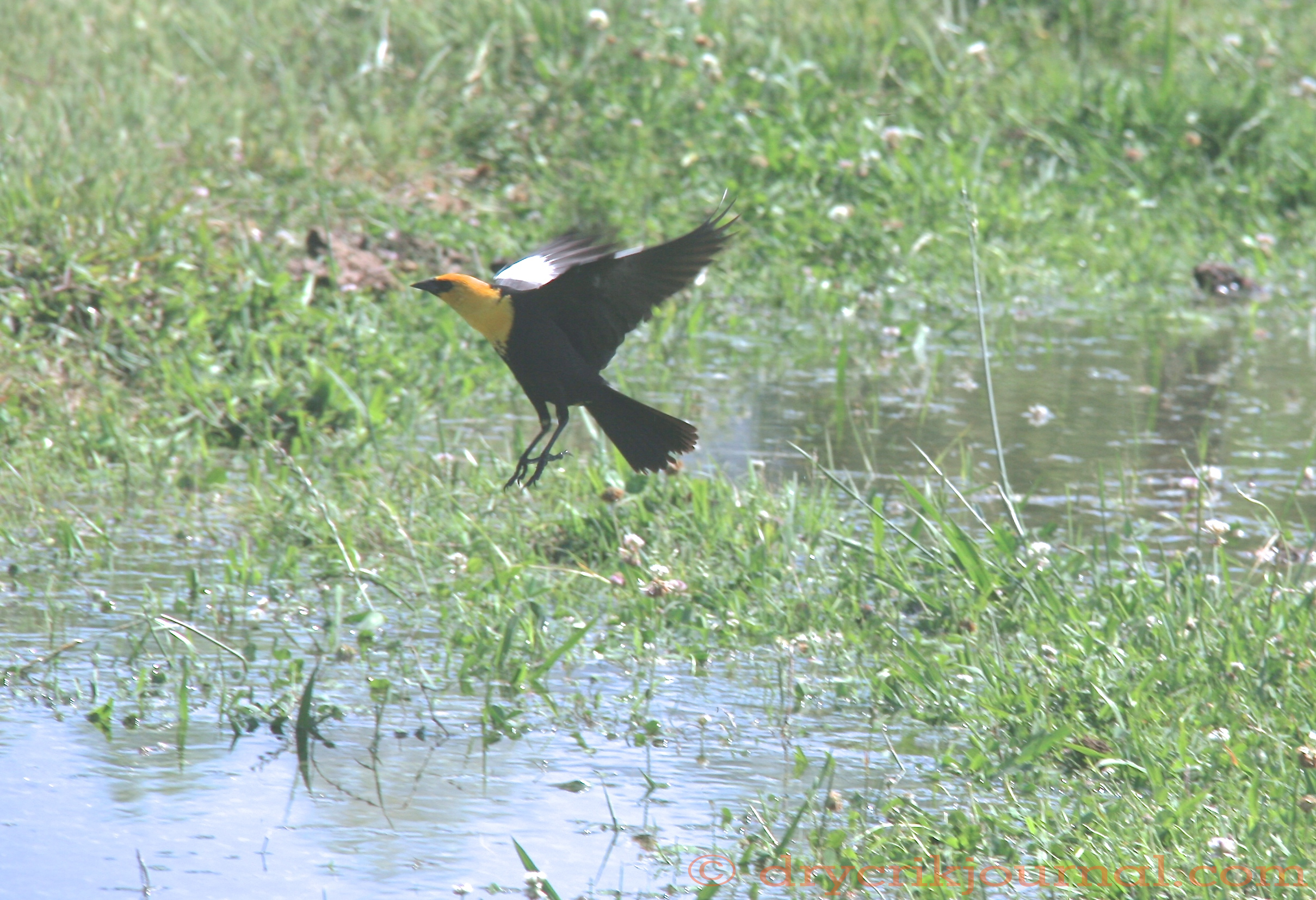
Xanthocephalus xanthocephalus  - April 14, 2014

Xanthocephalus xanthocephalus – April 14, 2014

While regulating my irrigation water yesterday morning, I ran into this happy fellow, the likes of which I’ve never seen before around here. His habits reminded me of a blackbird, but a third larger, and after touring the Internet I finally identified this adult male that I believe is nesting in the nearby cattails bordering a pond. Distribution maps have Central California as a migration area only, breeding, it appears from the maps, on the east side of the Sierra Nevadas, Nevada and Arizona northward. More info HERE A fairly tame and colorful bird compared to our drab natives, I expect to see him again, and perhaps even the female, but next time I’ll have the big lens.

Xanthocephalus xanthocephalus - April 14, 2014

Xanthocephalus xanthocephalus – April 14, 2014


LIKE FARMING

Sometimes it takes a week or more
for the words to sink in,
get past the callous crust,
irrigate, grow roots
and flower in the brain.

My scalp must be littered with debris
of brittle stems, wild seed and chaff
hidden in a forest of gray follicles
waiting to germinate
after a good rain.

But I get it now—see the words,
not the speaker, on paper—
each packing its own weight
in an even flow across
a cultivated field of furrows.

Golden Brodiaea, Pretty Face

Triteleia ixioides - April 10, 2014

Triteleia ixioides – April 10, 2014


Even at a distance smiling
in a cheerful crowd.
I see your face.


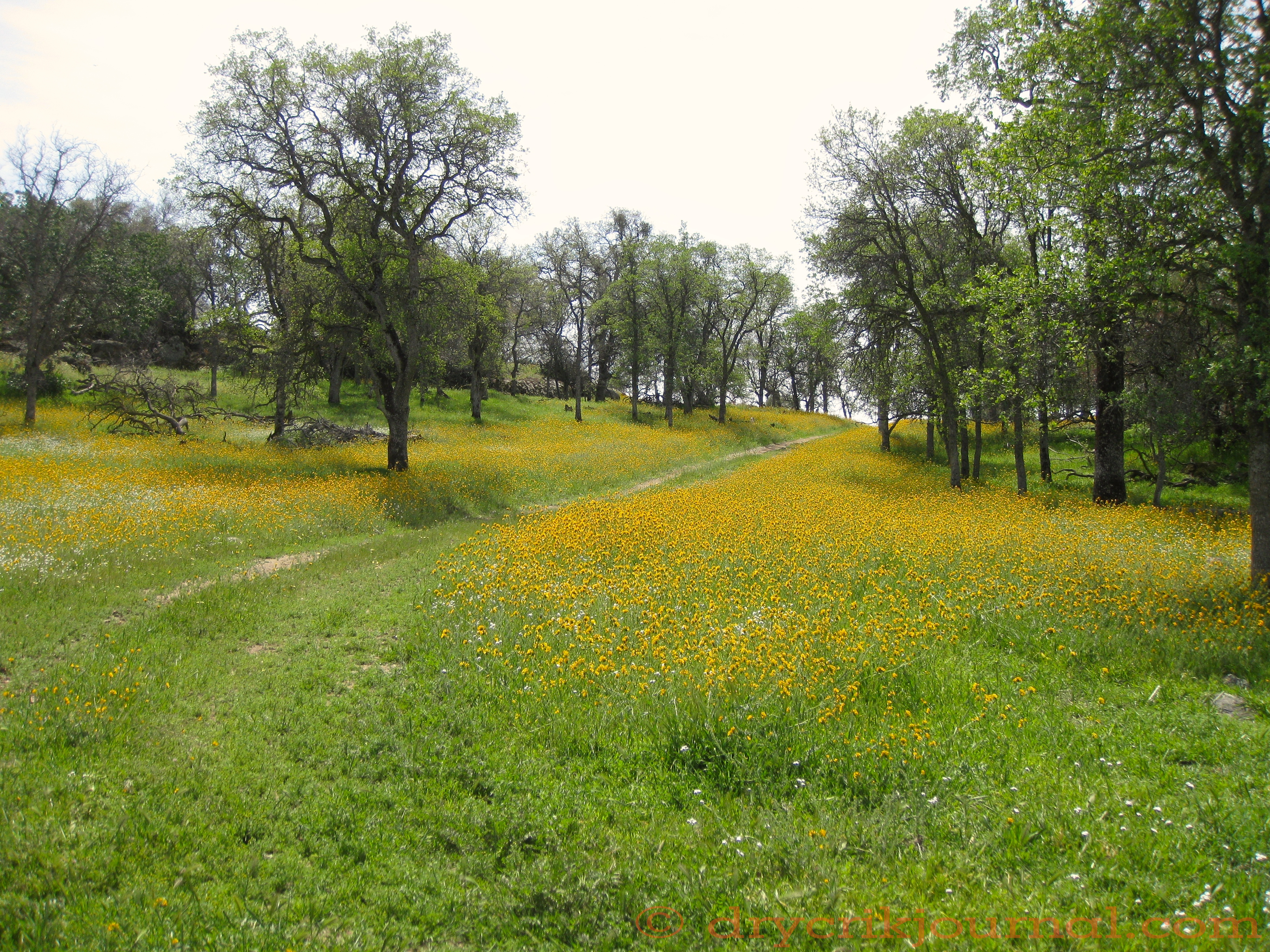
Perhaps the most photogenic wildflower, the Golden Brodiaea or Pretty Face begs to be looked upon, straight down, a flat plane of cheerful faces with a fixed focal length looking up without a care in the world. Their bloom is plentiful this spring, showing above our short feed making one last growth spurt, one last gasp before turning and heading out early. At a distance in the green, the clusters appear to be single yellowish flowers, indistinct lush splotches dotting north and east slopes in the low clay and the granite draws. Each cluster much the same, yet uniquely different in bloom and detail, I seem to photograph them every spring.


White Mariposa Tulip

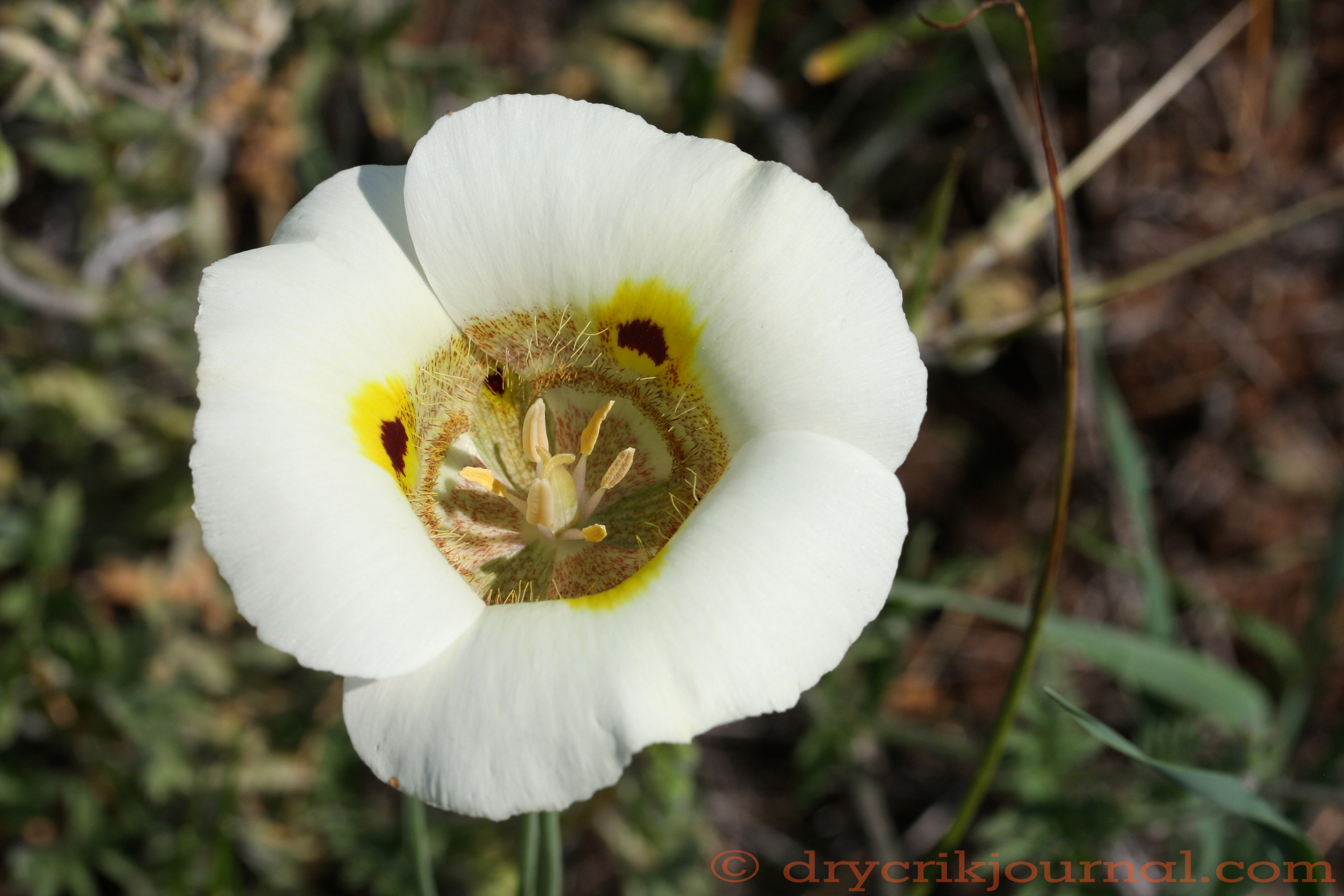
Calochortus venustus - April 10, 2014

Calochortus venustus – April 10, 2014


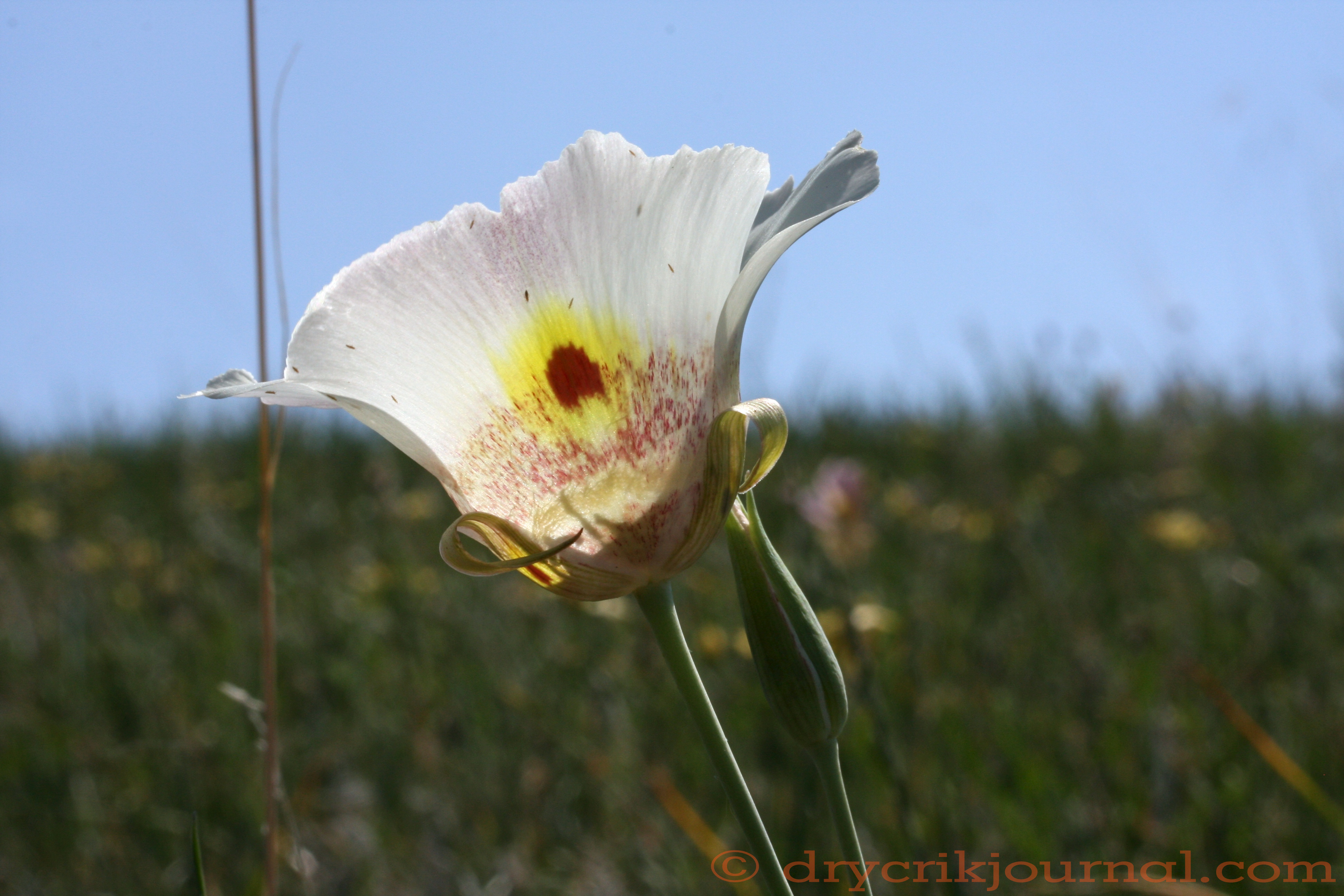
Calochortus venustus - April 10, 2014

Calochortus venustus – April 10, 2014


APRIL 2014

IMG_3154


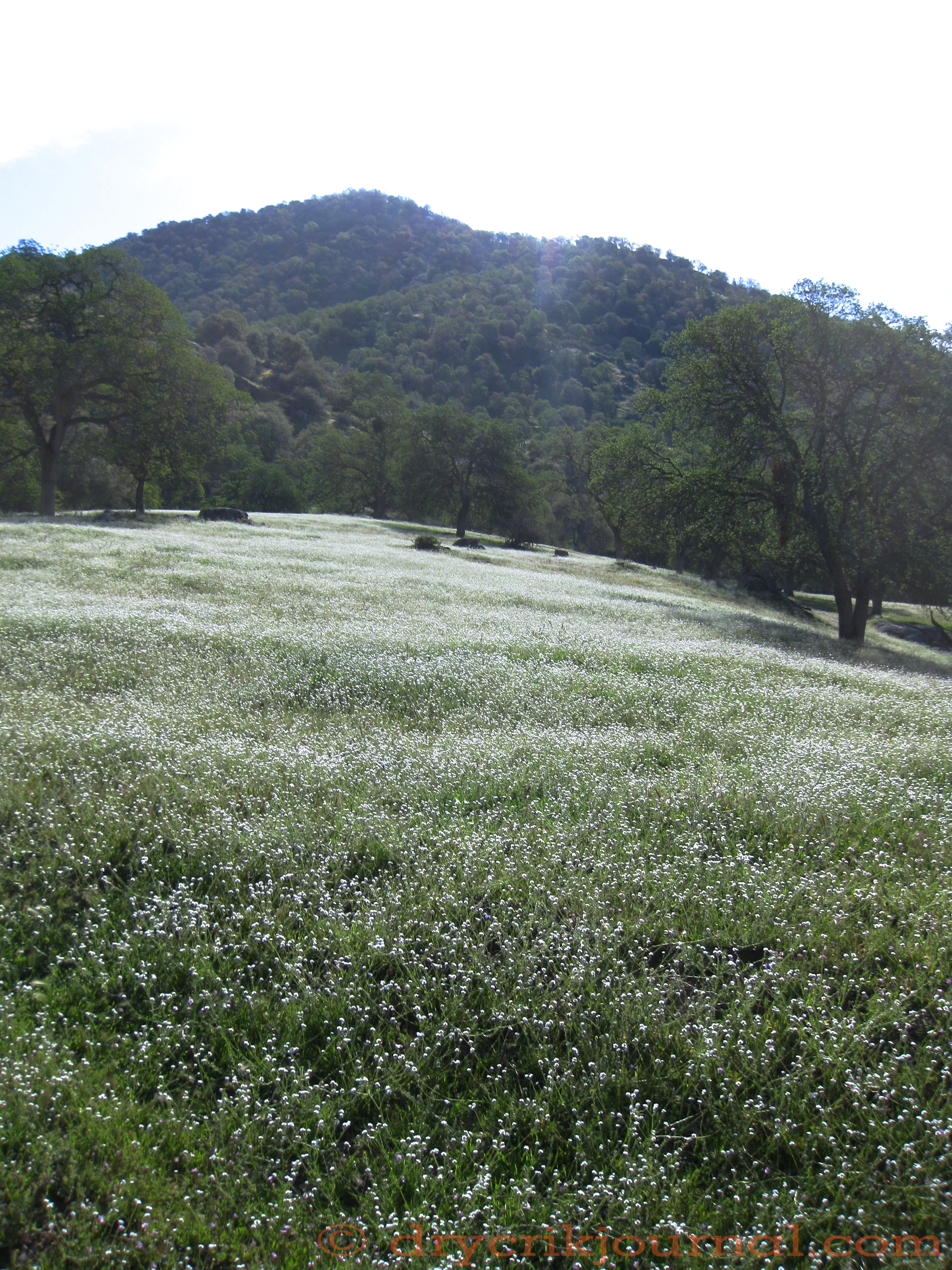
In dry times, the gods retreat
to the granite, forsake the clay
and its inhabitants to fashion

spring upon the open slopes
with skiffs of blooming dots
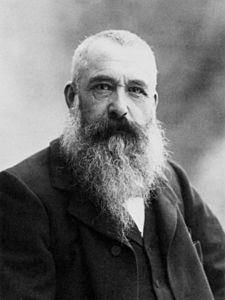
à la Monet—above the dust

rising between green fading
and leaves curling red, it’s not
quite heaven, but enough.


Claude Monet - 1840-1926 courtesy Wikipedia

Claude Monet – 1840-1926
courtesy Wikipedia

In the Granite

Paregien Ranch - April 8, 2014

Paregien Ranch – April 8, 2014

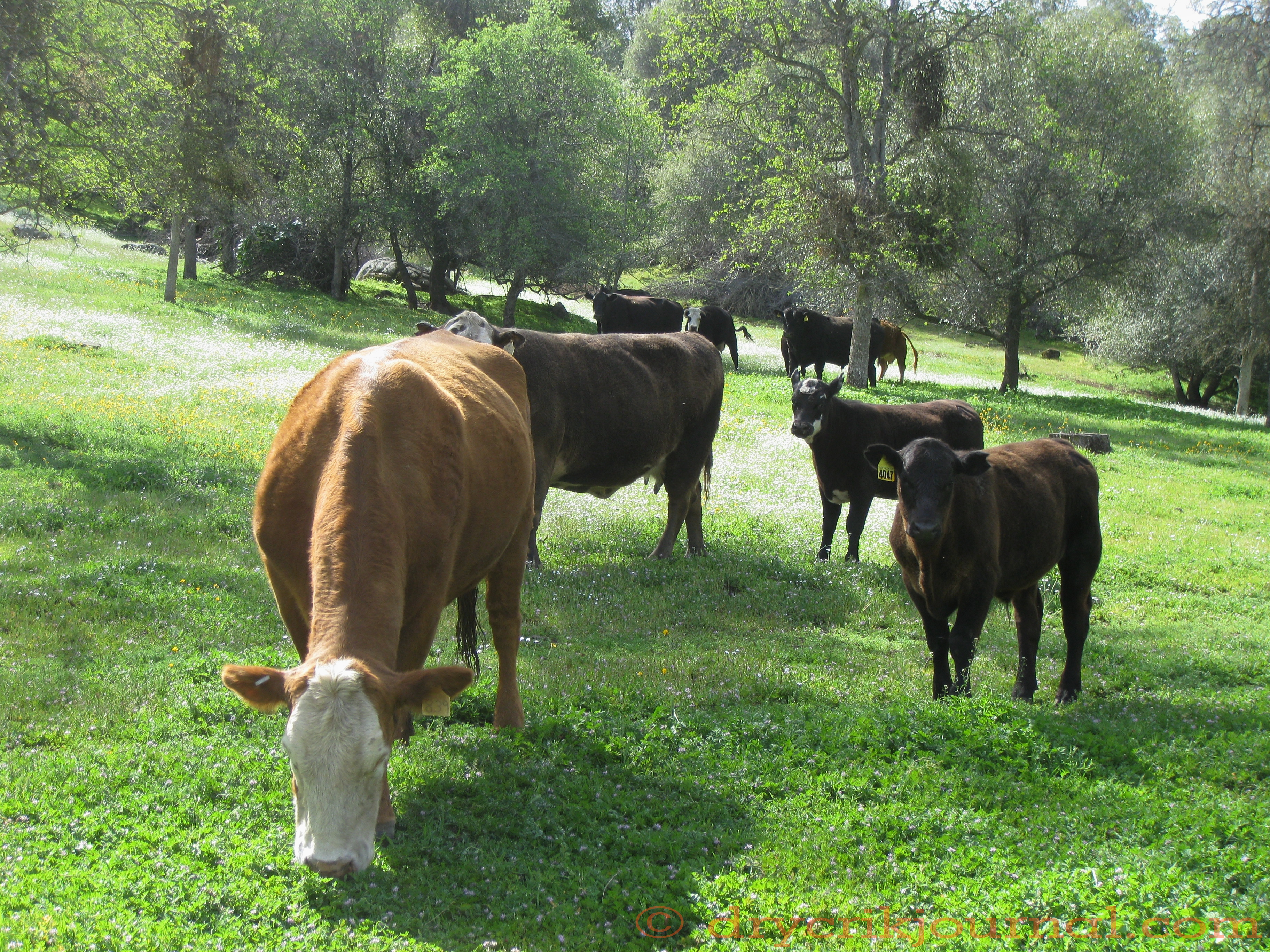
During this drought, we’ve often made the distinction between our granite country at the higher elevations of the ranch, generally above 1,500 feet, and the clay slopes below that. In contrast with the last post, we put out salt and mineral at the Paregien Ranch and checked the feed and fleshiness of our cattle to help determine when we will gather and wean the calves. Obviously it’s another world up there, receiving over 2 inches of rain at the first of the month, and the cattle are doing fine.

Paregien Ranch - April 8, 2014

Paregien Ranch – April 8, 2014

BORN IN A DROUGHT

Pogue Canyon - March 25, 2014

Pogue Canyon – March 25, 2014


Islands of bare, red clay
on shallow green receding—
seeds that never swelled

to root ceramic slopes
or went with clouds
from cloven hooves—

stare back sternly.
She is dry,
nothing left to offer

the eye—only
the lone calf
grazing shores

for the overlooked
knows no better
world than this.

DUST

IMG_2676


                                        “We may be living on an atom
                                        in somebody’s wallpaper.”

                                                    – Wendell Berry (“Dust”)

1.
Between worlds, the sun leaked through
the shingles of Granddad’s dark shed
where the pixie dust would dance, sparkle

within light beams, as my sister and I
urged invisible steeds to town adventures—
fly aboard the manure spreader stored

for the future, the iron wheels and idle
wagon tongue would wait to take us
to wild dimensions for young dreams.

2.
The friction wears us smooth and fine,
cobbles, sand and dust. In the dry years
midden rises under hoof on a gust,

generations lifted to cloud the light
that smell like deer hides and taste
like acorns—tiny planets inhaled

behind cattle drawn to gather here
to wait and see how serious we are
about leaving what feels like peace.

3.
Through a stained glass window high
above the hand-hewn beams in the adobe
Chapel atop the prep school’s hill,

the call of selflessness floated on motes
that framed the sermon, moving me
from the wooden pews filled with two

hundred other vacant blue blazers
into another world for a week or so, yet
clings still to particles that float in space.


‘Dust’