Category Archives: Ranch Journal

READY FOR PROCESSING

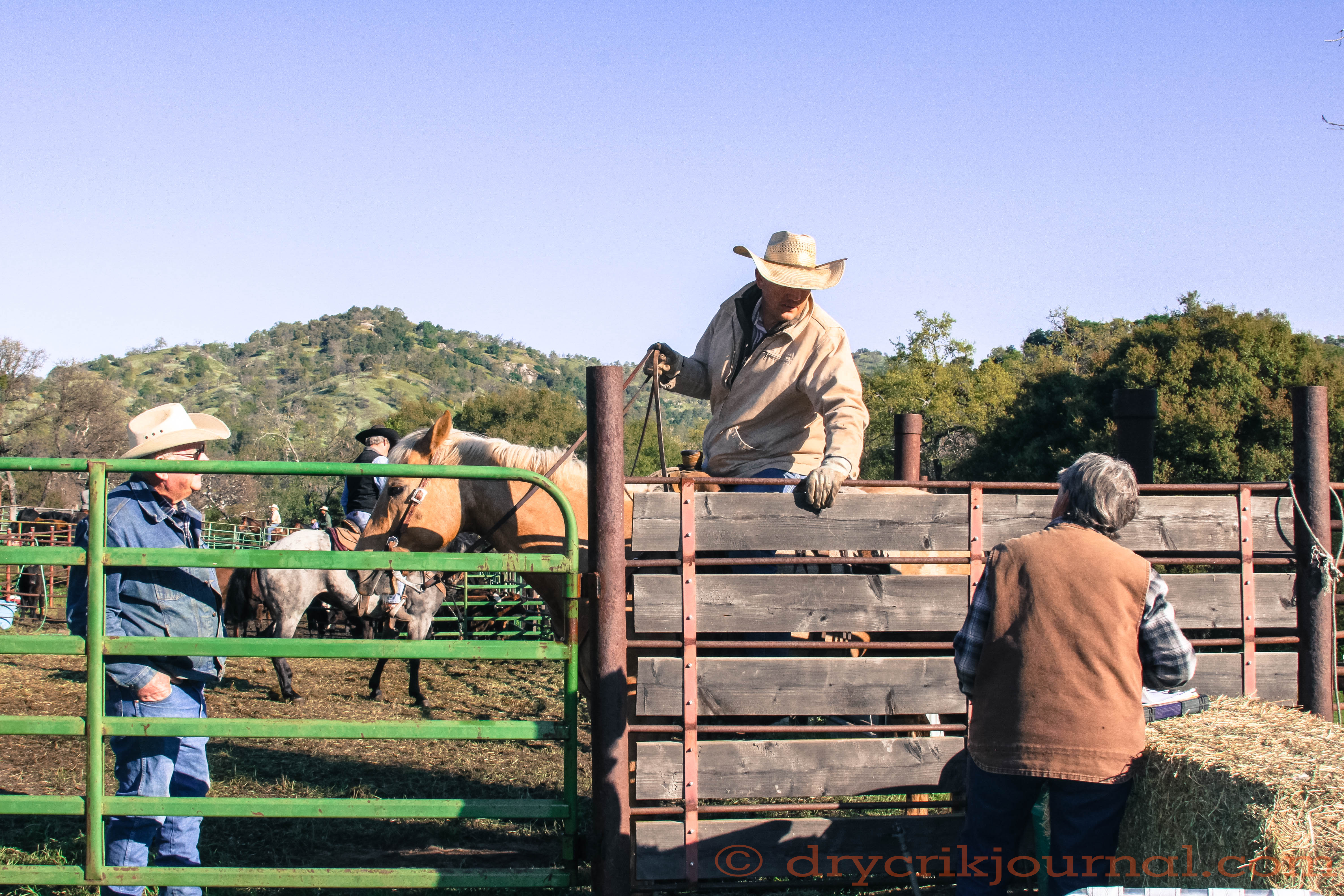
iPhone Photo by Terri Blanke


We’ve begun processing our Wagyu calves with a second round of vaccinations for Snake River Farms that we plan to ship in the first week of May. Each calf gets an Electronic Identification (EID) button and a tag to match at the same time. These calves are from our first-calf heifers that we poured the hay to from last July into December because of the short feed and to keep our first-calf heifers in shape to cycle and breed back. We don’t have to run the numbers to know that these calves won’t bring enough to pay for the hay we fed.


Every feed season is different, even in a drought.  The Christmas rains saved our bacon, over 3 inches or nearly a third of our rainfall to date. And again, in the nick of time, two storm at the end of February and beginning of March that offered nearly 1 ½ inches.  The three events made pretty decent feed in the corrals above and elsewhere as we approach the end our rainy season—nothing forecast for the next two weeks—proving once again that it’s not the quantity of rain, but the timing that’s most important in the cattle business. 


With a shortage of water to irrigate alfalfa in California, hay will be expensive.  Having cut our herd by a third last year (6 inches total), we hope there will be enough old feed to carry us through until November without feeding much hay in our upper country. However, we’ll have to help our younger cows in our lower country where the south and west slopes have already turned brown.  How many will be the question. 


We couldn’t keep any replacement heifers last year, and may not this year as the market gets stronger.  We’ll be making lots of decisions in the coming thirty days as we begin to harvest this year’s crop and plan for the next.

 

BATTLE LINES


Always a hole in the law,

in the black sky where the March moon

bores into your mind,


along the borders

between you and Nature

tirelessly encroaching.


She lives in town, the nurse

taking my blood pressure,

wants to know about the moths


driving her inside the house

with her kids

on the block of last night’s shooting.


I can’t imagine trying to sleep in a city.

First 80-degree day,

surrounded by colorful pastures


of wildflowers, thigh-high,

we can feel the snakes

crawling out of hibernation—


even the dogs are cautious,

as they check last year’s beds

dug in the shade of the deck.


The ebb and flow of skirmishes,

prey and predator, man and beast

until the end of time.


THE BRANDING PEN


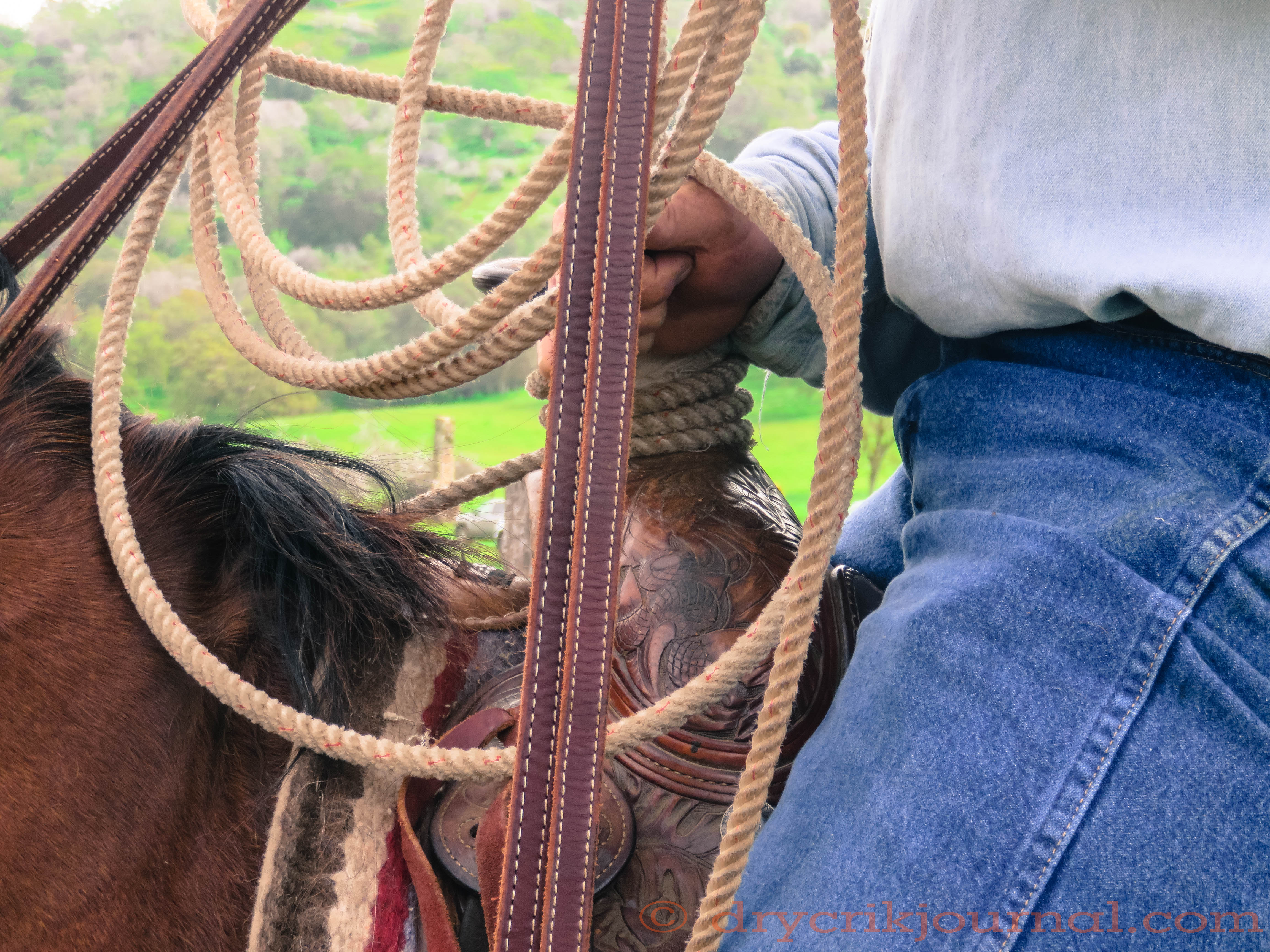
Once again, the south slopes fade, begging for moisture. We’ve been following yesterday’s forecast rain for well over a week, watched it vacillate from 3/4s to ¼-inch daily, while hoping to get Kenny and Virginia McKee’s calves branded in Woolley Canyon at the same time—a four-day gather in wild country. On cue, a light shower began as we finished up, but unfortunately the trailing storm evaporated by late afternoon.  But it was a delightful branding, an efficient dance of ropers and ground crew that was almost mechanical, yet seasoned with quips and joviality, reminding me that the center of our culture and community has always been the branding pen.


Two years of Covid and the recent Russian invasion of Ukraine has upset the equilibrium of the planet, injected fear with the hopeless horrors of war into nearly every soul. The meatpackers’ conspiracy that has defrauded both producers and consumers has added to the instability along with our ‘megadrought’, new terminology from the scientists denoting two decades of drought not seen since 800 AD—all in all, the impacts of which have created an overwhelming mess.


Kids—recounting the branding at home, Robbin and I tallied at least 10 little kids in and around the corrals, another generation exposed to this lifestyle, caring families who treasure the opportunity to teach their children how to get the work done. We are not helpless, it is a luxury to still have a place to ignore the outside world where we can pour our attention to what’s important, to the things we can do something about.


March 5, 2022


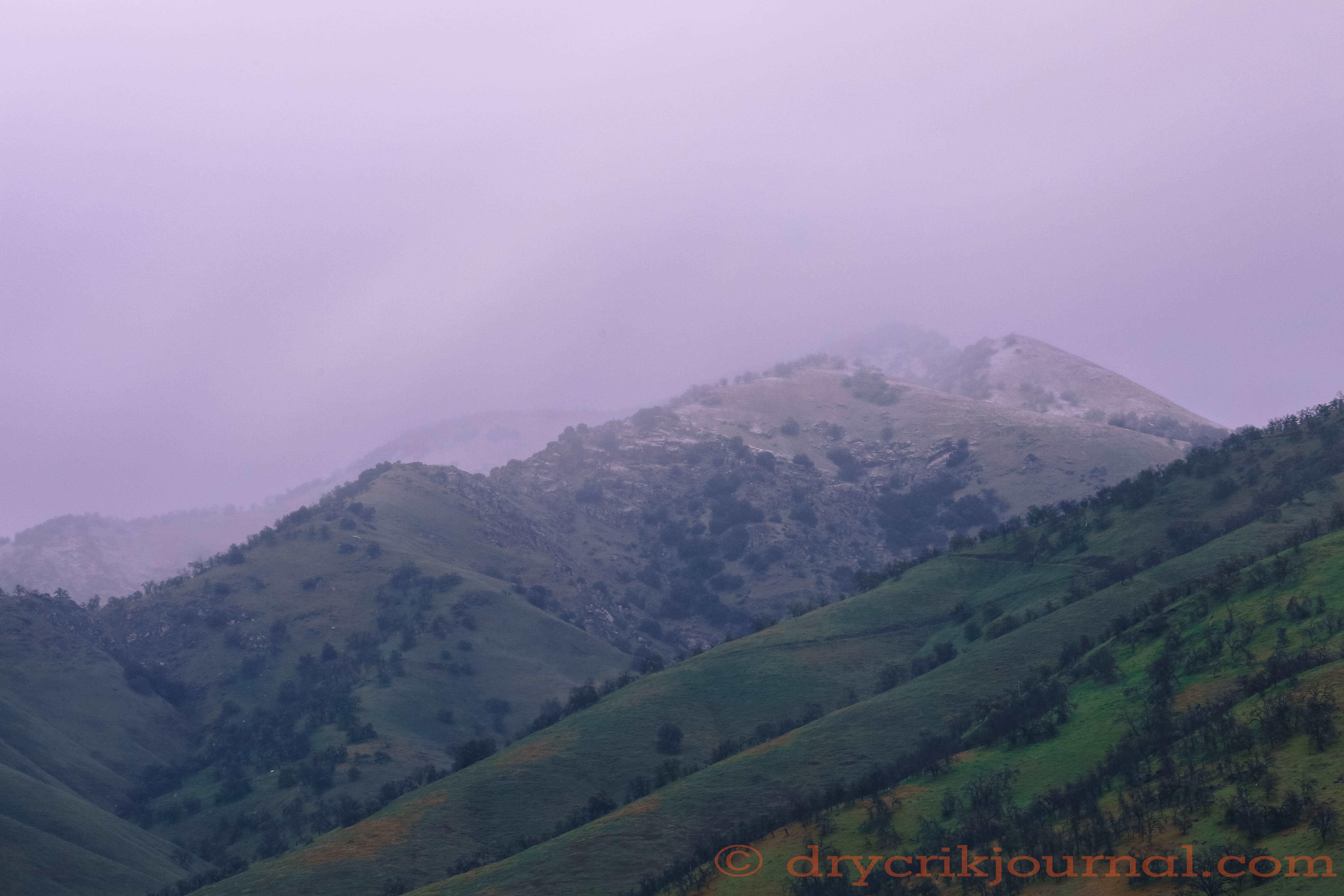
Misting, light snow on Sulphur Peak (3,400’) this morning, we ‘ve enjoyed 1.02” received thus far from the last two days of this season-saving rain—a little more scheduled for today.


But it was the 0.48” we received on the 23rd of February that truly saved our grass after 3 months of nothing but a few heavy dews.  The ground was so dry that it sucked all the moisture up by the next day to the extent the mud grips on the feed truck left no tracks.  The grass, that has been so thin in the Flat where we’ve been feeding our first-calf heifers since last July, finally filled in, and now is beginning to grow. Add this inch and we’ll be good to go for three weeks or so, depending on temperatures.


Robbin and I, with the help of Allie, Terri and our neighbors, got our last bunch of calves branded on Wednesday before this rain. Due to last year’s heavy culling because of the drought, our bunches were small this year, but the cows and calves looked great.  Whether or not we can make ends meet on so few numbers remains to be seen in the marketplace, now that the weather seems to want to cooperate—we have hope.


The third variable to survival in the cattle business has always been politics.  With the world in turmoil because of the invasion of Ukraine and its subsequent impacts, anything can happen to disrupt the marketplace, inflation and the pandemic yet still in the wings. Unresolved issues regarding the implementation of the Sustainable Groundwater Management Act (SGMA), passed by the urban majority in 2014, adds to an uncertain future for all agriculture in California, one that will undoubtedly include foreclosures and lots of litigation for years to come.  Meanwhile, imposed fines and the cost of water may be too great to farm in California if the State has its way, once the richest agricultural region in the world.


Nothing stays the same.

Only nothing is normal.


THREE WEEK REPRIEVE


Everyone is happy, I exclaim—


half-inch rain after forty-five days without—

grass, trees, birds and animals revived,

the February air full of the future


as black cows and calves ascend

the green slopes across the canyon

reaching for the richer ridgetop feed


by evening. We raise a glass

to the generosity of all the native

gods and goddesses, to the crow pair


robbing nests and the bobcat trailing quail,

the ground re-energized—the vitality of life

spilling right before our eyes.


MAYPOLE


The dark hole in the barn

that once was leafy, fine-stemmed alfalfa

for six-months feeding, rides on a rain


as wildflowers get ahead of the green

making color, making seed—a spectacle

that will eclipse the hopes and dreams


that drew us to this tipping point in time.

Seems we’re always on the cusp of perfect

storms, praying for enough that we might


meld into the wealth of these steep slopes

we belong to, marvel at the cattle

and forget about the money and the market


for a moment as we and our old neighbors

hold invisible hands and hobble around

the maypole to appease our pagan genes.


TASTE OF SPRING


Christmas storms colored the canyon early,

purple brodiaea, blue lupine, white flakes of snow

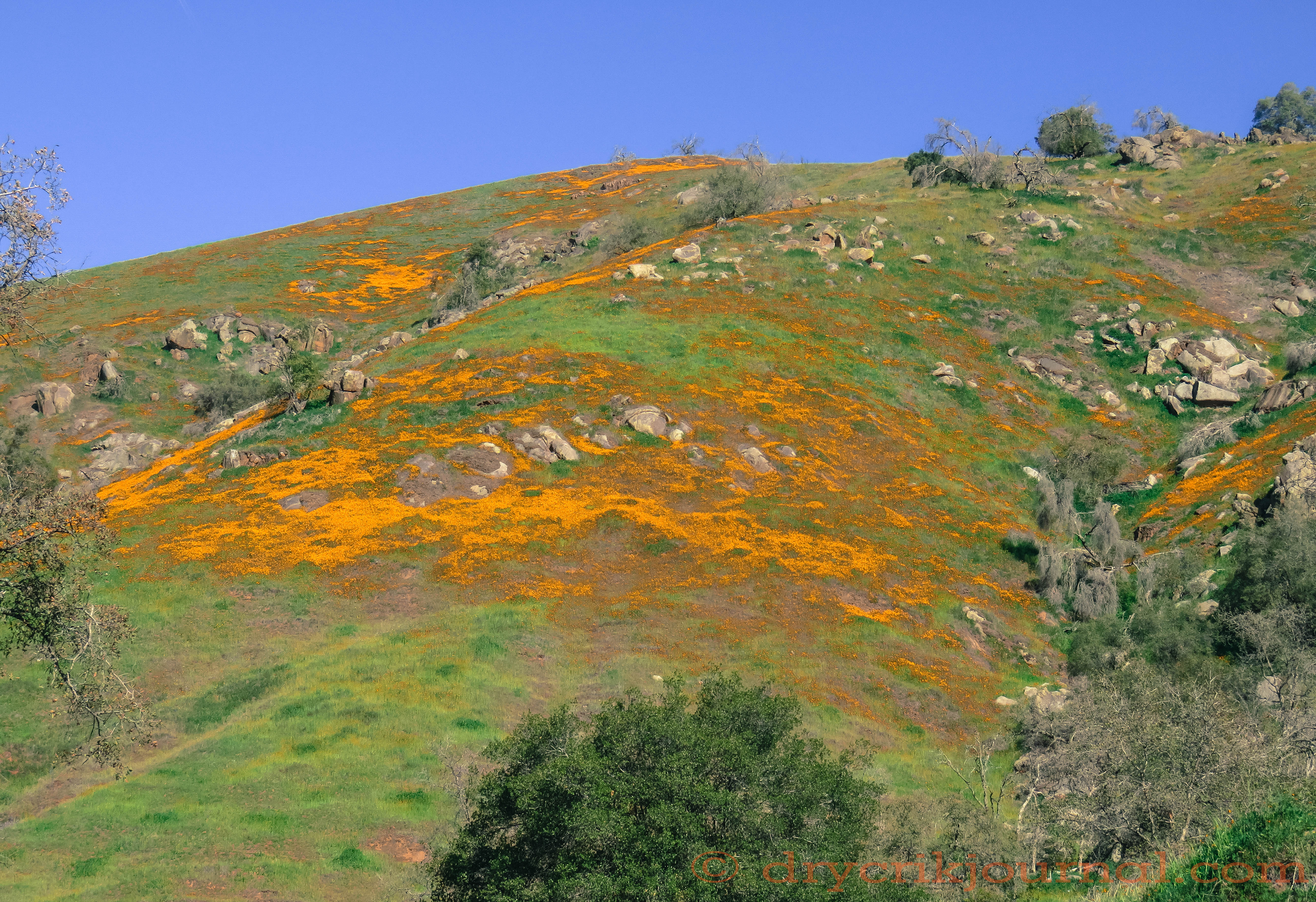
upon the green as wildfires of poppies spread


slope to slope, mid-February, forty-five days

warm without rain. I used to think I knew

what it took to paint these hills with flowers,


like the warm spring rains in ’78

after the drought.  Living here 100 years,

Nora Montgomery claimed she’d never seen


so many poppies in this canyon, solid gold

nor I since. Each a fantasy, no two springs

the same, we live in the 10-day forecast


for rain, for grass, for cattle. The Old

Farmer’s Almanac predicts a backwards

spring, growing cooler through April—


we never know, and like the cattle

in grazing circles, we plod through time,

always eager for another taste of spring.


JANUARY 2022

She foresees an early spring,

winter warm as we brand calves

in the open space between rains


this ground and cattle need

as much as we for our sanity.

The finches vie for corners


in the post and beams

that hold the roof and summer sun

at bay. Fat ground squirrels play


grab-ass, warming-up  

for the real thing, planting seed

for fresh armies of vermin


to attack the garden.

Already the love songs

of a hundred coyotes


fill our dark canyon

from dusk to dawn—invite

the dogs to sing along.


One never knows about the weather—

it can do anything anytime it wants

to make geniuses or fools of us all.

A NEIGHBOR’S HAND

It’s not easy to get glimpses of myself

among the young men in the branding pen,

awkward young bulls bellowing

as they wrestle fat calves to the ground.


Yesterday, I carried the nut-bucket

and dope instead of riding with a rope,

instead of sliding a wide loop

beneath two feet. I can feel it, see it


in my mind, the smooth dance and dally

round a cotton-wrapped horn, rolling

calves and slipping slack when needed—

but my metronome has slowed.


I don’t wish to be among the old chiefs

who stayed too long to become obstacles

in space and time just to be aboard,

just to lend a neighbor’s hand, like always.

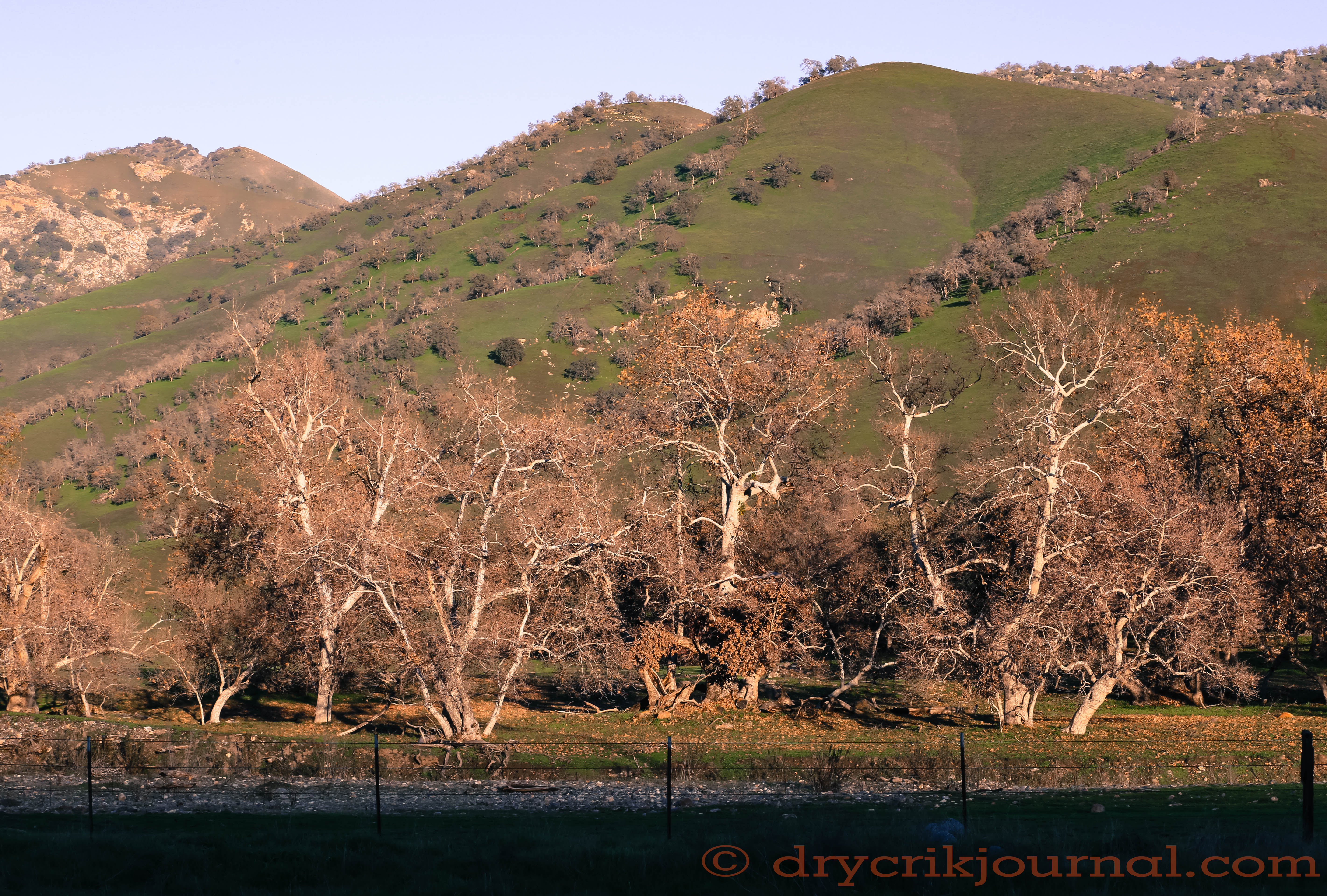
AT SUNSET AFTER CHRISTMAS RAINS

Last flash of limbs

in a pagan dance

as shadows crawl

across the creek

to pull night’s curtain up

into the stars.


The canyon has come to life

with promises of spring—

birds and trees are talking

above the bulls’ primal bellowing—

tension spills with energy.


Shrill yips and howls

in every draw ignites

another all-night

canine celebration

to exasperate the dogs.


Even the old flesh perks up

with fresh strategies,

just in case the market’s up

and we get more rain—

just enough to do it over again.