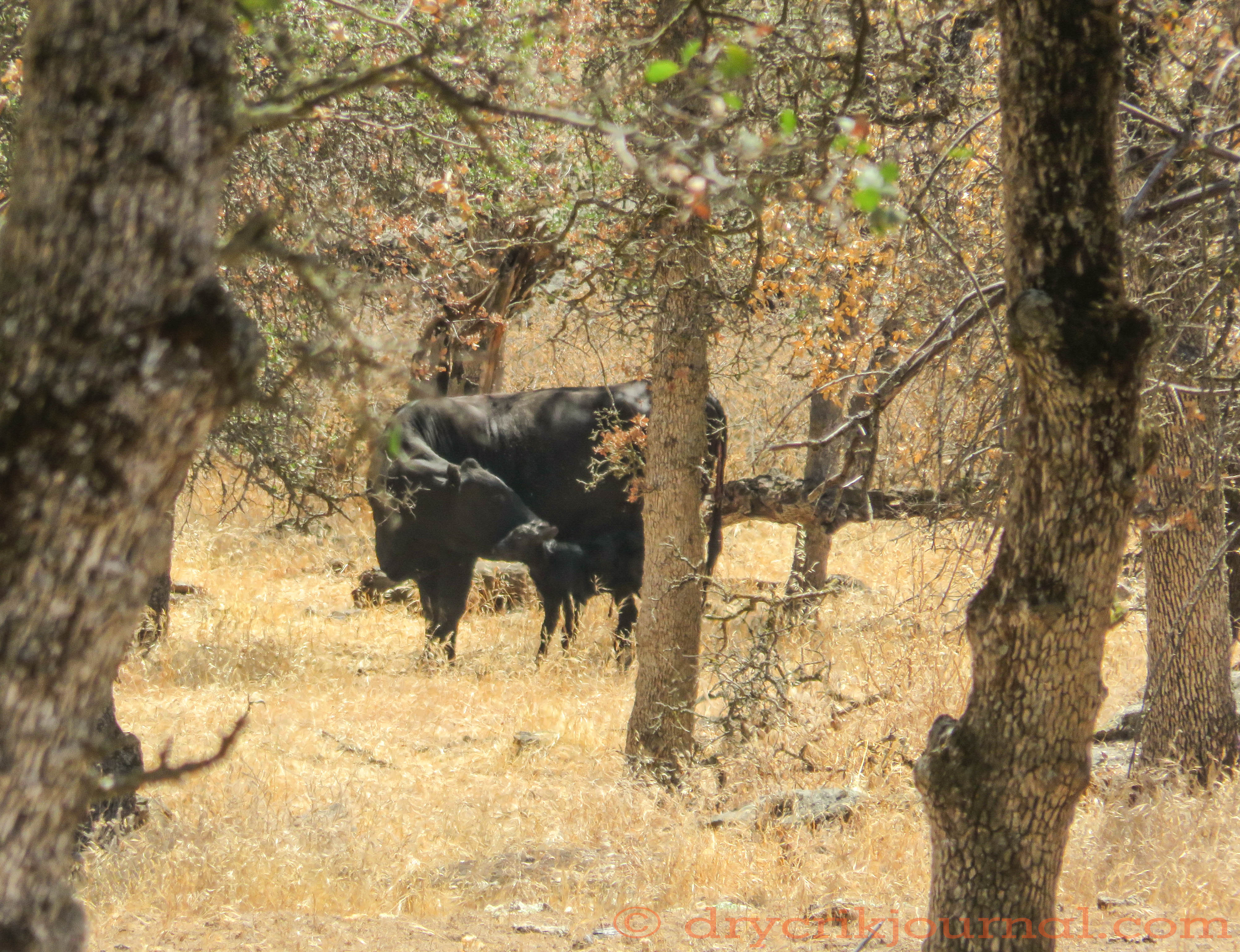
Deep in the Blue Oaks,
the caress of a mother’s tongue
begins new life.

Deep in the Blue Oaks,
the caress of a mother’s tongue
begins new life.
Posted in Photographs, Poems 2014, Ranch Journal
Tagged Calves, cows, haiku, photographs, poetry
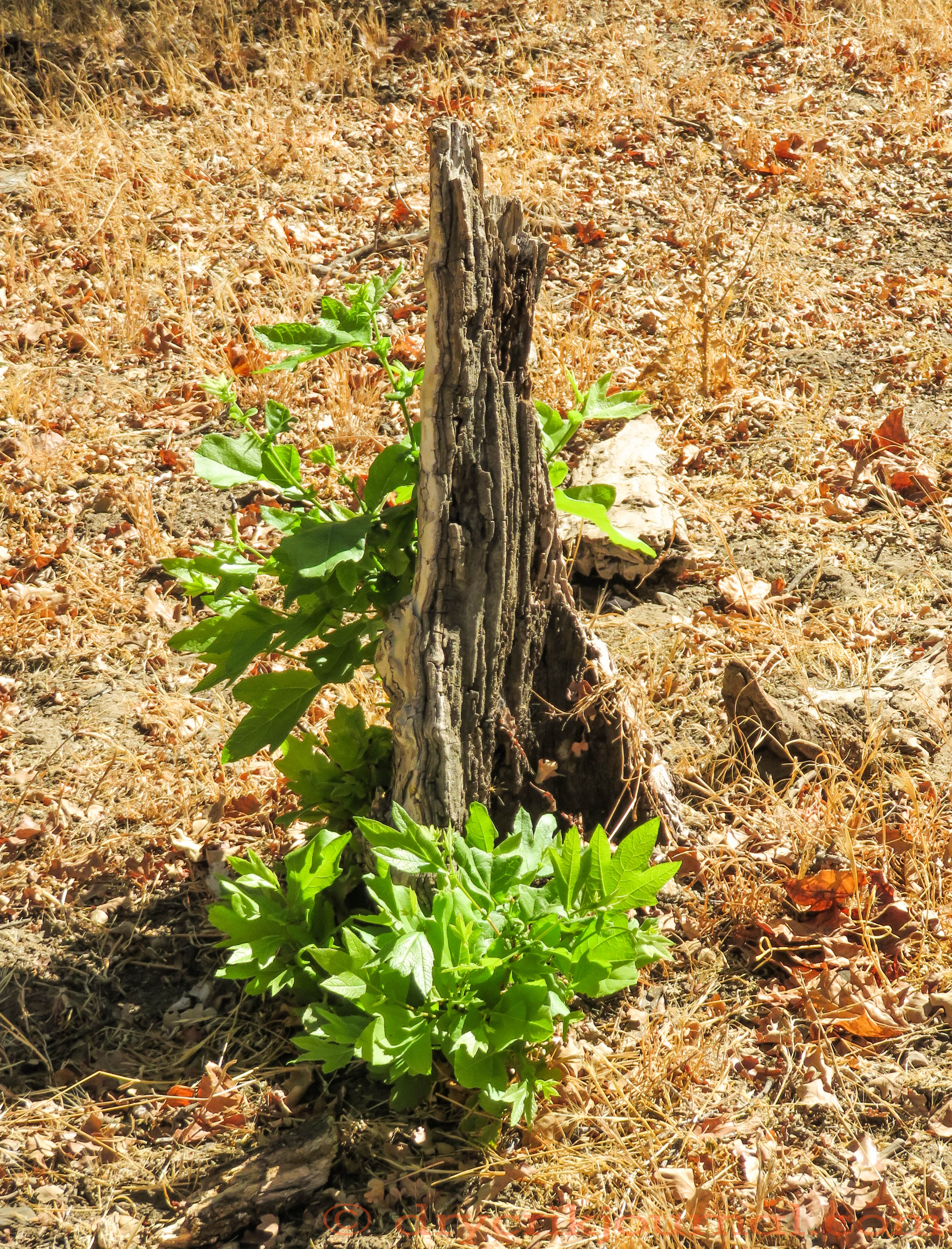
The Sycamore Alluvial Woodland (Platanus racemosa) on Dry Creek is one of 17 stands over 10 acres remaining in the world and the largest in the Sierra Nevada ecoregion despite the downstream impacts due to gravel mining. Other impacts from reservoirs, recreation and stream channelization have substantially reduced the population of this plant community statewide. Despite a century of grazing and the current drought, new growth from the remains of an old sycamore stump in this photo demonstrates the amazing resilience of this species. Photo: August 31, 2014
Posted in Ranch Journal
Tagged cows, Drought, Dry Creek, photographs, SAW, Sycamore Alluvial Woodland, water, weather
I had to tell her
about the gardeners
out of work, looking
for roses to prune,
green lawns to mow—
the fallow fields of dust
without crops to pick,
pack and haul to town
by truck, about how lean
the San Joaquin’s become.
Moonlighting, someone’s
hooking-up to hydrants
in Lemoore—a new market
for semi short-hauls
anywhere you want to go.
In the deep powder, shotgun
barrels at each trough
waiting for dove, all
signs of the hunt erased
by the wild at dawn.
I had to tell her
we’re OK, better off
than most—just to have
her think of more
than herself for a change.
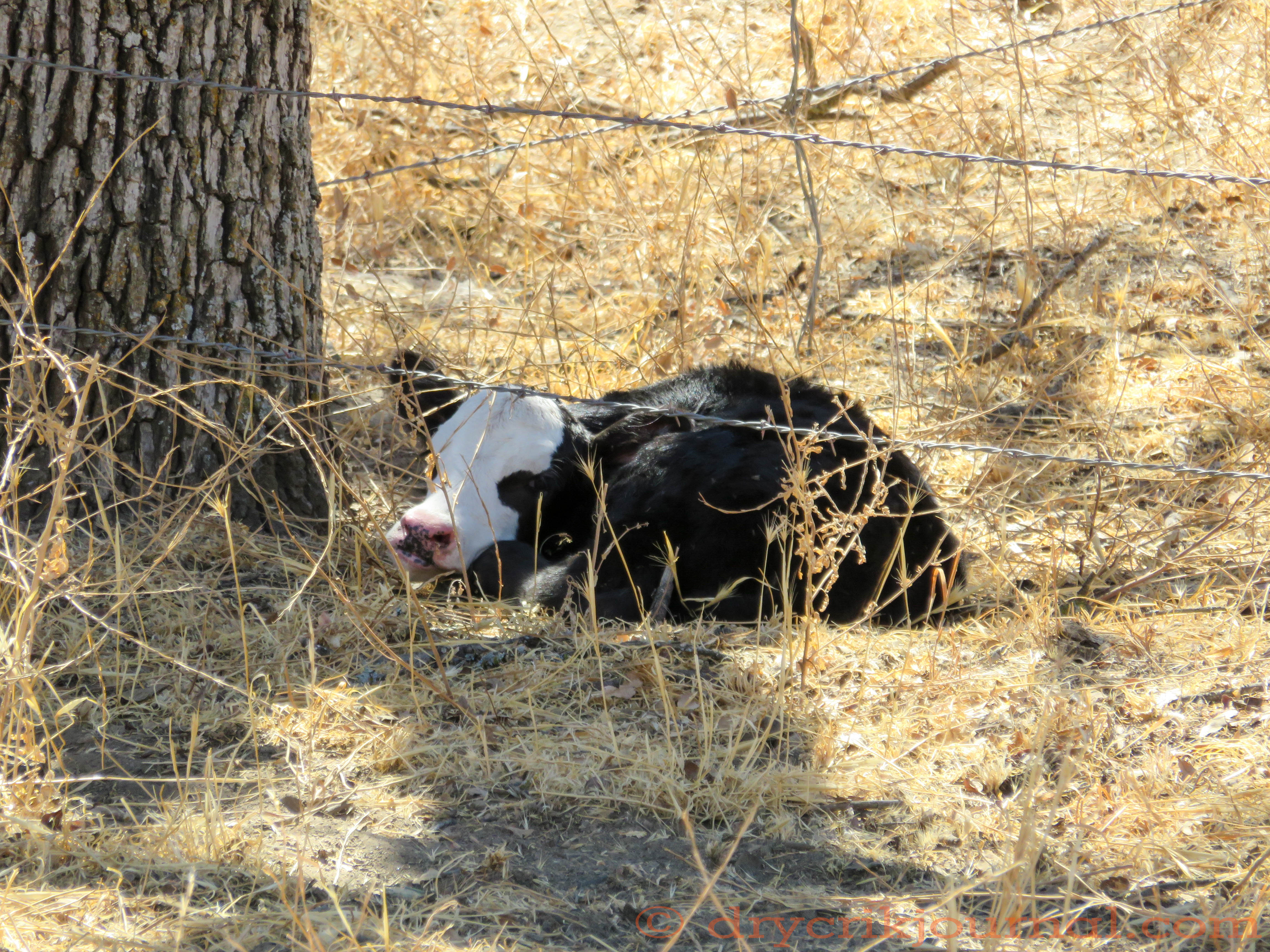
Close to the house, we’ve been checking the first-calf heifers daily as they get closer to calving. Typically, we don’t have much trouble because the Wagyu X come small, but there is always some drama, especially with the very first calves.
Some followers might recall last year’s first Wagyu X calf that arrived two weeks early that we eventually lost because its mother spent more time with the other heifers rather than with its calf, her social needs greater than her maternal traits. We keep the heifers in two separate pastures where each herd develops its own social dynamics. The transition from ‘one of the girls’ to motherhood varies from heifer to heifer, and occasionally, when no one else has a calf, the comfort of the herd becomes a priority.
In particular this past week, we have been watching four heifers that are extremely close. Early yesterday morning, number one arrived to 3024. She had placed the calf in a barbed wire corner, and we found them with her on one side of the fence and the calf on the other, an open gate between nearby. The heifer had obviously been sucked and the calf was healthy as we watched the heifer navigate the gate to her calf. All seemed well.
Our presence brought a dozen heifers, thinking hay, off the hill. They all drank at the trough and filed through the gate towards the feed grounds to join the others, our new mother trailing behind them, leaving her calf alone. Concerned, we followed at a distance around the hill only to see she had turned around and was coming back. Good, so we got out of the way of nature.
An hour later while checking the first-calf heifers on the other side of the road, I noticed she had returned to join the bunch. Mid-afternoon, Robbin saw her returning towards her calf. An hour or so before dark, I thought I ought to check on the new pair. I could see the calf at a distance in the same barbed wire corner, but no mother around. Assuming she had abandoned her calf for the comfort of the bunch again, I looked for her there and checked the other heifers at the same time. She was not among them. So I returned to the area of the calf, making a big circle, only to spot the mother grazing in the Blue Oaks about 100 yards above the calf.
By the time I had gotten back to the house, the main bunch was leisurely following in the direction by which I had left, towards the calf and the eventual crowd around it—not exactly what I wanted. Though the instinctual transition from ‘one of the girls’ to motherhood can be awe-inspiring, oftentimes our presence as midwives detracts from the process and can interfere with the necessary bonding time between mother and baby, a fine line to walk.
Today is a normal feed day, an opportunity to stay out of the way and assess them all again.
Posted in Photographs, Ranch Journal
Tagged cows, Dry Creek, photographs, Snake River Farms, Wagyu X
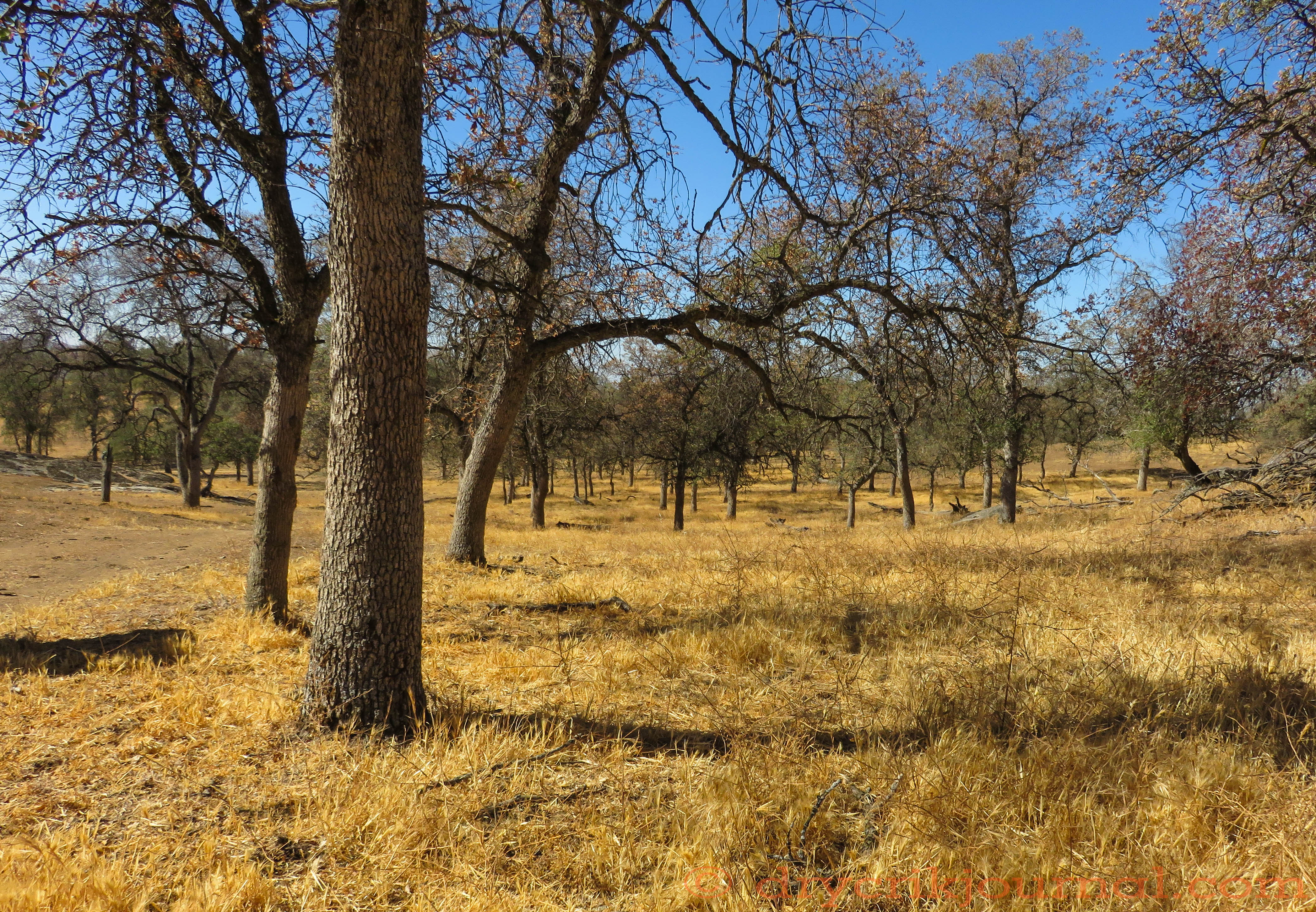
Though not officially fall, the angle of the sun as it slips southward intensifies our fiery colors, especially early in the morning. Perpendicular to the rising sun, I wanted to capture the surreal yellow of our old feed beneath the Blue Oaks, yet the color of the same grass from other angles wasn’t nearly as intense to the eye. I’m sure there is a word for this phenomenon as we approach the autumnal equinox.
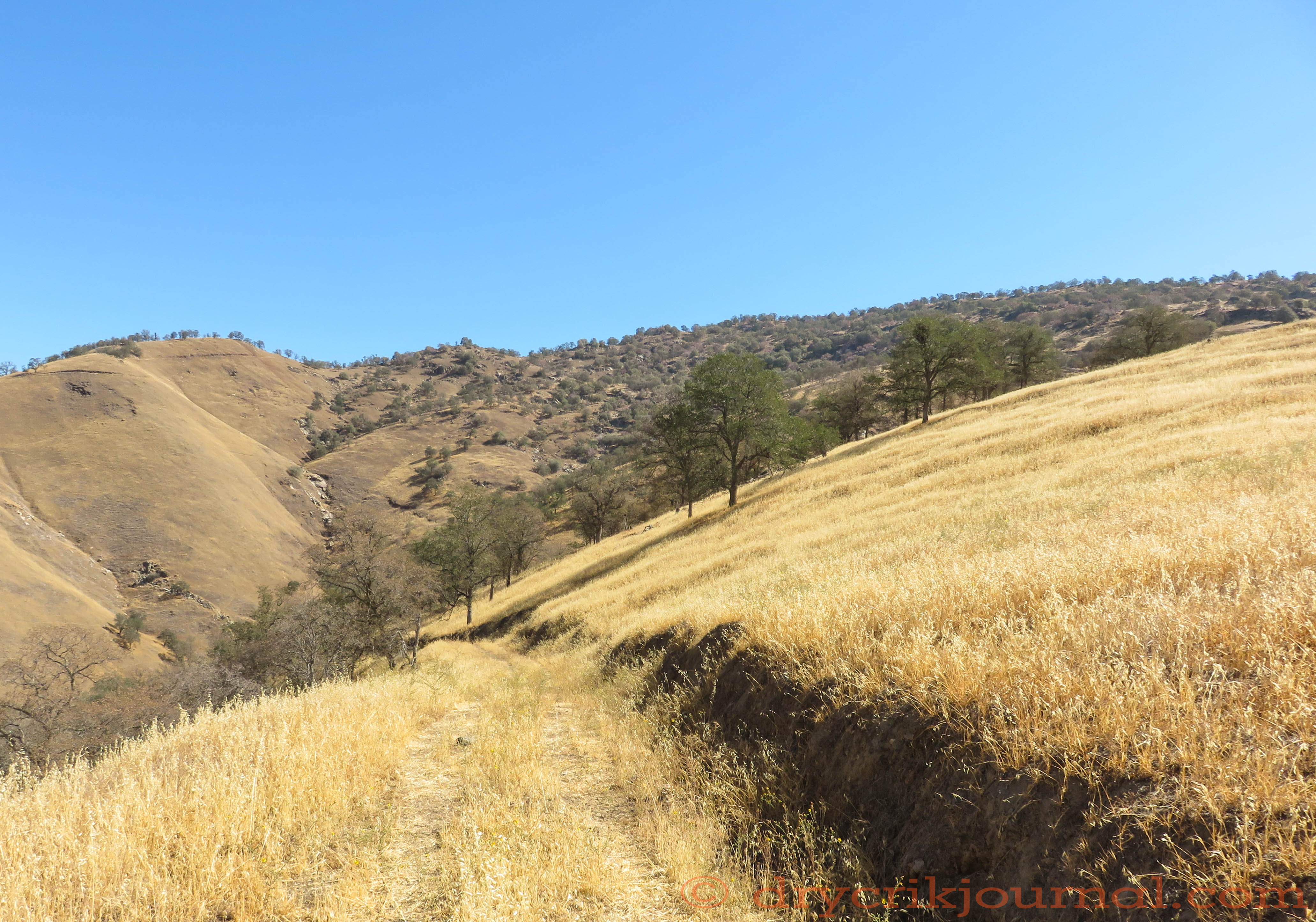
Few men feel these hillsides breathe
or hear the heartbeat underneath
‘cept those that live here day to day
and nature’s beasts can hardly say
a thing.
Posted in Photographs, Ranch Journal
Tagged 'Til I Depart, Dry Creek, Dry Creek Rhymes, photographs, poetry
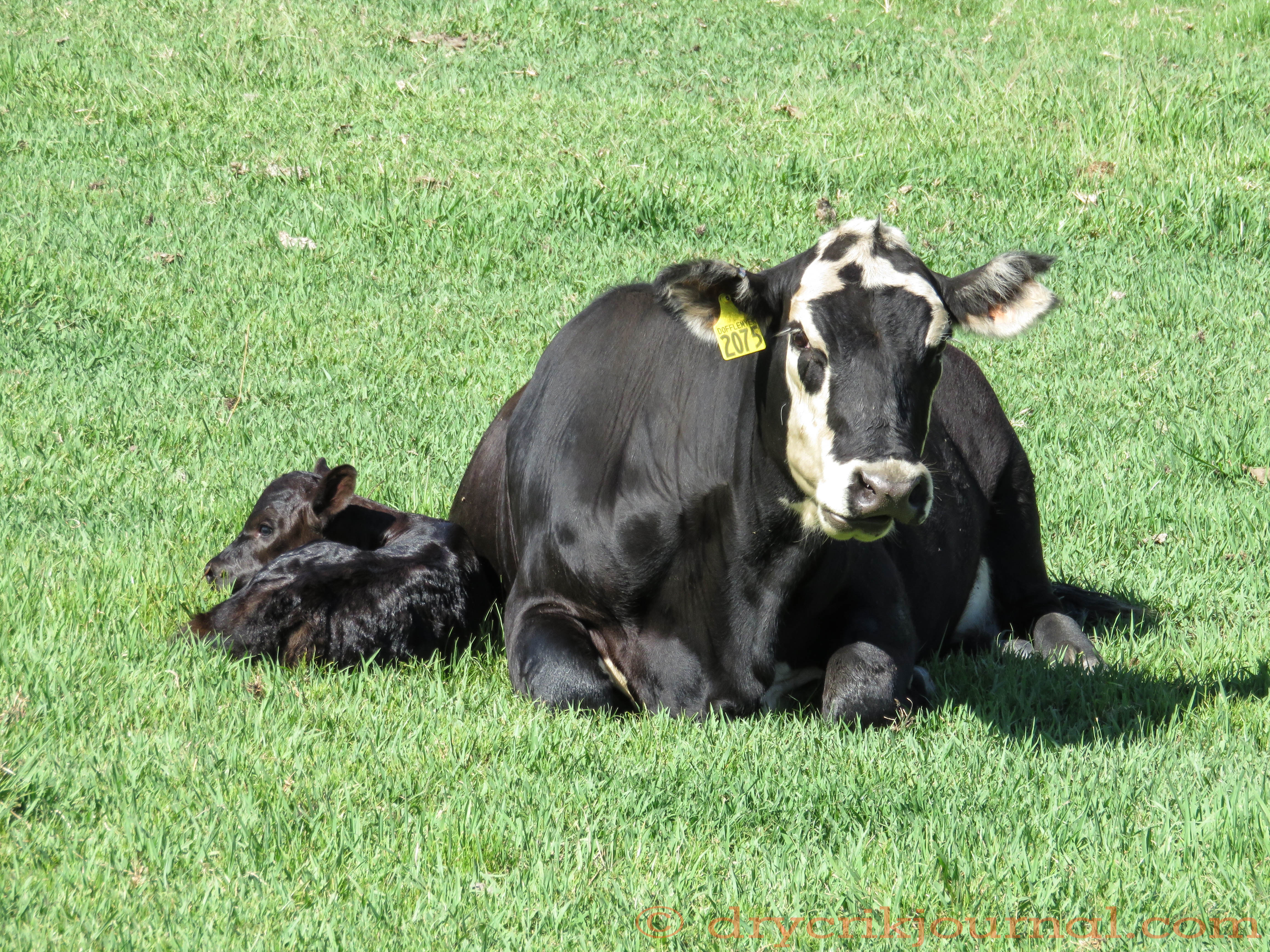
Two fresh calves came yesterday afternoon sired by our young Vintage Angus bulls from second-calf heifers 2075 & 2030.

Off and running, our new year has begun!
Posted in Photographs, Ranch Journal
Tagged cows, Dry Creek, photographs, second-calf heifers, Vintage Angus

Stepping back from our routines of irrigating, checking stockwater and increased feeding, August has been a delightful month, cooler overall than average. It feels like an early fall. Our cows are bred to start calving next month, and more than ever we’re excited to get on with the next phase of this business, another beginning of a new cycle as we approach our rainy season, described by an early California historian as that time when it might rain.
Two years of drought has forced us to reduce our cowherd by 40%, leaving less cows to supplement with hay, less four-wheel drive excursions into our upper country with expensive alfalfa. As a result, we have reduced the average age of our cows, focusing on the maternal traits of our most recent genetics as the core of our herd. We’re excited to get started and see the calves.
As always, we head into calving blind, not knowing what circumstances the weather will create, and not even knowing whether our reduced calf crop will generate enough to cover our future expenses—a true gamble, daily investing ourselves and all we have for an unknown payday—not exactly what I was taught in business school!
But it’s what we do, it seems, year in and year out, trying to make ranch improvements as we go just to make life easier as we get older. We’re ready for the calves and ready for some October rain to put this drought behind us.
Posted in Photographs, Ranch Journal
Tagged business, cows, Drought, photographs, rain, water, weather
At the gate the dust is deep.
A feral hog at dawn returning
to his lair along the creek
atop a raccoon aiming
for the water trough, powder
soft between their toes
atop several head of cows
upon my own boot track
fading with yesterday’s breeze.
The time is now
to think about
the sign we leave.

The day unfolds in the black:
another circle of hay and water,
cows and bulls, a dusty track
on worn terrain now dreaming
on a cool, downcanyon draft
of bluster and damp—of drinking
dark clouds until the dust is mud.
Out of the shadows, the wild steps
lightly, all sharing the same dream
rising from the dry, dry earth.
Posted in Photographs, Poems 2014, Ranch Journal
Tagged Drought, Great Western Divide, Kaweah, Paregien Ranch, photographs, poetry, rain, water, weather