Add water to dirt
and wait for another rain
again and again.
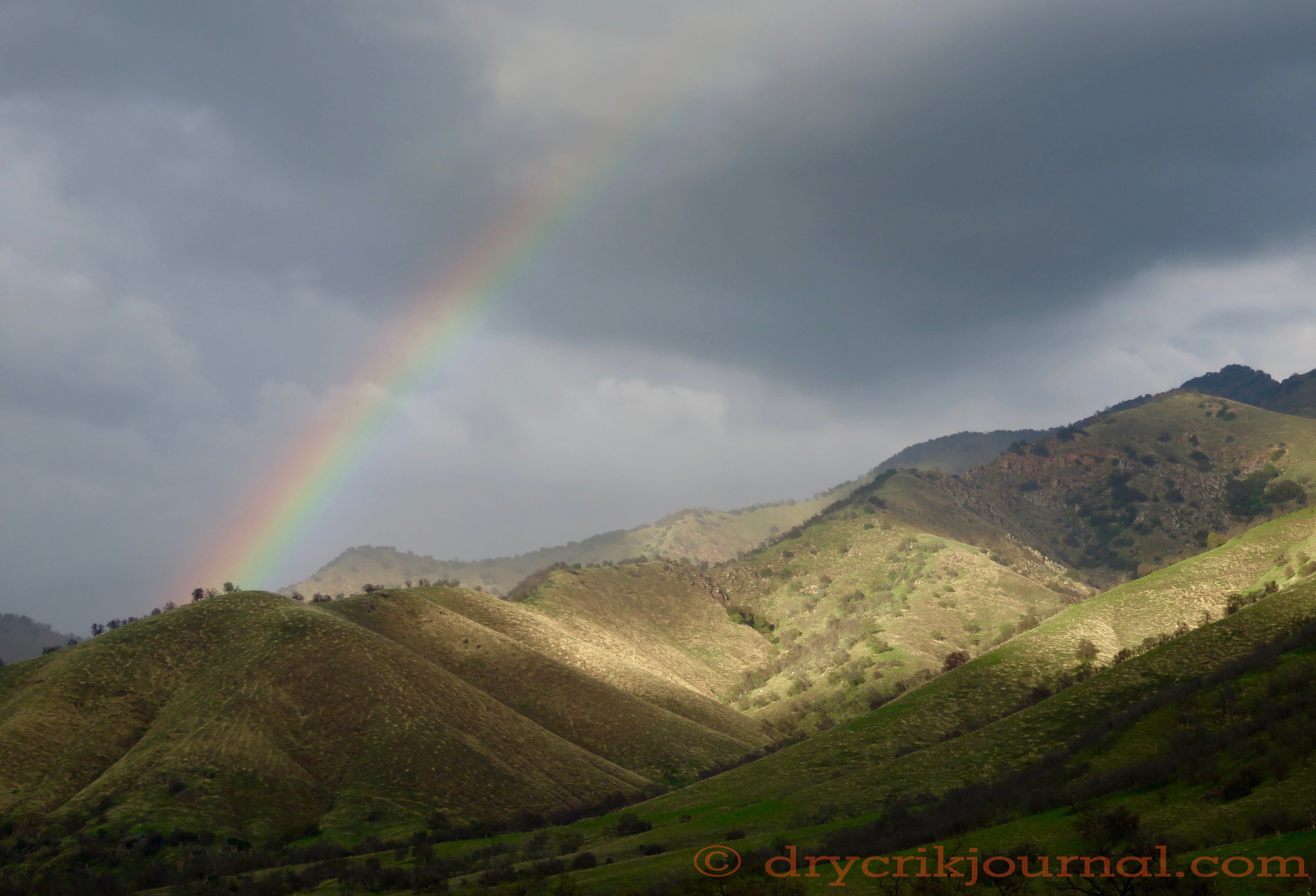
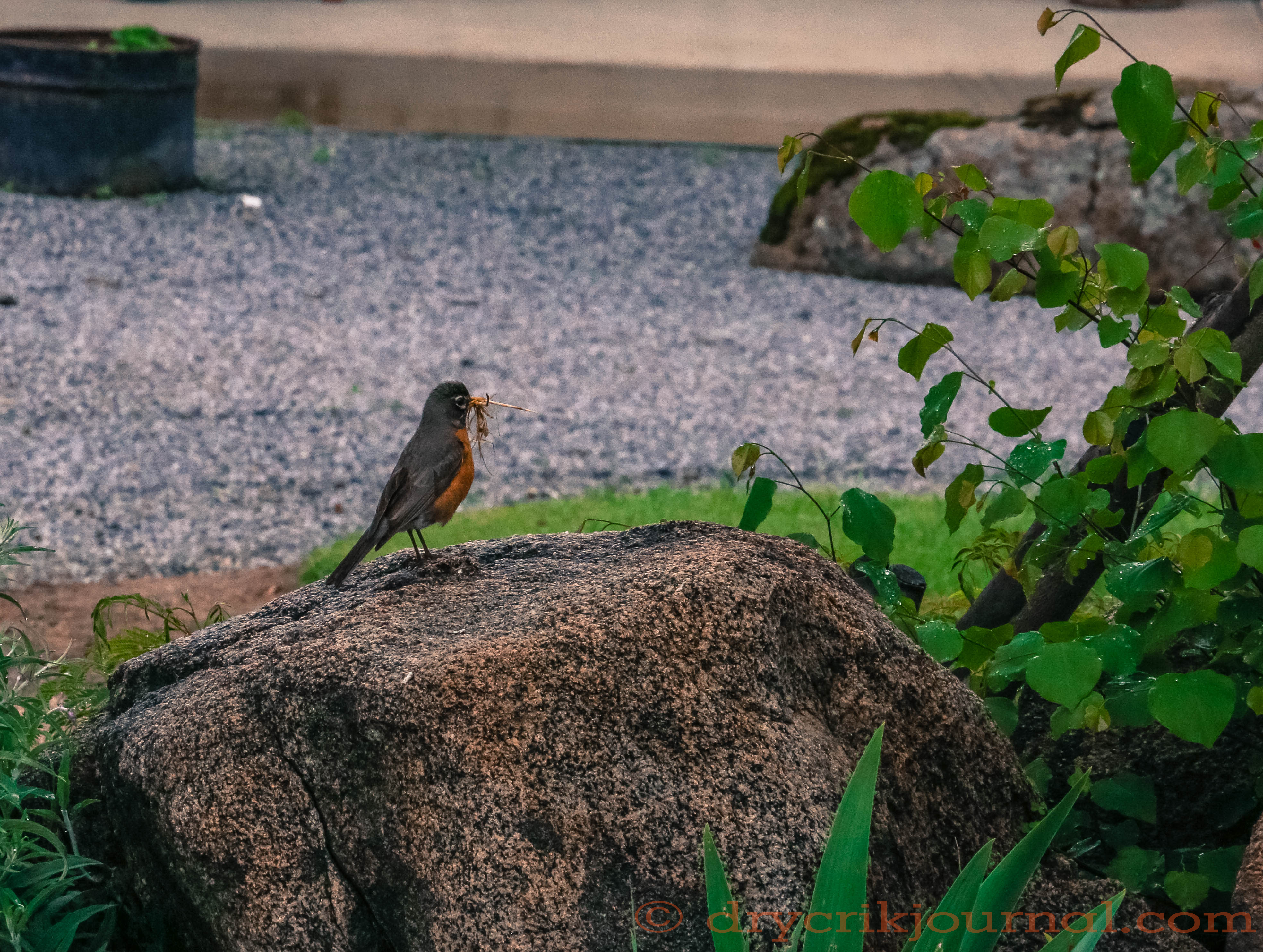
The birds begin to think in pairs
as these old hills begin to breathe
soft green from crusty brown.
Two young blackbirds inspect
last year’s redwood limbs
to house the colony, safe-haven
from crows and ravens, easy
to defend. Two by two, the quail
titter down garden trails
too cold to plant. The crimson
chests of finches gleam before
drab ladies on the railing
when not picking at
old nests in the roof beams,
half-heartedly. Too early yet
for songs of love and making
babies when these old hills
have just begun to breathe.
…the cold passion for truth
Hunts in no pack.
-Robinson Jeffers (“Be Angry at the Sun”)
It is an art
not to be swept up
in the turbulence,
not to fear the storm
of words etched
in electric thunder,
when our ear drums can’t
quit reverberating
with the latest blow
from a hundred anvils
busy reshaping the truth
to fit the moment.
It is an art to savor silence,
to listen to where it leads
to what you know.
Posted in Photographs, Poems 2018
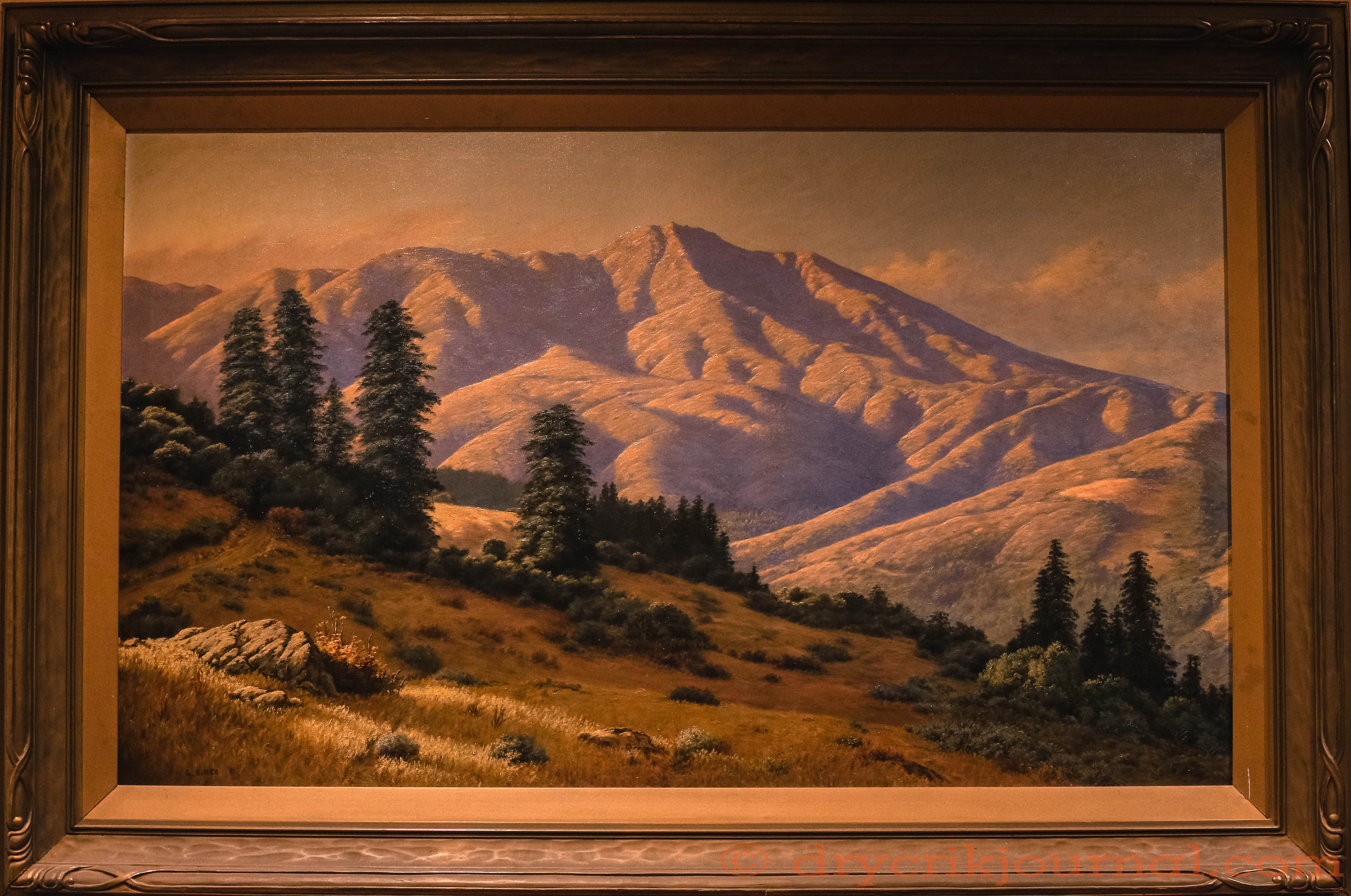
Tagged L.E. Rea, Mt. Tamalpais, poetry, Robinson Jeffers
Low snow on the steep ground,
a slow melt soaking slopes
for Golden Poppies and wild lavender.
Still on the rise, the old man
hasn’t left his post looking down
upon us, the floods and droughts.
Born forty million years ago,
he’s seen the worst of weather
changes—few things as sure today.
“Will the hills turn green again?” She asks.
Flat on my back, my tongue dodges
dental utensils: mirror, suction
and cavitron finding a nerve
as I turn my wince into a grin
and gargle, “Yes, they just need rain.”
This old dry flesh and all its crumbling
skeletons shedding bark and limbs
await our ballyhooed first
winter storm on the first of March.
Ricocheting between extremes,
nothing is normal, our only certainty:
rebirth, rejuvenation, the miracle
of earth and water. To her I wink,
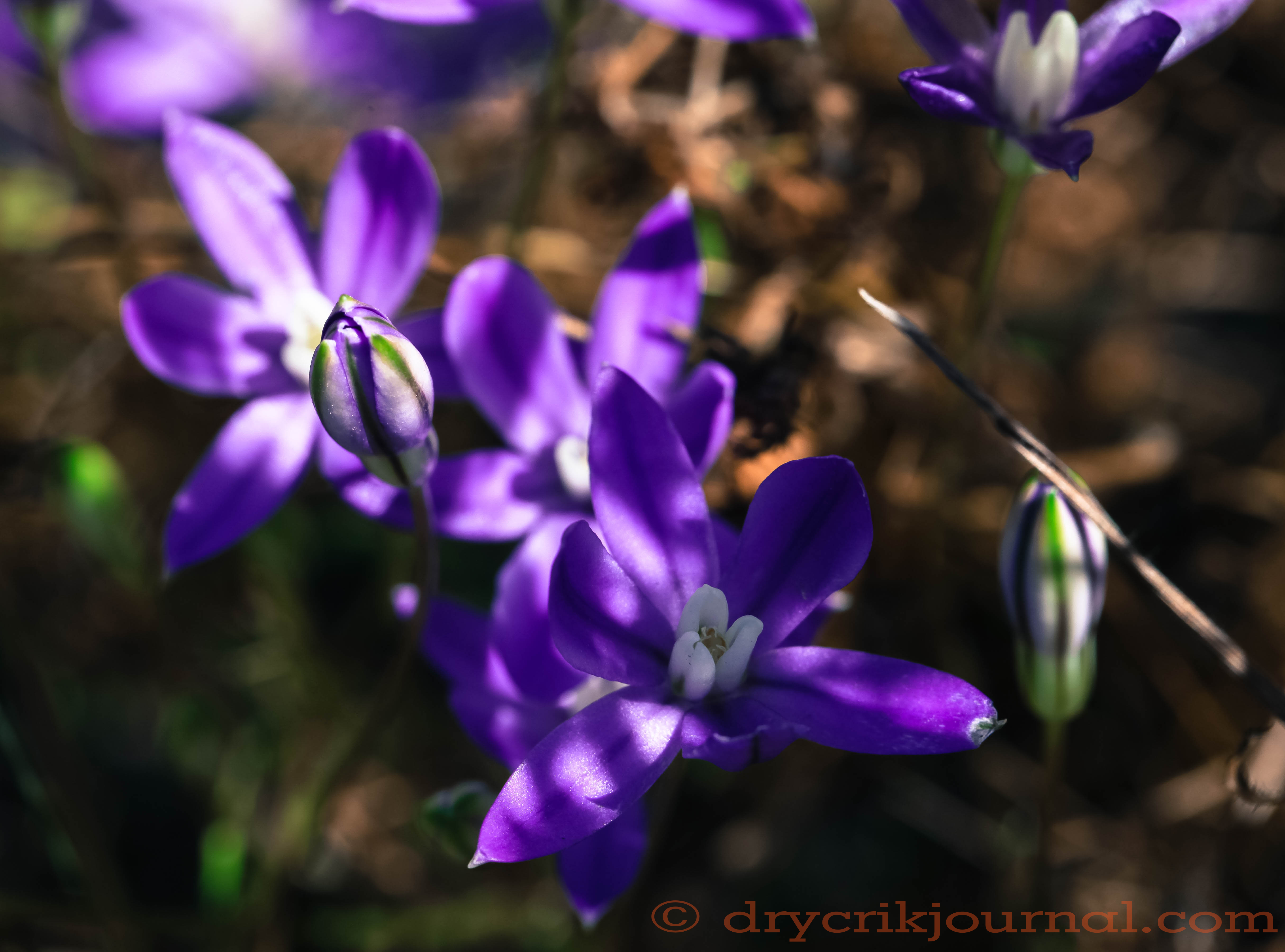
“We may even have flowers.”
I think we should keep
some of this, in case God comes back
to see what we did with it.
– William Stafford (“The Whole Thing”)
He’s been away, it seems, left His lackeys
asleep on the ridge, or dressing up, waving
their diaphanous sleeves before the polished
window glass of town. We could have used
some help, some rain to inspire more Glory
in our eyes, our minds, our flesh—this grass
refreshed. Busy it seems, hands full
with despots and tyrants beyond our horizons,
this dry ground forgotten to endure with our own
small labors. Now we are the found strays
coming into hay we taste on wet nostrils,
ready to follow through any open gate.
Upon the ridge between
Ragle and Live Oak Canyons,
a mile or more three miles away,
sun and moon seasons slide
Solstice to Solstice
when there is no way
to measure time exactly—
days without names
beginning behind
a different tree
to diffuse the light
for a moment
and I am blind, lost to this world,
refreshed—each new day
sliding between the canyons.
It takes dry wood to keep the fire
going, cutting, splitting and the timely
delivery to glowing coals to stay warm—
the archaic rituals of individualists:
the harvests of backyard gardens,
the battles with weeds and pests
that win eventually. We choose
the hard way to save a dime, we say,
spend two-bits for a nickel raise.
Throwbacks to the old ways:
shovel, hoe and axe—hand-to-hand
combat with this earth, this dirt.
Small accomplishments that will
not change the world. We grow wild
to live among the foes we know
in this life and the next. Cordwood
warming moments, fruit wood
tasting of independence.
Not far from here, wet-haired calves
wake beside their mothers, bellies dry
where they’ve warmed the earth
and they will nurse before the bunch
grazes the tops of ridges, damp clay
hillsides soft between their toes.
We didn’t ask for much more
than a heavy dew after a month of dry
to keep the grass alive, didn’t beg
or pray or dance before our gods—
but waited stoically as dead-standing
oaks reflected in our eyes.
Old children with hardened hides,
we have been disciplined by years
of drought and disappointment,
we wait and weigh our options
with rain enough to last a week—
hope enough to last a lifetime.
Determined, the creek runs steady yet without rain,
last season leaking through cracks of granite joined,
braided currents turning small bellies up to flash and flare
in the mottled sunlight—passing clouds, dry storms.
It streams a canyon of skeletons, barkless half-trunks
corralled by windrows of fallen limbs, oak trees
crumbling, to deliver its addled chants, mumbled news
to thirsty orchard rows of certain death upstream.
West slopes wear last year’s feed, palomino tufts
dappled with strongminded green graying daily,
deep-rooted seed of filaree, its crimson leaves
turn purple before baring the crisp color of dirt.
Like the trees and grasses, we may melt down
to dust, be blown away to stick in wetter places.
But like good dogs sure, we pray for a change
in the weather—if it hasn’t already, for the worse.
Posted in Photographs, Poems 2018, Ranch Journal
Tagged Drought, photography, poetry, weather