
Smoking curlicues,
dancing citronella flame—
evening mosquitoes.

Smoking curlicues,
dancing citronella flame—
evening mosquitoes.

No doubt about it,
high-tech’s forecast proven true
with red sky at dawn.

Small yellow faces
drawing life where their seed rests
in cracks of granite.
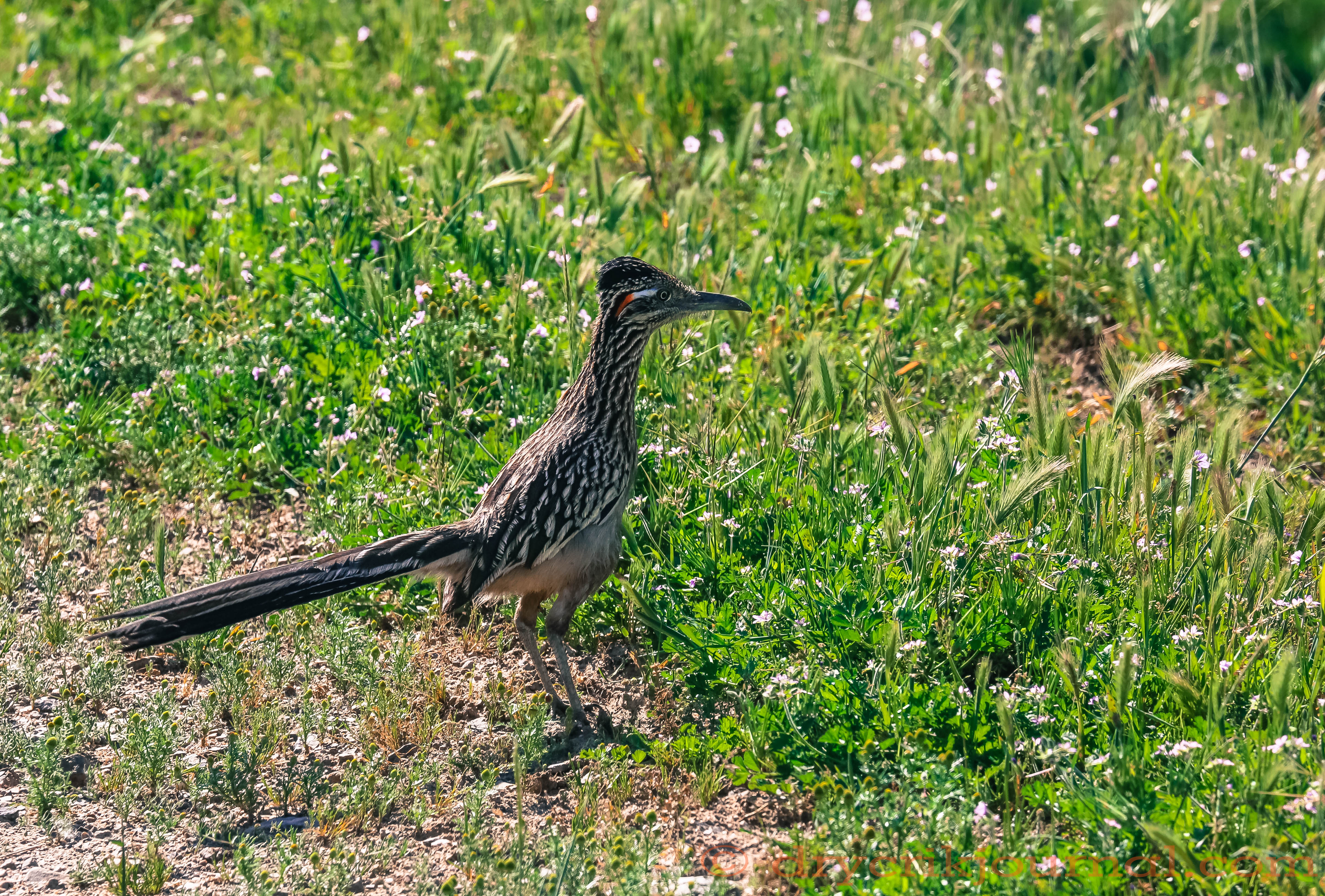
Ubiquitous songs
spilling from the green of spring
ring hollow at dawn.

Jade heaven forgive
my sudden interruption
of breakfast at noon.
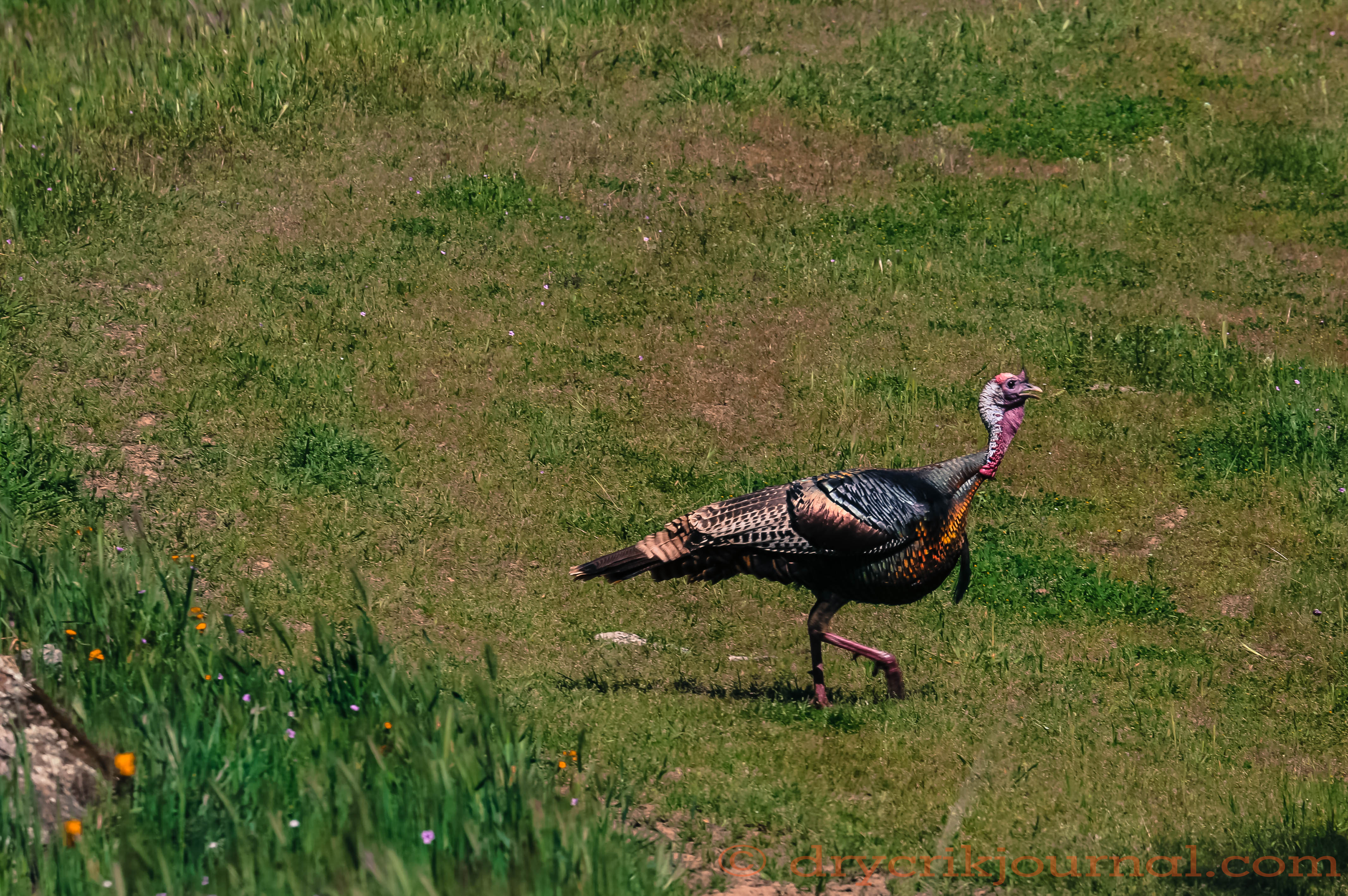
‘On the make,’ my mother’d say
of springtime sojourns, the lone tom
between gobbles of rafters a strut,
the fan and drag as damp earth warms
to steam the green to flower skiffs of color,
to dress the oaks in tender iridescence
while finches softly fall aflitter, giddy
with the fun of it stirred within the air
we breathe, inhale into our flesh.
Like quail paired, couples nested
near the creek in the old days, empty
cars parked along this quiet road
like Do Not Disturb signs, lovers drawn
by April’s pounding drum to taste the wild
just beyond the sagging barbed wire.

Comes early, stays late—
adds color to gray granite
outcrops through summer.

We spoil them, I say—
give them everything they need
to breed, to become mothers
to their first calf—a chance
to prolong life facing nature
together, year after year
like us, and our neighbors—
like good maternal families
our future trails behind us.

Upon redbud bloom, the earth
awakens, windblown pollen
stirs the flesh anew, colored
petals dress the drab decay
of summer’s dehydration
brightly, bring bees to work
and birds to play
house, raise young families
and sing—it is this time.

One of the pleasures of helping Kenny and Virginia McKee brand their calves in Woolley Canyon is the early morning drive up Dry Creek to the Mountain House, then down CA 245 as first light strikes the plentiful magenta redbuds in bloom, a gloriously slow and winding 45 minute trip with a pickup and gooseneck load of horses. Midway between Mountain House and the entrance to Woolley Canyon grows the fabled ‘white redbud’ overlooking 5,000 acres of overgrowth that takes a week for young men and dogs to gather before we arrive.
It was the late Ed Vollmer, a native of Badger, that related stories to me of how Cutch Cooper and others, several generations ago, tried and failed many times to propagate this rare find from seed. One must assume they also tried grafting to a normal redbud. Though extremely rare to the Southern Sierra Nevada, my Google search discovered that the white redbud is available from nurseries in northern California and Oregon. Nevertheless, it has become a game for us on our annual trek around the vernal equinox to locate the tree and be assured that our ‘white redbud’ is still alive.




 drycrikjournal