Category Archives: Ranch Journal

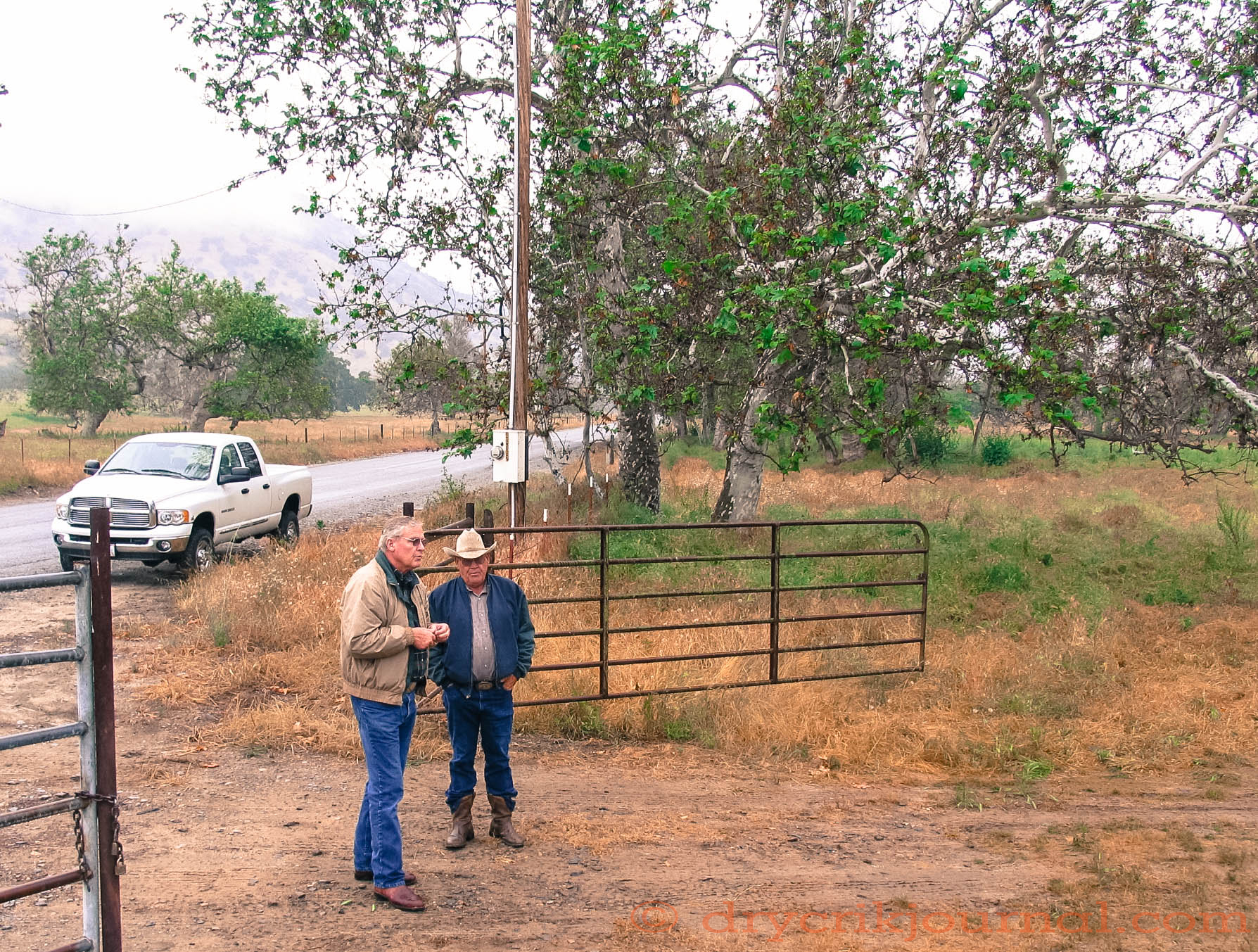
SHIPPING DAY 2005


(click to enlarge)


Privilege and luck
to know and work with fine men
while getting older.

A part of them sticks
to the sides of gaping holes
they have left us with

to load semi-trucks
with ripened grass on the hoof—
cowmen to count on.


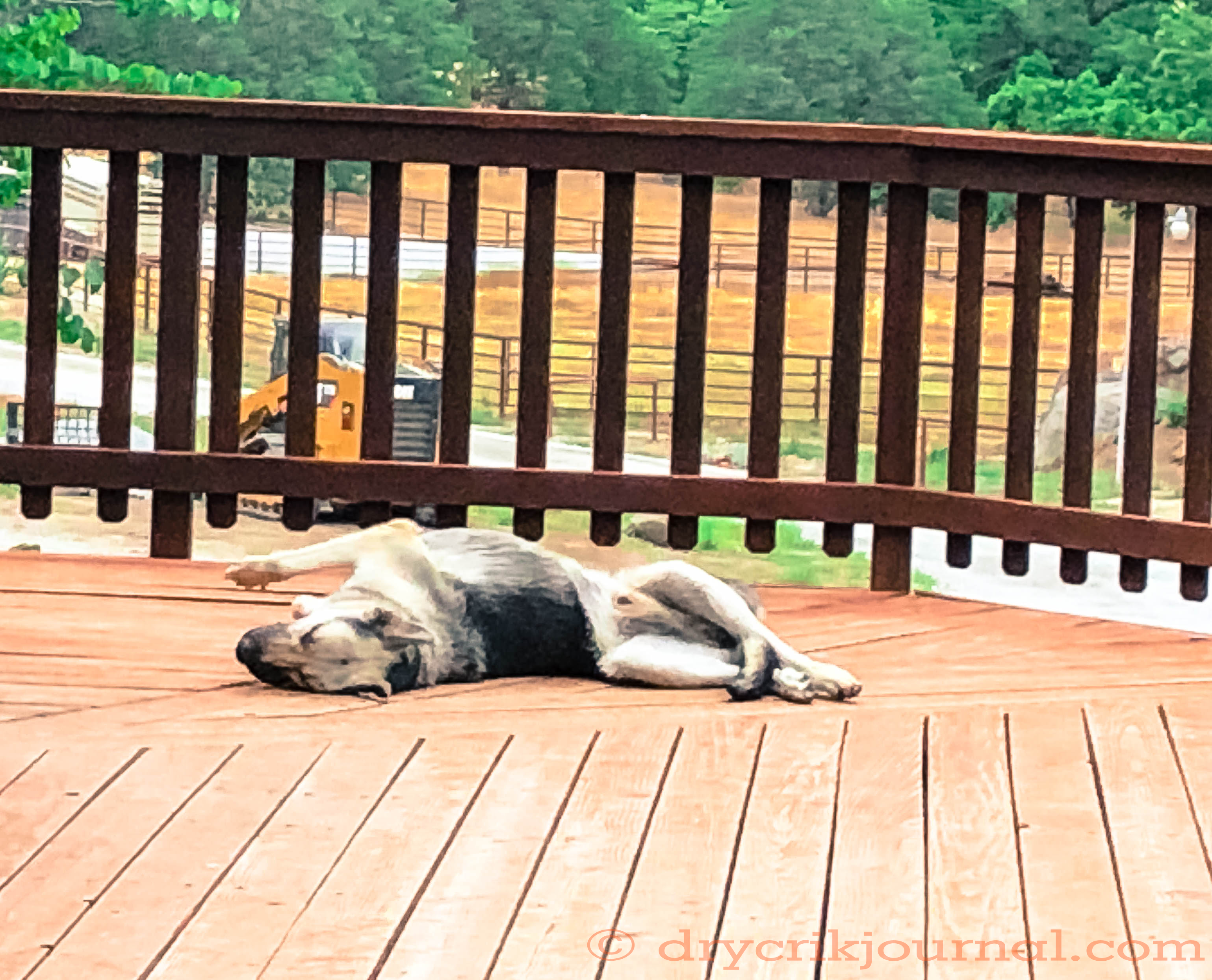
Returning home yesterday after a moving celebration of the life of Earl McKee, Robbin went through some her photos trying to determine the age of our old dog, only to run across her photo of Tom Grimmius and Art Tarbell on Dry Creek, two more from the old school that are no longer with us to help get the job done. Reminding me of H.C. “Bud” Jackson’s “The Good ‘Uns” about Cleo Denny and other local and progressive cattlemen, published in 1980.

 

Range Magazine, Summer 2019


Carolyn Duferrena Photo

Robbin and I had a delightful visit with Carolyn Dufurrena here on the ranch last August where she interviewed me for this article in Range Magazine,
“Bard of the Southern Sierra”.
My thanks to C. J. Hadley for her continuing support of the people, the lands and the wildlife of the West—
“The Cowboy Spirit on America’s Outback”.


Homeland Security


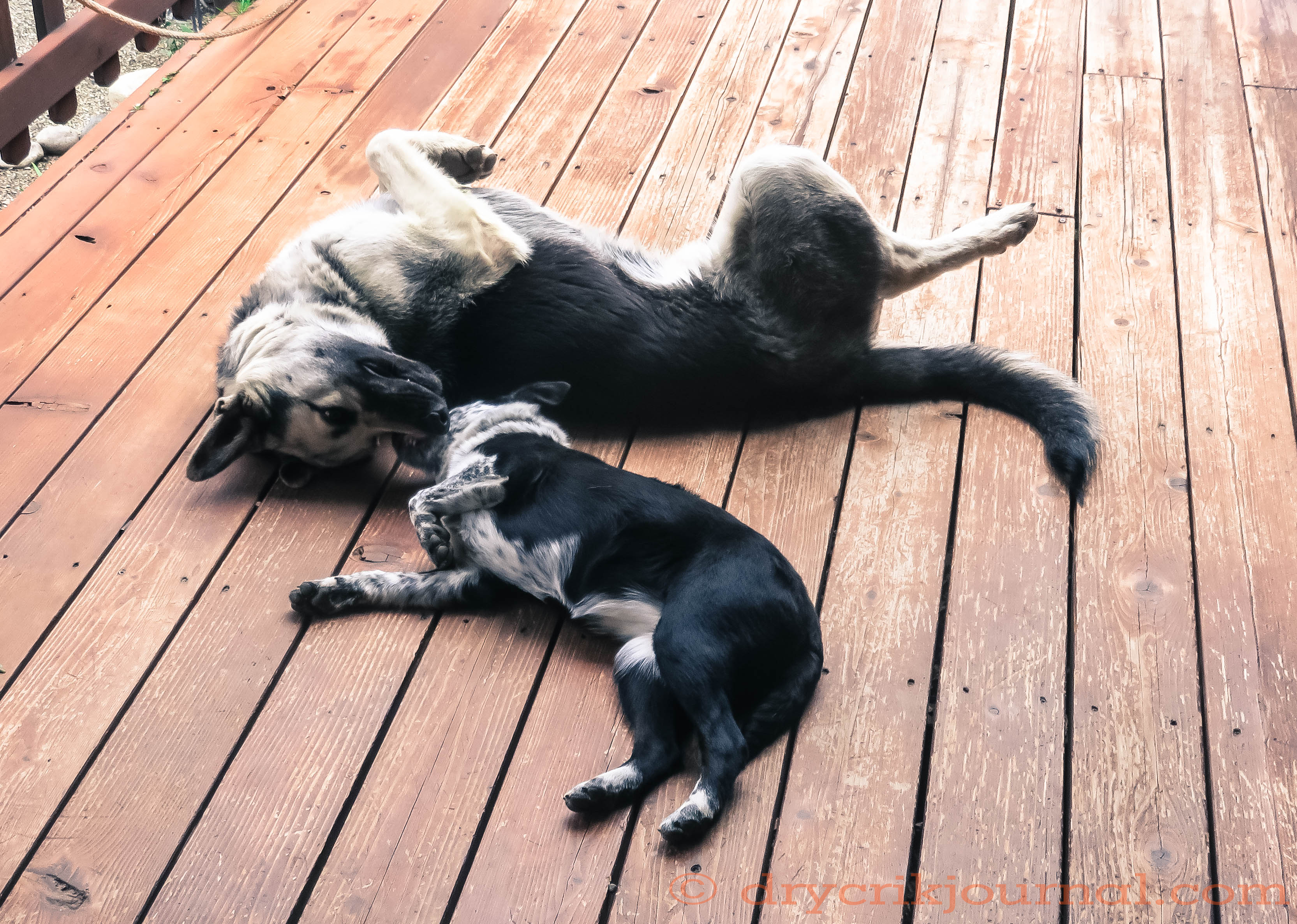
If social media is any indication, the importance of pets in the lives of humans seems to have increased substantially. Ironically in practice, many are dropped off on Dry Creek Road to fend for themselves. Blog followers may remember the five puppies recued last fall.

Buster’s New Digs


The owners of one of Buster’s adopted siblings discovered that the puppies were German Shepherd and Great Pyrenees mix, a behavioral cross
unlike any other we’ve encountered, Great Pyrenees Mix, an interesting addition to our household.


Buster and and a February drop off relaxing—sad human behavior.


Bequette Corrals 2019


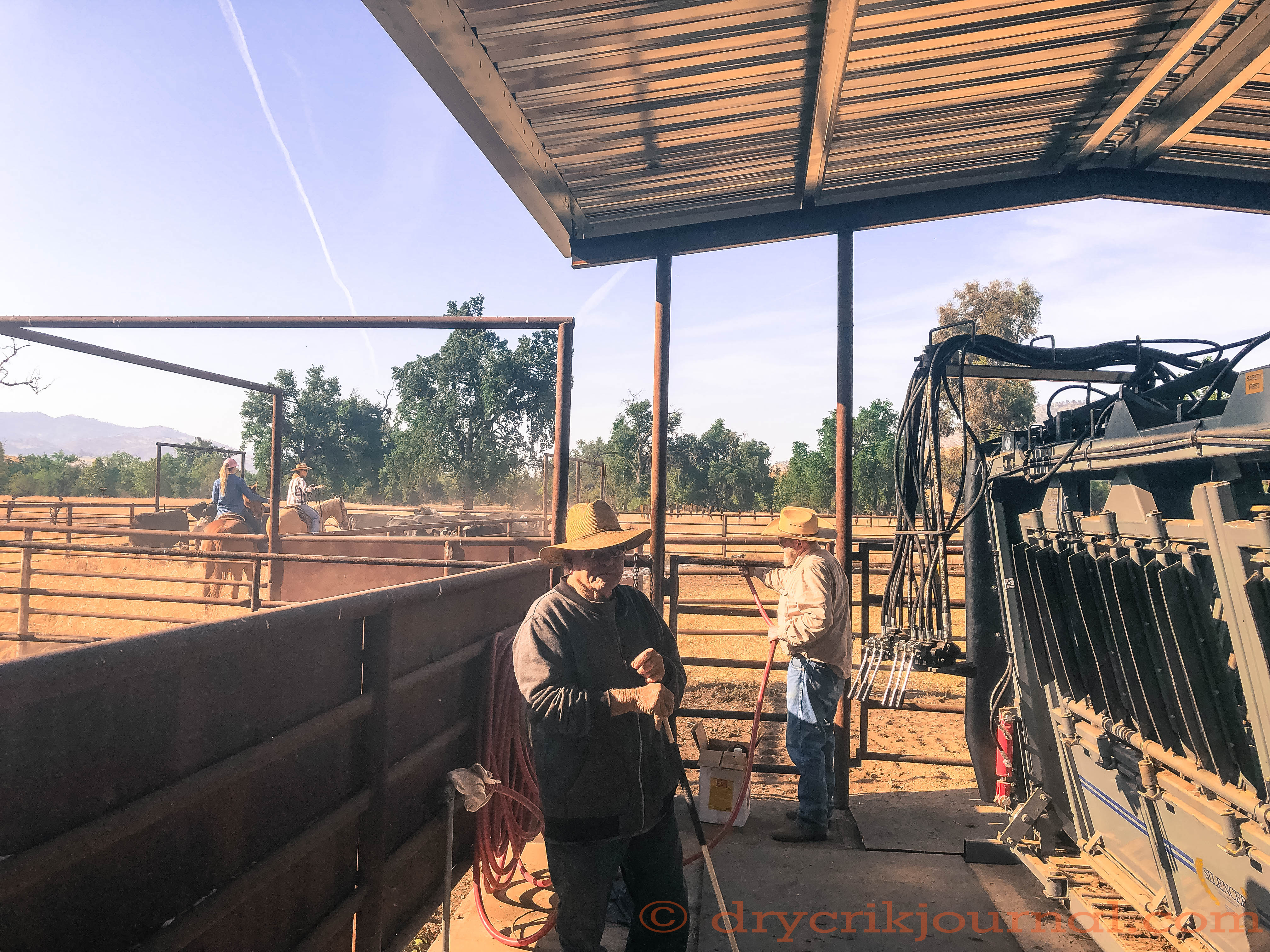
The original board pens were old when they were moved here in 1959 to accommodate the construction of Terminus Dam. Since the 90s, we’ve slowly replaced the boards with pipe. Two weeks ago, we finished upgrading these corrals with time enough to electrify the covered working area for the hydraulic chute and scales. We needed facilities to efficiently process and ship our Wagyu X calves. No two corral set-ups operate the same, even if copied exactly, as the landscape where they are located seems to be a factor in cattle behavior.


As required by our contract with Snake River Farms, yesterday we finished administering a second-round of vaccinations two weeks before we wean and ship two loads of calves to Idaho. It’s been like learning a new dance in these pens as we process the calves and deworm their mothers, experimenting as we go with what seems to be easiest on the cattle. After today’s fourth bunch, we’ve got our basic footwork down. A small, but nice set of pens for about sixty pairs, about as many as we want to do in a morning.


American White Pelicans


(click to enlarge)


While photographing the wildflowers in Greasy last Sunday, I noticed the shadow of birds dancing on a patch of poppies. We found and watched them wheel and circle well above Sulphur Peak (3,400 feet) for ten or fifteen minutes, glinting in the sunlight. They are apparently migrating to the Northern Plains and Canada. During the latter part of the recent four-year drought, there were nearly a hundred in the gravel pits below Lake Kaweah, and from what I’m told, on the lake as well. Audubon Field Guide


TO SULPHUR RIDGE


Where wild remains
heavenly in spring,
where deer dance

and Golden Eagles nest
close to a generous sky.
Only God knows why.

                             for Earl McKee


Sulphur Ridge


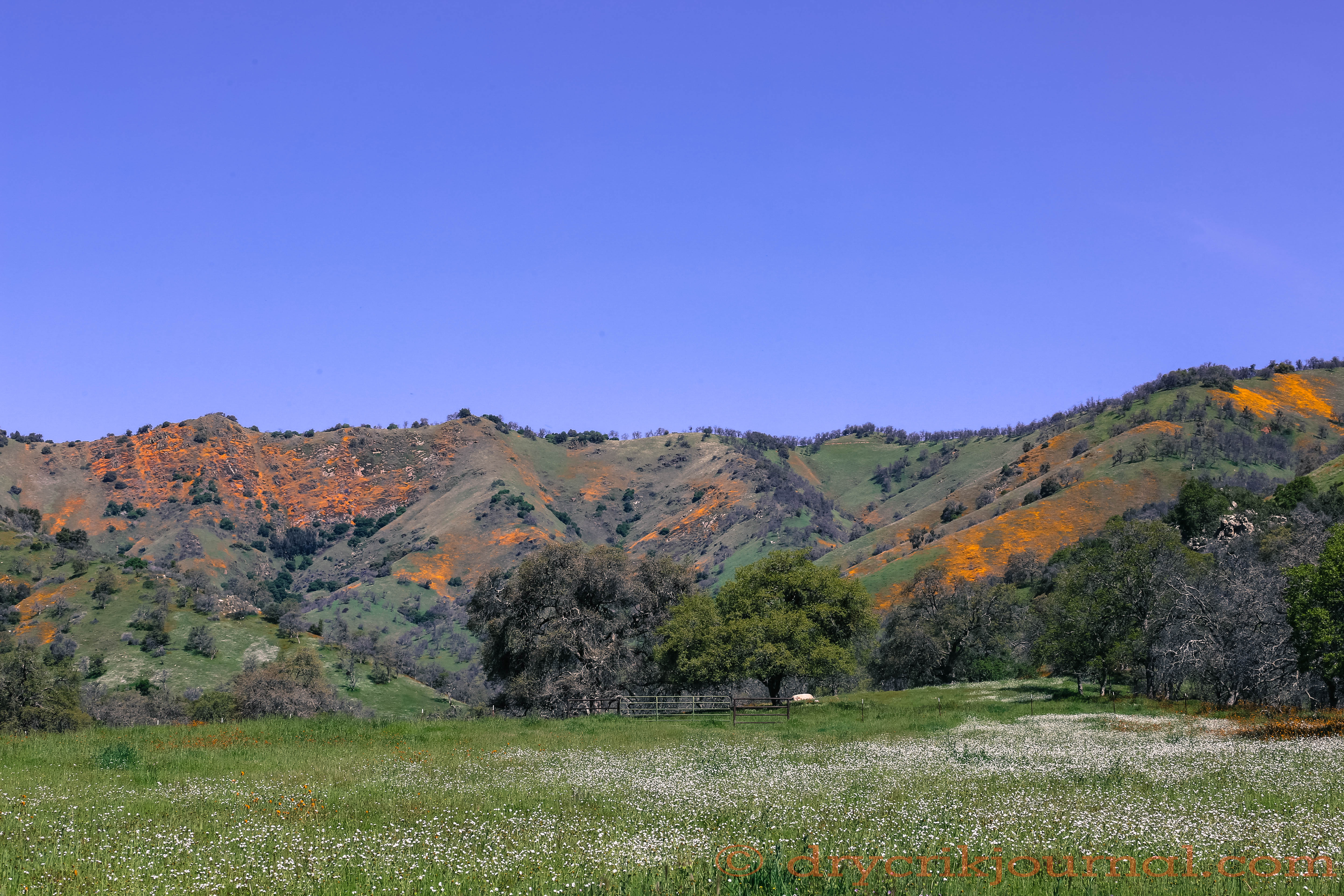
Robbin and I spent most of yesterday checking the cows and calves in Greasy, scattering salt and mineral beneath the Golden Poppies on Sulphur. Colder and under quite a bit of snow this winter, the grass and wildflowers are just getting started. Note all the drought-killed Blue Oaks in the foreground.


Wooly Canyon 2019


Another bunch of calves branded for Ken & Virginia McKee in Wooly Canyon yesterday, the culmination of a 4-day gather of tough country by younger men than I, all good hands on good horses with good dogs. Much has changed since I first branded my own calves in 1968. Gooseneck trailers have replaced bob-tailed trucks, pipe instead of board pens, women in the branding pen, but the ground remains pretty much the same.

Robbin, Bob, Terri and I went to help our dear friends and neighbors get their calves marked as we’ve done for years. It’s a 45-minute drive up Dry Creek Road to the Mountain House and curvy decline down 245 to the corrals, a green, E-ticket ride of crimson redbud blooming and piles of wildflowers spilled like gold coins around every turn in road as the sun breaches the ridgelines—almost a fantasy.

And was I relieved to see them parting cows from calves when we arrived thirty minutes earlier than normal, but mostly to know I’d be in the branding pen with cowboys I’ve watched mature into cowmen with talents with a rope I strived for, but never quite attained, to watch my back. The cattle culture in this part of Tulare County is in good hands.


At the Equinox


Our Merry Christmas weekend—to utilize our time around the Christmas and New Year’s holidays for branding calves and/or feeding, we have moved our family get-together to the springtime. The weather is warmer, travel is less hectic, most of our cattle work is done while Dry Creek is usually colorful instead of gray. Though unconventional, it makes perfect sense to us.


BASIC ELEMENTS


Back to basics with the loss of power that lasted until late this morning due to an isolated thunderstorm yesterday afternoon bringing nearly 3 inches in an hour or so. Robbin and I got the dominos and candles out.


Cattle people trying
to manage grass
in the West

dare not cuss the rain
or otherwise risk
pissing-off the gods

that might be related
to the ones who care
for the ill and dying.

                    Seed
                    Rain
                    Grass
                    Seed

all the basic elements
we need
to continue living.