Monthly Archives: June 2017

ODE TO GOOD HORSES


20160225-IMG_1673


Helping Earl meant bring your best
horse to stay ahead of trouble,
especially in Sulphur, a mount

that could cross the brushy draws
and stand up in scree, I’d imagine
the night before my young dreams—

a bay gelding who could read
the minds of renegades at 200 yards,
or the boot-tough brown mare

from Rudnick’s broncs before him.
They spent their lives making me
more helpful than I was, in or out

of the corrals. It was always Western
and I’d wake to saddle in the dark,
to be on time for wild adventure, enough

for all spread across the watershed—
simultaneous, far-flung accounts
polished in the shade for future poetry.


PARTNERS


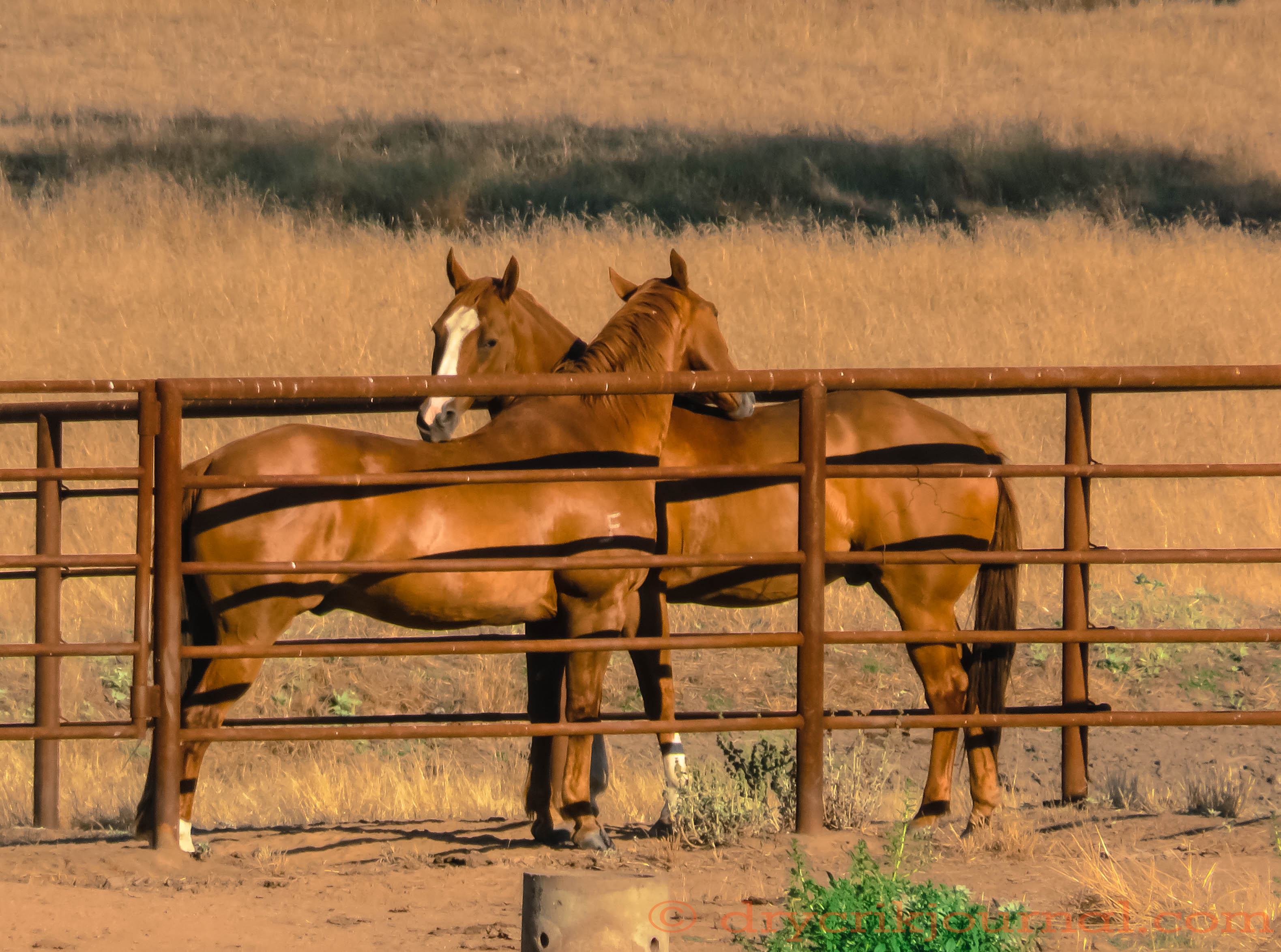
On and off the trail
they’ve learned to work together
and with us as well.


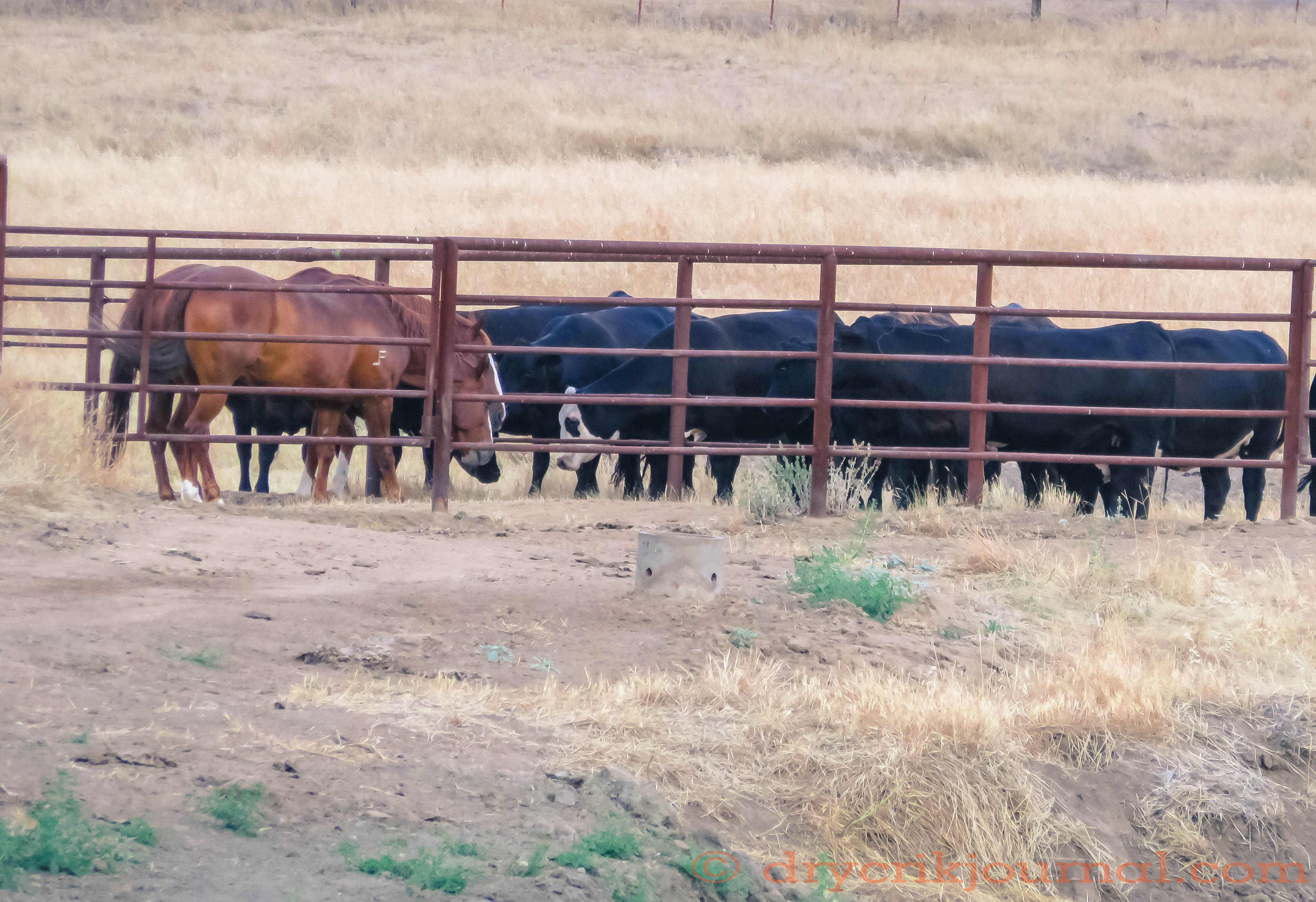
EVENING COMMUNION


Born knowing
a universal language,
a curious vocabulary
without words,
cattle gather at water
and visit with horses
before darkness falls.


GARDEN


Till and seed,
irrigate and weed,
feed Br’er Rabbit.

Plant and prune,
spray and fertilize,
feed Br’er Squirrel.


SHELTER OF THE STORM


Drawn to a summer storm
built out of blue clouds
at dusk, I am swept up

into the gusts before
the dark sky cracks
with jagged light

all around touching down—
distant rumbles roaring
closer by as the earth

shakes. I am alive within
it and myself, perhaps
afraid, but exhilarated

to have escaped
the latest episode
to miss the evening news.


Cottontail


Robbin thought this a.m.’s post verged on disgusting. My apologies to the offended.

As a balance from the other end of the spectrum, one of the baby Cottontails she photographed from the garden this morning, whose parents have come to feast on the marigolds. We have declared war on the ground squirrels that have stripped the apricot tree and are working on the early peaches. Busy with cattle work, we’ve let our guard down as Mother Nature tries to move in.


ENSKYMENT


20160710-IMG_2437-2-2


                                         …what an enskyment; what a life after death.
                                                          – Robinson Jeffers (“Vulture”)

One never knows the vehicle of our transformation,
our transportation to nether or aether realms
dispatched perhaps on a buzzard’s back.

                         Jeffers feigning death
                         teased it close enough to be
                         eye-to-eye with a glorious ascension
                         upon black sails in the sea light
                         veering over his rugged,
                         coastal precipice.

On my boyhood, cow trail hunts
for squirrels and rattlesnakes,
I had in tow my wake of vultures
riding foothill thermals—Nature’s keen
garbage men keeping the earth clean—

                         I asked my father once,
                         ‘how could they find death
                         hidden in weeds
                         from so high up?’
                         ‘Perhaps,’ he said,
                         ‘it is their sense of smell.’


PARTLY CLOUDY


Wild gods behind clouds too thin to rain
linger at dusk in brilliant sprays of sun,
stir the senses yet as the first wave

of one more, dark armada shades tomorrow
and the next day—our reprieve from the heat
of another summer in the San Joaquin.


Perch-mates


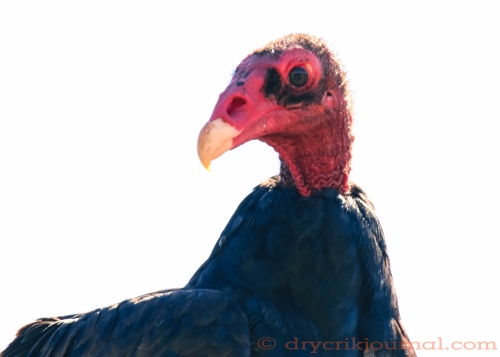
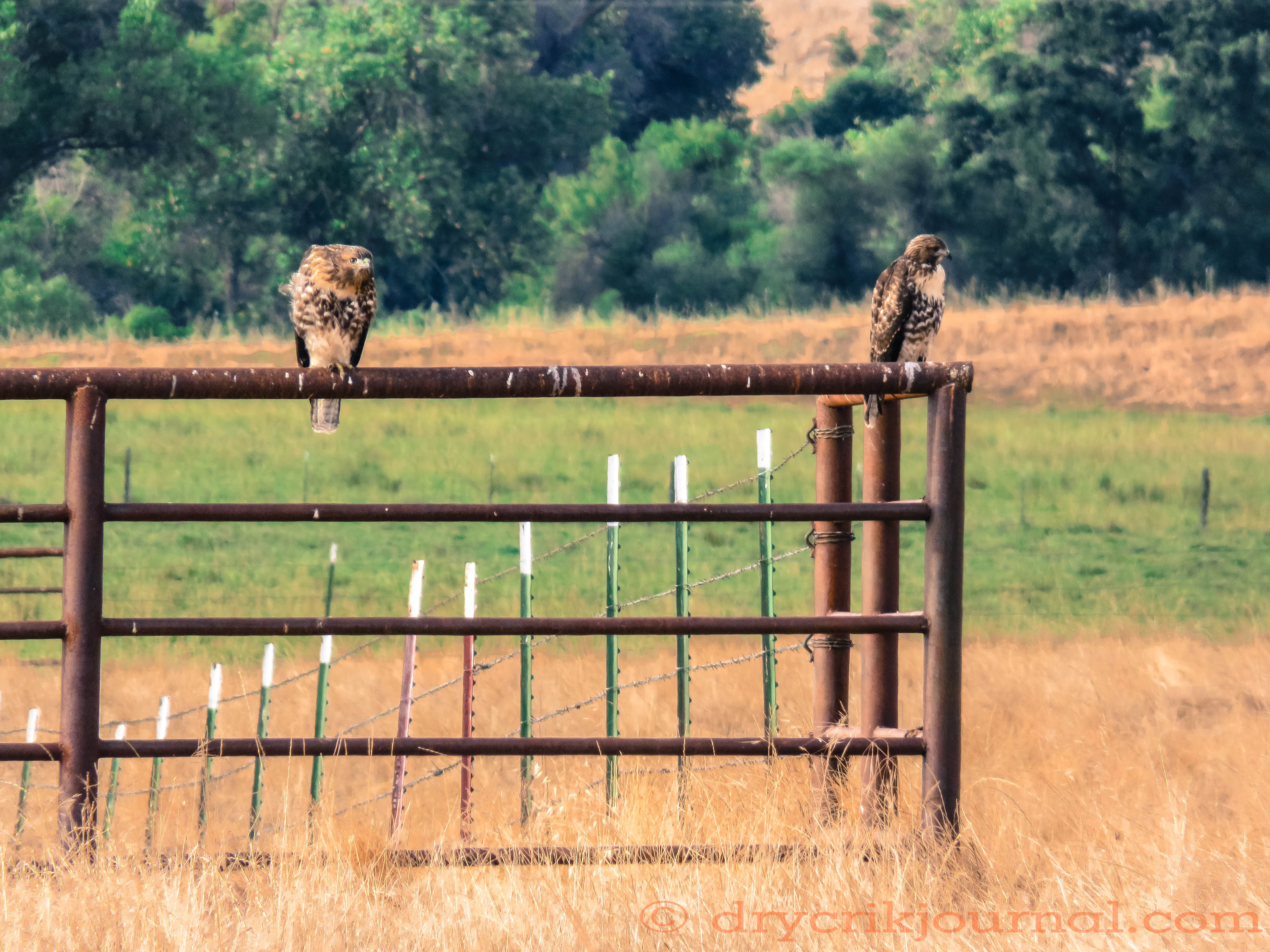
Keeping track of the two young Red Tails waiting for a squirrel. For a couple of days, one was accompanied by by a Black Vulture nearby, ostensibly waiting to take over a kill.


To Brand or Not to Brand


Our dilemma back in March after so much rain was whether we wanted to brand our calves that were averaging over 500 lbs. With only 45-60 days left of our grass season, we knew that castrating and working the bull calves would set them back for at least two weeks as they recovered from the branding pen, two weeks of no gains in weight plus always the risk of losing one or two in the process. A live bull is better than a dead steer.

A big part of our consideration was the neighbors we needed to get the job done, most old riding older horses if we could put together a younger ground crew. In the bigger picture, we trade labor, so most of us were facing the same dilemma, all trying to get our calves branded at the same time.

As the steer calves bring more money per pound than the bulls, we had to project the sale weights and difference in price to calculate the net return for each. We figured a discount of $15/cwt, or 15 cents/pound, on 750 lbs. bulls against 700 lbs. steer calves as a place to start. Then we had to calculate the cost of branding, the vaccine, the gather and hired labor, etc. I came up with $44/head and ran the figures by one of neighbors to see if we were being realistic.

We decided not to brand our calves, but had a few steers that we branded with our Wagyu X calves in our first load of bulls that we sent to town three weeks ago, encouraged that the bulls brought as much money as the steers because they weighed more. Not branding your calves is tricky business, but our neighbors are all honest.
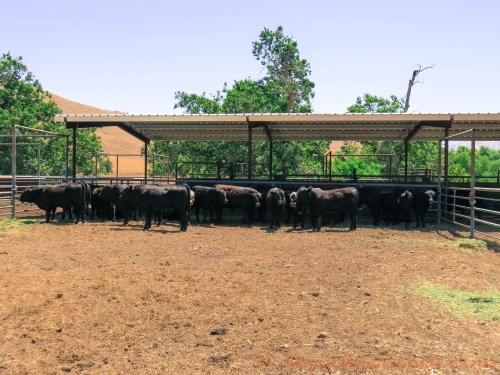


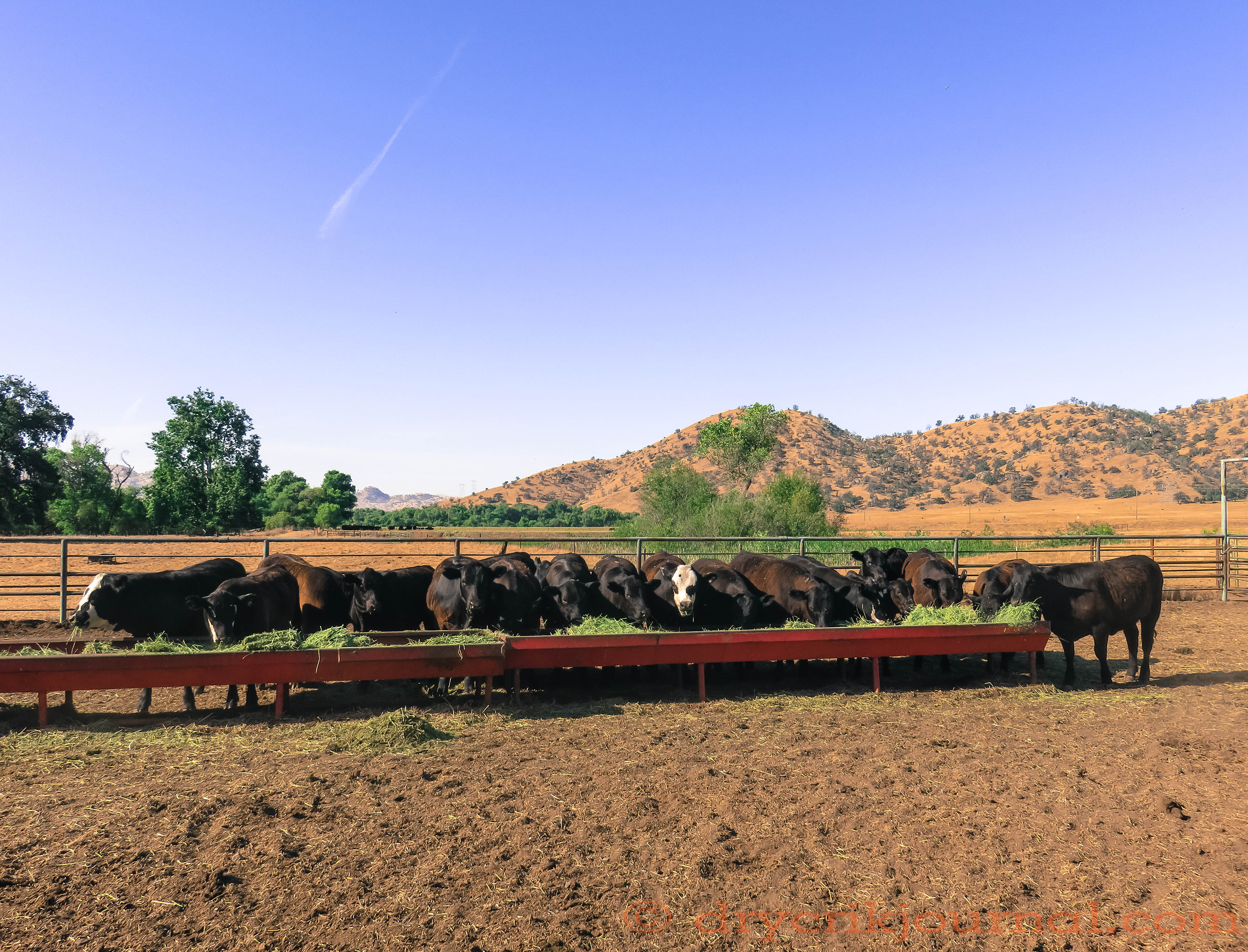
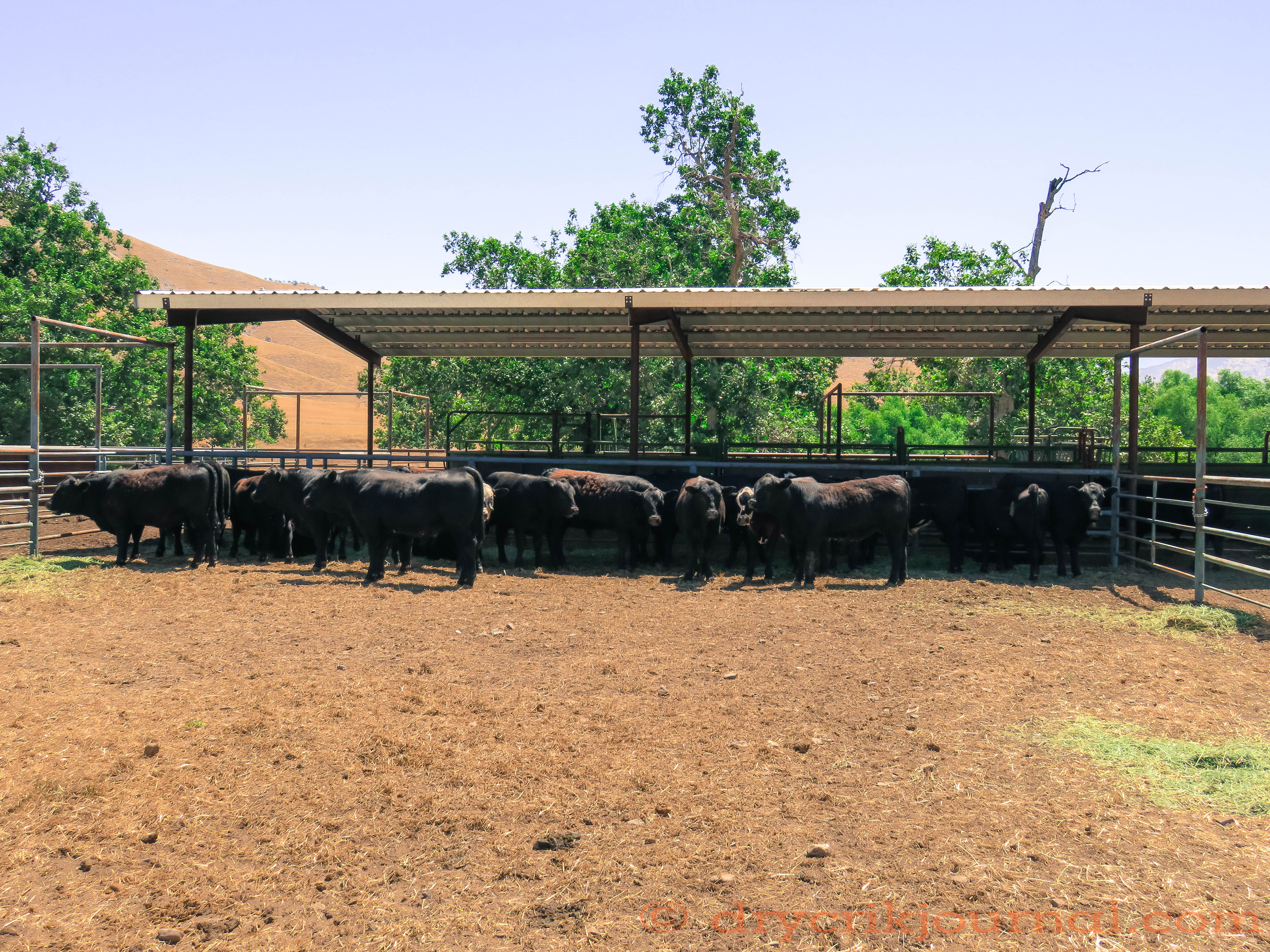
The bulls and heifers in the photographs are from the Paregien Ranch, the biggest calves we have. Most of these heifers will be replacements in our cow herd. After a 5-day wean, the bulls sell today and will average around 800 lbs., heavier than the buyers will want. But we can’t go back, yet satisfied that we made the right decision. Half-way through weaning and harvesting our crop of calves, we have another bunch gathered ready to haul off the mountain on Thursday.