
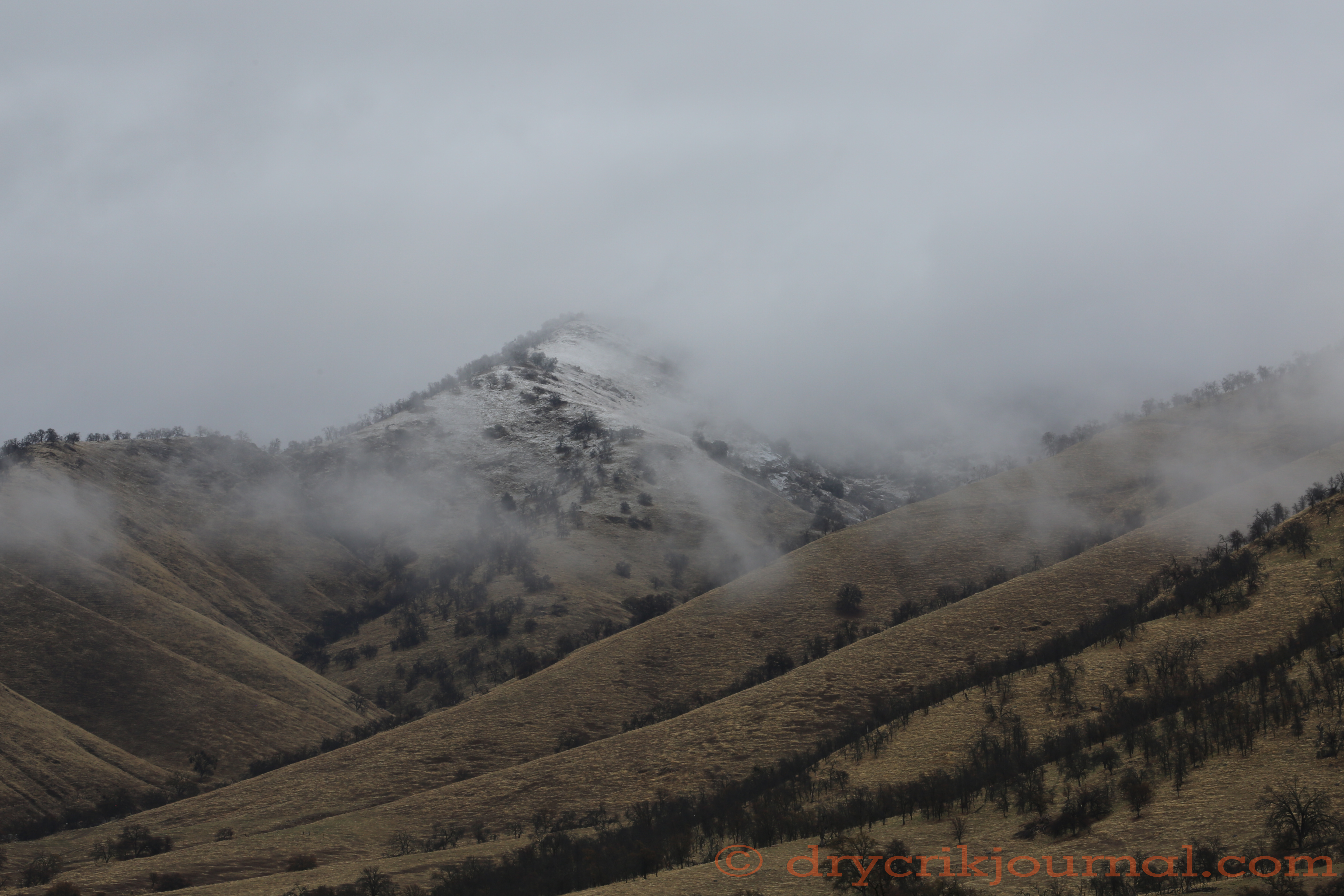
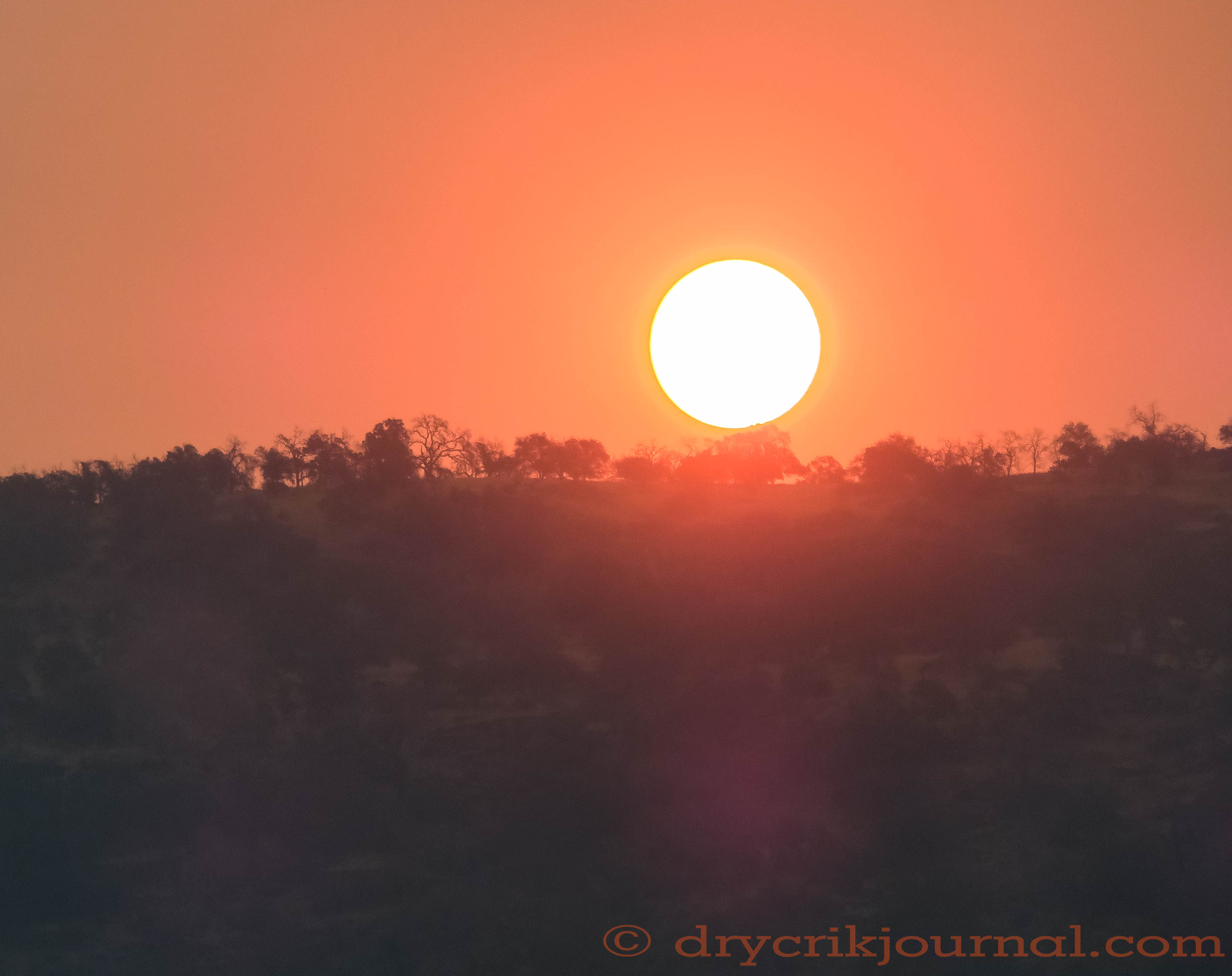
White sky,
purple frigates crash
into foothill silhouettes—
some slip behind,
compass heading east
trailing a damp cold front.
Headlights crawl
up the road, spotlight
searches sycamores
to a heavy bass beat
for something to kill,
something to eat.

White sky,
purple frigates crash
into foothill silhouettes—
some slip behind,
compass heading east
trailing a damp cold front.
Headlights crawl
up the road, spotlight
searches sycamores
to a heavy bass beat
for something to kill,
something to eat.
1.
We feed on numbers,
irrigate and harvest plans
with shaved efficiencies,

measure our well-being
by more or less
with what’s on paper

so easily burned
or suddenly erased—
we forget who we are.


2.
We share amounts of rain,
compare numbers
with the neighbors,

too often disappointed
with what we need most:
just enough moisture

to revive this ground—
this flesh and our more
common senses.
Posted in Photographs, Poems 2021, Ranch Journal
Tagged common senses, earth, flesh, rain, snow, Sulphur Peak, weather

Thin starts lay limp
as green fades to gray
amid the brittle stalks
of short-cropped dry
the cows have missed

as I open the gate
ahead of several storms
to search for Live Oak—
stove wood heat
with little ash

prostrate since
the 4-year drought
branded in my mind—
decomposing now
before my eyes.

Limbs ache with years
bent to this ground
chasing seasons of grass,
but red skies at dawn
reawakens the flesh.
Posted in Photographs, Poems 2021, Ranch Journal
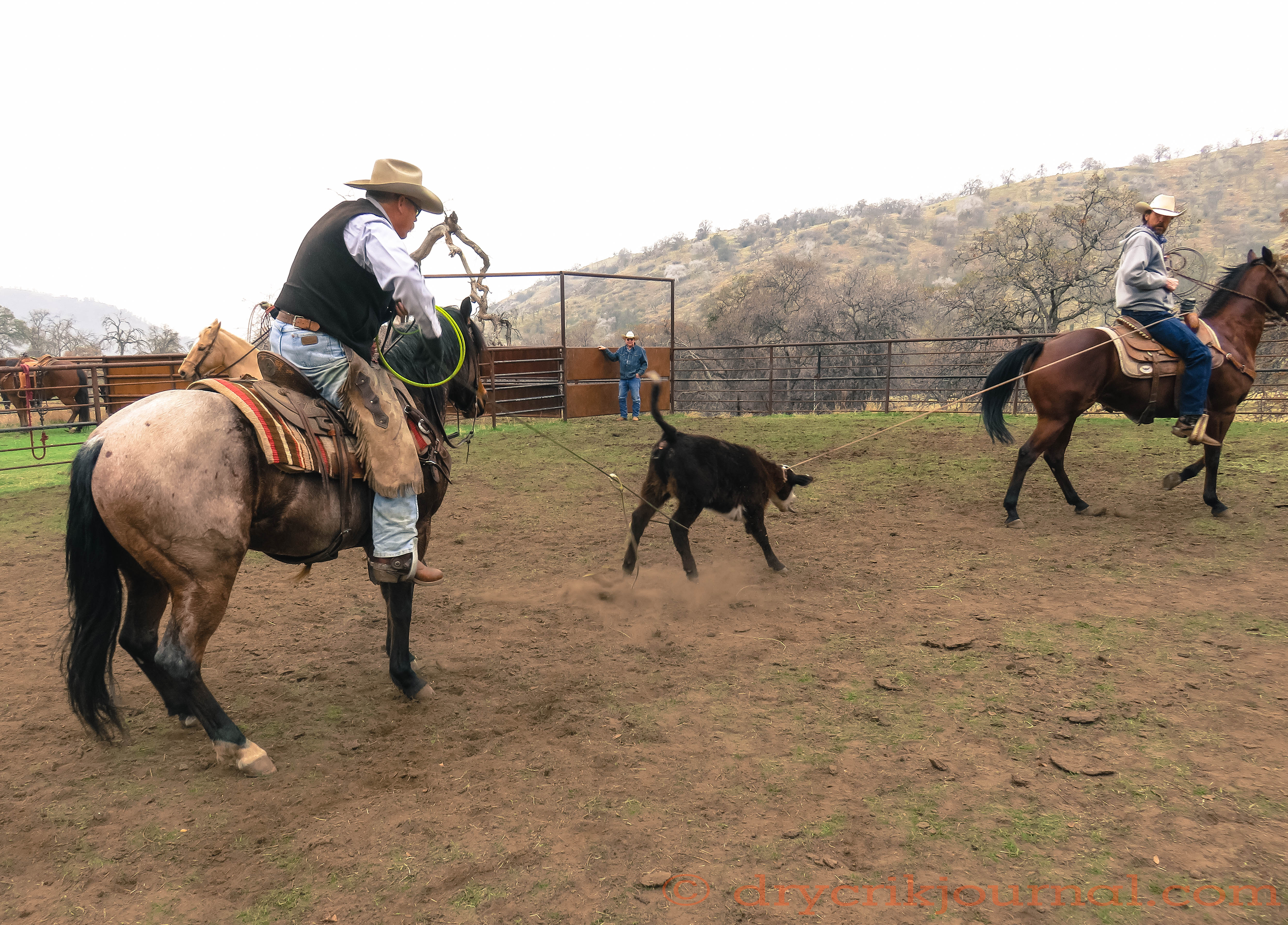
The high clouds had given way to sunshine by the time we finished branding a little bunch of calves in Greasy yesterday. Well off the road, it’s a luxury to be among good friends and neighbors who are exceptional help, folks who know how to make the work fun.
Though dusty, there’s a little more green showing at this elevation (2,200’) where we have received 1.72” of rain thus far this season, much like the beginning of the 2013-14 drought year where we had less than 1.5” of rain in Greasy through the month of January. Our 10-day forecast is dry.

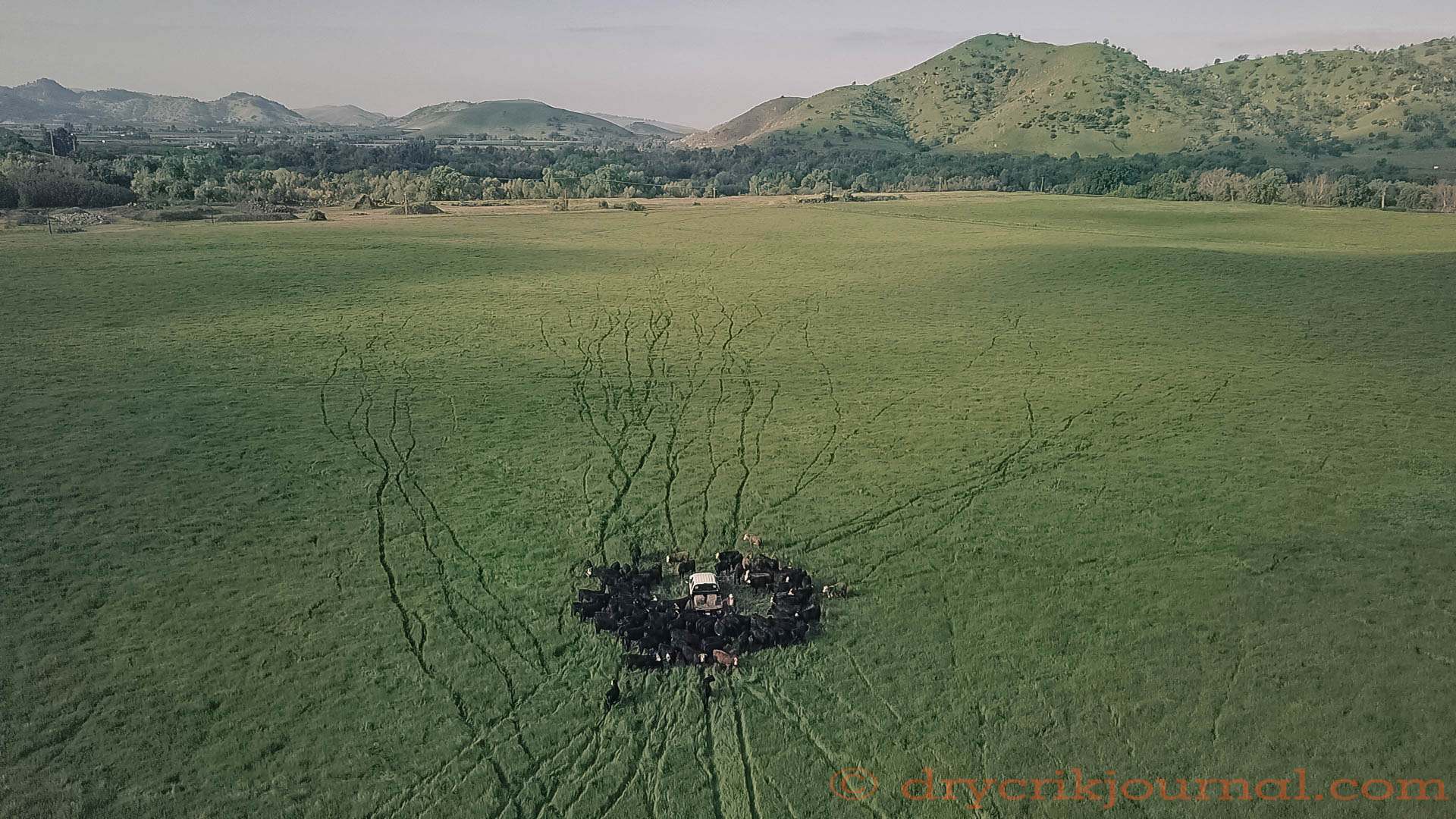
More than 2 months into our rainy season, less than 1/2″ thus far on Dry Creek. To give Neal Lett’s photograph justice, click image to enlarge.

Limbs dressed in flames,
they await the cloudburst
that will disrobe them

            to stand naked
            and undulate
            along the creek
            until it runs—
            until late spring.

Our chorus line of winter nymphs,
centuries rooted in the same place,
I stare into their fire and pray for rain.

0.29"
After a lifetime in the cattle business, 52 full-time years by my reckoning, I’ve maintained that there are three variables that determine our economic equilibrium: the market, the weather and politics. When only one of these variables is unfavorable, we can usually get by for another season. But when all three are unfavorable, we’re in dire straights.
To make matters worse, 2020 has introduced another variable I never considered: an international pandemic that has bludgeoned the global economy, and here at home closed restaurants for all grades of beef. We are not the only business impacted, further impacting us all.
At the moment, any realistic hopes of corralling Covid-19 to some sort of normalcy are six to nine months away. But those hopes may encourage better beef markets at the end of spring 2021. How the political impacts, stimulus packages and reduction of tariffs, etc., will ultimately shake out is anyone’s guess.
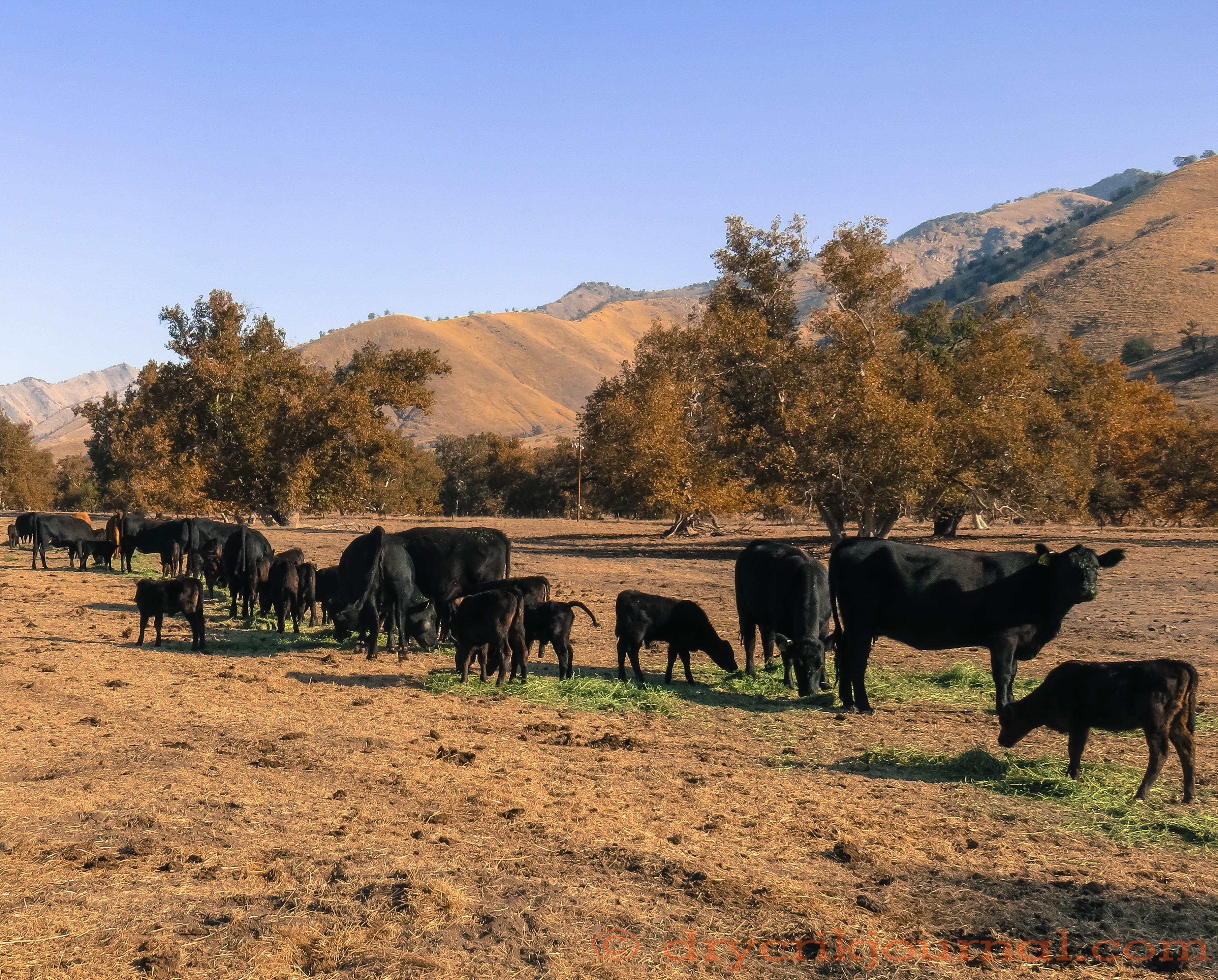
Now two months into our rainy season with less than a half-inch of rain to date and no green grass, we are keenly focused on the weather while feeding lots of hay. The Wagyu bulls have arrived and we must have our cows in shape to breed.
Here on Dry Creek on Saturday, we only measured 0.16”, but our hopes hang on the latest forecast of 0.3” today and tonight and another 0.45” Wednesday and Thursday. Always optimistic, the combination may be enough to get our grass seed germinated. But like always, much can change in the next four days.
Posted in Photographs, Ranch Journal
Tagged Drought, marketplace, pandemic, politics, rain, weather
The real old boys who found their weather in the stars,
within explosive storms on the sun, years in advance—
would be dismayed with how we farm today.

My father’s shadow, I followed disc and tractor straining
to turn the earth, blackbirds diving like swarming sea gulls
behind us, as we broke clods in lace-up boots to test the soil.

Trading energy, no one cultivates today to turn green weeds
and stinging nitrogen back into the ground—no one marks-out
furrows in sandy loam, no one irrigates with a hoe.

We spray chemicals (‘herbicides’ sounds nice and friendly)
in the naked space between the trunks of vines and trees.
We run trillions of miles of black plastic for a sip in drips

to save water for more crops we can seldom sell at a profit.
Still the perpetual motion of new money: each depreciation
offsetting taxes for urban investors on the next farm

they sell to one another like summer homes and yachts.
Why bother to predict tomorrow’s weather when farms
change hands in a swirl of smoke and yellow steel?
Posted in Photographs, Poems 2020, Ranch Journal
Tagged climate change, farming, farms, urban investors, weather

Eleven thousand
lightning strikes, three hundred fires:
smoke in the canyon.
I study rock landmarks,
look for tracks
to see if they have moved.
The pipe gate swells
in the heat. Now only
swings but one way.
Resident ground squirrels
and immigrant ring-neck doves
share the dogs’ food.
On brutal days
over 110°—
there are no rules.
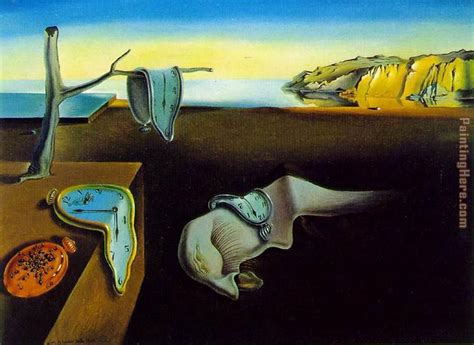
Like Dali’s clocks,
time is part of the landscape,
like it or not.




 drycrikjournal