Tag Archives: photography

Babysitter


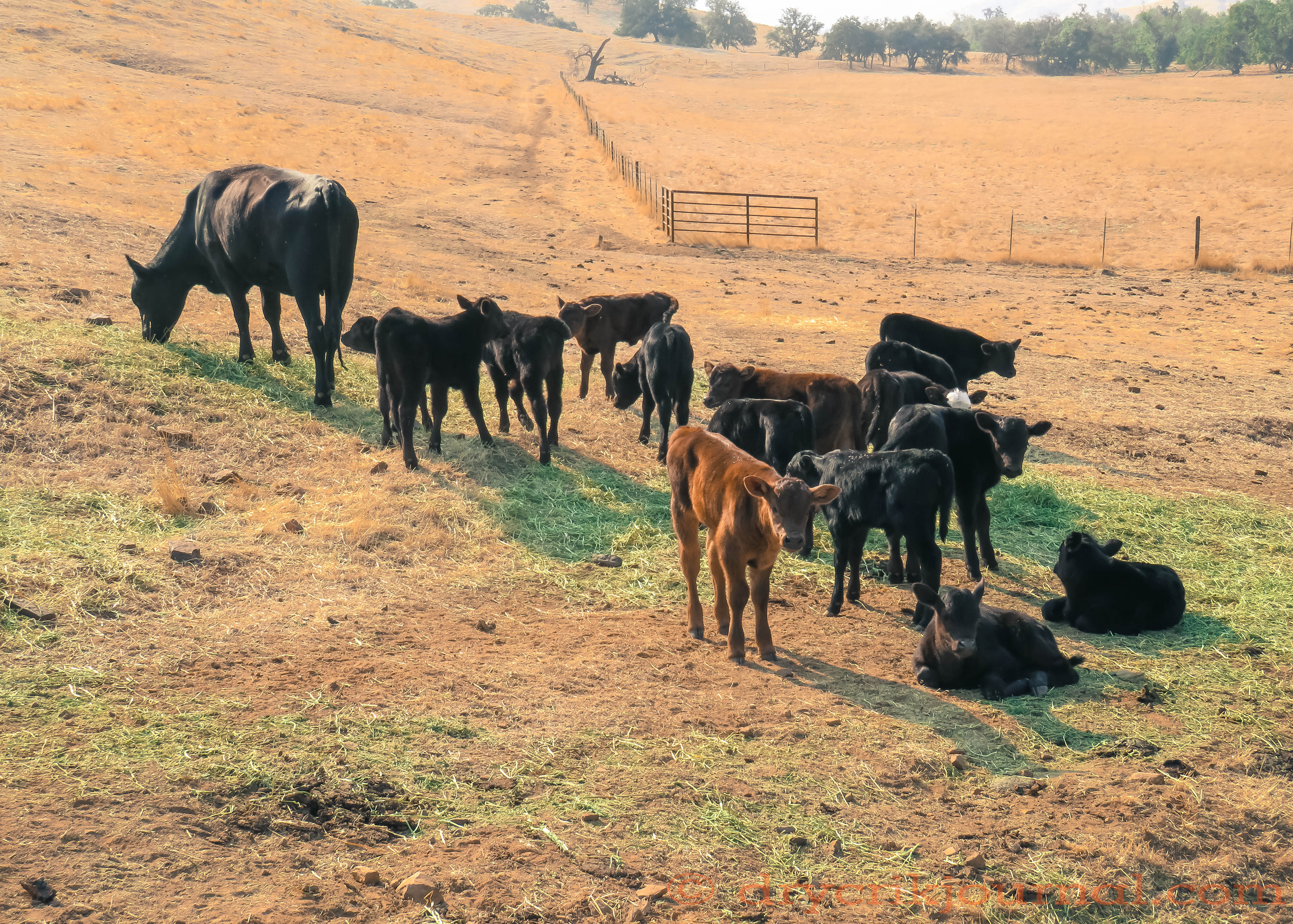
We’re pleased that over half of our first-calf heifers bred to Wagyu bulls have calved in the first thirty days, and relieved that they have instinctually set up nurseries early-on. I’m hoping that last spring’s bumper crop of ground squirrels will keep the coyotes occupied with easier prey, but nonetheless these new mothers seem especially vigilant after calving this year.

Typically a cow or two will stay with a group calves while the other mothers graze to be later relieved of duty after an hour or two. Just how these new mothers communicate and delegate duties is a mystery, but they do. My own unscientific and unproven theory is that the newest mothers whose fresh calves need more constant attention are usually selected to babysit the bunch. After being raised in nurseries, the calves learn the security of the herd and remain quiet and well-behaved until their mothers return. However, back and forth to the water trough in the mornings and early evenings with their mothers, the calves become untrained, running in all directions as they find their legs.
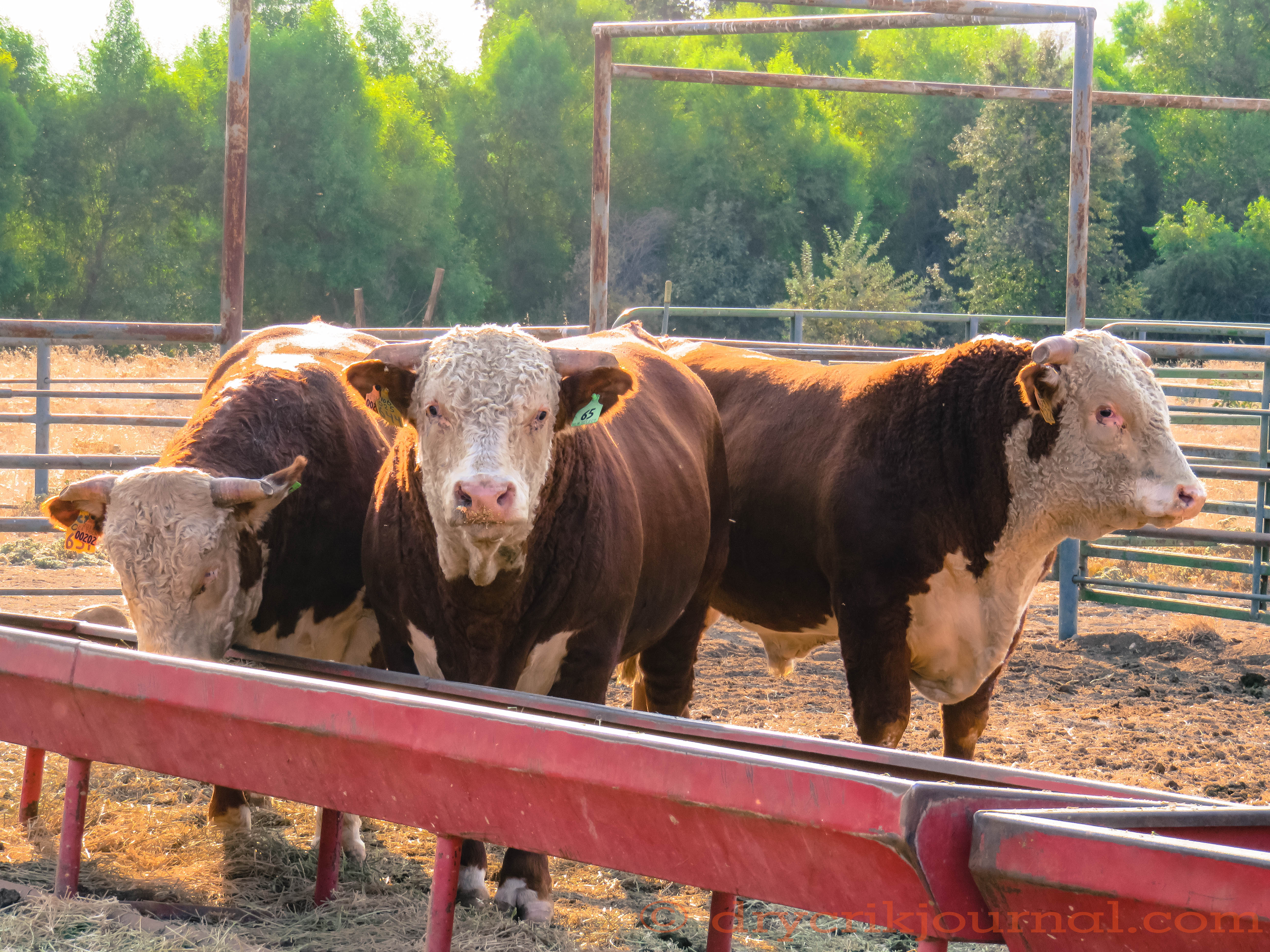
 

The Three Stooges


Getting used to their new digs, Larry, Moe and Curly are getting a little TLC before going to work on December 1st. Three nice bulls from Mrnak Herefords West will add a little more heterosis to our predominantly Angus cowherd.

Fifty-five years ago, our cowherd was mostly Hereford when my Dad began breeding our first-calf heifers to Angus bulls because the Angus calves came smaller, and thus made calving easier on our heifers. But the resultant hybrid vigor, or heterosis, of the cross is what caught his eye. Bottomline: the black white-faced calves were heavier on sale day.

Much has happened since here on the ranch and in the cow-calf business in general. Today’s market prefers black-hided cattle that can bring as much as a $10/cwt premium in the sale ring, though that spread has decreased in recent years. With technology and DNA testing, bull selection for all breeds has become data driven, a scientific and complicated formula that purports to project the performance of progeny all the way to the consumer’s plate. It includes a bull’s birth weight, weaning weight, yearling weight, rib eye measurement and marbling among a dozen more factors to consider, right down to how much more money a bull’s calves will bring than the average for the breed.

I remember buying bulls for $400-500 each based on what I saw in a bull, his structure, movement and temperament, on my subjective eye. Starting price to today begins at ten times that to where a $7,500 bull is commonplace. In the end, I depend on my eye. But with intensive breeding and feeding for the numbers, to create attractive data, a bull’s ability to acclimate to a new environment, to work and hold up, is often lost along the way.

Our cattle harvest grass that they convert to protein that we sell as calves. Perhaps the most important factor of all is that we are raising cattle that can thrive on this uneven, and often unforgiving, ground. In that respect, each bull breeder has a reputation for performance and longevity. Mrnak Herefords West has been at the top of our list for over a dozen years.


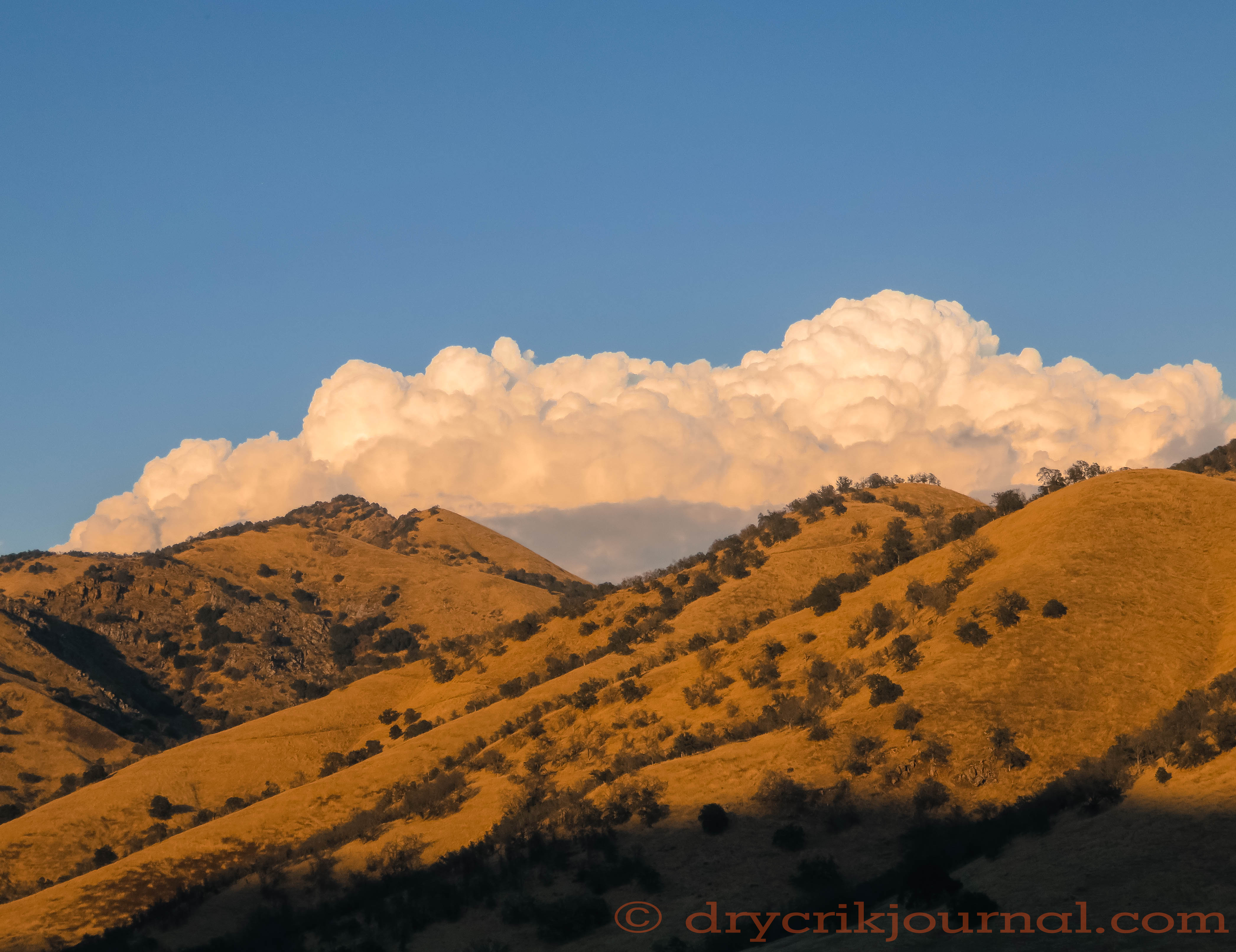
NORTH OF LAS VEGAS


It feels like it should rain
upon dry feed, golden
this autumn evening,

long hair combed
on the gusty breath of breezes,
hillsides palomino.

All colors brighten
between dark shadows.
We have seen the worst

and endured it:
100 days of 100 degrees,
a four-year drought

and too much rain,
three hurricanes
and the deranged.

The sun retreats
as always, yet
nothing stays the same.


Evening Guest


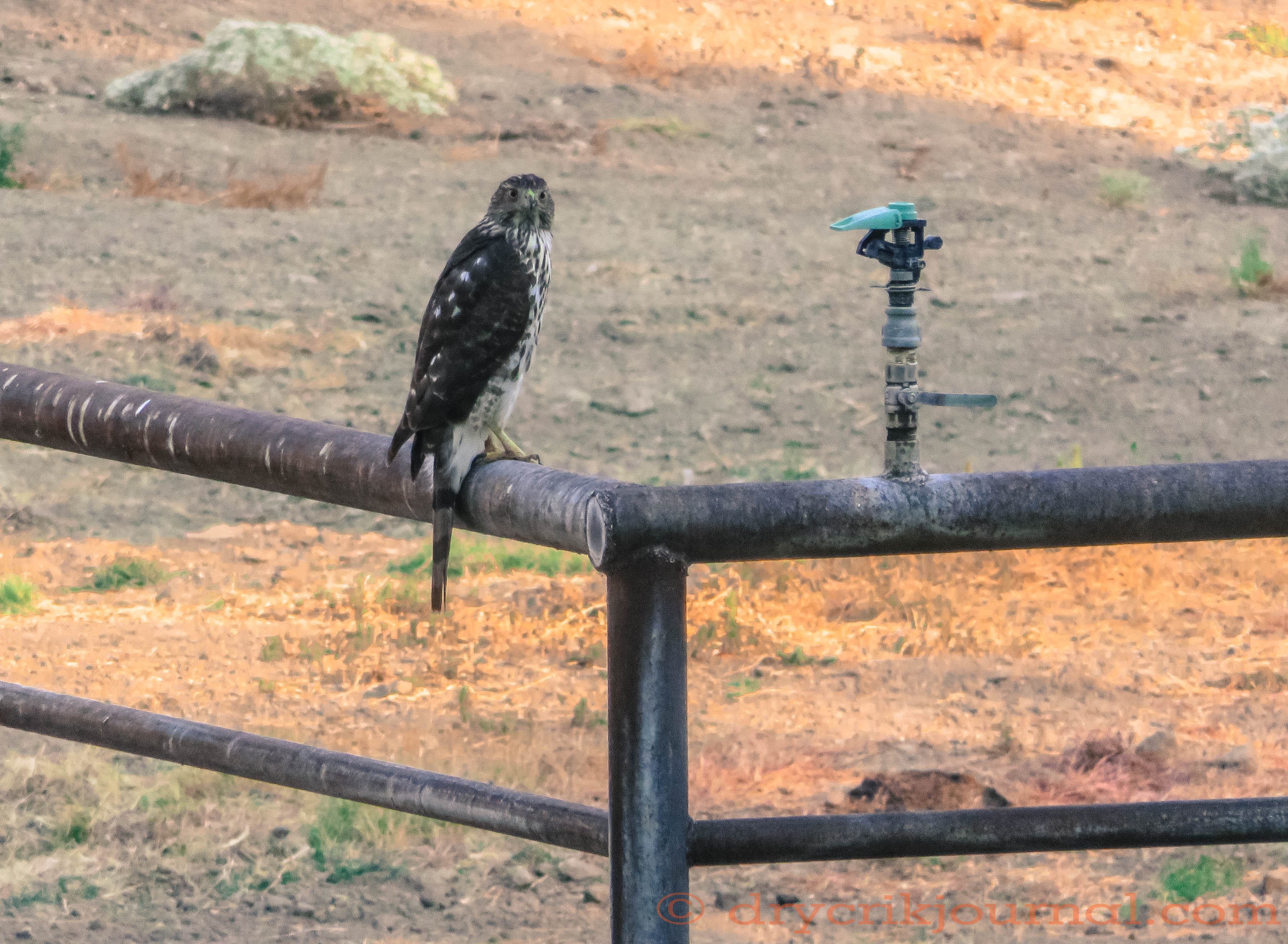
The Sharp Shinned Hawk stopped by for a drink at the “Sip & Dip”, at a grinding rock mortar hole that had filled with water from the sprinkler, Sunday evening. Still harassing coveys of quail around the house, he’s found the dogs’ Lamb and Rice and made himself very much at home, becoming tamer, closer to us and the music on Sirius.


SUNDAY GENUFLECTION


I drop my sword and shield
and yield to time, genuflect
before mortal idolatry, take
a knee for all the fallen poor
from forgotten wars and submit
my helplessness, my sorrow
to endure imperfectly
while the band plays
and flags wave
before the battle
for ad space scores first—
for the freedom to consume
ourselves to death, I yield
with peace in my heart.


BLACK ON BLOND 2


Silhouettes at eventide,
newborn calves
trailing first-time mothers
across old feed haltingly.

Wobbly babies at their hocks,
they forget themselves—
let instinct override
social wants and needs.

Heifers to mothers,
instant maternity waiting
without training
comes naturally.

Out of the brush and rock,
the shade of trees, fresh
pairs pass one by one
toward the water trough—

small stage separate
from Main Street,
a different script
almost every night.


After Rain


Delightful evening talking cattle late into the night with Loren Mrnak of Mrnak Herefords West, here for Visalia Livestock Market’s 21st Annual Bull Sale. Picking the point-and-shoot up from the outside table, the photo credit is Loren’s.

We awoke to rain yesterday morning, a refreshing weather change that brought snow to the high country and 0.39″ of rain to Dry Creek.


BEYOND US


In the afternoon, the hills are yellow now,
turquoise oaks, the buckeyes’ tan leather brown
claim equal space high up, but daybreak clear

but for a rosy raft of smoke on a monsoonal trail
alone, last of fires let run to consume the drought
and bug kill: scarecrow cedars, naked pines

pitched for flame. My eyes climb to the near
ridgeline for clarity—for a sign of what’s to come
within the hazy world affairs well beyond us.


TRACTOR DRIVER


Robert’s shadow, I followed my father
from vineyard to orchard behind tractor
and disk, stomped clods in the fresh-tilled

ground, inhaled the damp earth turned,
blackbirds like sea gulls diving behind us.
I dreamed of driving the once-red Cornbinder,

leaky muffler loud with each explosion,
each spark to gas vapor, its lean cowling
layered white with years of Parathion

in the 50s, before making perfect furrows.
That well-kept look of cultivation turning
the nitrogen of weeds and nettles under

with tankage and manure for California gold
when farmers worked the earth and added
more to the soil than chemicals and drip

irrigation. To this day I make the sound
of tractors in my throat, remember
the Case 300 disking steep orchard rows—

and just before it stalled out, front wheels
lifting off the ground—the dependable lurch
to the left to make another round.


SHARP SHINNED HAWKS


have come to dine on quail
while Cooper’s Hawks
work elsewhere. Low

sleek glide behind
a whir of wings
and feathers aflutter.