Tag Archives: photography

Climate Change


Tree Lupine


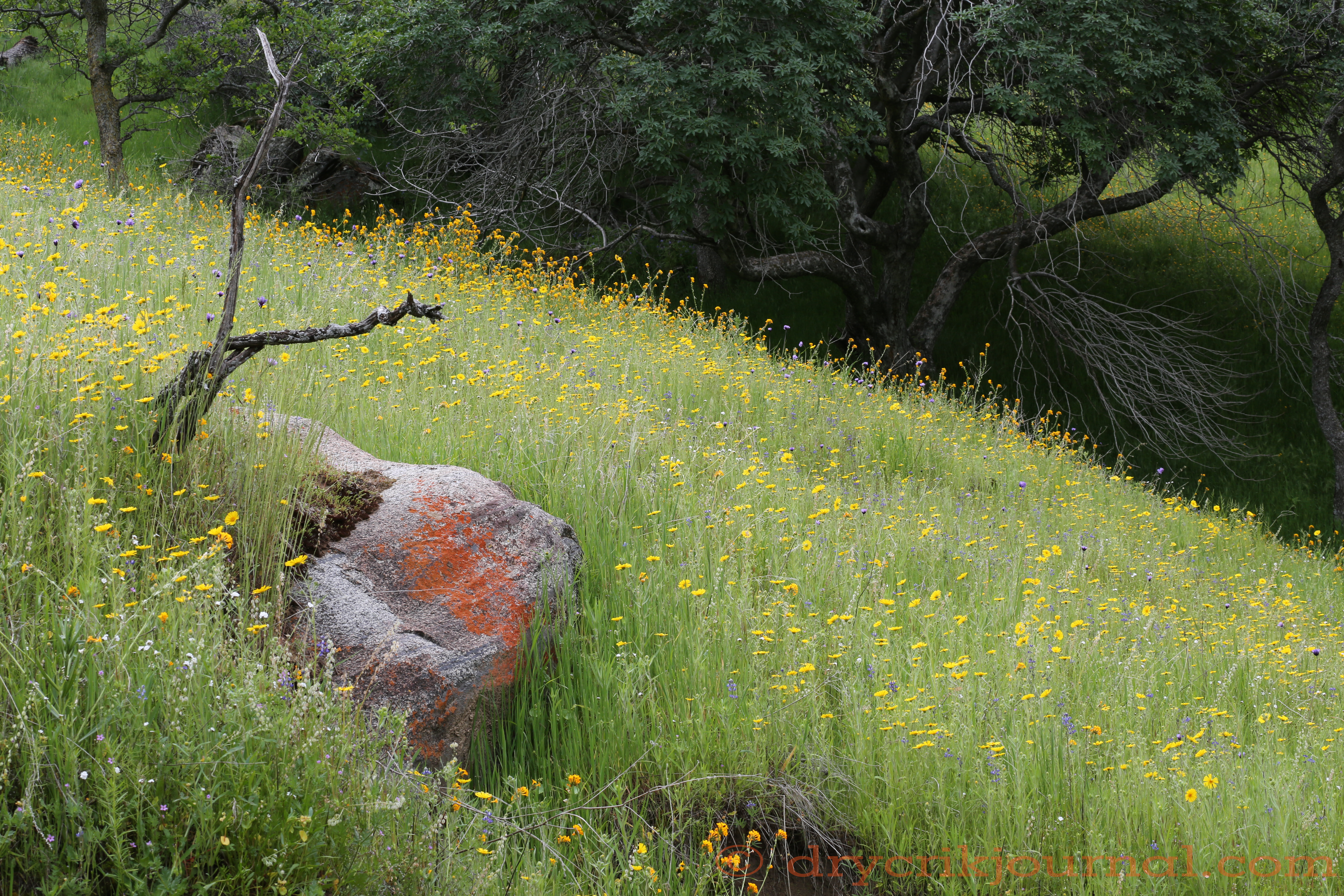
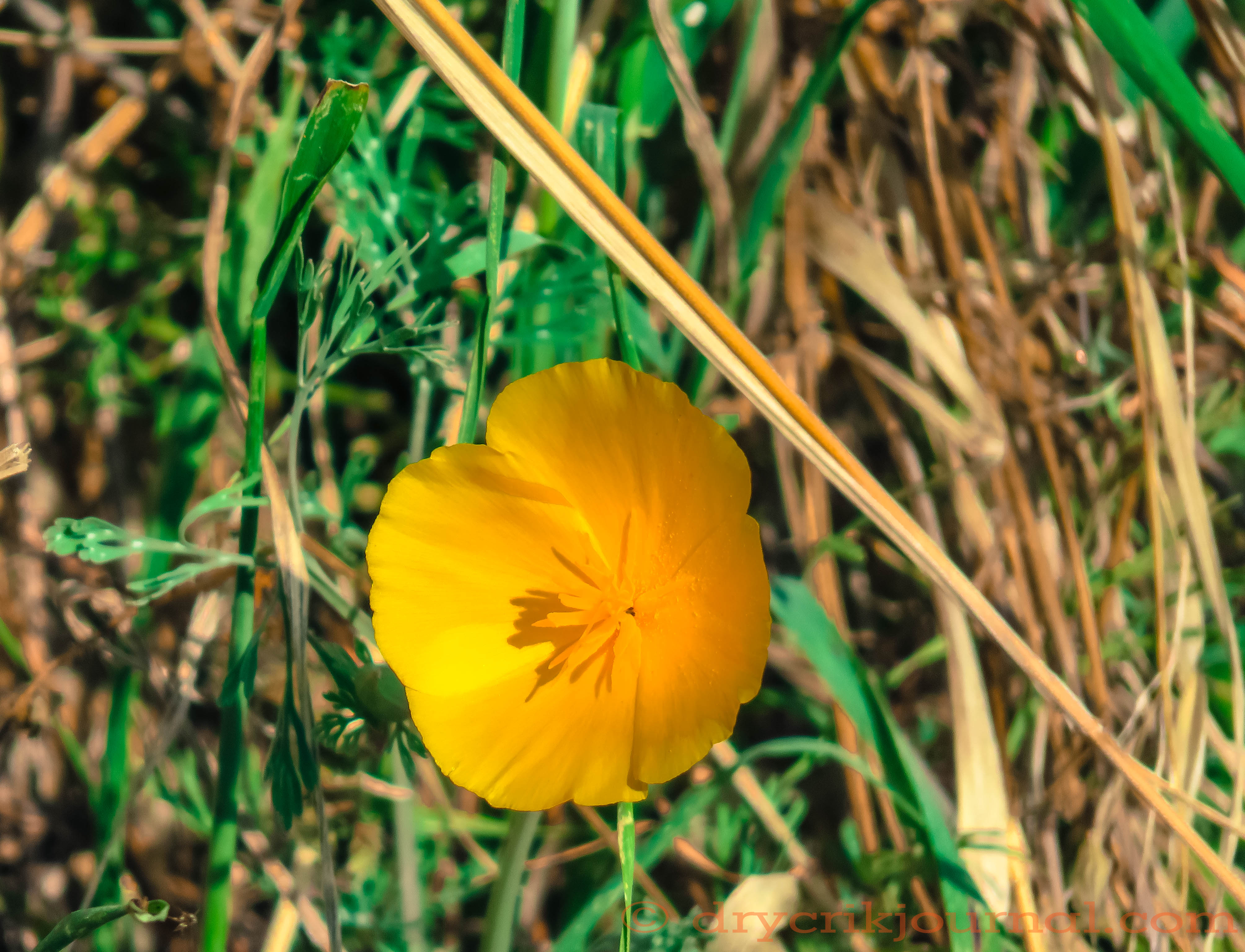
I have an aversion to using someone else’s labels, especially when they are bantered about in the political arena, but wildflowers here at the first of February are unusually early. Temperatures for the past 10 days have been over 70 degrees, no rain in sight.

We are half-way through our rainy season with slightly over 3 inches of precipitation to date when our annual rainfall averages over 15 inches. Four of the last five years have been declared droughts by the USDA, and this season is off to the slowest start since record-keeping began. Sierra snowpack is 14% of normal. Regardless of what you want to call it, our weather, our climate, has become extremely volatile and it is changing.

Blame is a useless exercise at this juncture, I believe, because we must deal with the impacts, whatever and wherever they are, now and adapt—we’re all in this together, like it or not. From a cattleman’s perspective, green grass is short or non-existent, hay extremely hard to find. Water for farmers in the San Joaquin Valley will be expensive or unavailable this coming growing season. The price of food will increase for everyone.

I want to thank freelance journalist Carson Vaughan for bringing the topic of ‘Climate Change’ to the foreground as he interviewed people at the recent National Cowboy Poetry Gathering in Elko, Nevada. I predicted that 7 out of 10 would be in denial. I truly hope I was wrong!
 

Foothill Poppy


JANAURY 2018


Yellow daffodils
clumped like campfires
on gray days,
gopher snake sunning
in a dirt road,
no snow in Elko,
no rain at home—

‘Climate change,’ you say,
‘is tree hugger poppycock
leveraged to slow production
and change our ways.’

White-limbed buckeyes
feathered in tender green,
turkey hens leaving sororities
cruising the creek to nest
adapt to the propaganda

as we scuttle normal
with options for cattle
without rain, grass to graze.

Nothing stays the same, only
nothing—the wild balance
scrambles for survival.


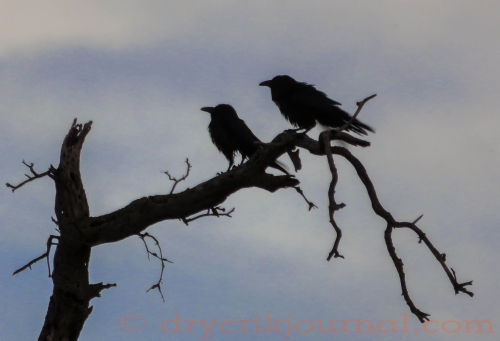
CROWS OR RAVENS


                             Living on the road my friend,
                             Is gonna keep you free and clean

                                           Townes Van Zandt (“Poncho and Lefty”)

Early morning south of Bishop,
US 395 at seventy, murders
of crows or ravens like old men

gathered at the coffee shop
lift from a smear of hair
imbedded in the asphalt.

                  How the jack rabbit
                  laid his ears back,
                  found another gear!

The early birds get the night kill
living on and off the road.
O’ Darwin, how could you know?


MURKY PURPOSE


Around me, wild shapes and sounds
alive—some begging rain, some
angling for continued dry—and I,

these old bones and softening flesh,
stand ready for the worst of it
as January green turns gray.

Beside sun-glint spirals, long chrome
lug nuts spinning, Mack truck rumbling
off Tehachapi into an exhaust cloud

trapped at the end of the San Joaquin,
we submerge like aquatic bugs
beneath the moss of a water trough

as we listen to the chattering news:
the muffled lines of script
for the multi-dramas beyond us.

We have been away and forgotten
what home looks like, what fence
beneath drought-killed oaks

needs attention first, which cows
most need hay—a murky purpose,
but we are ready for the worst of it.


THE RACE


I still remember
spring Sunday mornings
rustling covers and dreams awake—

“Great day,” he’d say,
“for the race,” emphatically—
as if we knew.

This cheery departure
for our father waving
at dawn streaming
from the Kaweah peaks
to mottled cottonwoods
along the river,
its glistening steam
rising into the light
had to be special.

“What race?”
I begged an answer.
“The human race,”
he’d say.


HIGHWAY ONE


                                        I hope that the weathered horseman up yonder
                                        Will die before he knows what this eager world
                                                will do to his children.

                                                     -Robinson Jeffers (“The Coast-Road”)

I wonder now if Jeffers grins up yonder
with his horseman looking down
at the bluff-chiseled road they cursed

in the building, failing once again,
cut and fill slipping into the Pacific
after fire and 83 inches of rain.

Damage done, where have his children
gone to join the present, to succumb
to the latest newness man has wrought

to sell as necessary convenience?
Moving mudslides have closed the road
to the outside world to heal in private,

to rejuvenate the majestic ruggedness—
the awe and respect for the weather-carved
shaping always the character of man.


REASONING


Tree and stone, earth and grass,
among them we must ask,
‘what is our place, what is our task?’

Stumblebums, we lack the bounding grace
of deer, the keening hawk, the tree limb
turned by wind and sun—we detract,

I fear, so out of touch, so out of step
in the earnest dance around us.
Stepping lightly as a boy in US Keds,

gun in hand, I left my marks for dead
that fed the buzzards trailing me
in thermal glide, for Red Tails watching

from the oak tops for the wounded,
for the cripples crawling desperately—
and I thought I’d found my place

where the wild could reason
and adapt to trust and think
enough of me to follow closely.


OUR ADDICTION


Riding the High Country as a boy,
I fished snowmelt lakes
beneath sharp peaks of scree,

found clarity around a fire,
played dot-to-dot with stars,
and dreamed on hard ground

that I’d awake unscathed,
but for my craving for space
beyond the hand of man.

A lifetime addiction,
betting on the weather
and a herd of cows grazing

foothills below, we wager
borrowed money, but don’t know
how to quit gambling

with the market and the politics
this close to heaven—we’ll
role the dice until we’re gone.


BRUSH PILE


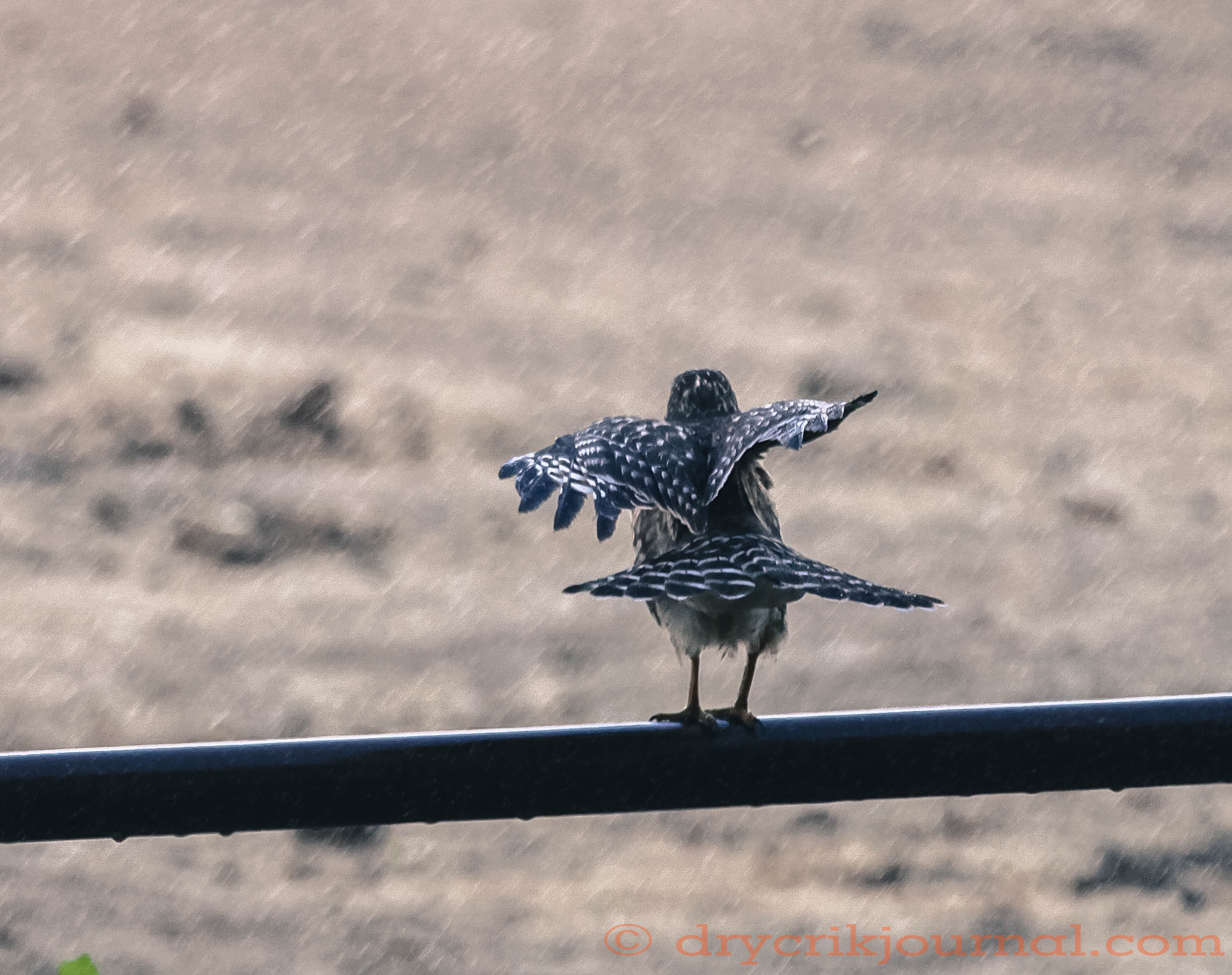
Hunting in the rain,
the hawk is back
hungry for quail

tittering in the bottom
of the brush pile,
casualties and prunings

I would have burned
but for last year’s lake
of constant rain.

Summer outpost
for ground squirrels
that robbed the garden,

a lair for thieves
packing peaches, pears,
apples off

to feast in peace—
battle lost,
the spoils of war

we’ll never win, but wage
with fire when the grass
turns green again.


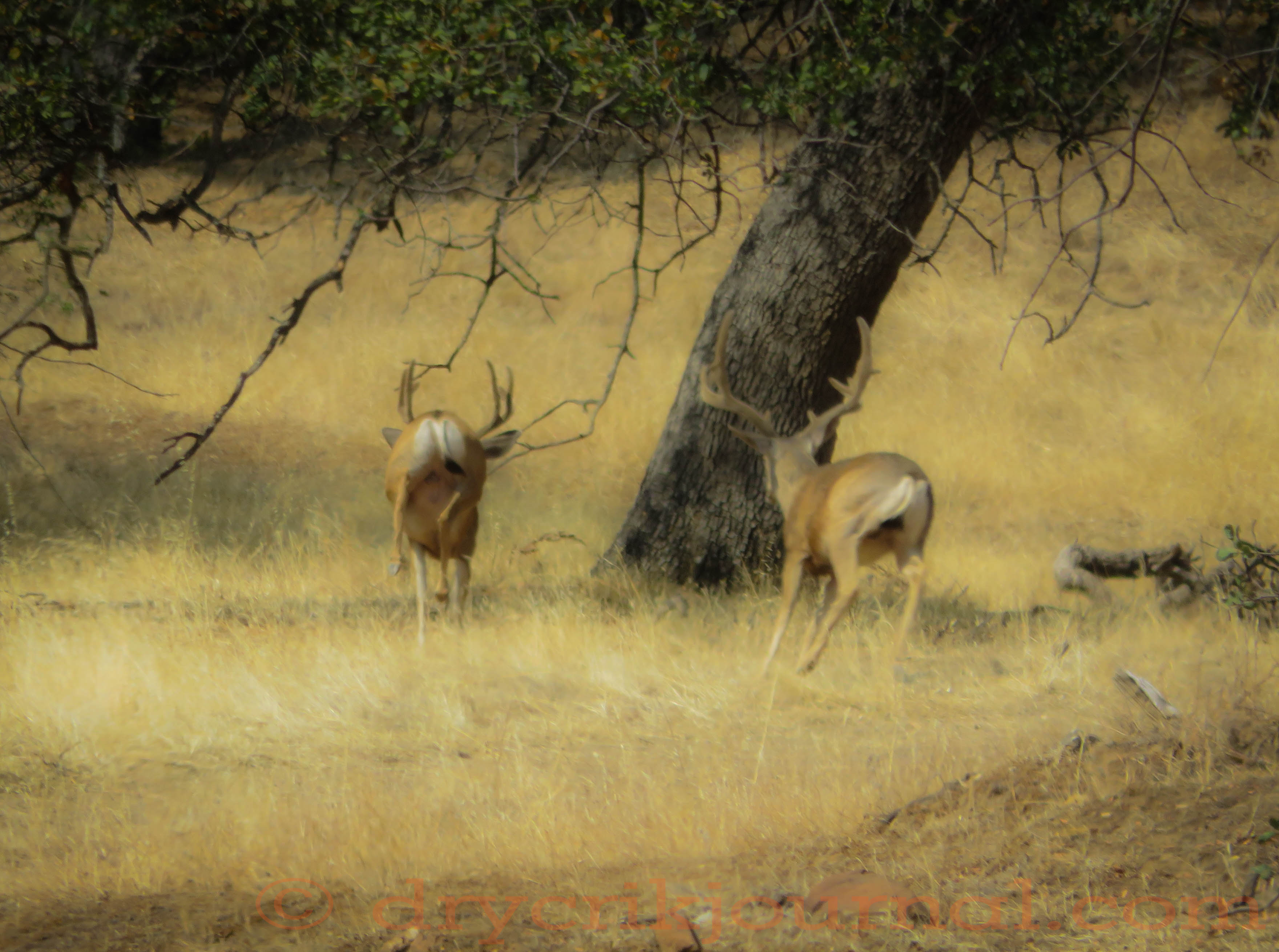
OLD BUCKS


In our three score and ten,
we haven’t changed the world much—
though we marched for peace,

married and twice divorced
during continuous conflicts overseas,
over who knows what

philosophy it paid to exterminate. Now
it turns too fast for us and we retreat
like old bucks before the hunt.

                                             for JEG