Tag Archives: photography

Wagyu X Calves


It doesn’t seem all that long ago (mid-September), when our first-calf heifers began calving with no real rain until mid-November, and only 3 inches through the end of February, one of the driest starts to our rainy season on record. We fed a lot of hay and fortunately we had some dry feed leftover from the year before, but a tough start for a two-year old, first-time mother and calf.

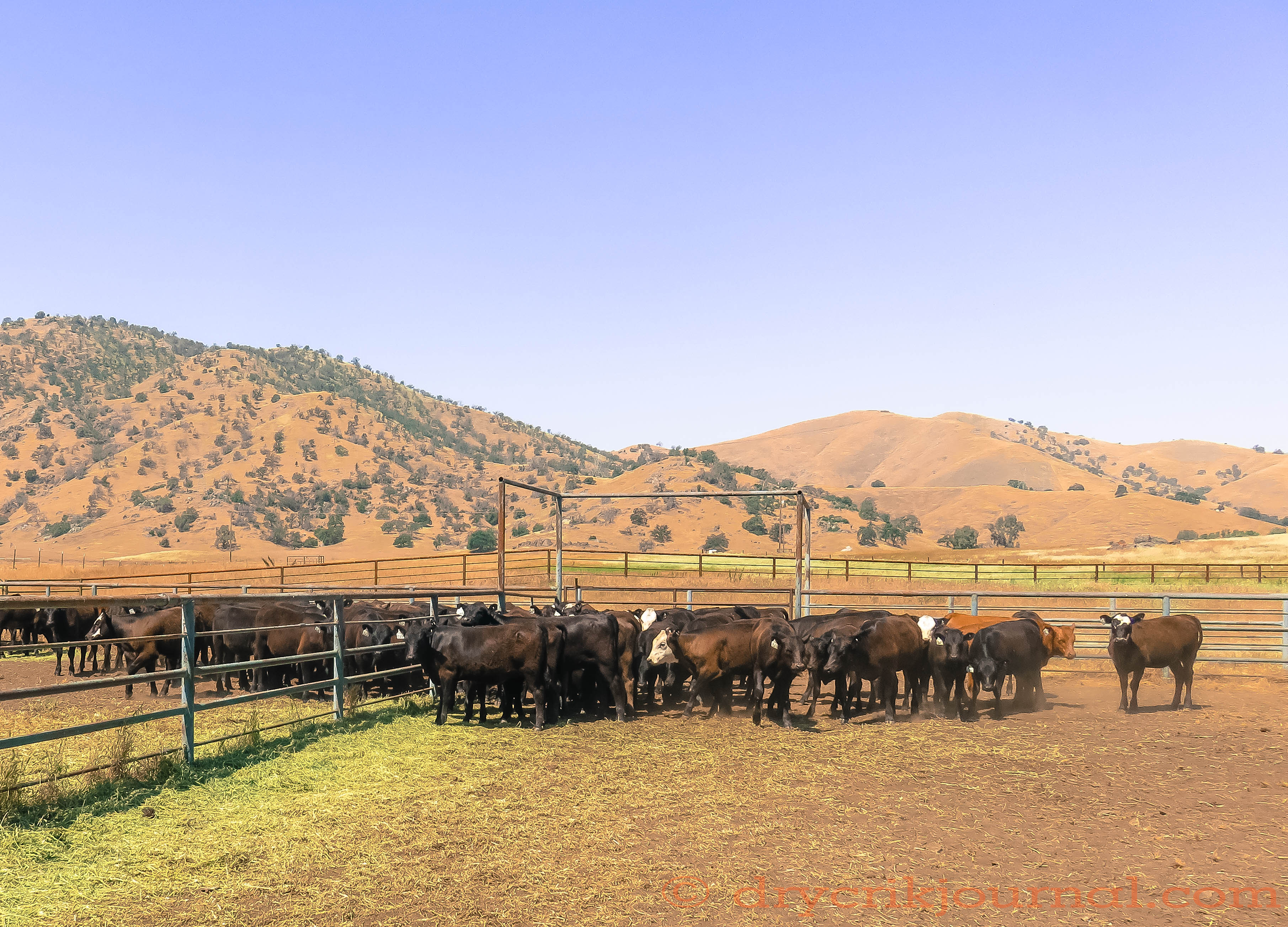
Thursday morning, these steer and heifer calves leave for Connell, Washington for Agri-Beef’s Snake River Farms’ program to be marketed as American Kobe Beef where they’ll be fed for 400-500 days. This is our second load of Wagyu X calves and typically we take the calves from their mothers, weigh and sort steers from heifers, then load them immediately onto the truck. However, since we’ve increased the number of cows that we breed to the Wagyu bulls, the first-calf heifers are pastured in two different fields two miles away from our loading corrals and scales that requires us to haul the calves. Half of the calves pictured above were weaned Monday, the balance yesterday as they wait for the truck.

Weaning is a stressful time in a calf’s life, and stress can be measured in pounds, and hence in dollars. It can also leave them susceptible to various respiratory problems. For these calves, this is not an ideal scenario, but temperatures are relatively cool and we’ve sprinkled the dust down, hoping for the best as we feed good alfalfa hay morning and night.

The rule of thumb for the time to wean an English calf is a week, but over the years we’ve noticed that after three or four days they’ve forgotten their mothers. Compared to our English calves weaned off mature cows, the Wagyu X calves generally weigh about 200 pounds less, but their mothers at two years old put on another 200-300 pounds while raising their Wagyu X calves. Quite remarkable, when 30 years ago we wouldn’t breed a replacement heifer until she was two to avoid calving problems or stunting her growth—all due to genetic improvements.

Assuming weight is a measure of stress, I don’t believe the calves will lose that much weight. What may be a pricy experiment, we weighed the calves off the trailers to compare to the shipping weights Thursday morning to prove or disprove our hypothesis. We’ll see.

 

ANOTHER PURPOSE


Ants in the anthill, we feel the quake
of giant footfalls, cloven hooves
and rubber tread approaching, yet

stick to the business of our survival
unabashed, sorting the wild grain
packed by caravans for winter’s cold.

Our one mind is not cluttered
with news beyond our borders,
the fallen oak and swollen creek—

of all the peripheral shenanigans
delegated to orators and generals,
to pundits and playwrights busy

with dramatic scripts to entertain
themselves. We serve another purpose
dedicated to feeding ourselves.


VIOLENCE


                                                                                Why do we
                    invite the world’s rancors and agonies
                    Into our minds though walking in a wilderness?

                              – Robinson Jeffers (“Going to Horse Flats”)

All the props in place, the stage is ever-set
for calamities, for the struggles for power,
for deceit in scripts yet unwritten, but predictable.

                    Two Red Tails strafe a passing eagle
                    reluctantly retreating to a steep hillside
                    to stand his ground, claim his space

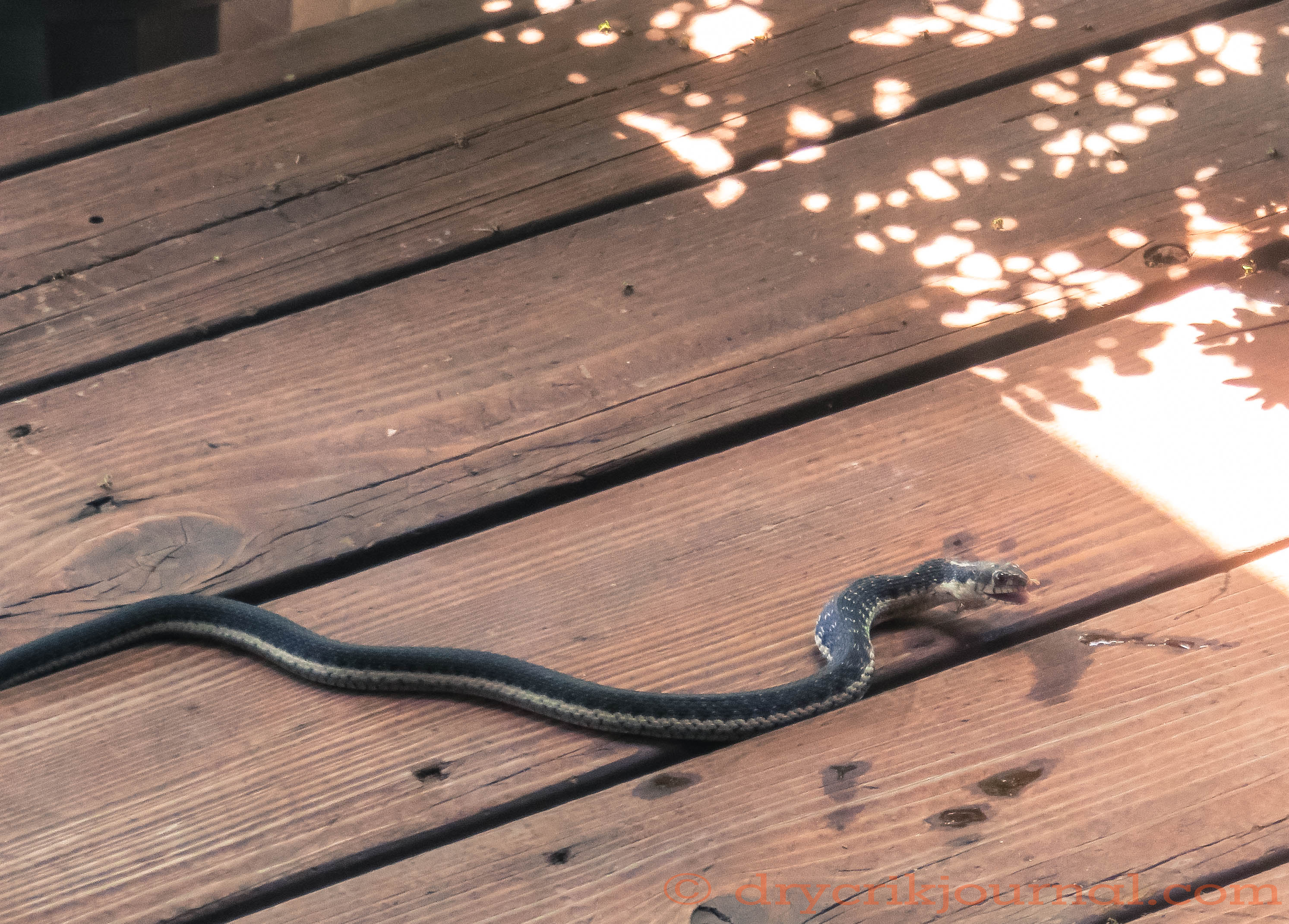
                    to face their withdrawal. We watch snakes
                    squeeze and swallow one another whole
                    as the bobcat waits upon the tailings of a burrow—

this world, and that beyond it, turns on violence
despite our protests, despite our compromises,
despite the logic of compassion to dissuade it long.


MOTHER’S DAY


Flash of tender bloom
for a single day each year
when we remember.


“Let the Mothers Decide to Make War”


EARLY SURVEILLANCE


When awaking barefoot in the dark,
we try to keep the reptiles out
of the house and our hazy dreams

knowing that if tree frogs can slip
through the cracks beneath our doors,
so might the snakes investigating

their whereabouts or ours. As early
surveillance from the underworld,
the Natives let the rattlesnake be—

to help keep everyone honest
by dispatching the evil among them.
Best be good, but keep your eyes peeled!


ANDY HEDGES & FAMILY


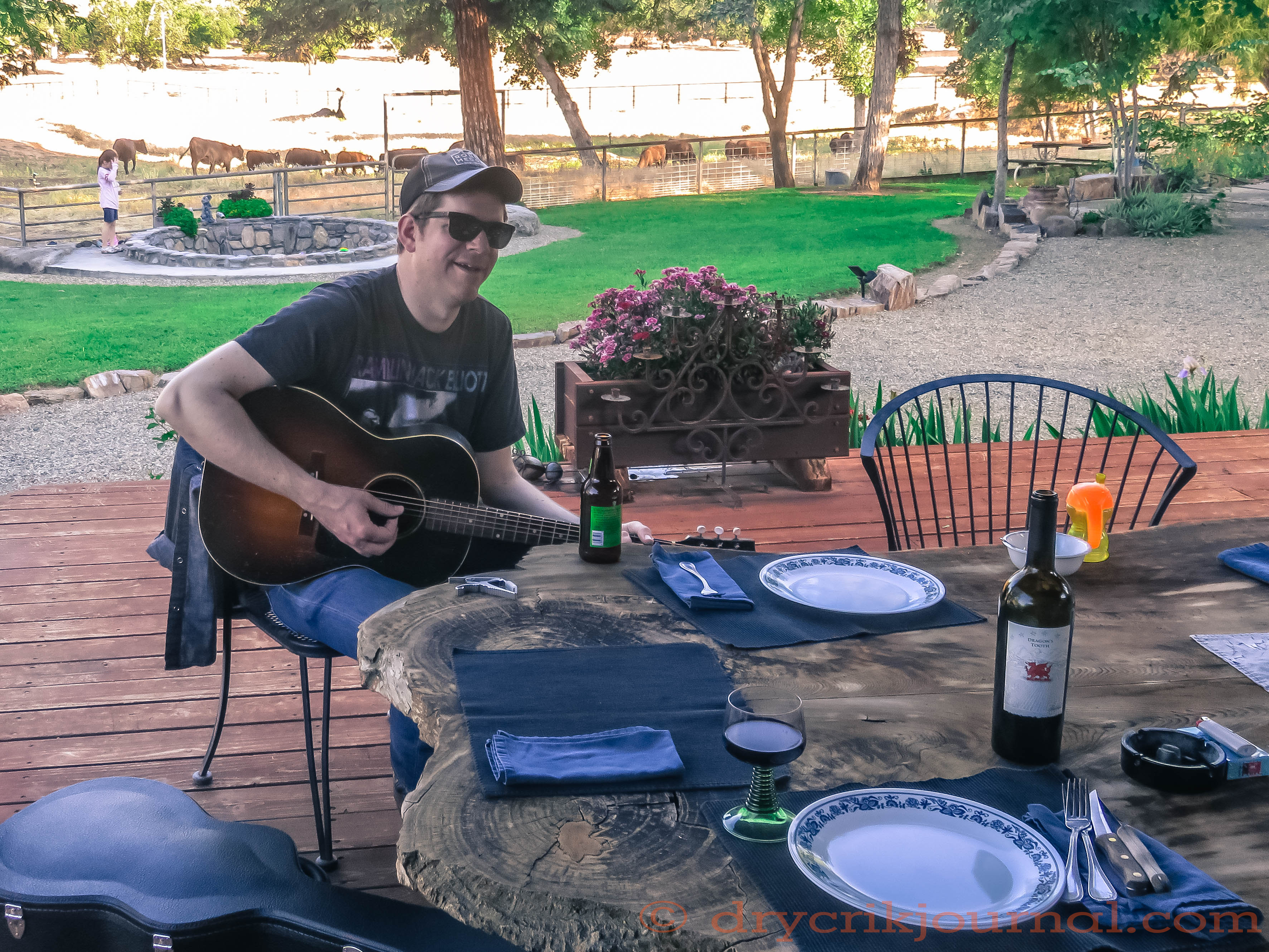
Amid gathering and shipping our first load of Wagyu X calves, we enjoyed the company of Andy, Alissa, Maggie Rose, Jubal and Josiah Hedges before they headed to Santa Cruz where Andy will play at Flynn’s Cabaret tomorrow night (May 11th), 8 p.m.

Jubal’s first step out of the car was toward a freshly transplanted flower to give to his mother Alissa. (I’m told there’s damn few flowers in West Texas.) Maggie Rose spent an afternoon in the ‘sip and dip’ training a young bullfrog while Josiah kept busy looking for something new to get into. Andy, Alissa and Robbin sang while swapping guitars until midnight—many delightful hours with a wonderful family we will cherish for a long time.


ANTI-EROSION


Killdeer spread their wings
over indentations in the crushed
gravel, over four speckled eggs

that look like granite washed
off the mountains and mined
from an ancient alluvium,

then hauled up the canyon
and spread like a blanket
in our driveway to keep

summer’s dust down
or getting stuck in winter’s
mud when it decides to rain.

Sometimes in the spring,
we mark them with a rock
to avoid lest we forget

little puffs on toothpicks
born on the run for bugs
and the cover of the creek.


Exeter Garden Party


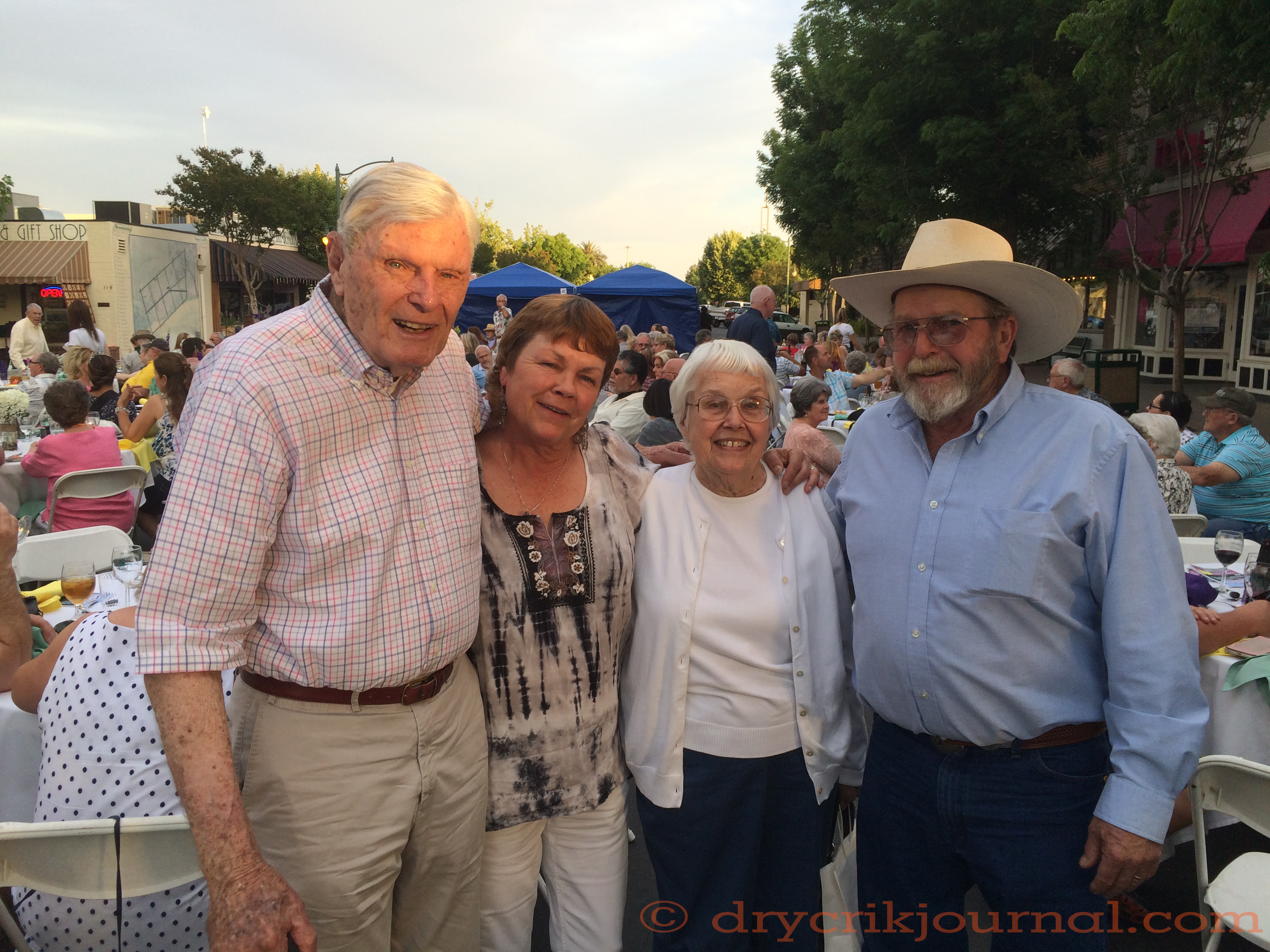
I was humming Ricky Nelson’s “Garden Party” yesterday while working in our own garden, but the song was triggered by the Exeter Garden Party, a fundraiser sponsored by the Exeter Chamber of Commerce, that we were invited to last evening by our Dry Creek neighbors Steve and Jody Fuller. The highlight of the annual event for us is being able to visit with Dick and Pat Jacobsen of Rocky Hill Inc. From long-time pioneer families, both Dick and Pat have a wealth of historical information.

I went to the Lincoln School in Exeter until the fifth grade where Pat (Pogue) Jacobsen first began as a teacher. Last night she reminded me once more that my sister Virginia was the perfect student and that I was an incorrigible little boy. My memory of those days is hazy, but to be among children our age while living out in the country could easily become an adventure.

Dick asked me if I’d read Bill DeCarteret’s “Mountains, Mules and Memories” and told a story about a mule named Dynamite that he and John Crowley had taken on a pack trip. I’d packed the mule myself and swapped the story of a layover day in the High Sierras (unbeknownst to Bill) when a couple of young packers thought they could saddle and ride him. Typical of most mules, Dynamite was willing to endure being packed, but not being rode.

I referred to Dynamite as one of a half-dozen Number Nine mules that Bill DeCarteret had in his string, knowing that the mules had come from the Oregon Ranch that Jim Pogue owned. Pat went on to tell me that “9” branded on their hips was a really a “JP” and that the mules had draft horse mothers that her dad had bred, which accounted for their extraordinary size and endurance.

Exeter hasn’t grown much since I was a boy with a population of about 4,000, today it’s 10,000, but it’s a delightful, well-kept town with many service organizations. A throwback to the old days, it’s always a pleasure to do business in Exeter. It was a delightful evening, but I suspect we were the only ones talking mules.


FRIENDS OF THE FARMER


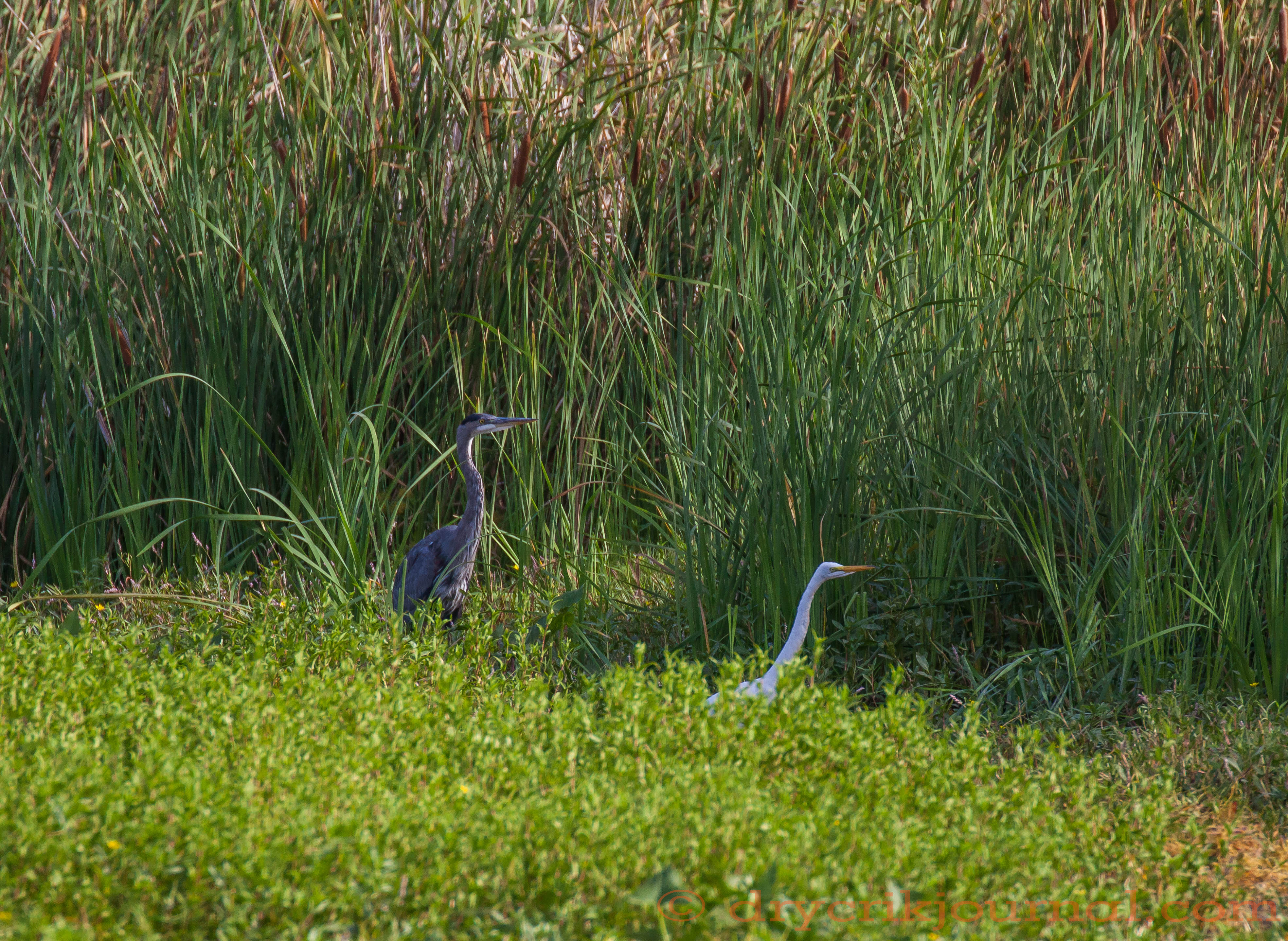
Half-a-dozen Great White Egrets
fly up the creek to light
in a sycamore to plot fishing

a slow pool for frogs and minnows—
pick their stations before
wading in from the cobbled shore.

None here when I was a boy,
they also hunt gophers, stand
like sentinels scattered in the pasture

with the Great Blue Herons
atop tailings from spring cleaning
waiting for movement to impale.

There are no borders south of here
where they come from, no racial
tension with so much else to do.


ORDINARY


                    It begins with your family
                    but soon it comes around to your soul.

                         – Leonard Cohen (“Sisters of Mercy”)

Bring on the sad songs hidden in my belfry,
free muffled desperation’s uncommon tone
to play beneath the trumpet’s discordant blasts

that lack melody or empathy for humanity.
Pilgrim in time, I crave moments with a moan—
minutes to reflect upon what my mind asks.

I need no enemy nor bugle’s call for reveille
to measure muscle, heart or brittle bone—
just a sad song to hum to the ordinary tasks.