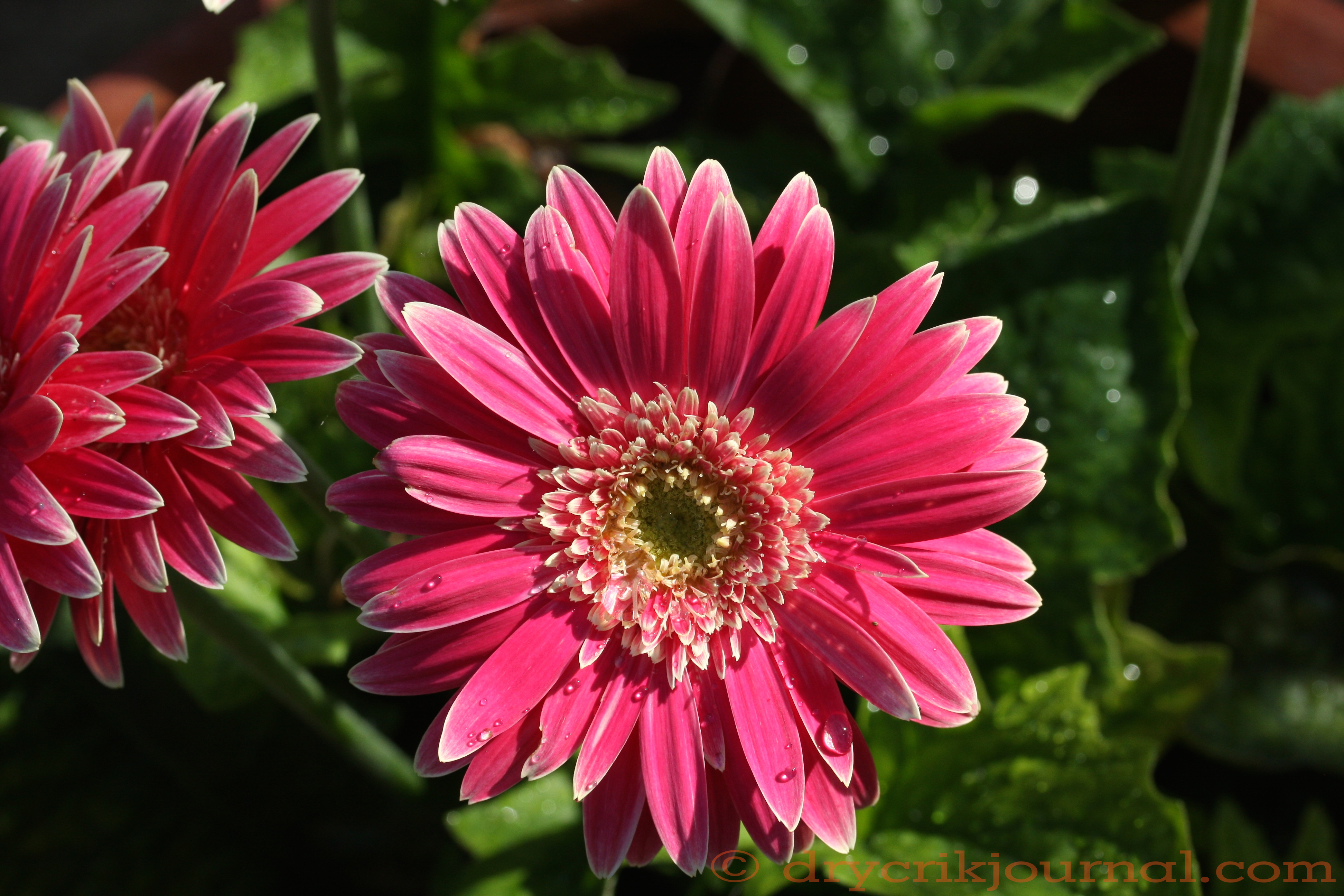
Surprise me with color
that prolongs spring,
just add water to the wild.

Surprise me with color
that prolongs spring,
just add water to the wild.
Posted in Photographs, Poems 2014
Tagged African Daisy, Drought, Gerber Daisy, Gerbera, haiku, photographs, poetry, weekly-photo-challenge
Posted in Photographs, Poems 2014
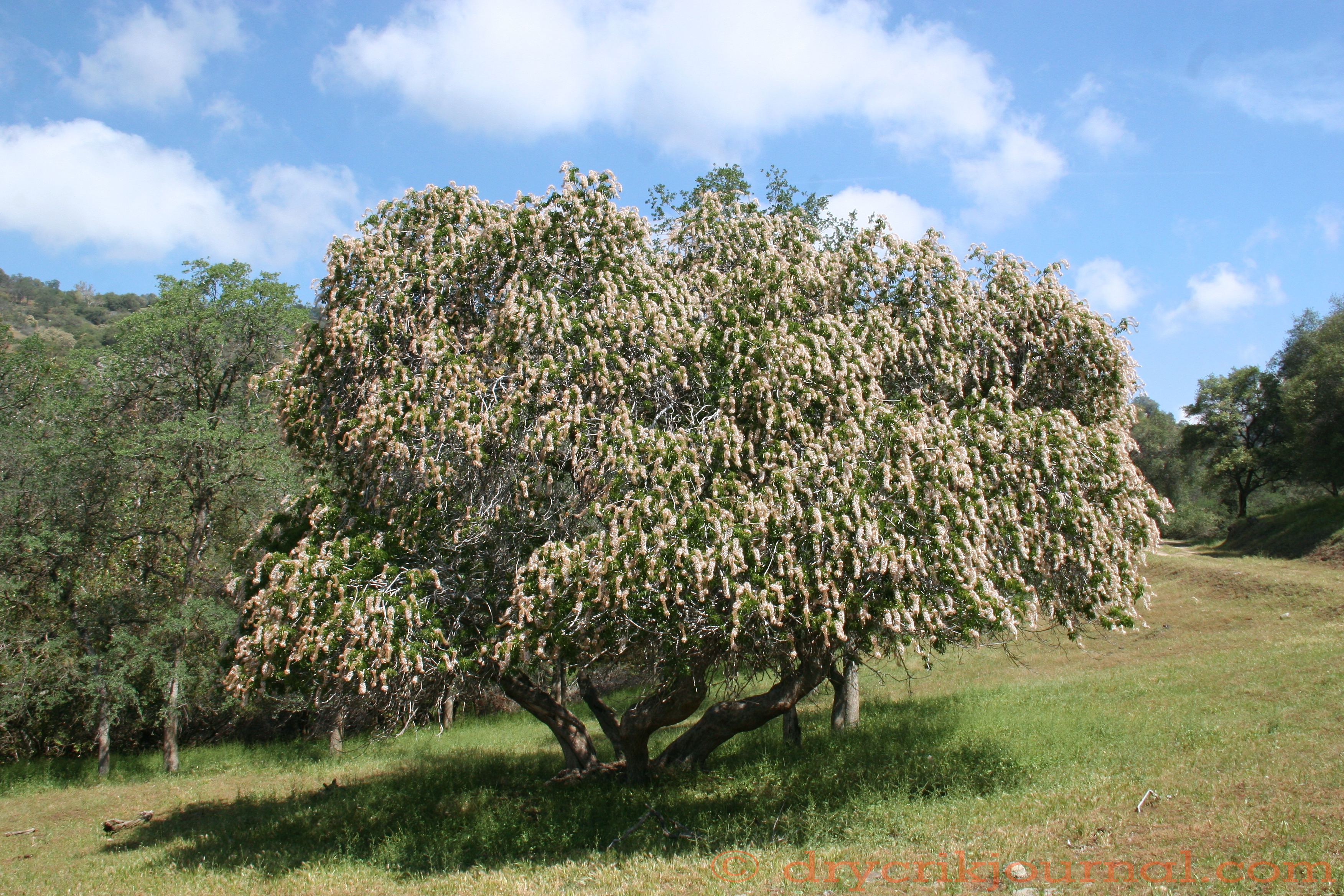
Tagged California Buckeye, Drought, haiku, photographs, poetry, weather, weekly-photo-challenge, wildflowers
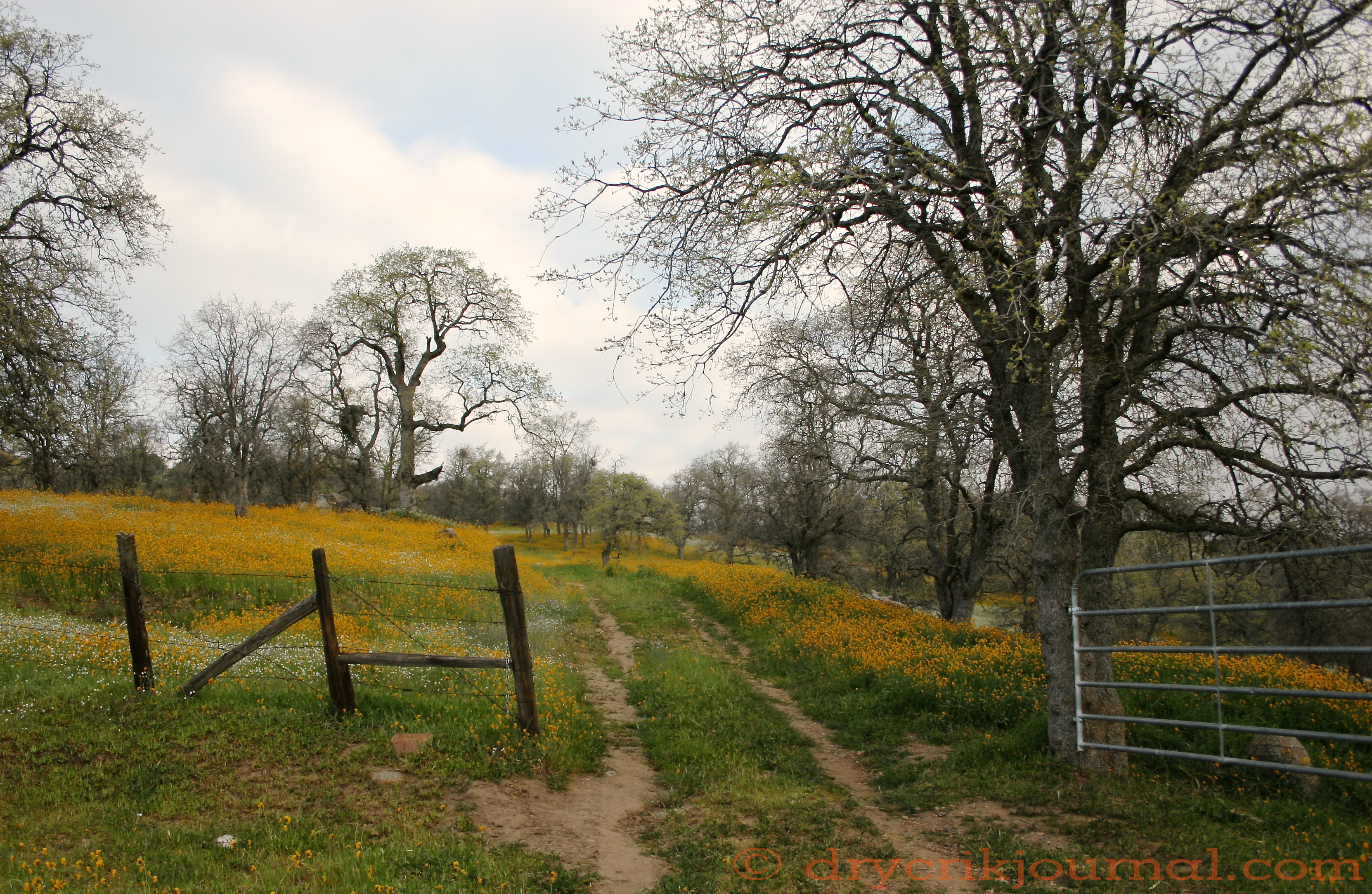
March 18, 2009 – Paregien Ranch
Gates left open
to trails we explore,
sometimes I forget where I am.
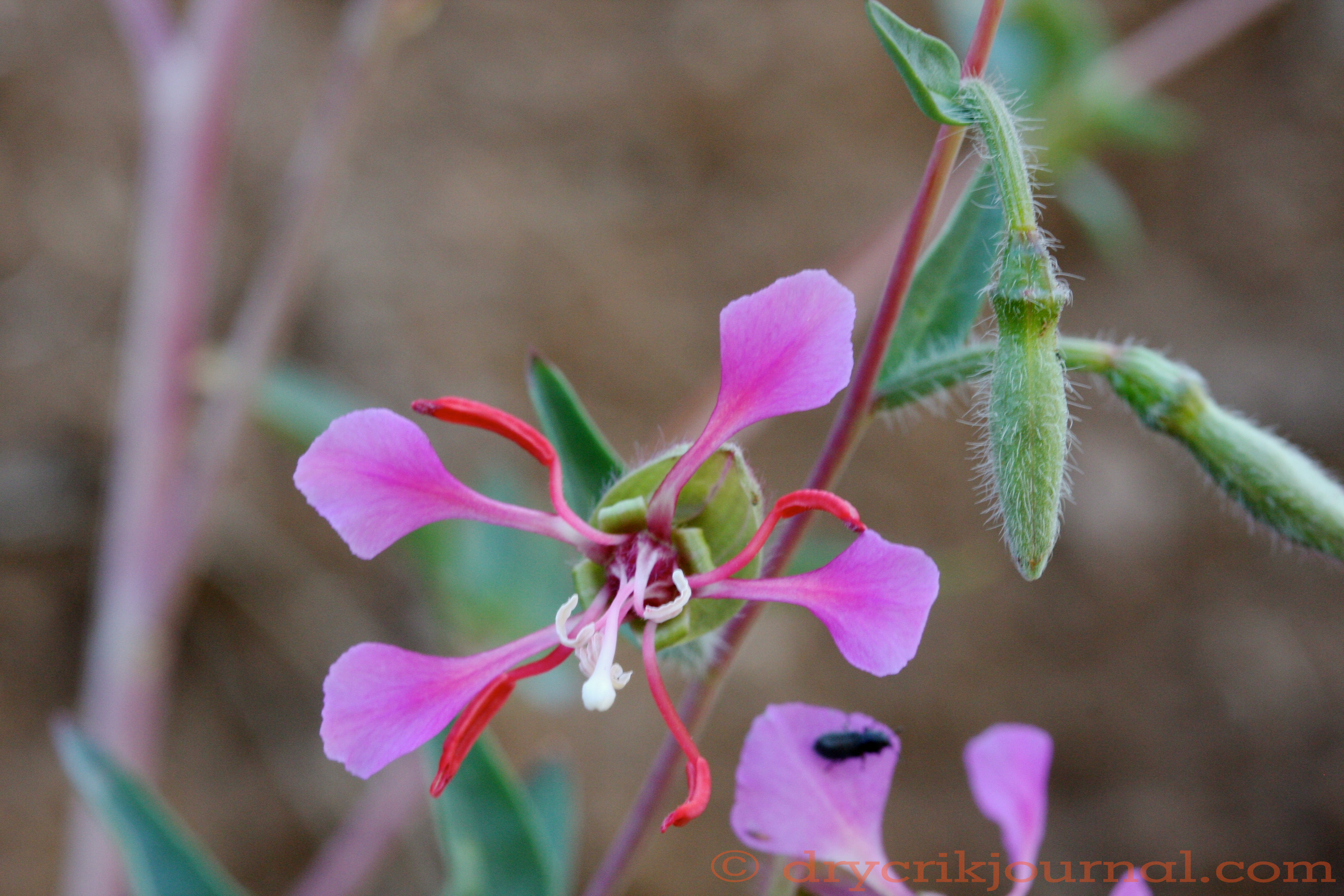
Also known as Mountain Garland, Clarkia unguiculata is endemic to California, and in tribute to William Clark of the Lewis & Clark Expedition, one of many species that bears his name. Judging by its widespread distribution on the ranch this spring where I’ve never seen it before, I am assuming that it enjoys these dry times. Usually found on partially shaded road cuts, in soil that was disturbed years ago, it blooms on long stems 3-4′ feet high, generally in groups or colonies of a dozen plants or more. On a year where the diversity of wildflowers and the size of their blooms has been severely impacted, it’s good to see them flourishing. A wildflower that is easily overlooked until closer inspection.
Posted in Photographs
Tagged Clarkia unguiculata, Drought, Elegant Clarkia, flower-friday, Mountain Garland, Paregien Ranch, photographs, wildflowers
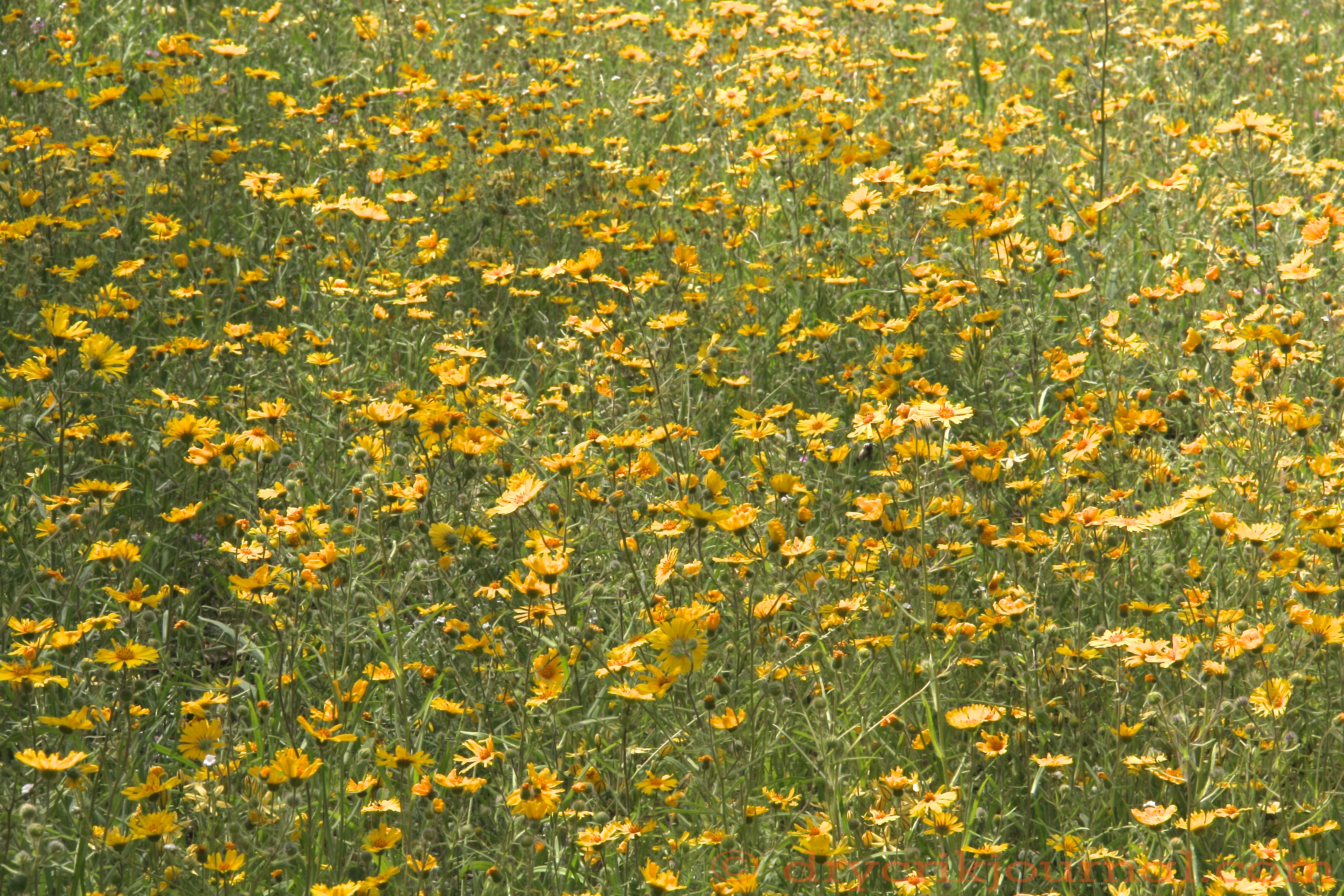
On the dark side,
colorful glimpses of spring
that we just can’t believe.
Posted in Photographs, Poems 2014
Tagged Drought, Greasy Creek, haiku, photographs, poetry, Pretty Face, Sierra Tidy Tips, Sulphur Peak, weather, wildflowers

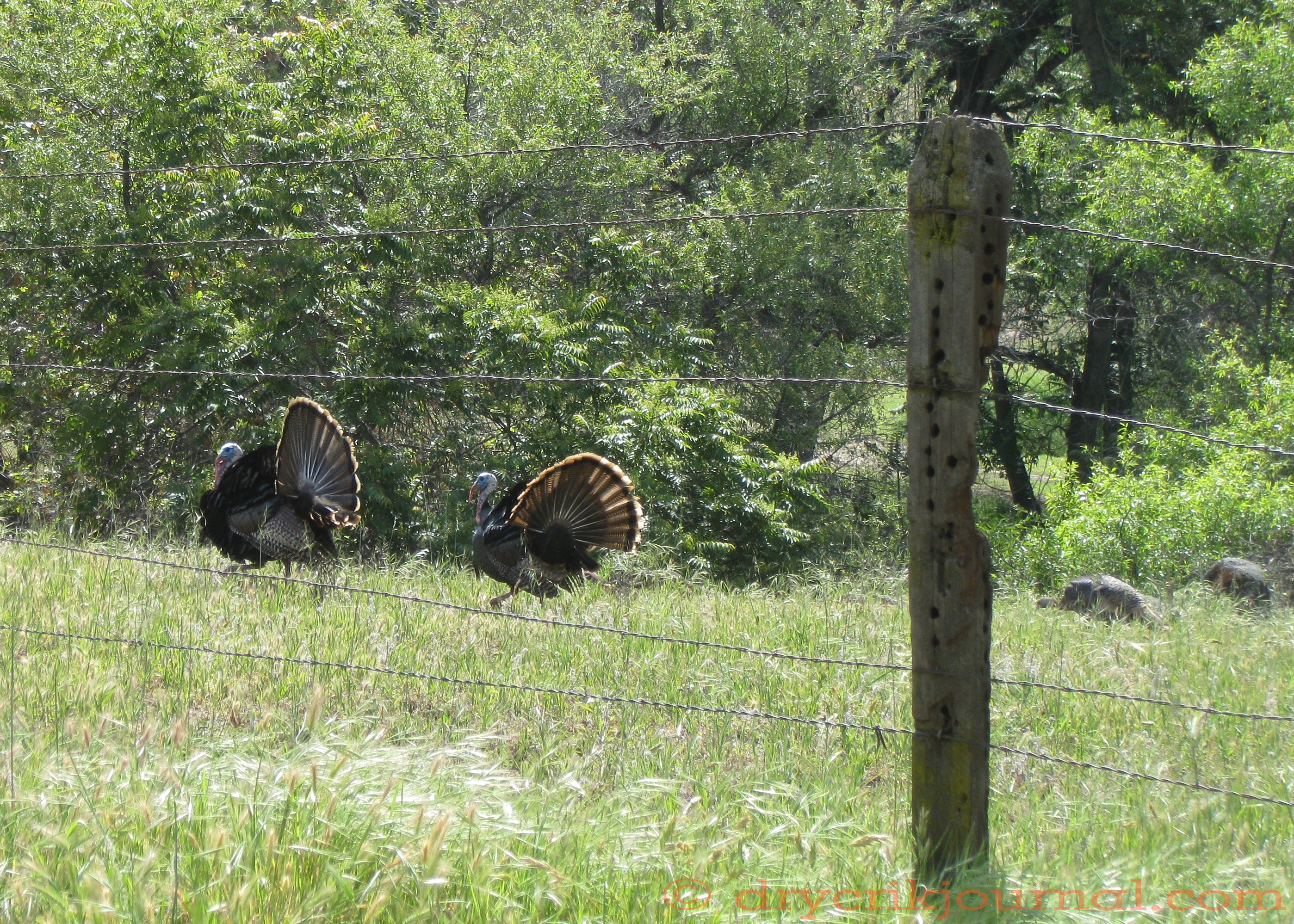
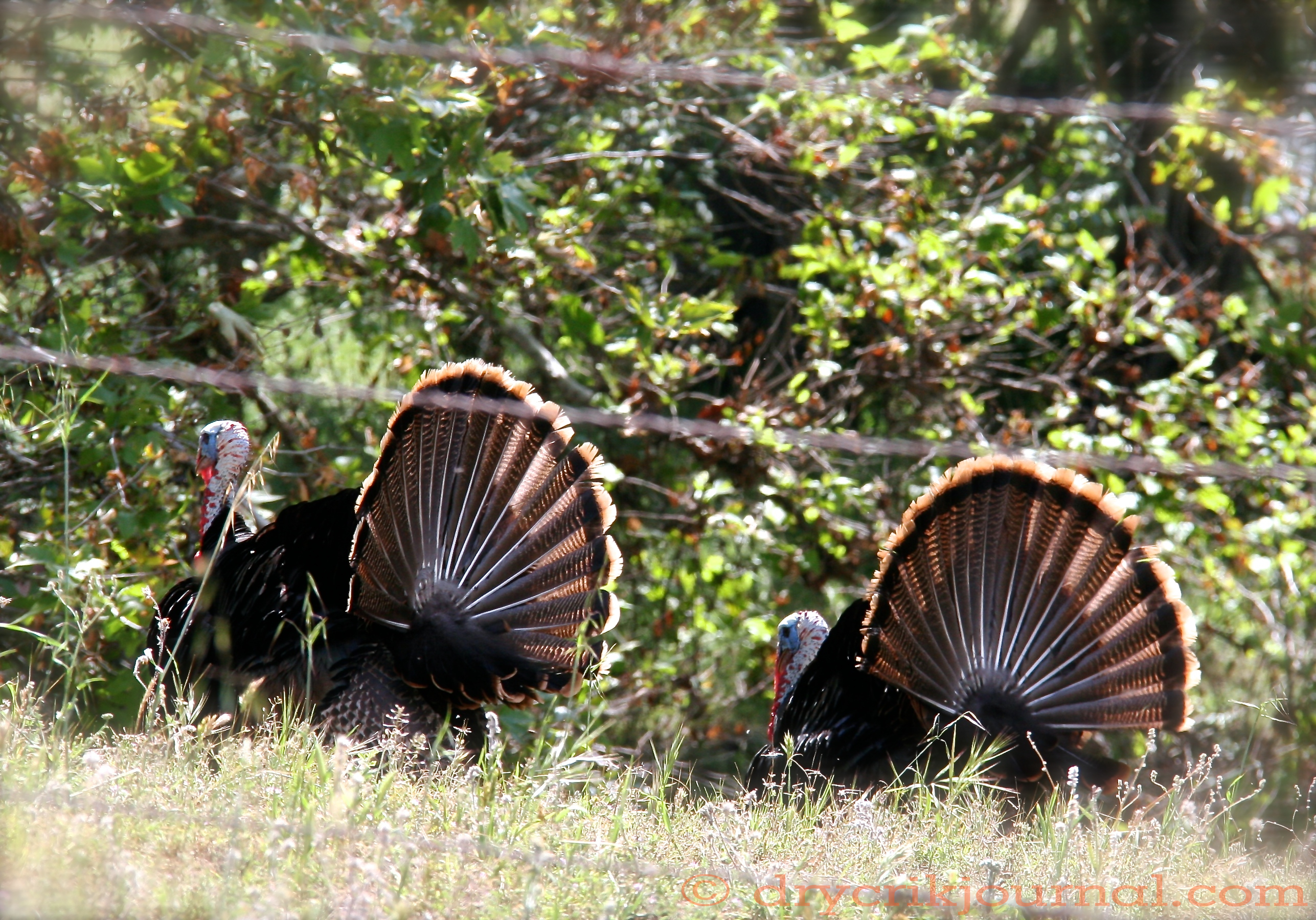
On our loop of Greasy Creek to check the cattle last Sunday, we interrupted some strutting wild turkey toms busy with their rites of spring in our Gathering Field.

For most people, a cow is a cow, but the grace of this native pair despite their good flesh, a seven year-old Hereford cow and her heifer calf, approaches the perfection of motherhood for me, reminding of an ode included in “Poems from Dry Creek” and published by Starhaven in 2008.
IO
On the horns of an infant moon,
the creek shrinks and pools
between sycamores and live oaks
as babies come to first-time mothers
bringing the bear tracks downcanyon
on the scent of spent placentas.
Black progeny of the river nymph –
white heifer driven madly by Hera’s
gadfly Oestrus to cross continents
and populate Asia – find maternity
perplexing at first. Yet, lick and nuzzle
the stumbling wet struggle to stand,
suckle and rest that enflames instinct
in all flesh. Worthy timeless worship,
no better mother ever than a cow.

Robbin and I made the loop in Greasy Creek yesterday to check on our cattle and feed conditions. Robbin photographed this roll of used barbed wire and granite patch of Bush Monkeyflowers that reminded me of David Lee’s entertaining poem:
BARBED WIRE
You just cut that sombitch right here
– Karl Kopp, Yarbrough Mountain
It isn’t no easy way
to find the endpiece of wore
onct it’s in the roll
you can pick it up bounced it round
like this or roll it
upside the barn hard
mebbe it’ll pop out
most times not
don’t cost nothin to try
it was this man back home
name Johnny Ray Johnston
a inventor
he invented this thing that could help
find the endpiece
and sent it off to Warshington
he had this brother
name Haroldwayne Johnston
a blind gospel preacher
he wasn’t always
he’s a mean sonofabitch young
all filt up with sin and equity
fighting raising hell
had three four of them girls
his age up to the doctor
all before he’s called
it was this other brother
name Leonas Timothy Johnston
he neve learnt to read
so he got a job with the highway patrol
got shot by a shiner
i seen that worefinder
it worked my brother he bought one
where’d them pliers go?
so Haroldwayne one day
he’s out in this field
where the neighbors run his hogs
hiding in the shinery
shooting a pellet gun
to watch them squolt and run
I guess he was lesse
it was two years before he tried to heal
Mavis Tittle’s one that died
of the toothache so he must have been twenty-four
goddam watch it
worell tear the hide right off
your hands you seen them gloves?
this storm come up a sudden
caught him out there
looking like a cyclone
he had to get home so he run
by the time he got to the fence
it was hailballs coming down
he tried to climb through with the gun
poached hisself
shot right up his nose
made all the blood go in his eyeballs
he’s blind
that fence caught him
he’s straddled of one wore
the top one had him grapt by the butt
here comes the storm
he sez he could feel that wore
go green when the lightening struct
made him a eunuch
he could look right at a naked womern
wouldn’t nothing go down
nor come up after that
you find them pliers? look
in the jockey box or under the seat
sez he heard God call him
he’d been hollering like a sonofabitch
they heard all the way to the house
and was fixing to come but he quit
they waited till it quit raining
sez they’d of thought he’s dead
and that would of made two
only one brother left for a seed crop
all that blood out his nose
except he’s praying to hisself out loud
he never even heard them coming up
it isn’t none there? look
in the back see if it’s some sidecutters
or something so they known he’d got religion
and they never seen he’s even blind yet
he’s a gospel preacher after
and Johnny Ray’s a inventer
Leonas Timothy was arredy shot dead
what it was was a piece of wore
it could be fixed on the end at the store
except it was red paint on it
wherever the red was was the end
when you’s through using wore
then fix the red one on
next time there’d be the endpiece red
Haroldwayne he saved hundreds of lostsouls
come all over to hear him heal
best on headaches and biliousness
it was one family had this crippled boy
come about eighty miles to see him gospel preach
brung this boy up front
he taken and grapt his head
hollers the words and sez now walk
but he fell on his ast still crippled
they sez it wasn’t Haroldwayne’s fault
them people didn’t have the faith
I heard he drownt a year or two after that
the govament never did send Johnny Ray
no patent agreement we figured
he kept the invention for hisself
so Johnny Ray he made some up
and sold to his friends around town
you caint buy it nowhere else
I wisht I had one now
I’ve waste more damn time on wore today
then I have to lose
bring them pliers here
let’s cut this sonofabitch it don’t matter where
we gone set here all day
won’t never get this damn fence done.
“Barbed Wire” from Porcine Canticles
©1984 by David Lee, Reprinted by permission
Copper Canyon Press, P.O. Box 271 Port Townsend,
WA 98368 (360/385-4925)
courtesy: poetryexplorer.net
Posted in Photographs
Tagged Barbed Wire, David Lee, Greasy Creek, photographs, poetry, weekly-photo-challenge, wildflowers

The earth like a clean sheet waits
for dawn through cold, gray cumulous
stacked atop hillsides of bare, dark clay
after a thunderstorm’s harsh scouring—
each thin blade stimulated, invigorated
to meet tomorrow with alacrity,
reckless grins upon every face
and we, foolishly, have no choice
but to imitate the mob’s delight
and forget the dry for a moment
to consider the range of this miracle—
of our goddess-come-home-late
and gone-so-long we have forgotten
what she looks like—what we
have taken for granted, and why.
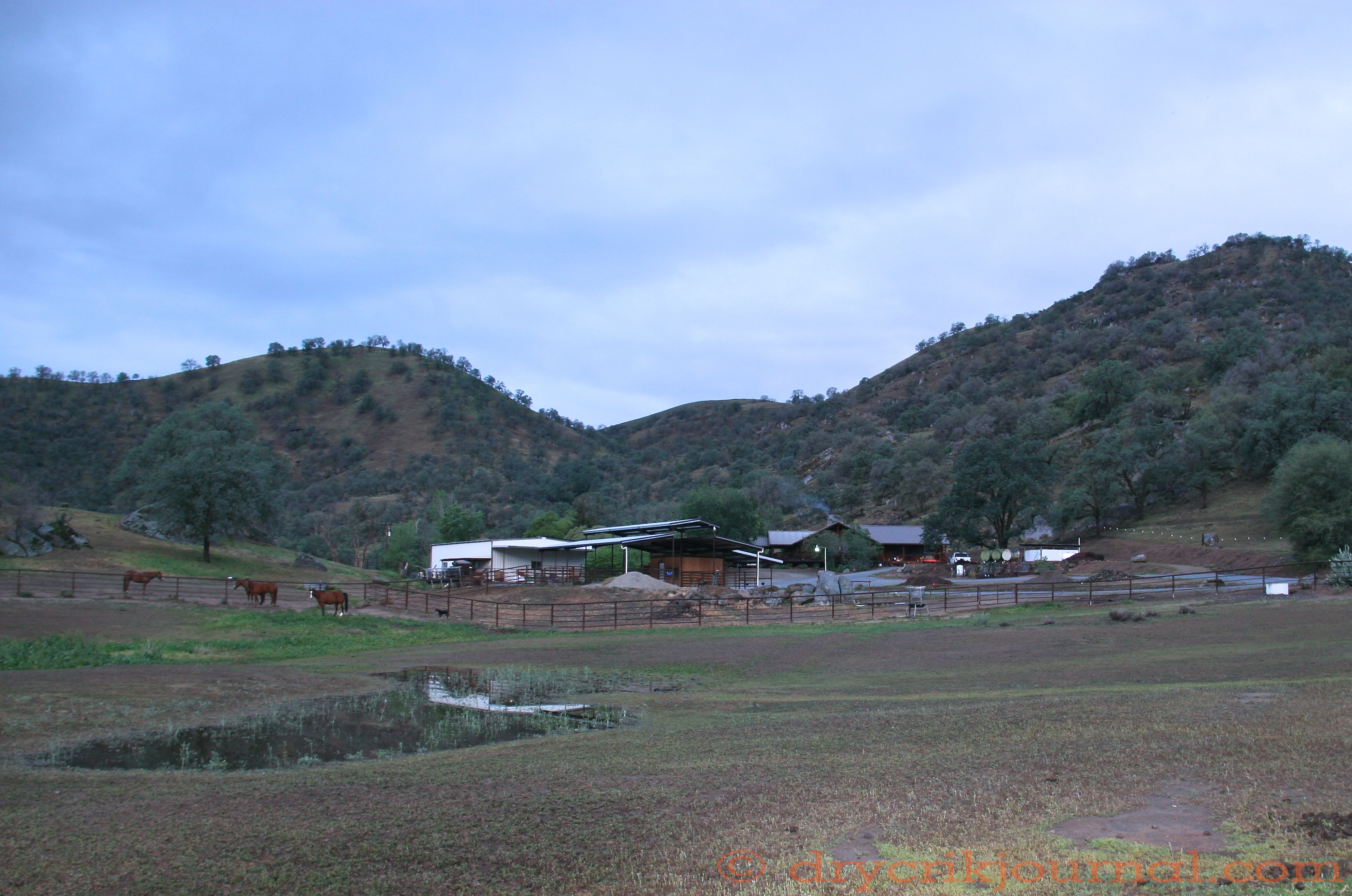
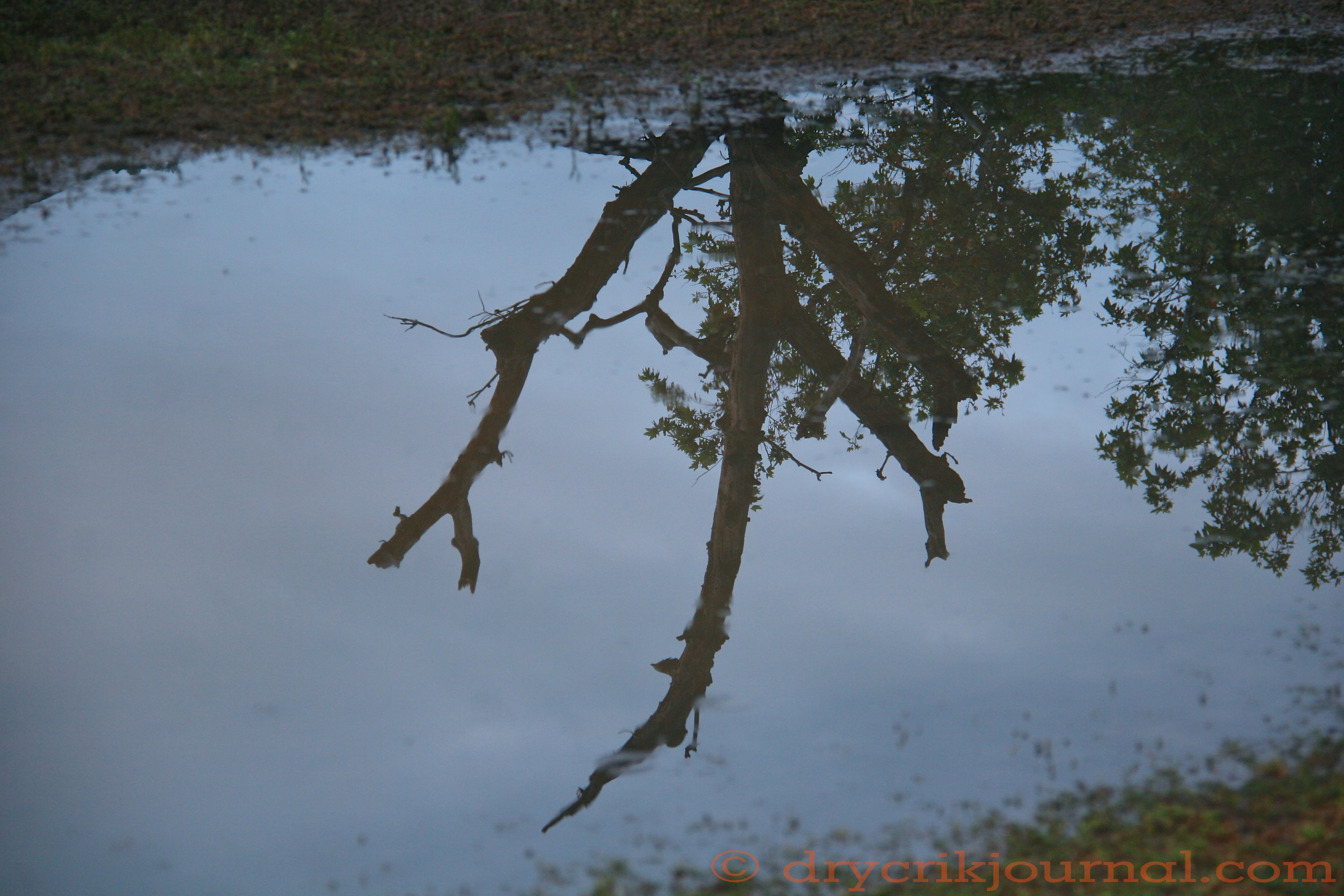
One measure of yesterday’s rain event, the largest all season long, are the puddles in the horse pasture the Wood Ducks have yet to find early this morning, many of which have left Dry Creek without nesting. Two related thunderstorms poured through the afternoon and into the night to leave 1.91″ in the gauge, roughly 25% of our season’s total. This will prolong our feed in the granite above 2,000 feet for two or three more weeks and add life to our stock water ponds. I don’t expect much impact to what’s left of the feed on our clay slopes at the lower elevations, but anything that may be still green will appreciate the moisture.





 drycrikjournal