Tag Archives: photographs

GOLDEN EAR-DROPS

Dicentra chrysantha, Woolley Canyon April 12, 2025

Half-Inch

Far from the advertised Atmospheric River forecast, we are grateful for the much needed moisture overnight. Just a sprinkle when Robbin took this photograph yesterday evening as sunshine leaked through the approaching clouds.

BRANDING 2025

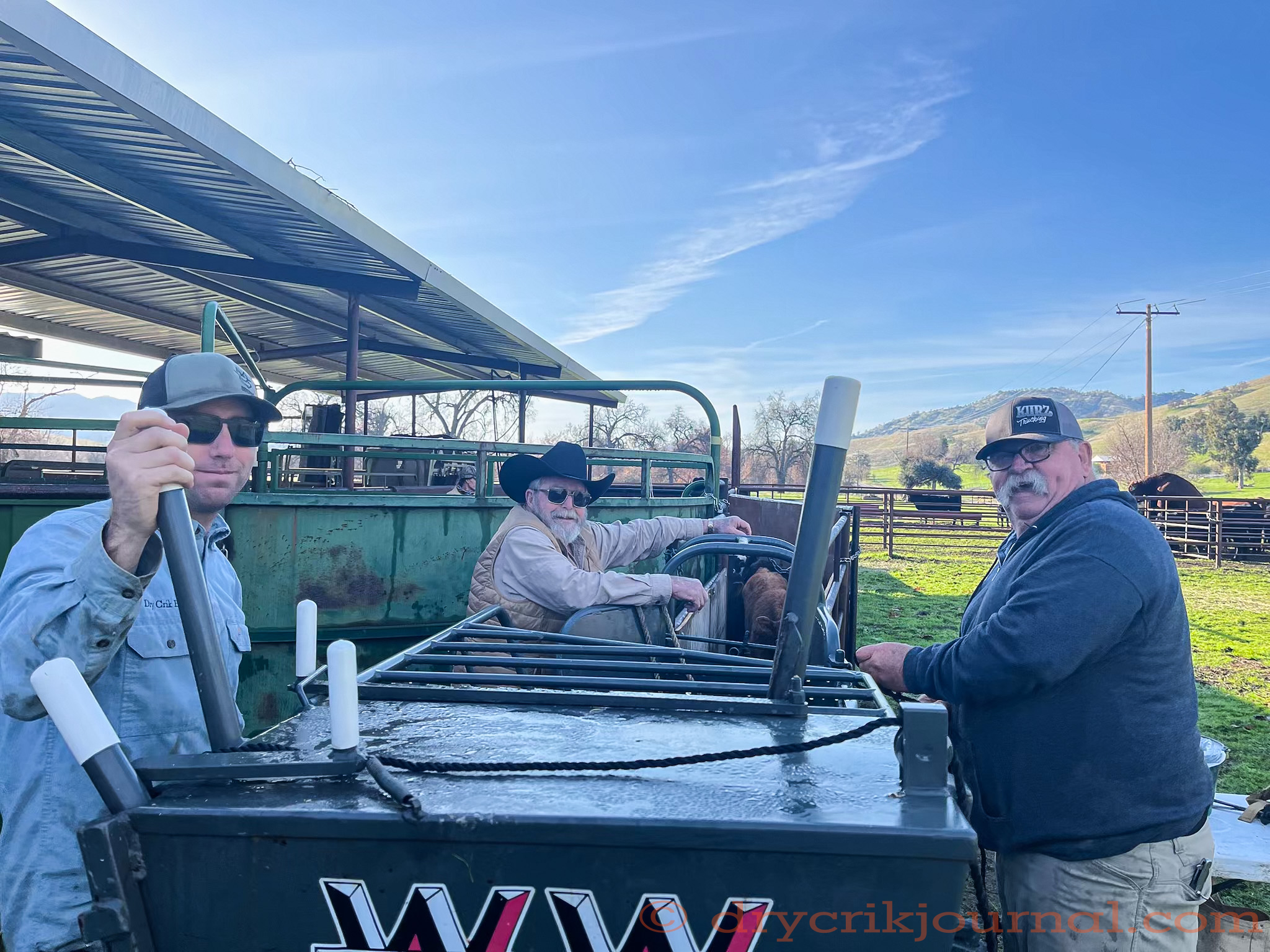
Robbin’s iPhoto.  Pictured with me: Shawn Fox  & Chuck Fry

I was weaned on a copy of the Teco calf table and my job at six or seven was to push the calves up a narrow chute through the sliding gate to the table.  My dad was on one side and Clarence Holdbrooks on the other.  Clarence would catch the head and squeeze the body of the calf, and then tip the table into a horizontal position.  My dad would put a rope around the back feet of the calf and stretch them tight to make it immobile so the bull calves could be castrated and all the calves branded, vaccinated and ear marked.  Once done, the table would be tipped to a vertical position and the calf released.  The three of us, two men and a boy, would brand 50 head in about 2 hours.

The calves were small, but I learned a lot from the back side of those calves.  Of course my denim jeans would be covered with shit. Naturally the calves would often kick me, but  I learned that the closer I got to the calf the less the kick would hurt as opposed to standing back and getting the full force of the kick.

Branding on the calf table wasn’t much fun compared to roping the calves a horseback, so by the time I got my own cows, we headed, heeled and stretched them out for the process.  And so it went for fifty years here, a crew of the neighbors branding one another’s calves—trading labor.

I remember branding calves for Forrest Homer in a 20’ x 20’ board pen where you needed to know how to throw a trap with your heel rope.  But since then the corrals have gotten larger and the action quicker to where today’s brandings have become more like team ropings that are harder on the calves, so much so that Robbin and I have gone back to using the calf table.


Robbin’s iPhoto. Terri Blanke, Allie Fox, Tammi Rivas

FIRST CALVES 2024

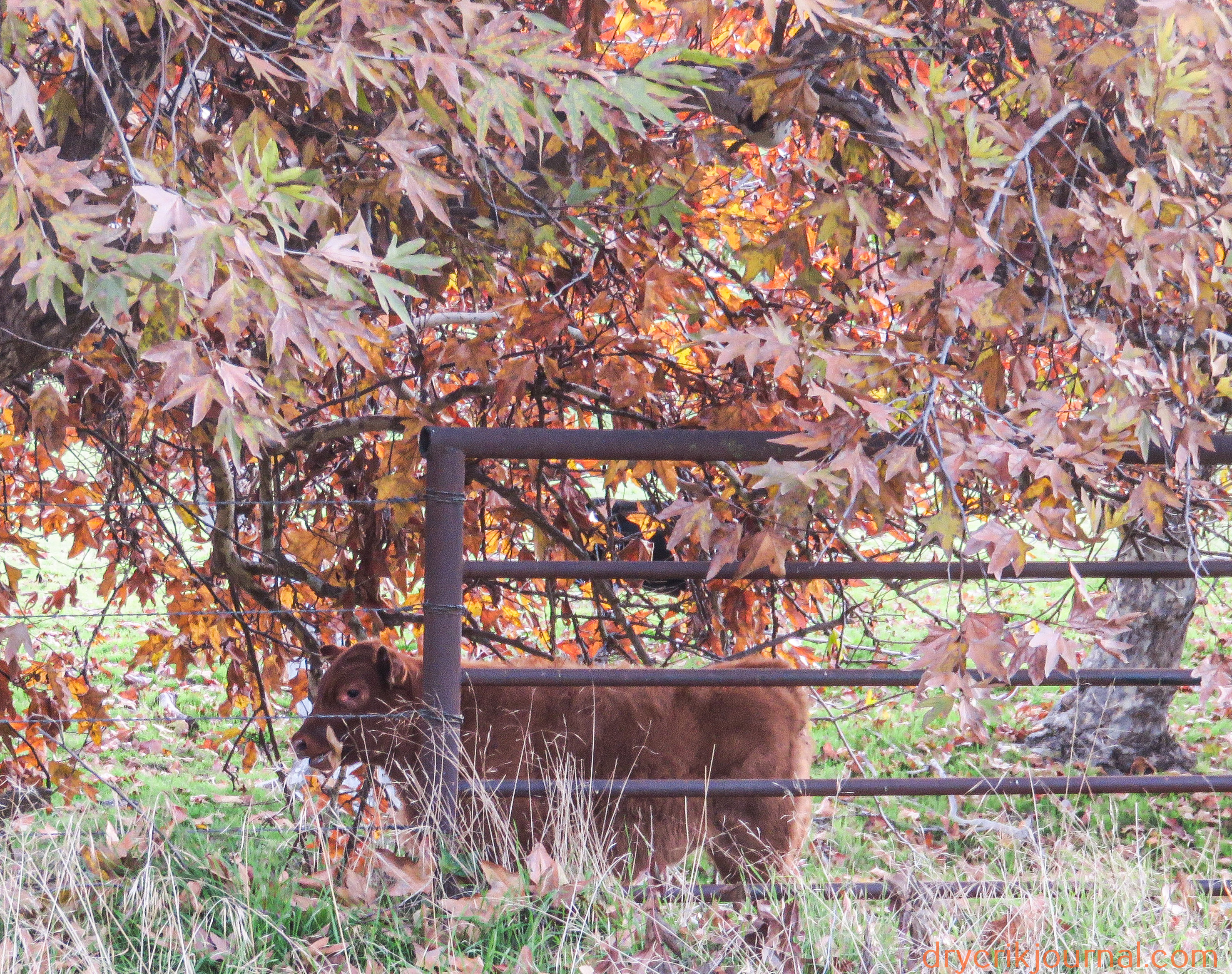
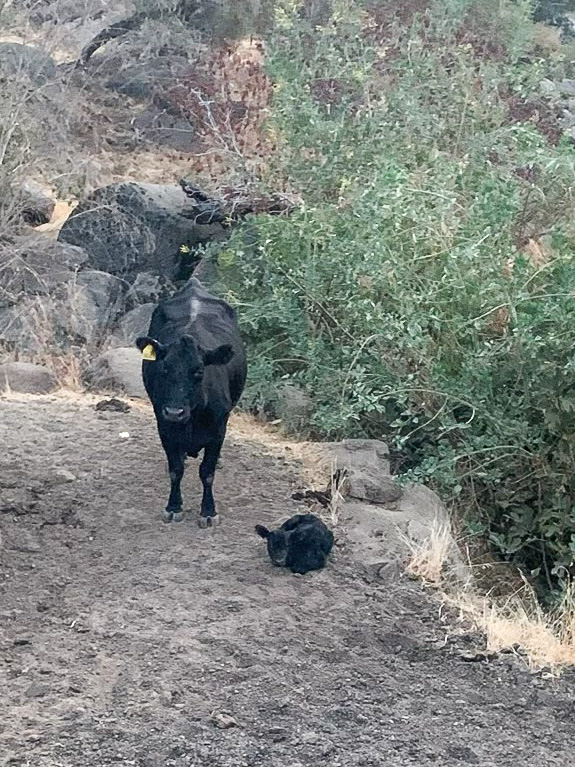
September 16, 2024 – #8043 Rocky – Chuck Fry Photo

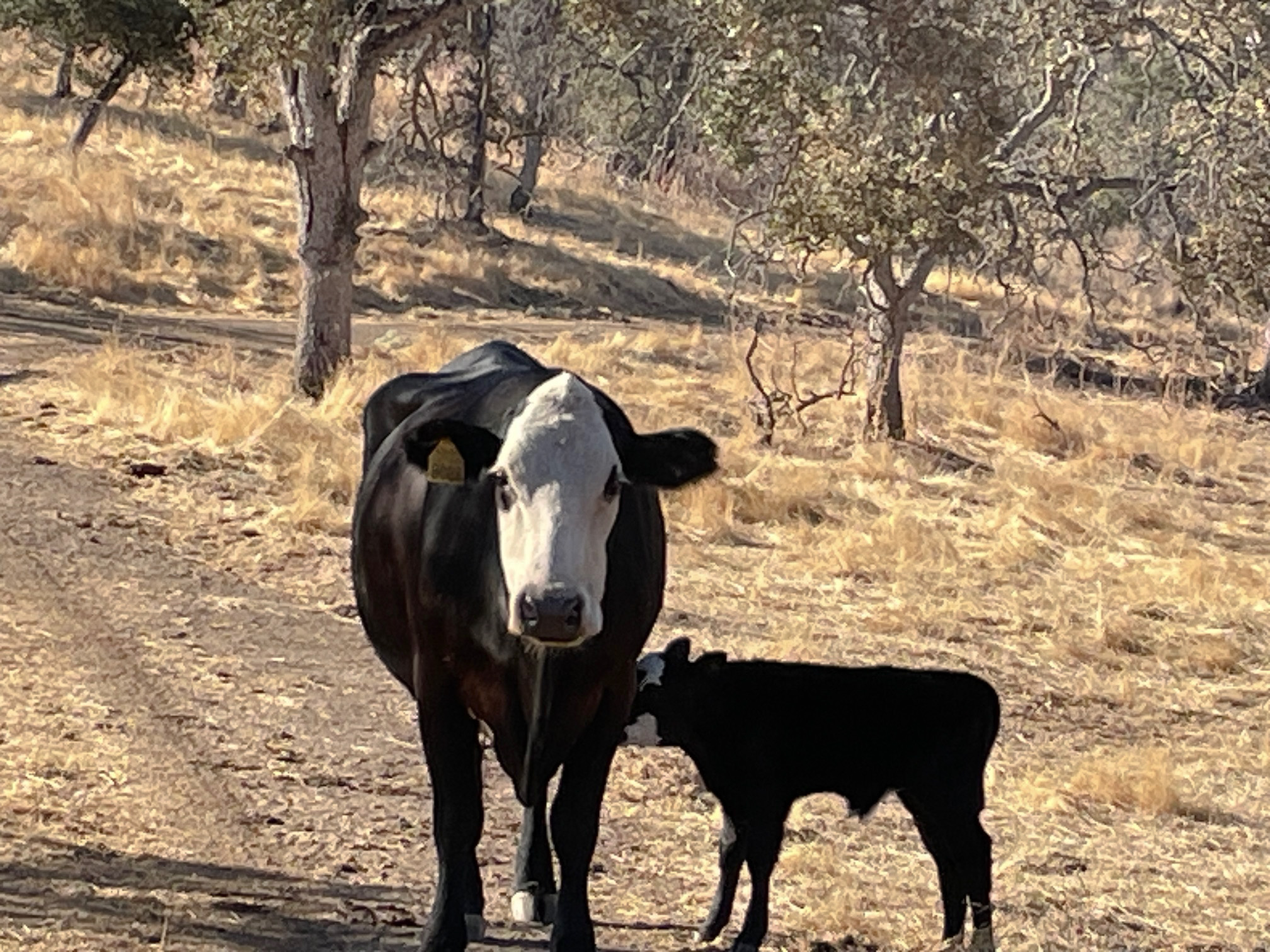
September 17, 2024 – #8088 – Paregien – JCD Photo

for Age & Source Verification

A little more anticipation, it seems, as we’re calving 2 weeks later hoping to take advantage of cooler weather.

THELMA AND LOUISE


We could blame last spring’s atmospheric rivers, double our average rainfall for the season that kept us from branding our calves on the Paregien Ranch. Our heifer calves were exposed to our slick bull calves until we weaned in May, possibly bred that would miss our calving target date of October.  A February calf instead would jeopardize the heifer and eliminate her from our replacement bunch.

When we vaccinated the heifers for clostridial, respiratory and Brucellosis diseases in June, we also injected them with Lutalyse to abort any short-term fetuses.  Lutalyse is commonly used to synchronize heat cycles, especially when groups of cattle are to be artificially inseminated.  

We’ve had an abundance of strong feed this summer, helping to keep our heifers in shape and cycling when we turn our low-birth weight bulls out in the middle of December.  And as expected, they have been cycling, bulling, practicing all at once—a bovine orgy, a virtual humpfest. 

Unfortunately, one heifer was crippled in the raucous activity, unable to put any weight on her right hind leg.  We hauled water and hay to her for three days before walking her into the pen by the house.  Shortly thereafter, she (Thelma) attracted a friend (Louise) who spent days and nights for week with her on the other side of the fence while the rest of the heifers were off grazing.

After two weeks, Thelma is much better now, and taking full strides.  Louise was back again last evening to check on her friend.  The bond is obvious.  They may be twins, as we had several sets, but more than likely they were just raised together.  Whether or not Thelma recovers well enough to make the replacement bunch remains to be seen.  But either way, blame it on climate change and too much rain.

THEY COME TO ME (aka “WILD OATS”)

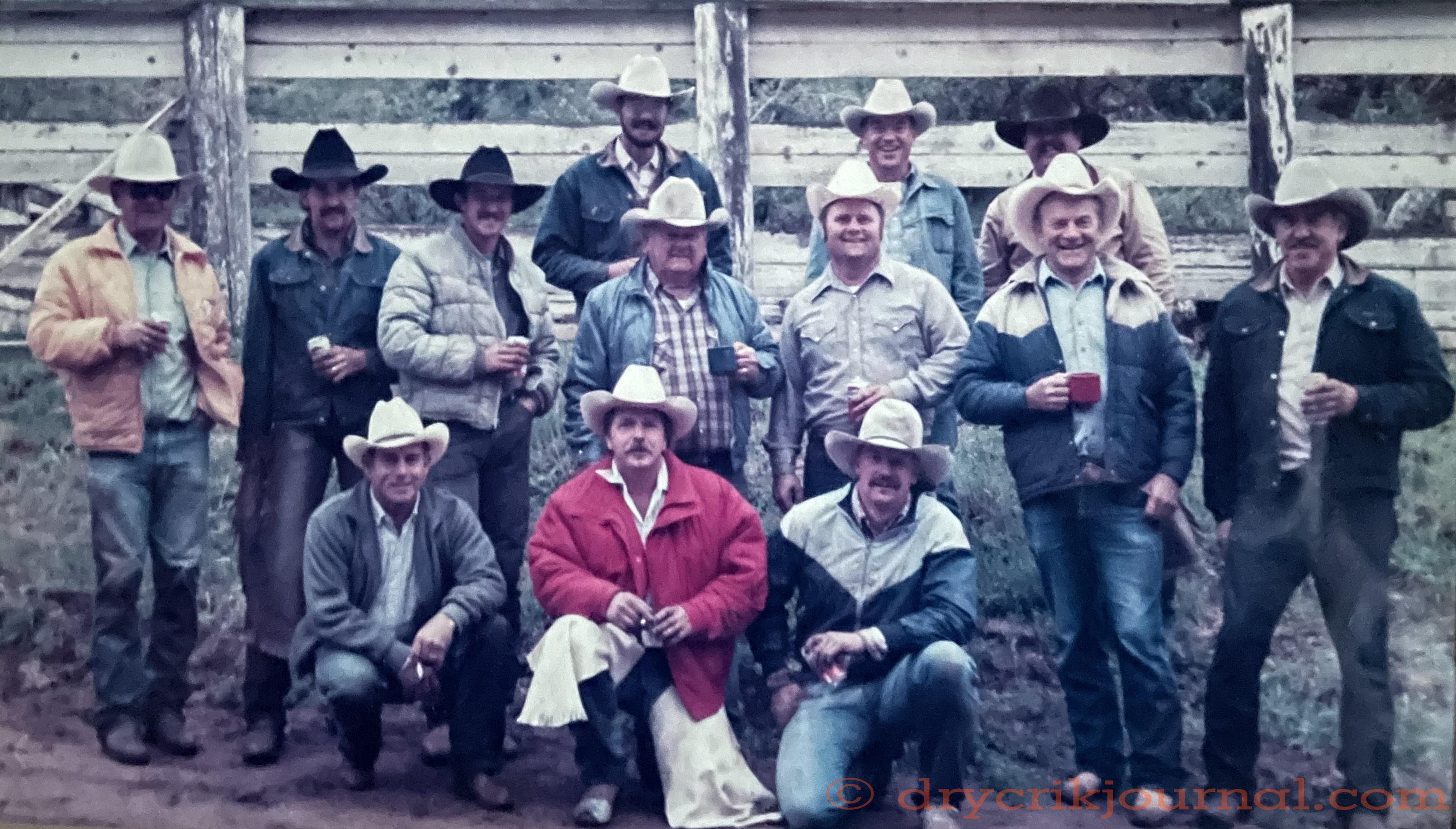
Top: Jim Wells, Leroy Whitney, Scott Erickson. Middle: Jack Erickson, Kyle Loveall, Gary Davis, Jr., Forrest Homer, Mehrten Homer, E. J. Britten, Earl McKee, Jr. Bottom: Clarence Holdbrooks, John Dofflemyer, Craig Thorn III.


Ever so gentle, these waves of wild oats—

easy undulations into the wide swath

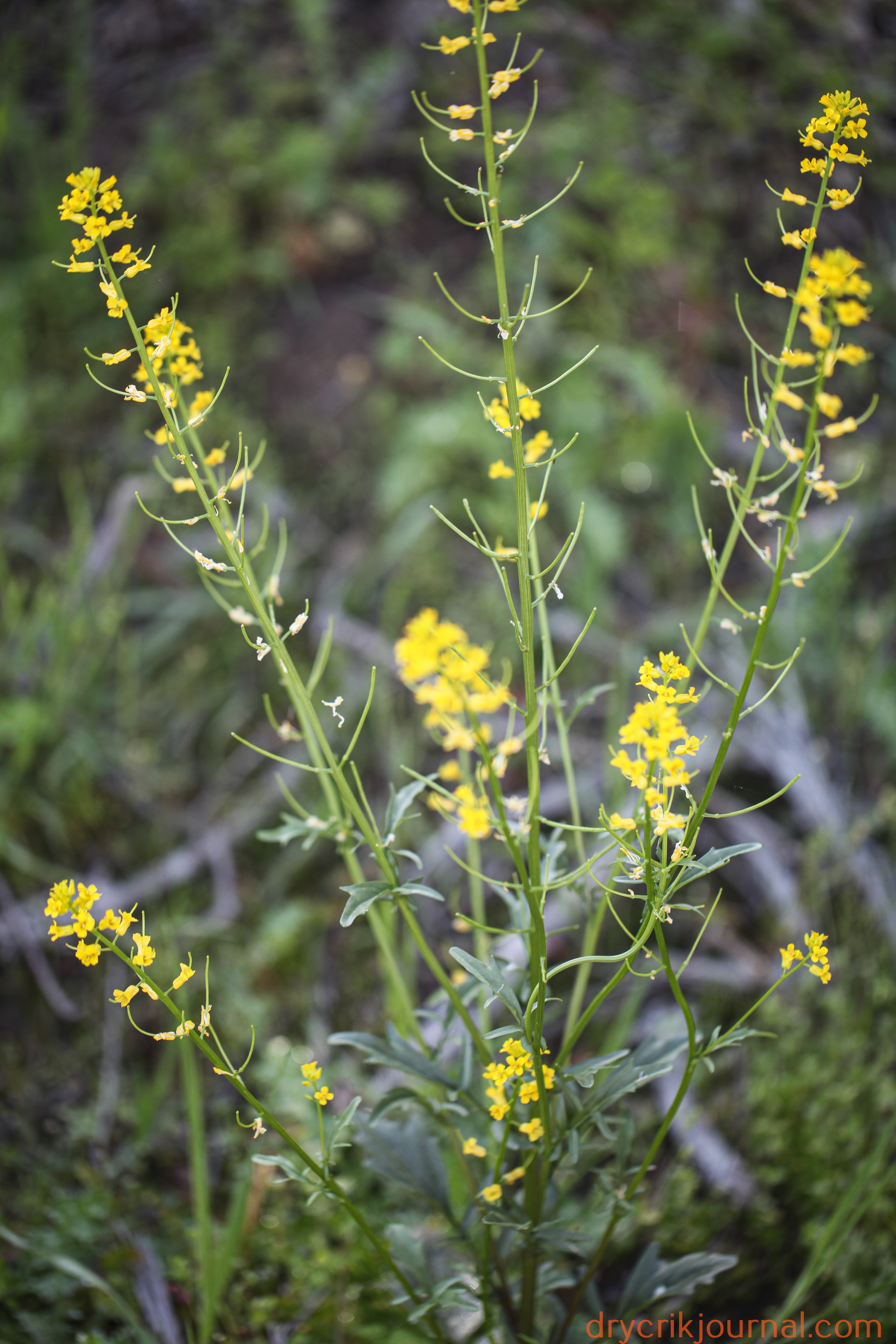
of bright-yellow White Mustard


in the disturbed ground

where we fed bulls

drought after drought.


If ever I could reinvent myself

as easily with storm after storm,

shake the slow walk and run


with breath aplenty, mind sharp.

Hazy days of snapshots flashing

uninvited or young among old men


now gone in the photograph

of the branding crew Rochelle took

when Craig was still alive


hanging on the bathroom wall

with south slopes of pure gold,

wet spring after the Drought of 1977.


Ever so gentle, these waves of memory,

stories only searching names,

ever so gentle, they come to me.


Damages Between Storms


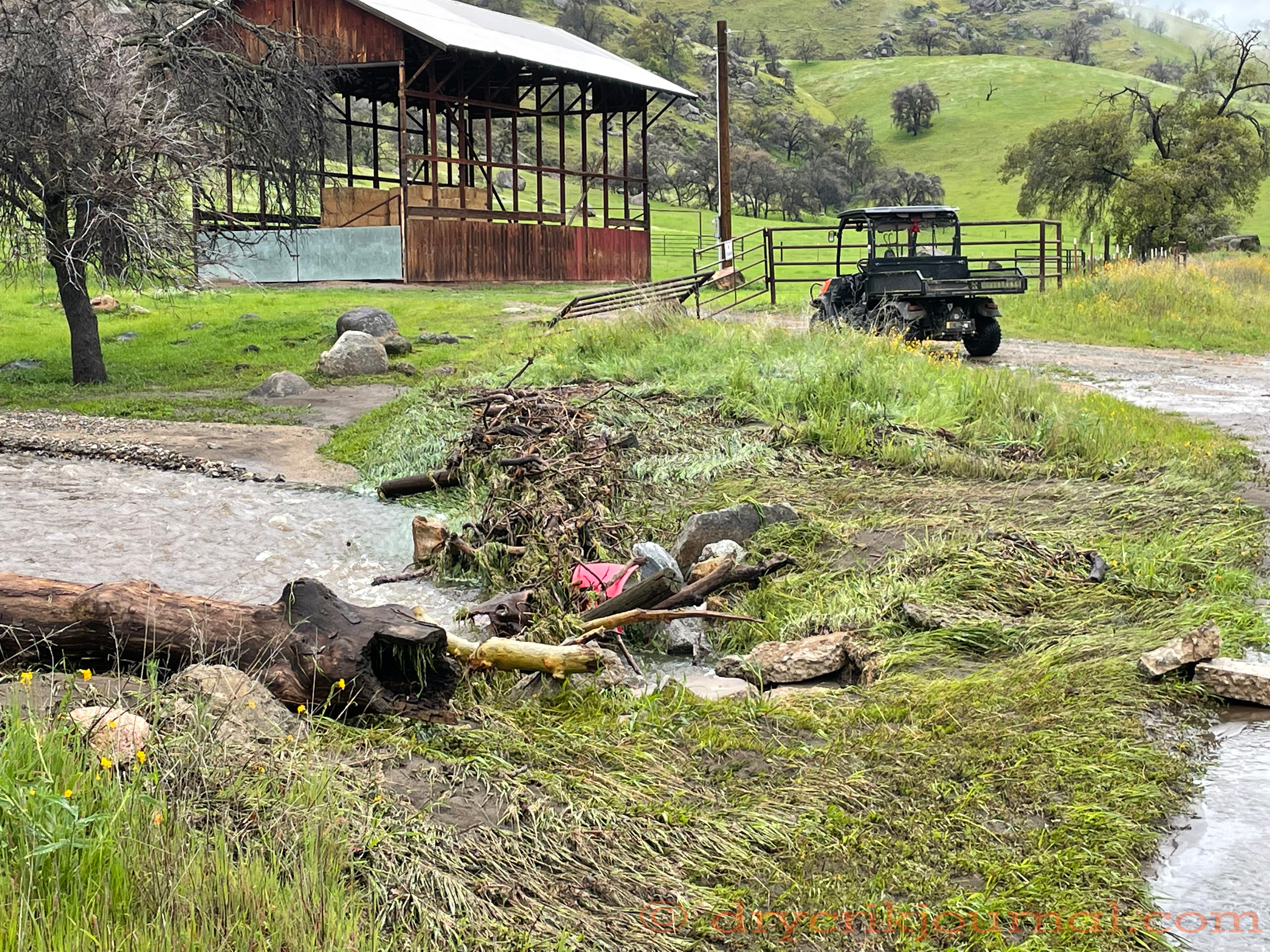
Another 1.58″ in the last 24 hrs., 2-day total 3.79″, forecast of 4+” through Wednesday, 3/15.

  1. Both sets of brush catchers caught hell and will have to be replaced.  Eroded far bank, widened channel.

      2. Pipe fence we recently built to the creek acted like a brush catcher and is lying flat.

      3 & 4. Culvert on Ridenhour Creek couldn’t handle the flow, wiped out fence and gate braces.

Lots of hillside sloughing on Dry Creek Rd, plugged culverts everywhere.  Road closed.  Greater damages to surrounding roads and small towns, Woodlake, Exeter, Elderwood.  

We’re fine.


Weathermaker


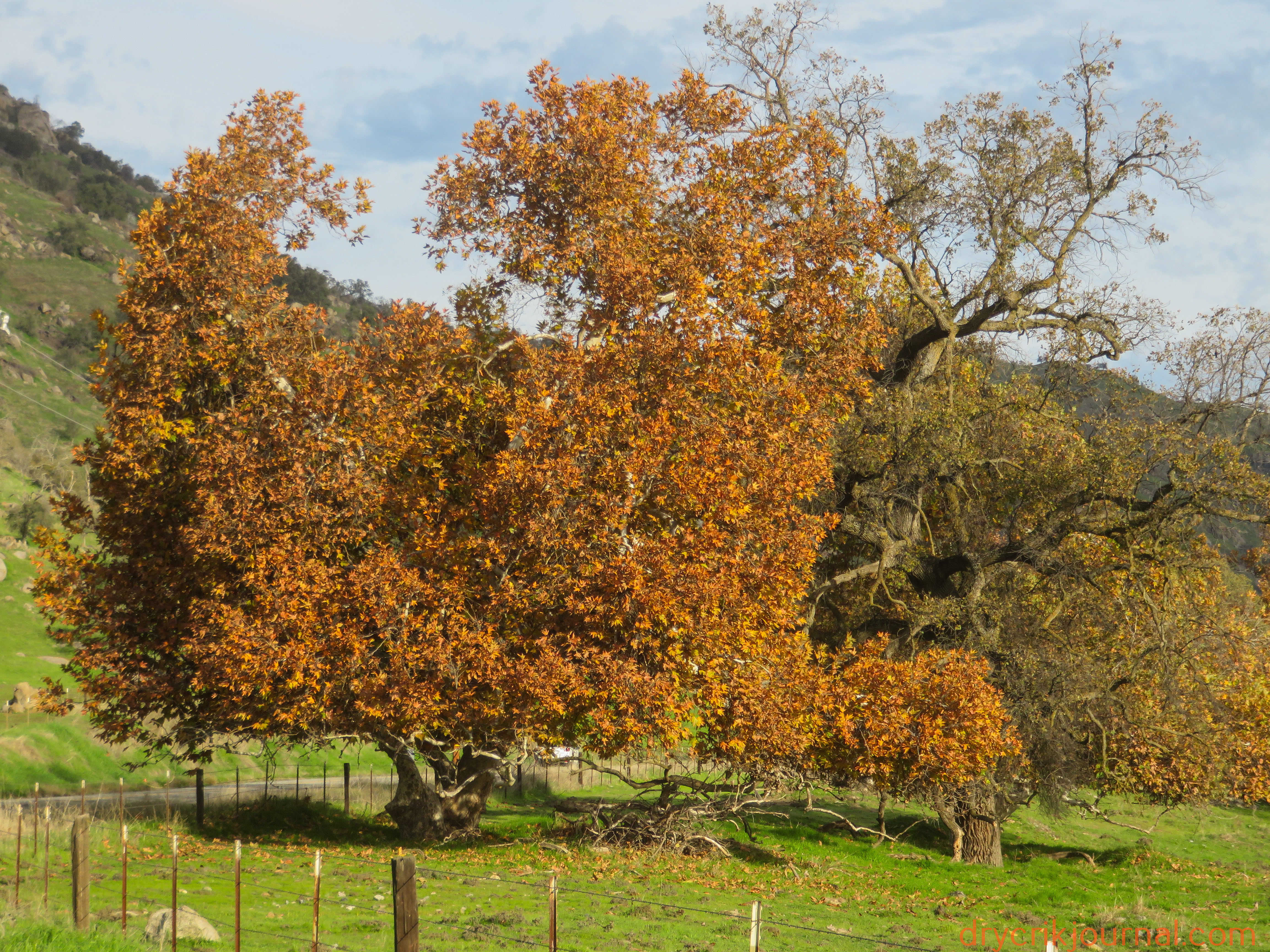
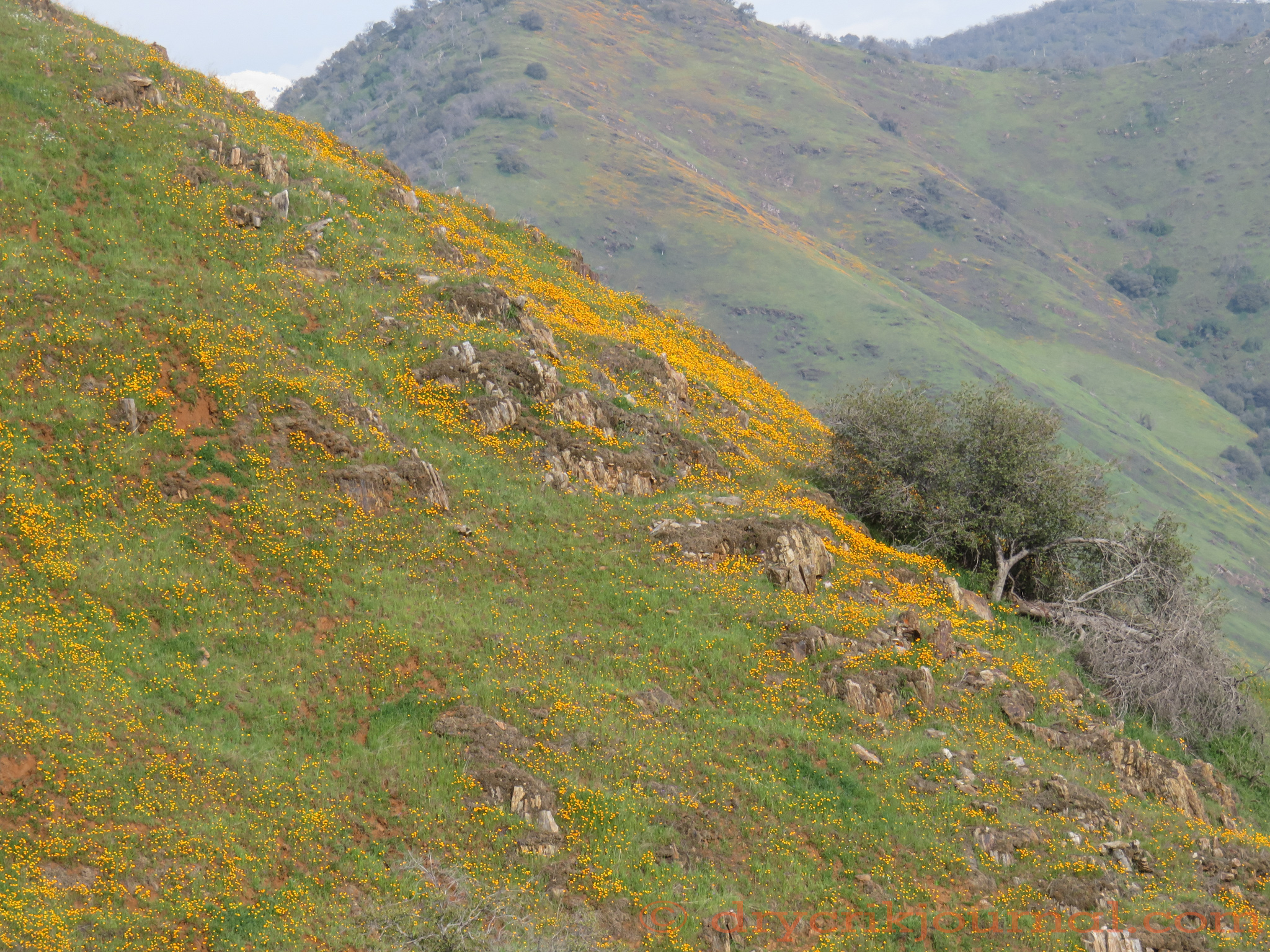
The foothill poppies are beginning to show on our south slopes as temperatures hover near 70 degrees.  The white popcorn flowers and orange fiddlenecks have begun to claim the gentler ground in what appears to be the beginning of a colorful wildflower year with the ample moisture (Atmospheric River) we received last month.


Beginning this evening, forecasts vary as temperatures drop into the low thirties with a cold front that will engulf California.  Weathermen are predicting snow down to 1,000 feet, nearly 1,000 feet below this photograph.  There is even some talk of fourteen inches of snow in Three Rivers.  Furthermore, Weather Underground predicts rain on all but one day for the next two weeks.


The road to the Paregien ranch has just dried out and cleared of fallen trees, but we still haven’t been able to get to the calves to brand up there.  We lost a month in time to the Atmospheric River in January, but two weeks of predicted rain with a week to dry out puts that branding into the middle of March at the soonest and our calves are almost too BIG to handle.


Nothing is certain in this business, but as a weather dependent livelihood we’ll have to be ready to adapt. (Cut another load of dead-standing Manzanita and Blue Oak yesterday, at least we should be warm).


OUT OF HIBERNATION


Stealing the warmth of gravel

an inch at a time, famished

after winter’s long dream


of what’s on the menu:

blind hatch appetizers

or a full-grown squeeze.


https://drycrikjournal.com/2021/09/04/tight-squeeze/


READY FOR PROCESSING

iPhone Photo by Terri Blanke


We’ve begun processing our Wagyu calves with a second round of vaccinations for Snake River Farms that we plan to ship in the first week of May. Each calf gets an Electronic Identification (EID) button and a tag to match at the same time. These calves are from our first-calf heifers that we poured the hay to from last July into December because of the short feed and to keep our first-calf heifers in shape to cycle and breed back. We don’t have to run the numbers to know that these calves won’t bring enough to pay for the hay we fed.


Every feed season is different, even in a drought.  The Christmas rains saved our bacon, over 3 inches or nearly a third of our rainfall to date. And again, in the nick of time, two storm at the end of February and beginning of March that offered nearly 1 ½ inches.  The three events made pretty decent feed in the corrals above and elsewhere as we approach the end our rainy season—nothing forecast for the next two weeks—proving once again that it’s not the quantity of rain, but the timing that’s most important in the cattle business. 


With a shortage of water to irrigate alfalfa in California, hay will be expensive.  Having cut our herd by a third last year (6 inches total), we hope there will be enough old feed to carry us through until November without feeding much hay in our upper country. However, we’ll have to help our younger cows in our lower country where the south and west slopes have already turned brown.  How many will be the question. 


We couldn’t keep any replacement heifers last year, and may not this year as the market gets stronger.  We’ll be making lots of decisions in the coming thirty days as we begin to harvest this year’s crop and plan for the next.