Tag Archives: Calves

BON VOYAGE


© Terri Blanke


We hate it, but we do it well
before the steel gets too hot
to touch, man or beast—

down the lead-up from the tub
to the hydraulic squeeze,
Enforce 3 and Cylence

for the respiratory bugs and flies,
foxtail relief from flaming eyes,
or whatever else might help

before their gooseneck ride to town,
looking blankly out at cars
and houses, we wish them well.


Weaning Greasy


© Terri Blanke


It’s been a long week with early mornings and warm days gathering another bunch of cows and calves in Greasy. We hauled the last of the calves down the hill this morning to the corrals to wean. From the goosenecks, we unload them onto our scales to weigh, then apply fly spray to not only make the process a little more pleasant for the calves, but to reduce the risk of a pink eye.

The calves have done well but the market is weak and weakening with concerns about this year’s corn crop.


Weaning


It was a 104° at 10:00 a.m. after gathering some of our upper country to collect this year’s calves to be weaned, too hot to pursue the remnants we missed. We’ll be leaving in the dark to give it a go tomorrow and hopefully haul some calves off the hill. Forecast 98°.


THAT TIME OF YEAR


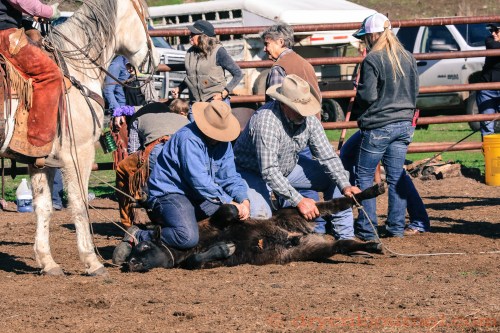
Believe it or not, there are thirteen, or parts of thirteen, people in this photograph taken at Jody Fuller’s branding on December 15th—two calves are down. One of the things that has changed dramatically since I was a boy about the size of the two, (can you find them?) in the photo, is the processing at branding when the only vaccination we gave back then was a two-way clostridial. Everyone in this photo has a job.

The youngest boy with the purple glove has the pine tar to apply to the area of castration, the other has a syringe of Enforce 3 to apply in each nostril. Their mother, outside the pen, is keeping track of tag numbers (yes, there’s a tagger) and the sexes of the calves. Additionally, modified live vaccines to ward of respiratory illnesses and a broad spectrum of clostridial illnesses are given to each calf, plus a separate dewormer. Jody also gives her calves an injection of vitamins.

Because of the concern for antibiotics in beef, vaccines have been developed to limit the necessity for antibiotics in feedlots, essentially placing that responsibility, and cost, on the producer. The media is currently focused on the residue of antibiotics in most all the major hamburger outlets—old cows and bulls. A very small percentage of BEEF cows and bulls ever get an injection of antibiotics.

As neighbors, most of us are used to working together as we brand one another’s calves, but I think it’s remarkable that the job goes so smoothly, especially with two, unpredictable live calves on the ground.


Calves at the Gate


We began baiting our cows and calves on the Paregien Ranch into the gathering field, yesterday, with the Kubota and a little alfalfa hay. We plan on branding tomorrow, trying to take advantage of our drying roads after 2.5” of rain last week. Fortunately, the Valley fog was not a factor until midday when it rose to cloak landscapes up to 2,500 feet. We’re going back this morning with horses to collect a little bunch we missed and sort the dry cows and late-calvers from the bunch. It’s still too early this morning to tell where the fog is.

With ample dry feed, we haven’t had to supplement these cattle this season except for a little ‘hello hay’ when we’ve checked them. Though the cows know our gathering routine and are camped on the hay we’ve strung-out through the gathering field in the photo, it’s a brand new experience for the calves. I found their confusion looking longingly beyond the gate, to the ground they knew, humorous enough to pull out the camera.


First Rain


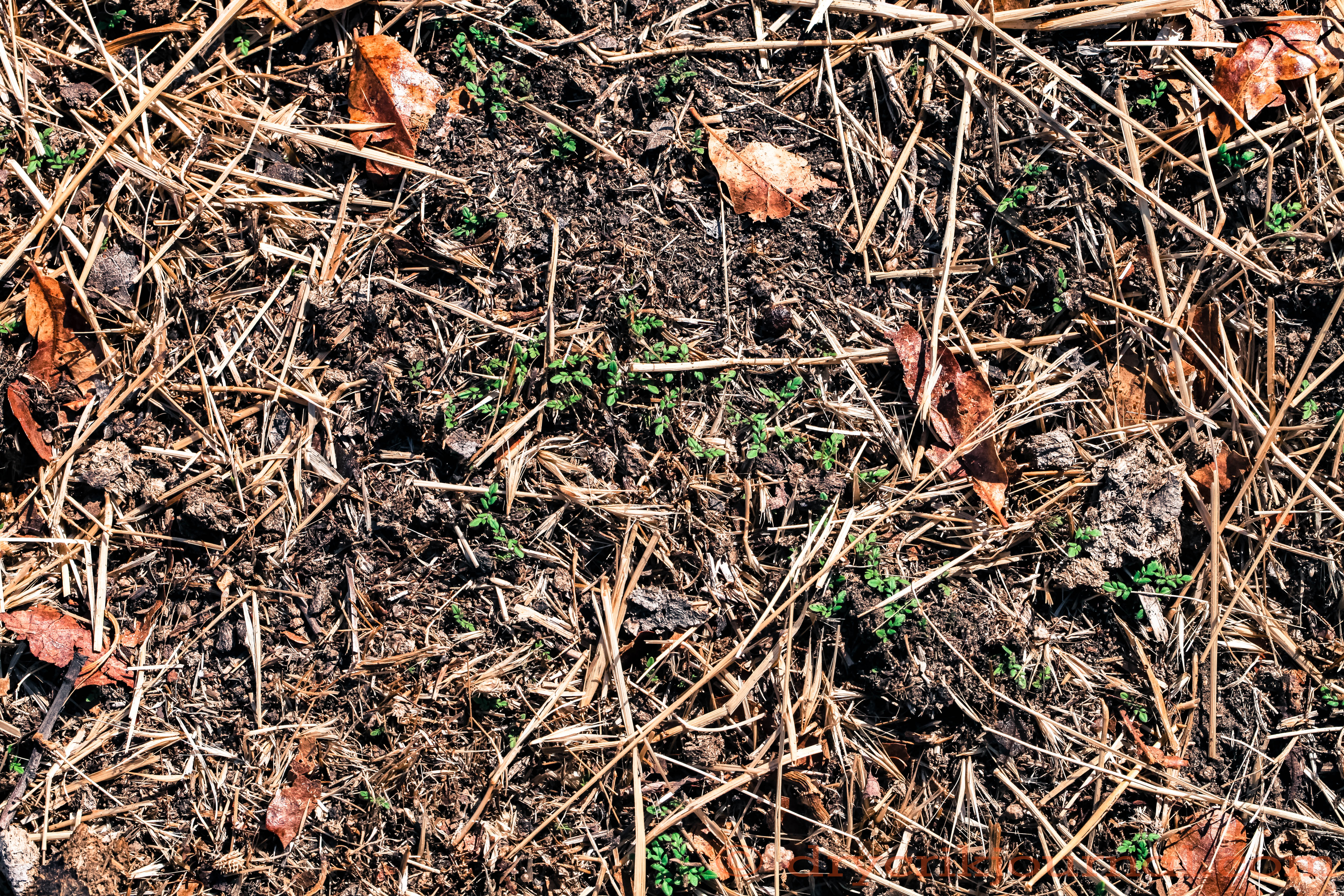
Our small part of the world is almost perfect with last week’s rain as cotyledons break the duff and dirt, a magic time that California natives, men and beasts, eagerly anticipate. Albeit a bit early, our beginning of grass will need another rain soon, but with plenty of old feed to protect the new, that window is open longer.


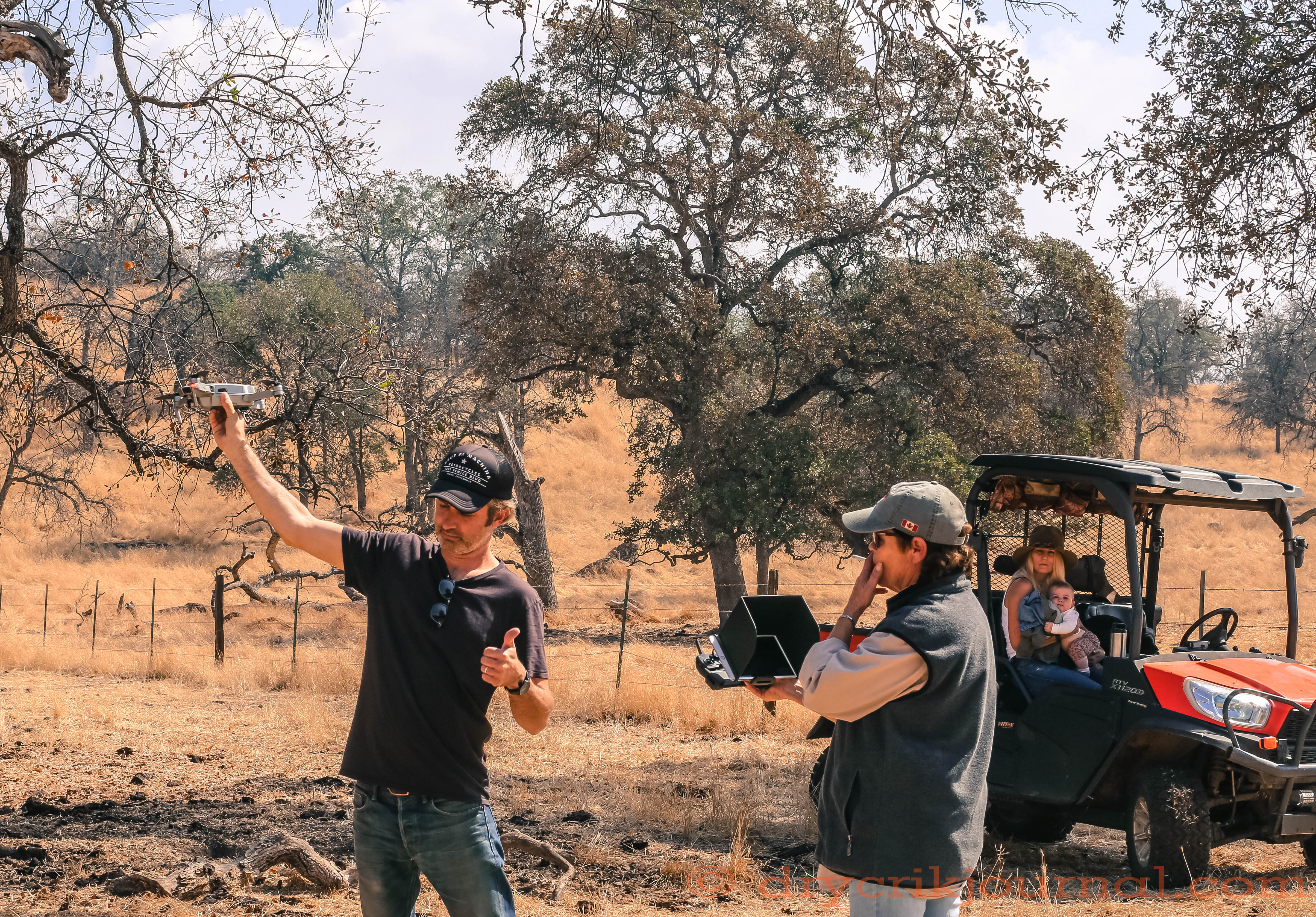
My niece and family have been visiting once a month to help us deal with the Kaweah River watershed’s implementation of the Groundwater Stabilization Act, 2014 legislation designed to improve water quality and sustainability in California. As a more interesting outing, Robbin and I took them up to the Paregien ranch yesterday as we checked on our cattle.


Her husband Neal is a videographer who is always looking for room to fly his drone. Though I’ve often thought of applications for a drone on the ranch, such as checking fences and looking for missing cattle, I wasn’t quite ready for the visual reality.


Robbin’s ready to record barking dogs and other assorted cowboy sounds to help us in the gather.


Babysitters


Robbin and I were pleased to see the fresh calves at the Paregien Ranch, our mature cows already setting up nurseries. Though I have my theories, but exactly how the cows decide which new mother will be the babysitter is still a mystery. And who will replace her while she’s grazing?

The cows have broken up into bunches, the most expectant mothers hanging together. Especially vulnerable to coyotes during labor and immediately after the calf is born, struggling to stand and nurse for the first time, each cow depends on the security of the bunch.

It’s refreshing, reassuring, and almost inspiring to see such cooperation within a species without a fuss—an example of selflessness it might do well for humans to emulate. Until then, what better way to spend a Sunday.


First English Calf 2018


In keeping with Age and Source Verification for our next crop of calves, this calf was born August 29, 2018 and posed for Robbin and I on our way up to look at the cows in Greasy where we found two more new babies. With a couple of weather changes in the past ten days, it feels like fall now, but we know we’re liable for more 100-degree days this month and next.

Still somewhat understocked from the drought as we rebuild our cow herd from our own replacement heifers, we found plenty of feed and water and most of the cows heavy with calf. With bull sales all over California this month, we’re excited to add some new Angus genetics to our herd, hoping that sagging salvage values will keep bull prices reasonable.


BEATING THE HEAT


Since the four-year drought when we had to leave the gates of each mountain pasture in Greasy open to secure water, we haven’t had a decent count on our cows. Drought-killed trees and limbs on fences haven’t helped us manage our numbers either. But we do know how many calves we branded in Greasy.

As we’ve gathered to wean and harvest our crop of calves, all but one calf was accounted for as of last Thursday, a calf that may have died sometime after branding. Nevertheless, Robbin and Terri left early Friday in the Kubota with a bale of hay, salt and mineral to look for tracks, to insure we got all the calves.


Evening wine, and
I still want to celebrate
the last marked calf

on the books, in
the weaning pen, out
of the brush and rock

with cows behind
the Kubota and a bale
of hay, Robbin and Terri

on the cellphone calling
for a gooseneck, for Bob
and I to haul him home.

Two frozen bottles of water,
four beers with lemons, cool
reward in an insulated pouch.

                         (iPhone selfie: Terri Drewry)


Last Bunch


We hauled the last of this year’s calves out of Greasy this morning to ‘soak’ in the weaning pens before taking the steers to town next week. The heifers will join the rest on the irrigated pasture to be Bangs vaccinated and then sorted for replacements. Despite one of the driest beginnings to our rainy season, they’ve all done well due to our March and April rains. Including some late slicks that missed our brandings in Greasy, these calves averaged over 700 pounds.

We’ve done well, too, weaning our English calves in 30 days, 20 of which were over 100 degrees. It’s been saddle at 5:30 a.m. to beat the heat. Our thanks to Bob, Terri and Allie for their cheerful willingness to help get the job done. (iPhone photo by Terri Drewry)