ANOTHER WEATHER FORECAST


With all the hoopla surrounding Climate Change and the approaching El Niño, suddenly the world is focused on the weather and a myriad of conflicting scientific observations and conclusions, heretofore ignored by most in the past.  But for those of us involved in grazing livestock and dependent on the bounties of Mother Nature, October is the beginning of our rainy season as we try to look ahead into our futures.


Historically, “The Old Farmer’s Almanac” has offered as accurate a forecast as any:


PACIFIC SOUTHWEST

November 2023

             4° below average

             Precipitation 5” (1” below average)

December 2023

            4° below average

            Precipitation 3” (4” below average)

January 2024

            3° below average

            Precipitation 5” (1” below average)

February 2024

            2° above average

            Precipitation 6.5” (2” above average)

March 2024

            3° above average

            Precipitation 1.5” (2.5” below average)

April 2024

            2° above average

            Precipitation 5” (1.5” above average)

May 2024

            2° above average

            Precipitation 0.5” (1.5” below average)

June 2024

            1° below average

            Precipitation 0.05” (1” below average)

For what it’s worth, the rain total comes to 27”, well above our 15” average.  We’ll just have to wait and see.

OCTOBER 2023


No point waiting for a rain to start the green

until October, and even then it’s blasphemy

to pray or say the word out loud to anyone—

especially with El Niño mapped and gathering

off shore, lapping Jeffer’s granite with warm waves


of poetry—just load and feed the hay like always.

No point worrying about the news a thousand miles away

or all the hobgoblins waiting in ambush down the road

littered with deceptions and diversions, lust and greed

to greet you—just load and feed the hay like always.


CHIPPAWAS


The acrid smell of battle

in the disturbed ground:

Turkey Mullein vs. Vinegarweed


claiming more territory

to choke out grasses—

that knee-high cling and tell


where you’ve been

and your approach to life.

After a good wet spring,


I smell my father here,

twenty-five years

after his departure


and remember

his lace-up Chippawas

busting clods behind a plow.


SEPTEMBER EVENING


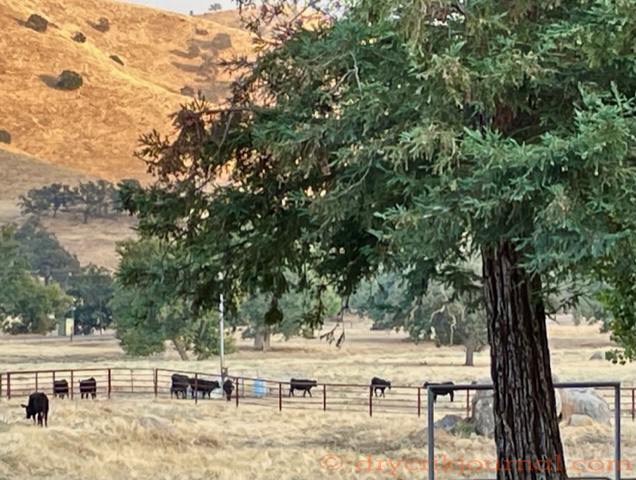
I’m watching black heifers

on dry blond grass

mill around water, salt and mineral —


slow motion contentment,

they have begun

to move like cows,


bodies thickening,

they plod deliberately

towards the open gate


to the near hills where

tall feed waves

for their attention.


I imagine turning the virgin

bulls out in ninety days,

the teenage antics,


the final settling of the seed

and the cash-flow we’ll surely need

twenty-one months from now.


THELMA AND LOUISE


We could blame last spring’s atmospheric rivers, double our average rainfall for the season that kept us from branding our calves on the Paregien Ranch. Our heifer calves were exposed to our slick bull calves until we weaned in May, possibly bred that would miss our calving target date of October.  A February calf instead would jeopardize the heifer and eliminate her from our replacement bunch.

When we vaccinated the heifers for clostridial, respiratory and Brucellosis diseases in June, we also injected them with Lutalyse to abort any short-term fetuses.  Lutalyse is commonly used to synchronize heat cycles, especially when groups of cattle are to be artificially inseminated.  

We’ve had an abundance of strong feed this summer, helping to keep our heifers in shape and cycling when we turn our low-birth weight bulls out in the middle of December.  And as expected, they have been cycling, bulling, practicing all at once—a bovine orgy, a virtual humpfest. 

Unfortunately, one heifer was crippled in the raucous activity, unable to put any weight on her right hind leg.  We hauled water and hay to her for three days before walking her into the pen by the house.  Shortly thereafter, she (Thelma) attracted a friend (Louise) who spent days and nights for week with her on the other side of the fence while the rest of the heifers were off grazing.

After two weeks, Thelma is much better now, and taking full strides.  Louise was back again last evening to check on her friend.  The bond is obvious.  They may be twins, as we had several sets, but more than likely they were just raised together.  Whether or not Thelma recovers well enough to make the replacement bunch remains to be seen.  But either way, blame it on climate change and too much rain.

BETTER


Black morning’s fresh

downcanyon breath

primes old flesh

to ride first light


as it breaks the ridge

like yesterday’s charge

easy and alive in my mind.

All the good horses gone,


I’m ready for a stranger

that can walk out,

hold a cow and wink

through loose tethers—


actually believing

it could be hours away.

Only this time

we’ll do it better.


WAITING ON HILARY


                         … (I) don’t think hurricanes

                        like to follow predicted paths.

                                    –Brian Grant


The prognosticators have claimed

the climate spotlight—used science

to explain why we read poetry


when our dehydrated atmosphere

rains rivers and spawns hurricanes

while the earth is spinning faster than it should—


its fractious friction warming waters

to forge the passion of whales and otters

to object and retaliate.


Watching the weather map of Baja California,

new science is driving out a percentage

of the old that we believed was true.


BIRDHOUSE


I have cut myself away

from the entangled coils

of ship and state


drawn more to songs

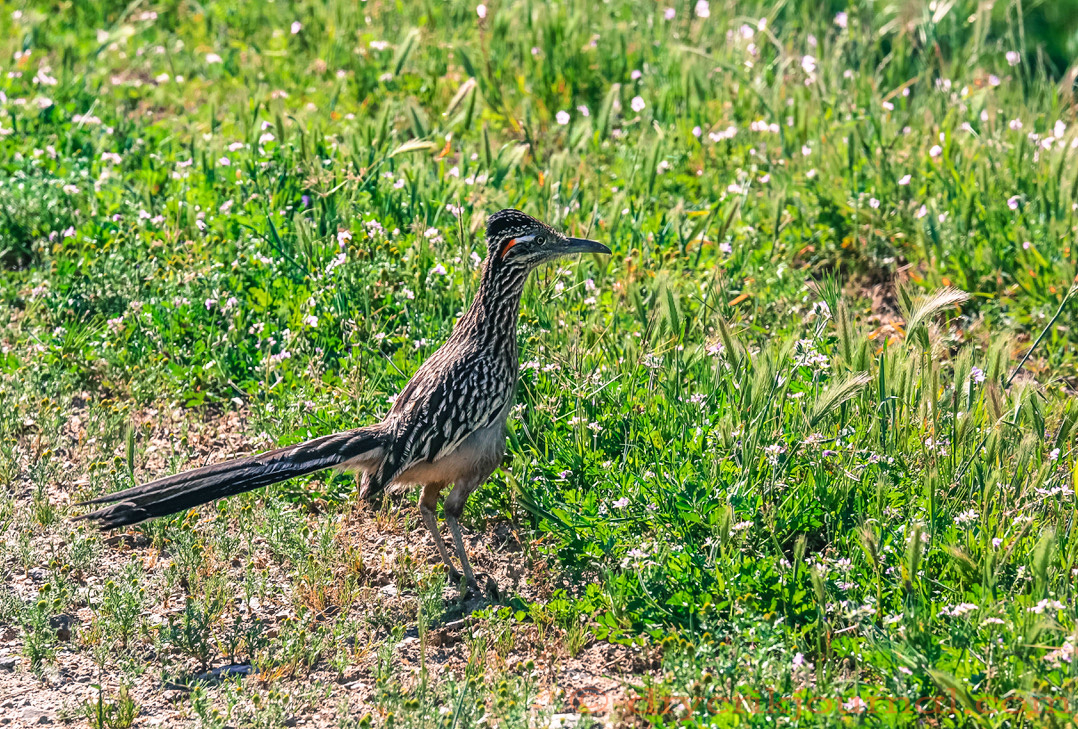
among the cactus cuckoos

at first light of dawn—


tossed across the pasture

deep-throated news

I can depend on


while a lone quail hollers

to awaken coveys

like children for school.


But I still don’t trust

the cry-baby whines

of our arrogant Ring Neck’s.


Arson

It sounds like MASH as helicopters fly over the house, back and forth to Lake Kaweah, to address 8 fires set this a.m. between 6:30 and 6:45.  All but a couple of fires in rough terrain are contained.  Three weeks ago we had 4 sets.  Every year we blade about 3 miles of firebreak between us and the road with our skid steers. Additionally fixed wing aircraft and a DC 10 jet, 2 dozers, and about 50 engines and water tenders are on the job as I write.

The spring rains brought good feed and fuel for fire that has attracted our society’s deranged, whether gang initiations or other odd and complex maladies.  Needless to say, we’ll keep our eyes peeled.

LOOKING BACK


April calves load easy here

for unknown destinations

looking back to say goodbye


to someone lost

in the muddled moment’s

brain fog.


Old between brothers,

we remember stories

the other’s forgot—


a thrill on spry legs

to dance through time

as if young all over again.