Category Archives: Ranch Journal

Another Dusting


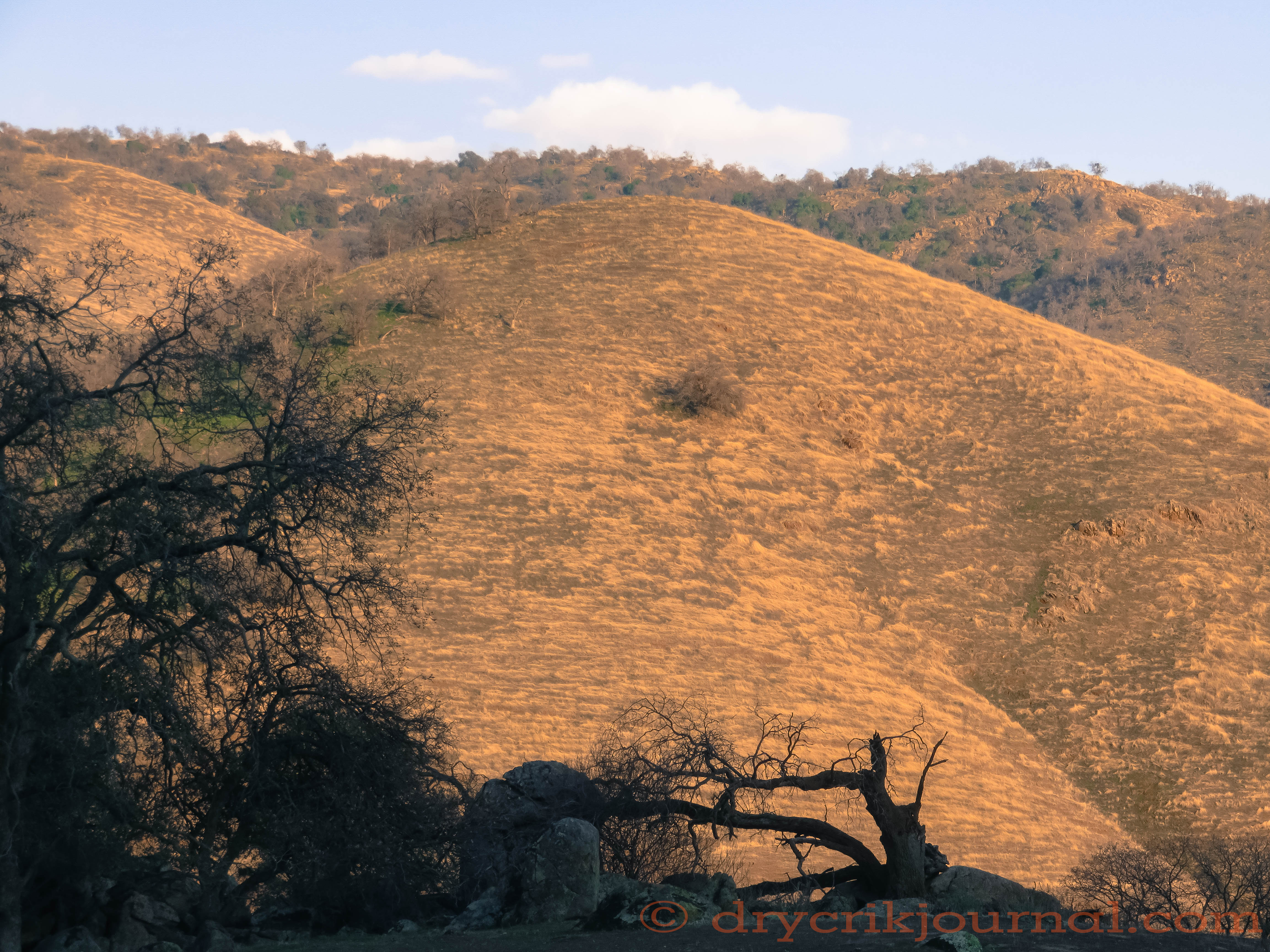
Daylight dressed Sulphur Peak (3,477’) with another dusting of snow after five days of measurable precipitation that totaled 2.56”, almost half of this season’s rainfall (5.73”) since September. Though well-short of the average for this time of year, the transformation of our hillsides has begun.

As noticeable is the transformation in our outlook and attitudes, the exhilaration we are experiencing with the present prospect of a grass season, albeit short. It is magical as green becomes the predominate color: instant grass, just add water.


Game Changer


It was an all-night, slow rain and low snow with no runoff, 0.60” that was absorbed, no puddles at first light as winter finally arrived at the end of February—a game changer as our options were narrowing.

Though we considered buying some heifers last fall to augment our cow herd culled heavily after four years of drought, after last year’s record rainfall and ample feed, we are grateful that we’ve been understocked through one of the driest beginnings to our rainy season, ‘that time of year when it might rain’. Because we are understocked in our upper country, this season’s grass has been protected by last year’s old feed and our cows and calves are doing well. However, we’ve been feeding hay to our younger cows since August in our lower country as the grass has all but disappeared. With temperatures near-freezing for the past two weeks and only 0.20” of precipitation in the preceding 30 days, it’s been too cold and dry for the grass to grow.

But we know how resilient this ground can be, another storm set to arrive late this evening and last through Saturday, we have hope for a decent grass season yet and enough moisture to get us to the first of April as temperatures warm. Believers are made of such miracles.


Forecast Rain


To date, we have 3.17″ of precipitation since September 21, 2017.

We’ve been watching the 10-day weather developments for today’s forecast rain that seems to have intensified slightly in both probability and amount, temporarily opening the storm door for a larger event by late week. For those interested, a more comprehensive assessment of North America’s weather is available at Daniel Swain’s weather blog. We’ll be dancing tonight.


PRAYING FOR CHANGE


Determined, the creek runs steady yet without rain,
last season leaking through cracks of granite joined,
braided currents turning small bellies up to flash and flare
in the mottled sunlight—passing clouds, dry storms.

It streams a canyon of skeletons, barkless half-trunks
corralled by windrows of fallen limbs, oak trees
crumbling, to deliver its addled chants, mumbled news
to thirsty orchard rows of certain death upstream.

West slopes wear last year’s feed, palomino tufts
dappled with strongminded green graying daily,
deep-rooted seed of filaree, its crimson leaves
turn purple before baring the crisp color of dirt.

Like the trees and grasses, we may melt down
to dust, be blown away to stick in wetter places.
But like good dogs sure, we pray for a change
in the weather—if it hasn’t already, for the worse.


Climate Change


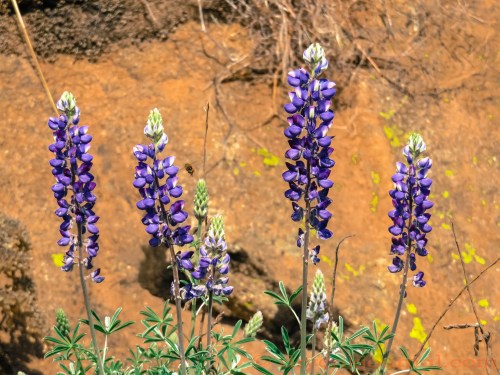
Tree Lupine


I have an aversion to using someone else’s labels, especially when they are bantered about in the political arena, but wildflowers here at the first of February are unusually early. Temperatures for the past 10 days have been over 70 degrees, no rain in sight.

We are half-way through our rainy season with slightly over 3 inches of precipitation to date when our annual rainfall averages over 15 inches. Four of the last five years have been declared droughts by the USDA, and this season is off to the slowest start since record-keeping began. Sierra snowpack is 14% of normal. Regardless of what you want to call it, our weather, our climate, has become extremely volatile and it is changing.

Blame is a useless exercise at this juncture, I believe, because we must deal with the impacts, whatever and wherever they are, now and adapt—we’re all in this together, like it or not. From a cattleman’s perspective, green grass is short or non-existent, hay extremely hard to find. Water for farmers in the San Joaquin Valley will be expensive or unavailable this coming growing season. The price of food will increase for everyone.

I want to thank freelance journalist Carson Vaughan for bringing the topic of ‘Climate Change’ to the foreground as he interviewed people at the recent National Cowboy Poetry Gathering in Elko, Nevada. I predicted that 7 out of 10 would be in denial. I truly hope I was wrong!
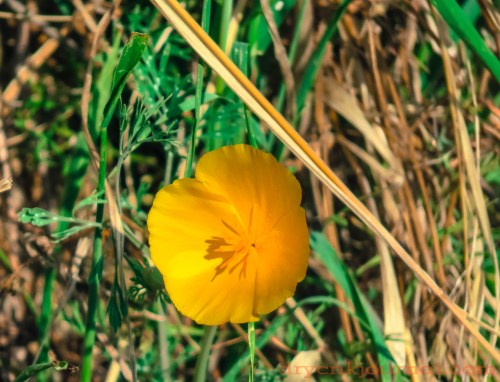
 

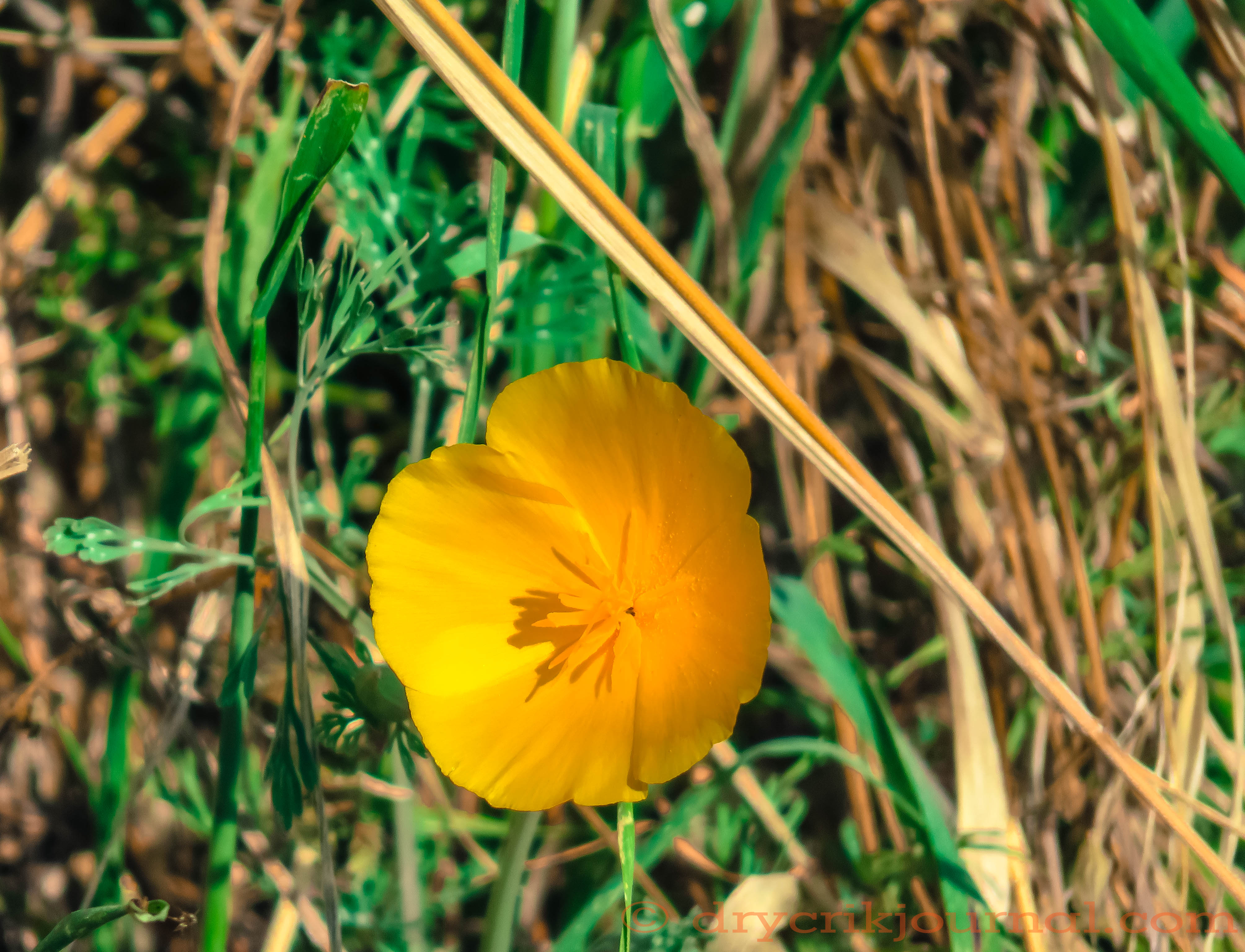
Foothill Poppy


Paregien Branding


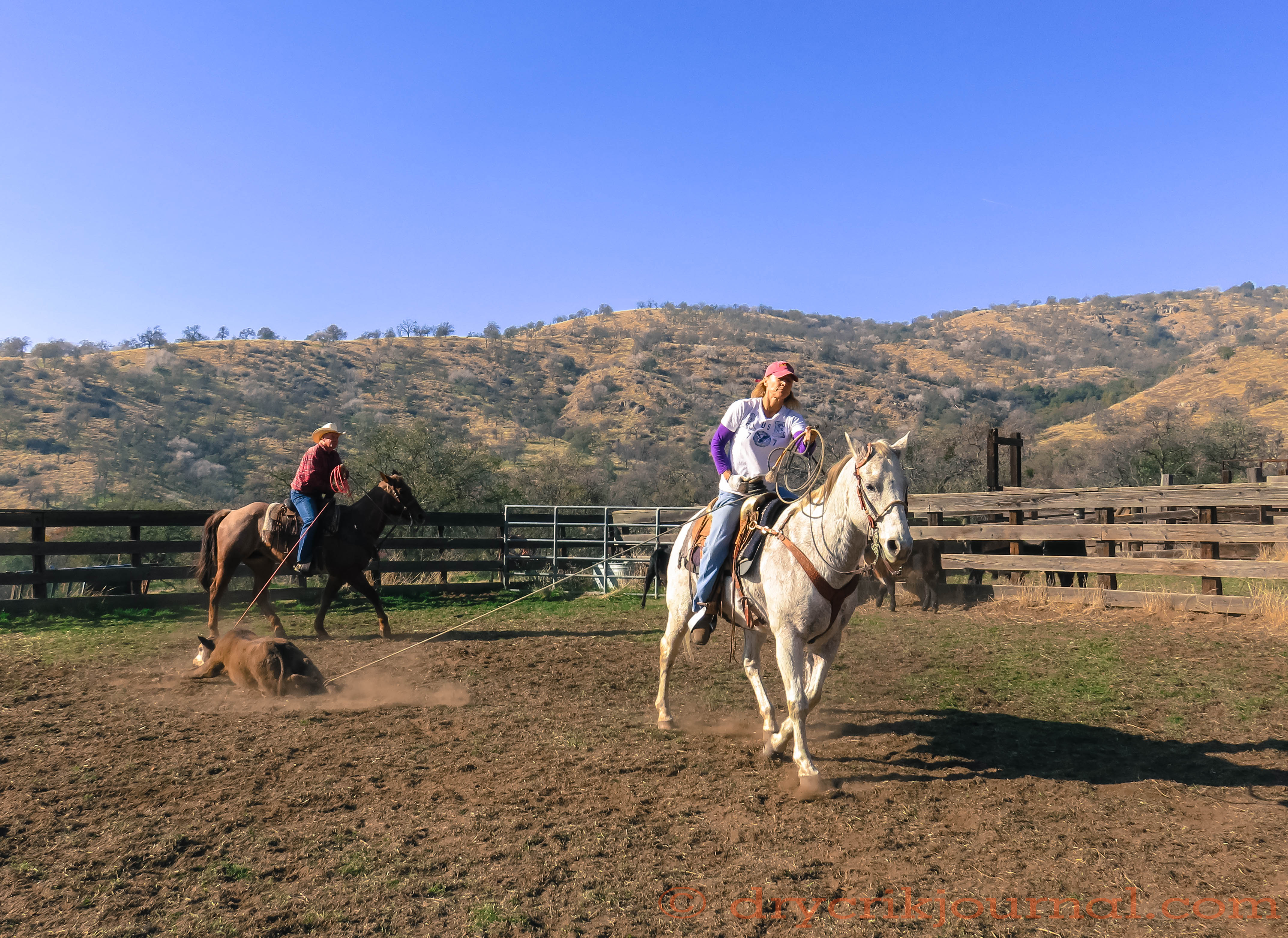
We did brand at the Paregien yesterday with the fine help of good neighbors and friends. Despite the lack of rain so far this grass season, the cows and calves are doing well at this higher elevation. The ample old feed from last year has protected the new green that has surprising strength, everyone glad to have these calves marked before they grew any bigger. A big THANK YOU to the crew from Robbin and I.


To Brand or Not to Brand


We’ve pushed the start time of today’s branding back 30 minutes due to rain. I’ve been watching the radar since 3:30 a.m., trying to figure the trajectory of this last wave of a weak southern shower that’s due to arrive about 8:00 a.m. The bulk of it is headed north of us and dissipating.

Decisions, decisions. Damp mountain roads, wet hides, phone calls to neighbors. Tell me who’s in control.


Branding Greasy 2


Though little went according to plan, we marked our second bunch of calves in Greasy yesterday. The cows and calves had been separated into two bunches based on the pasture they were gathered from, but when we arrived, the bulls had flattened the fence between them and most of the cattle were in one gathering field. We branded and turned them all out together leaving the gates open to their respective home pastures, just as we had done during the drought years to ensure that all the cattle had access to water.

To expect perfection is a silly notion with livestock in this terrain, but with the help of good and understanding neighbors, we got the job done with little time lost. Our objective was to have the calves in Greasy marked before the welders came to finish the pipe pens that Earl McKee started a decade or so ago, so that neither we or the welding crew would be in one another’s way. Too dry and flammable to begin yet, all we need is some ample rain. Thank you all.


Mr. Wagyu


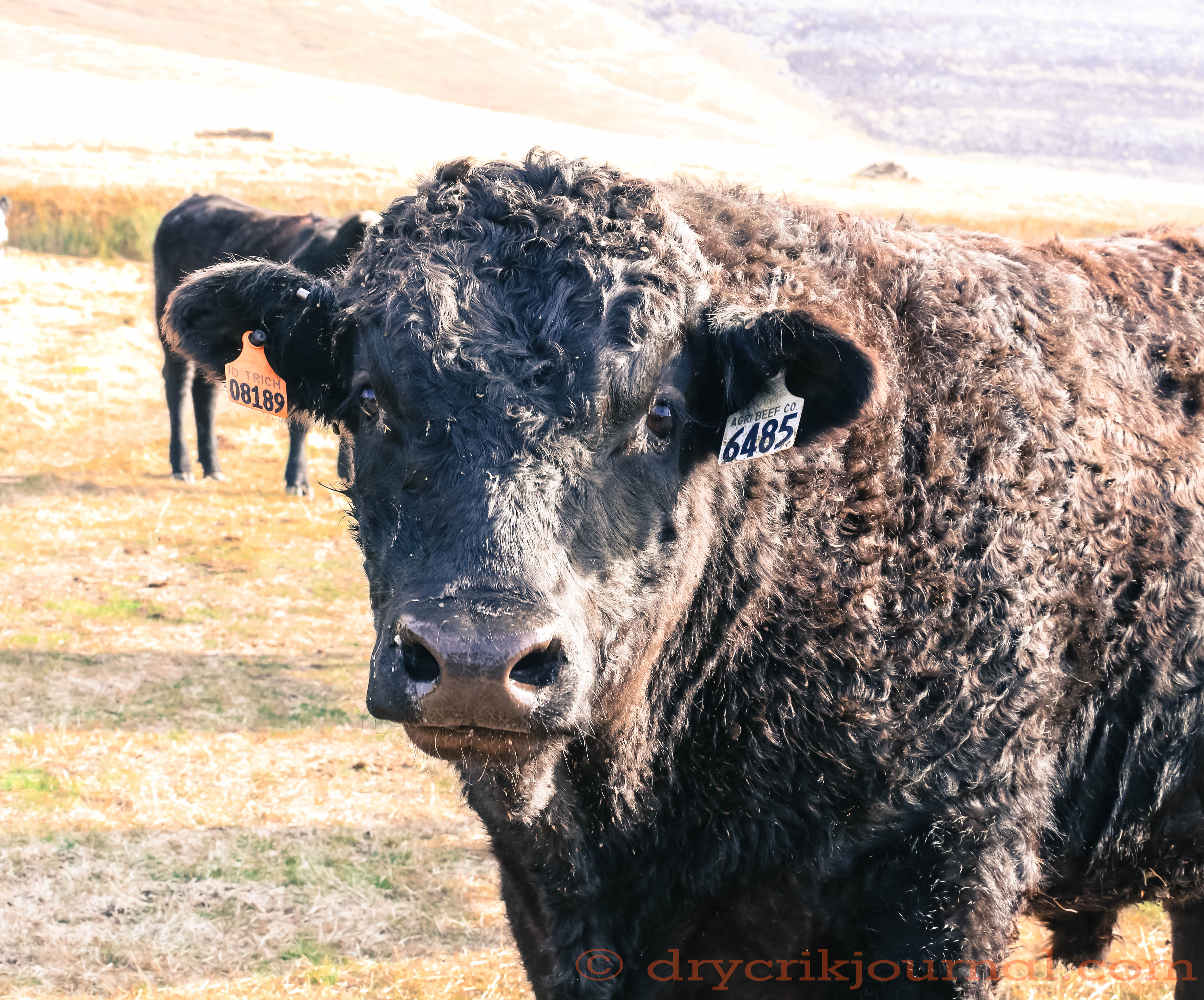
A handsome fellow, the bulls arrived Saturday after a long trip from Caldwell, Idaho to go to work producing American Kobe Beef for Snake River Farms, a subsidiary of Agri Beef.


First Branding


Branding calves in Earl McKee’s corrals has always been removed from the rest of the world, separate from the conflicts and politics that we are bombarded with daily. Never more true than yesterday among a few neighbors and friends at our first branding of the year, most of us going ‘old people slow’ as we got the job done.