WordPress keeps trying to expand and improve their blogging template. I think I’ve got it figured out now, but not after sending half-dozen email copies to followers that was not in the form I intended.
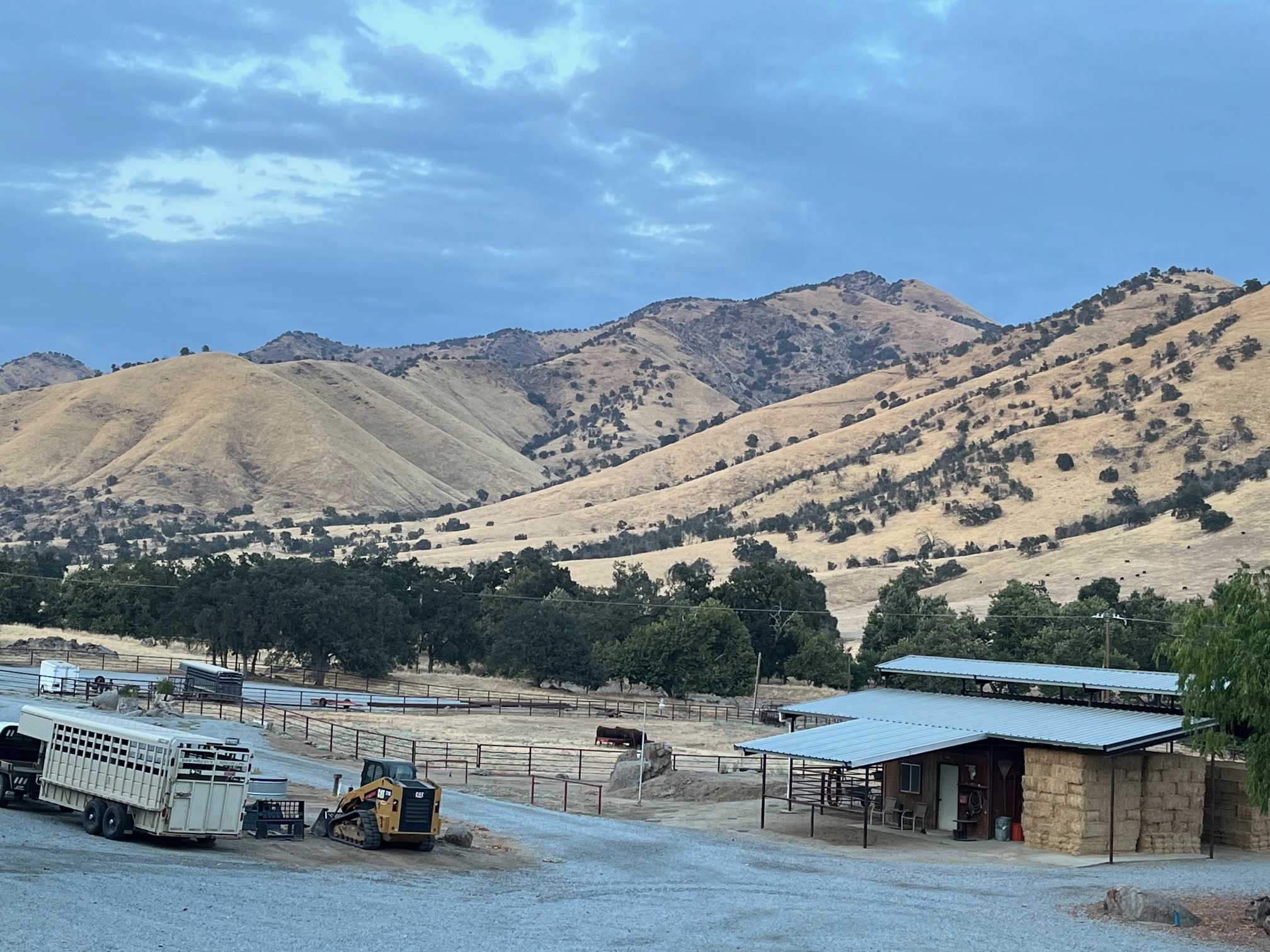
After a brutal summer, we are enjoying a major change in temperature: a high of 87 yesterday and 55 this morning as storms hit the northwest and Canada.
As I’ve posted before, my father’s model for predicting the weather was based on a 30-day cycle beginning with noticeable changes in the month of August. If these changes were confirmed in September, he would count on rain on those days in October and/or November. My brother and I still rely to some degree on his model, but with the volatility of the weather in recent years, it’s anyone’s guess.
We’ve begun feeding as we wait for our first calves to arrive. We’ve moved our calving date back two weeks, from the first to the fifteenth, in response to the trend of high temperatures in early September. Not only is the heat hard on calving cows, but often there’s always a couple of first-calf heifers that leave their newborns in a hundred degree sun.
September also brings the catalogs for bull sales in California that offer a wide array of Genomic Enhanced Expected Progeny Data as well as links to videos of the bulls. I still rely on my eye, but it’s a far cry from the old days when I was starting out.
As the days get shorter, we still expect the temperatures to return to the century mark, but for the moment it’s delightful.
Only one day since the Solstice has the temperature been below 100 degrees, 54 days with a high over 116. Tough on man and beast. With a slight weather change, yesterday was 99. We’ve been rising early to feed the bulls and heifers and try to be done with our chores before 11:00 a.m.
Due to calve this fall, these first calf heifers will be checked with ultrasound tomorrow morning. We introduced the Red Angus bulls in late December, and trust that most are bred judging by the activity since then.










 drycrikjournal