Ode to the Crew 1: Six Pix

We set the ‘point and shoot’ on the branding table, the following were shot by several different people.
 

IMG_2675

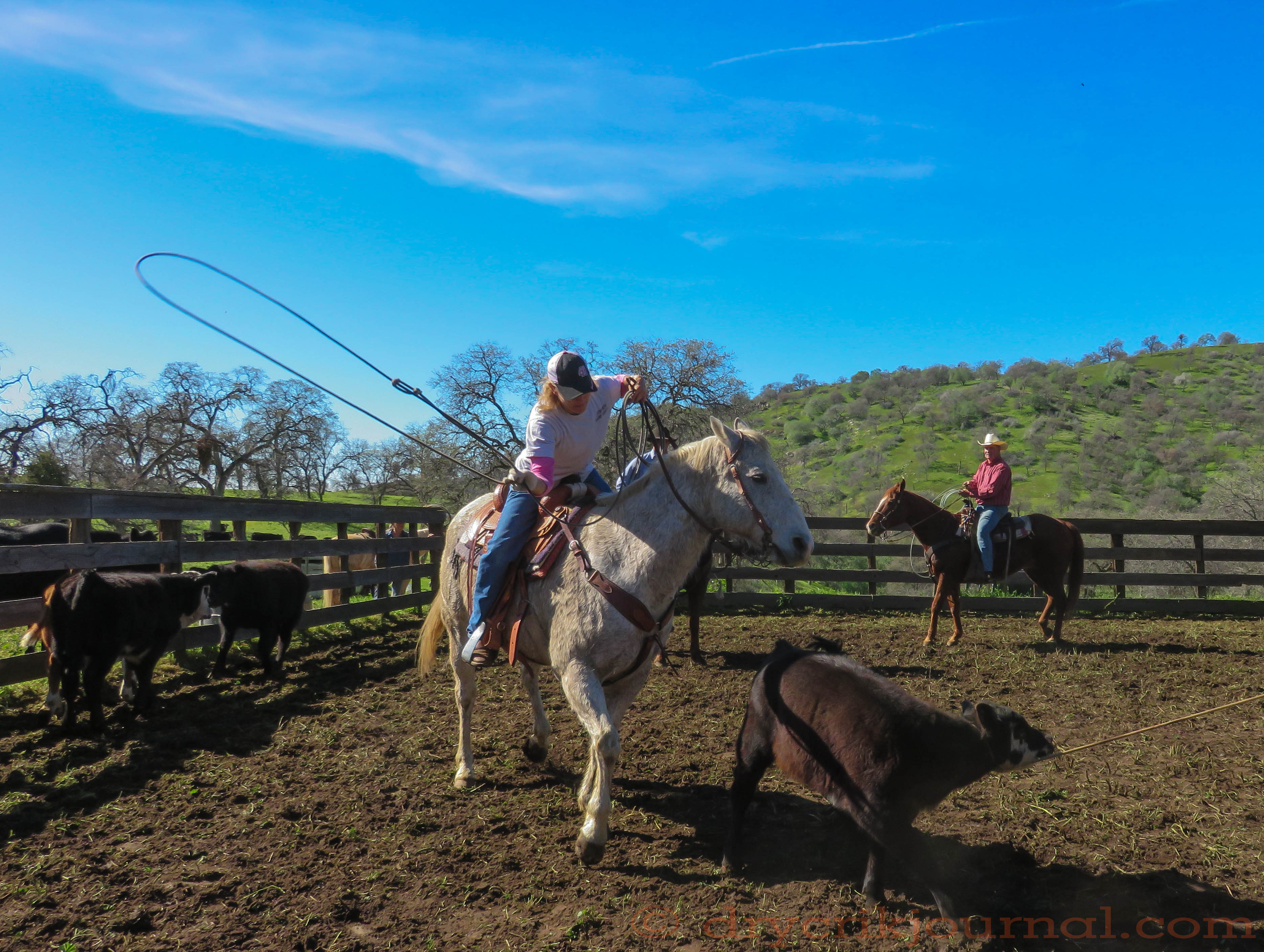
There is no easy tribute to good neighbors necessary in the branding pen, whether horseback or on the ground. Trading labor is part of our culture, and the work’s not done until everyone’s calves are branded and vaccinated. Towards the tail end of the branding season, our last bunch of calves were big, which makes Robbin and I happy of course, but it also means harder and more dangerous work for everyone.


IMG_2655

Our gather to brand in Greasy began Sunday, over a week ago, interrupted by welcome rain that kept us from finishing the process until last Tuesday — some cows and calves had spent eleven days in out Gathering Field waiting for yesterday. Additionally, wood had to be cut for the branding and cook fires, and the weeds in the corral, nearly two-foot tall, had to be addressed with a weed-eater before we were ready.


IMG_2682

It was a long day, shirtsleeves weather, warm in the mid-70s.
 

IMG_2689

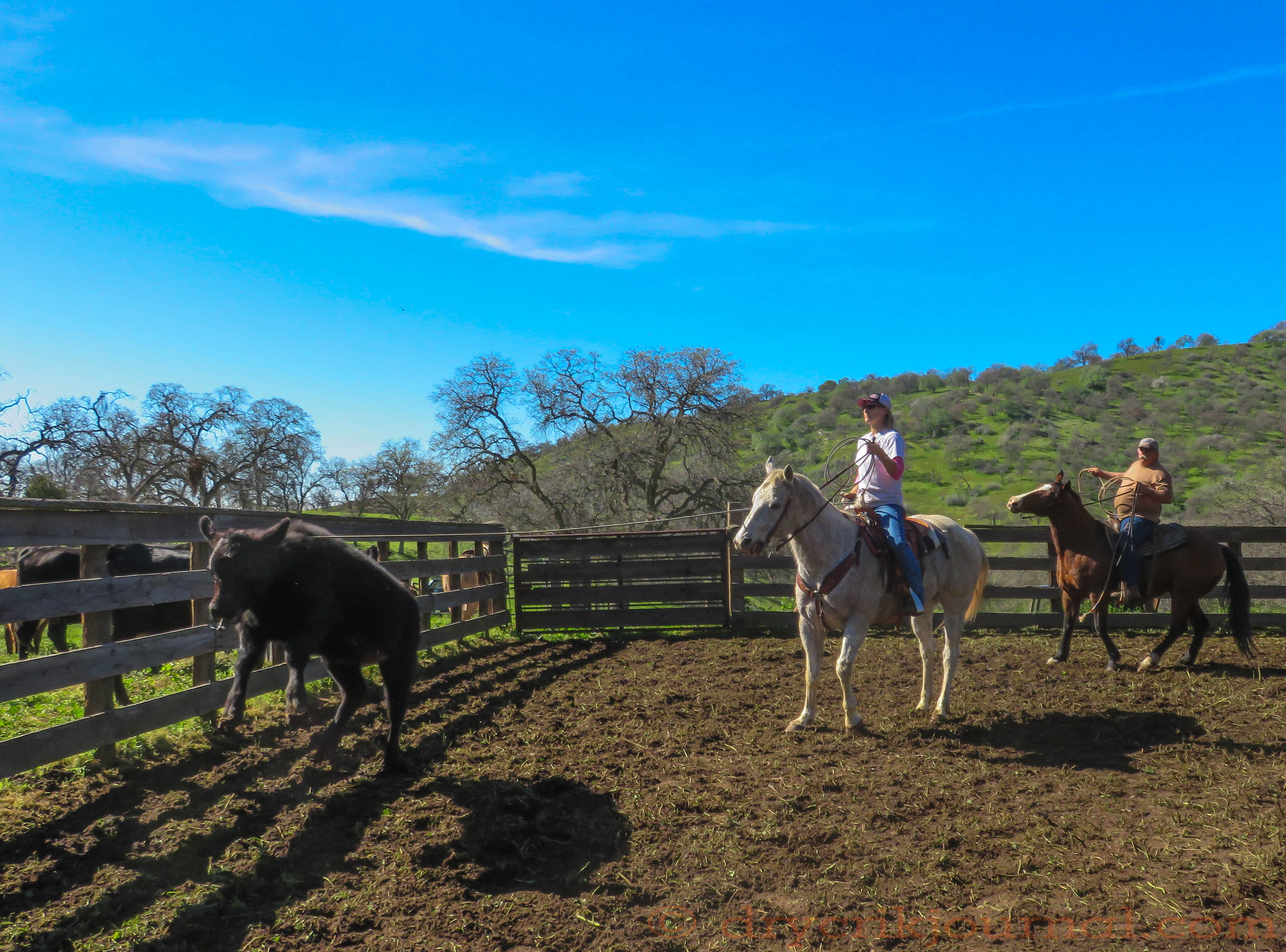
Always some exciting moments, even though everyone tries to be respectful and gentle with the calves, some were a handful, pushing 500 pounds.


IMG_2726

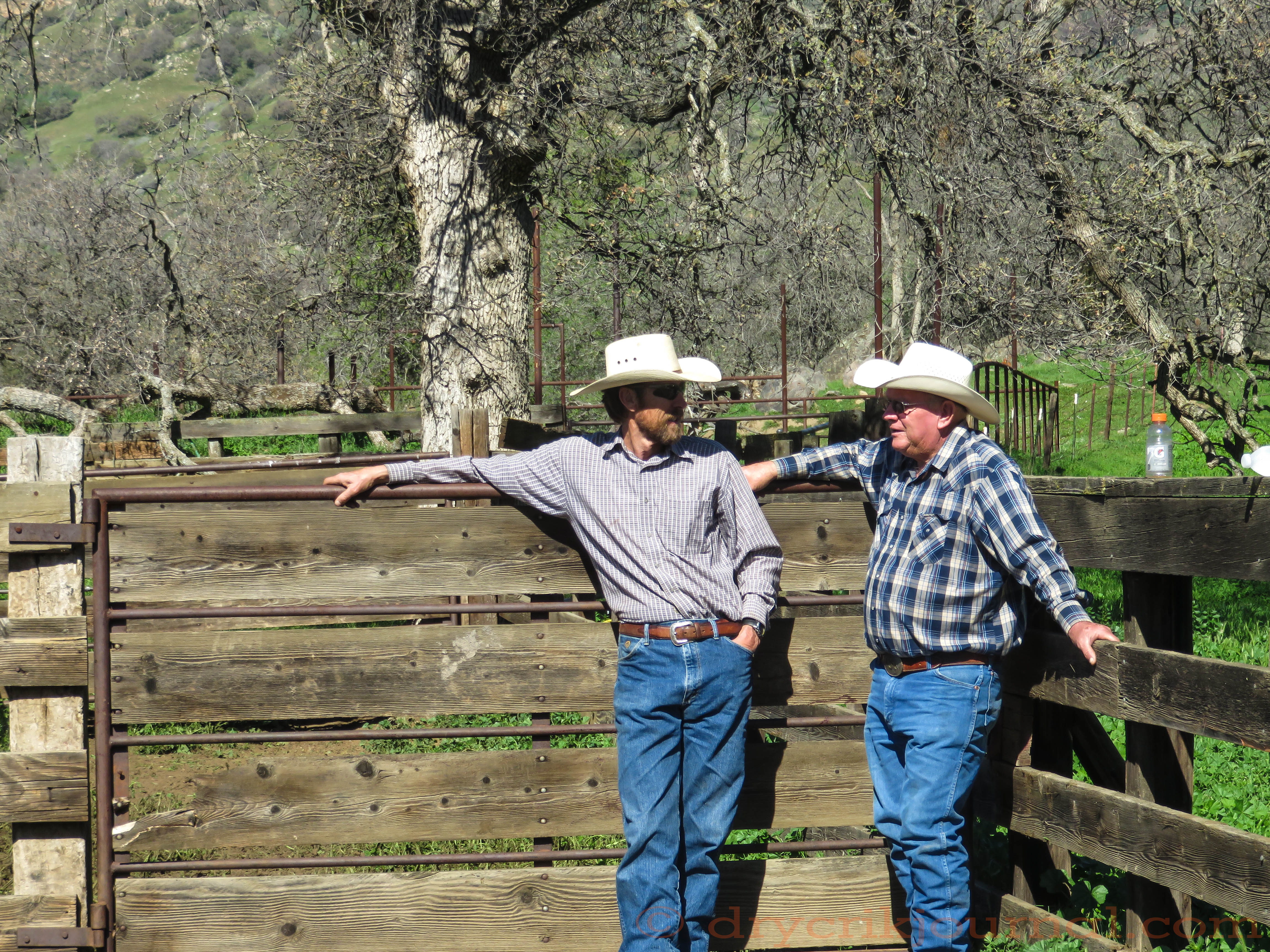
Calm and steady, we have acquired an efficient routine of ropers and ground crew. Divided into two groups of ropers so arms and horses have time to rest between bunches, there’s always time to visit.
 

IMG_2698


OLD NEIGHBORS


                        By the excellence of his work the workman is a neighbor.
                        By selling only what he would not despise to own
                        the salesman is a neighbor. By selling what is good
                        his character survives the market.

                              – Wendell Berry (“Prayers and Sayings of the Mad Farmer”)

We wish success for all our neighbors, fat
calves and money enough to buy good bulls
looking for work on our side of the fence,
and ours on theirs, despite best intentions.

Today, old neighbors come to help brand calves
with respect—rope, stretch and vaccinate
rambunctious children to a slow waltz—
to share the bounty of our heritage

despite the drought, despite the cows
we had to sell to save the others
and ourselves. Character upon this ground,
we have survived weather and the market.


METAL ROOFS


                        Let me wake in the night
                        and hear it raining
                        and go back to sleep.

                              – Wendell Berry (“Prayers and Sayings of the Mad Farmer”)

The lullaby that soothes my brain,
a metal roof under rain, proof
of gods and goddesses on the job

while I rest completely—let night
take me unafraid anywhere it wants
until the glistening of puddled mornings

blind me with glimpses of paradise
upon this earth, wet and wanting
nothing more from rustic religions.

Every church should acoustically angle
its spires and ridgelines to accentuate
these heaven’s gifts—and to withstand

retribution’s thunderous roar while
renting and gnashing huddle beneath
the storms that flood the rivers muddy.

We are not the architects, nor the nomads
chasing rain from place to place with herds
anymore. We pray instead for basic

sustenance to run upon and off our roofs,
season after season—no two the same—
to wake in the night and hear it raining.


GOOD LUCK FISHING


                         Don’t pray for the rain to stop.
                         Pray for good luck fishing
                         when the river floods.

                                – Wendell Berry (“Prayers and Sayings of the Mad Farmer”)

And we will fish reflection pools
with Egrets and Great Blue Herons, wade
cloudy skies when the creek subsides

listening to the glorious chorus of tree frogs
croaking symphonies from fresh verdancy—
the canyon clean, all tracks erased

but for the moment to begin again.
What better luck can any god offer
a mad farmer, or mankind?

April 1968: my feet wet with fishing
the great white limbs of sycamores,
naked canopies reflected below me,

recording fresh soliloquies on war
that have not changed but for poetic
editing each time the creek rises—

hope still claims high water marks
beyond the creek bank, despite
clear-cut scars upon this landscape

after a decade’s invasion of machinery
from towns craving to become cities.
We pray yet for good luck fishing.


AFTER RAIN

IMG_2643


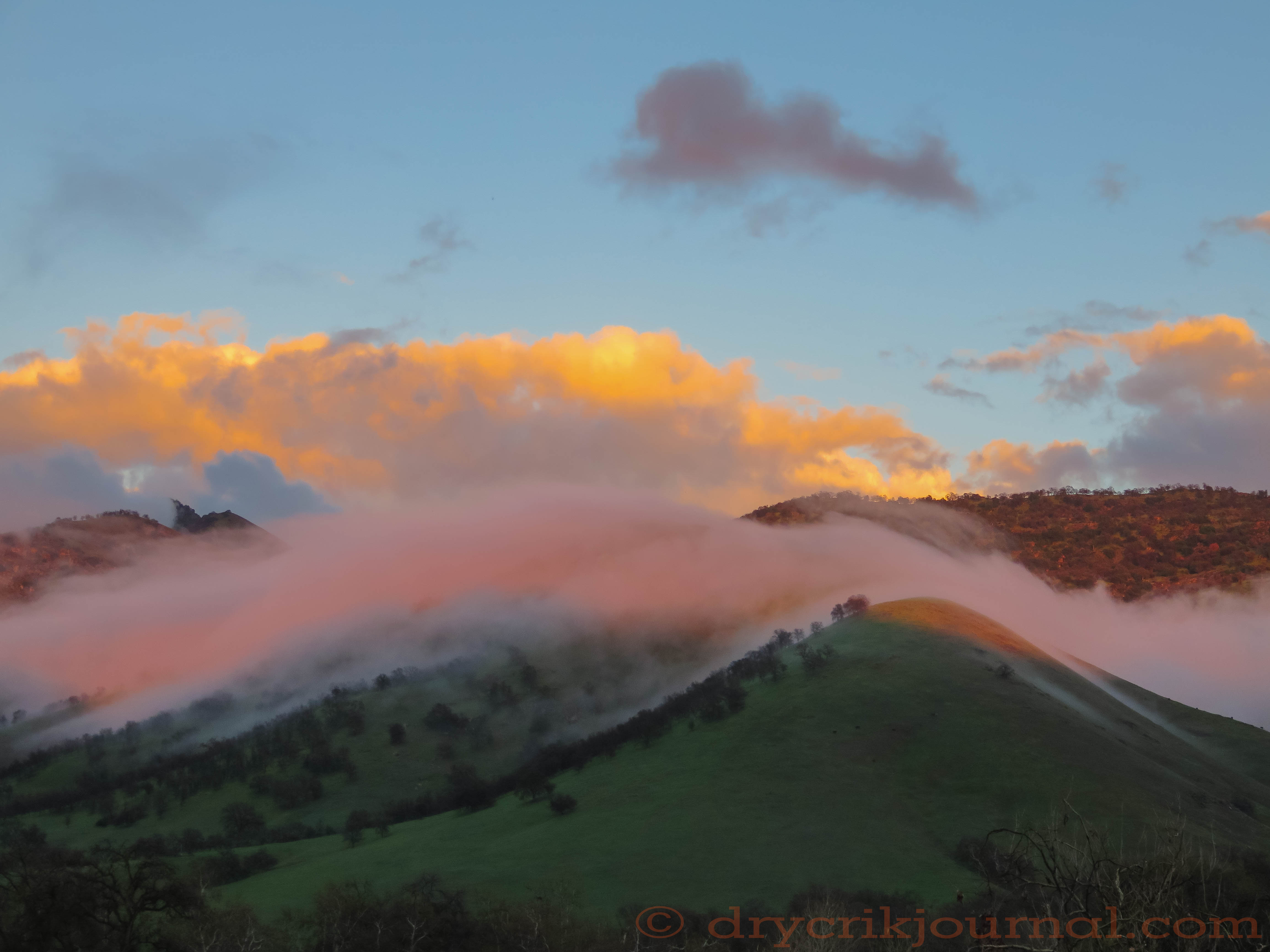
Sun sets on the sighs
that cling to wet hills grinning
color into clouds.


WPC(3) — “Scale”


OF GODS AND GODDESSES

IMG_2622


In her nearly ninety years,
Nora Montgomery couldn’t remember
hillsides as solid with poppies

as the golden spring of 1978
after two years drought,
cows calving in dust.

Slopes alive, fences leaked
lovers and photographers
from all over—

a glorious reward
for enduring a dry nightmare
early in my career,

the foundation
of a young man’s confidence,
the religion he lived by.


img_2936


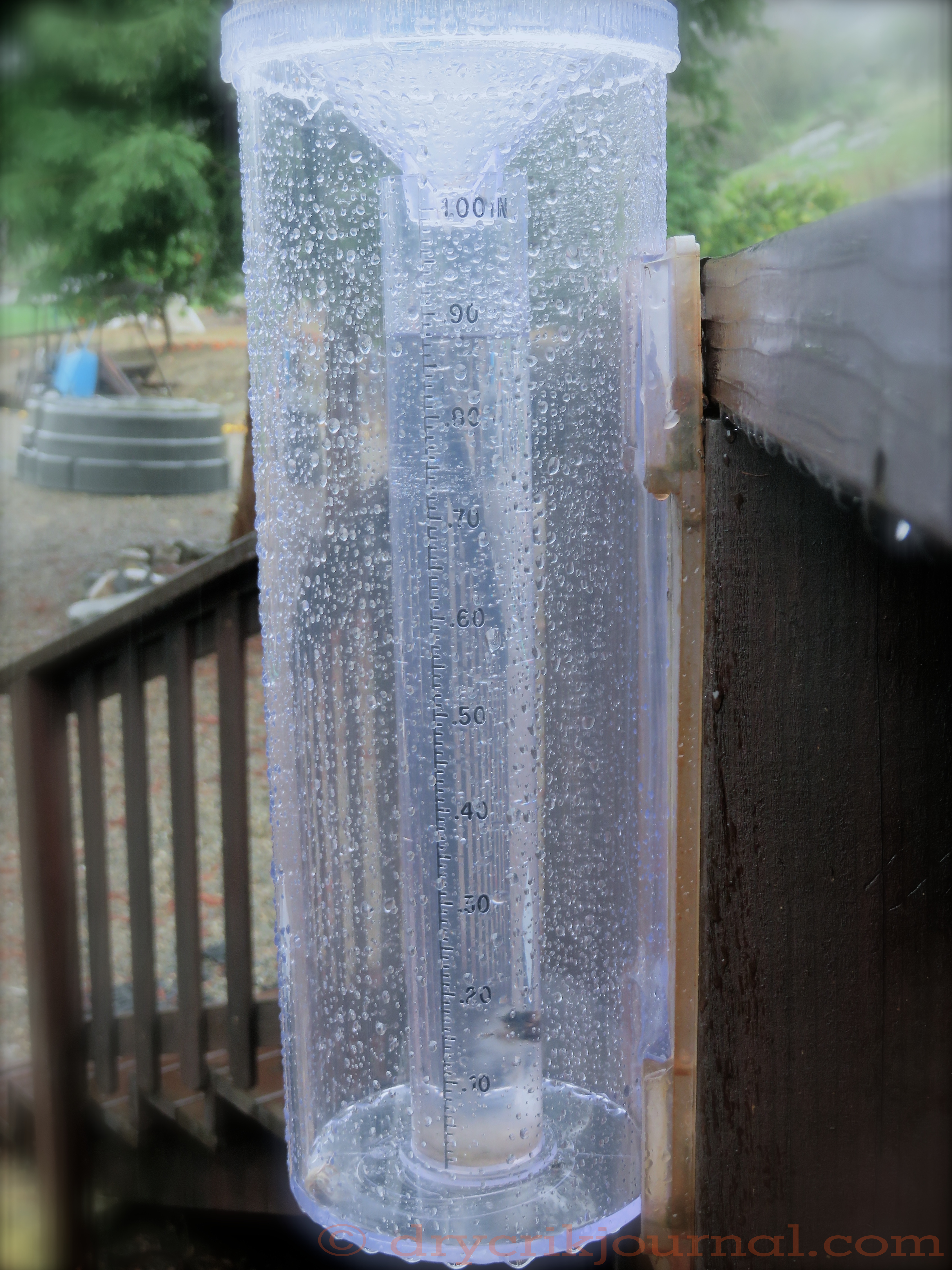
Rain

4:00 p.m., February 7, 2015

4:00 p.m., February 7, 2015


WPC(2) — “Scale”


WAITING TO BLOOM

IMG_3009_2


In the darkness, I listen to a light strum
upon the roof, visualize the size
of raindrops, calculate the hours

necessary to quench the earth’s thirst
for a week or two before going back
to dream of hillsides too wet to climb,

cattle fat come May – nothing I can do,
but hope and pray for some release.
Sucked dry, we still hold on to a chance

for a verdant spring, grass bellyhigh
and sprinkled with wild colors
from all the old seeds waiting to bloom.


LONE PINE, CA

IMG_2560


This close to heaven,
just below the timberline
pine trees climb and wait.


WPC(1) — “Scale”

Ranch Journal: February 6, 2015

IMG_2597


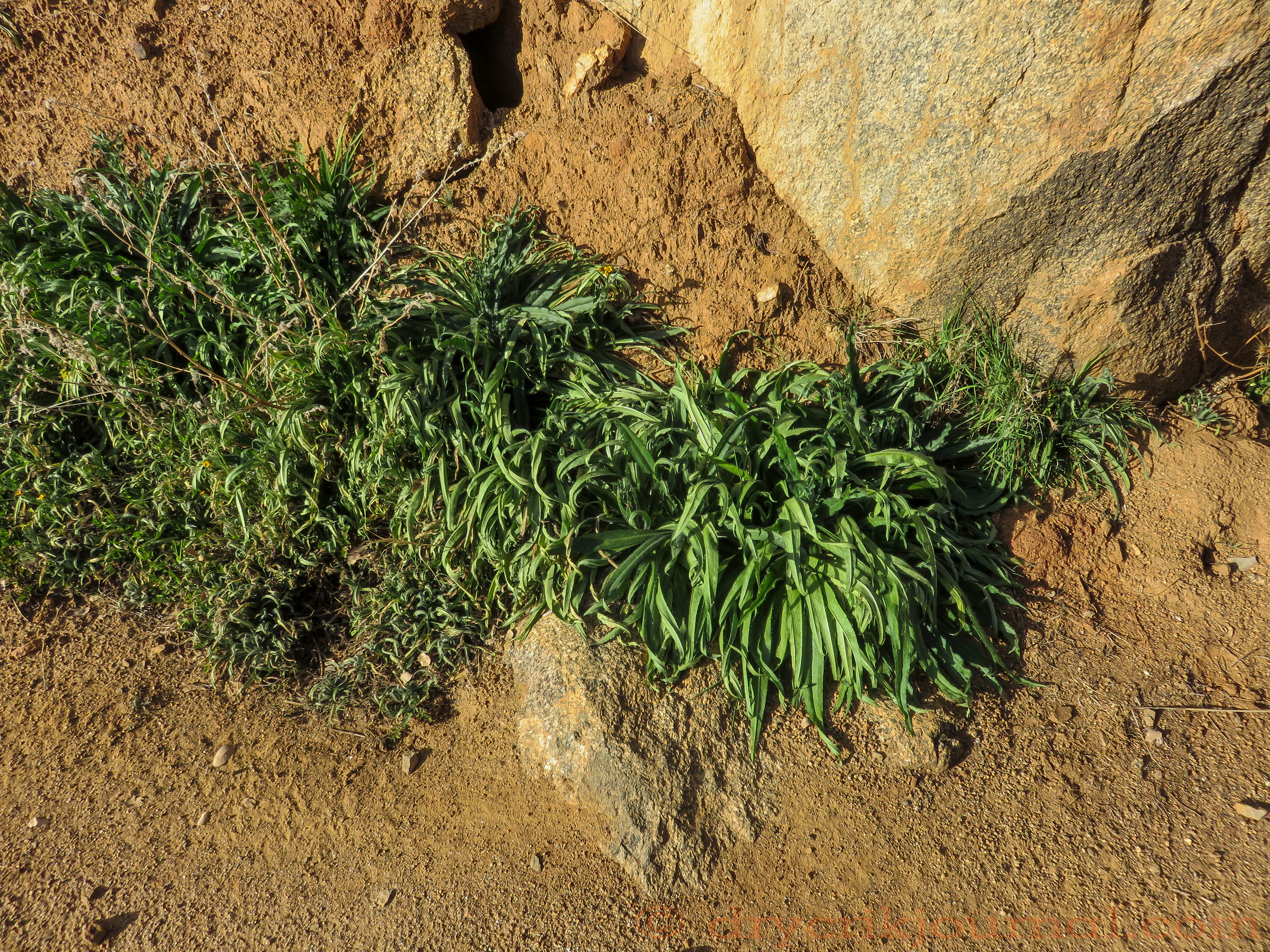
The wildflowers were trying to bloom before we left for Elko on January 24th, primarily the ubiquitous Fiddleneck and Shepherd’s Purse, but yesterday as Robbin and I went to the Paregien Ranch, we could add Foothill Poppies, Purple Lupine, White-veined Mallow, Popcorn Flowers, Scorpionweed among others—all 30 days earlier than normal that may indicate an early, and perhaps short, spring, especially with record breaking temperatures in the high-70s the past two days.

As we enter what appears to be our fourth drought year with only 5.47” of rain to date, it could be worse. Last year at this time we had only accumulated 1.6”, a year in which we had to feed hay from August through March with a total rainfall for the season of 7.78”. Our 9-year average, including the last three dry years, is 14.36”.

Fortunately, some rain is predicted for this evening and Saturday that may linger into Sunday. Our south slopes have been stressed for the past three years, showing mostly brown with no cover of old feed to hold moisture or offer protection for the new grasses.

Additionally, there is little snow in the Sierras to supply surface water demands from Valley farmers. Water storage in flood control and irrigation facilities is at an all-time low. Half-way through our rainy season, it’s too late for any snow the Sierras might receive to freeze, thus we have lost any time-released benefits farmers might ordinarily enjoy, leaving us more susceptible to spring floods if the Sierras get any amount of snow for the remainder of the season.

No matter how you look at it, it doesn’t look good.


Fiddleneck wilting - 2/5/2015

Fiddleneck wilting – 2/5/2015