Category Archives: Ranch Journal

The Farmers Almanac vs. El Niño Predictions


farmers-almanac_0


                    Pacific Southwest Summary:


Although the early part of the winter season will feature above normal rainfall, the drought will continue as rainy periods will diminish in the season’s second half and precipitation will be below-normal for the winter season as a whole, with below-normal mountain snows not helping ease the drought. The stormiest periods will be in mid- to late November, early to mid-December, early January, and early March. Overall, temperatures will be slightly cooler than normal. The coldest period will be in late December, with other cold periods in early and late January and mid-February.

April and May will be cooler and slightly rainier than normal.

Summer will be hotter than normal, with near-normal rainfall. The hottest periods will be in early June, early to mid- and late July, and early to mid- and late August.

September and October will be slightly cooler than normal, with near-normal rainfall.

Facing continued smoke from the Rough Fire and 110 degrees before week’s end, we’re looking forward to the end of summer.
 

SIGN OF SOMETHING

 
The pair of eagles
returning early to ride
our foothill thermals

elicits surprise:
‘what do they know that we don’t?’
we agree to say.

No water, no place
to fish in a four-year drought—
it must be something.


The Weather


CMTrARJWoAA-p0M


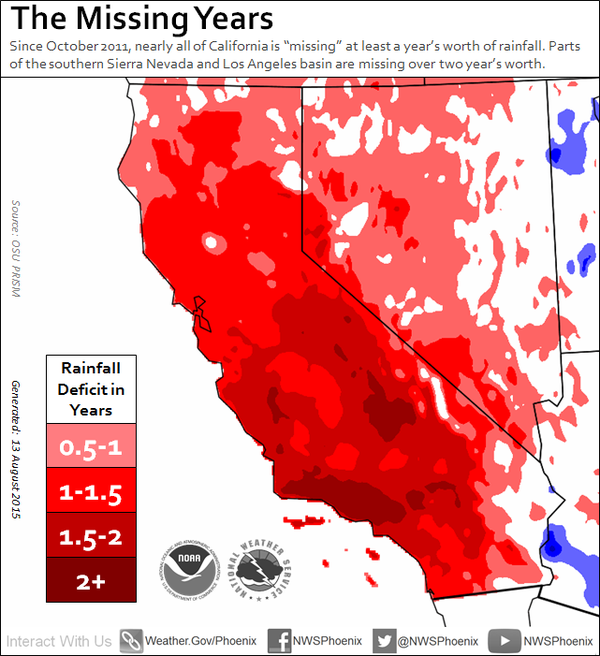
It’s difficult, after four years of drought, to think in terms of rain. Making preparations for a wet winter may offend the superstitious, or seem contrary to the priorities of recent years, but Daniel Swain’s blog offers a most comprehensive forecast for the coming months. Should California be the target of a “Record-strength El Niño,” its impact on the West may be exacerbated by current and recent wildfires.


Rough Fire

83,000+ acres
25% containment
@ Cedar Grove, Converse Basin, Buck Rock Lookout


REPLACEMENT HEIFERS


20150829-IMG_4698


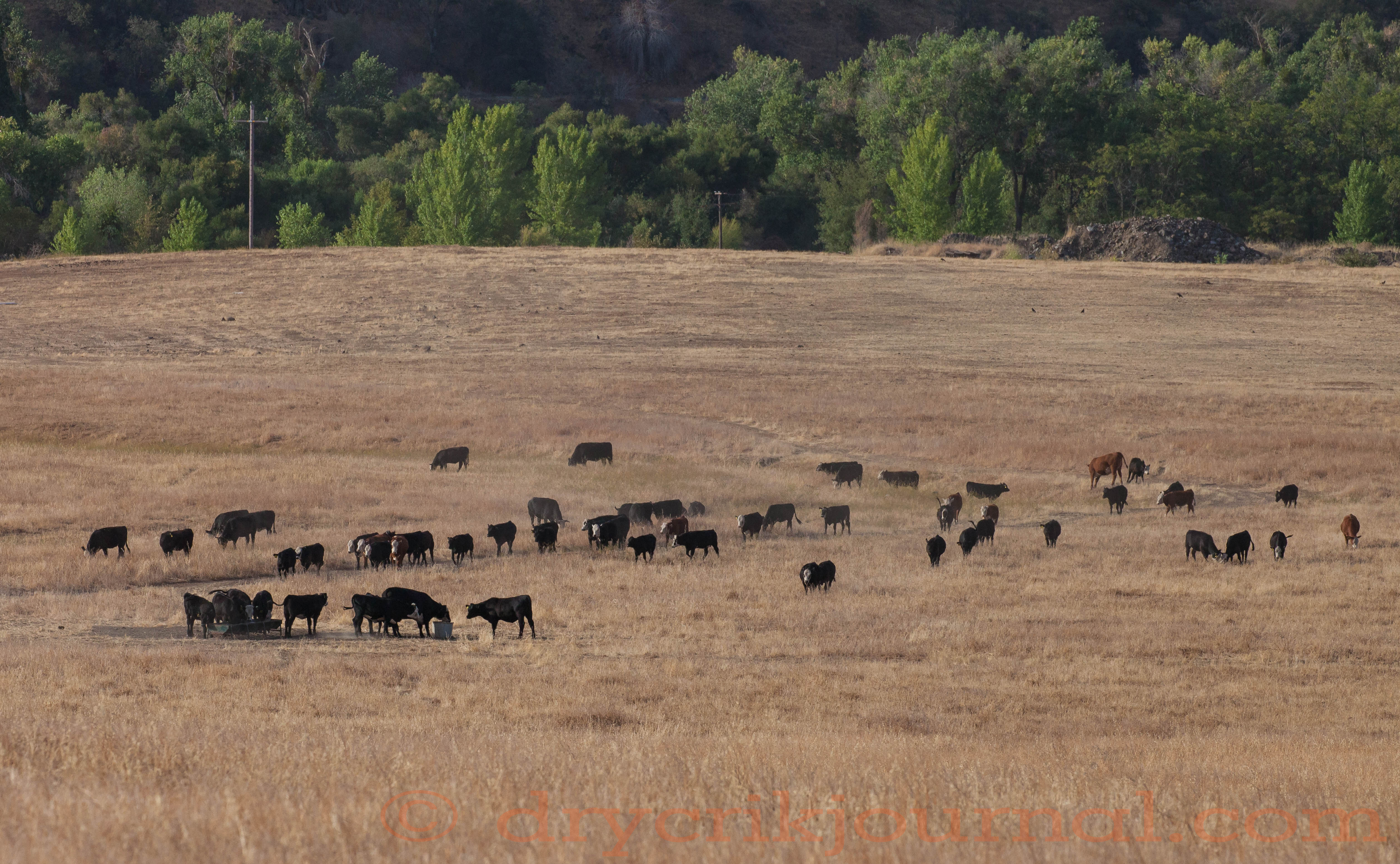
We feed our future,
as it approaches, plenty
of alfalfa hay.


SEPTEMBER


20150829-IMG_4731


We begin
when calves come
trailing their mothers

out of seclusion
to hay—children
added to explore

this old ground,
wind shuffling leaves.
In their eyes,

fresh innocence
and a chance
for improvement.


Heron and Egret


20150829-IMG_4750


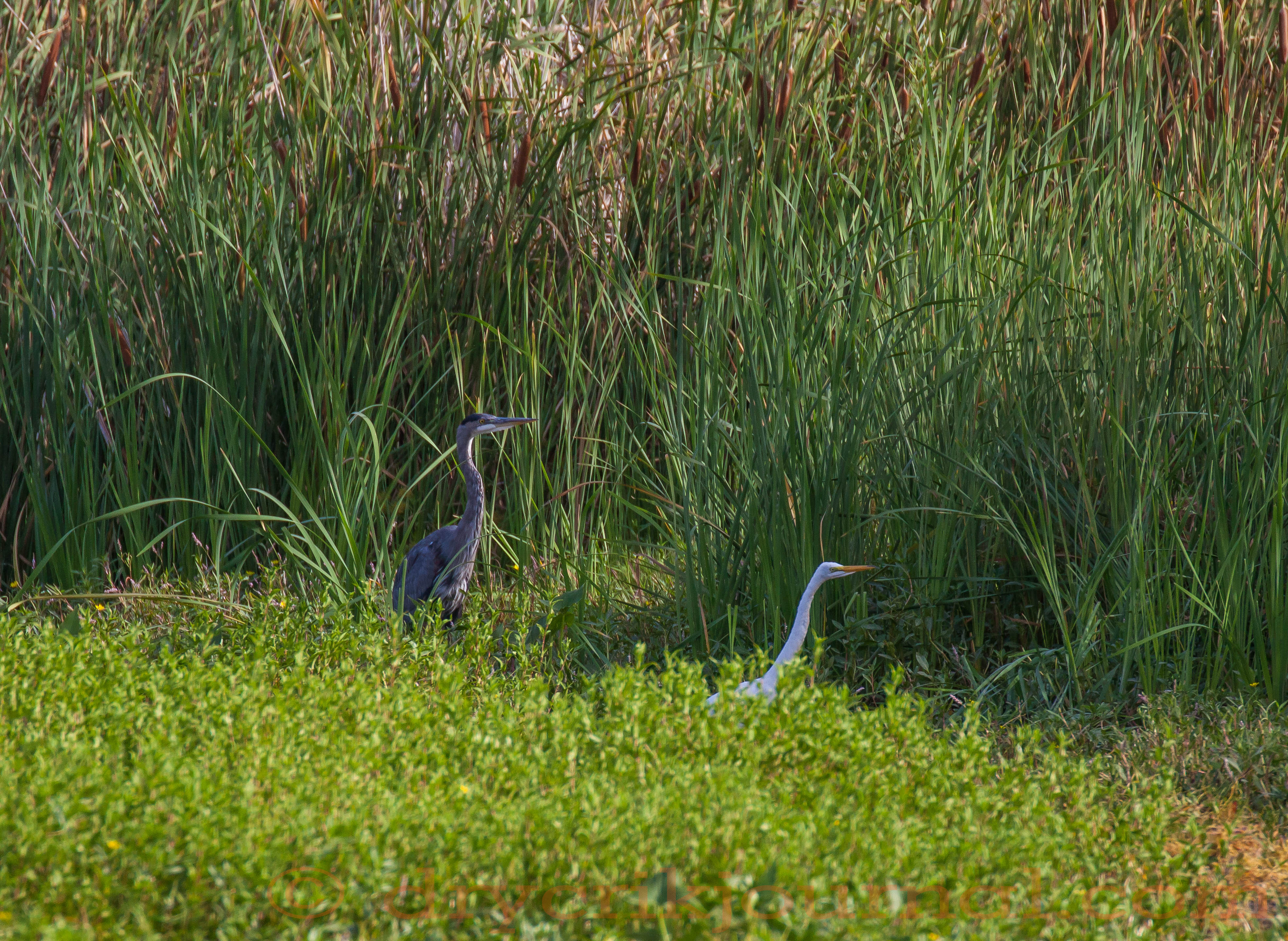
A game since April, my presence, while irrigating, interrupts the daily routine of wading the edges of the pond for this Great Egret and Great Blue Heron. Usually one or the other, they generally fly when I get within a 100 yards of them to light a safe distance away on dry ground to watch and wait until I’m done. Sunday morning as the pipeline filled, they both circled to a secluded spot in the cattails instead, just barely within range of my camera lens.

Not quite a siege of herons.


DUST

 
Billowing from behind the barn before dawn
rising, clouds hang and drift, coat everything
as saddle horses wake to play over fences

in August, when there is no dew nor brittle stems
to cling to. Expectant mothers waddle to the water
trough, dragging their feet in soft, deep powder

pounded fine enough to float, to trail behind them.
Within the Palo Verde’s safe thatch of thorny limbs,
the reveille of quail brushing dreams from their eyes

before their morning march to the rock pile
in the middle of the bare horse pasture—even
the tiny feet of laggards catching-up stir the dust.

The first dry leaves lift in a swirl of weather changing,
distant premonitions that stir the flesh to ask
if the stage is set to settle this ever-present dust

with rain.


STEAMING


20150828-IMG_4555


From my desk window, I watch the fire
where the far ridge drops into the next
watershed, Rio de los Santos Reyes,

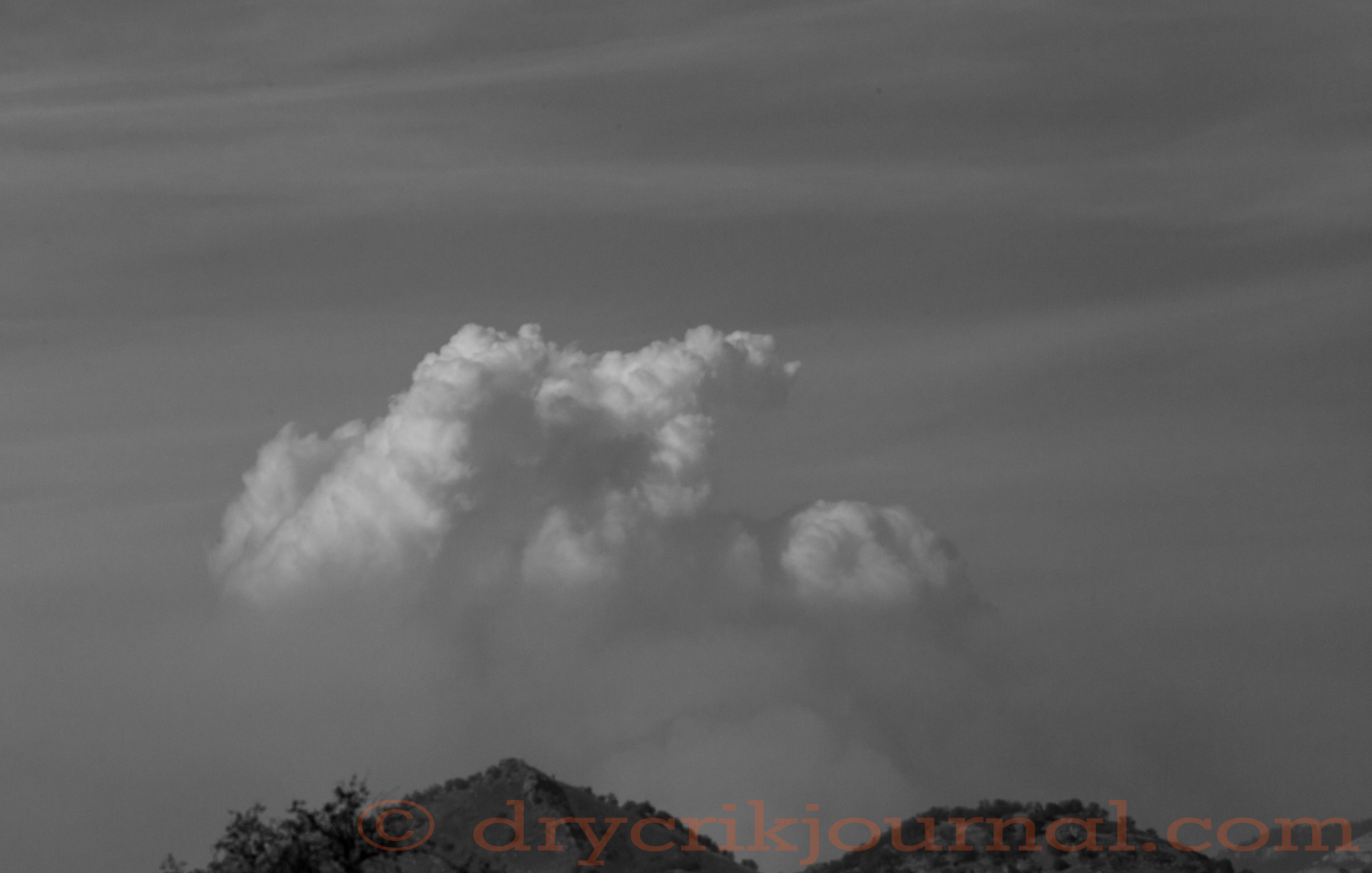
to follow mushrooming thunder cells
billow white as backfires collide:
cedar, fir, pine and redwood up in smoke

late afternoons and imagine the heat
and trees exploding, smudged yellow
Nomex—men, and women too, on the fire line,

exhausted and bleary-eyed as the red tails
of air tankers sail back and forth over me.
Sixty thousand acres plus of back country

charred by a living, breathing monster
twenty-five percent contained. The wind
has changed and cleared our canyon

as thunder cells push eastward up the Kings.
From the ridge and from the air they watched
a lightning strike run in the rocks

for over a week, thought it would never
jump both the river and the road—
could have put it out anytime.


Rough Fire from Dry Creek


August 28, 2015, 4:35 p.m.

August 28, 2015, 4:35 p.m.


60,000+ acres
25% containment
Rough Fire


Rough Fire Update 2


August 27, 2015, 6:30 a.m.

August 27, 2015, 6:30 a.m.


57,000 acres
$32.5 million
25% containment


Fire continues to burn on both sides of Highway 180 and the South Fork of the Kings River, leaving rock slides from the steep granite walls that now block vehicular access to Cedar Grove and points beyond. Smoke so thick in Dry Creek Canyon, you can almost identify the wood that has burned by smell: pine, cedar, fir and redwood. We quit work early yesterday.


August 27, 2015, 6:45 a.m.

August 27, 2015, 6:45 a.m.