Let me wake in the night
and hear it raining
and go back to sleep.
– Wendell Berry (“Prayers and Sayings of the Mad Farmer”)
We slept well! 1/2″ @ daylight.

Let me wake in the night
and hear it raining
and go back to sleep.
– Wendell Berry (“Prayers and Sayings of the Mad Farmer”)
We slept well! 1/2″ @ daylight.
Posted in Photographs
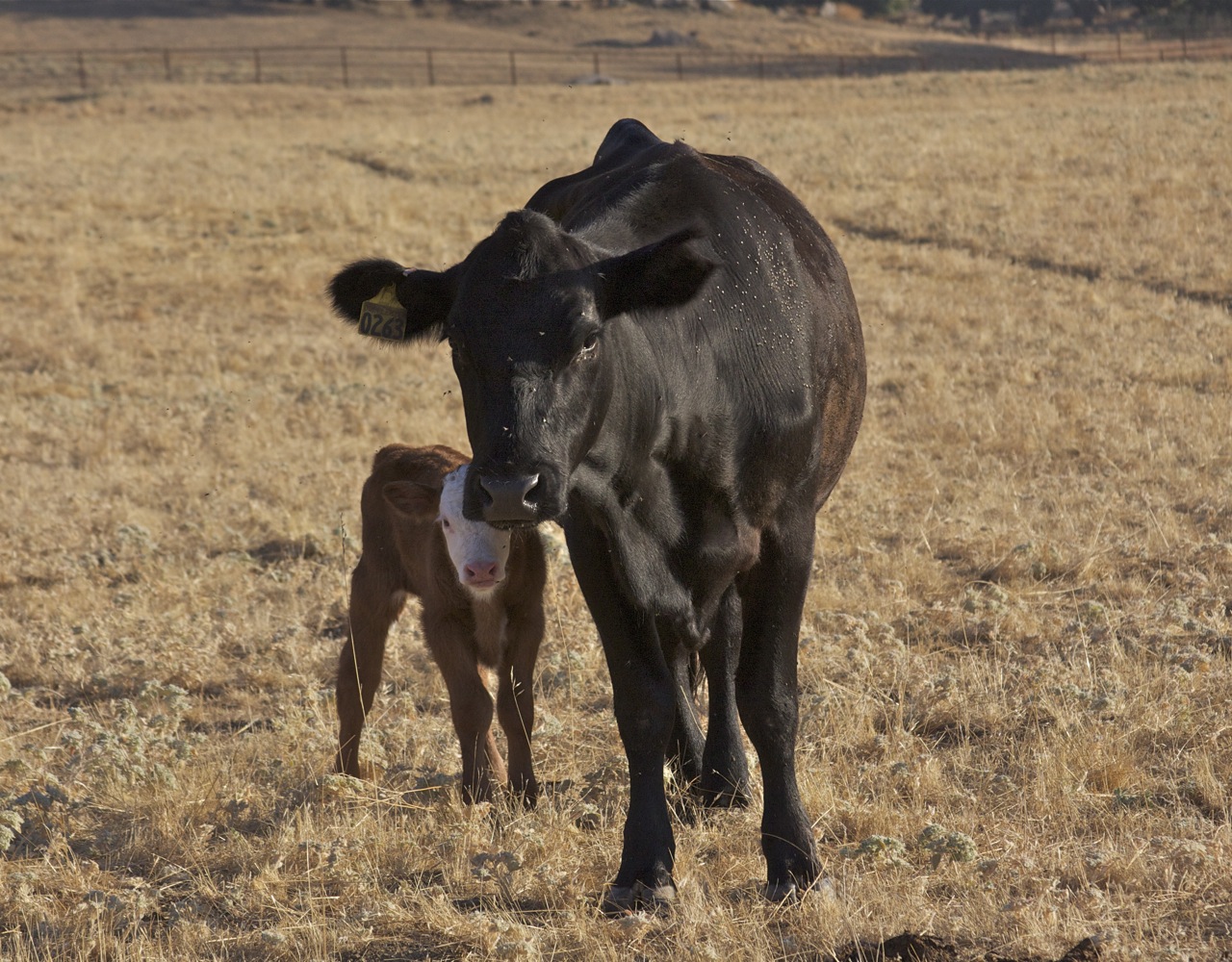
The Wagyu calves come predominantly black, but this three day-old Wagyu-cross demonstrates some Hereford blood in its Angus mother’s background, not apparent by looking at her. Because black is a dominant gene, the Hereford influence in our females is more apt to show in body type than color.
Posted in Photographs
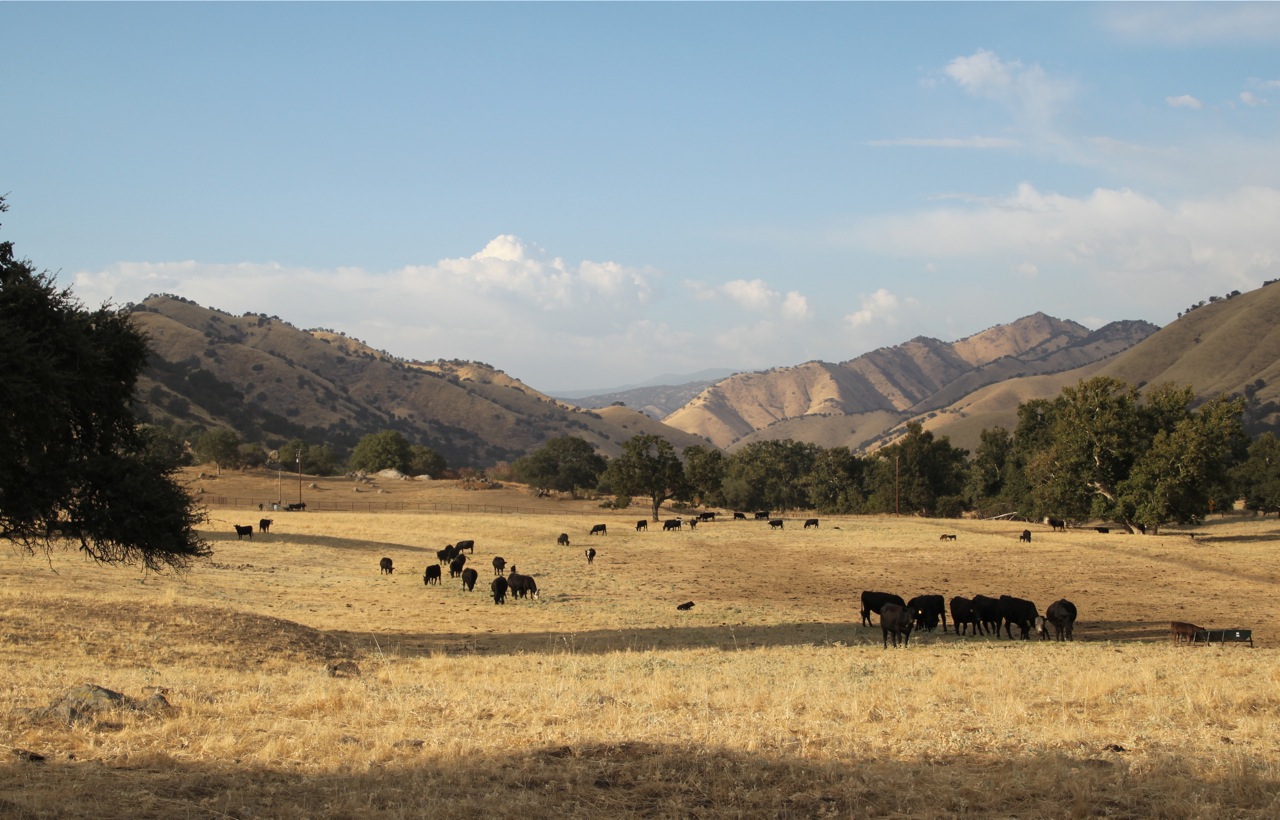
Fall in the air and through the first cycle, we’re pleased that over half of these girls have calves on the ground.
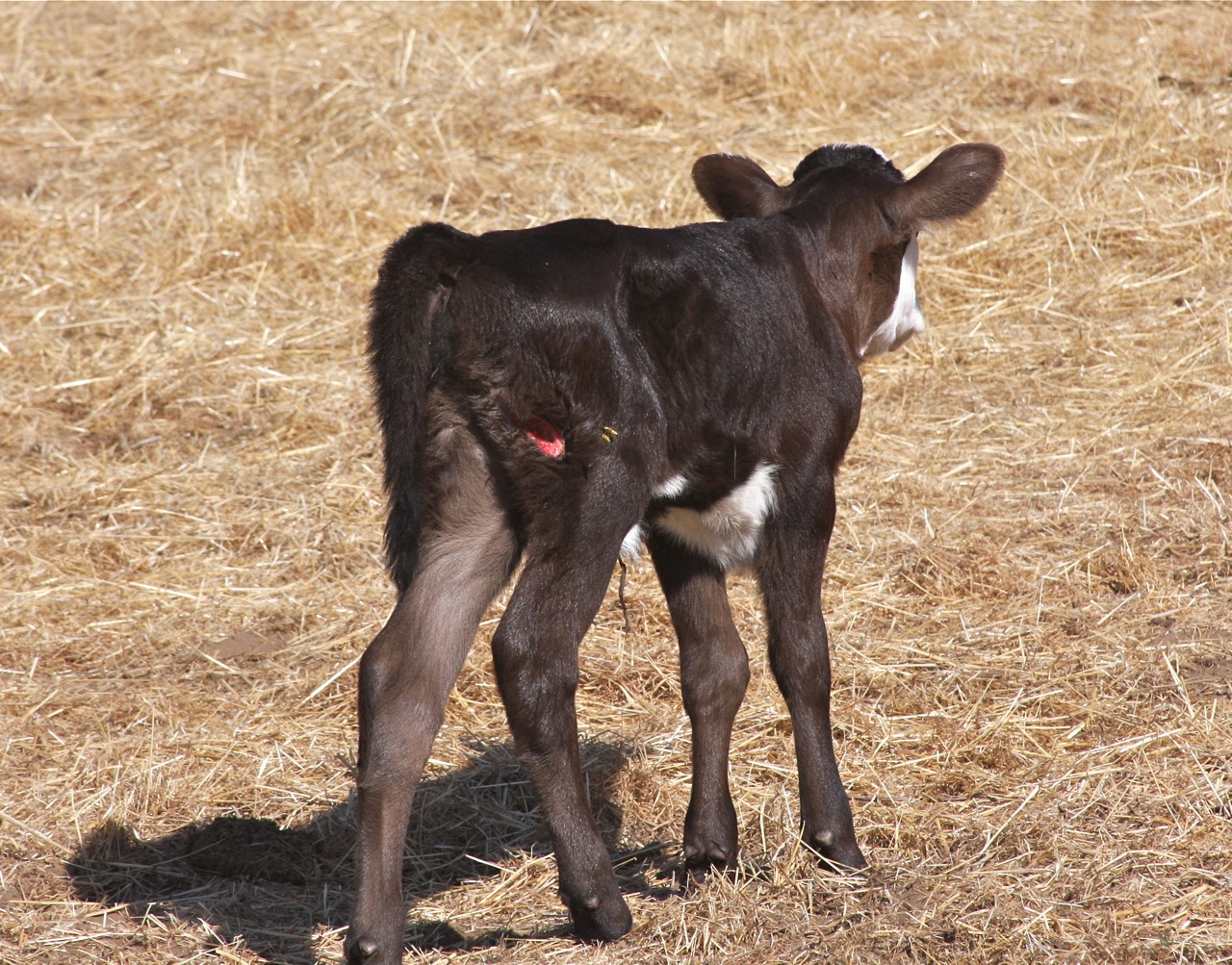
This Wagyu-cross calf, pictured on September 5th after a close call with a coyote, is healing well. Big Dog Gone.
Much of this business is about the odds, the likelihood that it will rain, that we will get the job done, be in the right place when the time comes, the reliability of which is always refined by experience. Then there are the odds that PETA will use this piece as an example of inhumane livestock practices that reflect poorly on our contemporary culture, already overburdened with popular judgments. Though the chance is fairly small, it concerns me, nonetheless, but misses the point of the story.
The difference between cowboys and cowmen are but shades of experience—the bigger picture as opposed to tunnel vision. I think of good cowboys as men of action, not indecision, and believe good cowmen look ahead through the eyes of cows. But there’s still a little cowboy in us all, regardless of age.
In this post about how we spent Labor Day, the heifer would have died, untended. In retrospect, we should have secured her front legs with the rope, but usually when they’re down, they stay down until the calf comes with a little help and we leave the pair to clean-up and bond. If we had been able to hold her to standstill, she might have lain back down—you grab what you can as it happens.
Robbin saw it, and probably thought of the corrals that were a quarter-mile away before we did—but we’re men of action, cowboys in our 60s and 70s riding a Kawasaki Mule. Whether or not I’ve captured the graphic and coarse humor that seems indigenous to this culture, I think it’s a fair reflection of what happened in a conversational style—educational if not entertaining. We are who we are, just trying to keep our livestock alive.
Posted in Photographs
Having missed three heifers, one with a fresh calf, across the creek when I fed, Robbin & I jumped in the Kubota to see if we could find them yesterday afternoon, eyes peeled for coyotes. We found the pair, but also our neighbor’s heifer across the fence, down with legs up, looking dead at a distance, but trying to have her calf.
We went for him and the calf pullers, parts that have outlasted their canvas bag, big jug of water, lubricant, disinfectant and penicillin. As an afterthought, I grabbed a stiff lariat rope someone had left at the shop. Clarence beat us to his first-calf heifer, on his knees with some hay string in the shade and surrounded by the heifer’s mates, his Kawasaki Mule running when we arrived. We assembled the pullers after slipping the OB chains around the calf’s front feet, connecting the OB chains to the big chain from the jack with a quarter-inch bolt and nut, the original S hooks long-straightened and lost.
She was a big heifer with small pelvis in obvious pain as we applied pressure and lubricant. The calf’s feet were big and he was alive. Just as we were making progress, she jumped up, Clarence with a hold on the OB chains, me with the breeching, pole and jack, scattering the channel locks we used for a jack handle, cross-country. It was a fairly even pull to begin with, and I thought she was wearing down when the pole I was holding disassembled, leaving Clarence with a grip on the chains. Approaching 73, his legs couldn’t keep up with his grip, and out across the pasture she trotted, dragging breeching and jack, swinging from the chains connected to the calf’s front feet.
We had the rope—a 7/16th x 30-foot cable I tied to the axel of his Mule. We drove towards her. I needed a big loop, already loosing 5 feet of length from the bowline on the axel to the passenger’s seat, leaving me only a coil and a half in the hand I held-on with as I swung with the other, not sure whether to jump clear when I caught or duck under my slack as it got tight. What ran through my head without resolution became academic after several misses, and having to unwind their slack from around the axel. From the shade of our original oak tree, Robbin said it was pretty good watching. A one point, the heifer was turning in a tight circles left, the centrifugal force of which, as Clarence kept up, made standing and staying aboard my full-time job.
The chase brought us closer to the corrals and an ancient, Linton squeeze. I got the gate afoot, Robbin fell in behind her on the Kubota, and Clarence turned her through the gate on the Mule. Long story short, we saved the heifer, but lost a huge calf.
Over drinks as shadows crept across the canyon, we replayed the afternoon. My first cowboy hero, Clarence ran this ranch for my Dad and Granddad when he was 16, and I had to ask him, “How old do you think those pullers are? They were still in their canvas bag when I got here out of college in 1970.”
“Sometime in the Fifities, I guess.” He replied.
“Do you think Dad would throw too big a fit if I wasted money on some new ones?”
Posted in Photographs
Since my early a.m.post, I’ve fed the 1st-calf heifers, finding the lucky calf above. Coyotes go for the hamstring. The calf must have bawled and the young cows ran him off. The girls were understandably nervous this morning. My coyote with a ‘taste for veal’ is obviously still around.
I try to leave the coyotes alone except for calving time, not liking the killing of anything anymore, believing that too much pressure on the local population will only produce bigger litters and more fertile females in the future. Though inconsistent, I think my process becomes more seasonal and individually selective.
Since posting ‘A Taste for Veal’, I haven’t seen a coyote. Somehow, the word is out. I do see a few tracks padded overnight, over the Kubota’s on my rounds, but none of the inquisitiveness of pups drawn to the scent of afterbirth. Assuming the rifle shots have been associated with the sound of the Kubota, they’ve kept their distance the past three days. Even nighttime serenades have decreased from choruses to duets and trios.
With some perspective, perhaps the coyote’s boldness or its lack of respect for humans spawned my lasting anger. I am these heifers’ provider, protector and midwife, if need be. Perhaps with better timing I might have saved the calf. But it is what it is: a less than attentive mother who’ll not make the cowherd—pretty as she is. But she’s not alone, some didn’t breed, a few aborted or produced stillborn calves. Around the first of December when we brand, we’ll make a sort for town, not wanting to perpetuate these genetics. It’s why we keep so many heifers, knowing we’ll always have some to help pay the pasture rent.
My attitude and behavior towards coyotes evolves a little each fall during calving time, when they’re all fair game in my crosshairs. Some die and some understand to move on to less risky places. With plenty of ground squirrels, rodents and crippled game from hunters and poachers, they are not starving, not forced to kill calves. I want the ones that have a taste for veal.




 enlarge

 enlarge
 Clarence & Robbin
 enlarge
 enlarge
 drycrikjournal