Rocks and trees remember
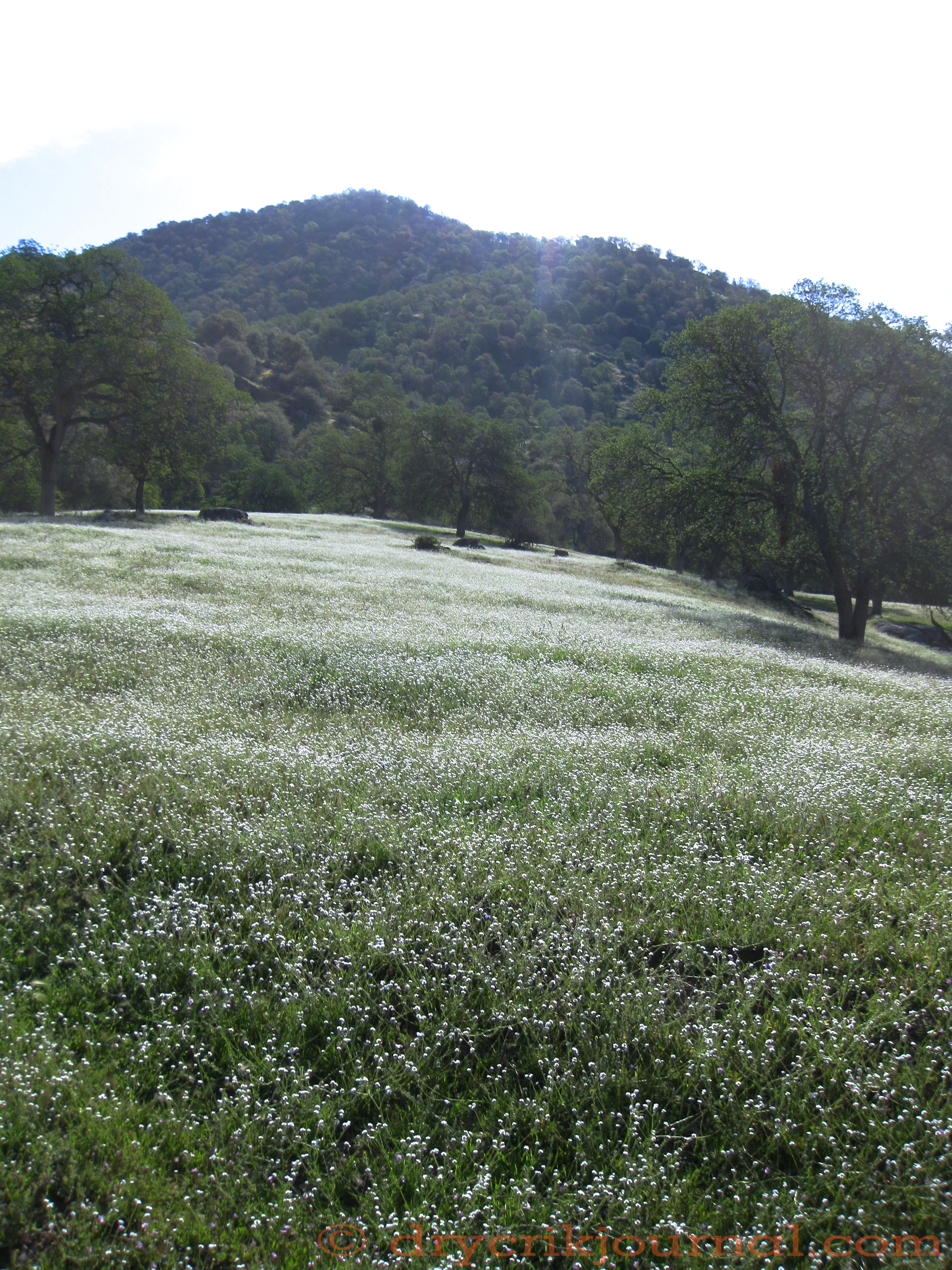
days between rains rising
to see how they looked
to an upside-down world,
watch hawks in the heavens
gliding beneath them.
Rocks and trees remember
days between rains rising
to see how they looked
to an upside-down world,
watch hawks in the heavens
gliding beneath them.
Posted in Photographs, Poems 2014
Tagged February 2010, photography, poetry, weekly-photo-challenge
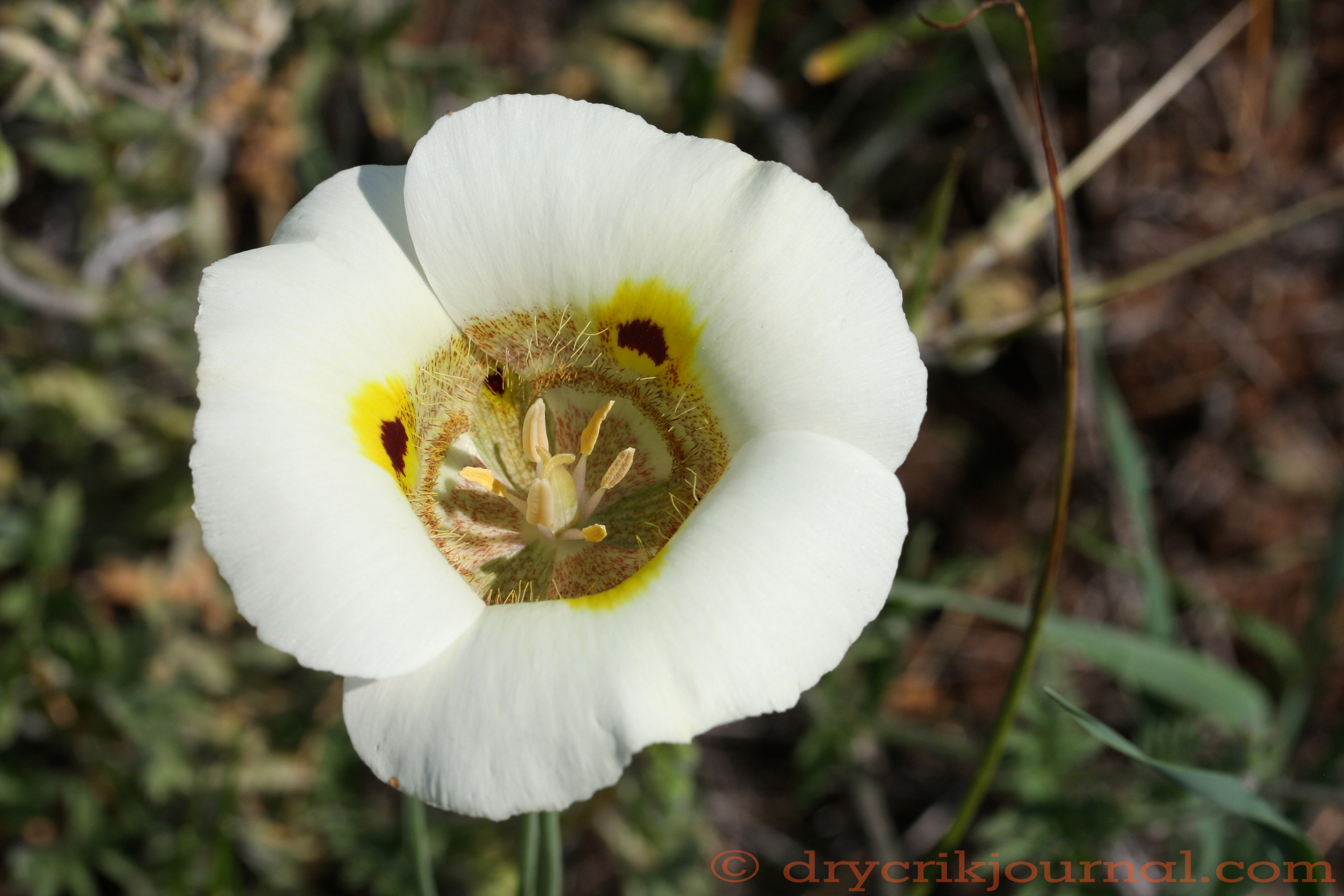
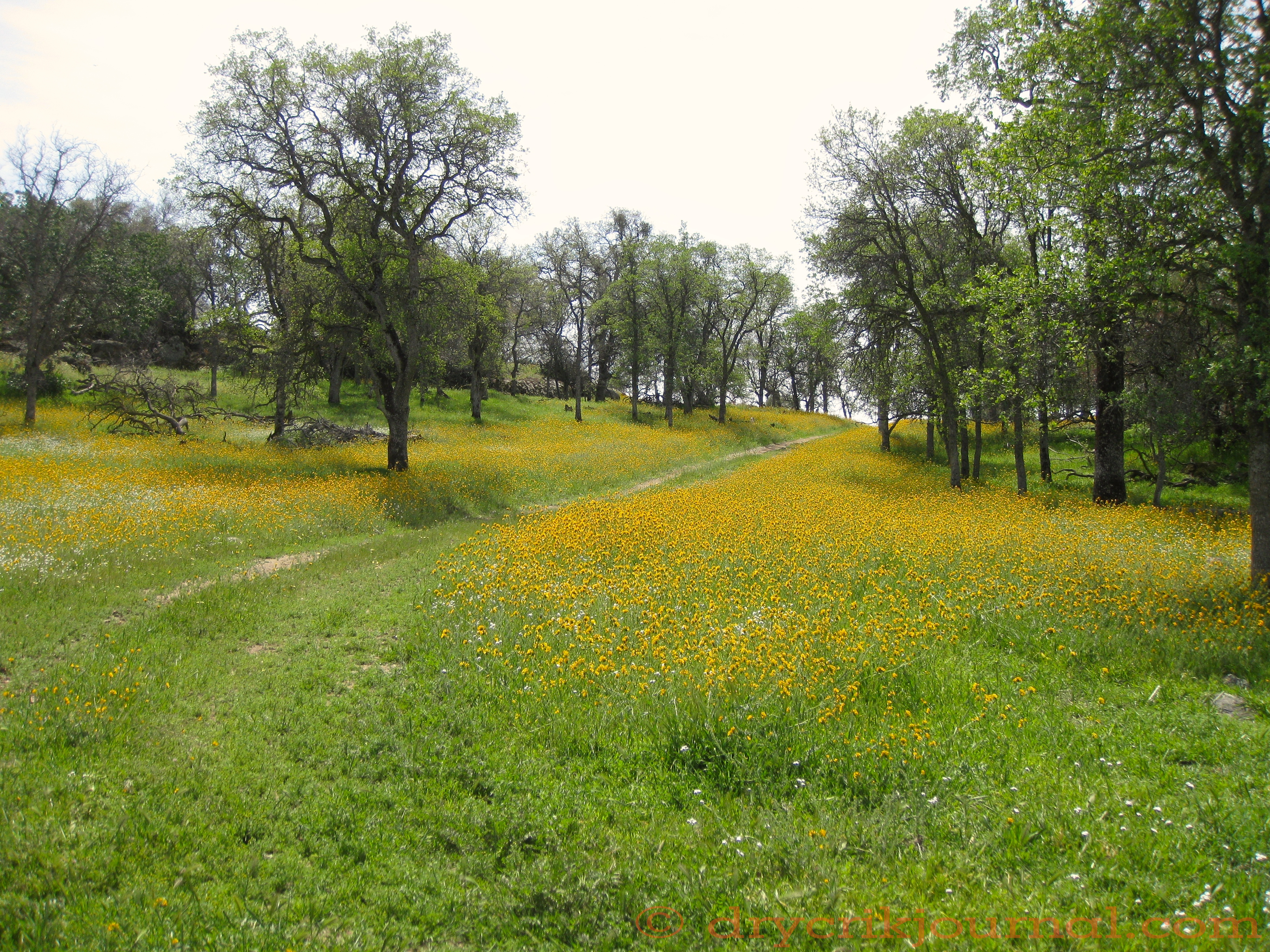
Midday, while changing my irrigation water, I checked on the Scalebud. No pastel yellow patch, only orangish Pincushions that always look the same. On my way back, I investigated to find that most of the flat flowers that I photographed two days ago Scalebud were gone, only to be replaced with more buds. Not hard to figure how this wildflower got its name.
Nor why it’s of the same family as dandelions, ASTERACEAE.
With such a short bloom period, I may have missed these interesting wildflowers for years.
Thin grass fades
like awakening from a dream
to truckloads of hay
like any other day
of no rain—like nothing
I have ever seen.
We realize the practical importance of documenting our drought, its impact on the ranch and cattle, on us. Even in dry times, our life is rich with details, most all symbolically tied to moments of truth, some of which last for a long time.
Denial can be a dangerous thing with so many lives at stake, so many cattle waiting for rain. But now I doubt a rain could help the south and west slopes of brown native clay.
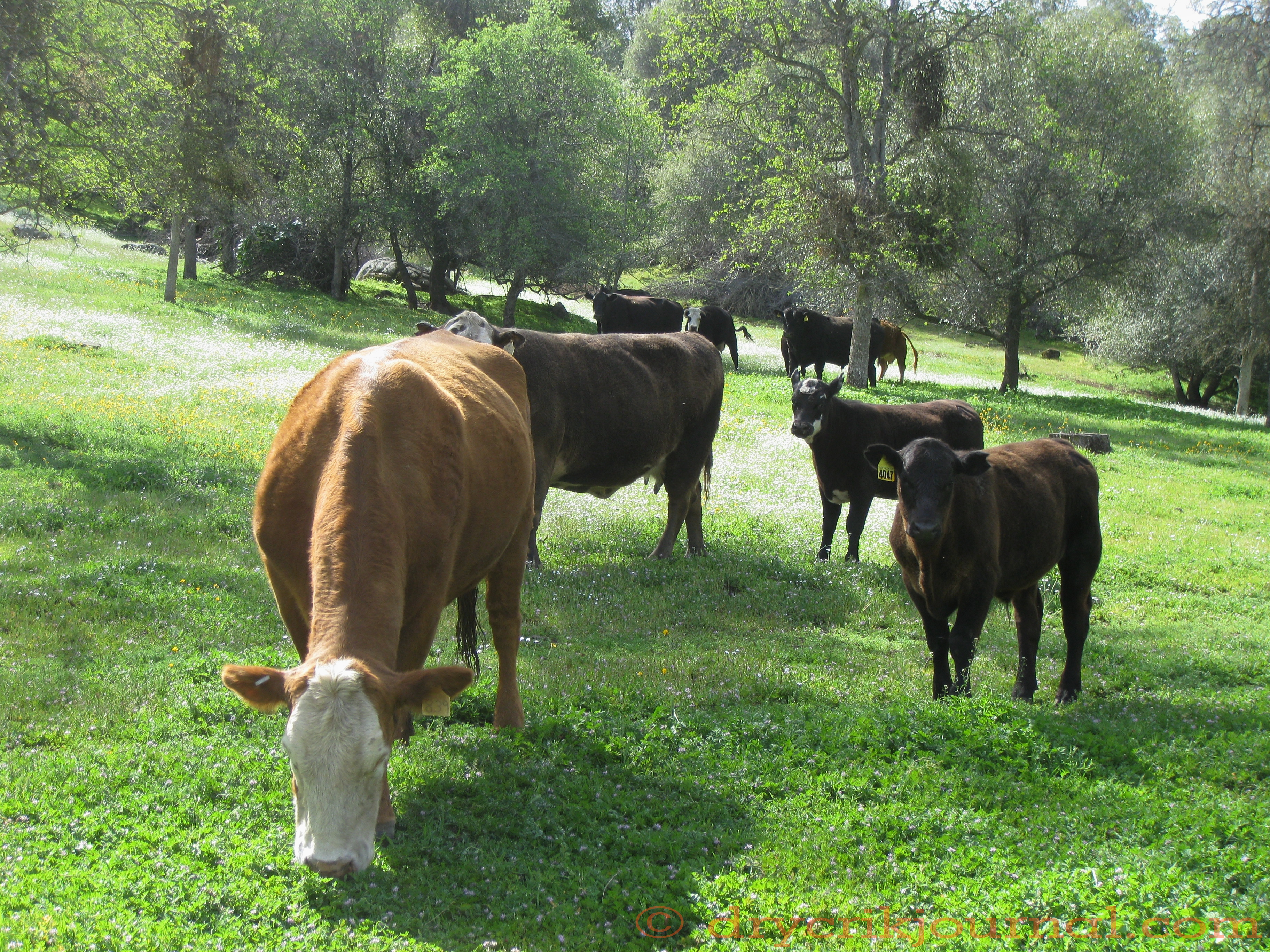
As we branded the calves this winter, we culled the cows for those that had turned old and thin since we culled them last summer, most without calves, bringing them off the mountain to allow more feed for the remainder that is holding better in our granite upper-country. By the end of branding field-by-field, we had collected a truckload where we fed them hay on the irrigated pasture of only dormant summer grasses.
Clarence and Robbin trailed behind the bunch slowly following the Kubota with its single bale of hay, each cow eagerly filing past me as we got closer to the feed grounds and corrals as I assessed them, judging fullness and fitness—how they’d look in the auction ring. Moving closer, they began to buck, kick and run with excitement, with just the thought of hay.
In the corral, Robbin assured me that she didn’t see anyone she was sorry to see go. We brought the cameras that we forgot about while crowding the cows up the foreign loading chute, reserved primarily for our annual crop of calves. Now old replacement heifers, they’d never seen a truck. “You can tell,” said Van Beek, the driver, after the first two drafts, “they are ranch raised.”
Posted in Photographs, Poems 2014
Tagged 819, Big Valley Cattle Co., blog, culling, Drought, haiku, photography, poetry, Rick Van Beek, twins
Native: an animal or plant indigenous to a place
I began photographing wildflowers to enhance my sense of place, this ranch and this canyon. With no botanical background and able only to identify a handful of the most common flowers, I have since learned many names online Calflora and from a growing library at home. The more I photographed, the more I found that I’d never seen before. Over the years, we’ve documented them within this blog wildflowers.
Not a colorful year for wildflowers, I was surprised, while setting my irrigation water yesterday, to pass a pastel-yellow family of Scalebud Anisocoma acaulis on a sandy, south-facing slope, well-off the easement road to Terminus Dam.
I get excited when I find a wildflower I’ve never seen before, so much so, that I have to take several shots while running through the F-stops on my macro lens to insure that I may get one in focus. My thanks to Neal Kramer for identifying this one for me.
Stocker operators have long shipped their steers, but cow and calf producers have been supplementing with hay since August, while calving in between. Bad year, dry year, call it what you may, what green feed that has germinated is all but gone.
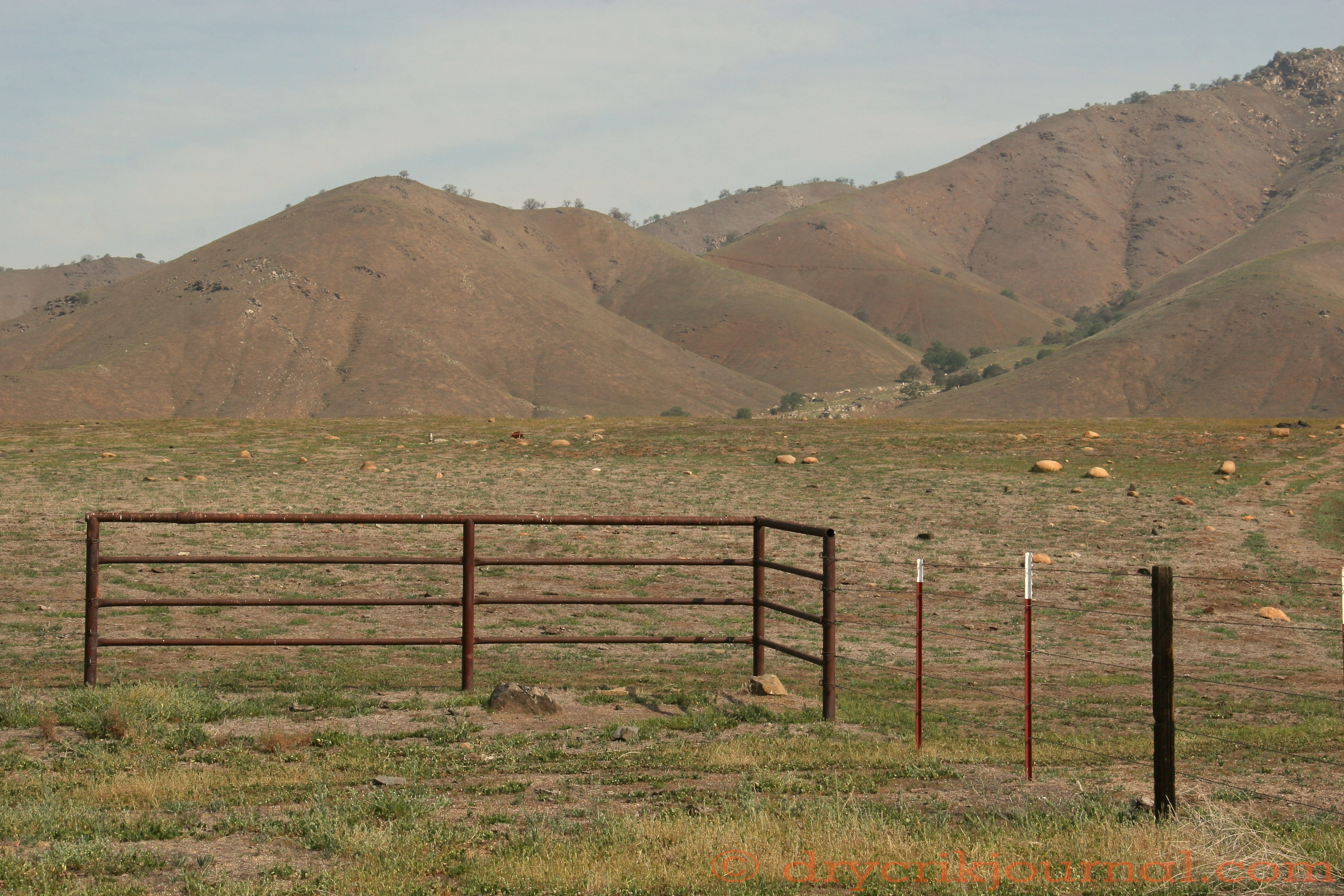
Though classified as a non-native invasive weed originating in the Mediterranean, Red-Stem Filaree (Erodium cicutarium) is exceptional cattle feed, oftentimes thriving best in a dry year. In the clay, however, most south slopes are bare below 2,500 feet and patches of filaree on the west slopes are beginning to turn red and purple with lack of rain and above average warm temperatures in the 70s and 80s for the past two weeks. Weather Journal 2013-14
Even in the sandier, non-grazed areas along the USACE easement road to Terminus Dam, the Red-Stem Filaree has turned or is turning.
Or in some cases, headed-out and gone to seed without producing any leaves.
None of this is good news, given only lip service by the local media, but a precursor to the devastating impact of this drought to agriculture in California. With no rain or snow of any import, there will be no surface water available to farmers, making them dependent solely on diminishing groundwater. Some with older orchards have already been advised to push them out. Not only is the price of beef going up (some more), but all food stuffs of quality are soon to follow.
Plant your gardens!
We’re adapting as well as we can without panicking, but shipping another load of cows to town tomorrow.
Poem from this time of year:March 2011
Three phases of Asclepias speciosa, showy milkweed in June, August and September. A native perennial.
Who else could take a break from their bookwork for Uncle Sam and look upon a mountain and see the calves we branded Wednesday, grazing with their mothers? Though it seems so unfair to ruin the prettiest time of the year here with tax accounting, even in a drought, I feel blessed. Thanks to Robbin, our ranch records are substantially better since she took over the daily bookwork in an organized manner.
I awoke early with loose numbers on my mind that tried to interfere, with some success, with my writing time. Language and math must reside on different sides of the brain, or some aspect of them, drawing battle lines in my head. The numbers usually win and I hate my smugness afterwards, finally with an answer. But usually balanced-out quickly with a poem, this morning’s offering is my first effort ever finished, mid-accounting.
Though I don’t pretend to understand it, I find the creative mindset interesting. So much depends on our eye, how we see things as individuals as we appeal to something common within us all, by adding our perspective. So opposite from filling out IRS forms. Done, time to let it rest overnight.
Posted in Photographs
Tagged creative process, Drought, dry spring, IRS, short grass