Monthly Archives: June 2013

Pomegranate

IMG_6087

IMG_6091

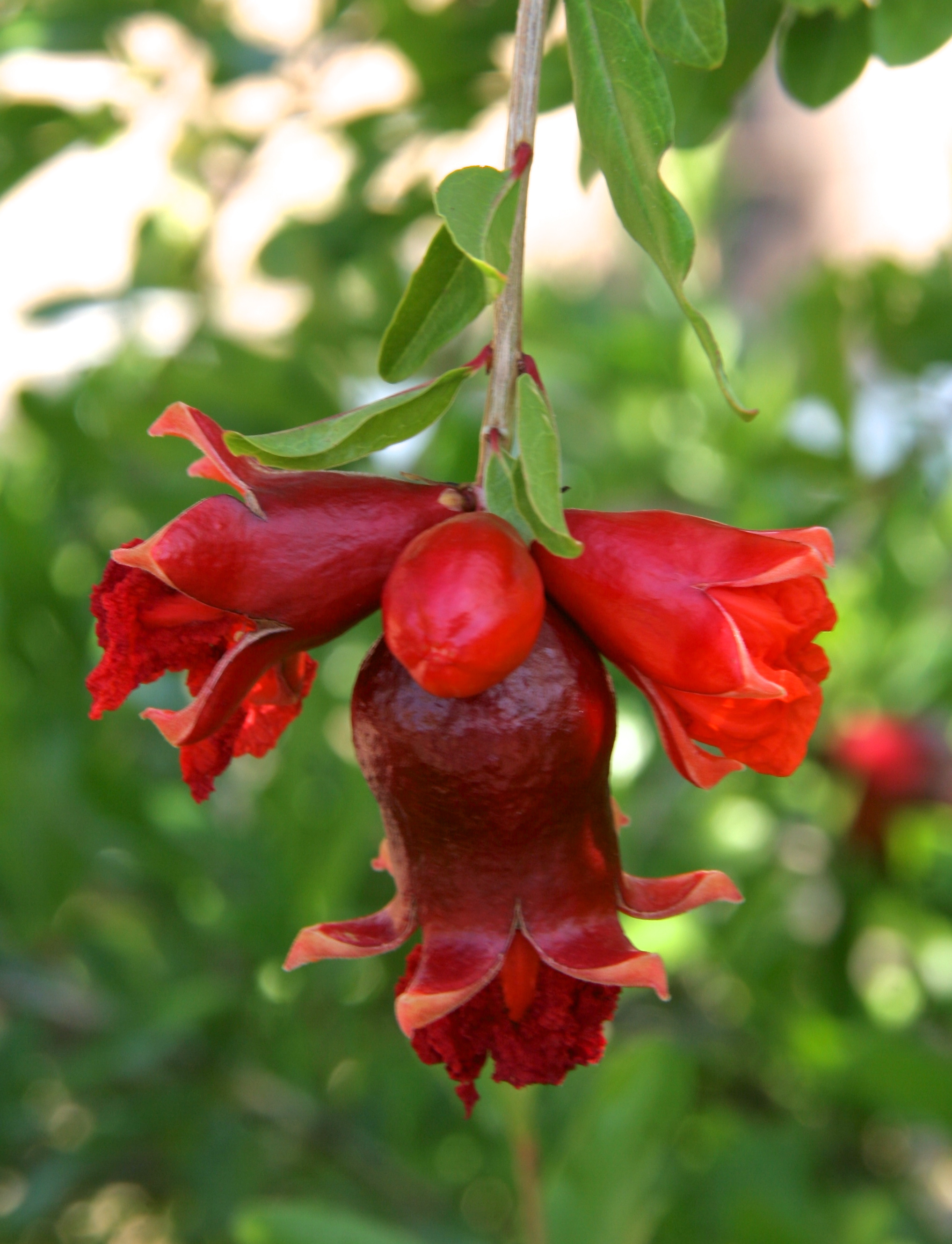
The myth of Persephone, the goddess of the Underworld, also prominently features the pomegranate. In one version of Greek mythology, Persephone was kidnapped by Hades and taken off to live in the underworld as his wife. Her mother, Demeter (goddess of the Harvest), went into mourning for her lost daughter and thus all green things ceased to grow. Zeus could not allow the Earth to die, so he commanded Hades to return Persephone. It was the rule of the Fates that anyone who consumed food or drink in the Underworld was doomed to spend eternity there. Persephone had no food, but Hades tricked her into eating six pomegranate seeds while she was still his prisoner and so, because of this, she was condemned to spend six months in the Underworld every year. During these six months, when Persephone is sitting on the throne of the Underworld next to her husband Hades, her mother Demeter mourns and no longer gives fertility to the earth. (Exert from Wikipedia)
112 DEGREE DAZE

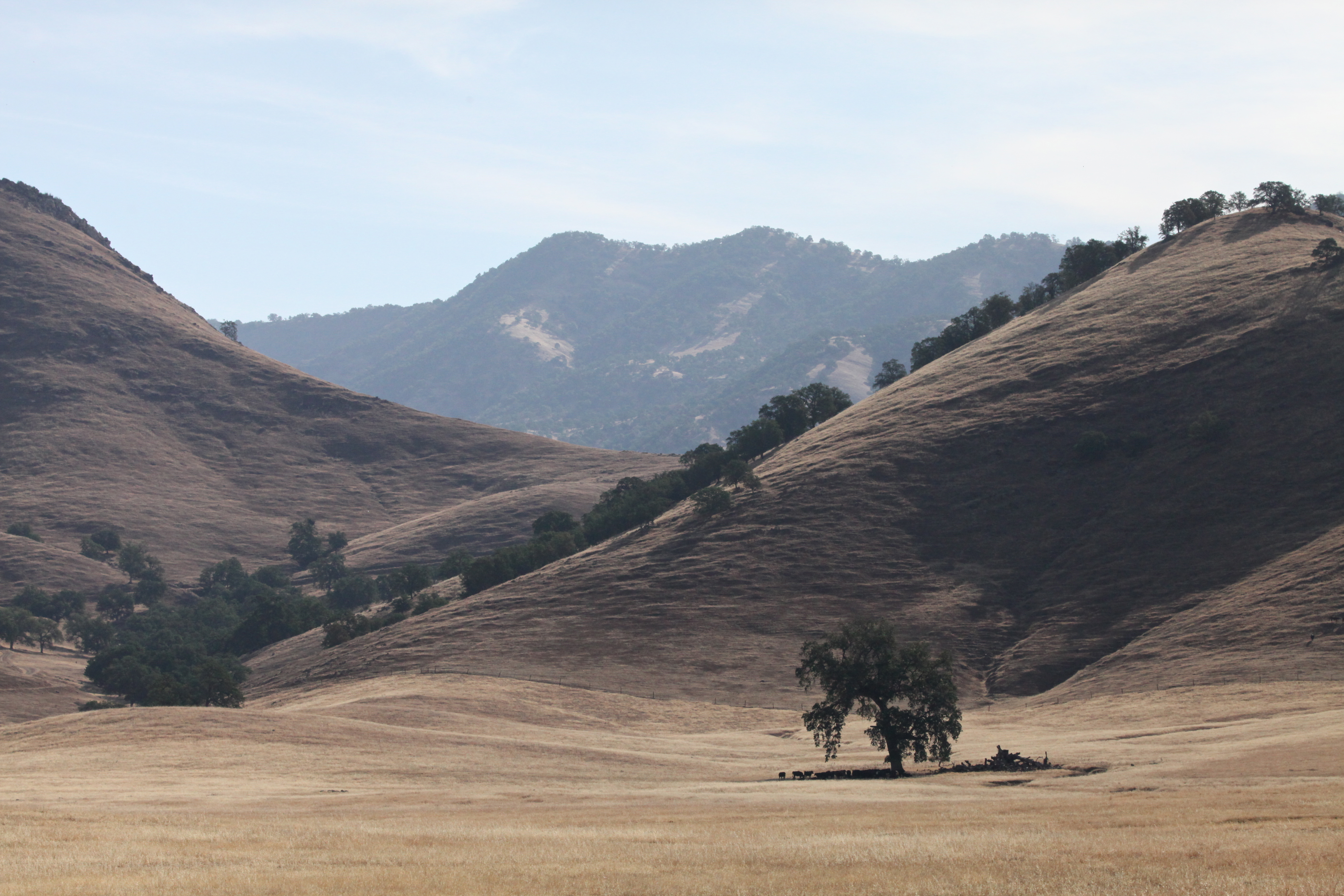
Low hills worn smooth as flesh,
summer blonds with different shades
of grazing play in one another’s shadow

at dusk and dawn, a plain and treeless
nakedness I trace, pausing with my eyes,
to touch ridges, gaps and valleys falling

into Live Oak canyons, gentle slopes frozen
in an undulating moment drawn and prolonged
with each breath in uncertain light—slipping

slightly, she comes alive, dressing differently
with each season. At work early, young herons
greet me. We nod and say good morning.

Image

Summer Morning

IMG_2509

HEADED HOME

The old girls know before we go, read
our minds, movement and the stars aligned
this time of year when they’ve given up their calves,
ready for home and breeze beneath the Buckeye shade
and cool dirt stirred by generations—something sure.

If you turned them loose they’d find their way,
but they’d rather graze than climb the hill
the young girls question, working edges, lingering
while feigning naiveté, looking off towards memory
and possibility other than a season with matrons

without patience. No one really tries the horses
who know their way around the rock pockets,
down trees and steepness, daring independence
with their eye and sidehill two-step. The bunch
lines out, everyone having fun headed home.

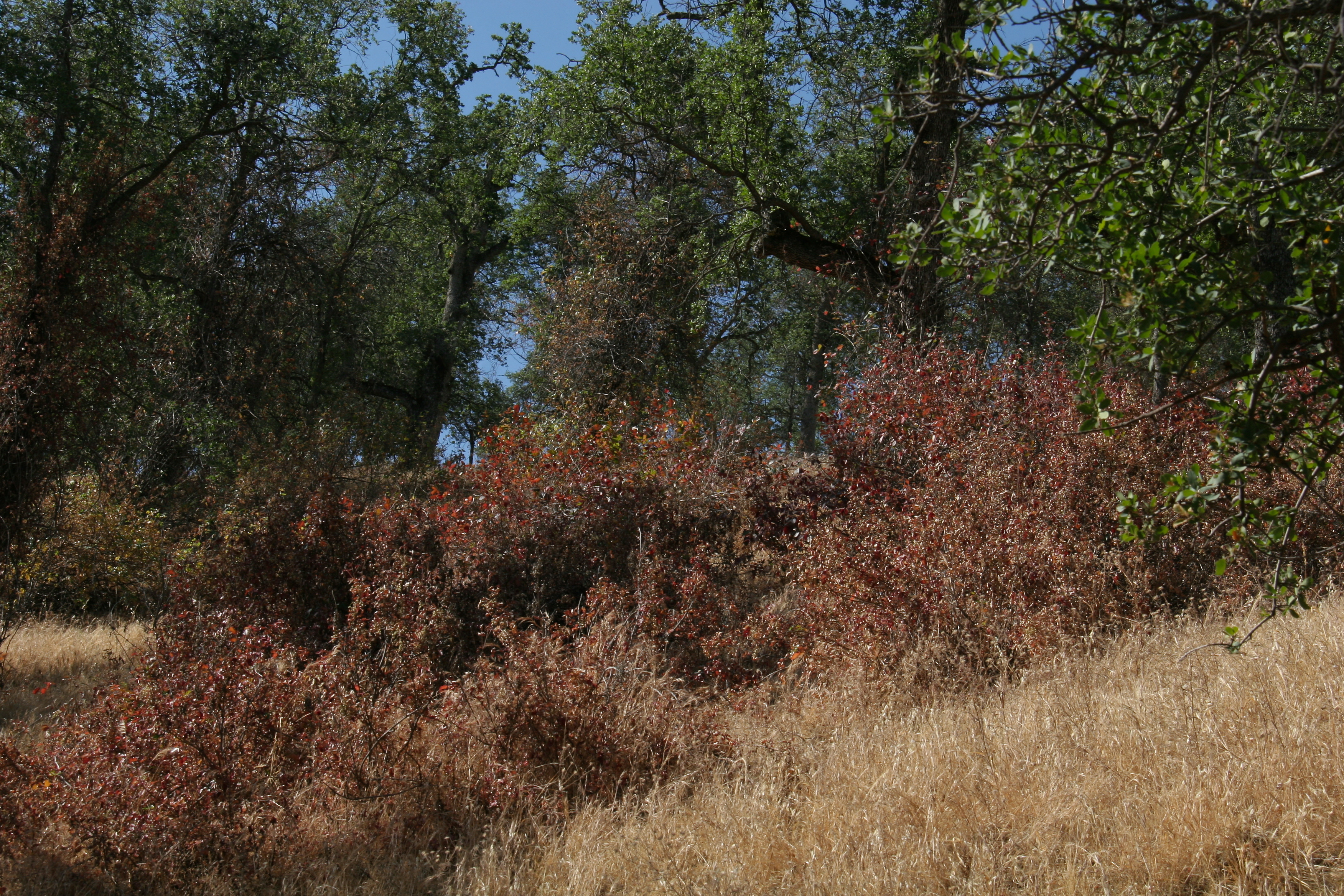
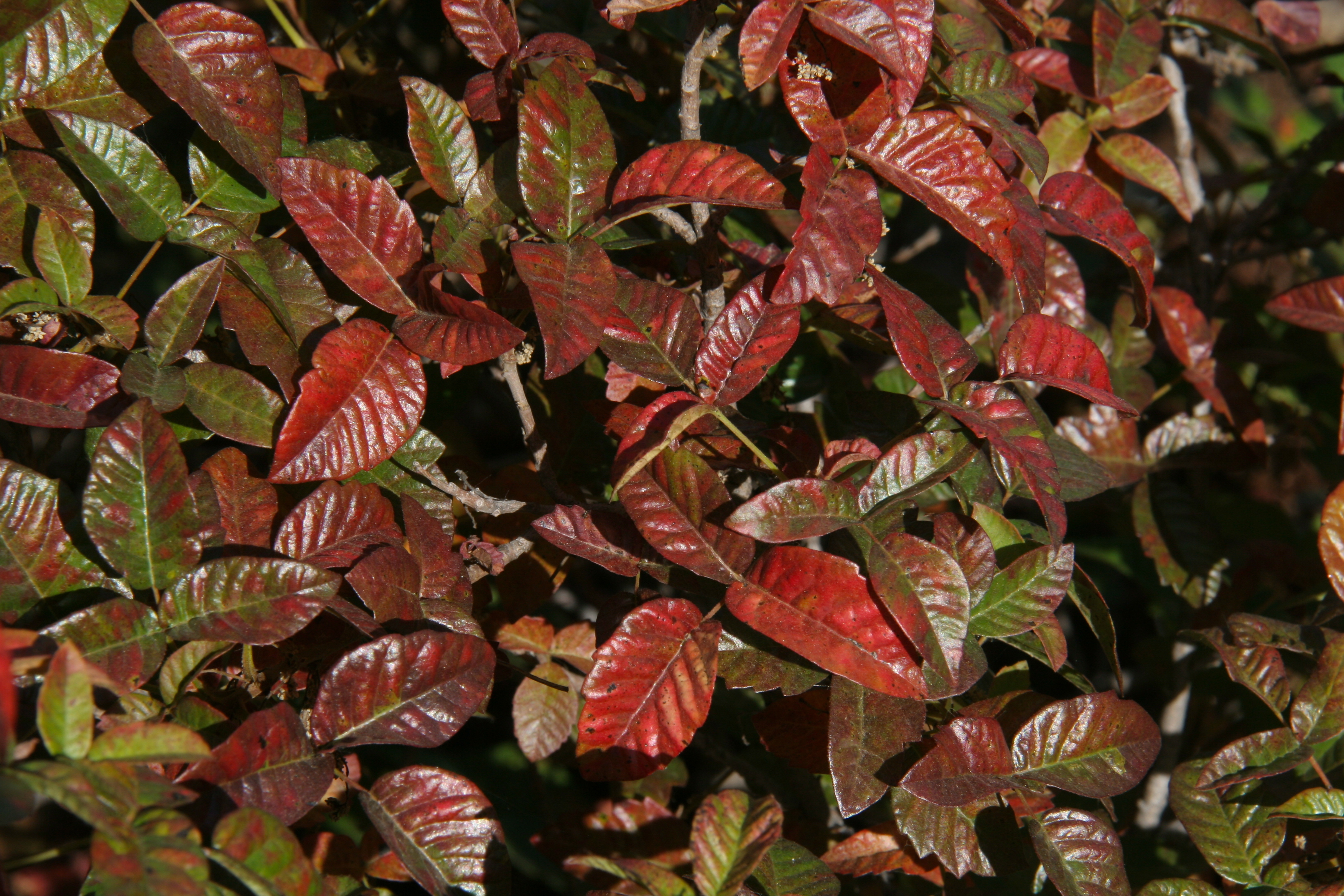
Red Poison Oak

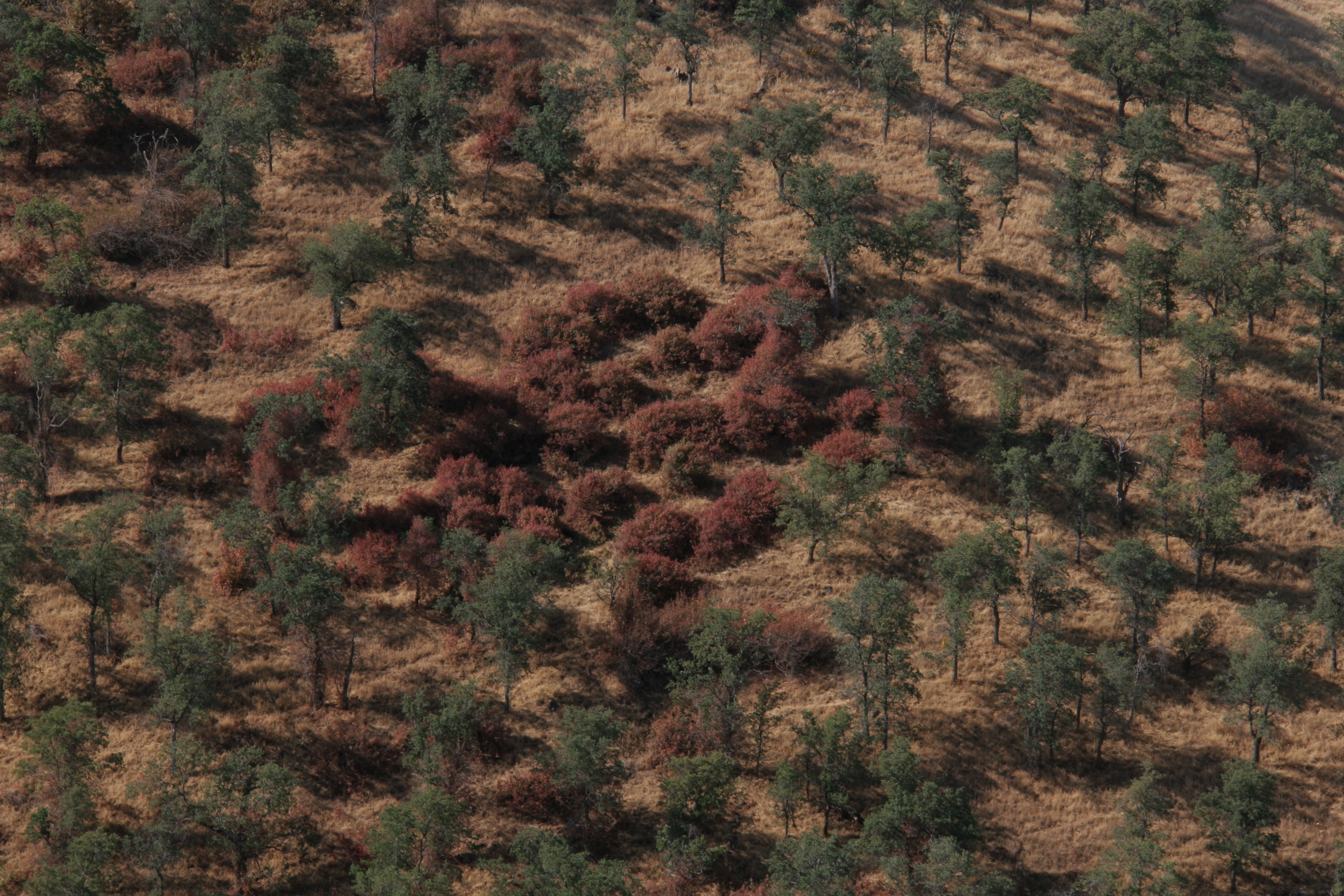
It seems early for poison oak to be turning red, but…

IMG_6096

IMG_6093

IMG_6092

IMG_6107

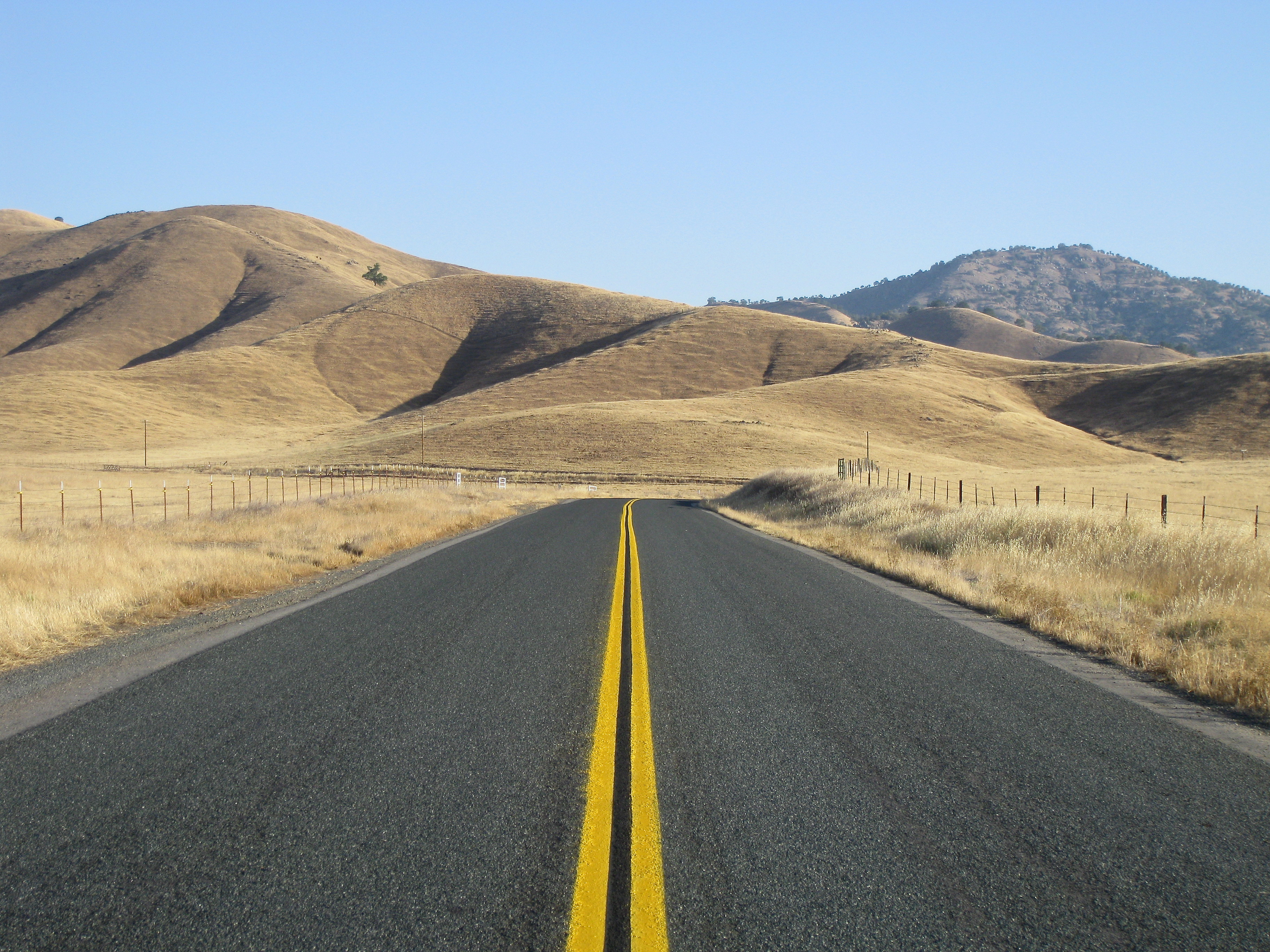
Dry Creek Road: Double-Yellow Line

IMG_2303

Imagine my surprise when Robbin reported a new double-yellow line on Dry Creek Road to match the ‘No Parking’ signs we were greeted with when we returned from Elko at the first of February.

IMG_2081

We can’t help but feel a little violated as progress pushes up the road and past our driveway. But nothing like new paint to be misleading, especially for tourists and strangers to the area. Due to the ongoing and endless road construction on Highway 198 to Sequoia National Park, motorhome and fifth-wheel traffic is required to take alternate routes, one of which is Dry Creek Road. Last evening, we had to drive up the road just to see how far the County thought our road was wide enough to handle two lanes of traffic. After some intermittent spaces with no line at all, it came to a stop at the narrow bridge on Bear Creek, about a third of the way to Grant Grove and the entrance to Kings Canyon National Park. We noticed that both ground squirrels and quail were afraid to walk across the new yellow line. We’ve never had to drive cattle across a road with a double-yellow line before, we’ll see how that goes.

TO BE NOTICED

IMG_5994

On my morning rounds
feeding hay, changing water,
we play tame games
on the edges of his space
bubble shrinking with the creek
drawn down to warm pools
hemmed in green grazed,
of water bugs and tadpoles,
blue gill fry and frogs.

Snow white serpentine
neck cocked, reflected
in the shadow of a sycamore—
another perfect photo-op
I try to remember instead.

Only Blue Herons here
when I was a boy,
but thirty years ago
the cattle egrets showed
in a flock, decorating
oak tree shade for cows
by the irrigation reservoir.

He knows my circles,
lets me stop to watch
close enough to hear
my camera’s shutter.

Two solitary forms
this time of day,
but for the pasture
of just-weaned calves
headed for feeders
full of alfalfa hay.
We choose to work alone,
make circles our way, but
happy to be noticed.

WAITING FOR THE LIGHT

Swamp coolers all we had, we ran around half-naked
as kids in summers over a hundred, men and women
worked the fields in broad-brimmed hats, burlapped

gallon jugs at the end of each row. Sunscreen from
March to November, I’m wearing down, can’t take the sun
as I wait under a crescent moon above the undulating

ridgeline, our supine maiden sleeping, for enough light
to get the day started, load of hay ready in the dark.
It’s all planned now: catch a horse, feed the calves,

change irrigation water, then back to saddle and leave
to sort the calves from cows and haul them down the hill
to feeders full of alfalfa to weigh, worm and wean.

Dust from a hundred years of cows will boil up
from the old corrals, bandana bandits going slowly,
tip-toeing horseback so we can all breathe easier.

The Top, Greasy Creek

IMG_2296

Our pasture on Top is about 1,000 fairly flat acres of brush and rock ranging from 1,800-2,600 feet in elevation, country where wild cattle have all the advantage. A less desirable part of the ranch my grandfather purchased from Fred Ward in 1938, we have been running cows since the mid-50s where they used to run three year-old steers, often having to shoot the remnants they couldn’t gather. Up until the mid-80s, we’d brand the calves on Dry Creek and drive the pairs about five miles up from the 600′ elevation in December, then gather and bring them back down to Dry Creek in June to wean.

In the mid-80s, we developed four stockwater ponds on existing springs that provided enough water to carry 50-60 cows year-round. In that process, we also built some 4-wheel drive roads that allowed us to bring hay, salt and supplement to them in the wintertime. Utilizing the pasture better, the Top becomes their home for a lifetime, as older cows culled are replaced with proven third-calf cows. What was once a dreaded, brush-busting high lope to gather has now evolved into a tamer exercise for both cows and cowboys, the cows knowing the routine.

IMG_2299

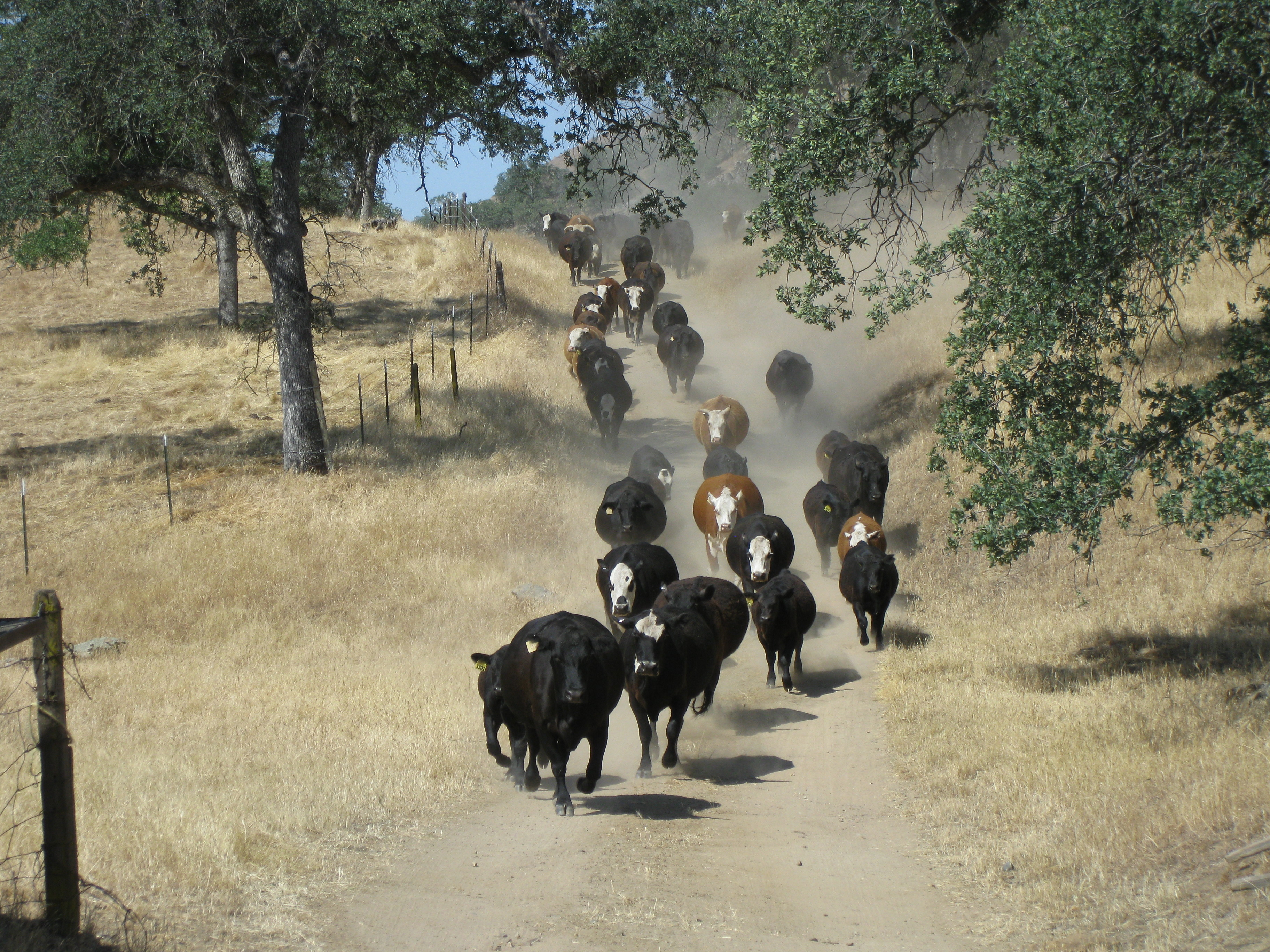
We will haul their calves down to the Dry Creek corrals this morning.

CHILD’S PLAY

We were drawn as children to enclosures
like calves to the comfort of fallen limbs—
our dark bat and board sheds and barns

long without paint, dry wood curling
at the rough-cut edges leaked splintered
dust beams, enough to add chapters

to our adventures. We would visit town
friends on horse-drawn implements
saved just in case like old farmers do, play

doctor, lawyer, merchant and Indian chief
or build forts of walnut leaves in the fall,
dig foxholes with Army Surplus shovels

to shoot the Japs and Jerries, then die
dramatically upon the bulwarks, only
to rise again as if sowed by serpent’s teeth.