Tag Archives: progress

INTO FRESNO

              We ride all day 'till the sun's going down
I'm gonna be glad to get out of this town.

- Charley Willis (“Goodbye Old Paint”)

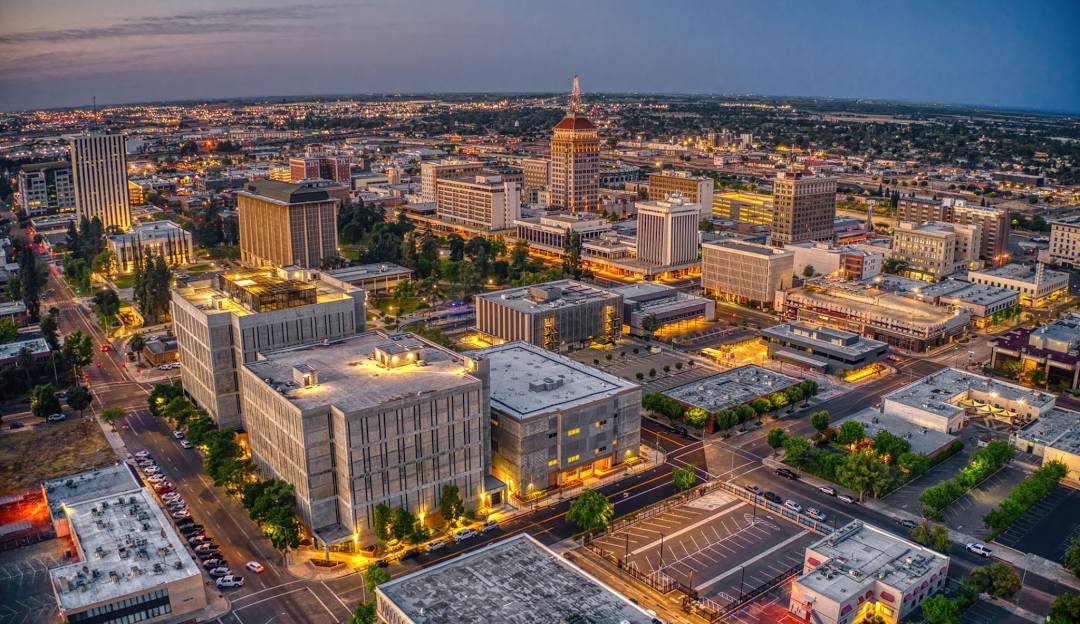
Into Fresno for the first time in years
to carve cancer off my face

with the cars and trucks, all makes,
all sides, both ways, packed parking,
debt-ridden drivers cooped-up
in caves and castles busy being
where there is no place
without more of the same
for miles

and I’m scared—
not of the knife, nor of the scar—
but way too tight for my old heart.

It is a race now, but slowing near the finish line—
time to identify new wildflowers, measure rain
for posterity, data to apply to reason, to a pattern
for those of us who believe not everything is random

chaos, turbulence and tornadoes inside the Capitol
of the planet where the big guns make money
playing chicken, or blind man’s bluff
for the rest of the resources we’ve about used-up

especially space without trace or track
of humankind—

the dogwood creek’s short cast
for snowmelt rainbows where
even a child would not go hungry.

I can go back anytime I want
to escape or wait
until the job’s done.


RIDGELINE


A bustling world of change

with all its shenanigans beyond

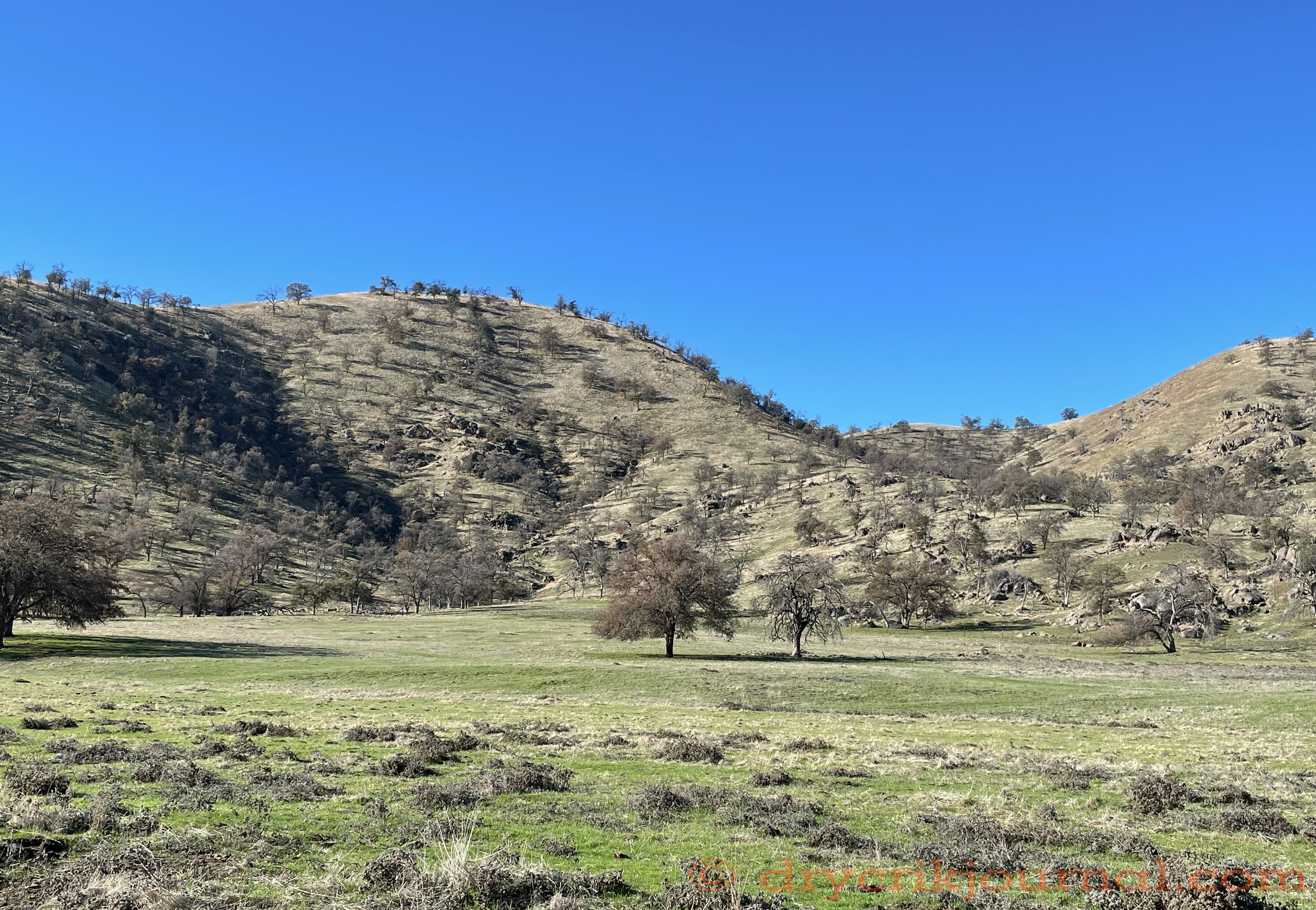
the renewed green after rain,


beyond the ridgeline that has stayed

the same for a thousand lifetimes,

ever since Tro’khud, the Eagle


and Wee-hay’-sit, the Mountain Lion

shaped a body from clay

and baked it in the house of tules


they had set afire. Then put a piece

of him in a basket and set it beside

Sho-no’-yoo spring to become his mate.


They made mistakes like paws for hands

they had to change—but for a moment

they were safe this side of the ridge.


110 DEGREES @ NOON

Midday siesta, I dream of water running

down the Tule, ouzels dipping, or 

beer cooling in an eddy on the Kern—

of you and I, our faces streaked with rain

as if we were crying—love in our eyes.

All the mud-stuck trucks, leap-frogging,

winches whining as the clouds cracked,

bursting with more of the same.

>

What else can we look forward to

this afternoon, inches from the Solstice,

what else can we do but dream? The air

is thin and burns the lungs. Leaves curl

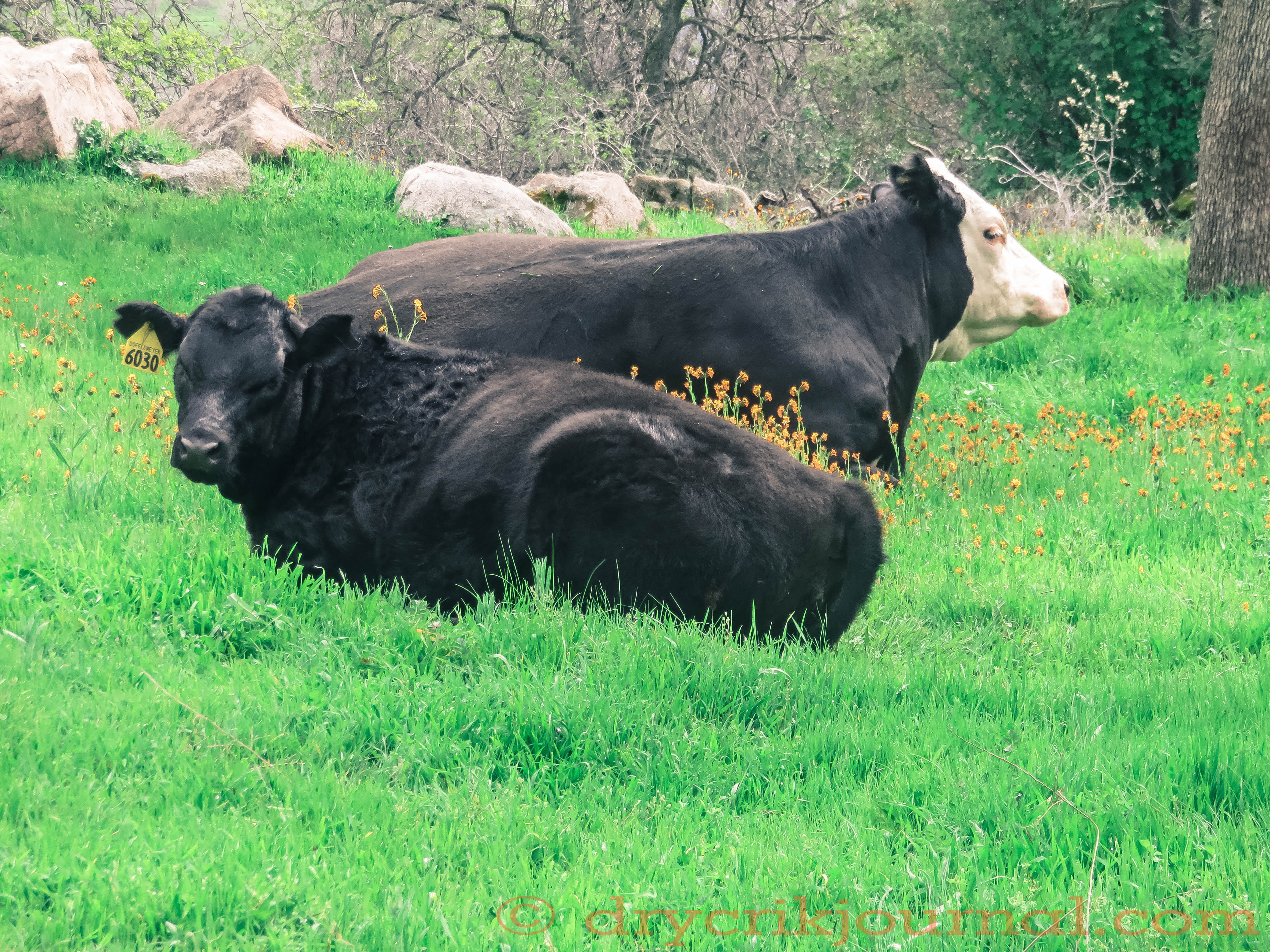
in the garden while cows commiserate 

in the shade of sycamores and oaks,

all their stories stored within rings, 

chatter from the good old days.

>

And what of native wisdom banked

in their massive trunks, or smooth gossip rocks 

in the living Live Oak shade?  All the secrets

we have lost to progress, all the important

unimportant things that have not saved time,

but accelerated it and our poor hearts

just trying to keep up. 110 degrees at noon,

what else can we do but dream?

CONFLAGRATION


When we were children,
we played among the wrecks
of old cars and horse-drawn

wagons with wooden spokes
that hemmed the orchards
that sustained us—families

scattered round distant towns
we could visit
with ripe imaginations.

Bigger now, cities spreading
like amoeba ingesting farms
and one another, like wildfires burning

closer as convenient conflagrations
that have erased the landmarks
where we hung our memories.

It could be creeping senility
that I embrace, a watercolor wash
across pastoral landscapes

rather than the spinning pace
of progress—perpetual motion
like the galaxies of space.


WAY OUT WEST, 2016


20160308-IMG_5247


Robbin and I know where we belong, that we have grown old while the world has changed around us. We think of our parents and grandparents, understand their frustrations with progress.

The Academy of Western Artists “seeks to preserve the traditional values associated with the cowboy image despite consolidation in the cattle industry and changes in contemporary society. The group hosts an annual awards show.”

Yesterday, with two of our cattle neighbors, we were headed to Forth Worth to meet my son who had flown in from San Francisco, where I was to receive the Buck Ramsey Cowboy Poet of the Year award and have some fun. This morning we’re on Dry Creek, he’s in Fort Worth.

                                        ~

We know the feeling of corrals
in airports, and prepare ourselves
to be bunched-up, to wait in lines
at every gate—to follow rules

for humans. We should have known
red fire trucks as an omen,
but we loaded-up, anyway,
found our seats and waited.

I was a mountain man in another life
dodging Indians and ole Ephraim,
knew them all and their stories
and started reading. About the time

Hugh Glass met the grizzly’s cubs,
the captain came on the intercom
to say it’ll be a short, or long, wait
to leave for Dallas, to find the trouble

with the engine gauge, maybe just
a loose wire. I am a slow reader,
but by the time they started patching
Hugh Glass’s bloody body up,

we deplaned to rebook our flight—
190 head, three hours in the lead-up
to be processed. No way to get
to Dallas and keep the four of us

together, no other plane to haul
the human cargo—no way to share
awards and ceremony. (They kill
the man
, anyway, Jeffers said.)

Way Out West beyond the claustrophobe,
we should be proud of plans
that we expect—that have to get—
the work done, where we depend

on few, but in the corrals, numb
humans herding humans used to
to corporate calculations failing—
we treat ourselves and cattle better.

                                          for Temple Grandin