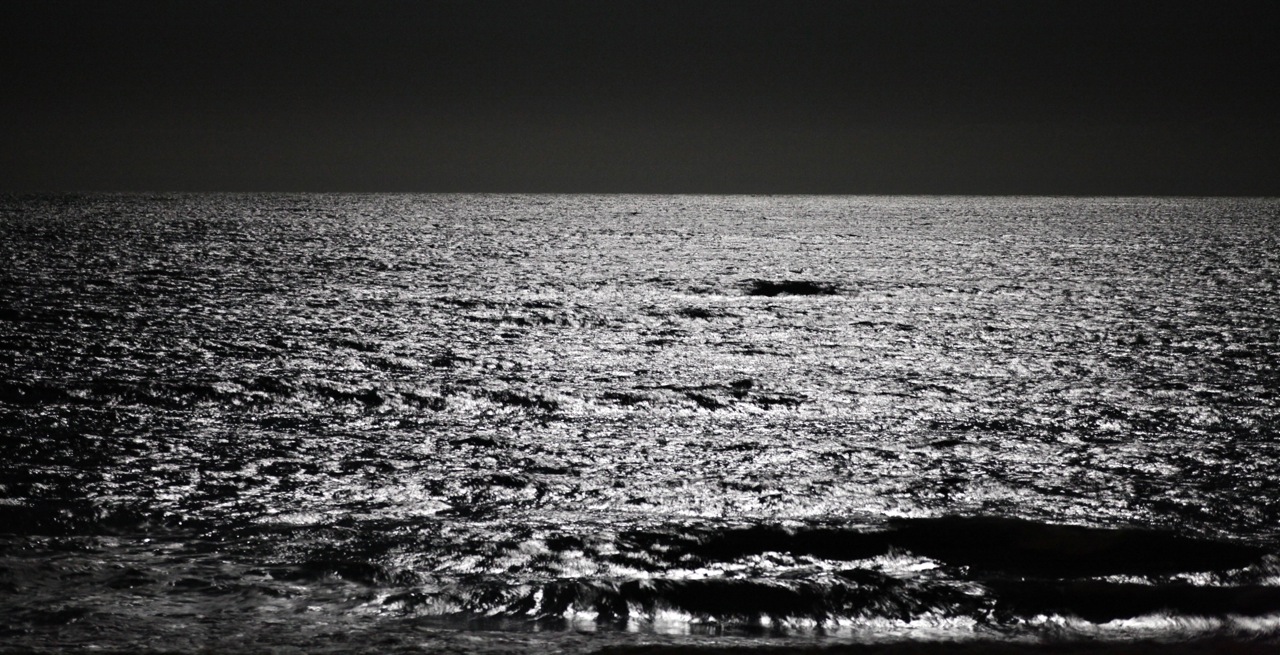
April 5, 2012
Robbin & I escaped to Cambria for a couple of nights. At 4:00 a.m., we sat on the balcony and watched the moon set this morning. It should be full when it rises over the Sierras this evening at home.

April 5, 2012
Robbin & I escaped to Cambria for a couple of nights. At 4:00 a.m., we sat on the balcony and watched the moon set this morning. It should be full when it rises over the Sierras this evening at home.
Posted in Photographs
Most summer days, the mountains are opaque,
flat and fuzzy from Visalia, from the irrigated
fields they have become, steaming beneath them—
silt and snowmelt settling into verdant orchards
between a grid of decomposing roads. Too much
close-up to notice where our bounties begin,
the Sierras cease to exist—blurred, faded in the haze.
I was one once, a would-be mountain man, a child
chasing fish upstream to the heavy breathing
of the river and me, of the breeze in cedar dreams,
eyes upon the water, in the eddies along the cutbanks
where all the long, dark shadows I wanted, waited.
Across Chagoopa’s desert sands, a long time camps
within the jingling rhythm of a string of mules,
when a boy begins to talk to himself, tries to be
interesting and honest with nothing but reality
decomposing for steep miles around him. Always
the same, up or down the Big Arroyo, he leaves
part of the conversation there. It marks the trail
where tracks are erased and scent posts wane,
only to be revisited and revived, a lifetime away.
Posted in Poems 2012
There are some canyons
we might use again
sometime.
– William Stafford (“Indian Caves in the Dry Country”)
The world may try to end, or after the final battle sorts
good and evil, or when the cogs in the Mayan clock
lock, there will be strays that escape the global gather—
names overlooked in the book of life, or just plain missed
by the crew of angels in new outfits on their first trail ride.
It won’t be perfect. If the earth winds down or the sun
goes static, spotless in this universe, some will adapt
to the lack of plenty in an empty world. We will learn
to breathe clean air, find springs tapped into the Tertiary
and survive with another batch of birds and flowers—
little Edens, here and there, in the wasteland—but
we will never be the same again. Imagine all
the fresh colors and species bent to wild attractions,
geared to breed and seed, beckoning like iridescent
kaleidoscopes, pulsing with a lust to succeed.
We will start over. What knowledge we begin with
will become myth, eventually forgotten and unnecessary.
But there are some canyons we might use again sometime.
Posted in Poems 2012
Now two weeks into spring, Dry Creek canyon looks fairly normal, and though the creek isn’t running much, it’s enough for the colorful Wood Ducks to gather and discuss their futures on its banks. Skiffs of popcorn flowers and orange patches of fiddleneck claim our pastures along the road, green and growing since we moved the cattle higher-up the hill a month ago, back when the Sierra snow pack stood at 26% of normal, hoping to save whatever feed our low ground might produce until later in the season. The Blue Oaks are leafing out, the quail are pairing-up, the House Finches are making a mess beneath the rafters—it’s really spring again.
But two weeks ago, it looked pretty bleak on Dry Creek with less than 7 inches of rain since October, with sixty days of no precipitation in December and January, short grass and stressed cows. Two weeks ago we were discussing which cows or replacement heifers we might have to sell, as high-dollar alfalfa hay to carry them, for who knows how long, was well-beyond consideration. I found myself reciting ‘drought of seventy seven’ in my head as I made my rounds to check the cows, calves and grass.
it was dry in the fall of seventy-six
and the cows were a calvin’ in the dust.
nothin’ to see but acres of chips,
a drought year where cowmen went bust
their hides were rough ‘n just cover’d bone,
‘n ribs caught most of your eye,
spindly calves seemed to wander alone,
as if lookin’ for a place to die.
cows were bringin’ two-bits a pound,
a hundred bucks less than the spring,
all ya could do was throw hay on the ground,
and pray to God it would rain.
their toes would clack like castanets
in the cloud that’d boil ‘round your truck,
the bawlin’ skeletons and weak silhouettes
would bring tears to the drought of good luck.
reckon ma nature’s showed me who’s boss
as she’ll do some time and again,
but she’s never caused me half of the loss
that politicians create with a pen.
(Dry Creek Rhymes, 1989.)
Not much of a memorizer, it’s fortunate that I can’t ever remember all of the vivid stanzas, but with such real visions and memories branded indelibly in one’s brain, conditions and circumstances that look similar make the bleak look bleaker—like the opposite of ‘ignorance is bliss’. Though a nightmare with impacts to our calf crops for years after, I’ve considered myself lucky to be exposed to the Drought of 1977 early in my career, having seen some of the worst and survived it. Nevertheless, I also know how bad things can get.
But with the miracle of rain, it’s remarkable how resilient this ground is. Even with three and half inches, we’re still short of our normal precipitation, but for a week either side of the vernal equinox, it’s brought this ground back to life, and into such a heady spring fever for everything alive, we’ve nearly forgotten how tentative our future looked just two weeks ago.
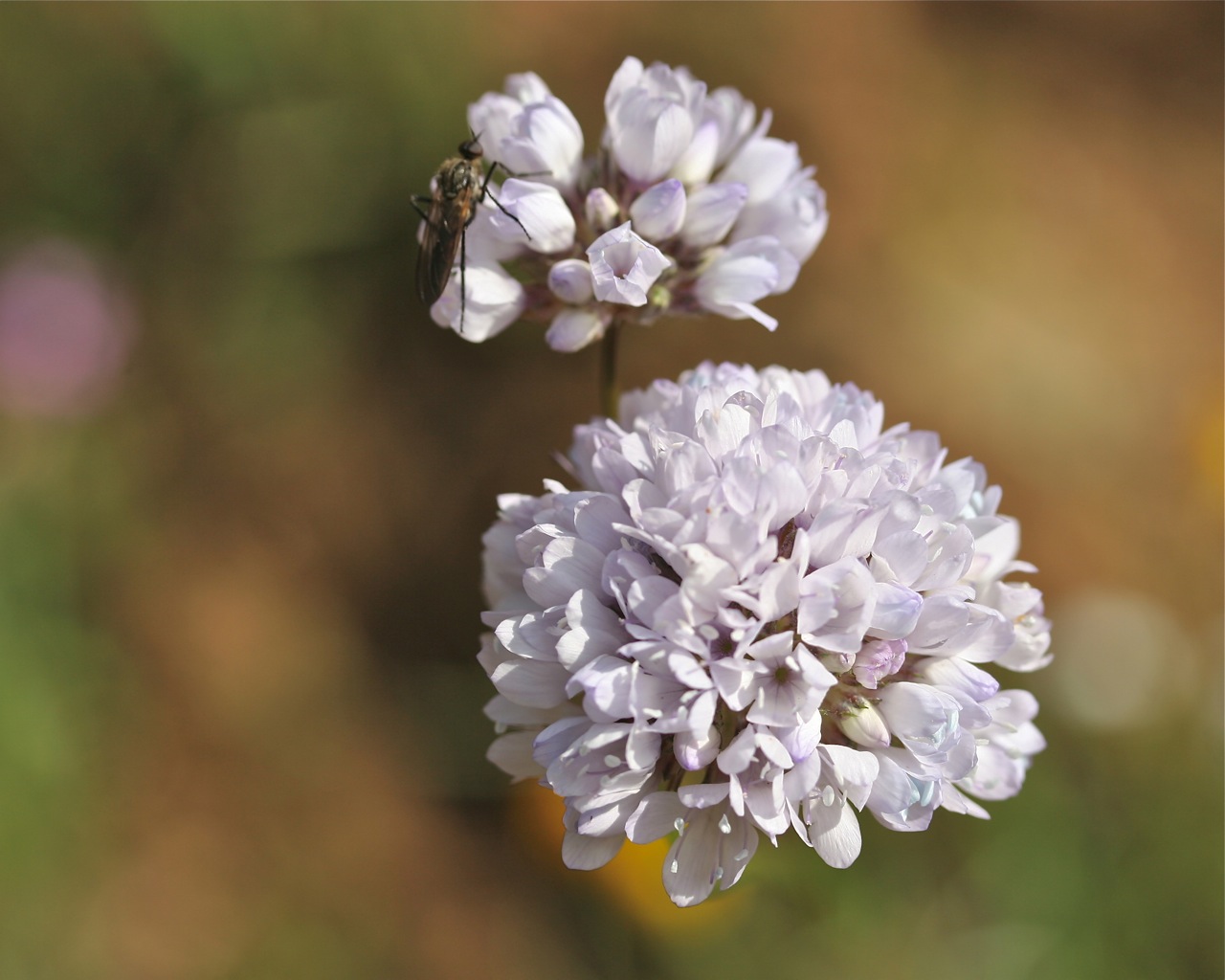
Posted in Photographs
Somehow, we’ve lost it—
farmed-out the feeling
to new immigrants
and the less fortunate
at minimum wage, or to
more eager hands overseas.
We have forgotten that
we came from the fields
before horsepower spit fire,
and from the characters
bent dawn ‘til dusk
to get the harvest in—
all the monotonous
that fed the livestock
and themselves, back
when calloused hands
moved on their own
and our minds ran free.
Posted in Poems 2012
I can tell you now, the future will take
a shape you won’t recognize—and you may,
as well, become someone caught in the current
far from here. These things are what they are,
but the ground is real, these hills and trees,
these fractured rocks in piles that haven’t
moved much, some with more speckled red
and yellow lichen laughing fire at the sun,
canyons running water when it rains, tree frogs
in spring. It is another world when you turn
uphill, turn your back on the dramas playing
to every face in town, plots distorted still.
At the mouth of every canyon, a Redtail
will glide quietly over you, feathers upturned,
land in an oak to read who you are. Ground
squirrels will still be chasing one another
in the grass—so many stems and flowers.
Buckeyes and sycamores, never giving-up,
old oaks like moss clinging to the north
slopes—acorns claiming space to survive
apart from it all, a ring at a time until
they become hollow homes for bugs and birds.
You will need to be familiar with what’s real
to find who you are when you go there.
Posted in Poems 2011

Deltoid Balsamroot (Chuchupate) - Dry Ceek
With recent moisture and short feed, wildflowers are beginning to show. See more Wildflowers > March Bloom 2012.
Some get along
better than others
pressed into feedlots,
onto the highways
and into trucks—
they seem to adjust
to more in less space,
drawn closer
into tighter communities:
hot breath and smells
of food and waste.
Some know no better,
always raised on hay
and grain, and wait
in lines to be fed.
And some get along
better than others
left mostly alone
with the real work—
feeding themselves.
Posted in Poems 2012
Overnight, an iridescent, lime green
overwhelms hillsides and canyons
with tender leaves, feathers flushed
upon the gnarled limbs and boney twigs
of Blue Oaks pulsing with spring—
with life reborn, fresh as garden salads,
tropical pockets of overlapping greens
where armies of gray skeletons stood
anchored in the hard clay and granite
with centuries of faith in a rain.
Overnight, we are saved—believers
in storms from heaven, once again.
Posted in Poems 2012