Collisions in Place

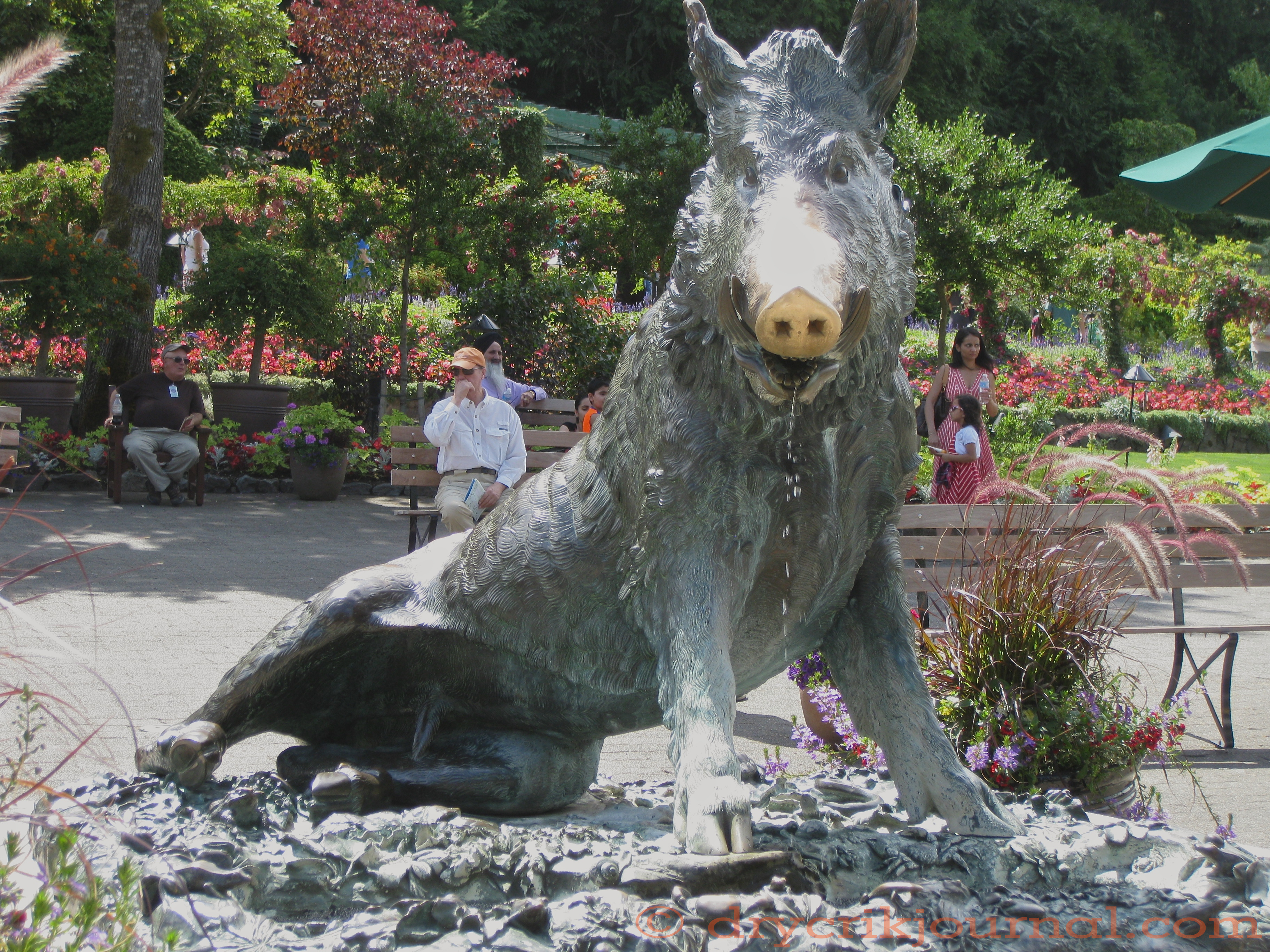
IMG_3862


Though we don’t leave the canyon often, it’s always fun to speculate about moving to another place, like Victoria where summer temperatures are 25°F cooler than the San Joaquin Valley, where the urban pace is not as urgent as California, where the air is clean and clear. It’s been over a year since we’ve left the ranch on Dry Creek, the dust and drought, the cattle, but in Victoria our daydreams broke free enough to take on details, like trying on new clothes for a decent fit.

Concurrently, I was reading Wendell Berry’s “Imagination in Place”, a collection of essays that exemplify the concept of how belonging to a place can offer a more sustainable vision for it, our community, and ourselves. Reading from Victoria, it was clear that I had not exhausted what was possible on Dry Creek, despite a lifetime of observations, improvements and reams of poetry.

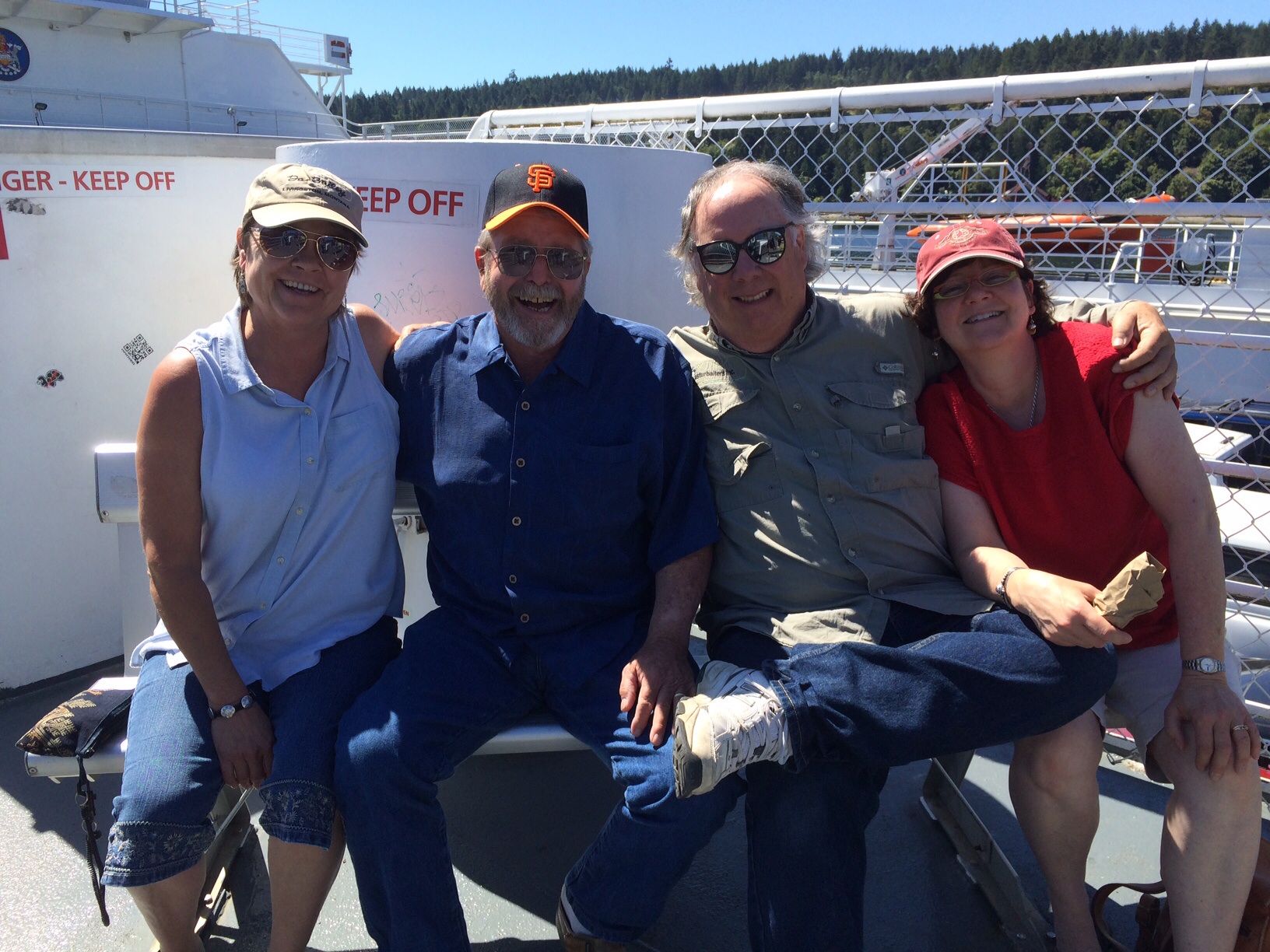
Unbeknownst to us, my daughter Jessica For the Archives who lives on the island of Kauai, was visiting Galiano Island with her husband and son. We’re lucky to see them once a year, so to have them near as the band rehearsed for their show on Salt Spring Island, to pick up where we last left off so effortlessly in a place that was not home to either of us (though Jessica had spent a year on Salt Spring Island) was an interesting mix of exhilarating emotions. We loved it.

Arriving home to the Islands just ahead of hurricanes Iselle and Julio, they were thrown into hurricane prep mode, boarding windows and stowing stuff. But living on a Noni farm with access to well water and a solar pump increased their sense of security, the whole experience enhancing their confidence to ride out most disasters—part of learning to live in a place.

She emails: “Curious how it’s been for you coming home. Sometimes it’s hard to return, other times it feels so good. Sometimes, it’s a little of both.”

It has not been an effort to fall back into the mundane routine of feeding and irrigating, checking stockwater and cows that will begin calving in a couple of weeks. The long shadows of August promise change, the monsoonal thunderheads in the high mountains and the gusts they bring to the canyon excite us to feel young and alive as summer begins its retreat into what we hope will be a normal year of grass and rain. We start over again in a place we know and trust.
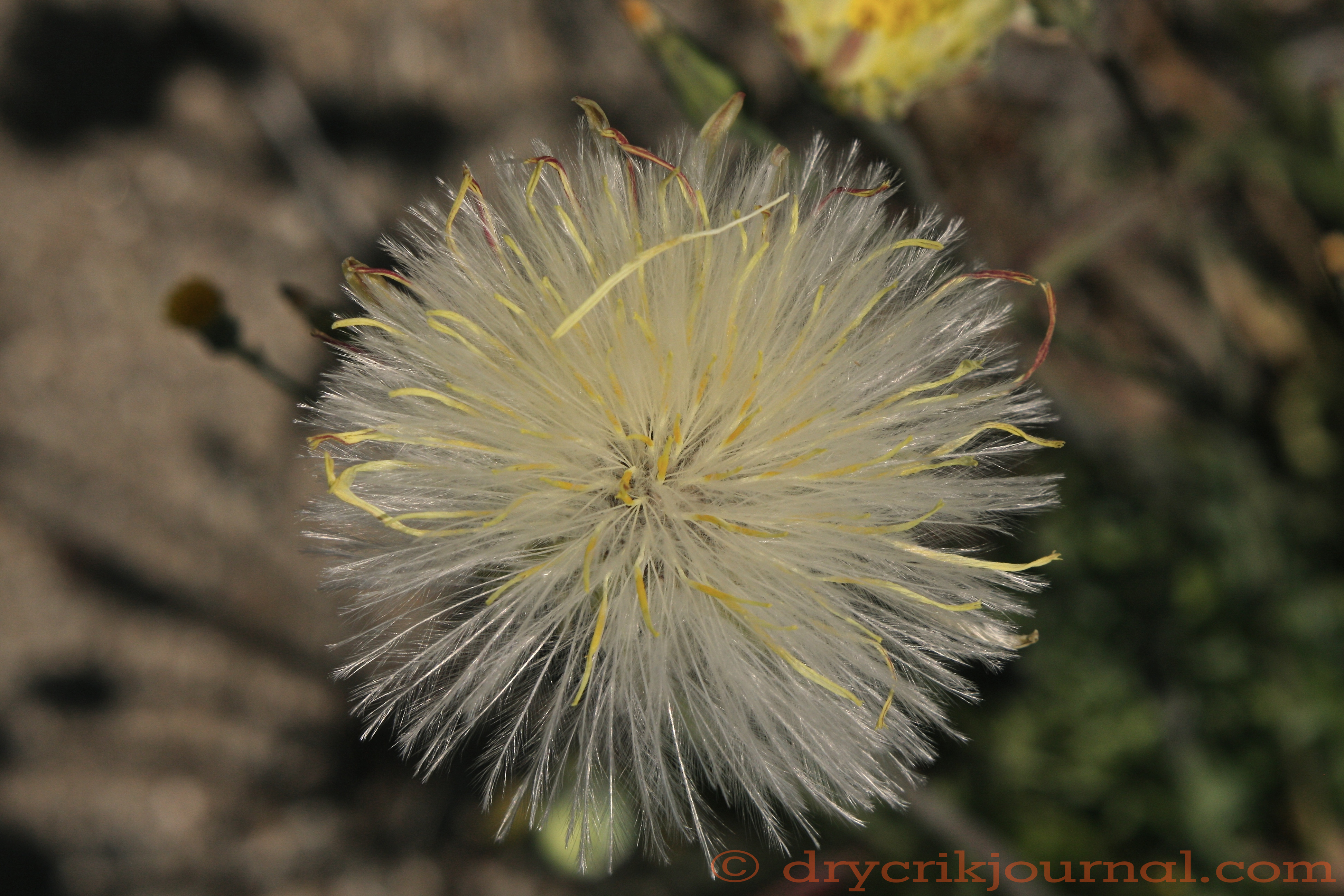
SCALEBUD

IMG_1422


Bright yellow flowers
to light feathers just
waiting for an errant gust.


WPC(2) — “Texture”

KAWEAH BRODIAEA

IMG_1120


Thought extinct, it survives
grazing hooves and drought
to stop development.


“Discovering Kaweah Brodiaea” May 5, 2012

WPC(1) — “Texture”

REMAKING HOME

The dogs are barking now,
raccoons in the rocks—
chattering moon shadows

discussing the last of the Elbertas
they can’t see picked
in a bowl at the sink.

Stray Queensland waits
for daylight at the dog pens—
fell out of someone’s pickup

coming late off the mountain.
Then to the hitch rack, smell
of horse and hoof, sure

of a ride home. He knows
the dandy who can’t remember
where or when he lost him.

Loose four nights, pen door
open to food, his voice
grows deeper into the dark.


FERAL CASTING

IMG_3793


Rising within the civilized
with untamed dreams
ready in my mind.


Upon Reflection

IMG_3834


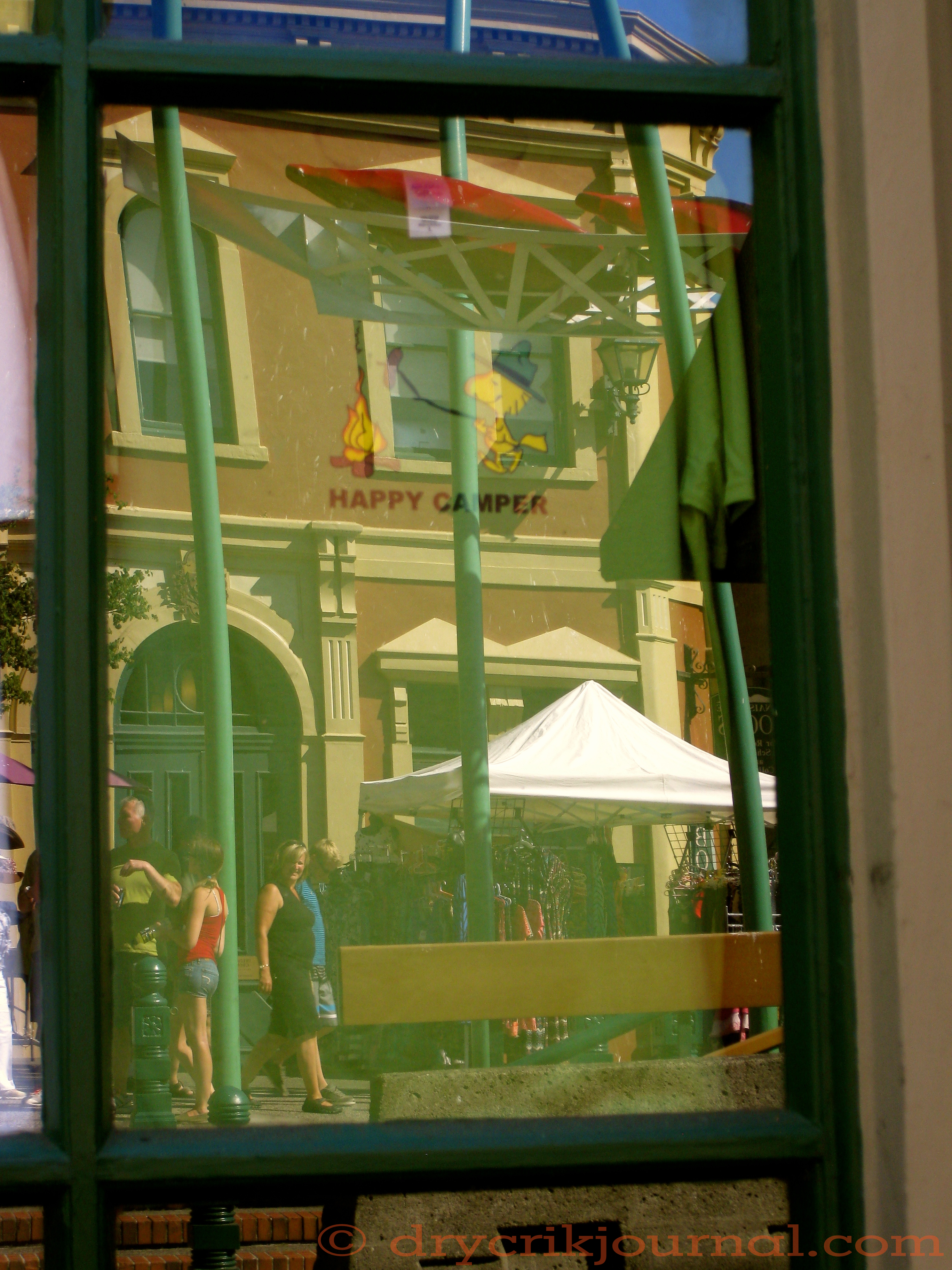
Three reflections of downtown Victoria’s bright colors and herd of humans being themselves, I was a shutter-bugging fool.


IMG_3835


IMG_3841

AUGUST REVERIES

IMG_3798


My brown-skinned girl,
each dusty draw
seems softer, shadows

linger longer at the dawn
as the sun moves south
down ridgelines.

I begin to hear
the faint sound
of a light rain, early

on the roof—the musty
smell of it awakening
a primal surge of new life

for old veins on guard
for the slightest sign
telegraphed ahead

of a train in my mind
mesmerized by rivulets
finding their own way

to the creek running
into spring. Cottonwoods’
first yellow leaves

gathered by rolling gusts
up and down canyon—
you say you feel it too.


Good Times

image


ARBUTUS

Empress Hotel

Empress Hotel


The old trees wear scars well,
grab and hold the earth
together better than sapling

wood bending with each recent
gust, or so we say with ages
packed beneath our peeling bark

delicately exposing what we could
not young. Not nimble dilettantes,
we take our wine in gulps for pain,

for all that has been lost–
that we will surely follow
to the fire, warming as always,

toil by toil until we become
bucketed gray ash to be stirred
and washed into the hungry heart

of soil. These old trees stand
their ground to wait with memory
and dream, always almost there.

Victoria, B. C.

image


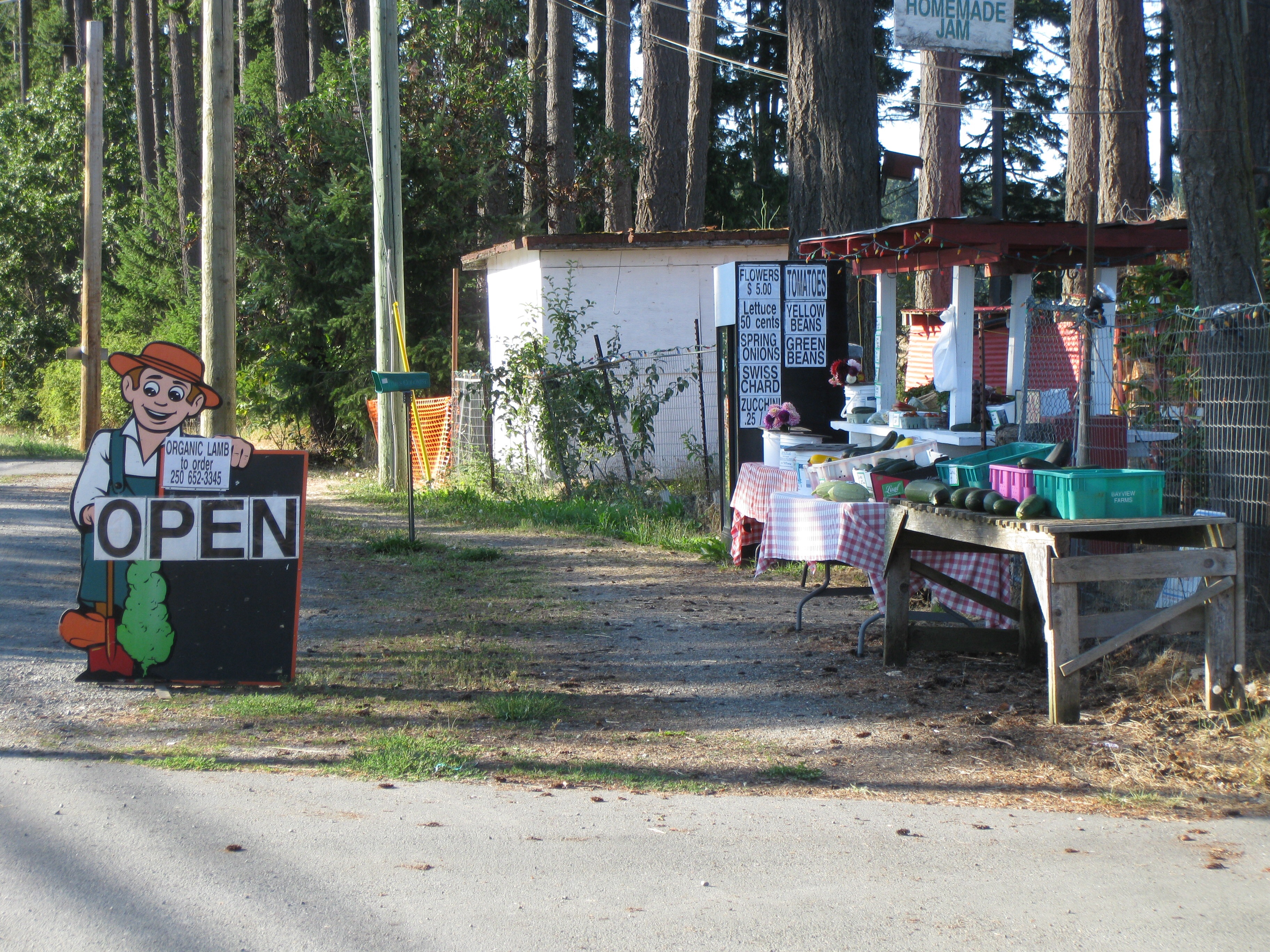
Another beautiful day in Victoria, I have found fresh optimism in this micro-climate of Vancouver Island, British Columbia, one certainly accentuated on our brief visit to Salt Spring Island and one that is centered around sustainability as evidenced by the many farm stands along the road and again within the menus of restaurants and cafés offering, almost exclusively, local food and produce. In part because of its separation from the mainland and the cost of shipping goods from factory farms from elsewhere, this sustainability seems to be an unspoken credo locally, an accepted luxury that is taken for granted as a way of life that works.

As a short-time visitor, it is easy to contrast the direction of agricultural practices in the Central Valley of California, perhaps the richest agricultural region in the world, and the short vision of California’s corporate farming that will soon deplete the region’s underground water resources, drought or no drought, because the corporate model is based on growth rather than maintenance and sustainability. It may be presumptuous to ascribe this mindset or philosophy to all Canadians, or use the example of Butchart Gardens as a 100-year model of profitable mining reclamation, but one cannot ignore the differences between this small part of Canada and the USA in both practice and attitude.

Most consumers in the States seldom see farm fresh eggs, a luxury Robbin and I have grown so accustomed to that we will not order eggs from menus at home, eggs that lack both flavor and color, among other things. But we have yet to see any such pale imitations on Vancouver Island.

When I was a boy on my way to school, the end of every other rural driveway had two or three milk cans waiting for morning pickup to the creamery. My mother would take one such quarter-mile driveway to a farm house to buy our eggs in a brown paper sack. Consequently, to see this kind of economy at work is more than pleasantly refreshing, but concrete validation that the demise of this economy at home over the past half-century has nothing to do with progress or the times.

Instead, it raises questions about the direction of American culture that has become an example to the world, often imitated and initiated by the corporate model of growth–revenue growth, income growth, dividend growth for short-term speculation–that is not sustainable. As my grandfather said often, “No tree grows to the sky.”

Ultimately, these questions center on the values and priorities of Americans, a cloudy sojourn into the cores of each of us that offers little for future generations to emulate. Whether the United States is beyond reclamation of its connection to the land, to the earth and its resources, whether we are beyond finding satisfaction with the work of our hands, have been rhetorical questions most of my adult life as I’ve watched the herd head off in the direction of more and more convenience.

But it’s another beautiful day in Victoria, and the weather is pleasant as well.