
West Bequette - October 27, 2011

Railroad, October 11, 2011
Since August, we’ve been focusing our attention on our first-calf heifers close to the house on either side of the creek, a hundred head or so of coming two year-olds that are having and raising their Wagyu-cross calves, checking them daily and feeding twice a week. What began as ten bales evolved to thirty quickly as the calves came, trying to keep the young cows in shape to cycle and breed back to Angus in six weeks to become a productive part of our cow herd. Not all make the team, but we give them the best chance we can.
As we come to the end of their exposure to the Wagyu bulls last winter, our focus has changed to the commercial cows that occupy our higher and less accessible ground, also calving. Only those cows that bring a calf to the branding fire remain here, those that don’t go down the hill, some for a second chance, some to town. Depending on the strength and amount of last year’s dry feed, these cows can stay in shape and raise a calf much better than the heifers, but often need a little hay. We tend to understock our high country because of the time and cost to have to feed these cows on a regular basis.
It’s always been a balancing act, feeding and maximizing the use of hay, not waiting too long to start feeding and then having to feed large amounts to catch up, or too often to where the cows chase the pickup. And now that hay has become so expensive and my knees begrudge every bale, the balance becomes even finer, demanding an even closer appraisal of their flesh and health.
Also in this balance is the start of the new grass after the first good rain germinates the seed, when the cows and calves leave for the ridges and taller feed. Some years when rain comes late in the season, the grass is slow to grow and the cows still need supplement. Some years when the rain starts the grass early with warm temperatures, it dies before the next rain comes along. This year, our 1.5 – 2” rain followed by a week warming near 90º today, we have the quickest and thickest start to new feed that I can remember, (yet my memory’s becoming suspect). But, for the most part, the cattle, thankfully, have lost most of their interest in alfalfa.
With days growing shorter in this balance, much depends on our weather for the rest of October.
Posted in Photographs

Sulphur Ridge

New Green in Old Feed

California Buckeye

Too Much Lovin'

Kubota in a Cow's Eye
(click pix to enlarge)
Posted in Photographs


Robbin & I spent the better part of Sunday with the cows and calves on the Paregien Ranch.
Posted in Photographs

A quote from an older Texas cowman that I’ve heard Amy Auker often use, “I’ll take a calf or a rain anytime—” is certainly applicable this morning after receiving 1.5” rain while our cows have been calving this past month. The change from 100º temperatures, bad air and dust to the pungent smell of after-rain is invigorating, a new beginning as we head into the fall and winter months of our grass season. The grass will start whether we want it to or not, and with plenty of old feed to hold the moisture, we’re off to a good start.
But it’s a little early to start the grass with the threat of 90º days in October. The grass will need a repeat application later this month to stay alive. And like the ideal of having your calves all come at the same time, we tend to harbor worries in the midst of plenty, circumstances that may not quite fit our notions of perfection.
I could claim that this mindset is part of our livestock culture, one based on experience and anecdotal accounts before our time, a livelihood dependent on the whims of the weather, but I suspect those doubts that we sometimes let override our good fortune are shared with most other walks of life as well. Keeping it simple, I have to remind myself that I’ll take a calf or a rain anytime—and be grateful!
Posted in Photographs
Let me wake in the night
and hear it raining
and go back to sleep.
– Wendell Berry (“Prayers and Sayings of the Mad Farmer”)
We slept well! 1/2″ @ daylight.
Posted in Photographs
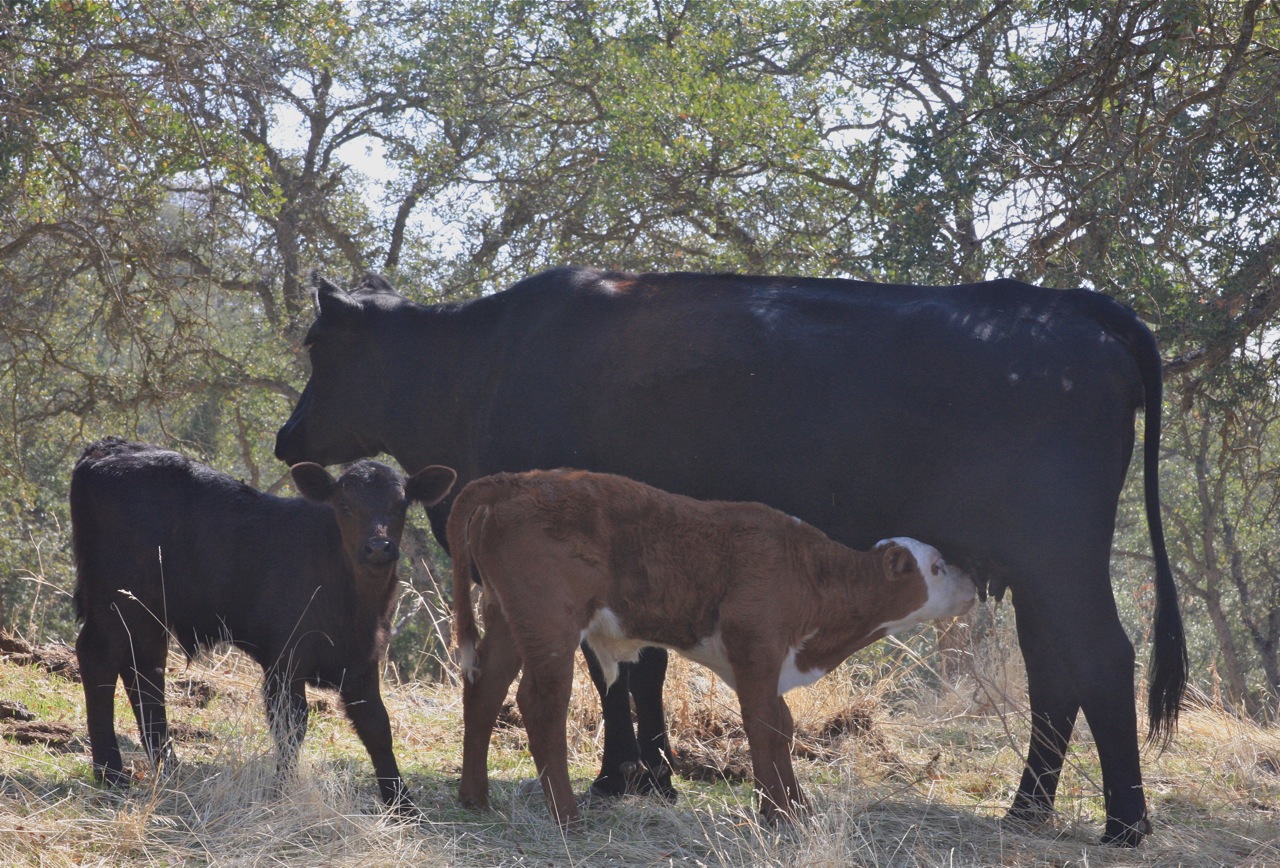
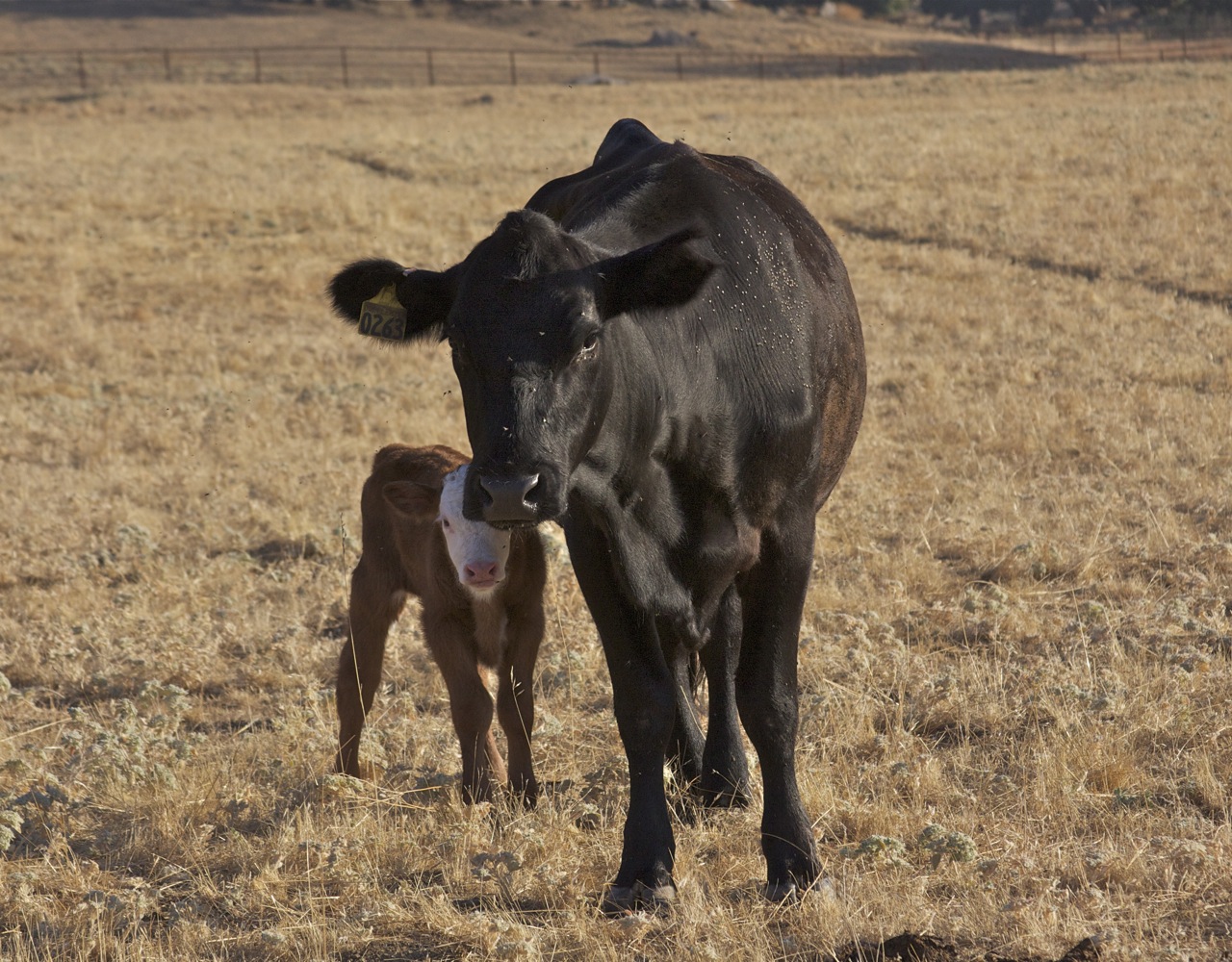
The Wagyu calves come predominantly black, but this three day-old Wagyu-cross demonstrates some Hereford blood in its Angus mother’s background, not apparent by looking at her. Because black is a dominant gene, the Hereford influence in our females is more apt to show in body type than color.
Posted in Photographs
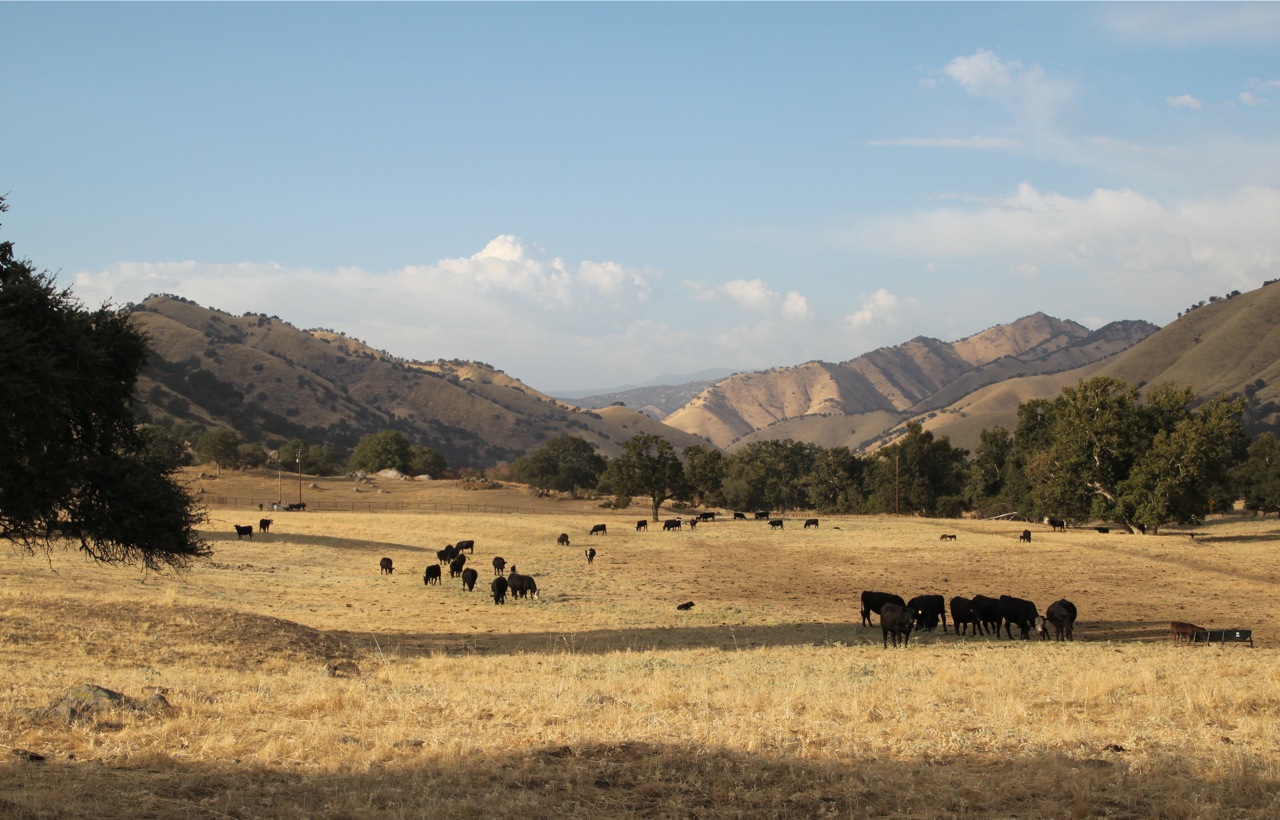
Fall in the air and through the first cycle, we’re pleased that over half of these girls have calves on the ground.





 enlarge

