-
Recent Posts
-
-
NATIVE HARMONIES: ranch poems
-

“Best of the Dry Years: 2012-2016”

‘STREAMS OF THOUGHT’ — Spoken Poetry 2013

‘PROCLAIMING SPACE’ — Wrangler Award 2012

‘POEMS FROM DRY CREEK’ — Wrangler Award 2009

Categories
Archives
- October 2026
- September 2026
- August 2026
- July 2026
- June 2026
- March 2026
- February 2026
- January 2026
- December 2025
- November 2025
- October 2025
- September 2025
- August 2025
- July 2025
- June 2025
- May 2025
- April 2025
- March 2025
- February 2025
- January 2025
- December 2024
- November 2024
- October 2024
- September 2024
- August 2024
- July 2024
- June 2024
- May 2024
- April 2024
- March 2024
- February 2024
- January 2024
- December 2023
- November 2023
- October 2023
- September 2023
- August 2023
- July 2023
- May 2023
- April 2023
- March 2023
- February 2023
- January 2023
- December 2022
- November 2022
- October 2022
- September 2022
- August 2022
- July 2022
- June 2022
- May 2022
- April 2022
- March 2022
- February 2022
- January 2022
- December 2021
- November 2021
- October 2021
- September 2021
- August 2021
- July 2021
- June 2021
- May 2021
- April 2021
- March 2021
- February 2021
- January 2021
- December 2020
- November 2020
- October 2020
- September 2020
- August 2020
- July 2020
- June 2020
- May 2020
- April 2020
- March 2020
- February 2020
- January 2020
- December 2019
- November 2019
- October 2019
- September 2019
- August 2019
- July 2019
- June 2019
- May 2019
- April 2019
- March 2019
- February 2019
- January 2019
- December 2018
- November 2018
- October 2018
- September 2018
- August 2018
- July 2018
- June 2018
- May 2018
- April 2018
- March 2018
- February 2018
- January 2018
- December 2017
- November 2017
- October 2017
- September 2017
- August 2017
- July 2017
- June 2017
- May 2017
- April 2017
- March 2017
- February 2017
- January 2017
- December 2016
- November 2016
- October 2016
- September 2016
- August 2016
- July 2016
- June 2016
- May 2016
- April 2016
- March 2016
- February 2016
- January 2016
- December 2015
- November 2015
- October 2015
- September 2015
- August 2015
- July 2015
- June 2015
- May 2015
- April 2015
- March 2015
- February 2015
- January 2015
- December 2014
- November 2014
- October 2014
- September 2014
- August 2014
- July 2014
- June 2014
- May 2014
- April 2014
- March 2014
- February 2014
- January 2014
- December 2013
- November 2013
- October 2013
- September 2013
- August 2013
- July 2013
- June 2013
- May 2013
- April 2013
- March 2013
- February 2013
- January 2013
- December 2012
- November 2012
- October 2012
- September 2012
- August 2012
- July 2012
- June 2012
- May 2012
- April 2012
- March 2012
- February 2012
- January 2012
- December 2011
- November 2011
- October 2011
- September 2011
- August 2011
- July 2011
- June 2011
- May 2011
- April 2011
- March 2011
- February 2011
- January 2011
- December 2010
Category Archives: Photographs
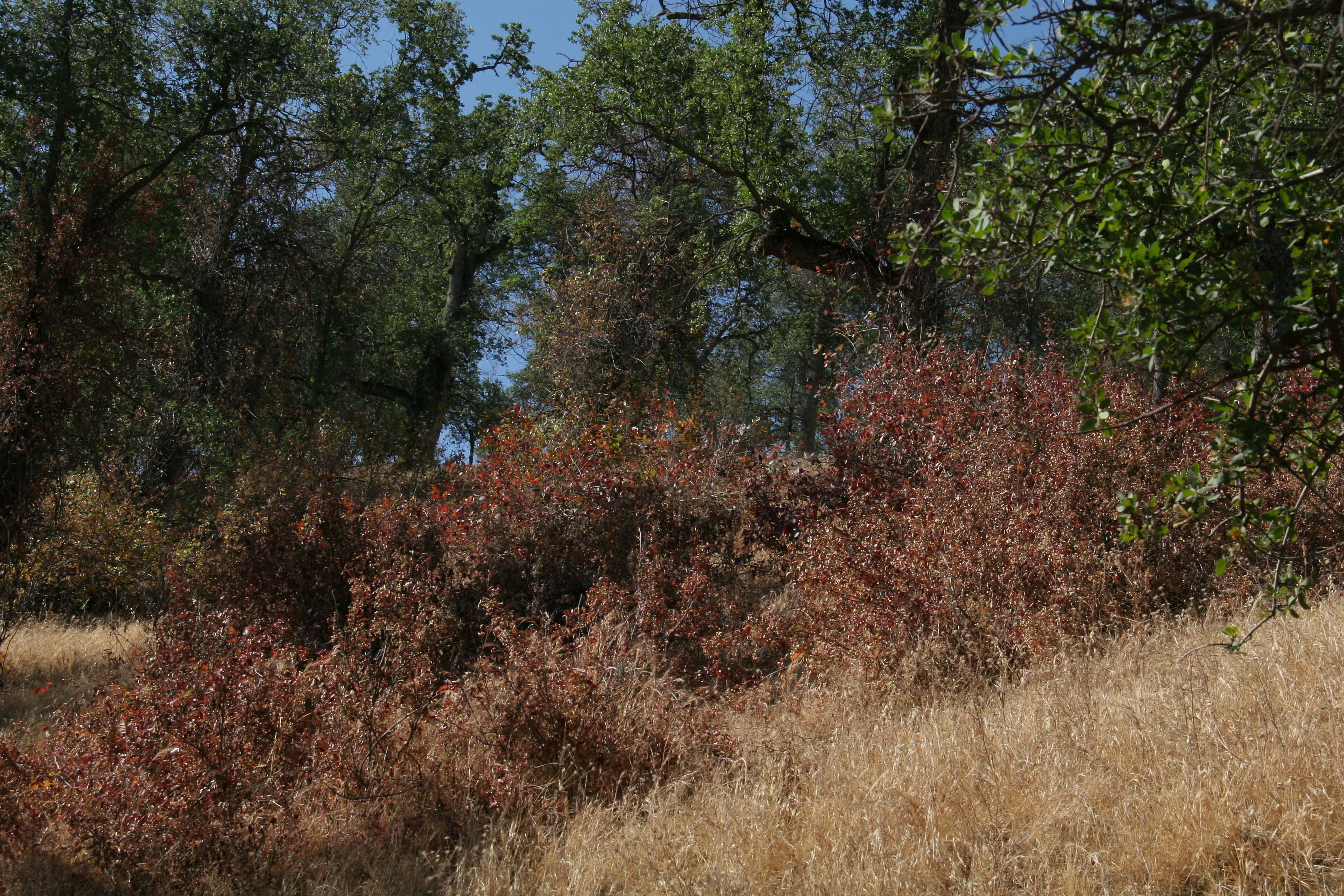
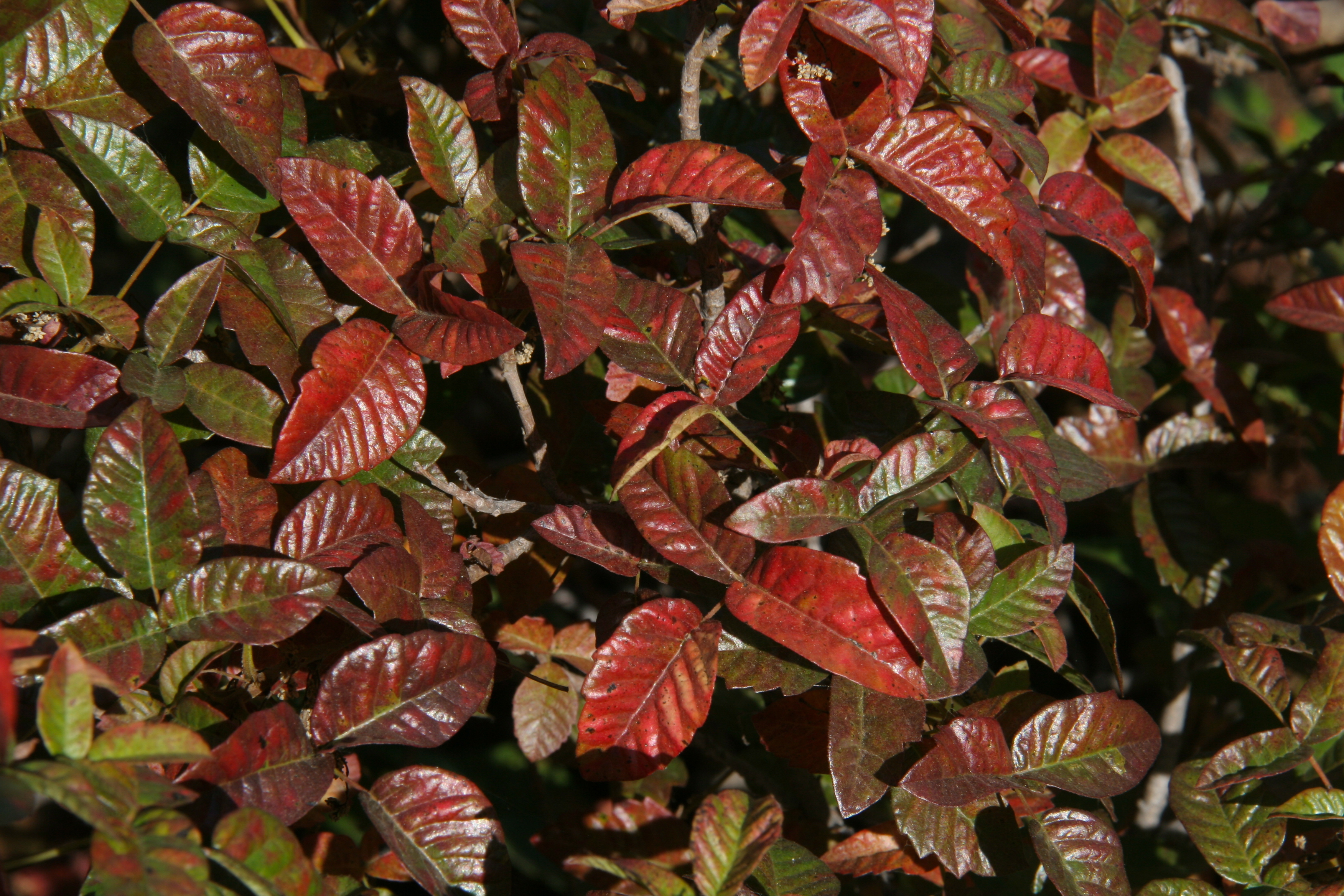
ImageRed Poison Oak
Posted in Photographs
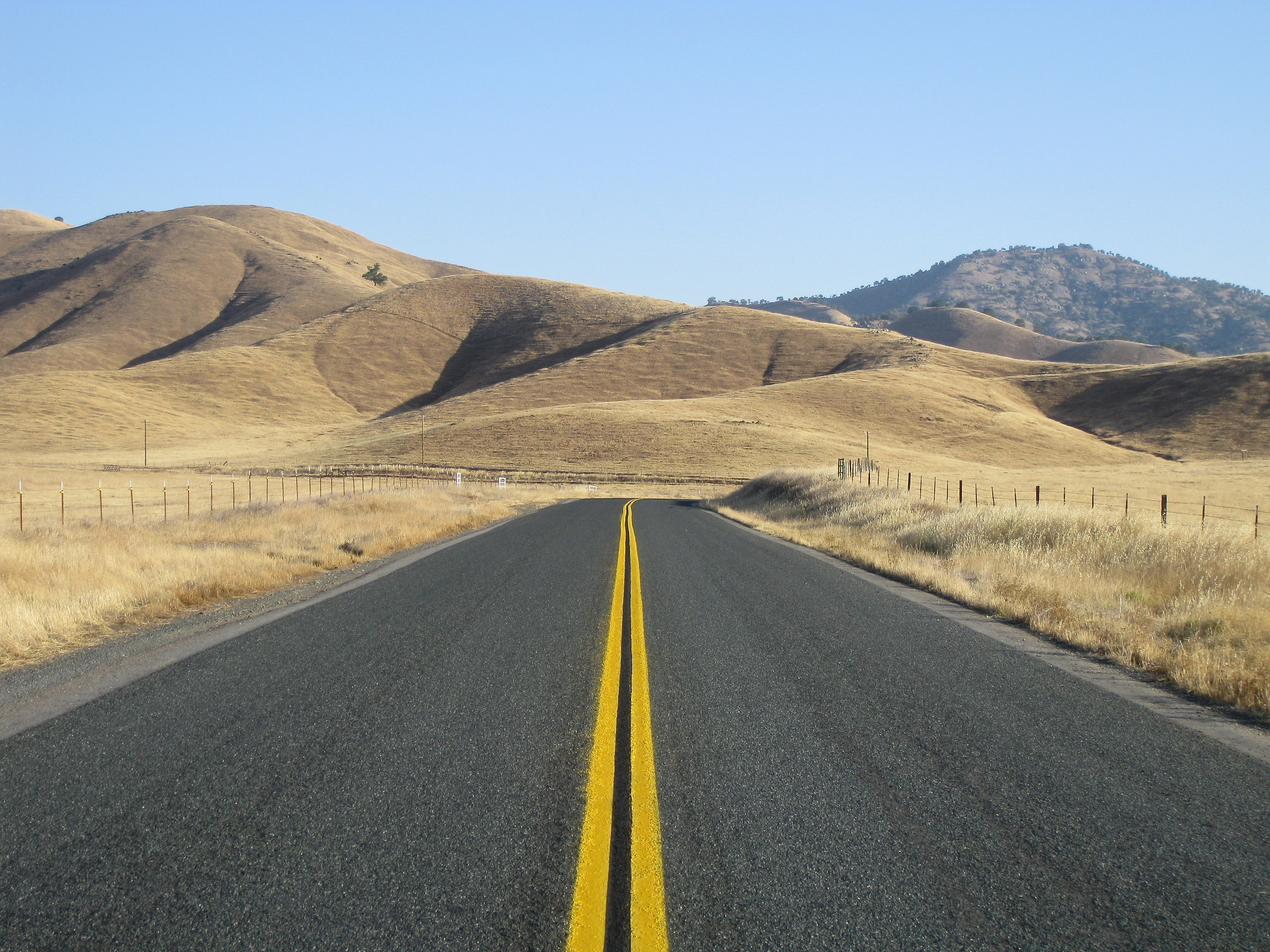
Dry Creek Road: Double-Yellow Line
Imagine my surprise when Robbin reported a new double-yellow line on Dry Creek Road to match the ‘No Parking’ signs we were greeted with when we returned from Elko at the first of February.
We can’t help but feel a little violated as progress pushes up the road and past our driveway. But nothing like new paint to be misleading, especially for tourists and strangers to the area. Due to the ongoing and endless road construction on Highway 198 to Sequoia National Park, motorhome and fifth-wheel traffic is required to take alternate routes, one of which is Dry Creek Road. Last evening, we had to drive up the road just to see how far the County thought our road was wide enough to handle two lanes of traffic. After some intermittent spaces with no line at all, it came to a stop at the narrow bridge on Bear Creek, about a third of the way to Grant Grove and the entrance to Kings Canyon National Park. We noticed that both ground squirrels and quail were afraid to walk across the new yellow line. We’ve never had to drive cattle across a road with a double-yellow line before, we’ll see how that goes.
Posted in Photographs
TO BE NOTICED
On my morning rounds
feeding hay, changing water,
we play tame games
on the edges of his space
bubble shrinking with the creek
drawn down to warm pools
hemmed in green grazed,
of water bugs and tadpoles,
blue gill fry and frogs.
Snow white serpentine
neck cocked, reflected
in the shadow of a sycamore—
another perfect photo-op
I try to remember instead.
Only Blue Herons here
when I was a boy,
but thirty years ago
the cattle egrets showed
in a flock, decorating
oak tree shade for cows
by the irrigation reservoir.
He knows my circles,
lets me stop to watch
close enough to hear
my camera’s shutter.
Two solitary forms
this time of day,
but for the pasture
of just-weaned calves
headed for feeders
full of alfalfa hay.
We choose to work alone,
make circles our way, but
happy to be noticed.
The Top, Greasy Creek
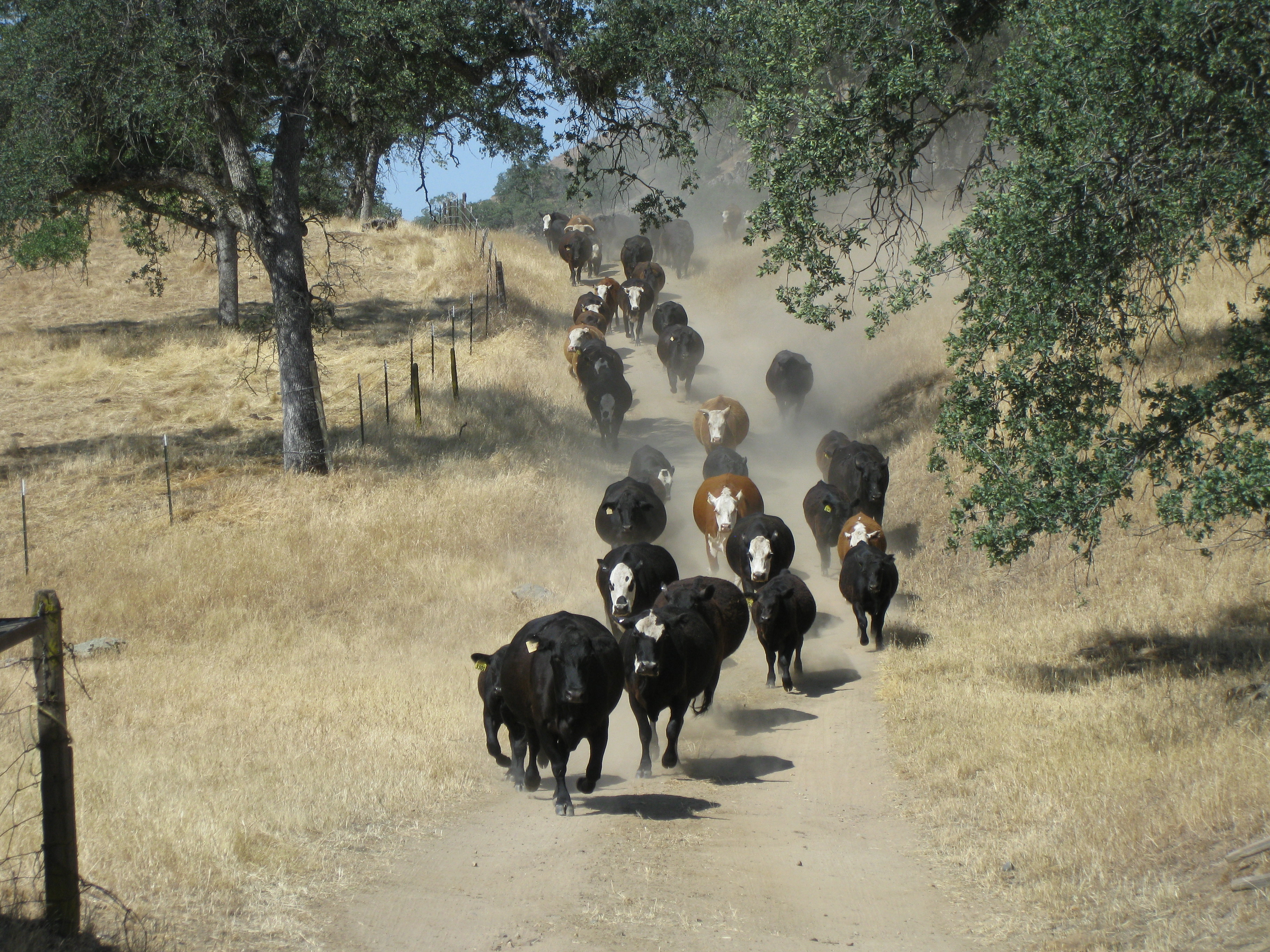
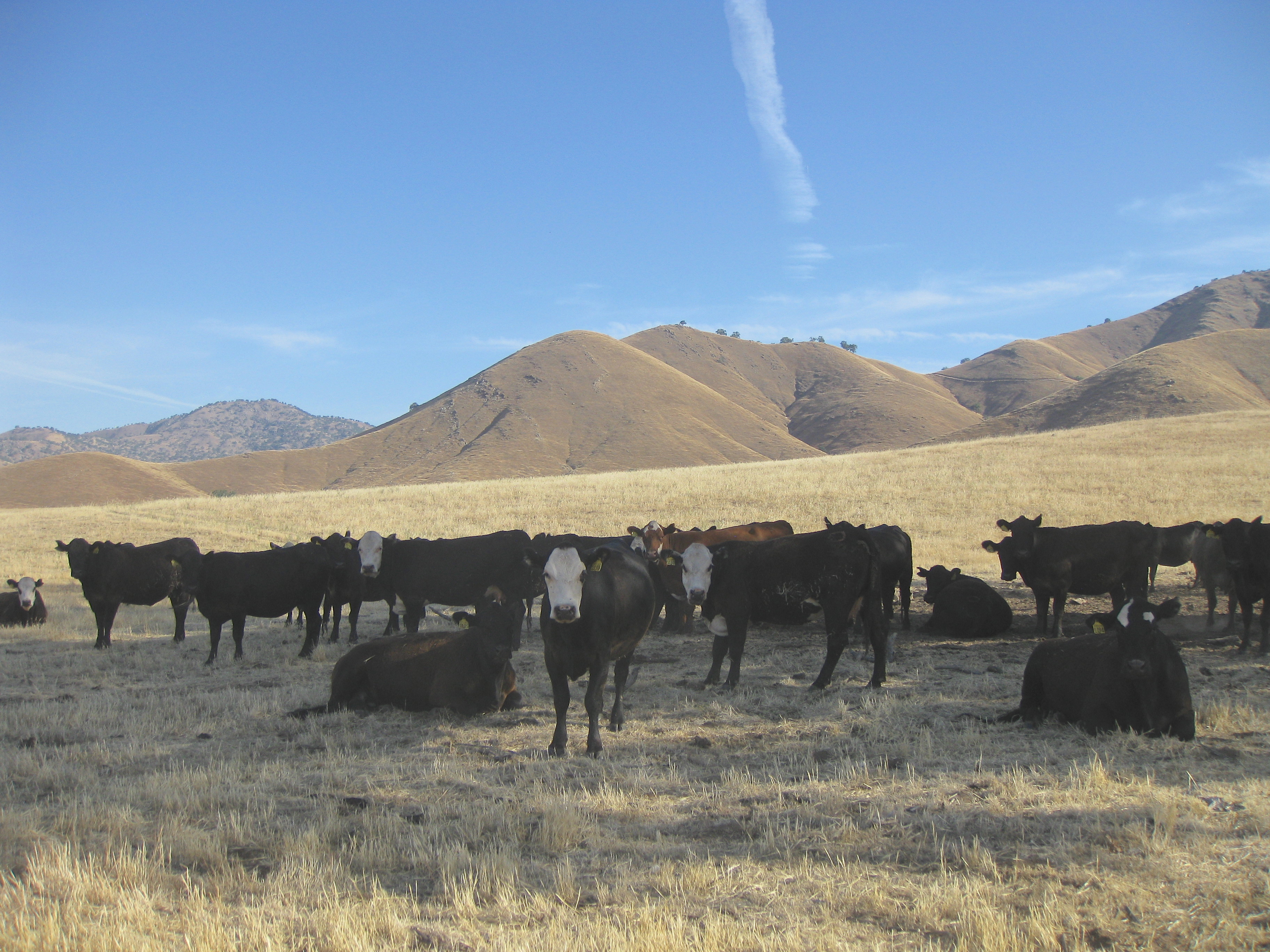
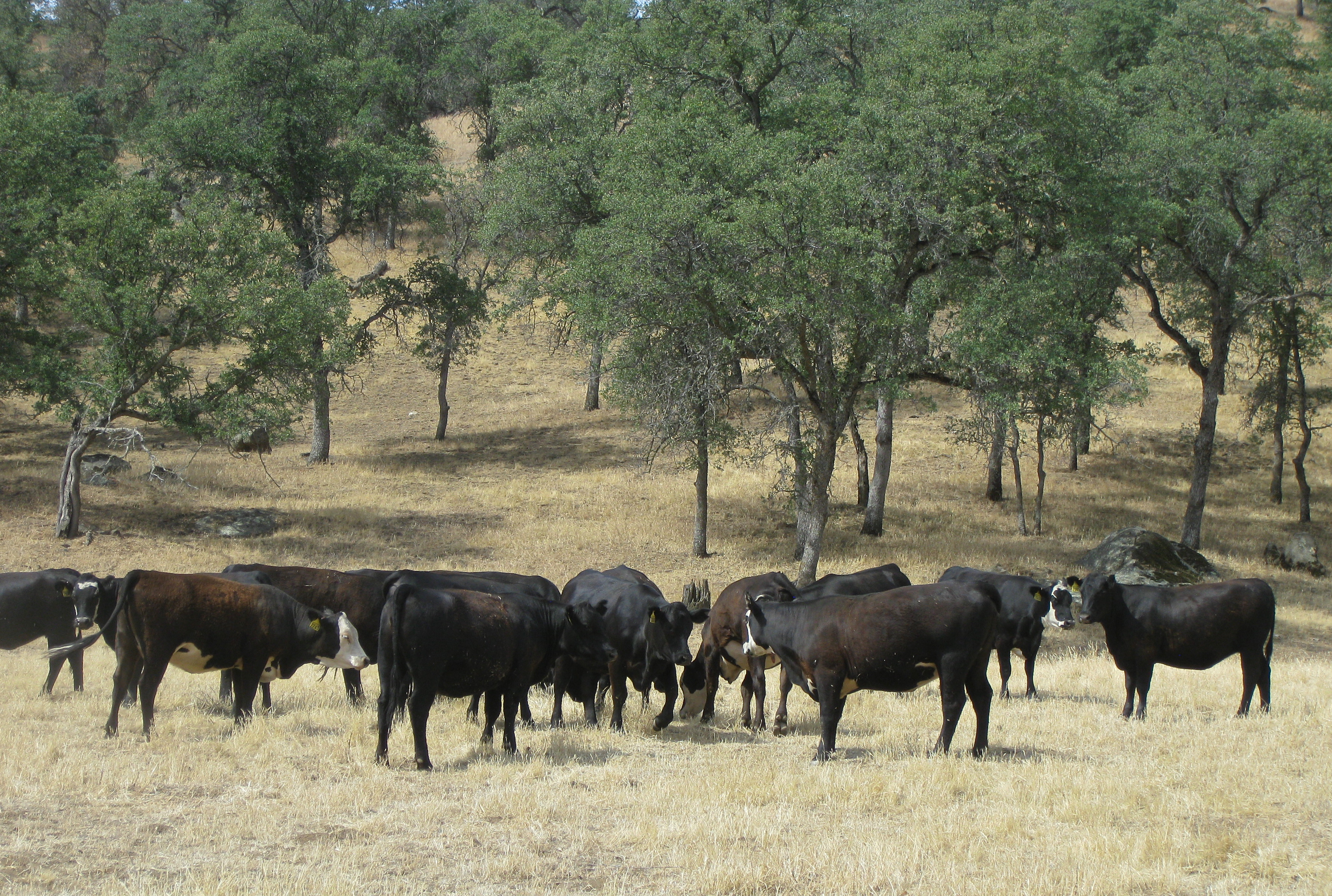
Our pasture on Top is about 1,000 fairly flat acres of brush and rock ranging from 1,800-2,600 feet in elevation, country where wild cattle have all the advantage. A less desirable part of the ranch my grandfather purchased from Fred Ward in 1938, we have been running cows since the mid-50s where they used to run three year-old steers, often having to shoot the remnants they couldn’t gather. Up until the mid-80s, we’d brand the calves on Dry Creek and drive the pairs about five miles up from the 600′ elevation in December, then gather and bring them back down to Dry Creek in June to wean.
In the mid-80s, we developed four stockwater ponds on existing springs that provided enough water to carry 50-60 cows year-round. In that process, we also built some 4-wheel drive roads that allowed us to bring hay, salt and supplement to them in the wintertime. Utilizing the pasture better, the Top becomes their home for a lifetime, as older cows culled are replaced with proven third-calf cows. What was once a dreaded, brush-busting high lope to gather has now evolved into a tamer exercise for both cows and cowboys, the cows knowing the routine.
We will haul their calves down to the Dry Creek corrals this morning.
Posted in Photographs
Ravage Her, Ravage Her, Leave Her in Heaps: Links
Photo Gallery: David T. Hanson
Arch Coal Posts $70 Million Loss
Arch Coal, Inc. (ACI) stock chart
Arch Coal Laying Off 750 Workers in Appalachia
In Montana, Ranchers Line Up Against Coal
Federal Court Backs EPA Regulation of Mountaintop Removal
H. Paul Moon Video of Wallace McRae: ‘Things of Intrinsic Worth’
Mother Nature’s Pruning Process
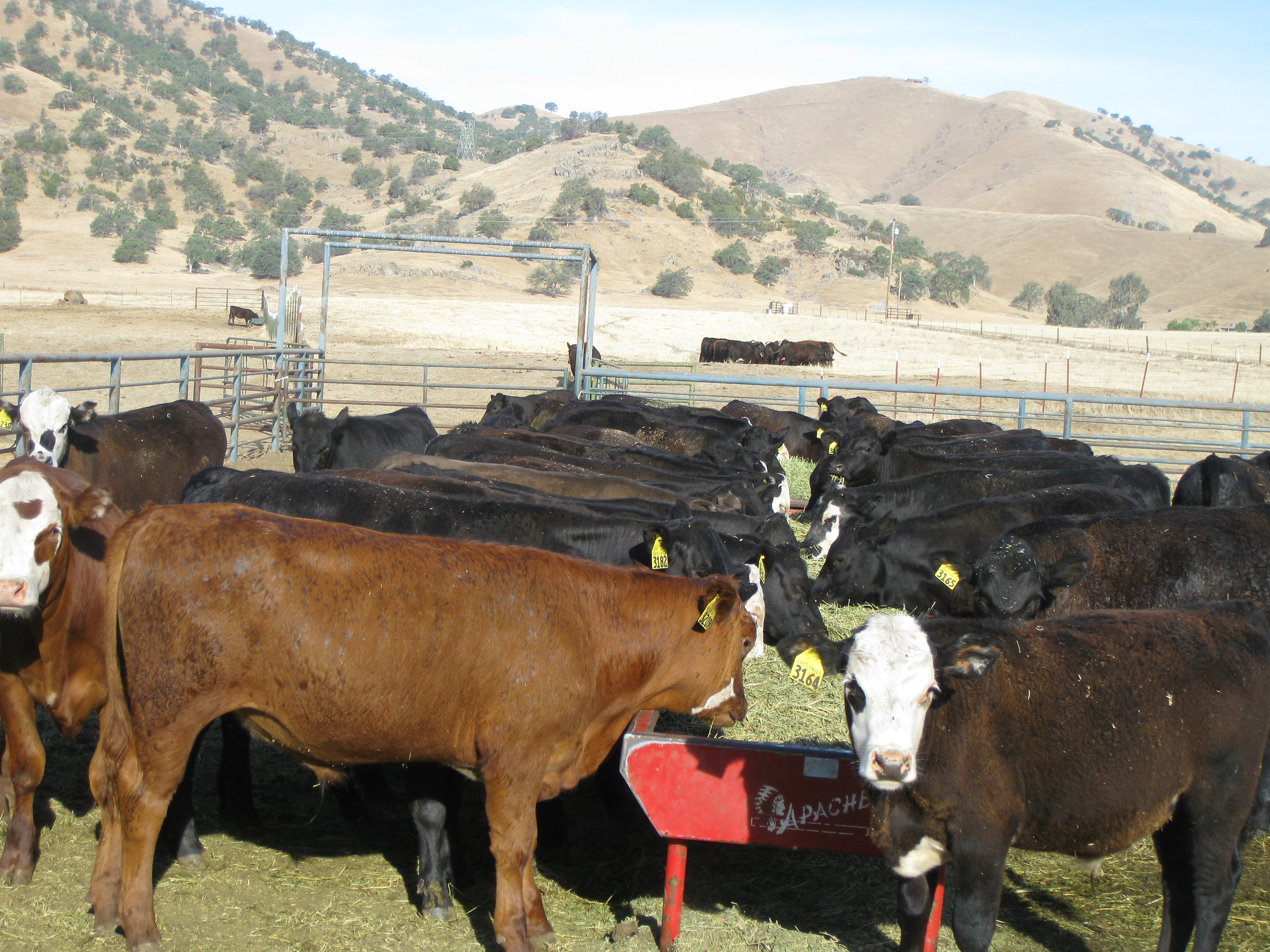
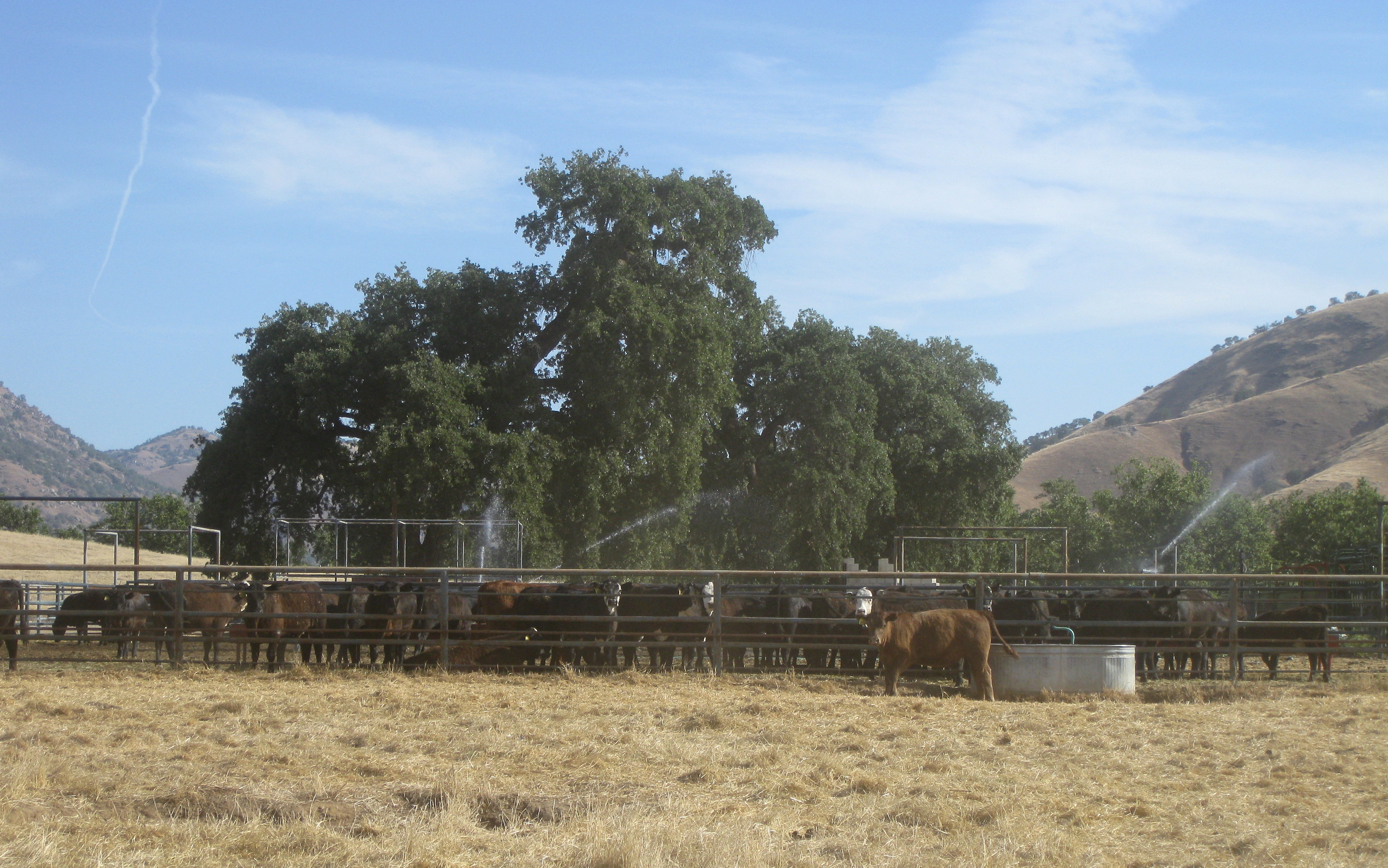
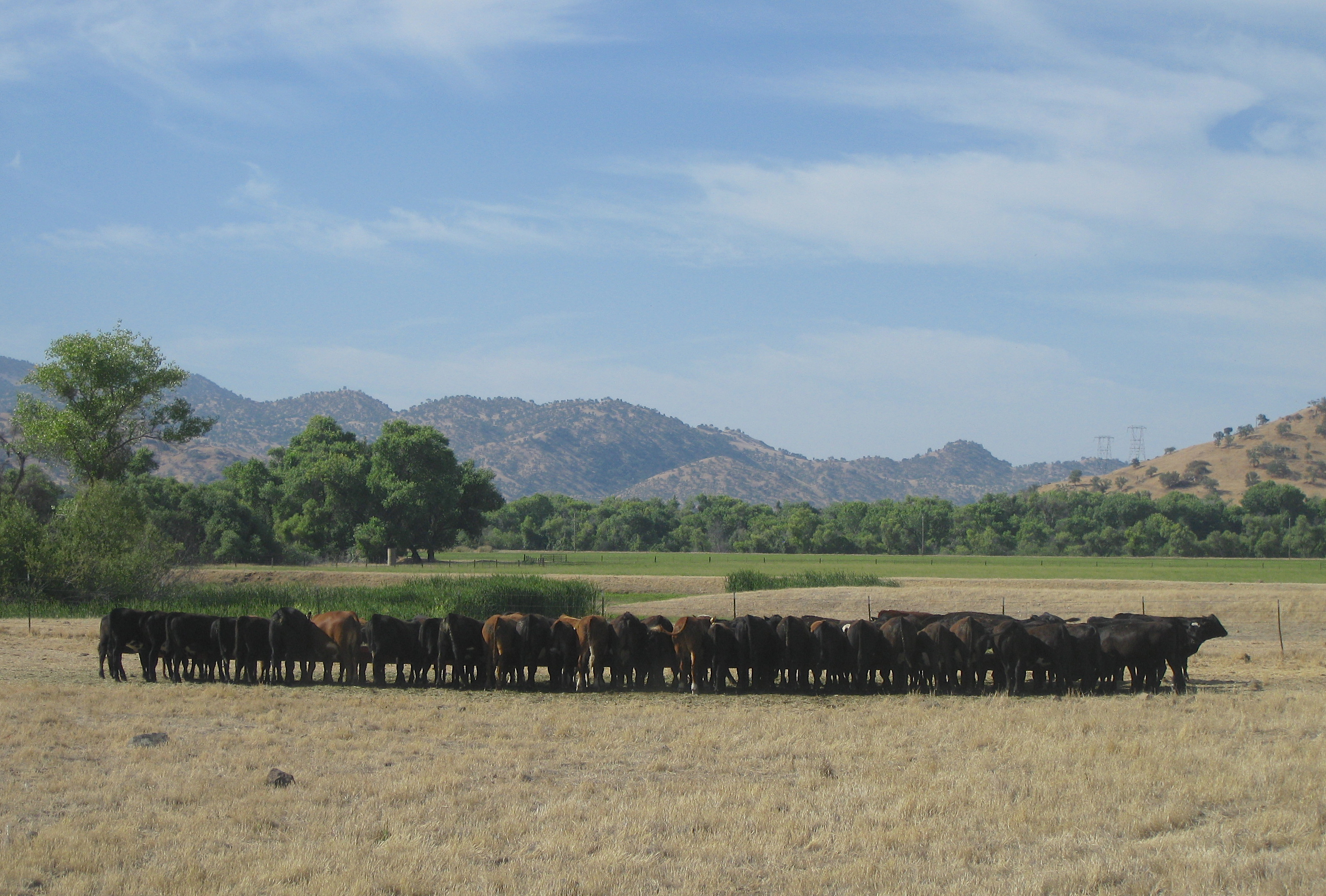
As we complete Week 4 of weaning calves, the poetic muse becomes more illusive. Matters of the mind give in to the fatigue of the flesh and center almost completely now on cattle. Summer is seldom a productive writing season for me as temperatures heat up, having to rise earlier to get the work done when it’s cool that takes time away from my word play. Furthermore, calves in the weaning pen need feed everyday, and those already weaned need supplement while on the irrigated pasture where water also needs to be moved to keep the grass green. Meanwhile we gather our mountain pastures, cull cows and haul calves, working around the daily chores. It’s what we do this time of year, albeit three weeks earlier than usual due to our dry spring. We lean forward, putting one foot ahead of the other, that slow momentum that Wendell Berry calls plodding.
Naturally, the calves are lighter, the market a little weaker, we’ll take a hit but carry on. But what has become evident this year as we palpate (preg-check) our second-calf heifers, always difficult to get to breed back, our 60% normal rainfall was not enough to get much more than 55% of them to conceive. Ouch, we’ll take another hit.
We know going-in that the first-calf heifers, our Wagyu X mamas, need supplemental feeding to stay in shape to cycle and breed back. But as I’ve learned from previous dry years, alfalfa hay will not replace strong native feed to get a cow to cycle. Hence, we have a lot invested in these heifers that will not have a calf this fall. However, their Wagyu X calf offset some of those expenses, but we’re looking two years away before these three year-old heifers pay us with another calf.
To replace them with the yearling heifers we are currently weaning will take two years to wean a calf as well, however they are not proven breeders or mothers yet, 20-30% will not be mature enough to cycle and breed this winter. And that’s the dilemma: either keep the proven mothers that will hold their value with the cost of pasture or sell them now and hope the yearlings will pick up the slack in 2015.
Going into calving time this fall, we know our dry feed will be thin, that we’ll have to buy more hay, our only reprieve would be some early rains to start next year’s native grass. We would have better odds in Las Vegas.
With three more weeks of weaning yet to go, we’ve already taken the lighter end of our calves to town, sold our late calvers and the older cows we’ve gathered that might have difficulty making it through another winter trying to raise one more calf. We’ve opted to go with youth and early calvers, deciding to give our open second-calf heifers another chance, believing that the genetics we’ve worked years to develop are worth taking a chance on.
Right or wrong, we understand that Mother Nature is in charge.
Posted in Photographs