Author Archives: John

LEGACY

                    Don’t own so much clutter that you will be relieved to see
                    your house catch fire.

                                   – Wendell Berry (“Prayers and Sayings of the Mad Farmer”)

One would think with age that utility
might parallel the flesh, lend assistance
with our last breath, yet the old barn bulges

with the past leaking through the bats
and boards of weathered one-by-twelves,
tin roof rusty, wind-turned at the edges.

Beyond the locked green doors, silver veil
of cobwebs, trunks in dark corners, scurry
of black widows saved for this moment

passed from before we were born.
We see what they could not burn—
the weakness of heart and the clutter

cleared from their minds as relinquished
totems of another time. We come to know
our blood, cling to tokens of who we are.
AUTUMN HYMN

                                 Let me wake in the night
                                 and hear it raining
                                 and go back to sleep.

                                       – Wendell Berry (“Prayers and Sayings of the Mad Farmer”)

Upon the roof and off the eave:
cascades to soothe a dream
when no urgency awaits,

when earthly strategies step aside
and praise what man cannot create—
let me sleep so soundly!

Let me trust the land endures
man’s ambitions to claim
a holiday for its creatures,

as earth and sky make love
a priority of life. O’ musty
scent of after-rain, let me

wake to freely sail among
white cumulus in the grand
regatta of blue sky seas.

I BOW MY HEAD

                    He is the one who breaks down the walls
                    and when he works, he works in silence.

                               – Rainer Maria Rilke (“Das Stundenbuch”)

The mortar crumbles between old stones
bright lichen claims with color, little islands
of fire burning within long shadows of fall.

Even in Eden, a white flag meant nothing
at all. Outside, the persistent grin and wait
with infinite patience, move their troops

at every opportunity to surround and incorporate
our certain fate. I may disguise my flesh
or burn holes in darkness, temporarily—fool

the truth for a moment—but I surrender now
and swear profane allegiance to the king
of all things, drawn most, however,

to his amusing ladies, just waiting
to sing and dance around the fire, to celebrate
the wild beyond our fortresses and fears.

*              *              *              *              *              *              *

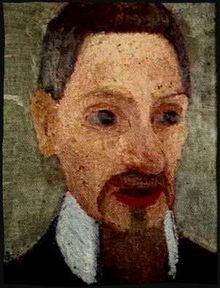
Rainer Maria Rilke

DAS STUNDENBUCH (The Book of Hours)
                    translated by Robert Bly

All of you undisturbed cities,
haven’t you ever longed for the Enemy?
I would like to see you besieged by him
for ten endless and groundshaking years

Until you were desperate and mad in suffering
finally, in hunger, you would feel his weight
He lies outside the walls like the countryside
He knows very well how to endure
longer than those he comes to visit

Climb up on your roofs and look out:
his camp is there. His morale will not falter
His number will not decrease, he will not weaken
He sends no one into the city to threaten
or promise and no one to negotiate

He is the one who breaks down the walls
and when he works, he works in silence.

COMMON GROUND

Every day begins in the dark,
while horses wait for a sign
of movement, another awakening

to fluffy alfalfa, or the sound
of diesel arriving, the augur
of aluminum heartbeats under saddle,

under hooves of nervous and eager
friends dancing in a gooseneck drum.
Certain things become ingrained

in the psyche, incorporated
conclusions that make us shy
and hard to halter, but we

will give-in, sign and notarize
another day’s dark beginnings
on this common ground.

KLAF 2011


KLAF

Healing

enlarge

This Wagyu-cross calf, pictured on September 5th after a close call with a coyote, is healing well. Big Dog Gone.

18 SEPTEMBER

Quarter ‘til eight before the sun shines
within the thin wedge of ridge and eave
across my desk, black ladies-in-waiting

on blond feed in the shadow of the hillside,
grazing a cool Sabbath higher, mothers
with babies close along the creek—like

last week, Spencer’s track in the canyon’s
cow trail dust after calling the big dog in.
I imagine the eerie squeals of distress,

forty-five minutes of edging closer
to the decoy, suspicious and curious
just before changing his taste for veal.

CALVING HEIFERS

Each day, the trail is the same—
imperfect circles cut in dry grass,
worn into soft dust that holds

yesterday’s track, exposing rock,
stones and boulders on the move,
broken loose from the whole.

Atop my own, pad and hoof
shine like last night’s coyote
under a full moon, on the trot

from canyon to draw, and the heifer
determined to calve in private
breaking away from the bunch

to hesitate mid-way, turning
over herself before going on
to a place she remembers as safe.

The trail is the same—even
at the gate where a covey of quail
will erase where I’ve gone today.

NINE-ELEVEN, ELEVEN

Gray and purple dawn, broken clouds,
thin edges lit ash-white press heavily
from the outside—beyond the bear

and coyote collecting tax along the creek,
cleaning-up and taking shares of new life,
feeding on the hapless and innocent

lying flat in the grass. This air is thick
with fear, fetid breath held too long
circling the planet, creating its own

climate of thunder and fire. No perfect
world without predators and casualties—
without the friction of nature’s humans.

Notes on ‘Still Cowboys’

Much of this business is about the odds, the likelihood that it will rain, that we will get the job done, be in the right place when the time comes, the reliability of which is always refined by experience. Then there are the odds that PETA will use this piece as an example of inhumane livestock practices that reflect poorly on our contemporary culture, already overburdened with popular judgments. Though the chance is fairly small, it concerns me, nonetheless, but misses the point of the story.

The difference between cowboys and cowmen are but shades of experience—the bigger picture as opposed to tunnel vision. I think of good cowboys as men of action, not indecision, and believe good cowmen look ahead through the eyes of cows. But there’s still a little cowboy in us all, regardless of age.

In this post about how we spent Labor Day, the heifer would have died, untended. In retrospect, we should have secured her front legs with the rope, but usually when they’re down, they stay down until the calf comes with a little help and we leave the pair to clean-up and bond. If we had been able to hold her to standstill, she might have lain back down—you grab what you can as it happens.

Robbin saw it, and probably thought of the corrals that were a quarter-mile away before we did—but we’re men of action, cowboys in our 60s and 70s riding a Kawasaki Mule. Whether or not I’ve captured the graphic and coarse humor that seems indigenous to this culture, I think it’s a fair reflection of what happened in a conversational style—educational if not entertaining. We are who we are, just trying to keep our livestock alive.