Author Archives: John

2012 First-Calf Heifers

IMG_2178

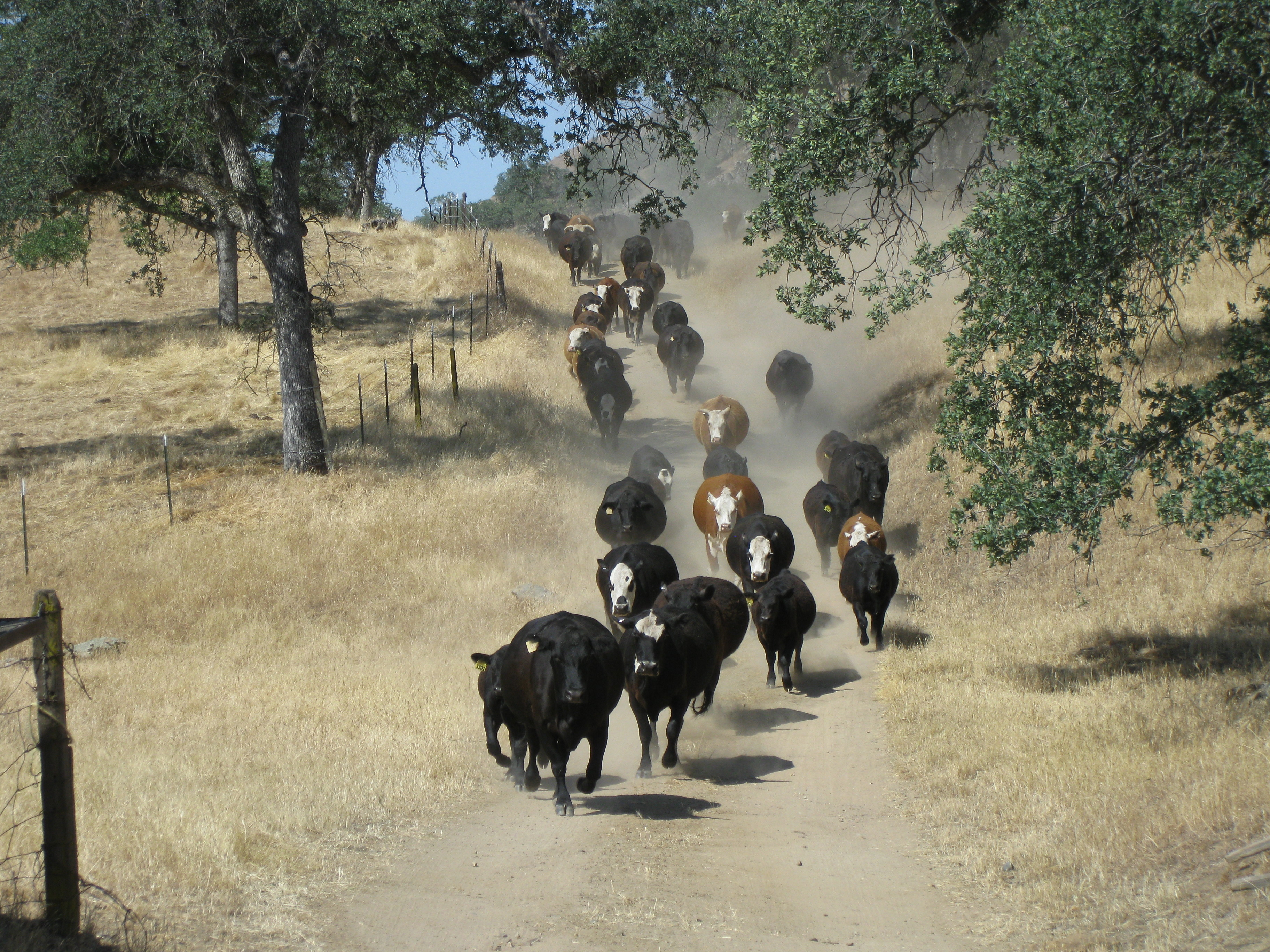
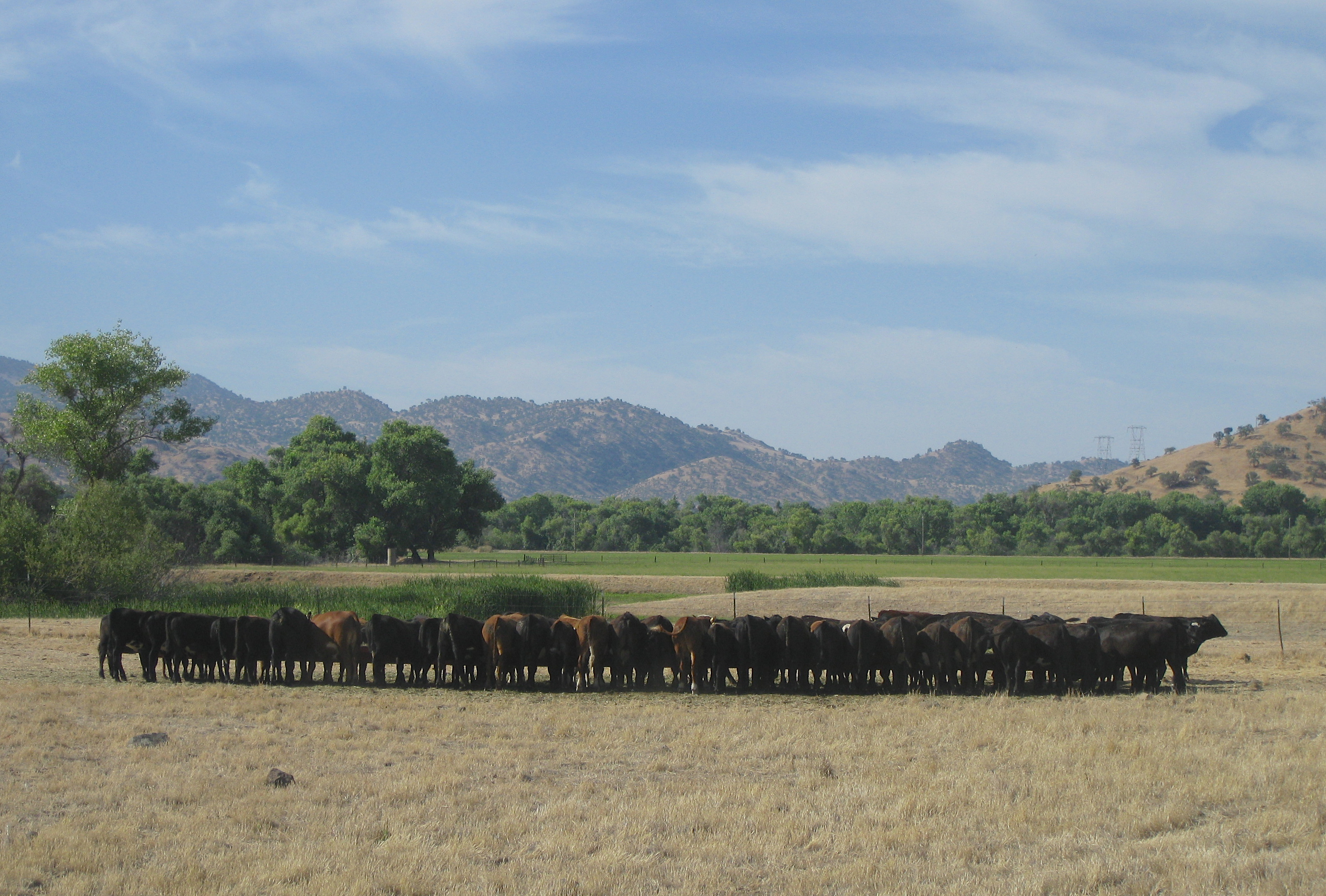
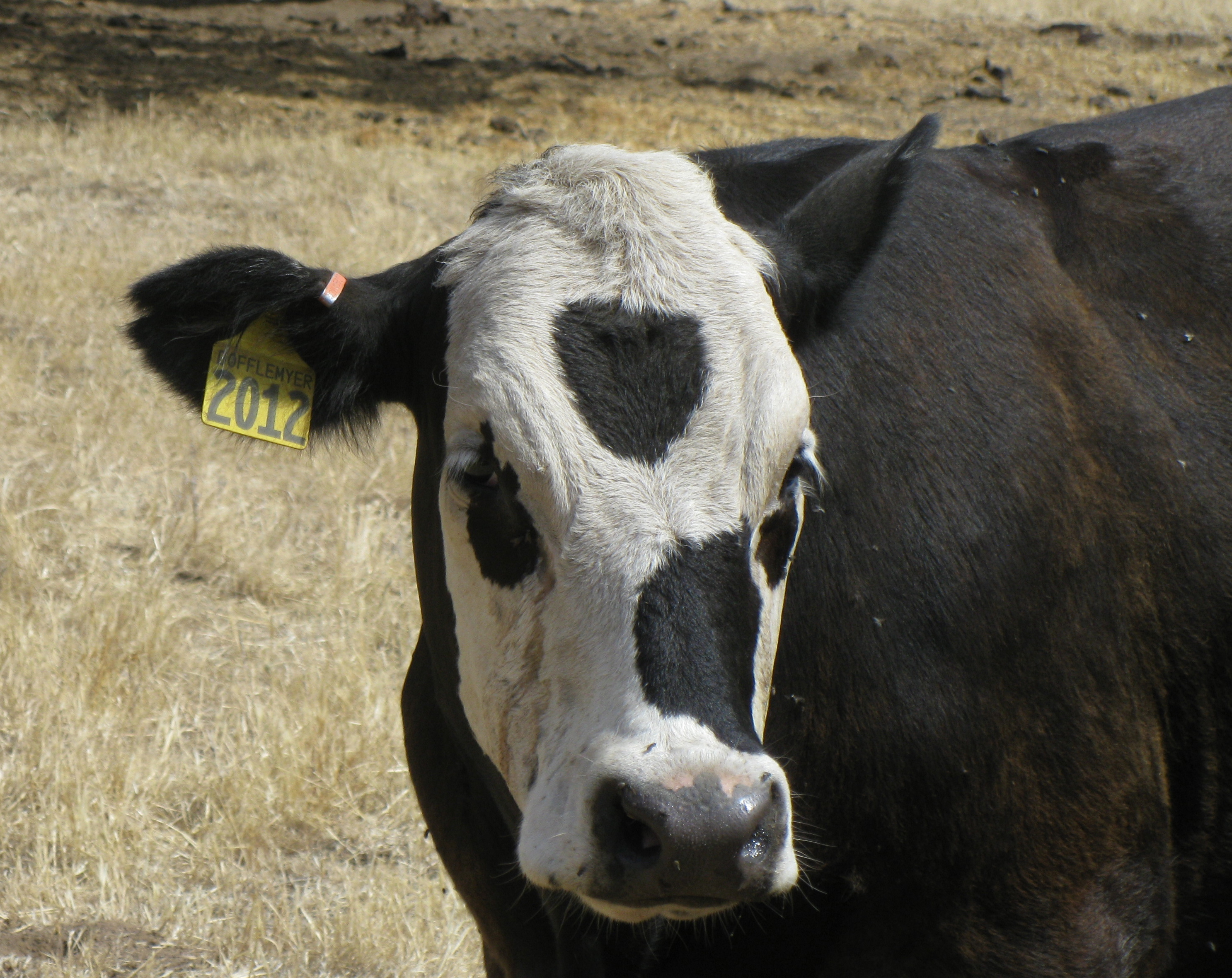
A delightful day after 0.60″ worth of thunderstorms yesterday afternoon and last night, high of 70°, our first-calf heifers drove well to the Bequette corrals to be sorted before taking them to their new homes where they’ll calve this fall close to our house. More rain than we received this past March and April, it came too late to help our grass, but good, nevertheless, to see that it can still rain.

IMG_2188

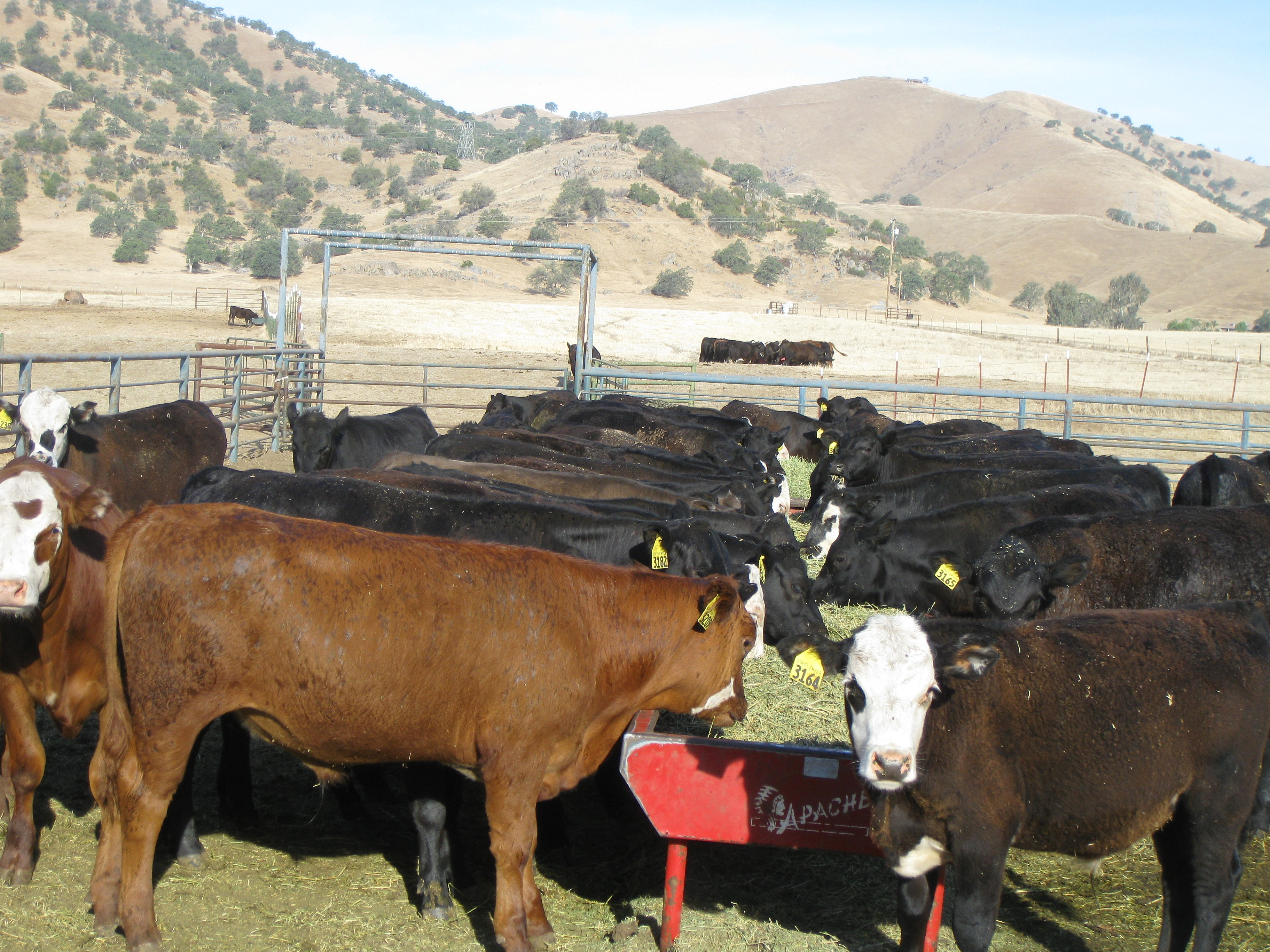
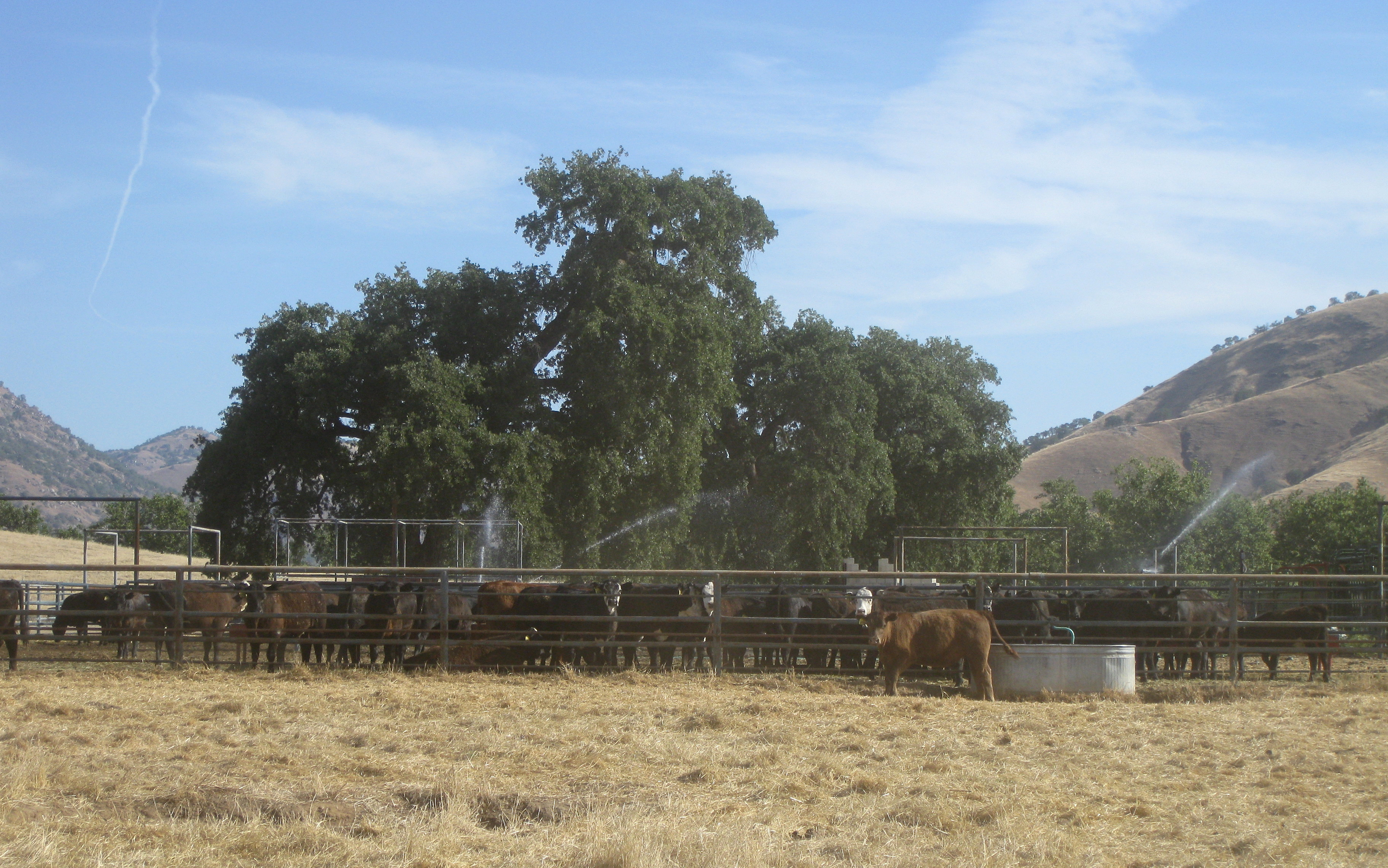
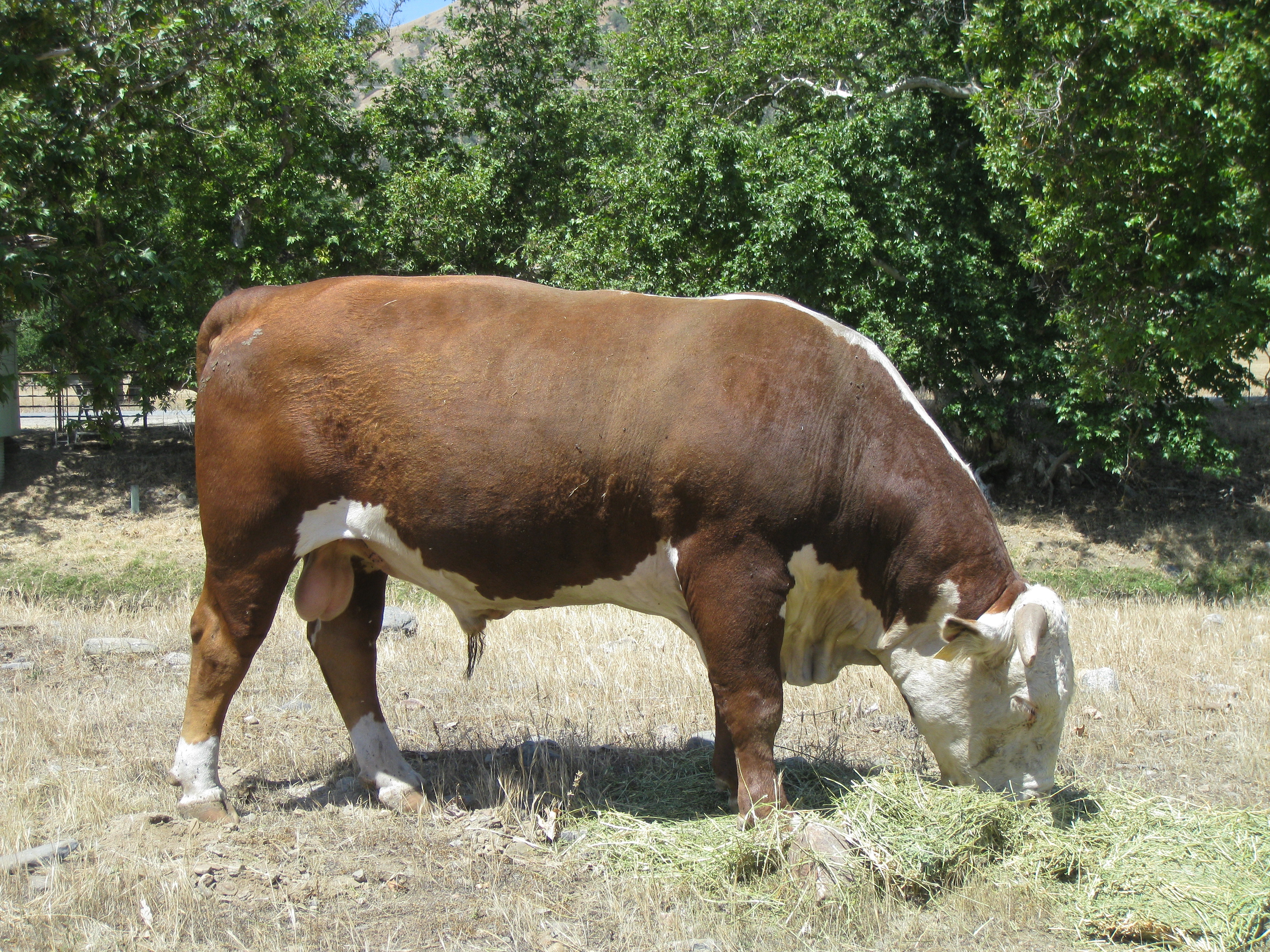
Bred to Wagyu bulls, we drove half the bunch to water in our East Bequette pasture, holding them there before driving them to better feed up the canyon.

IMG_2186

Robbin and Douglas Thomason on Bart and Twist waiting while the heifers drank.

Belle Point Bunch

Canada Geese

Canada Geese

It’s not that an unusual to see Canada Geese any time of year here. But with irrigated pasture and Lake Kaweah and River within a half-mile, they have chosen the dry feed in our flat for a month or more now. We ran into this bunch while gathering early this morning. A strange and dry year, but apparently producing some species of grass seed that they prefer. Thunderstorms this afternoon are too little too late (0.10″), but the temperature change (high 79°)was welcome to work cattle and wean calves.

Belle Point Bunch

Belle Point Bunch

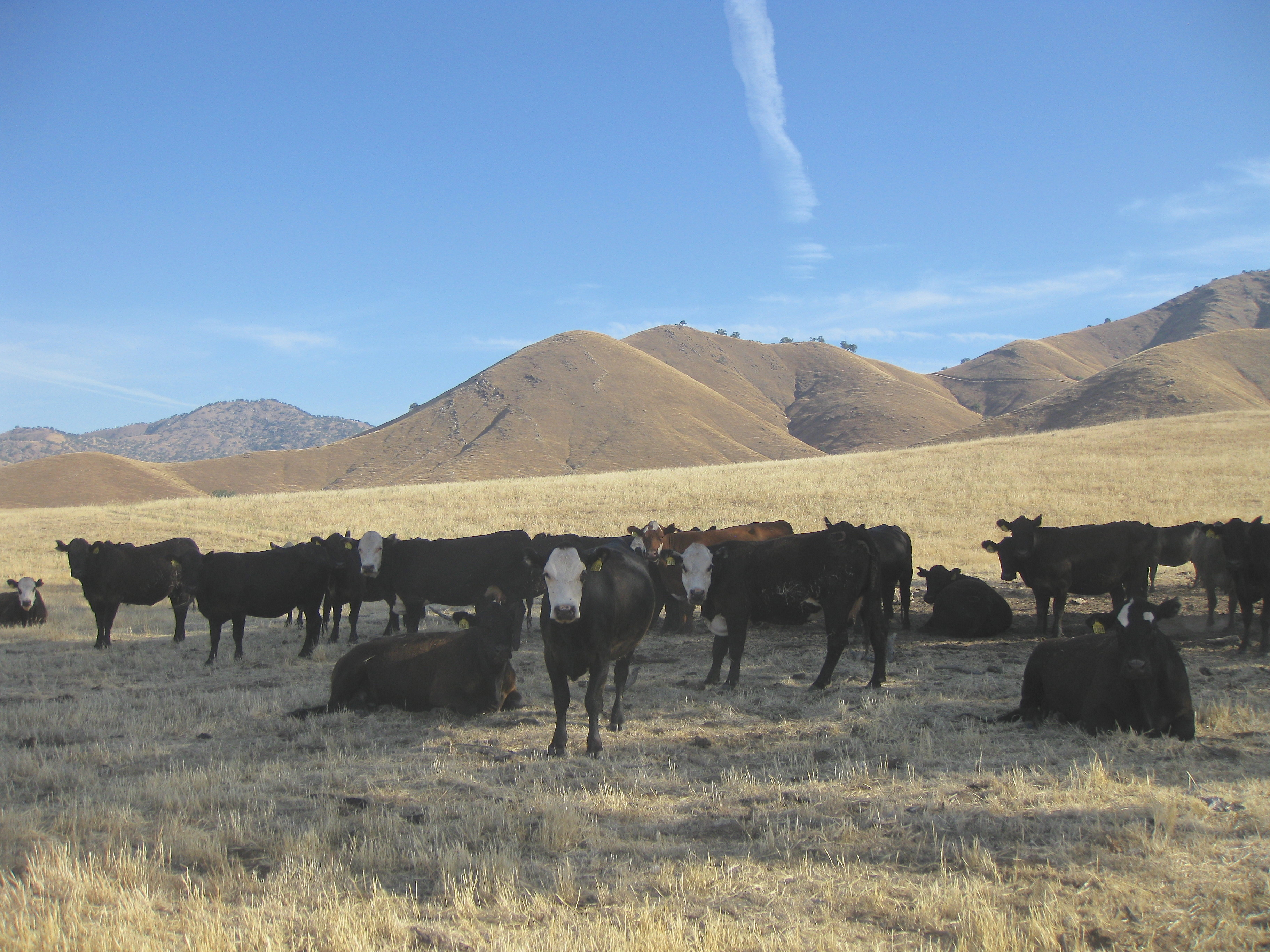
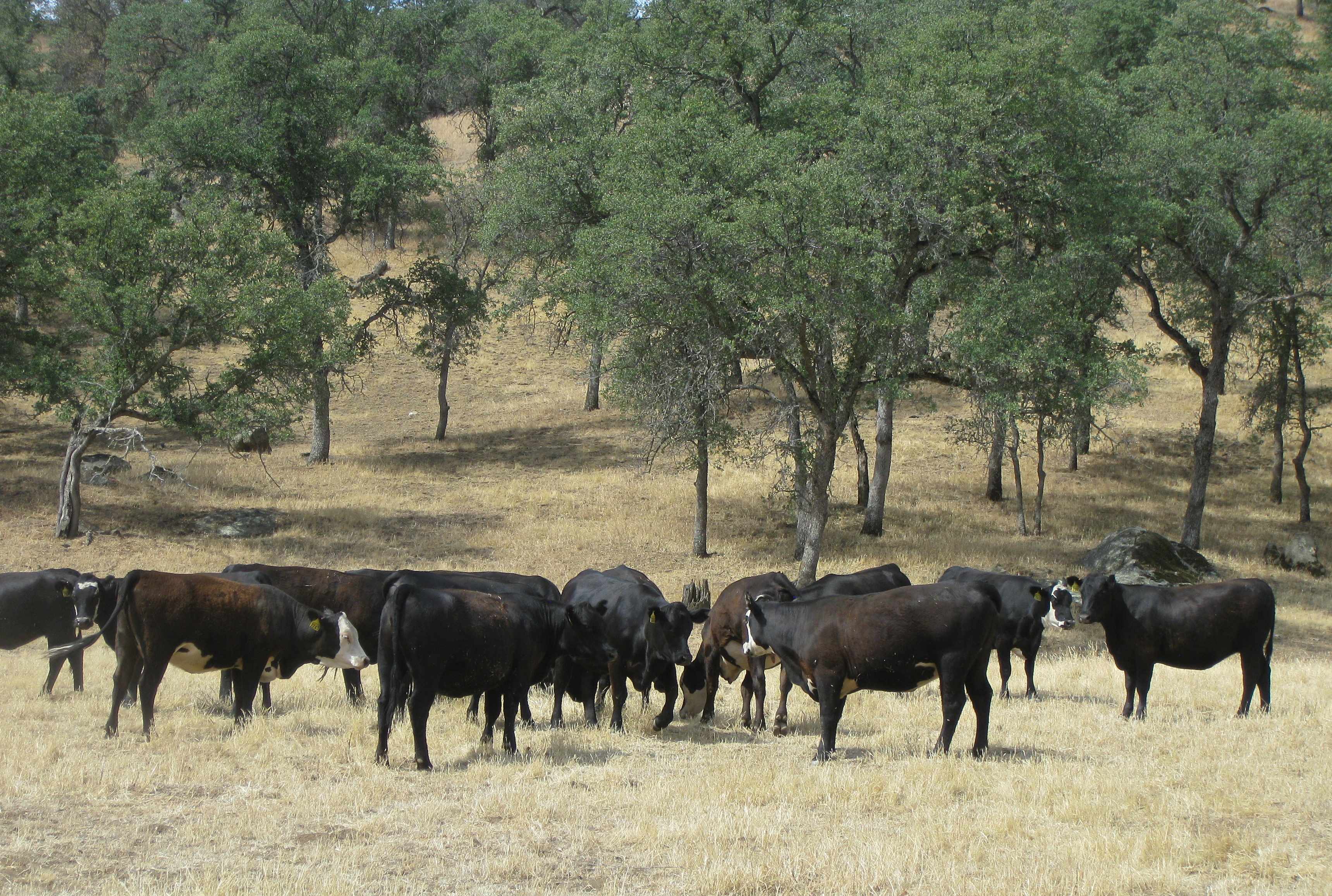
From our older cows around Lake Kaweah, these calves are in pretty good shape, but significantly lighter than last year. With 50% less rainfall than average this season, the clay in the lower country has been impacted most by our dry spring. We’ll cull deeper this year, a third to a half of the cows above will go to town.

WATERGAPS

                                   After the drought
                                   The river took
                                   Back everything.

                                        – James Galvin (“Child’s Play”)

When it comes to understanding,
we like shortcuts, give them names,
or better yet, another acronym

to memorize, to fall off our tongues
as if they mean something new
to this old planet circling the sun—

as if we haven’t time enough to pull
away from our frivolous business
to find the melody of syllables.

The long vowels of CIA & FBI
punctuate abruptly, like gunshots—
say no more! But after the flood

has cleaned out the banks,
we start over with a new slate
to make our marks upon—restringing

fences across old channels, we try
once more to make them easy to repair,
hold cattle and let the words flow.

GOOD HABITS

                              I dress first putting on my socks
                              Then my shirt—I need good habits.

                                    – Gary Soto (“Dr. Freud Please”)

Shorts, shirt, jeans, socks and crocs
to stand before a fuzzy mirror,
I bang my gums and remember

Soto’s lines apply when my mind
is off—writing poetry, trying
to make more of the more mundane.

So much personified, all our little totems
a flutter in flight, hop from ground
to branch as if their brain were mine.

The blackbirds come in a mob
cackling for something sweet beneath
the Honey Locust dripping bloom

into a puddle of green. Junkos
watch from the rail, woodpeckers
stand in line for the leaky faucet,

a drop at a time. It’s easy to forget
who I am when I could have been
anything—I need good habits.

MAY DAY 2013

The casualties today: a cottontail, ground squirrel
and two snakes fresh, limp and full. The road,
a long, granite chip-seal plate for buzzards and ravens

to glide, like deacons and undertakers, they preside
by dissecting the deceased, pulling flesh from hide
in some predetermined pecking order where the crows

come last, clean up—all dodging traffic in black—
like a negative of sea gulls behind a ship cleaning fish.
Too late to leap, a turkey vulture lies on his back,

wings to his bony breast in a pillow of dry grass.
Our traffic has increased, but casualties are less
than when we all had time to enjoy a meal.

PIXIE DUST

I love magical moments when the stars
seem to be aligned, and I help where I can
to get the glitter of some pixie dust on us

to stay awhile—like our accountant
who turned ninety at the Ides of April,
his calling for a lifetime. Like a brother,

he was fond of my mother, and you think
white Phalaenopsis, her favorite orchid
for his birthday, like the one she gave you

when your father died to welcome us home
after Elko, years after. His daughters
are flying, coming-in for the celebration.

Easy as a call to her florist, Mary Frances.
She tells me how she misses seeing my mother,
a fine lady. I tell her how we see her often,

how she visits us. Come again? and then
she understands—tells how it took a whole year
before she was able to let her mother in.

                                                             for Ed


images

RAVAGE HER, RAVAGE HER, LEAVE HER HEAPS

                                                            And nobody knows…or nobody cares…
                                                                  – Wallace McRae (“Things of Intrinsic Worth”)

My blood boiled after reading the April 26, 2013, L.A. Times piece, “In Montana, ranchers line up against coal,” (LA Times) not because Wally McRae is my friend, not because he’s been battling corporate coal miners since the mid-‘80s, but because it sounds so terribly familiar to our own thirteen-year rock and gravel battle on Dry Creek.

On the one side are the corporations, governments, towns and municipalities who expect to benefit from the growth derived from a one-time extraction of value, and they run the show. On the other are the Enviros and a few ranchers doomed to lose a generational livelihood of harvesting the renewable resources of grass and water with cattle. And with the loss of that livelihood, we all lose those elements of character and common sense that can only be acquired with hands-on experience of living with the land—things of intrinsic worth.

It’s really not a political battle of Democrats vs. Republicans, because the two parties are on the same side, because economic growth equates to votes, especially in hard times. Most of us involved in agriculture get paid once a year, and whether building a herd of cows or planting trees, we have to think in longer terms. Corporations think quarterly and local governments are always looking for the quick fix that growth promises, little thinking that after the infrastructure is in place, the opportunities for employment go away, leaving them poorer than before without the economic infusion that came from agriculture based on renewable resources.

Whether fracking in New England, oil exploration in the mid-West, or mining coal in the Powder River Basin, we’re all to blame for ravaging the earth for old energy sources when feasible alternatives are now available. Hauling coal nine miles through Wally’s ranch to be shipped overseas is more than an issue of eminent domain, but rings unpleasantly of Chinese Colonialism to me—but alas, now part of the price of a capitalistic planet.

Wally’s World

 Elko, 2009, by Jeri L. Dobrowski

© 2009 Jeri L. Dobrowski


Please take a moment to read about this battle brewing in southeastern Montana.


LA Times: ‘In Montana, ranchers line up against coal’


THINGS OF INTRINSIC WORTH

Remember that sandrock on Emmells Crick
Where dad carved his name in ‘thirteen?
It’s been blasted down into rubble
And interred with their dragline machine.
Where Fadhis lived, at the old Milar place,
Where us kids stole melons at night?
The’d ‘dozed it up in a funeral pyre
Then torched it. It’s gone alright.
The “C” on the hill, and the water tanks
Are now classified “reclaimed land.”
They’re thinking of building a golf course
Out there, so I understand.
The old Egan homestead’s an ash pond
That they say is eighty feet deep.
The branding corral at the Douglas camp
Is underneath a spoil heap.
And across the crick is a tipple, now,
Where they load coal onto a train.
The Mae West Rock on Hay Coulee?
Just black-and-white snapshots remain.
There’s a railroad loop and a coal storage shed
Where the bison kill site used to be.
The Guy place is gone, Ambrose’s too.
Beulah Farley’s a ranch refugee.

But things are booming. We’ve got this new school
That’s envied across the whole state.
When folks up and ask, “How’s things goin’ down there?”
I grin like a fool and say, “Great!”
Great God, how we’re doin’! We’re rollin’ in dough,
As they tear and they ravage The Earth.
And nobody knows…or nobody cares…
About things of intrinsic worth.

By Wallace McRae

WITH WATER

1.

Easy-living where troughs and faucets leak,
where Cottontails lounge in the gooseneck’s
dust and shade with ground squirrels and quail—
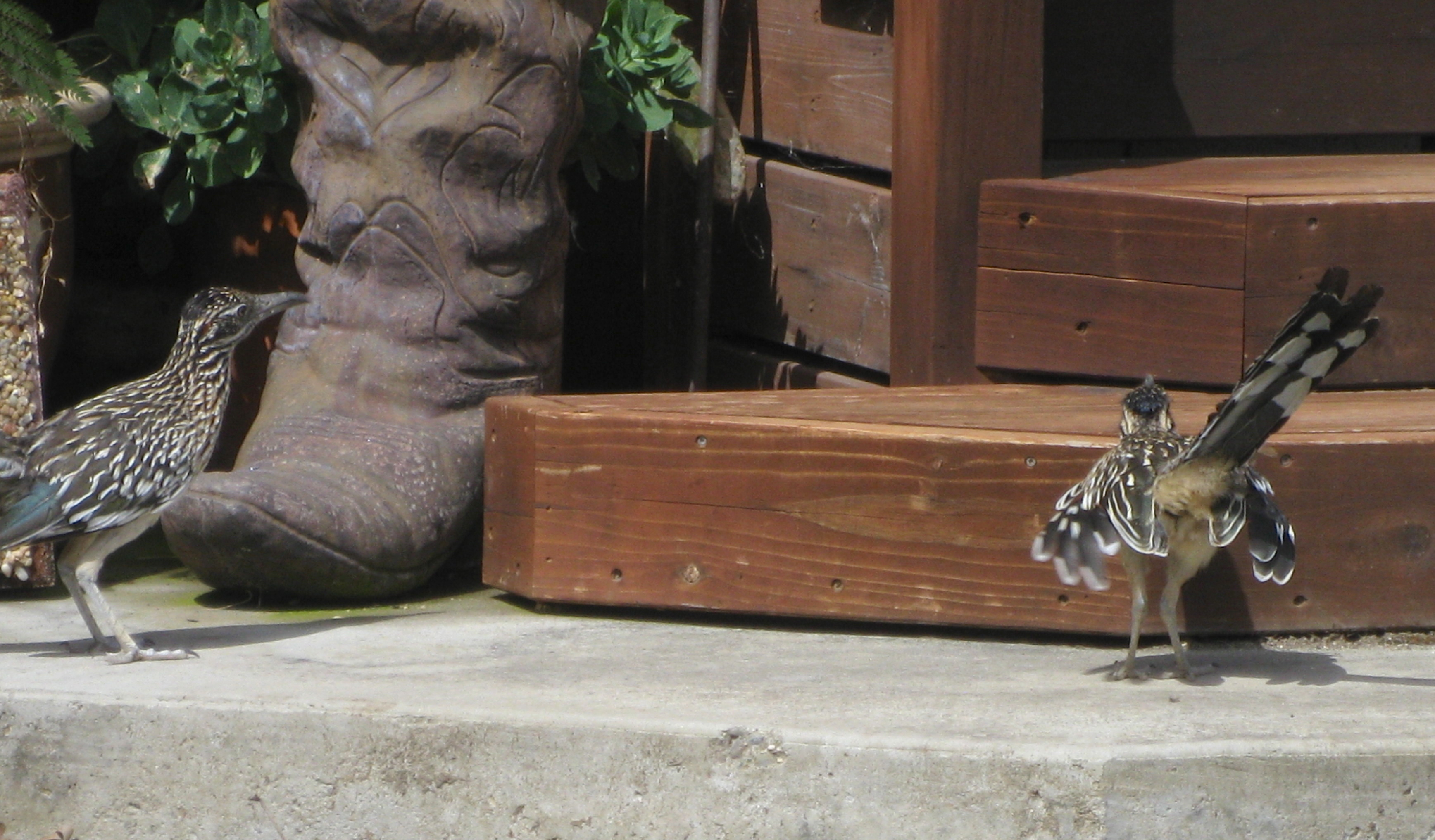
Roadrunners pause and pass with limp lizards,

nest bound. A smear of downhill color
horses graze and walk around to water,
the only monkeyflowers left in the dry,
short-cropped grass, a beacon of smells

below the bellied tank bleeding tears
from a shank of hanging moss, reaching
for muddied ground—it drips,
as it dripped for years, crying for repairs.


2.

The ground comes alive with the scurry
of baby squirrels, Bobcats streak
and Ravens feast in the distance, even
the house cat forsakes fresh dirt—impacts

from the infrastructure of gophers
under construction, undermining
lawn and garden—for an easier catch.
Pinchers and tails of scorpions piled

in the guano of bats beneath the eaves
where ants pack the leftovers off—our eyes
are peeled for black widows and snakes—
for easy-living where wild congregates.

AN EVENING OF LIGHT

                                      Too poor to pay,
                                      Too rich to quit.

                                           – Velvet (“Gunsight Ridge”, 1957)

We tread water in a river of time,
run a ranch, raise cows, write
poetry in the gloaming, you and I—
without the weight of currency
to hold us under, hold us apart.

This evening of light draws the wild
from shady burrows and perches
to perform, to exalt the sky, to dance
with winged grace we emulate—
a brush of words to mark our passing.