First-calf heifers & Wagyu X calves – April 30, 2010

First-calf heifers & Wagyu X calves – April 30, 2010
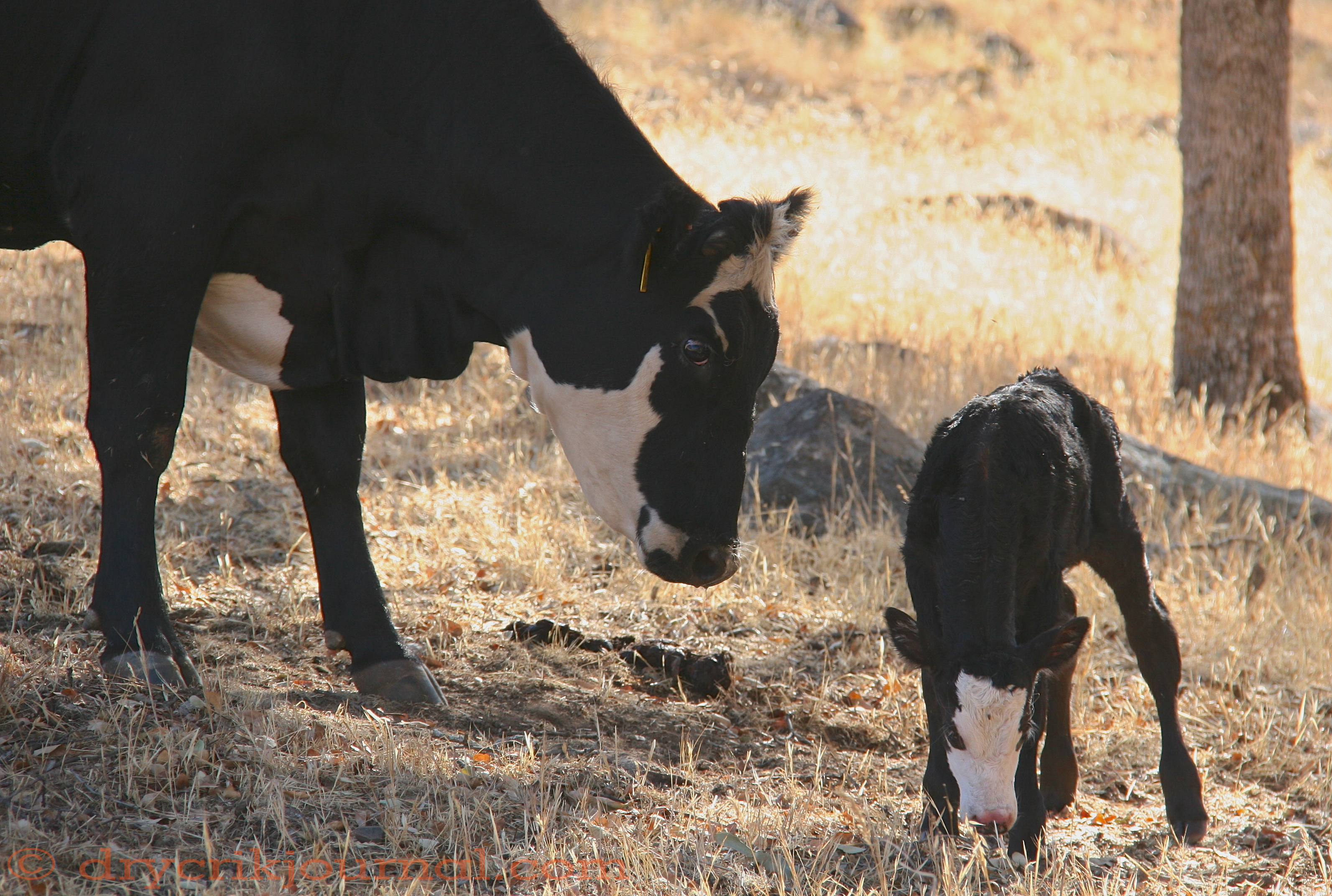
Checking on our first Wagyu X calf Tuesday morning, I could see from the gate a considerable flapping of black wings beneath the hillside oak tree where I left our new pair with a couple of flakes of hay the day before. My heart sank, then rose again as the calf seemed to come alive beneath a dozen Ravens hopping, vying for position over the lifeless black lump with an empty hole in its abdomen, the heifer standing off to one side.
The Ravens had either badgered the calf to death early that morning or late the evening before while the heifer was away getting a drink or it died while its new mother was off with the other heifers grazing socially. In either event, the new mothered suffered from what I have recently acronymed as IMI, insufficient maternal instincts.
Looking back, I had sensed it from the beginning. Beyond the monetary loss, the two-year investment to get a live calf on the ground, it’s always terribly sad and disappointing to lose a calf, but its part of the cow and calf business. The heifer passed the fertility test but failed as a mother, for whatever reasons. In our selection process for replacing older cows, we strive for genetics that can raise a calf and make a living on our native feed. She’ll go to town this spring when she is fat.
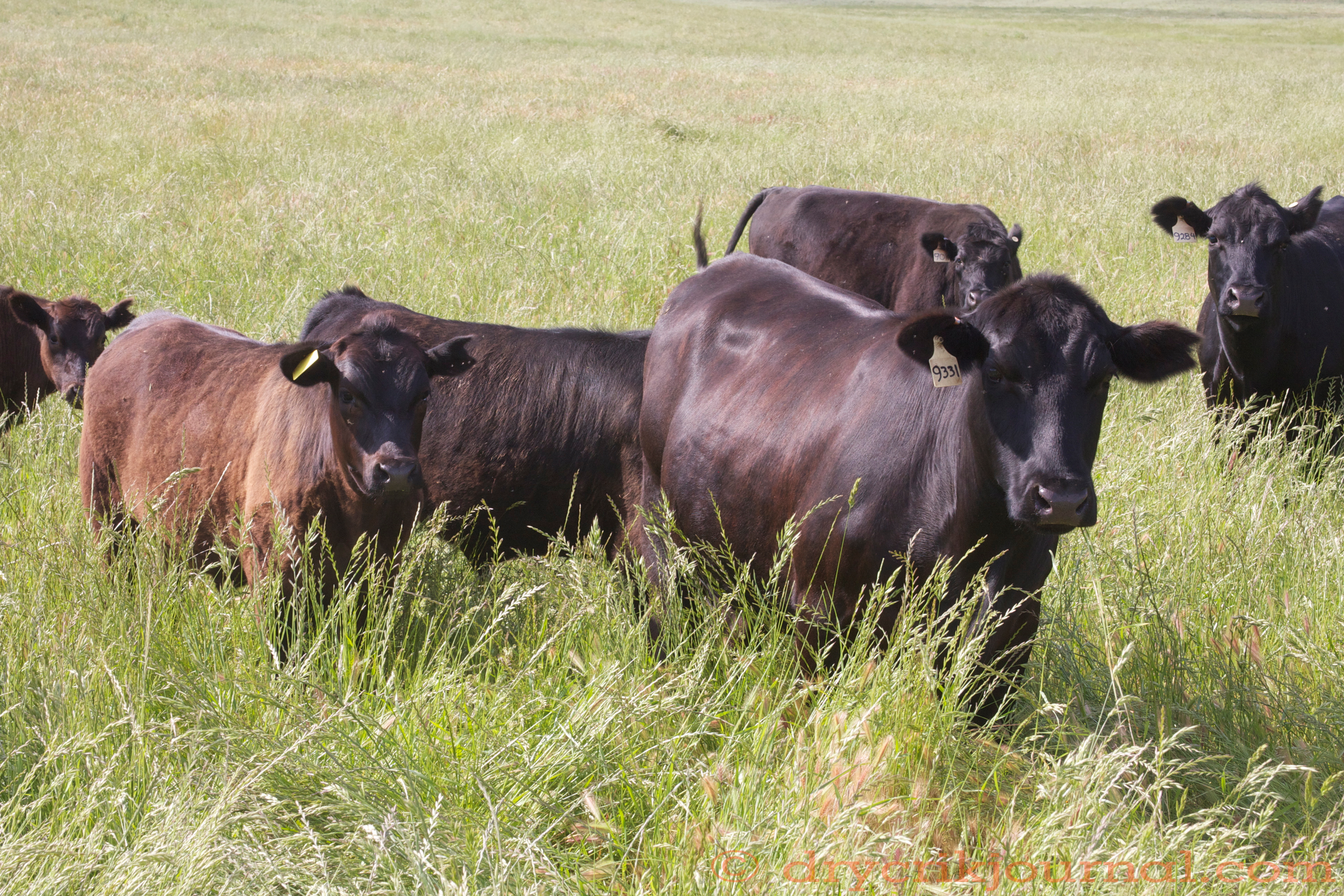
As part of the Age & Source verification process, we keep track of the birthdays of our first and last calves. Yesterday’s number 2 heifer (Tag # 2068 above) is now number 1, August 28, 2013.

Having pulled the Wagyu bulls on February 8th, Monday and Tuesday we moved the first-calf heifers with Wagyu X calves up the hill where there’s more dry feed, after sorting off the heifers that are open or haven’t calved yet from our Angus clean-up bulls.
The Wagyu bulls were with the heifers for 80 days, providing 70% live calves as of today, one born dead and three unaccounted for. In the range of 3%, more than likely these MIAs fell prey to coyotes or the young Golden Eagle that hangs close by. Some of these heifers may have misplaced or forgot their calves, as the three mothers without calves are still wet, nursing someone else’s calf. In the mix with the numbers, the Wagyu X calves tend to be milk stealers, much more persistent than straight English calves, that also contributed to our MIAs. But all in all, we’re pleased with the percentages from our two year-old heifers.
Our remaining heifers have already begun having Angus calves, fairly easy to differentiate from the Wagyu X. When we brand the Wagyu X, we will tag and take a nasal swab of each to send to Snake River Farms to confirm what we think with DNA testing.
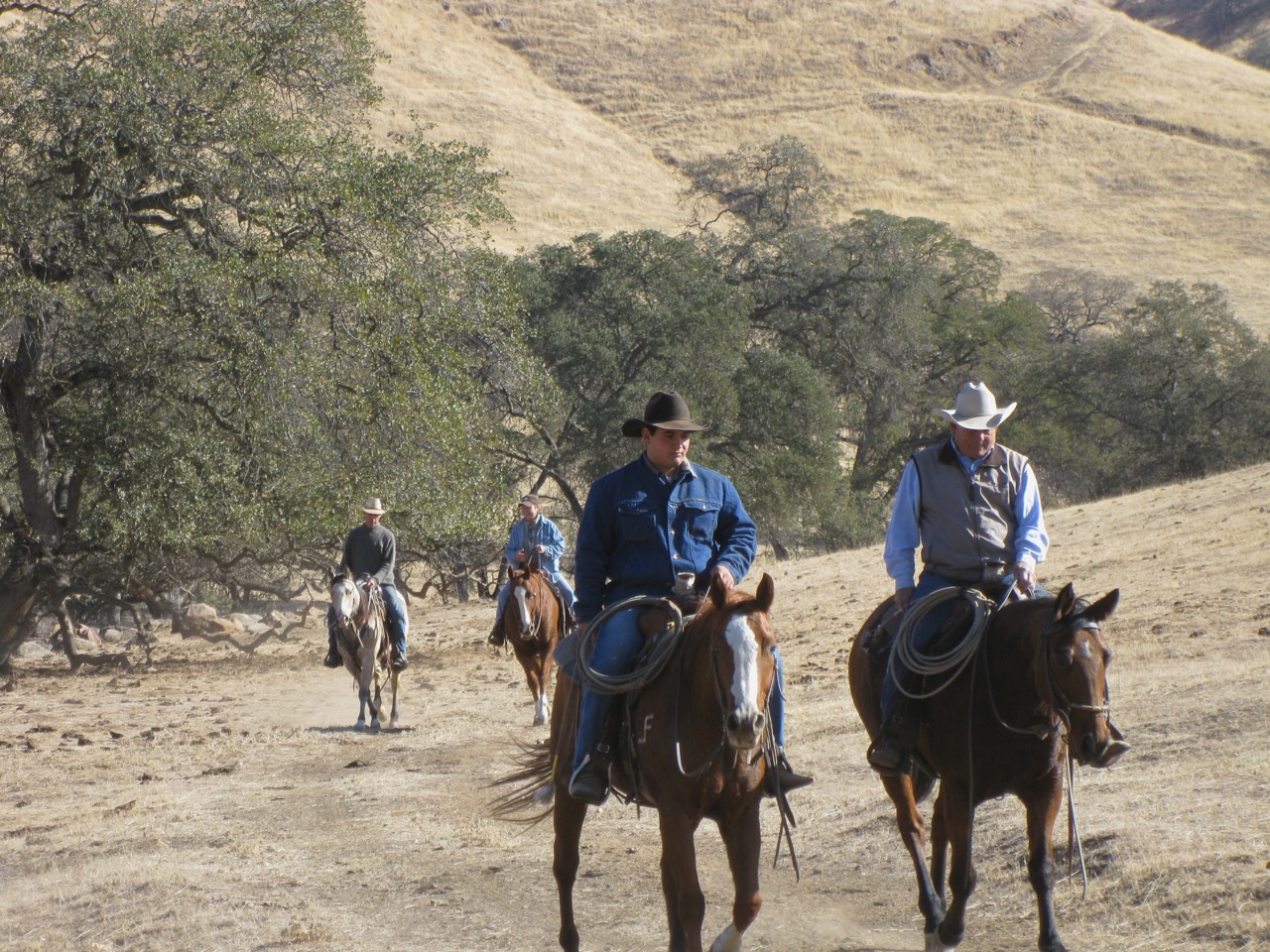
Douglas Thomason, Robbin, Zach and Clarence – November 13, 2012

1240 – September 11, 2011
1240 – September 11, 2012
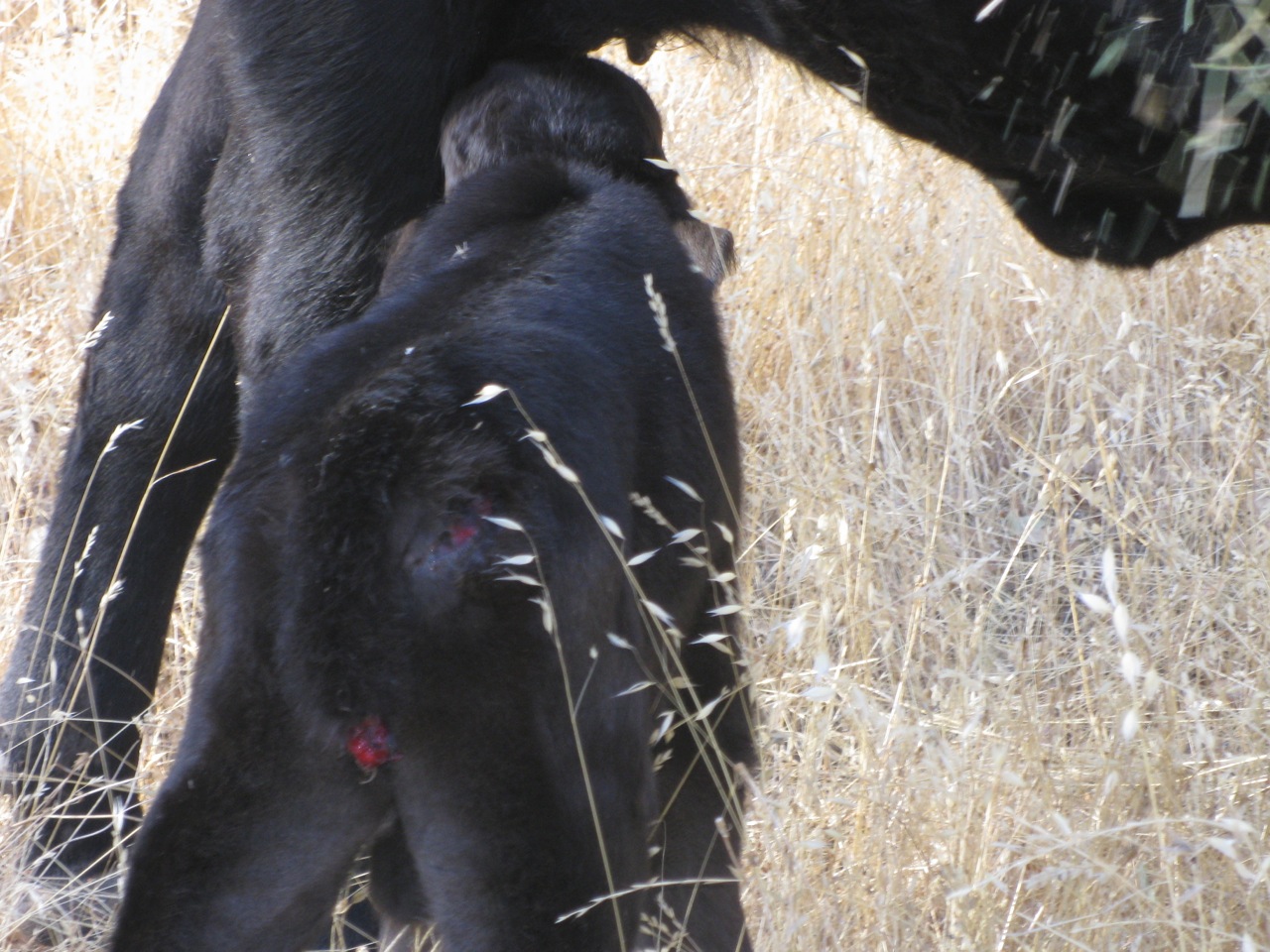
I was a little concerned Monday morning when I made my rounds of the first-calf heifers, 1240 leaving her brand-new Wagyu X calf right where she’d had it to be with the rest of the heifers. Tuesday morning I found her in the same place with four other concerned cows, the calf having just escaped a coyote less than an hour before, but without the end of his tail.
Our selection process for replacement heifers requires fertility that is established by the Wagyu bulls when the heifers are yearlings. If they are bred and can have the calf, we note the good and mediocre mothers as they raise their calves. As this calf is just now getting its breakfast in the photo, 1240 apparently had left it in the same place, scent of afterbirth upon the grass, to graze and socialize. As the cows were still surrounding the pair when I arrived, the coyote hadn’t been gone long. 1240 gets poor marks for judgment. Whether she redeems herself as a mother depends on whether she’s learned to be more attentive to her calf. Just like humans, the ability to have a calf doesn’t necessarily mean that she’ll be a good mother.
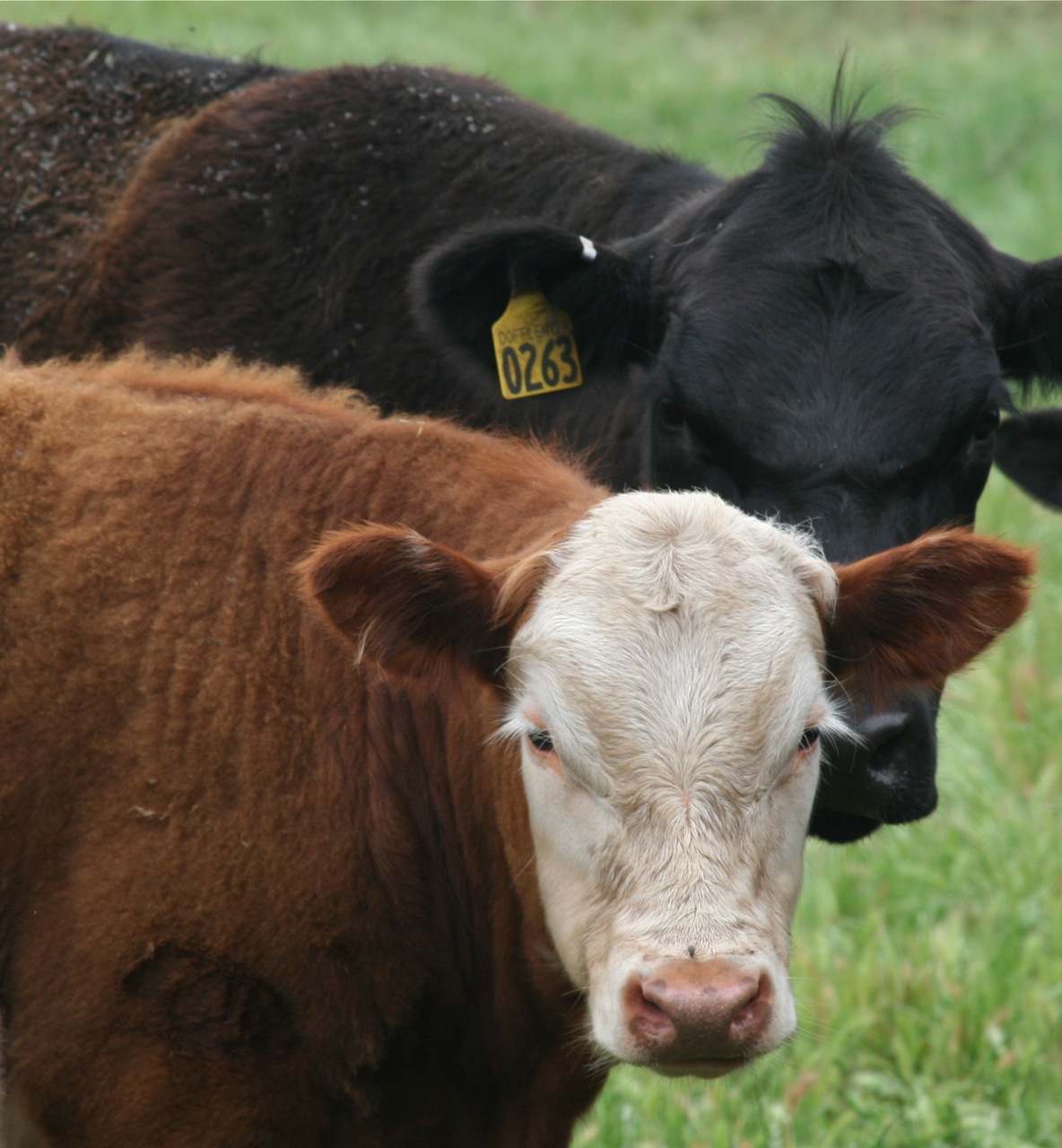
Wagyu X, April 25, 2012
Born around the 1st of October, I photographed this pair while pumping water for the 1st-calf heifers we moved yesterday, waiting for the tank to fill. Below is the only red calf in the bunch and his mother, plus a link to our post seven months ago.

Wagyu X, September 30, 2011
More typical Wagyu X calves below.
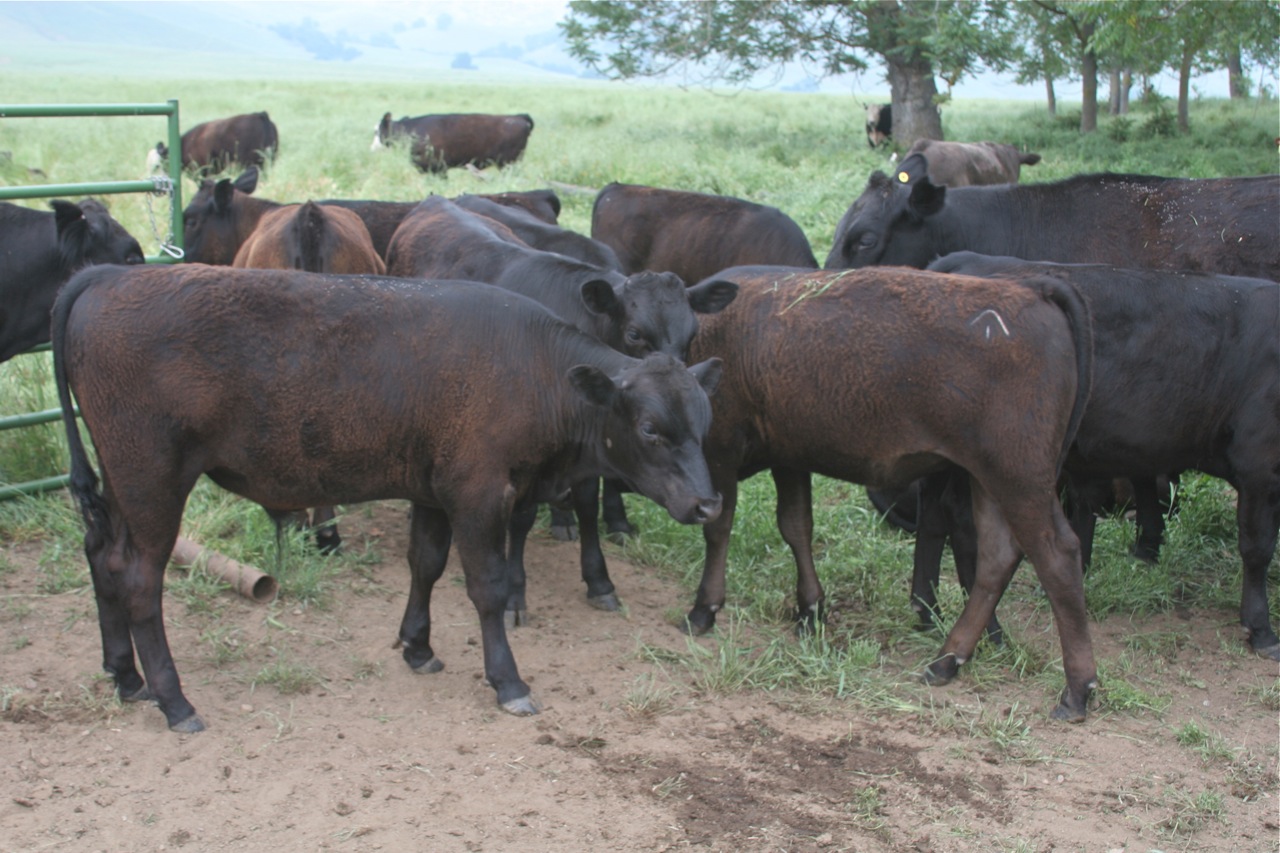
Wagyu X calves, April 25, 2012
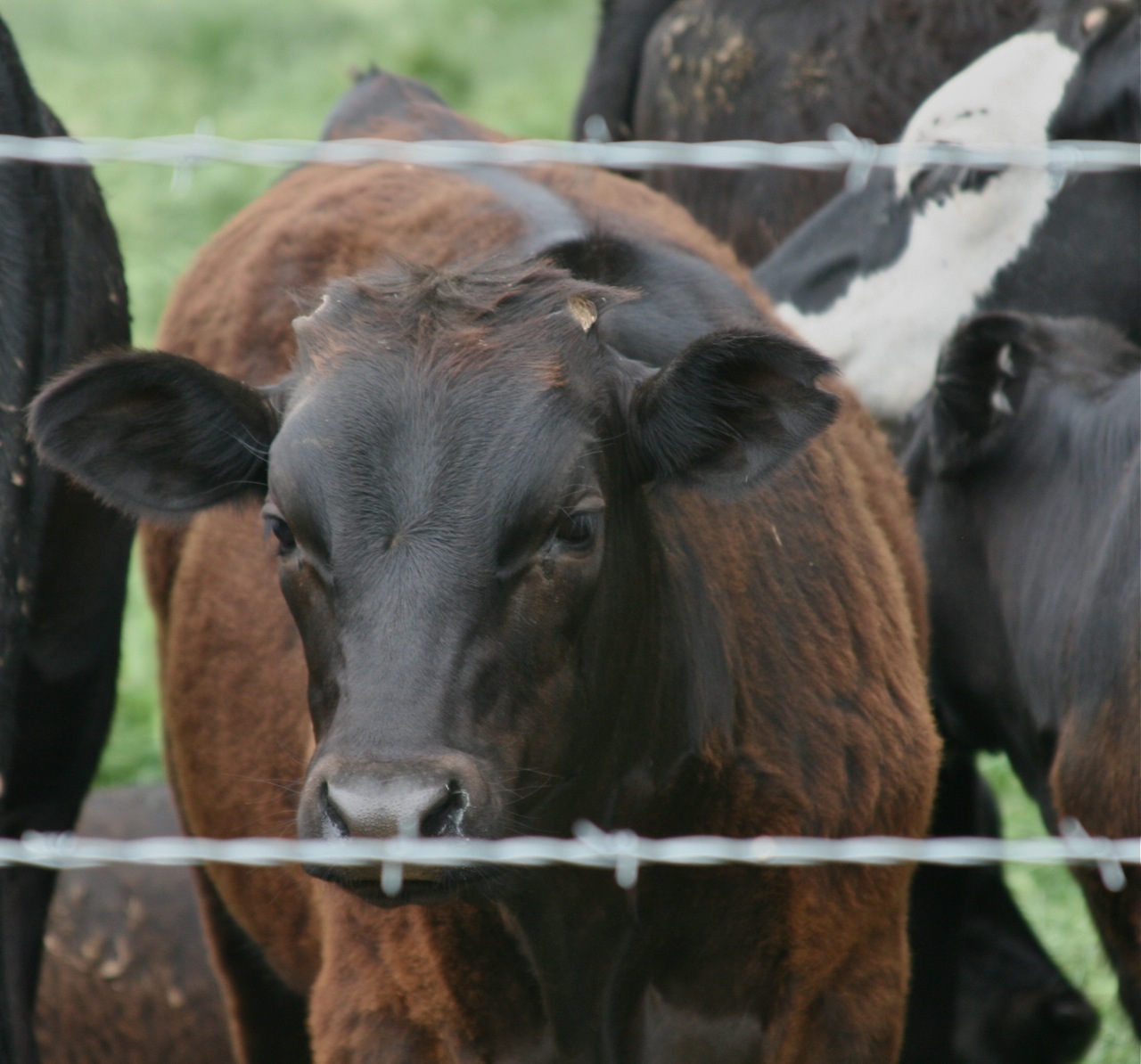
Wagyu X steer, April 25, 2012
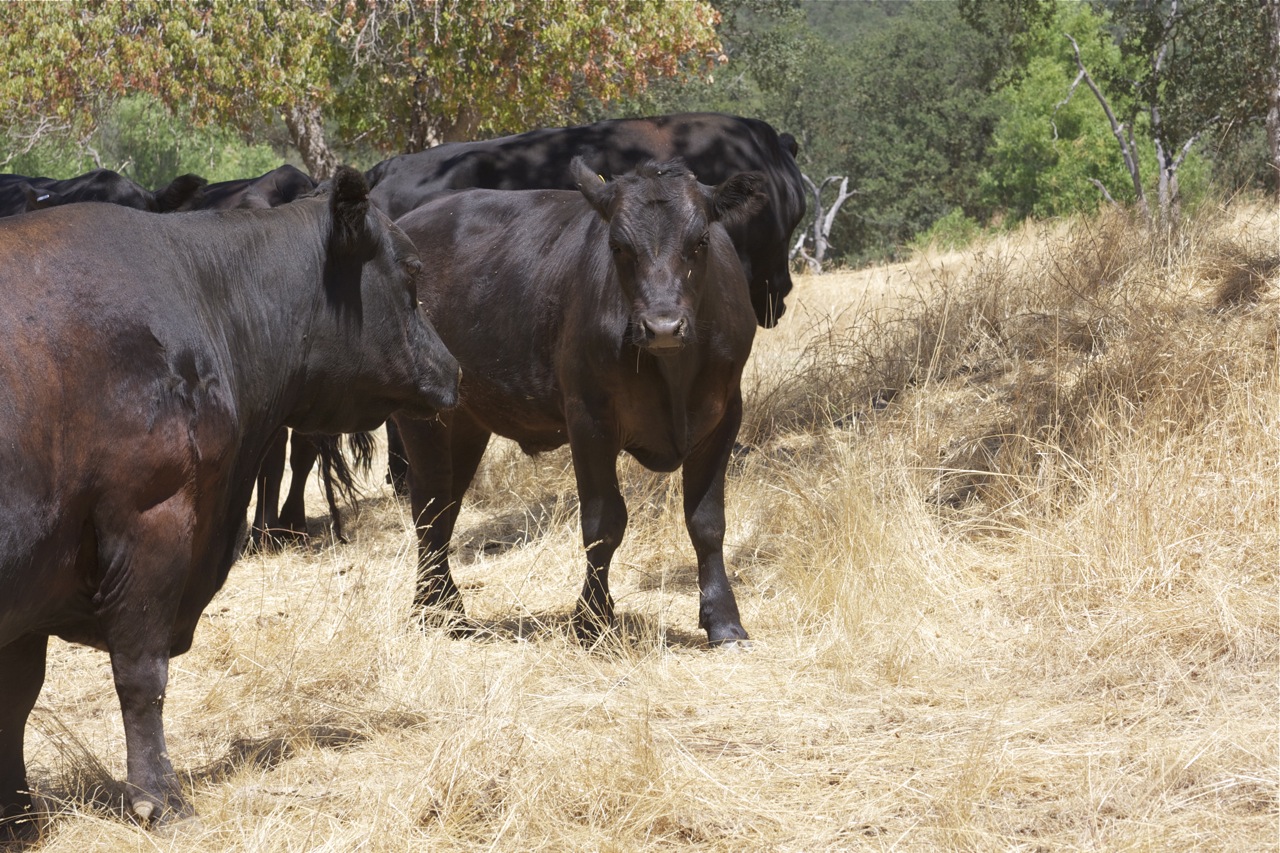
Steer - August 5, 2010
Some slip the bunch,
miss appointments,
take leave with mothers
for greener pastures
or adventure, led
by the same threads
as we—the tug
and pull we trust
as special, as just
another way
to graze
what others miss.
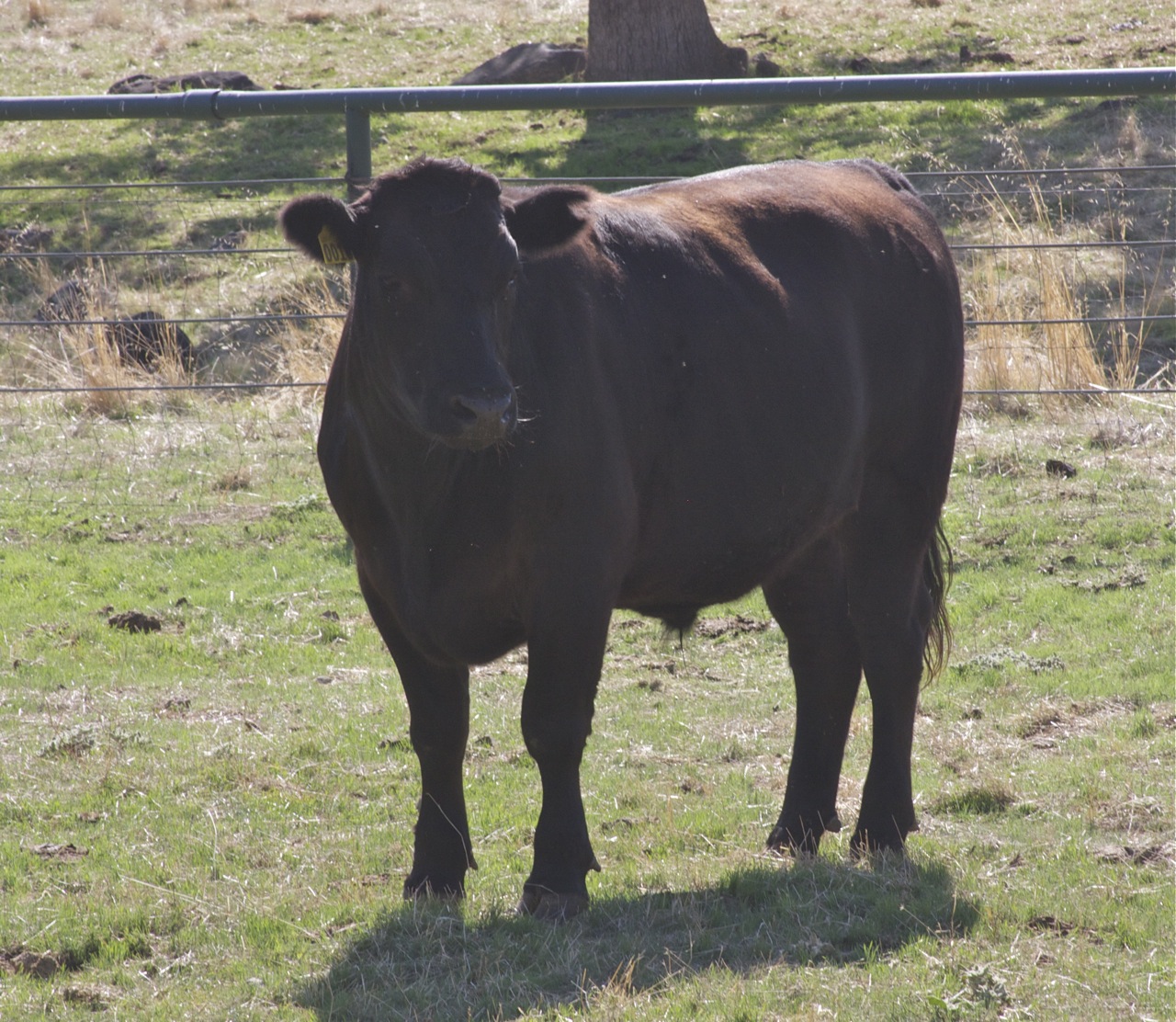
Steer - October 15, 2011
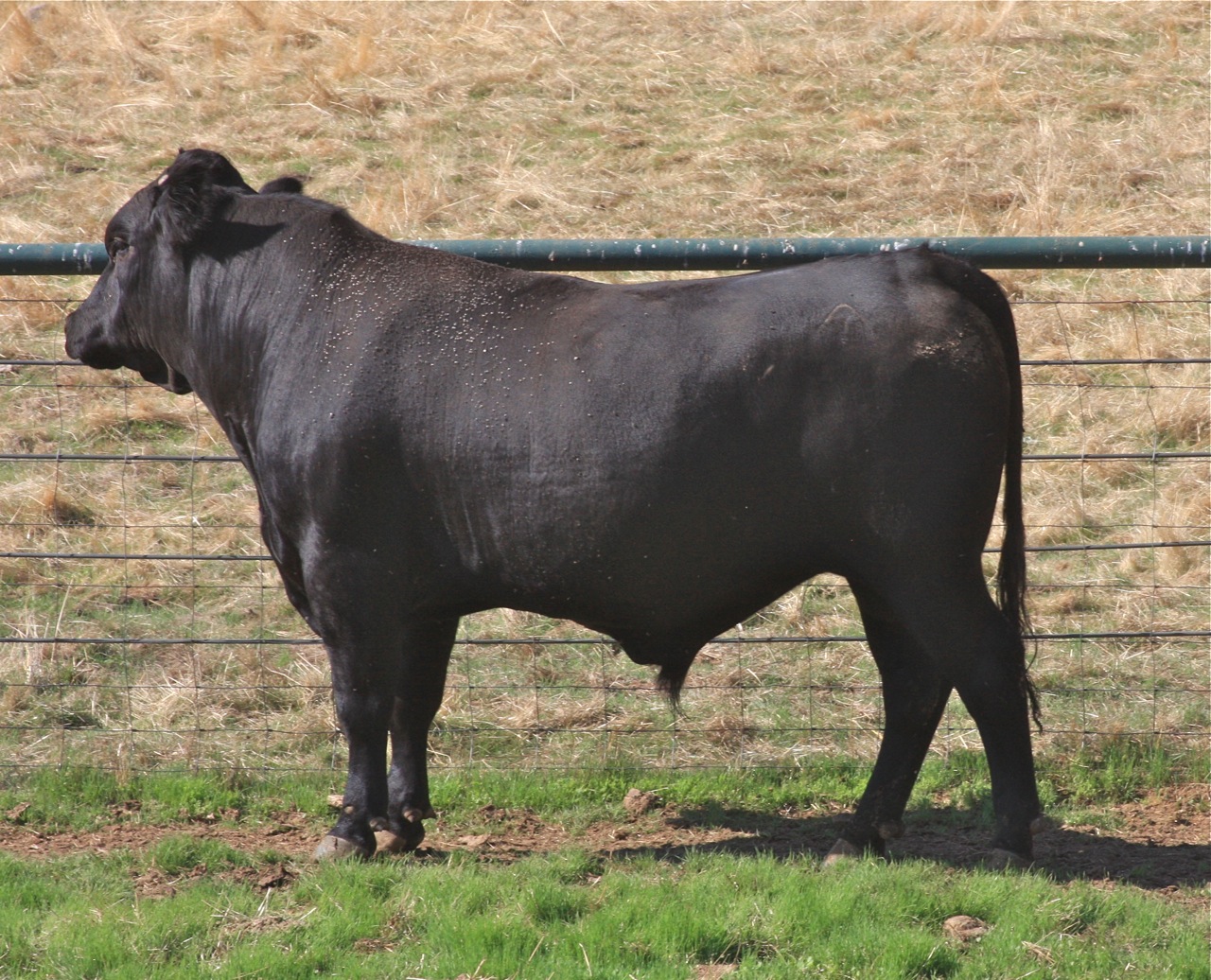
Bull - October 15, 2011
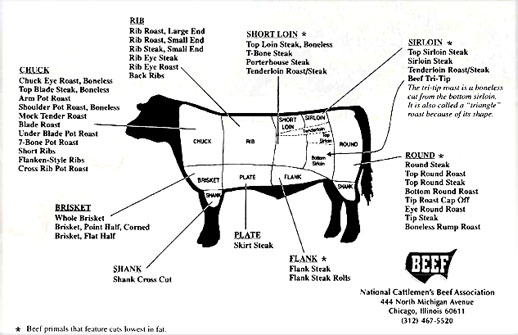
The Wagyu X steer and his mother (937) showed-up in the pasture in which she was raised after the rest of the Wagyu calves were weaned and shipped in May of 2010. Likewise, the bull appeared with his mother in another pasture, having missed branding (though he got an iron as a yearling). We could have sold them in town with no premium, but we wanted to see what they might grow into and feed ourselves at the same time. The bull weighed 1,200 lbs., the steer, 1,100 lbs, when we started them on grain for 60 days—not the longer feeding régime as employed by Snake River Farms. Another experiment, Robbin and I have a half of each—the burger’s great, top sirloin tonight!




 drycrikjournal