Category Archives: Poems 2012

ADVICE TO YOUNG ARTISTS

                            And I figured it out,
                            That we’re gonna do it anyway,
                            Even if it doesn’t pay.

                                    – Gillian Welch (“Everything is Free”)
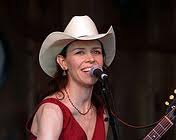
 

In the shade of summer afternoons,
the house strums in another room
with her Dad’s old Martin,

he scattered on the hill above,
new songs she’s learned to play.
Red wine dusk, the cows and calves

come in to listen with the love bird
crows perched in the Live Oak snag.
There is no time for dreaming

with the sunset, when the light
crawls up the darkening ridge,
as coyotes try to sing along.

There is no profit in it,
but to find your joyful song—
and then to let it go.


Song or-☹ Lyrics:

“Everything Is Free”

Everything is free now
That’s what they say
Everything I ever done
Gonna give it away.
Someone hit the big score
They figured it out
They were gonna do it anyway
Even if doesn’t pay.

I can get a tip jar
Gas up the car
Try to make a little change
Down at the bar.
Or I can get a straight job
I’ve done it before
Never minded working hard
It’s who I’m working for.

Everything is free now
That’s what they say
Everything I ever done
Gotta give it away.
Someone hit the big score
They figured it out
They were gonna do it anyway
Even if doesn’t pay.

Every day I wake up
Humming a song
But I don’t need to run around
I just stay home.
Sing a little love song
My love and myself
If there’s something that you want to hear
You can sing it yourself.

‘Cause everything is free now
That’s what I said
No one’s got to listen to
The words in my head.
Someone hit the big score
And I figured it out
That I’m gonna do it anyway
Even if doesn’t pay.

                            – Gillian Welch
MEZMERIZED

October takes all morning to dress,
scatters color after rain and leaves
her trail of indecision in low light

upon the ground—her closet full
of fading greens catches fire. Alas,
she has nothing left to wear, but

bright embers stirred to cover her
damp, brown skin like sequins.
Mesmerized, I wait beneath hillsides

of bare Blue Oaks for the first freeze
and good rain, for the long-limbed
Sycamores to dance naked in the creek.

HEADLINES

Even now, the news glides like manes
and tails over me to pass beneath the sun—
sometimes precursors to a good rain,

a dark storm, but mostly mean nothing
to horses and cows, to the bobcat planted
at the outskirts of Squirrel Town, haunches

frozen in the filtered light. There was a time
I yearned to find my legs elsewhere, test
the edge and taste the wild among the crowd,

lust in love and make news of my own.
But born in the sticks, more like a coyote
than a house dog, I crave the space to grow

gray within my nature, stay to the canyon
and let the headlines pass like one more
empty cloud and save my howling for the moon.

FATAL TRAP

With respect to size, my first herd was small
when I was ten, a dozen Hereford cows
grazing grand dreams, belly-high on green

with calves, all offspring from that one
bottled-fed orphan girl grown too big
for a makeshift shed—a start for a boy

when turned-out on grass that died.
Tears are poor consolation for the death
of dreams brushed with details, bred

and rebred to vanish in deep, damp feed—
or for the anger freed to find its home
within, yet I dream and will dream again.

IN MEMORIUM

The sun set and rose again
twenty thousand times,
eight hundred moons before

it finally dawned, before
the alabaster beams
fanned from dark clouds

that shrouded the divide—
the other side of everything
I may never see clearly.

It was a moment, one
of her last, the watershed
like disheveled bed clothes

cast in pastel canyons
below the snow,
a glorious painting hanging

forever in my mind,
which is a short time, really,
for a masterpiece

to inspire something more.
A voice from the canyons,
a song on a bird’s wing,

the dead speak
where we bury our grief
if we want to listen.

AND THE WINNER IS…

                                        And now these men seem more to me
                                        Like harmless old bees
                                        Gathering the sweetness of the last, thin light
                                        On the only side of the river they know.

                                                 – James Galvin (“Old Men on the Courthouse Lawn,
                                                       Murray, Kentucky”)

Two or three hundred men, women and fidgety children
inside the steamy sale barn, the staccato drone of the auctioneer
amplified to deafness, snare drum in my ears as the pampered,

sleek bulls pass and pirouette before the crowd, orchestrated
by a wary ring man, we take turns stepping out the open doors
to raise an eyebrow, smoke and watch, this old man and I.

A familiar face for years here, I don’t know his name,
neither taking time to introduce ourselves, he knows cattle.
We always say hello, exchange quick clevernesses

and when the last bull sells and the building empties,
we sit on the edge of the concrete pews, smoke and wait
to see which lucky buyer wins the annual saddle.

Today we are closer. He tells me how he loves
a cow sale, hauling cattle from Shasta, Cottonwood
or Famosa since he was eighteen. We both inhale.

He tells me he’s sixty-eight and how many two-by-tens
they’ve replaced in the front row notched by Tom Grimmius,
buying cattle, as we await our moment of silence.

                                                                                for Tom

ROCKED-IN SPRING ON THE POHOT PLACE

                                    With history.
                                    It’s quiet here.
                                            
– James Galvin (“Little Anthem”)

We need not name the places, but
to jog the memory where my spring box lid
of two-by-eights and twenty penny nails

fit roughly against more mortar and rock
to keep the leaves out of a cool, dark cave—
but not the rattlesnakes. The lid and rock

are gone, like the Pohots, small pond below
now for the livestock. Not the spring
with the galvanized tank plumbed to missing

little houses wallpapered with newspaper
and glossy, 1940 detective mags—beneath
a Live Oak, it always had a longer name.

THE FINISH LINE

No eternal rest amid self-righteous throngs
sipping ambrosia within alabaster walls, no
Maxfield Parrish reflection pools beyond

the finish line. I dawdle, instead, like a child
lost in discovery, back when we walked
to school, pockets full of lucky things.

Somewhere in the hazy middle of the race,
the urgent brain beat softens with the flesh
to take up bird songs and wildflowers—

those delicate and fleeting magnificences
that will outlast our pious imperatives,
slogans turned to draw mindless stampedes

to hungry bone piles. The immortal yet live
and work among the leaves of grass, and
not contained between my hat and boots.

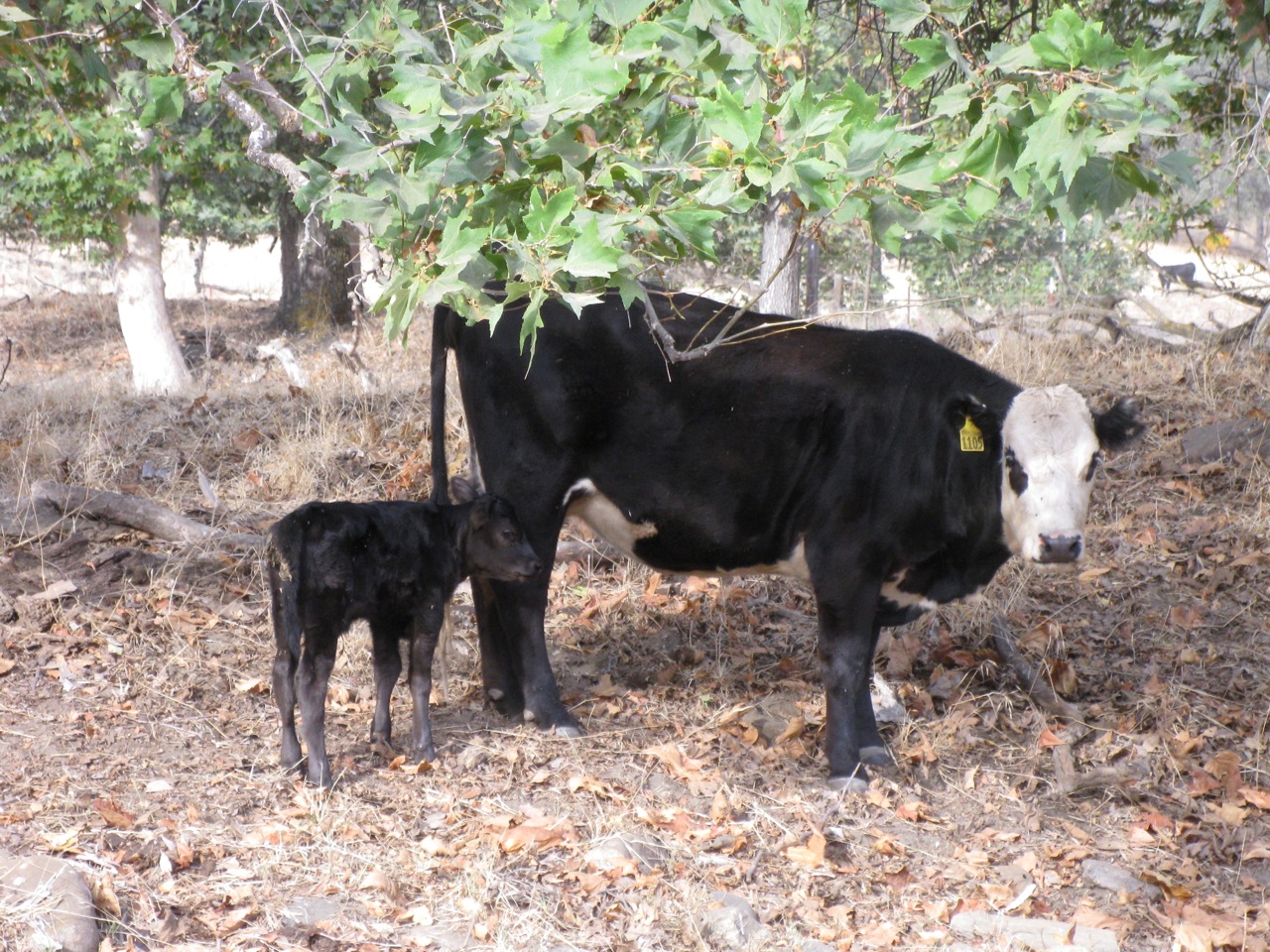
1105

Missing from the bunch of sixty,
somewhere off to herself to calve
for the first time, dilated weeks

before the light contractions,
tightening without notice
growing to seize her flesh.

She left sometime yesterday
to become a mother, bring him out
of the trees and rocks, moving

slowly, stopping to let him suck,
then meander across the cobbles
of the creek bed pausing

while he caught up to the shadows
of oaks and sycamores. Now
a perfect, black white-faced cow.

CATCH AND RELEASE

I was fishing in my dream on a river,
wading thigh-high in tennis shoes and levis,
fly rod bowed, German Brown dancing on his tail.

I could not feel my toes pinched between boulders
and cobbles, nor the current, nor my knees braced
bone to bone as I cast again to catch a rainbow.

Fat hungry trout on a gray river, round rocks held
in the cutbank, canopy of dogwoods, cedar and pine—
pure delight behind an old man’s eyes searching

the next riffle and eddy, reading water beneath,
moving upstream with the grace of a heron, patiently
in my sleep—a final cut edited for prime time.