Author Archives: John

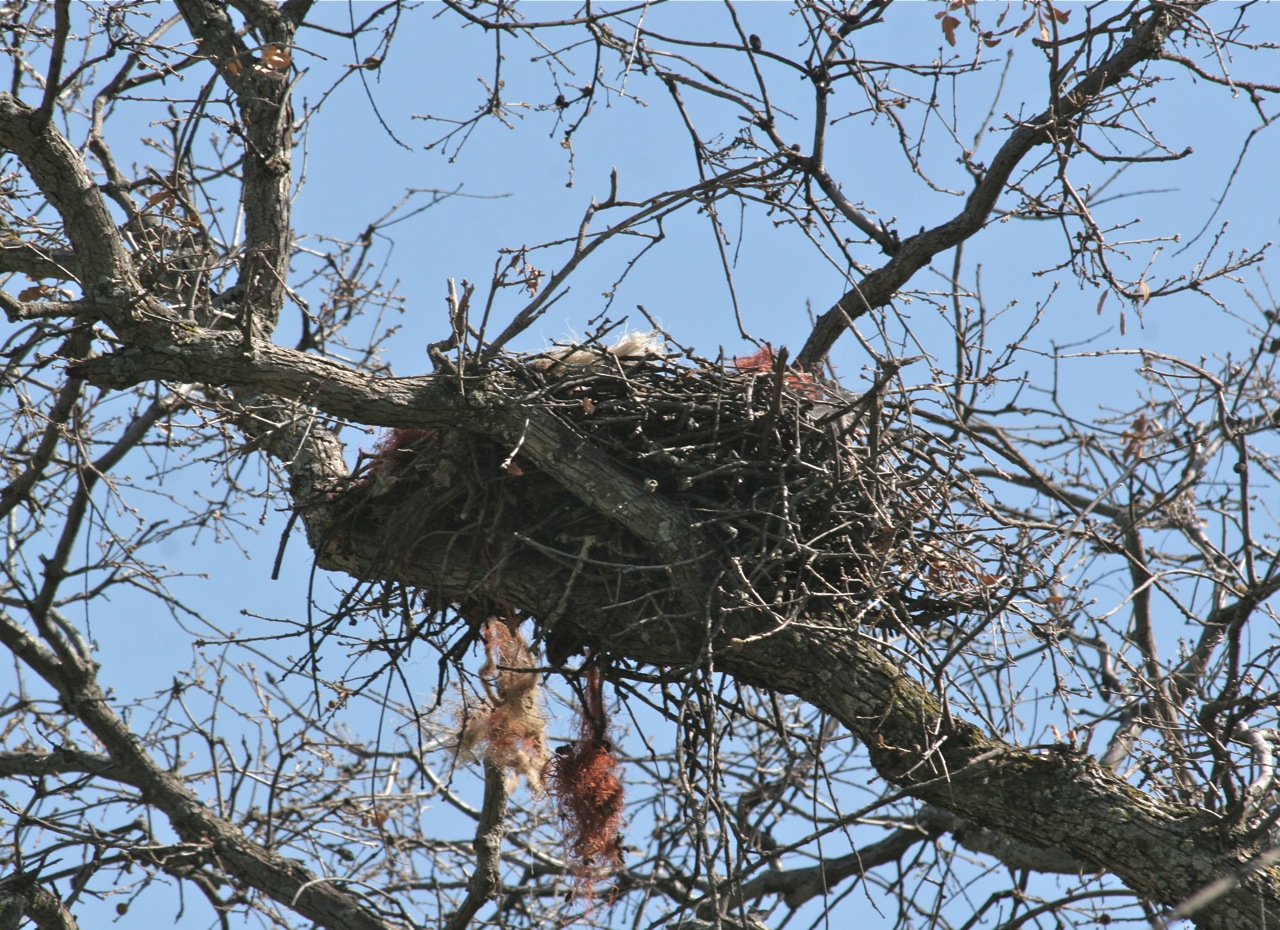
Hawk’s Nest & Hay String

CLOUDY SABBATH

One after another, each
bone-weary day wakes
into a blend of light:

cattle, hills and fading green,
full of doubt. After yesterday’s
branding, Frank Ainley offers

a lengthy, hats-off grace
encompassing good neighbors
and food with an afterthought:

reminding the Lord that we all,
except for maybe me, need
some rain. To be so solemnly

singled-out to a God I wouldn’t
bother—juggling so many crises
on this planet—seems appropriate,

yet requires, as he knows,
a special request from me,
or perhaps be left out.

Ever the teacher, the coach
the deacon, the way is clear
to his Almighty God.

RETROGRADE

                            This isn’t a brave new world but one finally revealed.
                                                        – Jim Harrison (“Suite of Unreason”)

Horses watch for morning movement,
hear the door, plod towards the manger
and wait, each reconnoiters his established place
beneath a rain of green alfalfa leaf
without thinking. And when the time comes,
an old horse expects his daily grain.

Basic routines become benefits of age,
habits replacing failing memories, we feed
ourselves and others by rote, day after day—
minds free to chase more important things
revealed in our lapses, that common path trod
among a diversified mob of simple beings.

O’ that fresh touch of youth, the confusion
of dreams, wild pushed to uncharted expectations
that now fade to legendary embellishments
defying wisdom, or ownership, much less
common sense—we lived on the edge
of our every sensation, believing we had wings.

Now that we have lost our selfishness,
our center to a universe of starlight winking
much the same during our quick stay
on this planet, this earth alive
with the whimpers of birth and death,
we walk upon another landscape.

Is this our promised land of forgetfulness,
our sins discharged to disconnected gray
matter? We hold one another closely
and find comfort with what our short time
has proven, and unveiled as the real world
to explore: simple beings to find our way.

TRACKING TRUTH

Underneath it all, a raging
surge, an undertow below
simplistic words that float—
the tossed and churned asides
of daily discourse: our secret
code of strange disdain and
anger that the world has changed
without us, without notice,
without the consultation
we deserve in a democratic
republic. No one’s immune.

I love stories of the old days
when Anyman could be
a character, a distant crag,
a local landmark, a unique
feature of a culture clinging
to wilder ground, before we
tamed and broke its heart
into paved submission, before
new rules that make them
outlaws after the fact, after
the feeding we consumed.

Yet some things stay the same:
always the self-righteous
and dark closets, always
diversions from the truth,
always greed and power lust—
just follow the money.

THE SIGN

Part of a day’s gather escapes
through a gate left unlatched
and we discuss signage,
phrasing neighborly verbiage
through clenched teeth
that will necessitate
a billboard to incorporate—
all the reasons why
they’re open or closed
when everyone should know:

           LEAVE GATES
LIKE YOU FIND THEM

      or find another way
to get where you’re going.

CALLS OF BIRDS

                                        In the Upper Peninsula of Michigan
                                        and mountains of the Mexican border
                                        I’ve followed the calls of birds
                                        that don’t exist into thickets
                                        and up canyons. I’m unsure
                                        if all of me returned.

                                                            – Jim Harrison (“Suite of Unreason”)

I
At a flatland fundraiser,
a young man remembers stories

                    of his father and I
                    that never happened—

revels in his glass
embellishments streaming
like dismembered parchment,

                    piecing the unfurled
                    fragments from other scrolls
                    that float in his mind

as heroic ideals to aspire to.

II
Each time
we ride above the lake to gather,
we look down as horses blow
to trace where the Kaweah ran
beneath it,

point to familiar family names
living along the river before its wide,
slow turn into sand flats hemmed
with cattails around the mouth
of Greasy Creek, before the big holes
of rock and water under the earthen dam
where natives swam, spearing huge carp
to dry and haul up Dry Creek to Eshom
in a cart, Loren, as a boy, riding upon them
and why he never learned to swim.

Each time,
what we remember of the river rises
as if they never left.

III
I do not crave to travel, to leave
these places, or make new history
elsewhere—with tracks enough

chasing bird songs here at home,
always with the hope that storms
will wash deep ruts from memory.

Everyday an adventure, playing
with coincidence, watching
arbitrary time light upon a branch—

each small part of me I leave behind
like ash and dust you’ll never see
is a lifetime spread over acres of ranch.

LIKE THEM

Another morning, another
dawn between dark ridges
rising to starlight—the same

hurdles for the celestial
to overcome as cattle wake
to another day of grazing

without the urgent grip
of each second’s tick
counted against them.

They want no holiday,
no vacation—they have
no fear of death.

So many years of envy
and respect, we begin
to think like them.

HARBINGER?

                    Until yesterday,

I’ve never seen a Spotted Towhee,
                    a jumpy pair
                    kicking old and moldy leaves.

A Black Phoebe watched
                    this foreign intensity
                    closely from a chair.

Could it be a sign of something
                    other than plenty of bugs
                    on the ground and in the air?

MANTRA OF THE HARVEST

The rise and fall of gods that have danced
among the alabaster pillars of men’s brains,
playing hide and seek upon a marbled floor—

                    an ever-changing Maxfield Parrish scene
                    apart from dark-eyed Greed and Power skulking
                    in the shadows either side of the garden,

begins in delightful innocence. We lowered
our shoulders to the wagon, men and boys,
to get the harvest in, leaned with the grace

of a team of mules in the narrow vine rows.
And we were proud, young bulls to work
as one before the dance of efficiency,

before the purring explosions of machinery,
before production stole that sweet satisfaction
from our common soul. There was no call

for ordinary men, nor need for common
sensibilities—we were unemployed and fed
to the faceless storm of another urgency.

Age may bring heavy burdens, but at worst
measures steps for a slower choreography—
ever-listening for that mantra of the harvest.

Small Family Farms

courtesy: Gary Nabhan

In the past decade or so, the combination of increased U.S. foreign imports, corporate outsourcing of jobs overseas and the rising price of crude petroleum has foreign interests holding huge amounts of U.S. dollars looking for vehicles in which to invest beyond the low yields of U.S. Treasury Notes that are subject to our deflating dollar as a result of several huge injections of cash, and debt, to bail-out the banks and brokerage houses due to aggressive and creative financing until late 2008.

These foreign interests, most armed with graduates from outstanding business schools across this country, invest on Wall Street and other world exchanges, looking for yields and opportunities other than holding-on to U.S. dollars. As capitalism prevails in a global economy that consists of multi-national corporations and shareholders, I wonder what percentage of these corporations are owned and influenced by these diverse foreign shareholders? Whatever the number, it’s more than ever before.

And how does this multi-national ownership influence the media, foods and services in this country? Long an advocate for the culture of small family farming and ranching to prolong our sense of independence, self-reliance and essential common sense, the trend towards corporate agriculture may not be in our national best interests. As neither foreign nor domestic politicians and investors value these intangibles more than money, the future of small agricultural operations is now under unprecedented pressure.

To acquiesce to the corporate control of our food and clothing subjugates us all, defies common sense, and does not bode well for the future. It is time to redraw the fuzzy political lines between Democrats and Republicans, between Socialist and Capitalist philosophies, to address the more important loss of our independence and freedom, and to re-instill a nationalistic sense of self-reliance. Increase your freedom and options by getting to know and supporting your local farmers.

'American Gothic' by Grant Wood courtesy of Wikipedia

From the session in Elko: ‘Agrarian Poetry: Why We Need Its Messages and Beauty Now, More Than Ever Before’