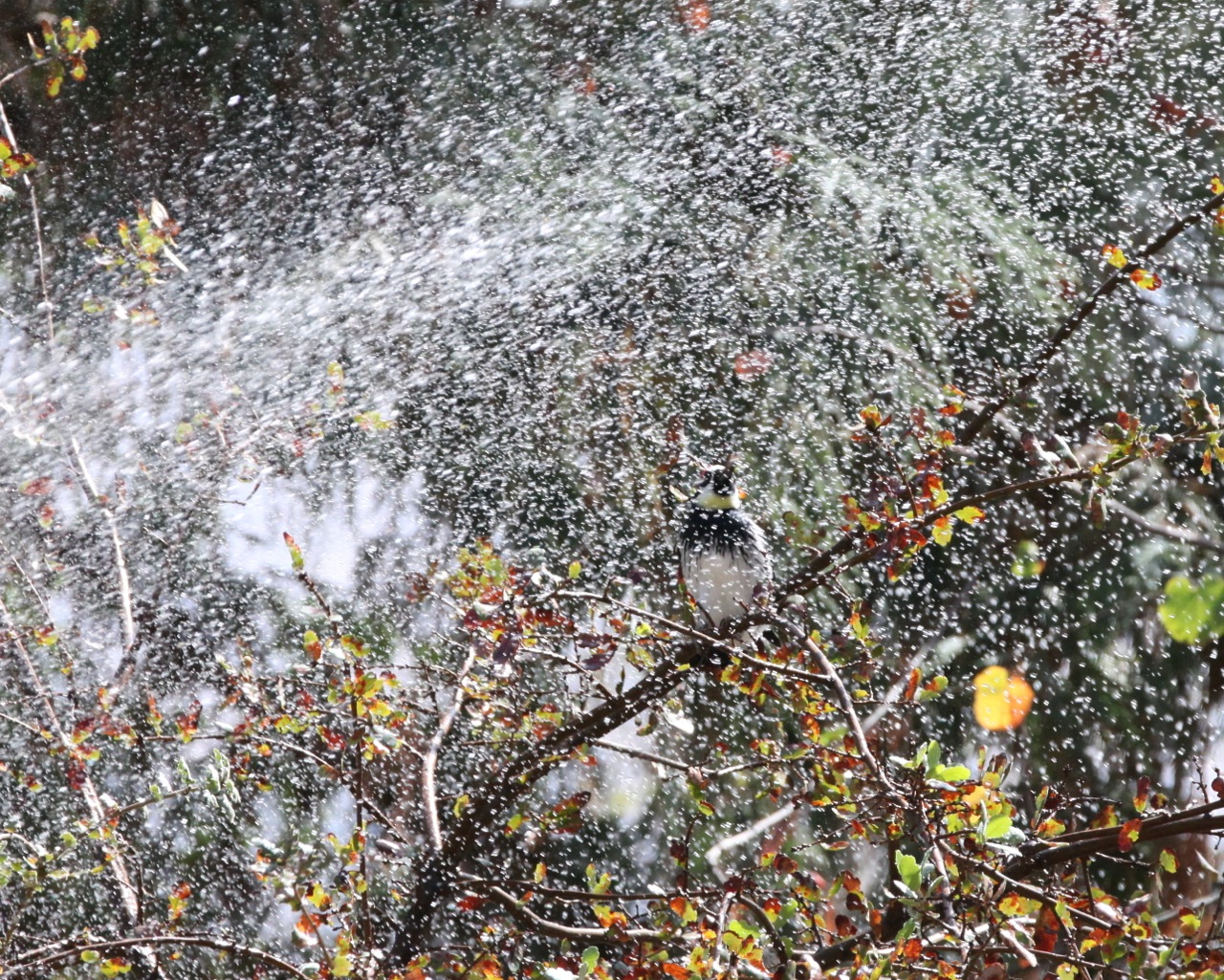


Despite the dramatic change in temperature since Friday, the local woodpeckers took advantage of our rainbird sprinkler.

Despite the dramatic change in temperature since Friday, the local woodpeckers took advantage of our rainbird sprinkler.
Posted in Photographs
The sun set and rose again
twenty thousand times,
eight hundred moons before
it finally dawned, before
the alabaster beams
fanned from dark clouds
that shrouded the divide—
the other side of everything
I may never see clearly.
It was a moment, one
of her last, the watershed
like disheveled bed clothes
cast in pastel canyons
below the snow,
a glorious painting hanging
forever in my mind,
which is a short time, really,
for a masterpiece
to inspire something more.
A voice from the canyons,
a song on a bird’s wing,
the dead speak
where we bury our grief
if we want to listen.
Posted in Poems 2012
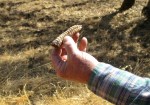
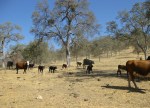
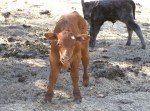
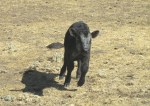
Despite the heat and the late start, Robbin and I made a trip to Greasy to see the calves on that side of the road.

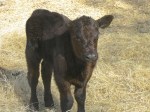



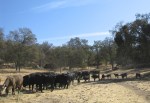

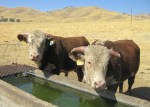
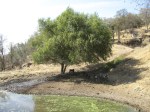
Posted in Photographs
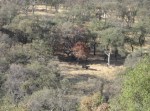
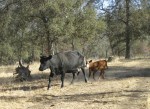
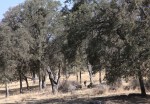
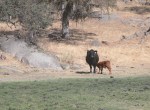
30 days into calving our commercial cows, Robbin and I needed to get up to the Paregien Ranch to see some calves.


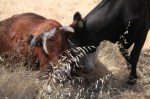

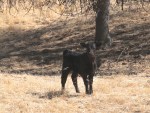
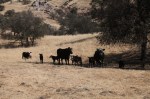
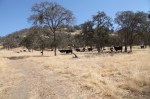
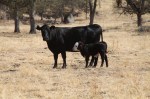

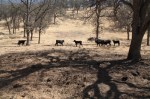


Posted in Photographs
And now these men seem more to me
Like harmless old bees
Gathering the sweetness of the last, thin light
On the only side of the river they know.
– James Galvin (“Old Men on the Courthouse Lawn,
Murray, Kentucky”)
Two or three hundred men, women and fidgety children
inside the steamy sale barn, the staccato drone of the auctioneer
amplified to deafness, snare drum in my ears as the pampered,
sleek bulls pass and pirouette before the crowd, orchestrated
by a wary ring man, we take turns stepping out the open doors
to raise an eyebrow, smoke and watch, this old man and I.
A familiar face for years here, I don’t know his name,
neither taking time to introduce ourselves, he knows cattle.
We always say hello, exchange quick clevernesses
and when the last bull sells and the building empties,
we sit on the edge of the concrete pews, smoke and wait
to see which lucky buyer wins the annual saddle.
Today we are closer. He tells me how he loves
a cow sale, hauling cattle from Shasta, Cottonwood
or Famosa since he was eighteen. We both inhale.
He tells me he’s sixty-eight and how many two-by-tens
they’ve replaced in the front row notched by Tom Grimmius,
buying cattle, as we await our moment of silence.
for Tom
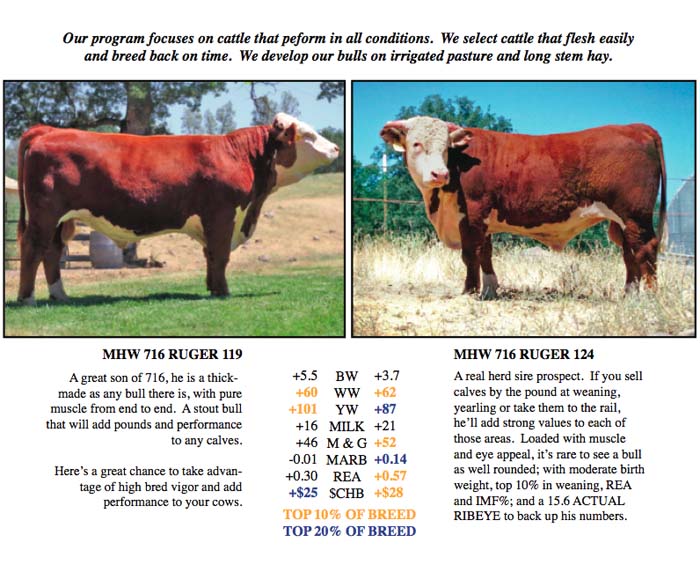
MHW 716 Ruger 124 was selected as the Champion Range Bull at yesterday’s Visalia Livestock Market’s Select Bull Sale yesterday. I went a little over budget to add these genetics to our Angus cowherd. On her way back from the Snaffle Bit Futurity in Reno, Robbin wasn’t there to kick me in the shins.
Posted in Photographs
Certain topics of ranch life are seldom shared with the public, but risking to offend the politically correct, I offer our ‘Practice with Coyotes’.
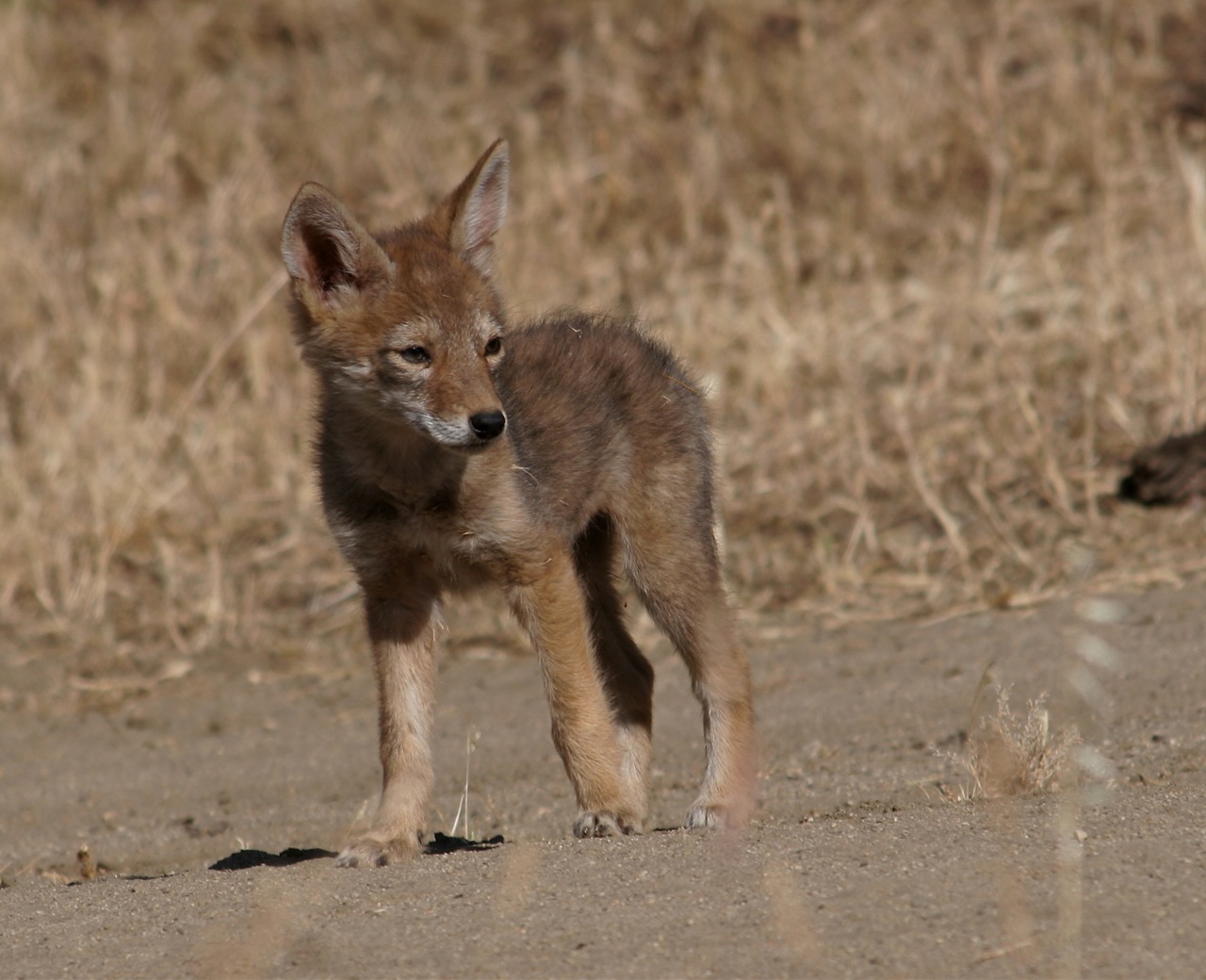
May 26, 2007
A couple of decades or more ago, I took a page from Dayton Hyde’s book, Don Coyote, and let the coyotes on the ranch alone, hoping their population would stabilize to fit our rodent population. We ran stockers then to help cover the expenses of our cow herd, and the coyote’s threat to our commercial calves was minimal, in part because our mother cows were a diluted heterosis of Hereford, Angus, Brahma and Longhorn mix that could fend for themselves and their calves. In those days, we really didn’t have a breeding program. We bought good bulls and our good mothers stayed, but their multicolored and uneven calves became increasingly difficult to market.
Though I admire Hyde’s experience and philosophy, I haven’t convinced the coyotes to leave our small Wagyu-cross calves alone. From a coyote’s perspective, a pasture scattered with first-calf heifers and sleeping, fifty-pound calves does not go unnoticed. Thirty to forty pounds lighter than our straight English calves, the Wagyu bulls allow us to breed yearling heifers instead of two-year olds, but the Wagyu-cross babies are too tempting for even the shyest coyote.
Primarily tied to the rodent population, ground squirrels, gophers and mice, coyotes also clean-up carrion that limits potential diseases on ranchlands. Between the feral hogs and coyotes, the eagles and vultures, a wild or domestic carcass doesn’t last long. But ultimately, it is the variables of winter temperatures and rain, grass growth and seed that dictate our rodent, and hence the coyote’s, population.
From an economic standpoint, a Wagyu-cross calf can generate $800-900 seven months after it’s born. The extra costs associated with breeding a yearling heifer, keeping her in shape to raise her calf and breed back again might total $500-600. Each heifer that loses a calf can get costly in a hurry.
Daring to play coyote psychologist, we don’t want our calves to become the new main course, our calving fields the easiest place to go for a free meal, so we discourage their presence by beginning in August, a month before calving, with a rifle. We tend to leave the coyotes alone by January, as most our calves are big enough by then to take care of themselves.
So what do I know? What seems to be our impact on the coyote population? Depending upon our competence with a gun, I’d like to believe that we have become part of the natural selection of the coyote, eliminating the slower and more naïve individuals, and educating the rest. 60-70% of my 15-20 coyote kills in August are juveniles, almost full-grown, but most of which would probably not kill a calf in the year they were born. By the end of September, I might shoot five more, almost all adults, and maybe five more adults by December, by which time the juveniles look like adults, especially with longer hair.
Over the past decade, the coyote population remains vibrant, vacillating with weather conditions and food supply. At no time have I entertained the notion that I have truly impacted their numbers, though I do believe I have discouraged their presence in certain pastures, which is what I’ve intended.
Looking back at the days when the use of 1080 squirrel poison was commonplace, we may have had less coyotes. But it also seems in the 1960s that we had many times more ground squirrels, despite the poison’s 95% success rate. Because 1080 would also kill other species that might consume the poison-coated grain, retained in the carcass, it would also kill whatever fed upon the carcass before it became illegal to employ. This was especially good for the coyote.
Comfortable in town and Valley orchards, the coyote may be one of our most adaptable species, and most admirable in these quickly changing times. Even the Native Wukchumni identified with the coyote, a clever symbol of self-reliance and survival that yet endures here.
Additional reading: New York Times, September 27, 2010
With history.
It’s quiet here.
– James Galvin (“Little Anthem”)
We need not name the places, but
to jog the memory where my spring box lid
of two-by-eights and twenty penny nails
fit roughly against more mortar and rock
to keep the leaves out of a cool, dark cave—
but not the rattlesnakes. The lid and rock
are gone, like the Pohots, small pond below
now for the livestock. Not the spring
with the galvanized tank plumbed to missing
little houses wallpapered with newspaper
and glossy, 1940 detective mags—beneath
a Live Oak, it always had a longer name.
Posted in Poems 2012
No eternal rest amid self-righteous throngs
sipping ambrosia within alabaster walls, no
Maxfield Parrish reflection pools beyond
the finish line. I dawdle, instead, like a child
lost in discovery, back when we walked
to school, pockets full of lucky things.
Somewhere in the hazy middle of the race,
the urgent brain beat softens with the flesh
to take up bird songs and wildflowers—
those delicate and fleeting magnificences
that will outlast our pious imperatives,
slogans turned to draw mindless stampedes
to hungry bone piles. The immortal yet live
and work among the leaves of grass, and
not contained between my hat and boots.

Though we’re past the Autumnal Equinox and the days are noticeably shorter, summer temperatures persist. Yesterday’s high was 99 degrees. Most of the Wagyu X calves above find shade by early morning.
Posted in Photographs




 drycrikjournal